Aloe Dichotoma
- Description
- Aloe Dichotoma Quiver Tree Care Guide
- FAQ/Common Issues
-
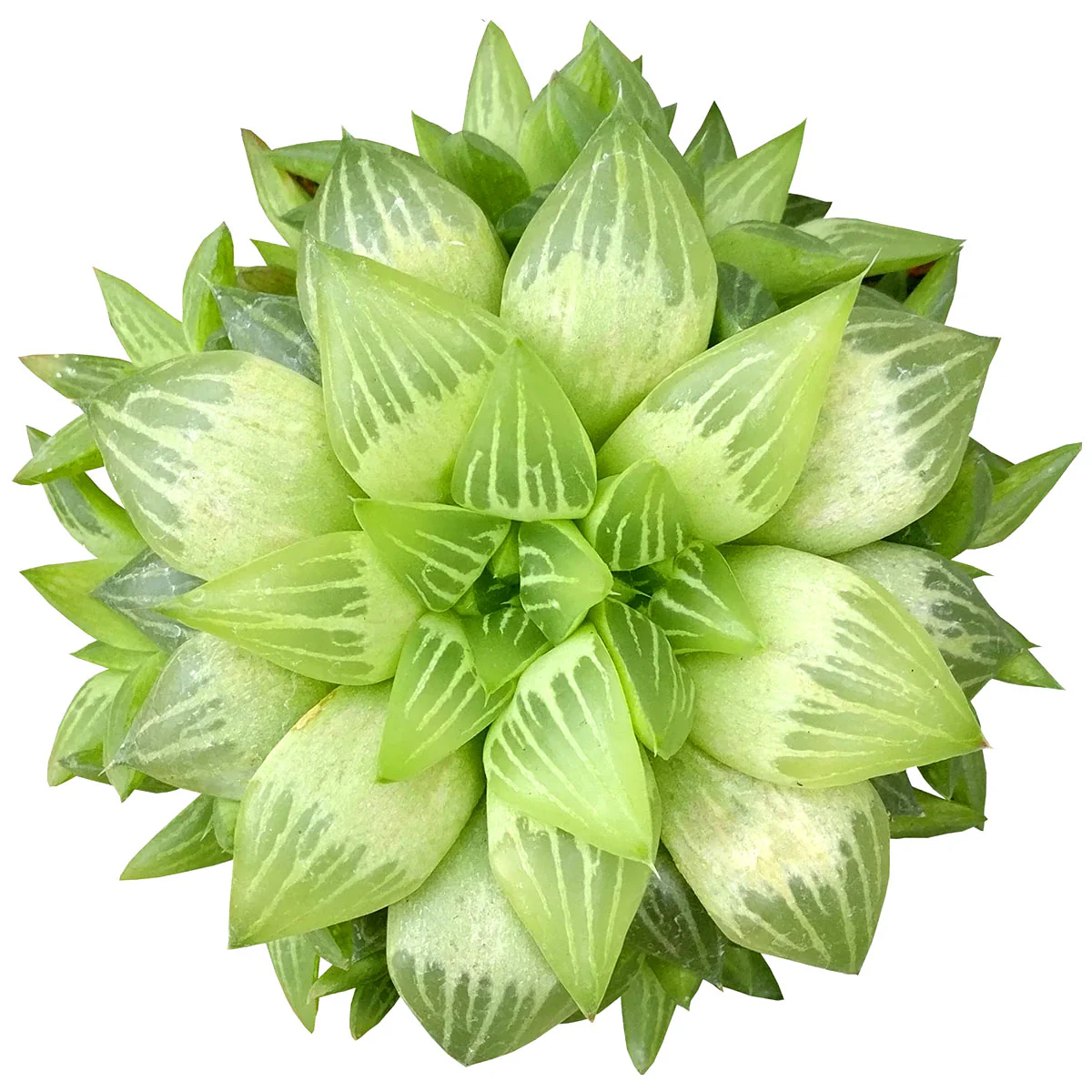
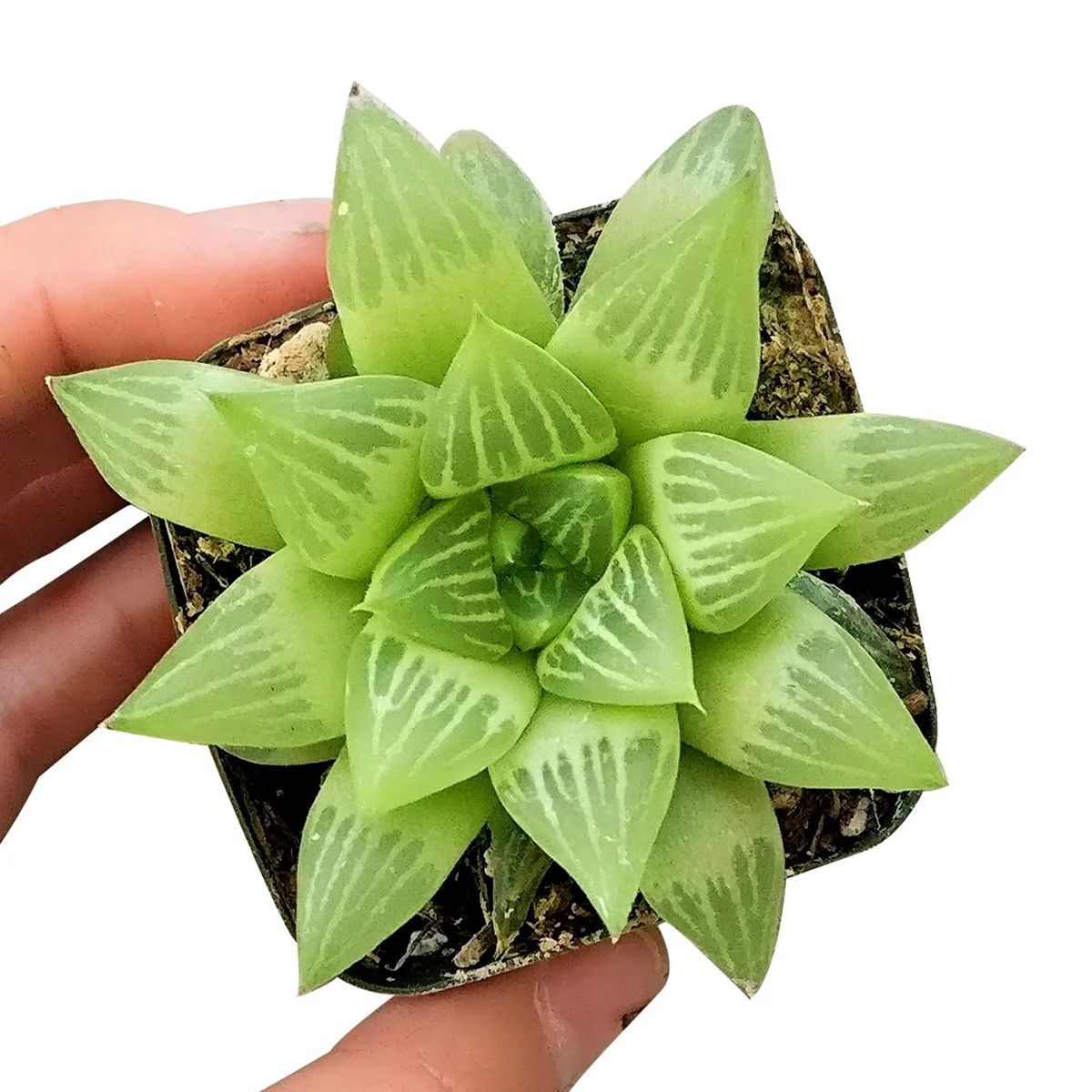
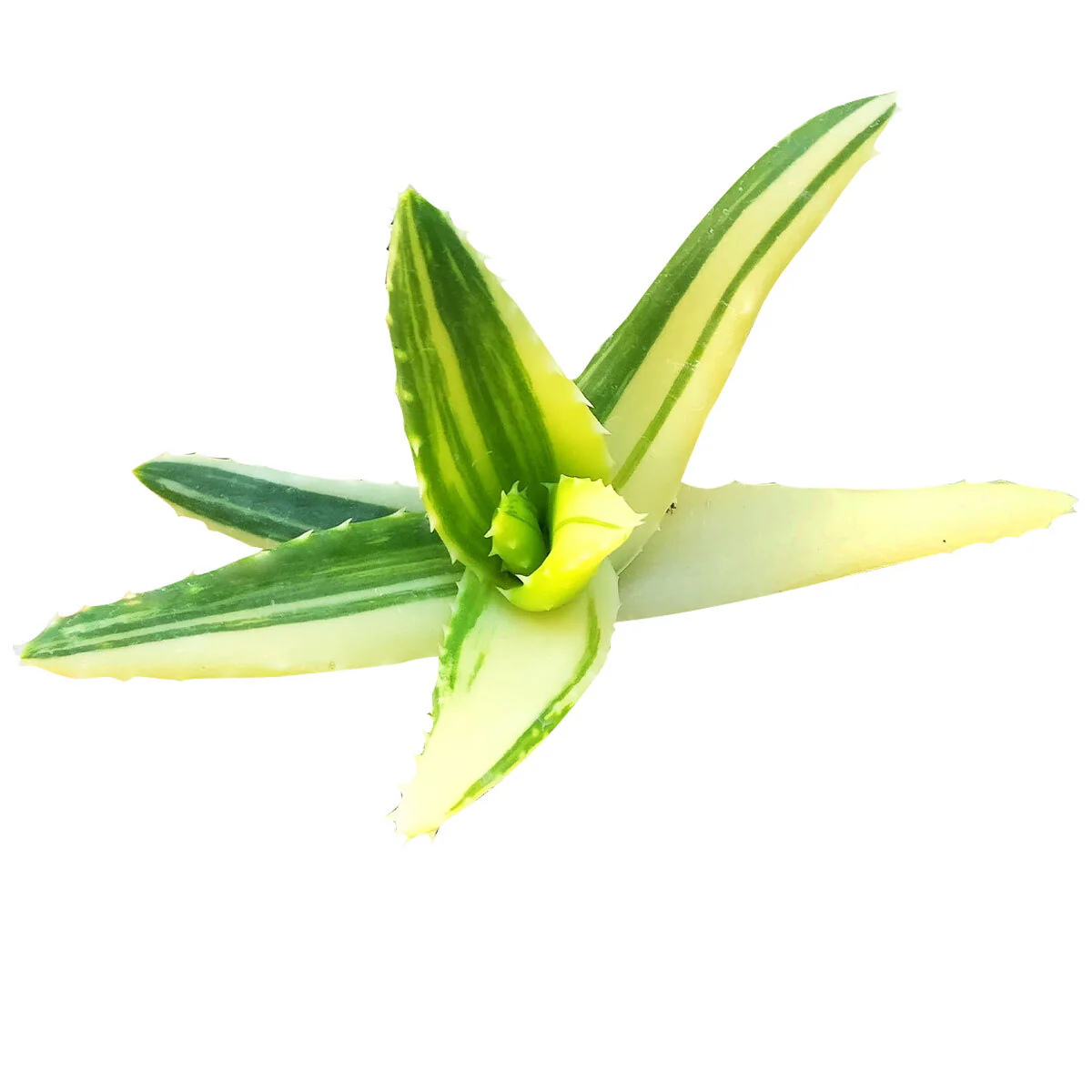
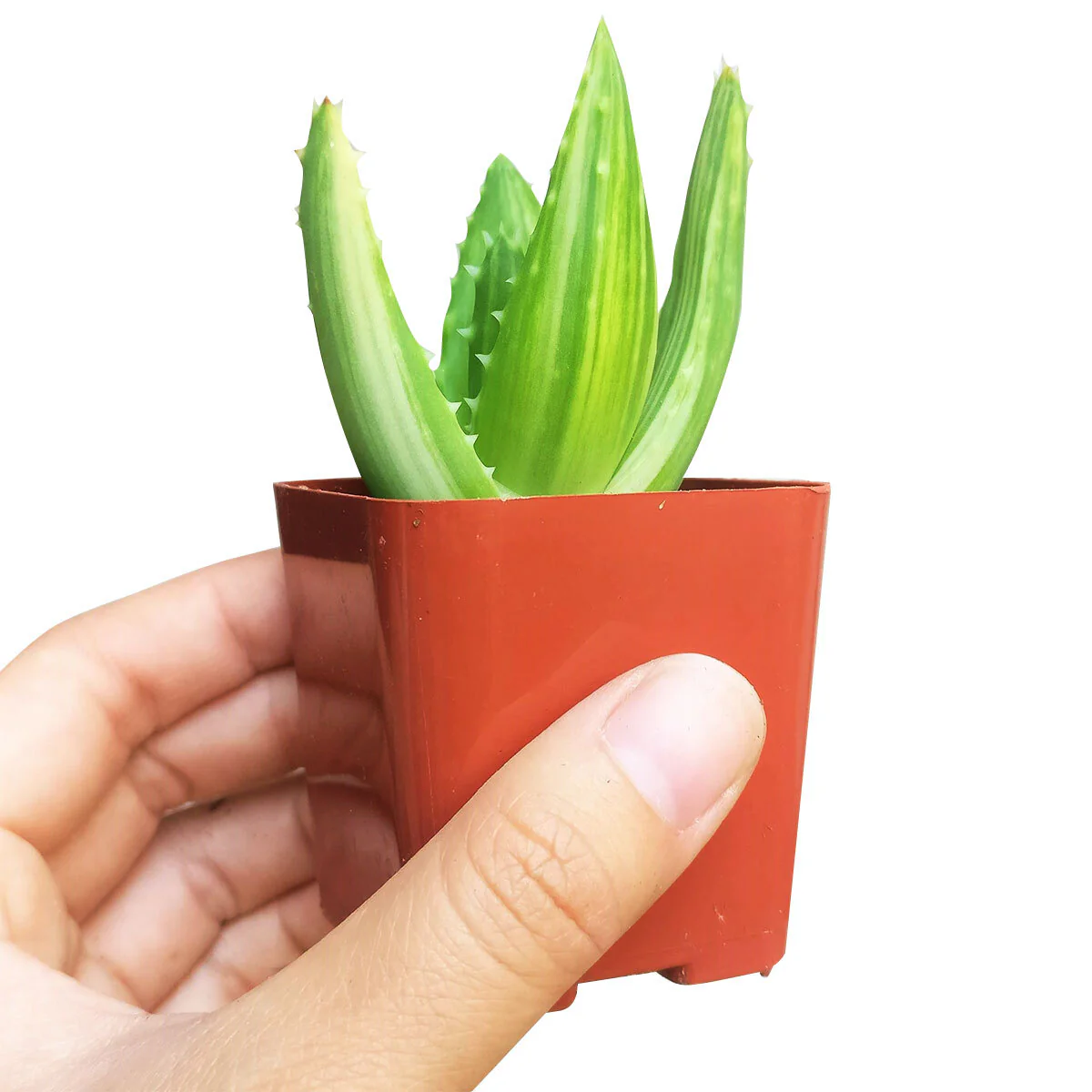
![]() Aloe Dichotoma, commonly known as the quiver tree or kokerboom, is a rare tree aloe native to the arid regions of southern Africa, particularly Namibia and the Northern Cape of South Africa. It grows naturally in rocky desert terrain, earning its place as one of the most iconic architectural succulents in the plant world. Collectors who love drought tolerant succulents prize Aloe Dichotoma for its sculptural presence and genuine rarity.
Aloe Dichotoma, commonly known as the quiver tree or kokerboom, is a rare tree aloe native to the arid regions of southern Africa, particularly Namibia and the Northern Cape of South Africa. It grows naturally in rocky desert terrain, earning its place as one of the most iconic architectural succulents in the plant world. Collectors who love drought tolerant succulents prize Aloe Dichotoma for its sculptural presence and genuine rarity.
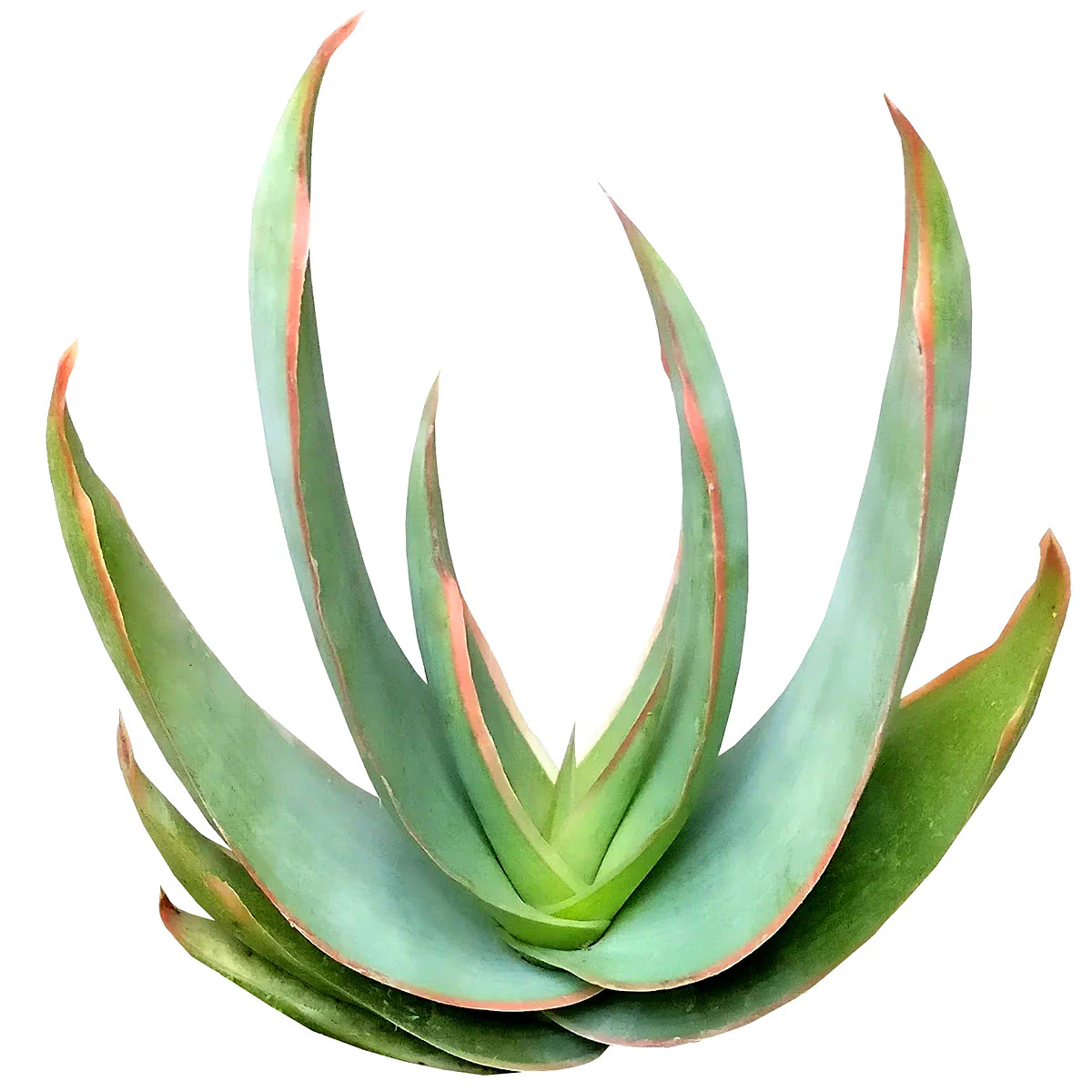
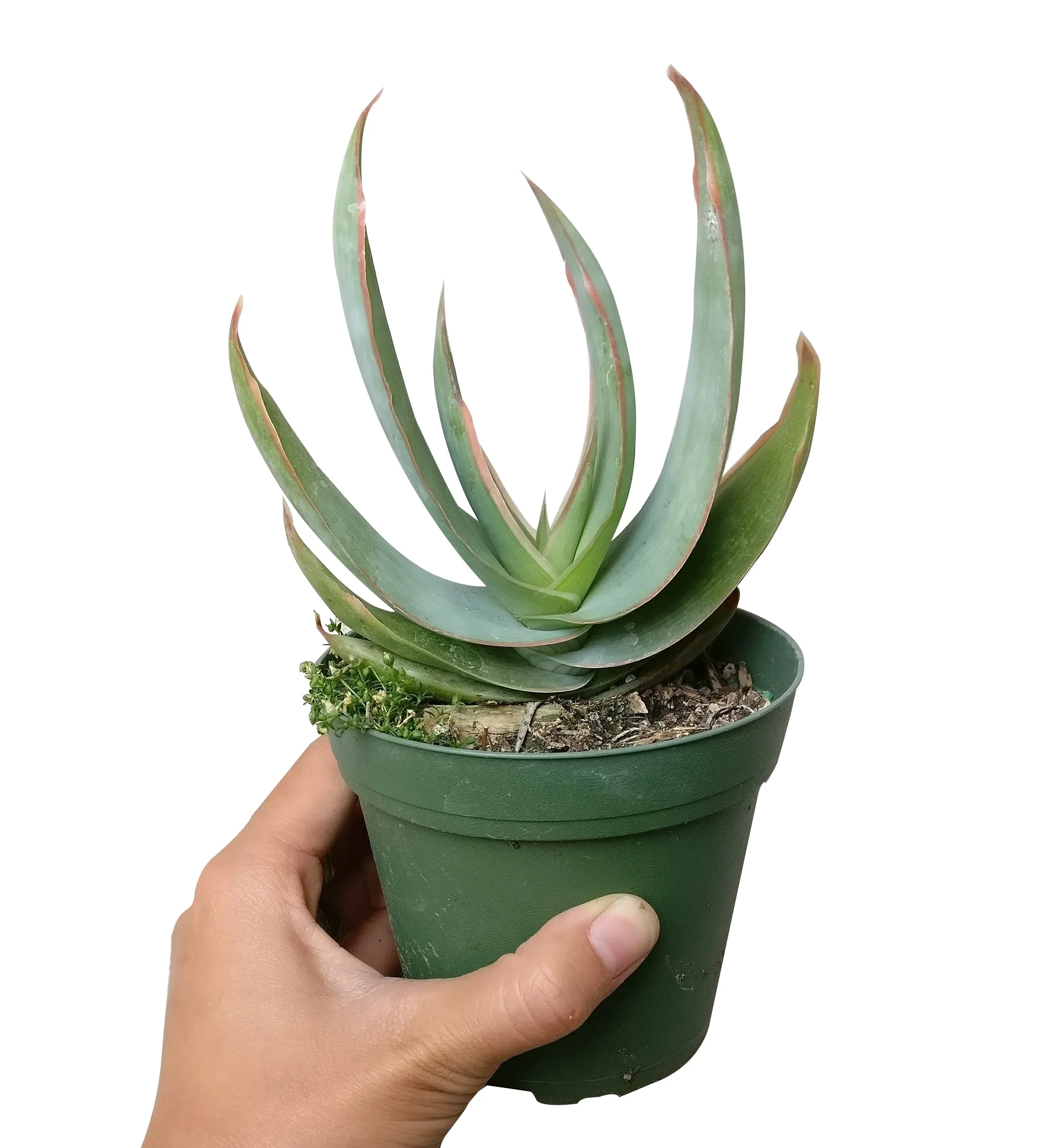
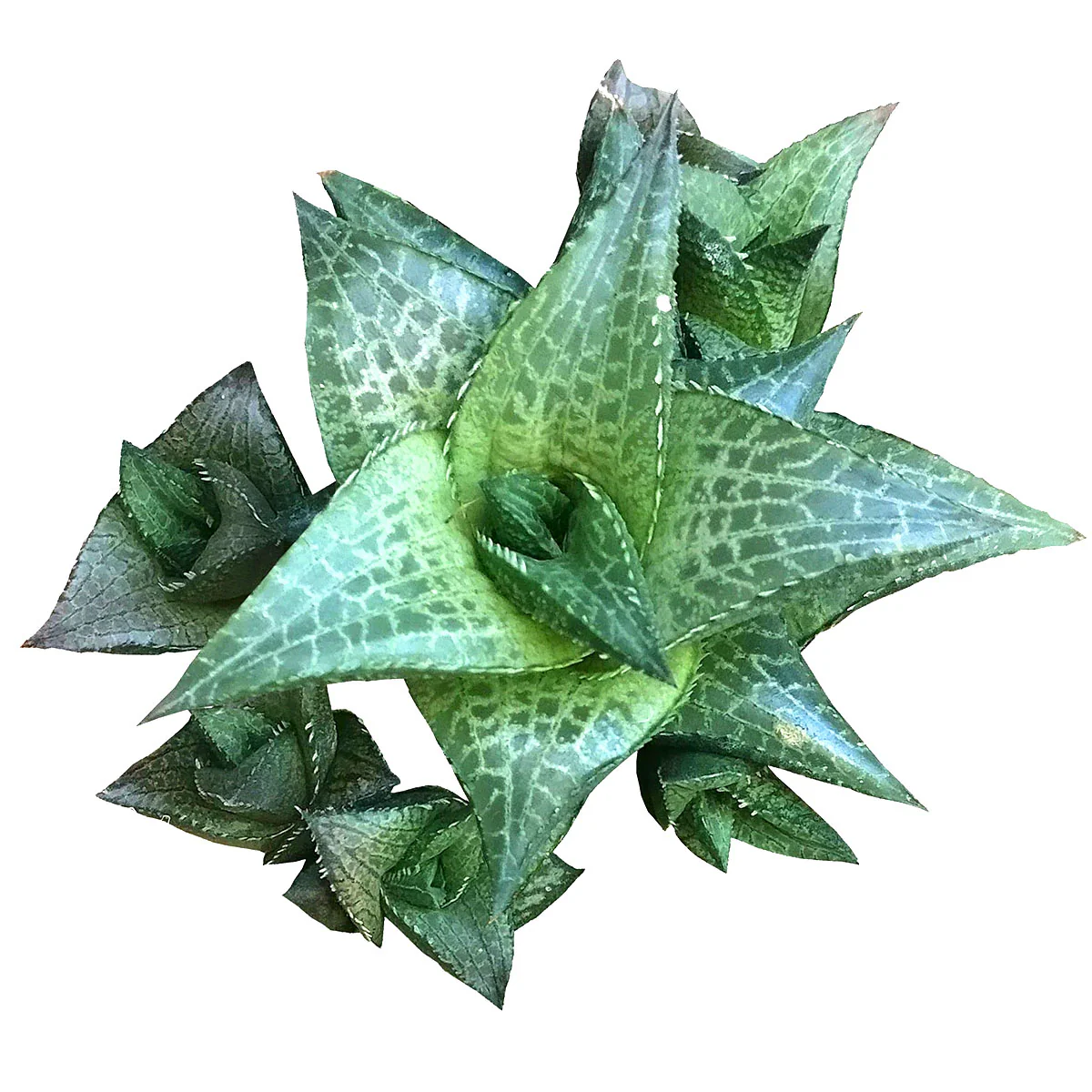
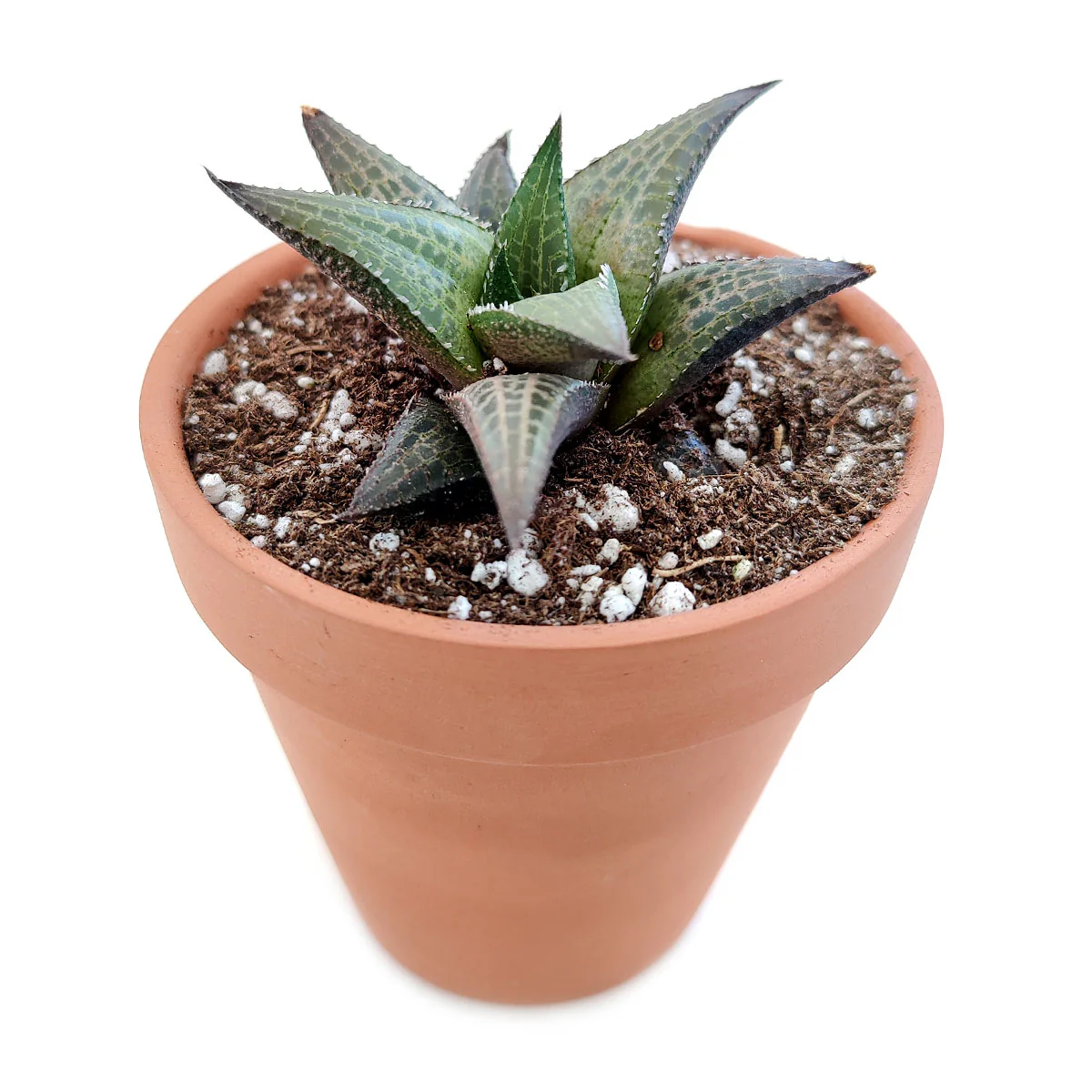
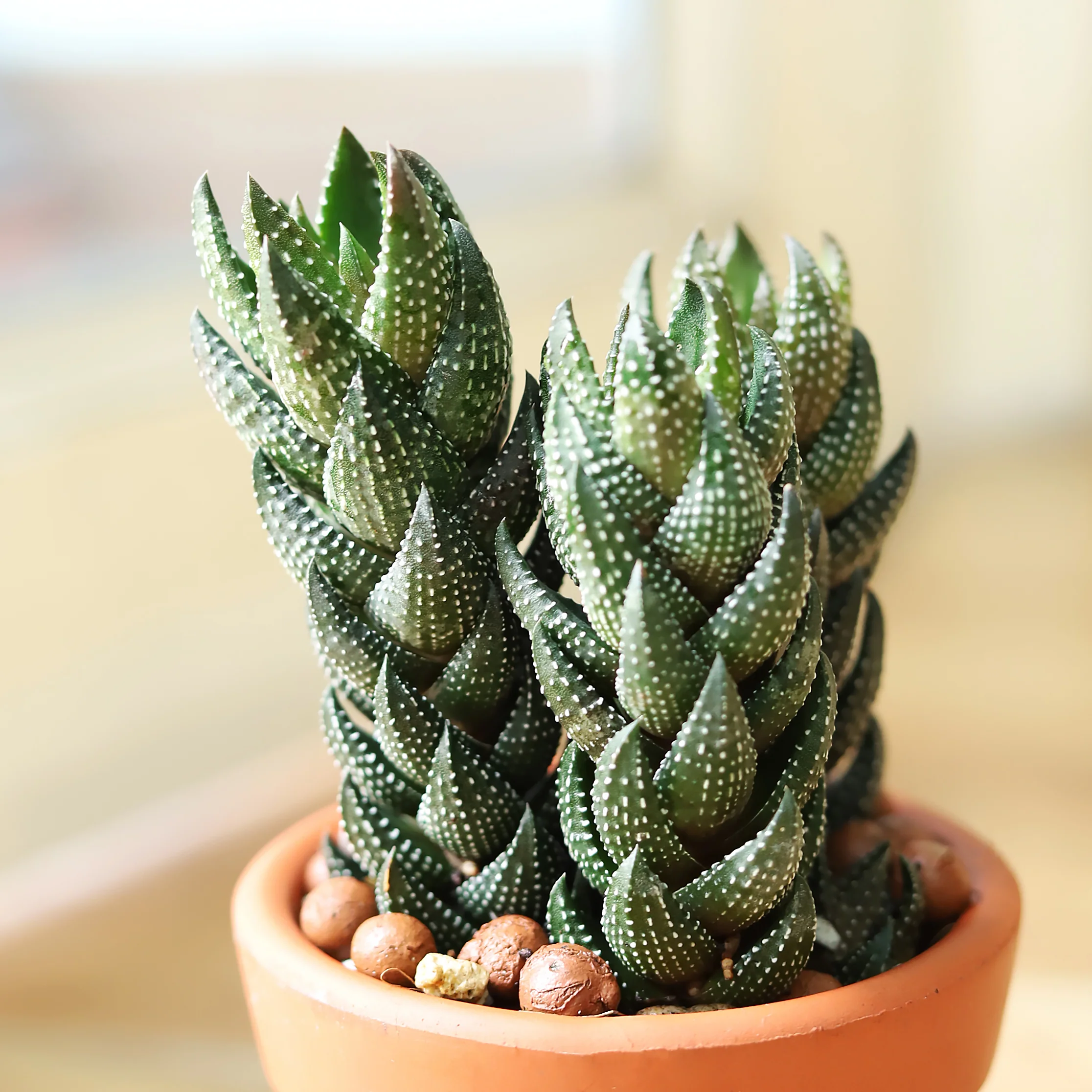
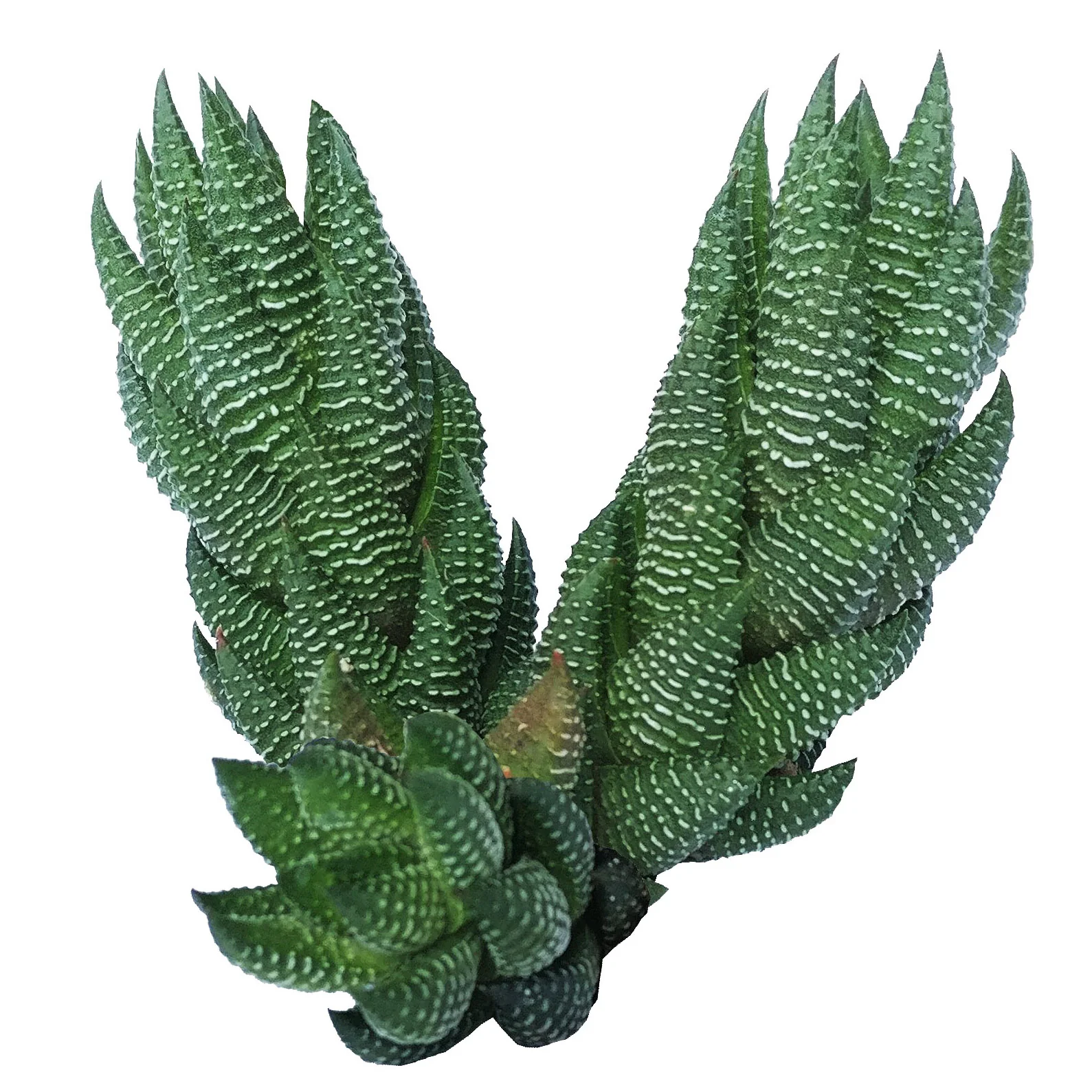
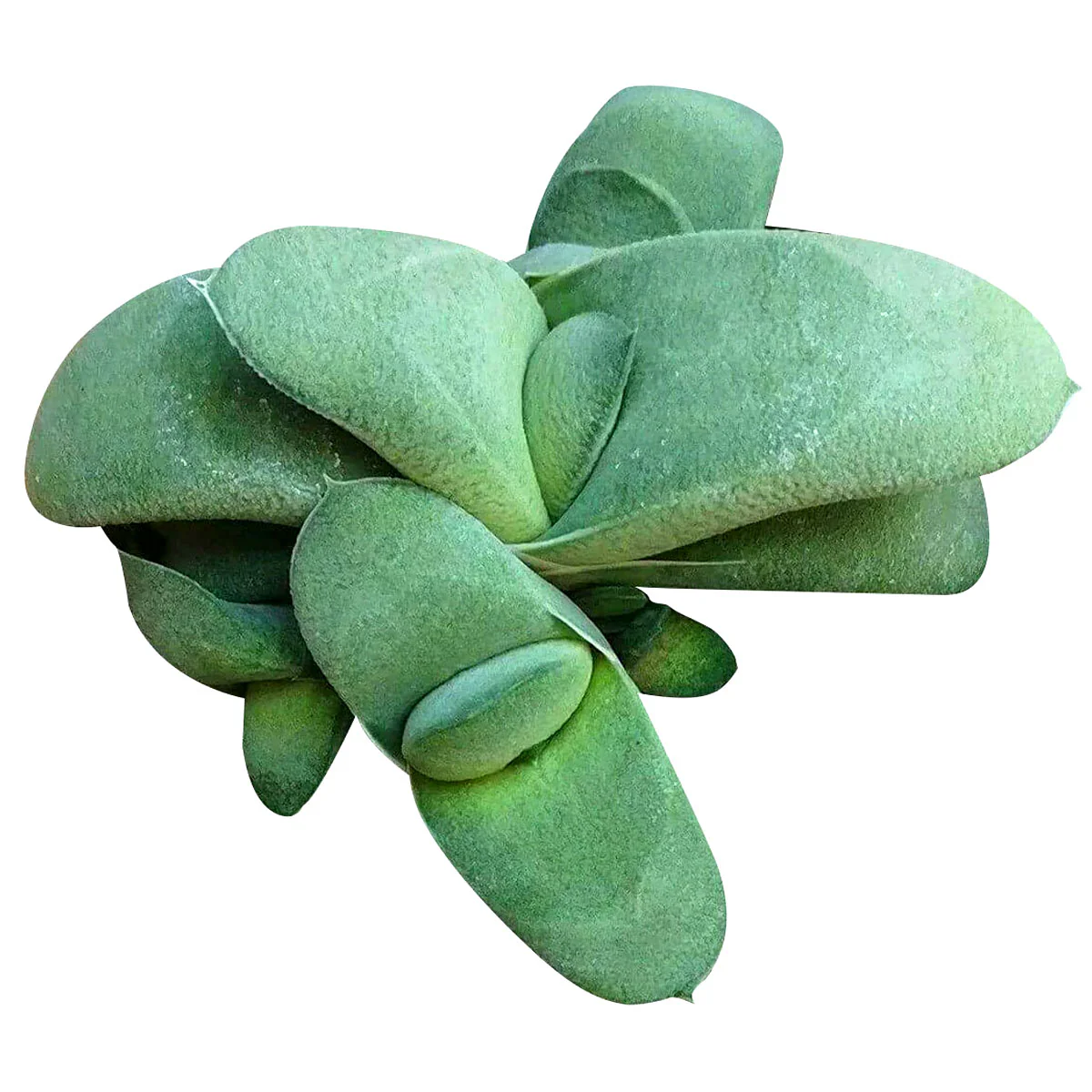
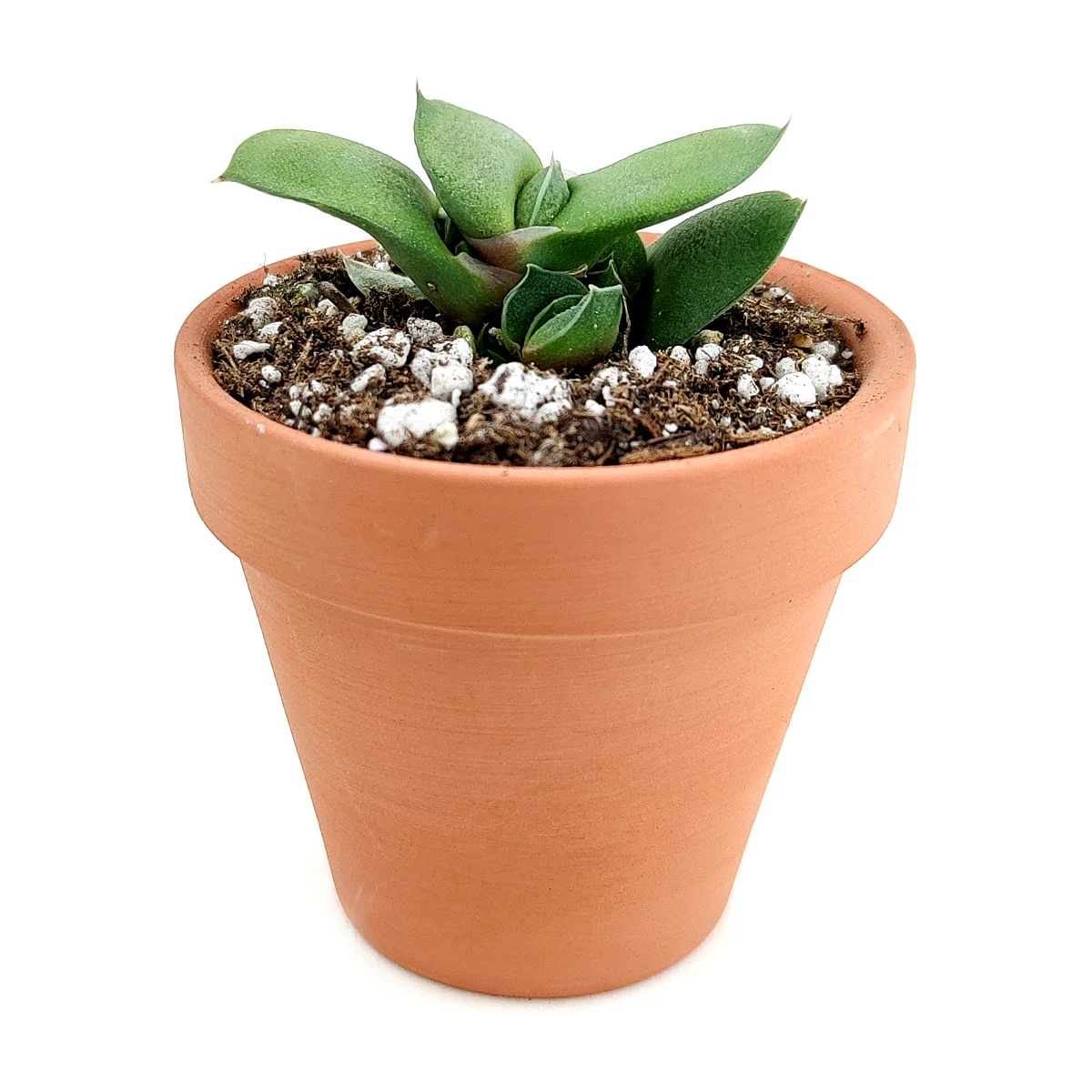
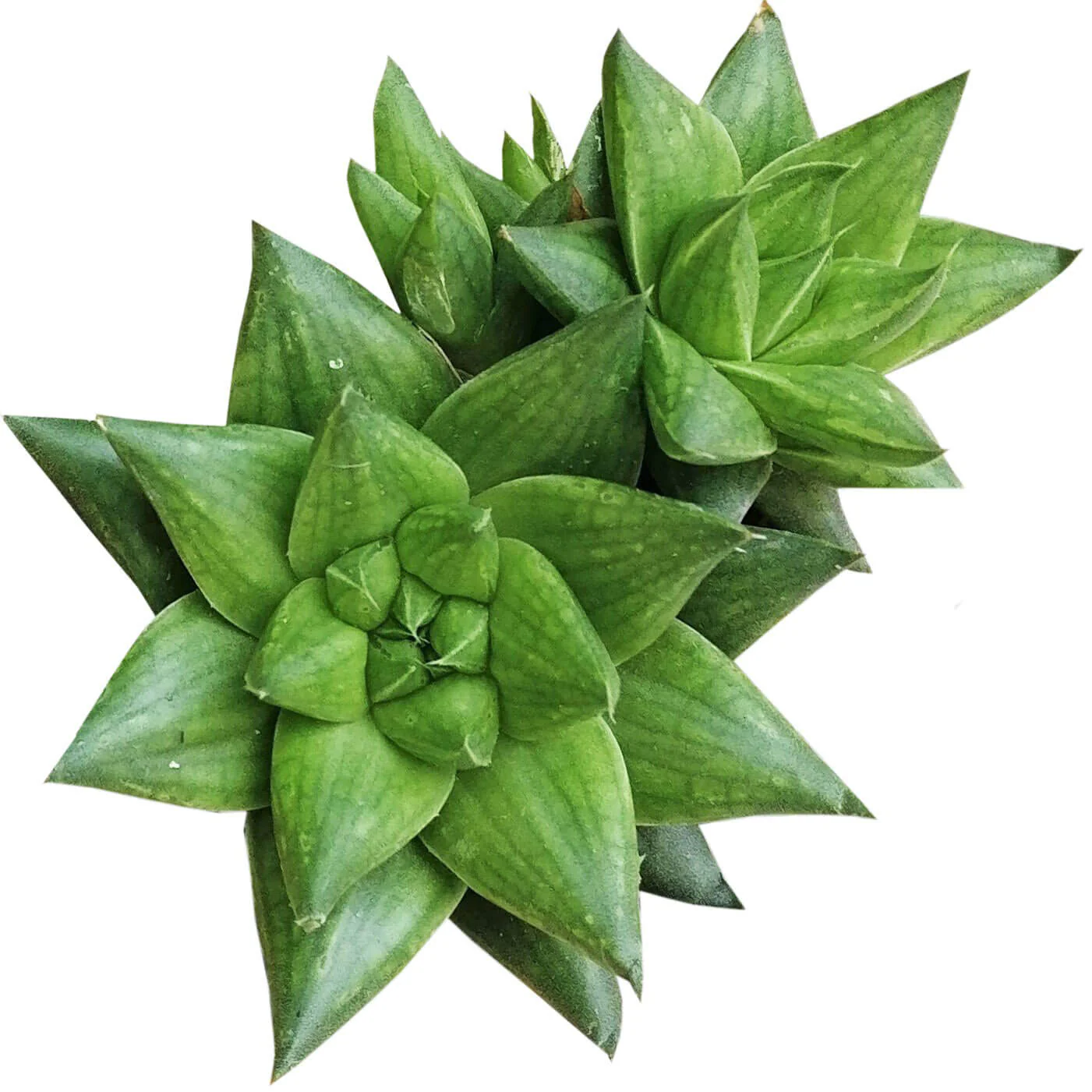
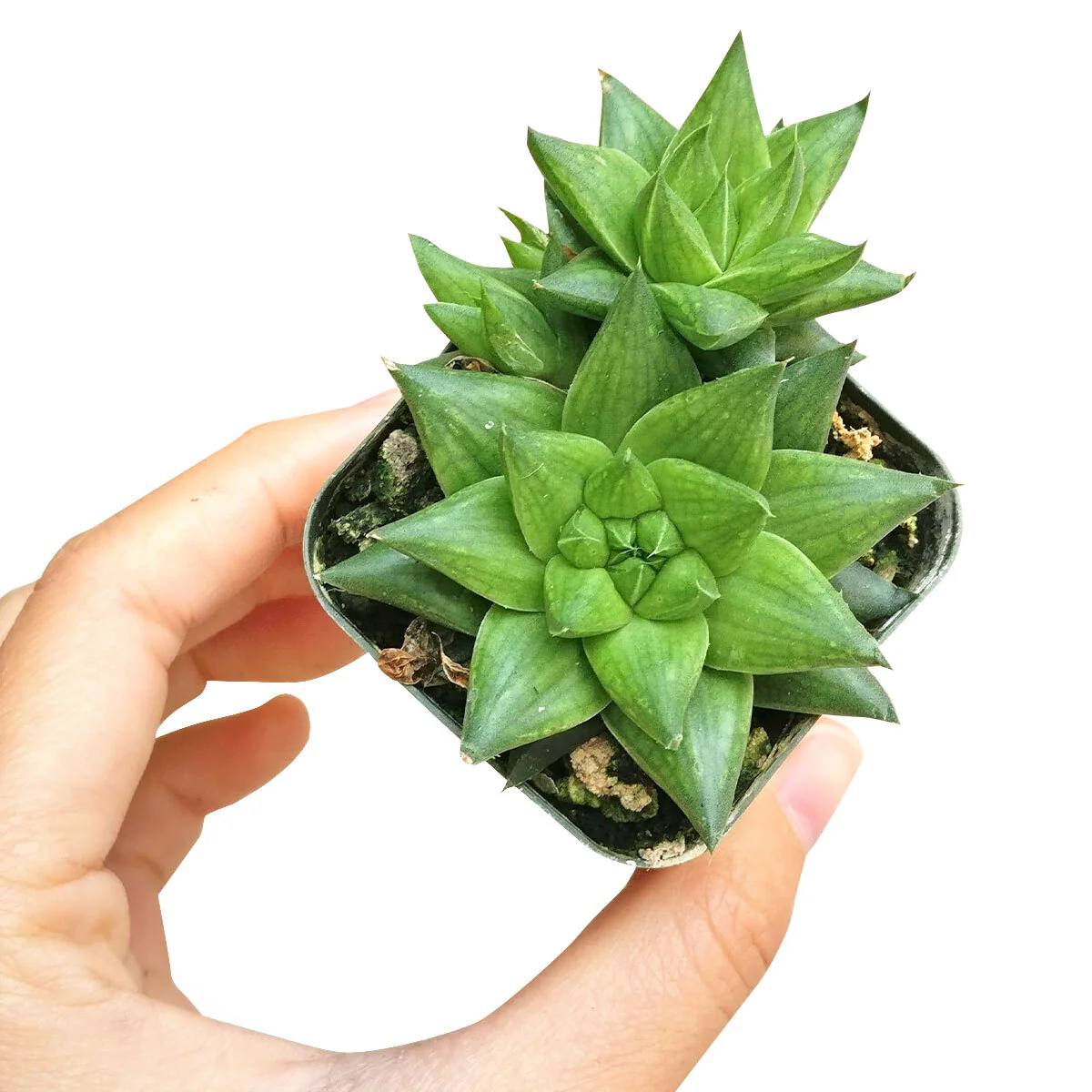
 Aloe Dichotoma develops a thick, fibrous trunk that forks dramatically into symmetrical branches, each tipped with a compact rosette of blue-green, finely toothed leaves. The bark has a distinctive powdery, yellowish-gold coating that peels in papery layers, adding serious visual drama year-round. Its upright, tree-like growth form makes it one of the most recognizable and striking slow growing succulents available to collectors today.
 Aloe Dichotoma produces clusters of vivid yellow tubular flowers, typically in late winter to early spring, and established plants bloom reliably once mature. The blooms are a magnet for pollinators and do produce pollen, so those with sensitivities should take note. It is worth knowing that Aloe Dichotoma needs a night temperature drop to trigger blooming, so cool winter nights are an important part of the flowering cycle.
 As a full sun succulent and genuine rare collector succulent, Aloe Dichotoma earns a statement spot in any drought-tolerant garden or bright indoor space. Because it develops deep roots, a heavy, stable pot is essential indoors, and it can move outside for summer to soak up direct sun. Cats and dogs shouldn't be left to nibble or eat the plant, as the sap can cause skin and paw irritation, and it is best placed away from small children and on a high shelf when kept indoors. Aloe Dichotoma also releases oxygen at night, making it a genuinely rewarding low water plant for any serious collector.
-
 Aloe Dichotoma thrives in bright indirect light to full sun, tolerating partial sun but truly loving a south or west-facing position.
 Water Aloe Dichotoma deeply every 2 to 3 weeks in summer, reducing to once a month or less in winter.
 Aloe Dichotoma needs a gritty, fast-draining succulent or cactus mix blended with coarse perlite or pumice for best root health.
 Aloe Dichotoma prefers temperatures between 50 and 95°F (10 to 35°C) and has limited frost tolerance, surviving brief dips to around 25°F (-4°C) with protection.
![]() Aloe Dichotoma is a notably slow growing succulent that benefits from a balanced, diluted succulent fertilizer just once in spring.
Aloe Dichotoma is a notably slow growing succulent that benefits from a balanced, diluted succulent fertilizer just once in spring.
 Aloe Dichotoma is best suited to USDA Hardiness Zones 9 through 11, where temperatures rarely drop below 25°F (-4°C) for extended periods. Gardeners growing Aloe Dichotoma outdoors year-round will find the most success across California, Arizona, Nevada, Texas, Florida, Hawaii, Louisiana, Georgia, South Carolina, Alabama, and Mississippi. Coastal areas of Oregon, the warmer pockets of New Mexico, and parts of the mid-Atlantic such as coastal Virginia may also support Aloe Dichotoma with some winter cover.
-
Q: How often should I water Aloe Dichotoma?
A: Water Aloe Dichotoma every 2 to 3 weeks in the growing season and cut back to monthly or less in winter. Always let the soil dry out completely between waterings to prevent root rot.
Q: Is Aloe Dichotoma safe for pets?
A: Cats and dogs shouldn't be left to nibble or eat Aloe Dichotoma, as the sap can cause skin and paw irritation. Keep it on a high shelf or in a space pets cannot access.
Q: How much light does Aloe Dichotoma need?
A: Aloe Dichotoma thrives in full sun to bright indirect light and does best near a south or west-facing window indoors. It can scorch in intensely magnified south window heat, so rotating it occasionally helps encourage even growth.
Q: How fast does Aloe Dichotoma grow?
A: Aloe Dichotoma is a famously slow growing succulent, adding only a few inches per year under ideal conditions. Patience is part of the appeal for collectors who treasure this rare tree aloe.
Q: Can Aloe Dichotoma survive while I travel?
A: Yes, Aloe Dichotoma handles a 10-day trip easily without watering, making it a great choice for frequent travelers. Just ensure it is in well-draining soil and a stable pot before you leave.
Q: Can I grow Aloe Dichotoma outdoors in the USA?
A: Aloe Dichotoma grows outdoors year-round in USDA Zones 9 to 11, covering states like California, Arizona, Texas, Florida, and Hawaii. In cooler zones it makes an excellent container plant that moves outside for summer and comes back in before frost.


Product Information
Product Information
Shipping & Returns
Shipping & Returns
Description
- Description
- Aloe Dichotoma Quiver Tree Care Guide
- FAQ/Common Issues
-
![]() Aloe Dichotoma, commonly known as the quiver tree or kokerboom, is a rare tree aloe native to the arid regions of southern Africa, particularly Namibia and the Northern Cape of South Africa. It grows naturally in rocky desert terrain, earning its place as one of the most iconic architectural succulents in the plant world. Collectors who love drought tolerant succulents prize Aloe Dichotoma for its sculptural presence and genuine rarity.
Aloe Dichotoma, commonly known as the quiver tree or kokerboom, is a rare tree aloe native to the arid regions of southern Africa, particularly Namibia and the Northern Cape of South Africa. It grows naturally in rocky desert terrain, earning its place as one of the most iconic architectural succulents in the plant world. Collectors who love drought tolerant succulents prize Aloe Dichotoma for its sculptural presence and genuine rarity.
Aloe Dichotoma develops a thick, fibrous trunk that forks dramatically into symmetrical branches, each tipped with a compact rosette of blue-green, finely toothed leaves. The bark has a distinctive powdery, yellowish-gold coating that peels in papery layers, adding serious visual drama year-round. Its upright, tree-like growth form makes it one of the most recognizable and striking slow growing succulents available to collectors today.
Aloe Dichotoma produces clusters of vivid yellow tubular flowers, typically in late winter to early spring, and established plants bloom reliably once mature. The blooms are a magnet for pollinators and do produce pollen, so those with sensitivities should take note. It is worth knowing that Aloe Dichotoma needs a night temperature drop to trigger blooming, so cool winter nights are an important part of the flowering cycle.
As a full sun succulent and genuine rare collector succulent, Aloe Dichotoma earns a statement spot in any drought-tolerant garden or bright indoor space. Because it develops deep roots, a heavy, stable pot is essential indoors, and it can move outside for summer to soak up direct sun. Cats and dogs shouldn't be left to nibble or eat the plant, as the sap can cause skin and paw irritation, and it is best placed away from small children and on a high shelf when kept indoors. Aloe Dichotoma also releases oxygen at night, making it a genuinely rewarding low water plant for any serious collector.
-
Aloe Dichotoma thrives in bright indirect light to full sun, tolerating partial sun but truly loving a south or west-facing position.
Water Aloe Dichotoma deeply every 2 to 3 weeks in summer, reducing to once a month or less in winter.
Aloe Dichotoma needs a gritty, fast-draining succulent or cactus mix blended with coarse perlite or pumice for best root health.
Aloe Dichotoma prefers temperatures between 50 and 95°F (10 to 35°C) and has limited frost tolerance, surviving brief dips to around 25°F (-4°C) with protection.
![]() Aloe Dichotoma is a notably slow growing succulent that benefits from a balanced, diluted succulent fertilizer just once in spring.
Aloe Dichotoma is a notably slow growing succulent that benefits from a balanced, diluted succulent fertilizer just once in spring.
Aloe Dichotoma is best suited to USDA Hardiness Zones 9 through 11, where temperatures rarely drop below 25°F (-4°C) for extended periods. Gardeners growing Aloe Dichotoma outdoors year-round will find the most success across California, Arizona, Nevada, Texas, Florida, Hawaii, Louisiana, Georgia, South Carolina, Alabama, and Mississippi. Coastal areas of Oregon, the warmer pockets of New Mexico, and parts of the mid-Atlantic such as coastal Virginia may also support Aloe Dichotoma with some winter cover.
-
Q: How often should I water Aloe Dichotoma?
A: Water Aloe Dichotoma every 2 to 3 weeks in the growing season and cut back to monthly or less in winter. Always let the soil dry out completely between waterings to prevent root rot.
Q: Is Aloe Dichotoma safe for pets?
A: Cats and dogs shouldn't be left to nibble or eat Aloe Dichotoma, as the sap can cause skin and paw irritation. Keep it on a high shelf or in a space pets cannot access.
Q: How much light does Aloe Dichotoma need?
A: Aloe Dichotoma thrives in full sun to bright indirect light and does best near a south or west-facing window indoors. It can scorch in intensely magnified south window heat, so rotating it occasionally helps encourage even growth.
Q: How fast does Aloe Dichotoma grow?
A: Aloe Dichotoma is a famously slow growing succulent, adding only a few inches per year under ideal conditions. Patience is part of the appeal for collectors who treasure this rare tree aloe.
Q: Can Aloe Dichotoma survive while I travel?
A: Yes, Aloe Dichotoma handles a 10-day trip easily without watering, making it a great choice for frequent travelers. Just ensure it is in well-draining soil and a stable pot before you leave.
Q: Can I grow Aloe Dichotoma outdoors in the USA?
A: Aloe Dichotoma grows outdoors year-round in USDA Zones 9 to 11, covering states like California, Arizona, Texas, Florida, and Hawaii. In cooler zones it makes an excellent container plant that moves outside for summer and comes back in before frost.