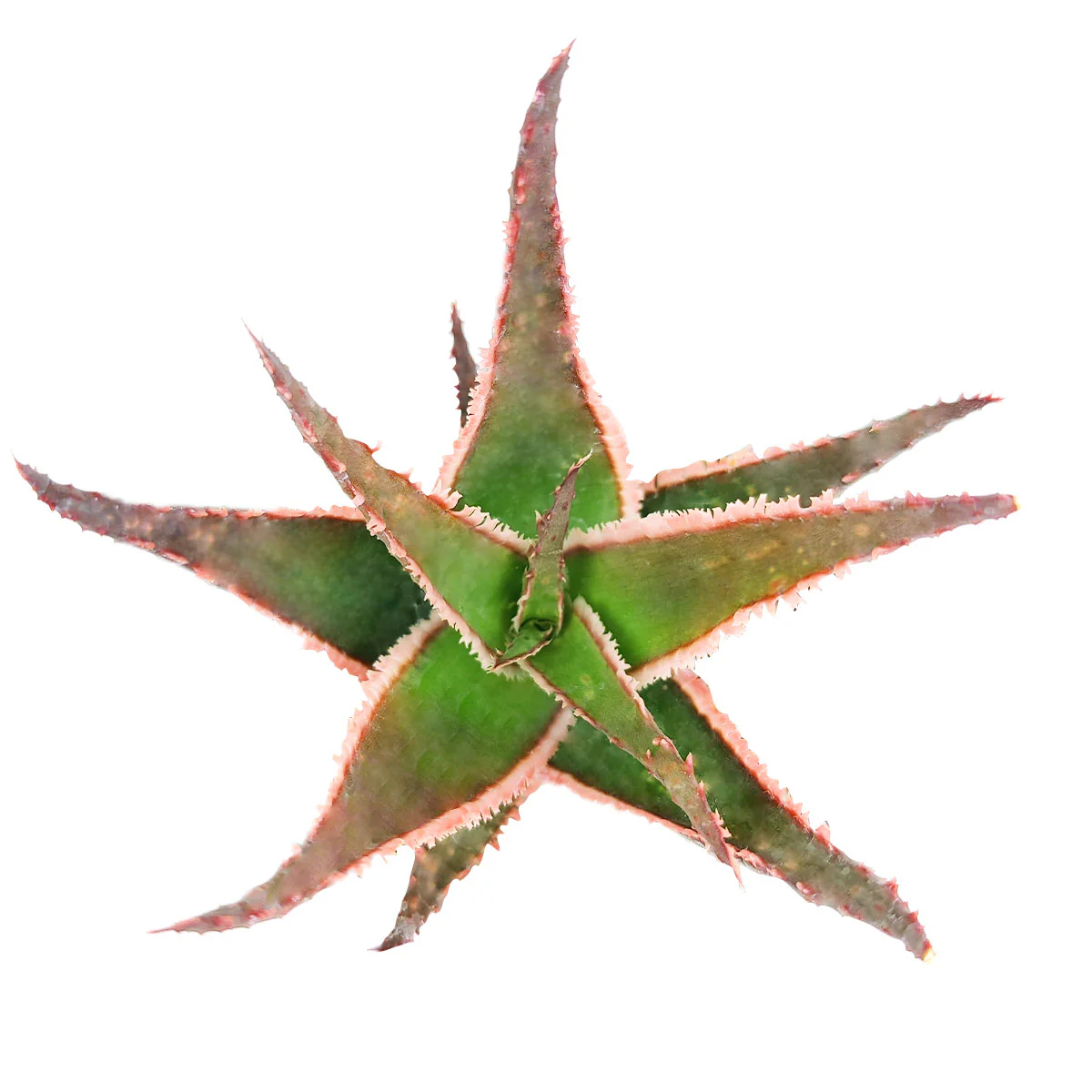
Aloe Coral Fire
- Description
- Aloe 'Coral Fire' Care Guide
- FAQ/Common Issues
-
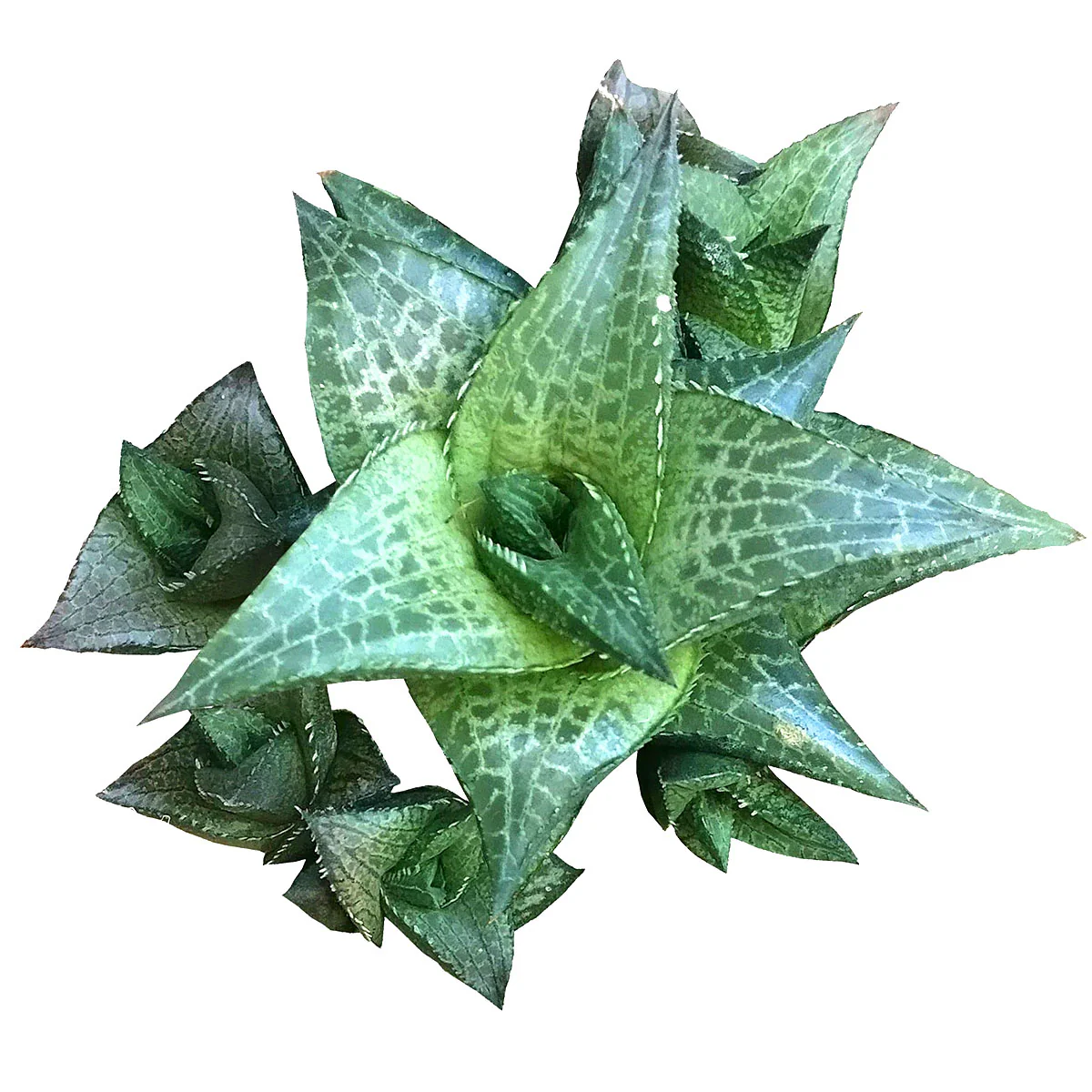
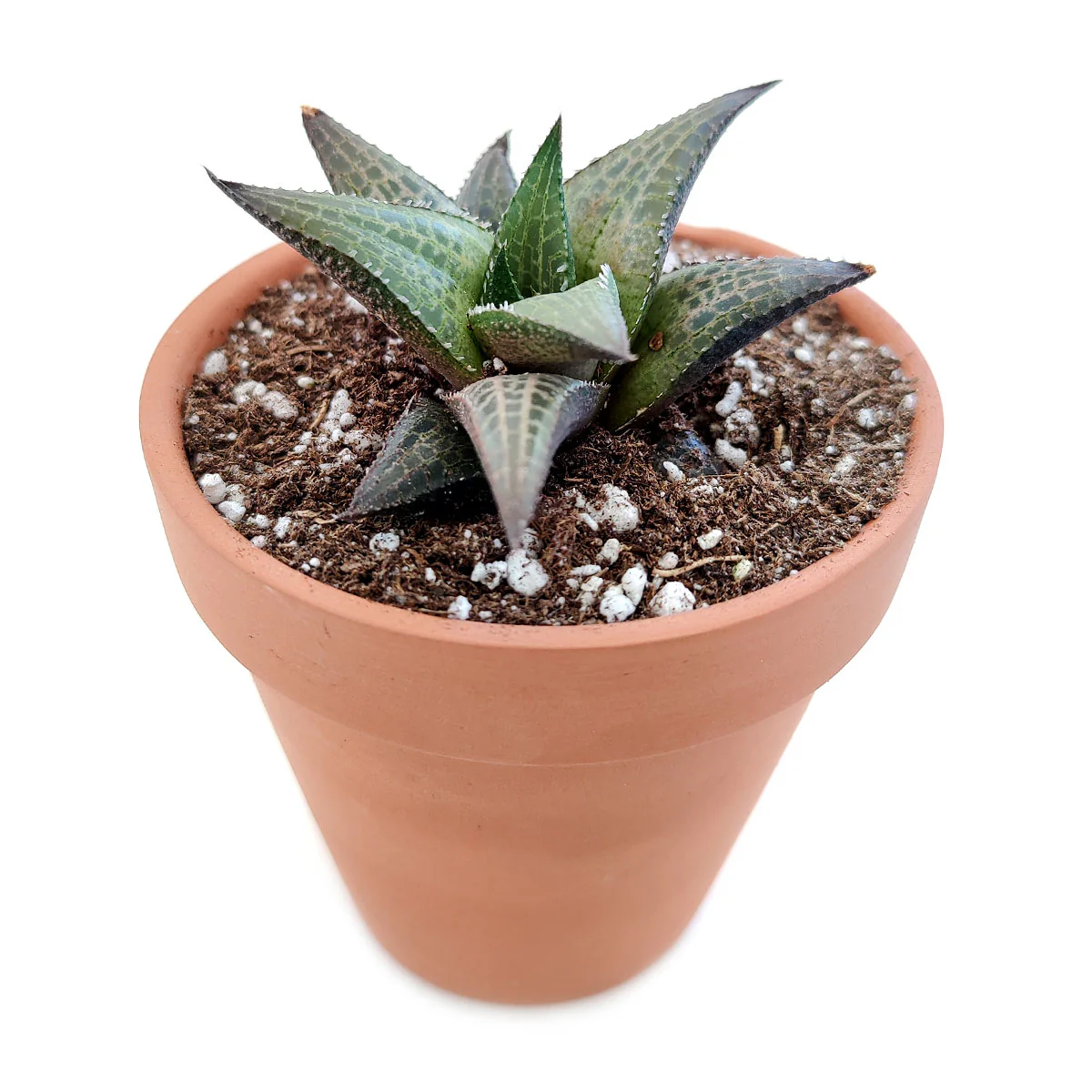
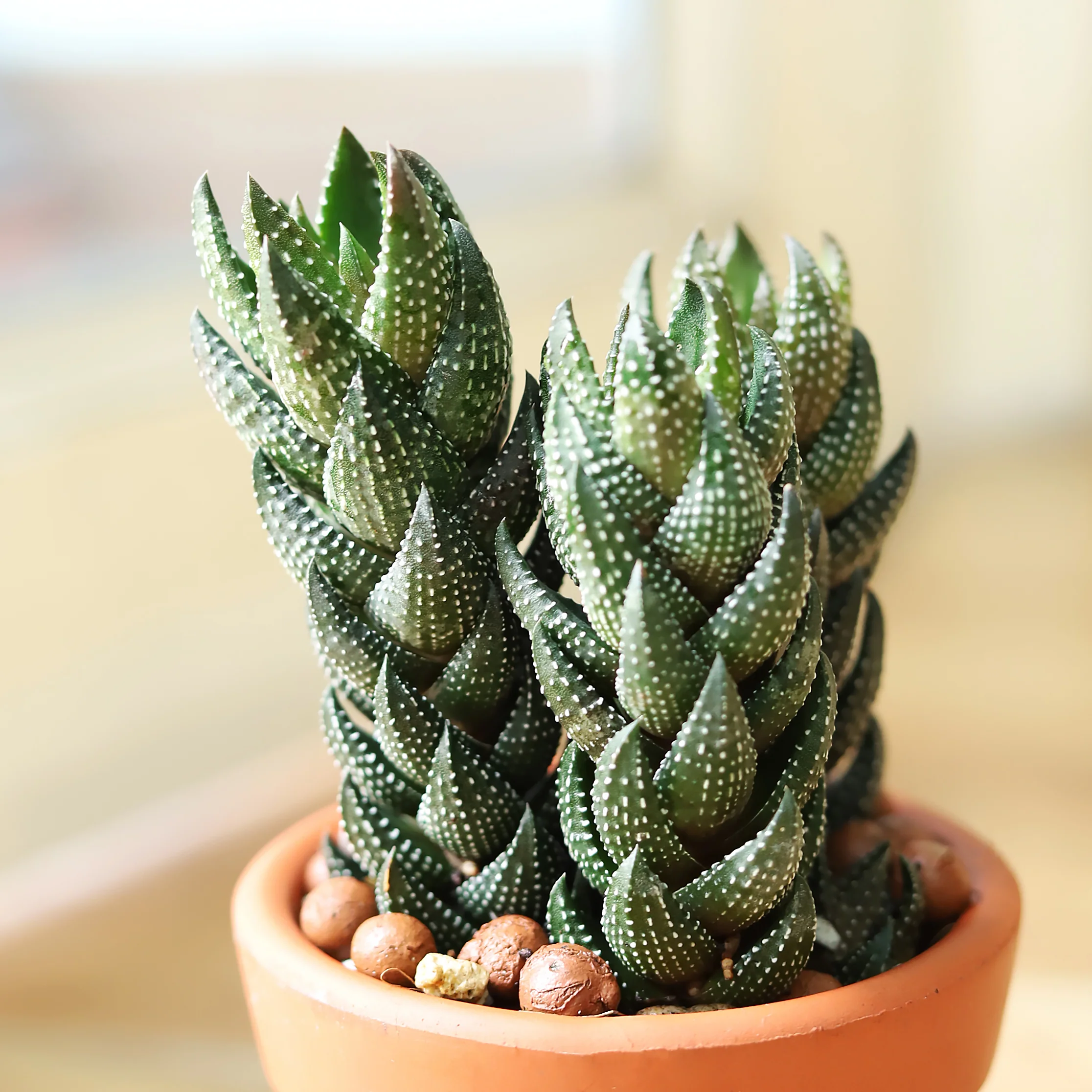
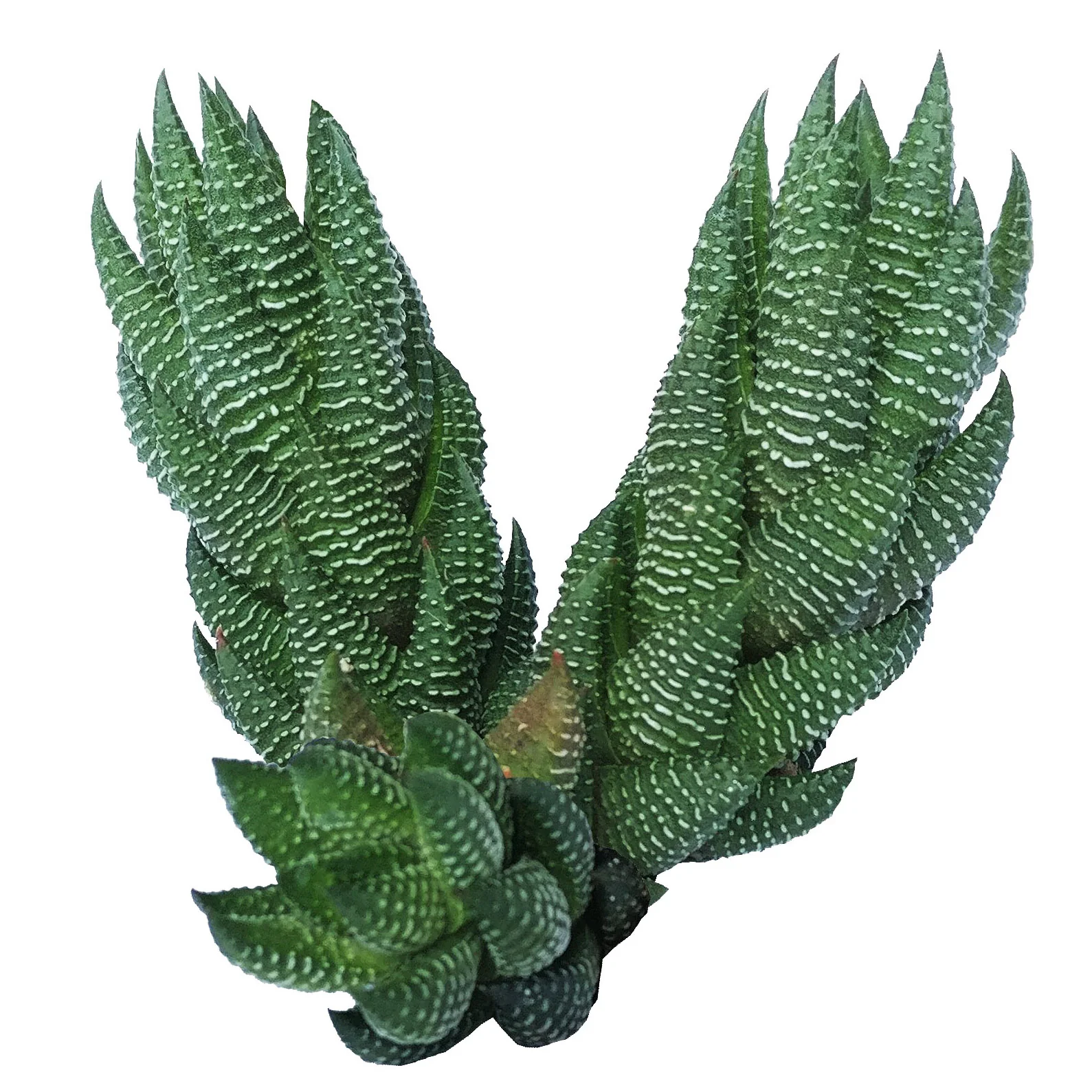
![]() Aloe Coral Fire is a striking aloe succulent hybrid bred for bold color and easy care, making it a standout in the world of drought tolerant succulents. Like all aloes, it belongs to the Asphodelaceae family and traces its roots to the arid landscapes of southern and eastern Africa. This coral red leaf aloe has been refined through hybridization to thrive as a resilient, low-maintenance houseplant or garden specimen.
Aloe Coral Fire is a striking aloe succulent hybrid bred for bold color and easy care, making it a standout in the world of drought tolerant succulents. Like all aloes, it belongs to the Asphodelaceae family and traces its roots to the arid landscapes of southern and eastern Africa. This coral red leaf aloe has been refined through hybridization to thrive as a resilient, low-maintenance houseplant or garden specimen.
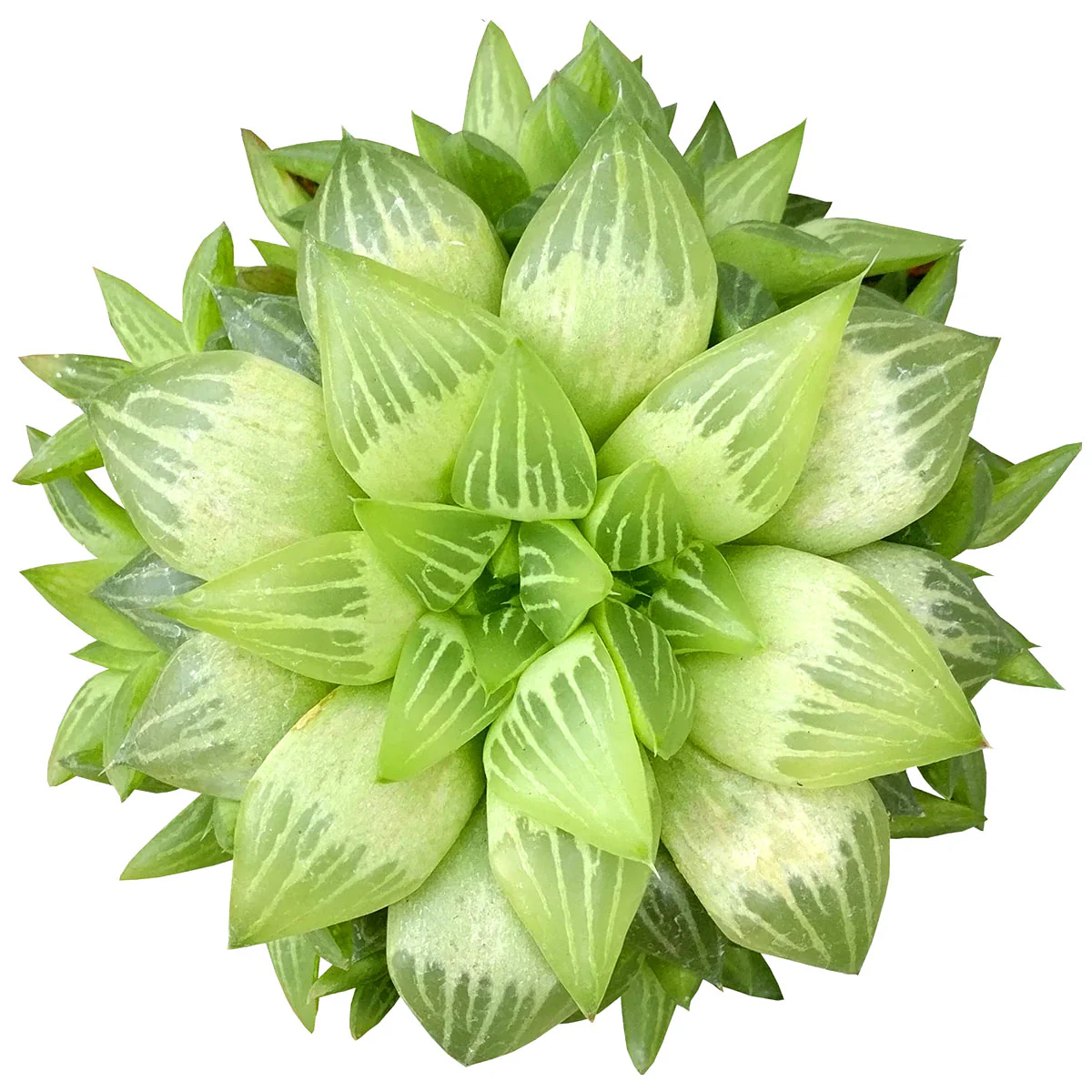
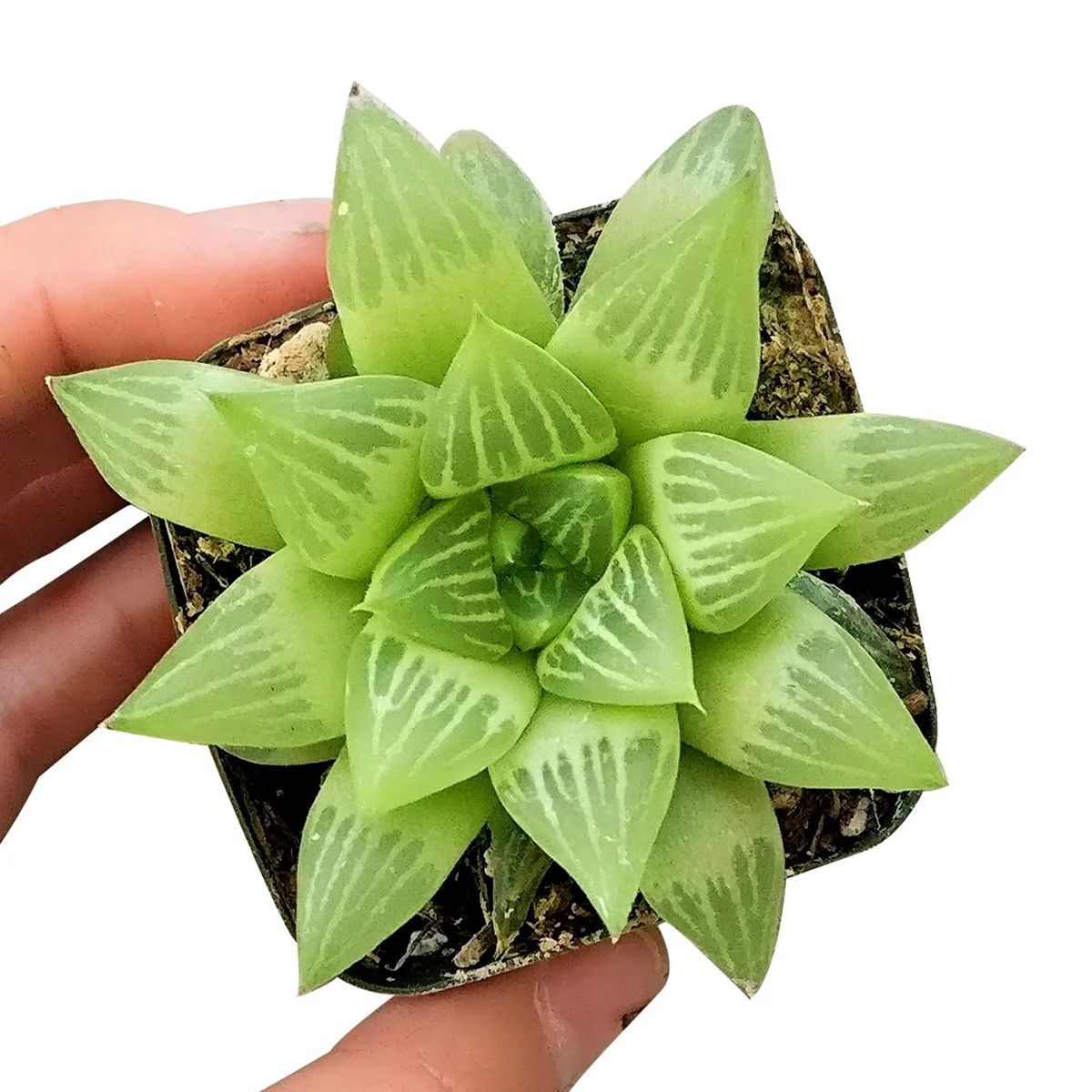
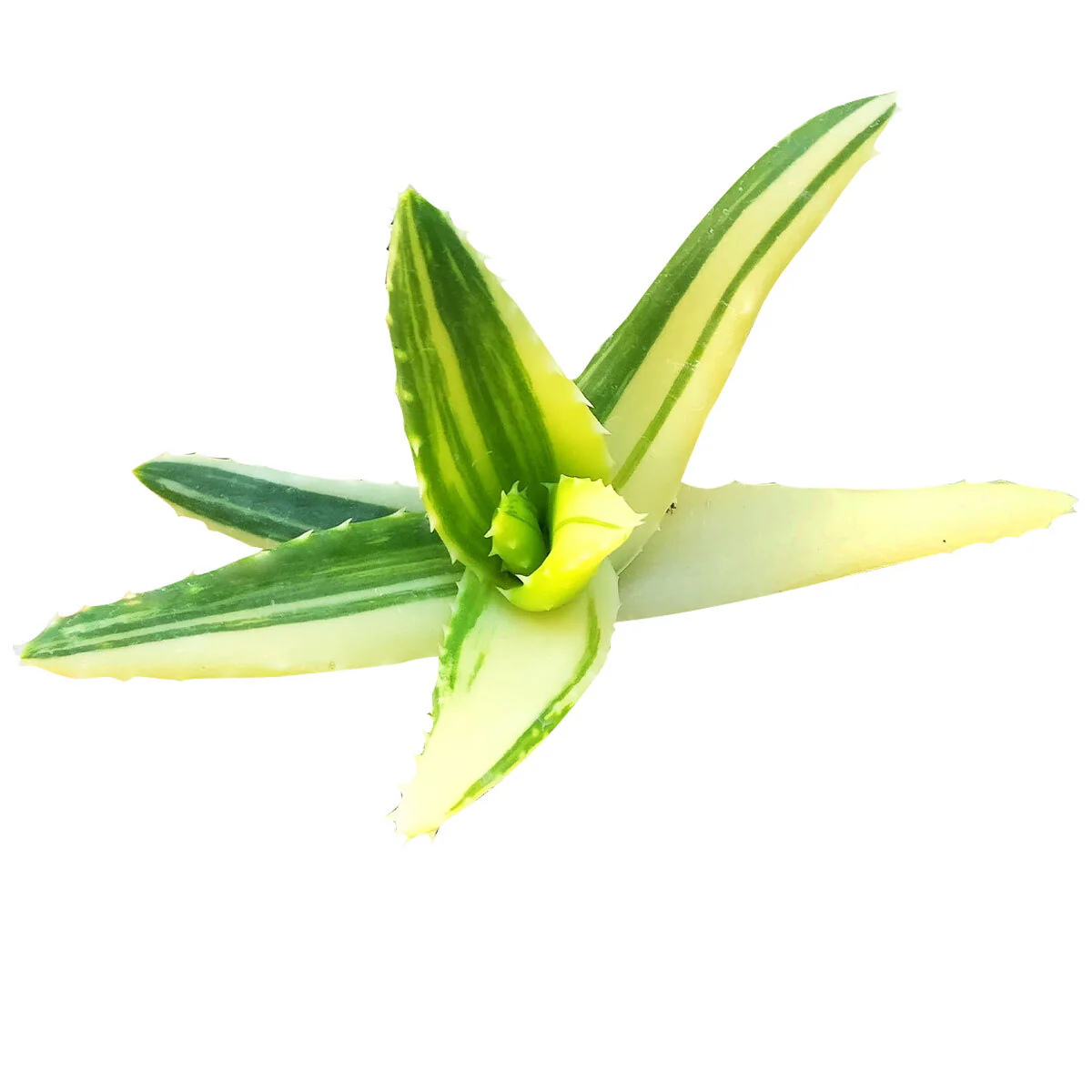
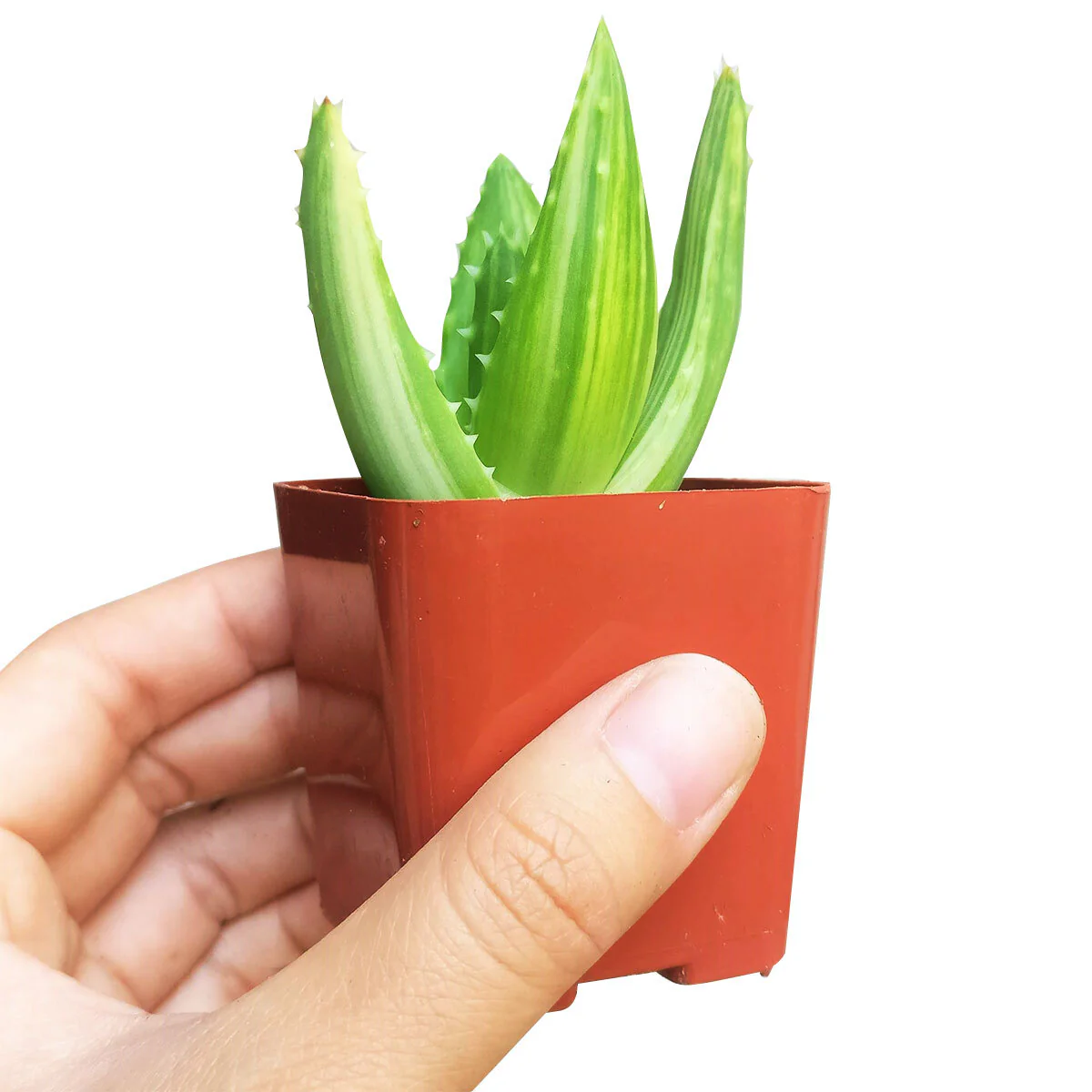
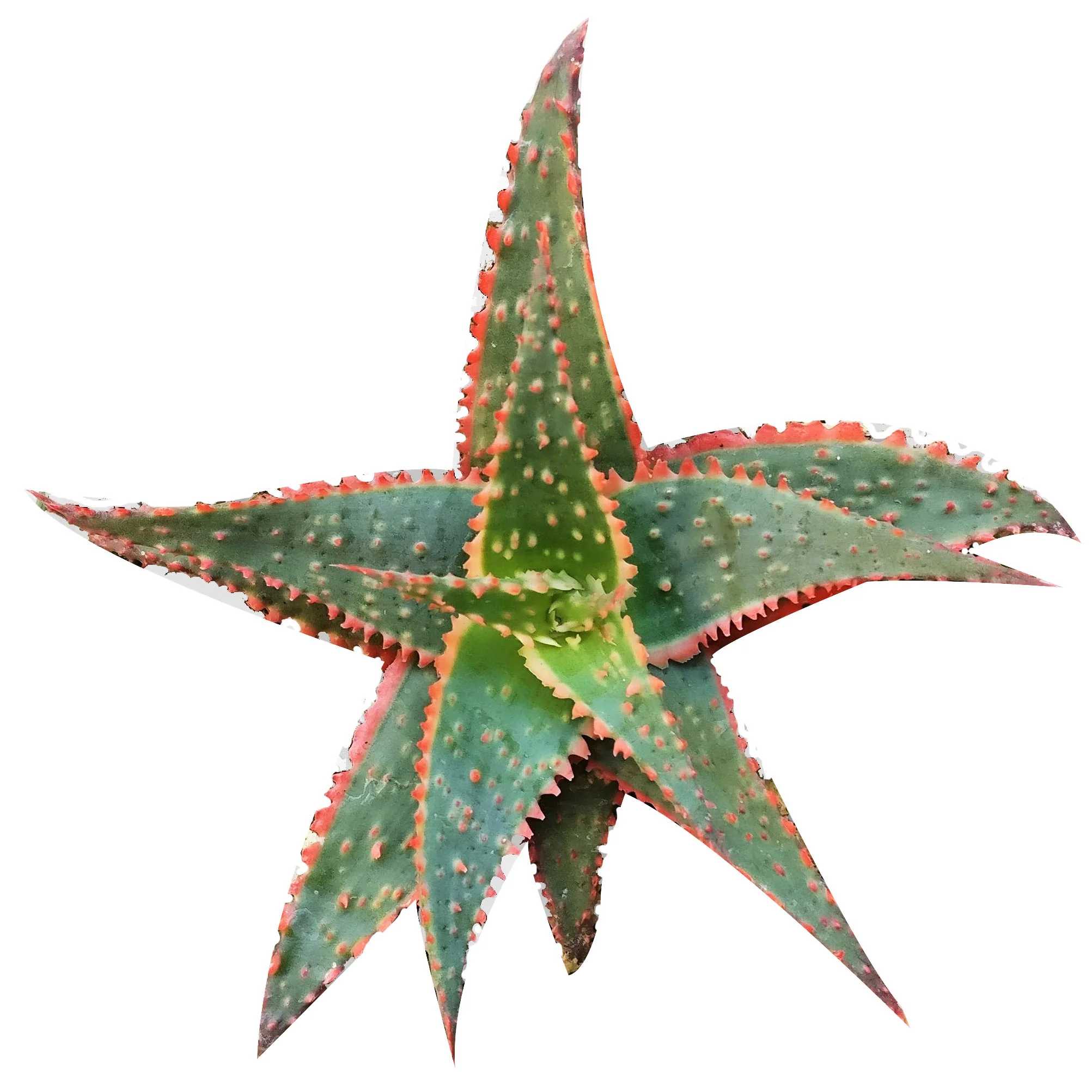
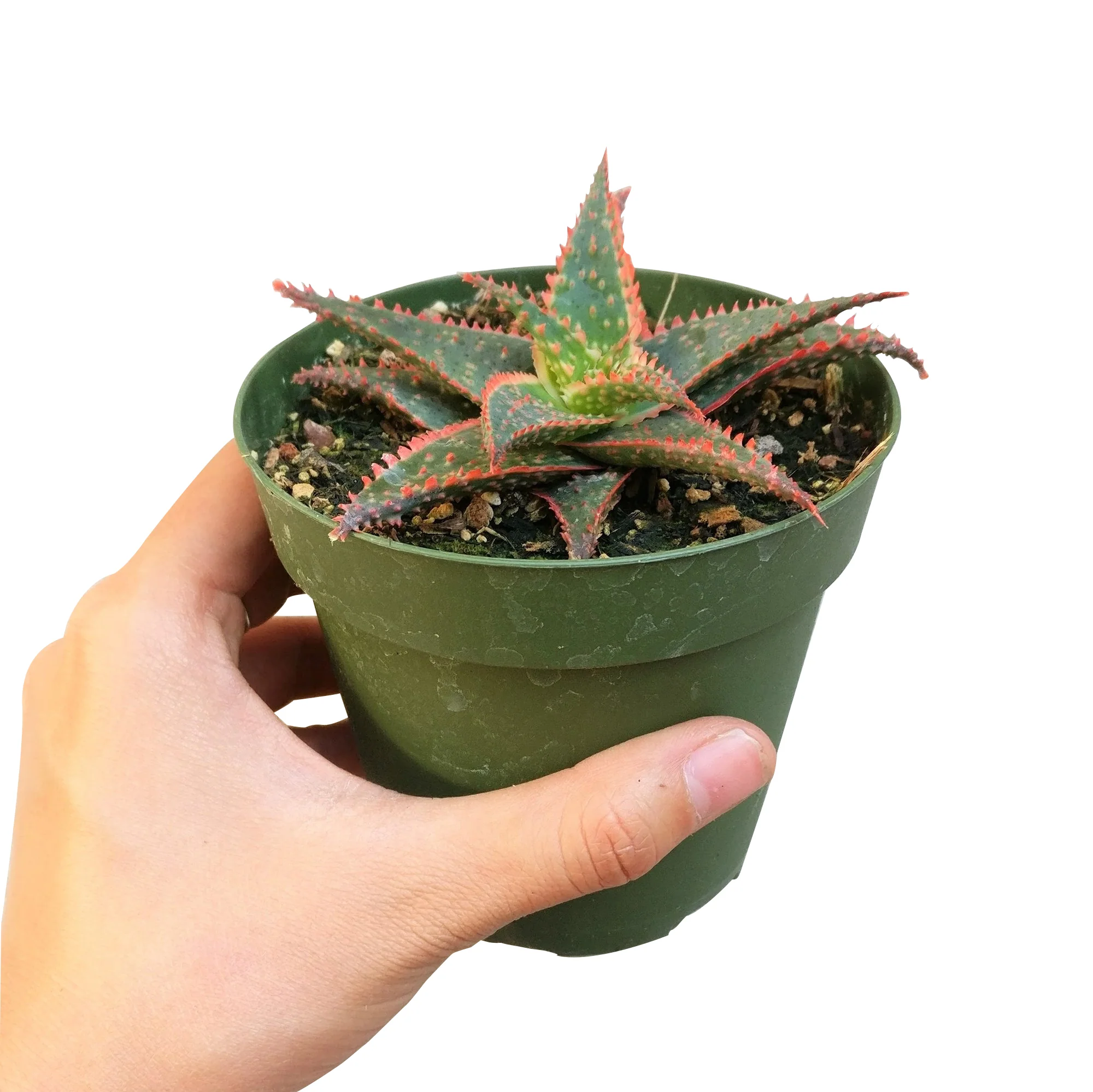
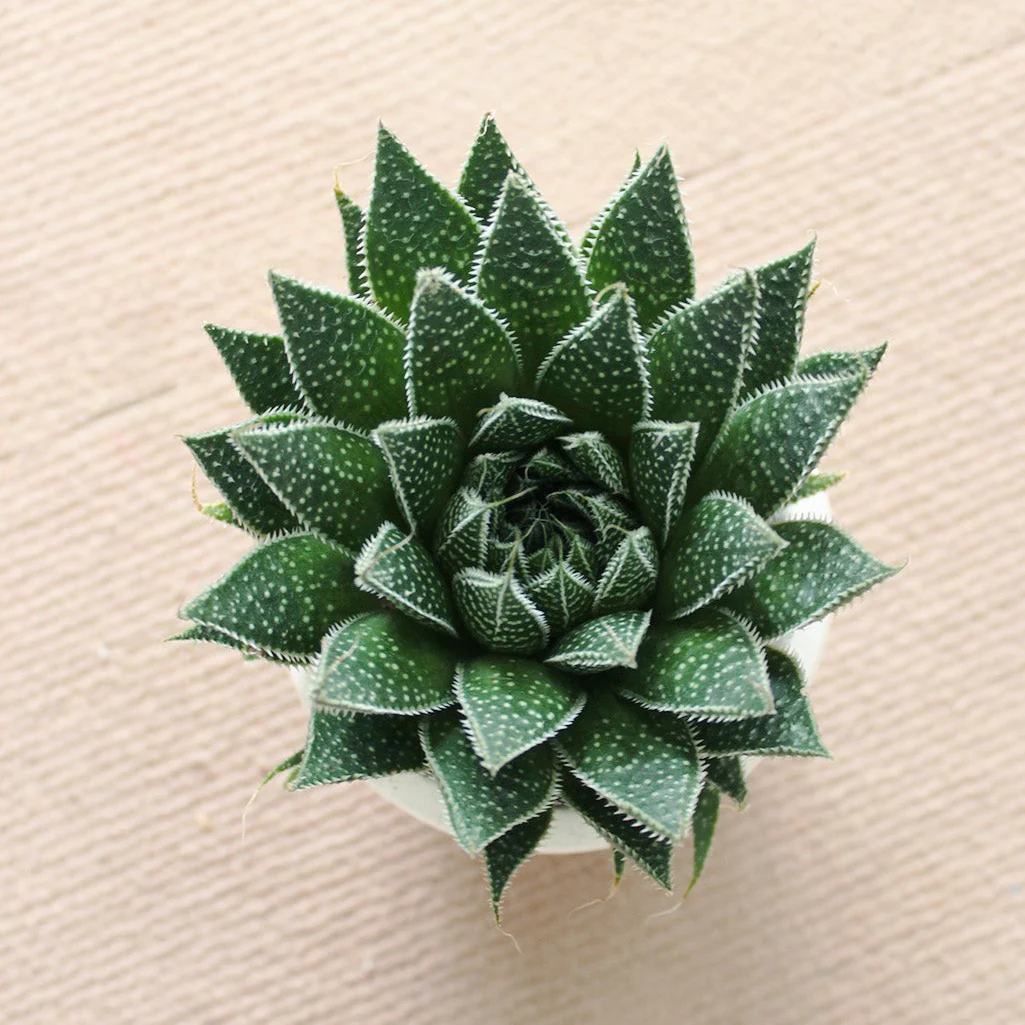
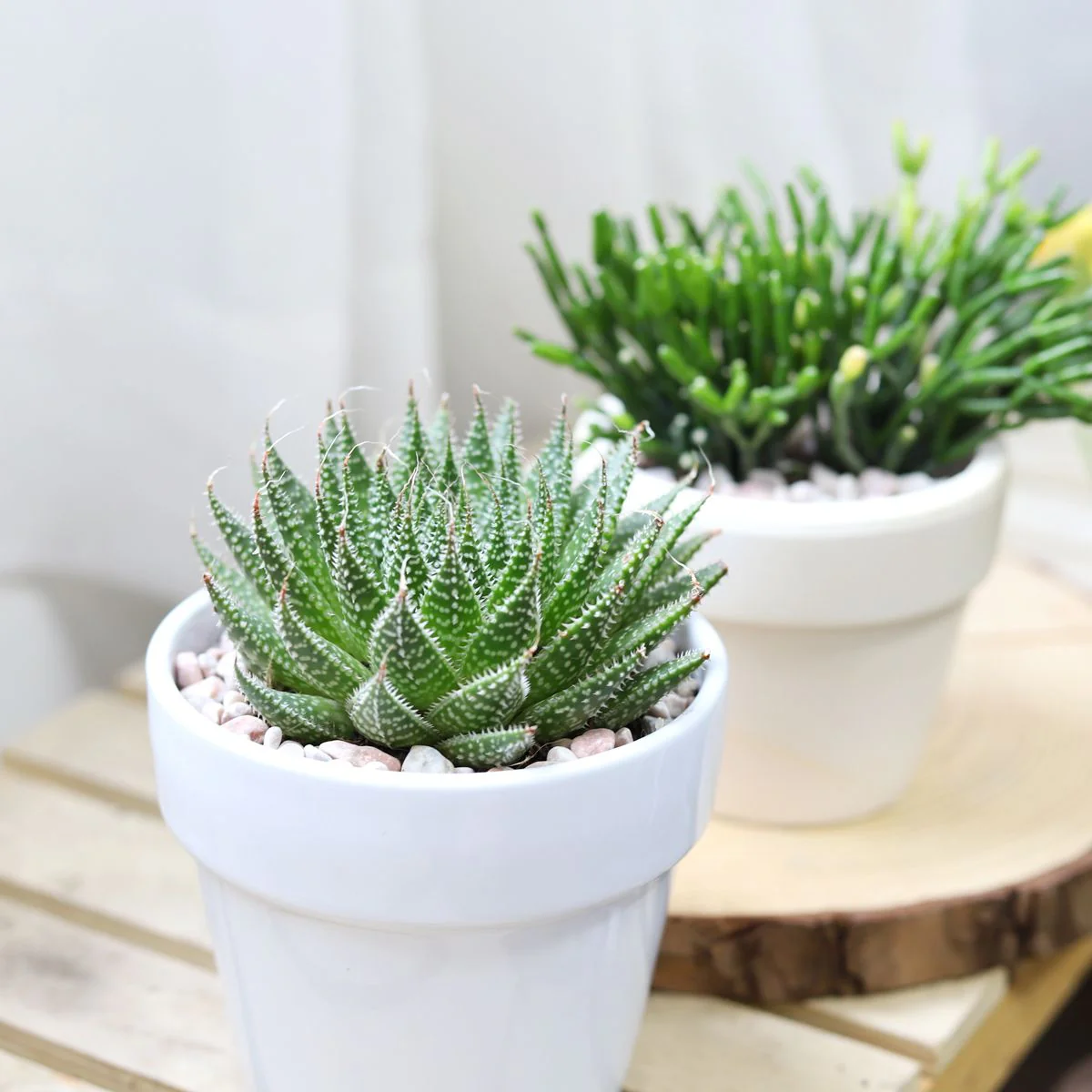
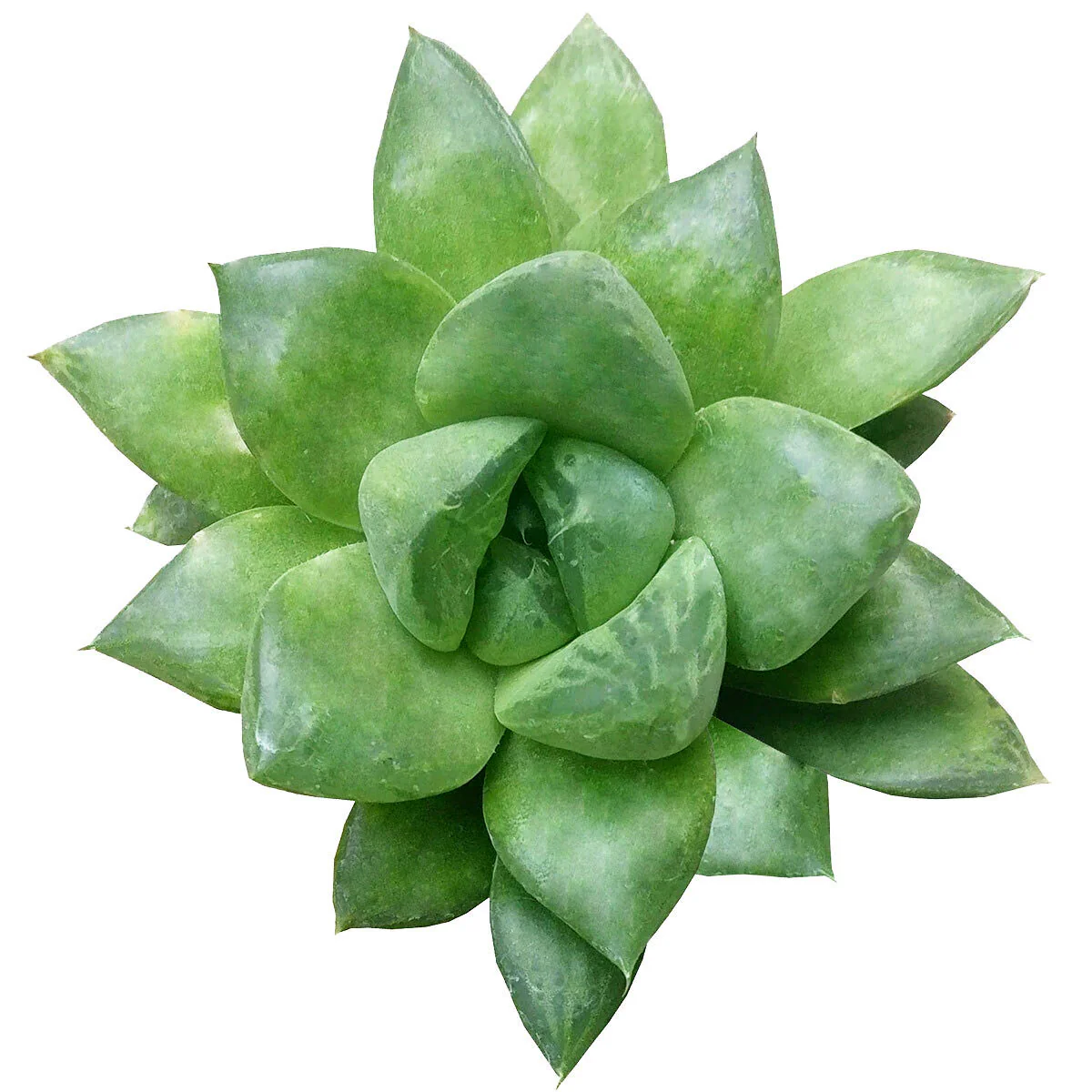
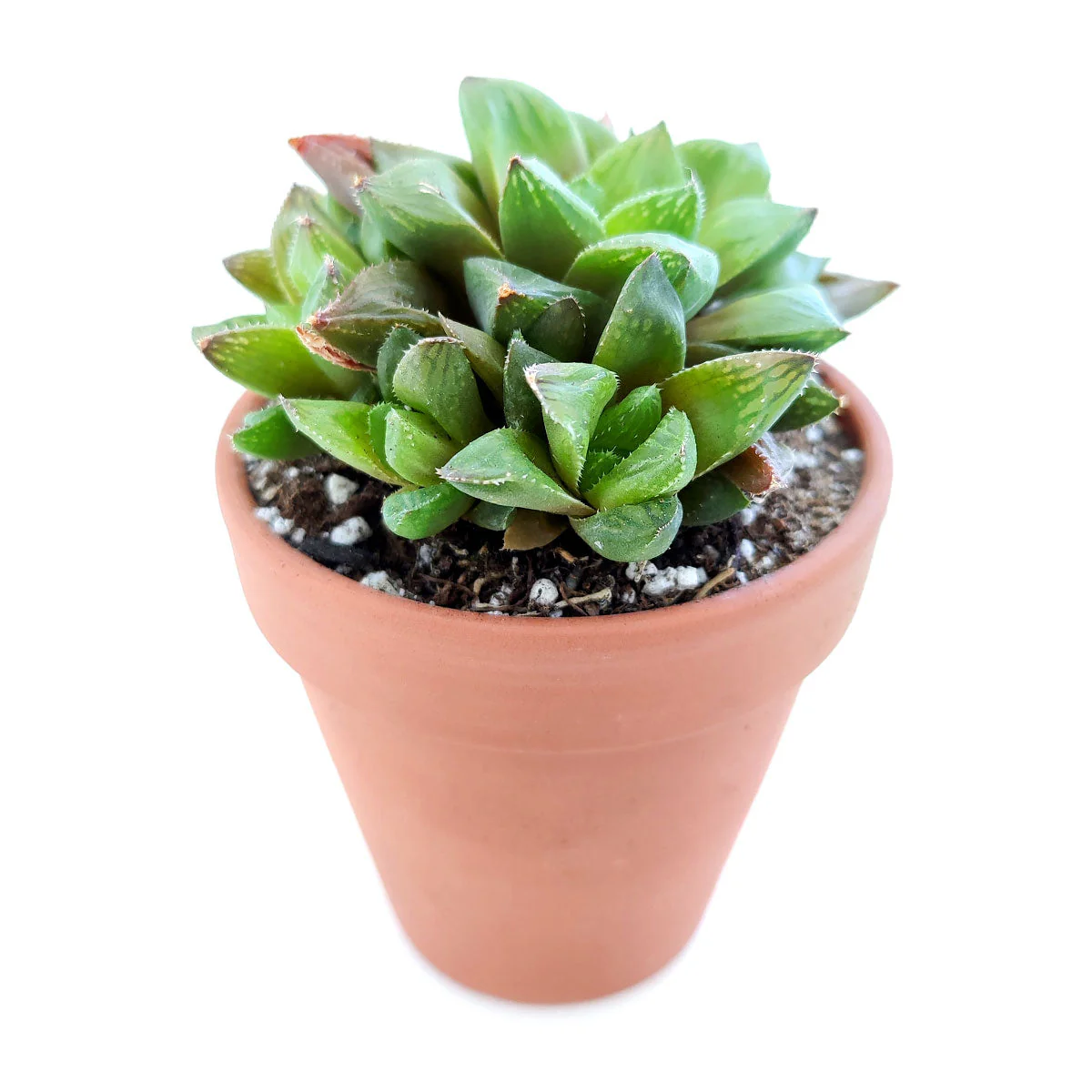
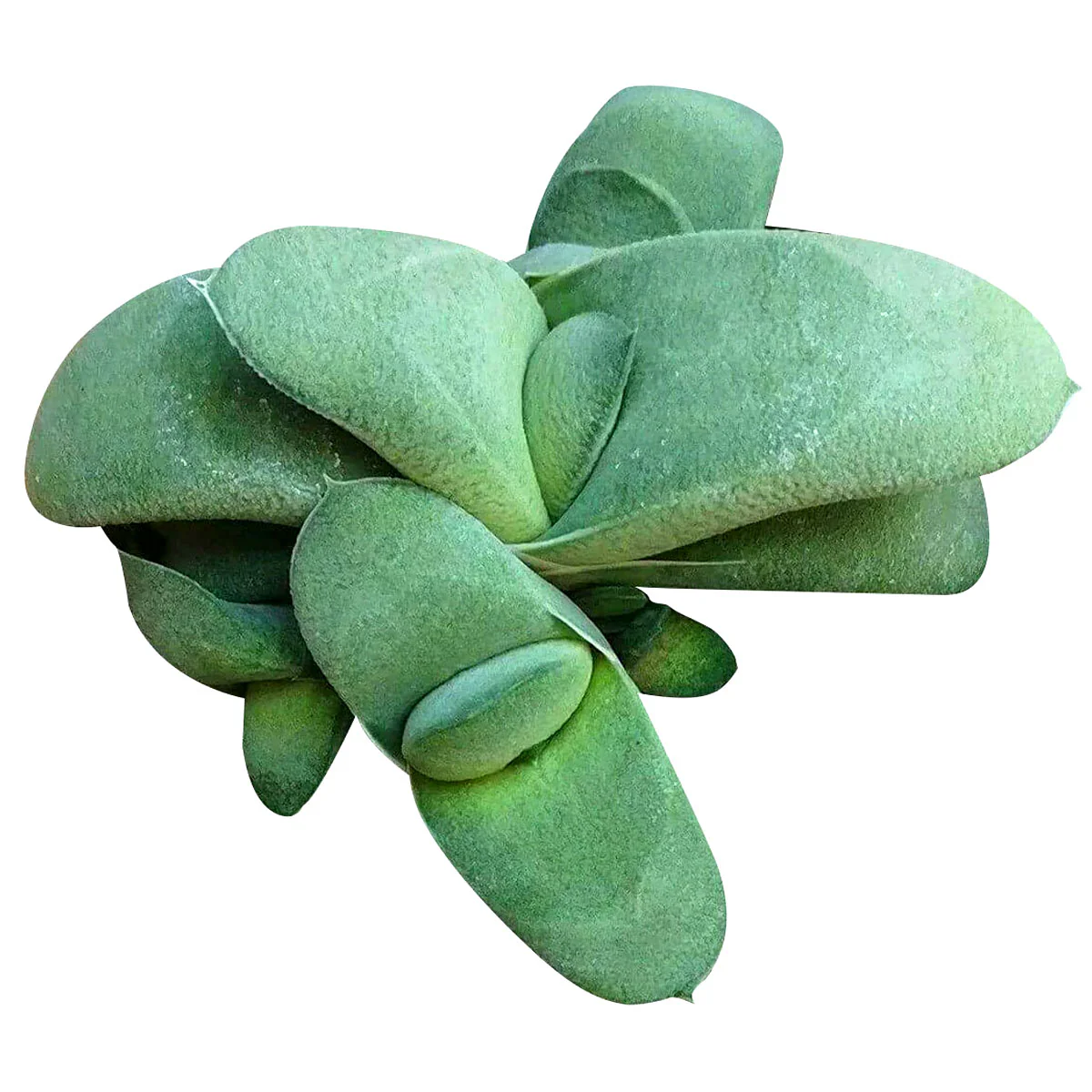
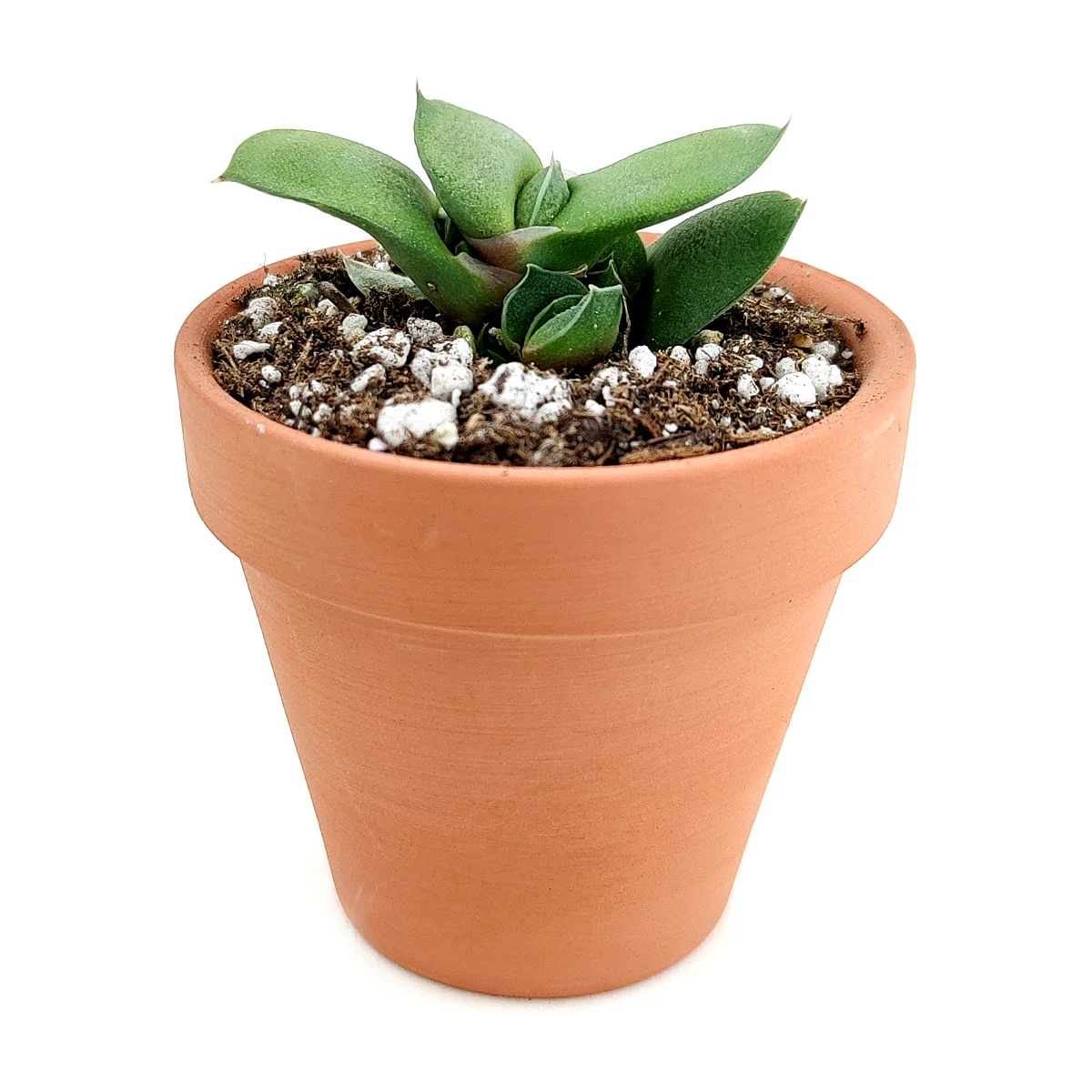
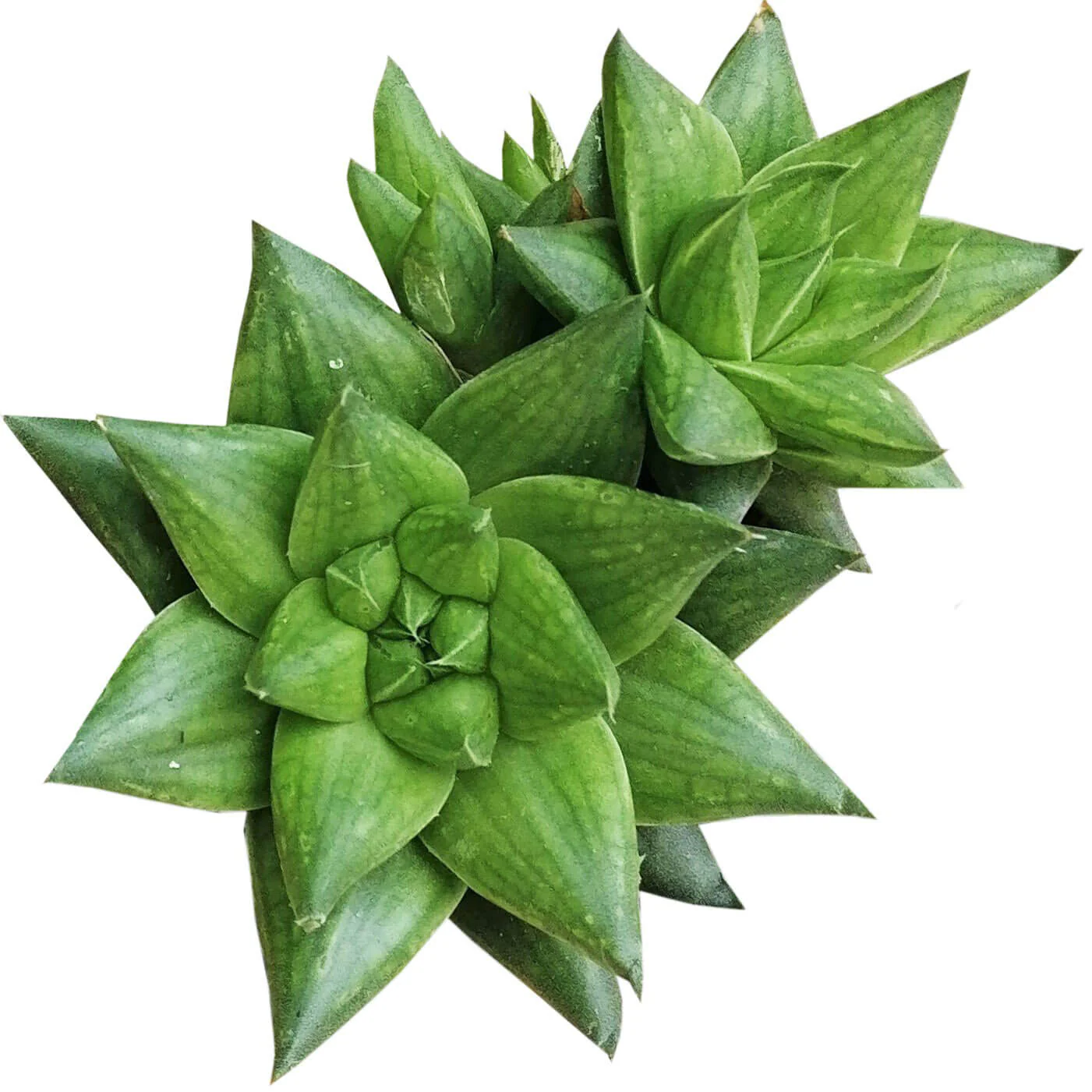
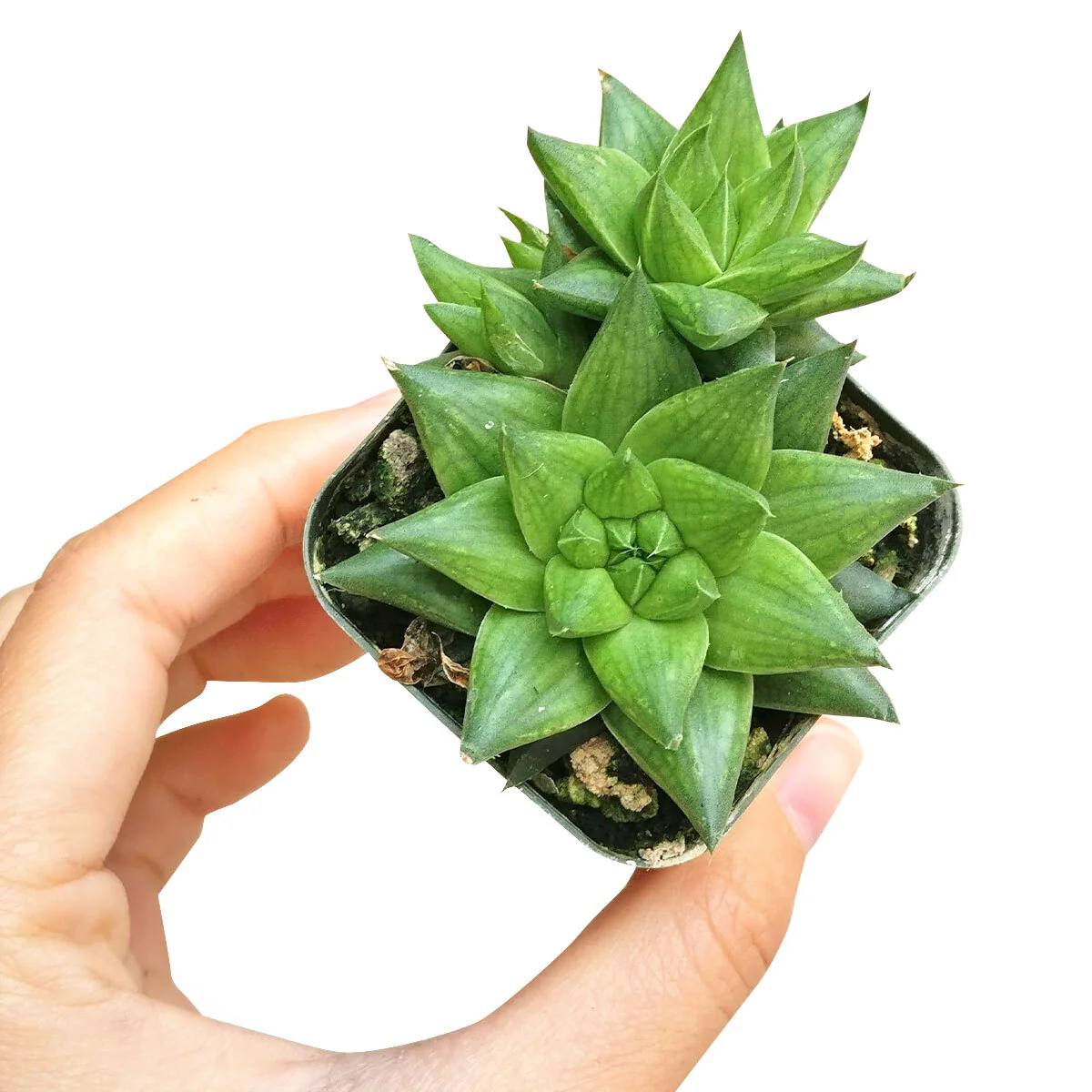
 Aloe Coral Fire grows in a compact rosette habit that clusters over time, producing offsets that fill a pot with rich texture and color. The leaves are thick and fleshy, edged with soft teeth, and display a vivid coral-to-red flush that intensifies under bright light conditions. This easy care succulent is instantly recognizable for that warm, fiery coloring that earns it a place among the most eye-catching aloe succulents available.
 Aloe Coral Fire can produce upright flower spikes that rise above the rosette, typically bearing tubular blooms in orange to coral tones during late winter or spring. A notable tip: Aloe Coral Fire benefits from a nighttime temperature drop to encourage blooming, so placing it near a cooler window in autumn can help trigger that flower show. When not in bloom, the rosette itself is ornamental enough to hold its own as a display plant year-round.
 Aloe Coral Fire is genuinely beginner-friendly and survives periods of neglect well, including a 10-day trip without any watering. It shows when it is thirsty through slight leaf wilting, so you never need to guess. During summer, Aloe Coral Fire can move outside to a patio or garden bed, but it should be covered or sheltered from heavy rain to prevent root rot. Cats and dogs should not be left to nibble or eat the plant, and it is best placed on a high shelf or away from small children and curious toddlers.
-
 Aloe Coral Fire thrives in bright indirect light, partial sun, or full sun, but may scorch in intense south-facing windows without acclimation.
 Water Aloe Coral Fire deeply every 2-3 weeks in summer and cut back to once a month or less in winter.
 Aloe Coral Fire does best in a well-draining cactus and succulent mix blended with perlite for added aeration.
 Aloe Coral Fire prefers temperatures between 55-80°F (13-27°C) and should be brought indoors before frost threatens.
![]() Aloe Coral Fire is a slow to moderate grower that needs only a light, balanced succulent fertilizer once or twice in the growing season.
Aloe Coral Fire is a slow to moderate grower that needs only a light, balanced succulent fertilizer once or twice in the growing season.
 Aloe Coral Fire is best suited to USDA Hardiness Zones 9-11, tolerating only very light frost before needing protection below around 25°F (-4°C). In the United States, gardeners growing Aloe Coral Fire outdoors year-round will find it thrives across Florida, California, Texas, Arizona, Hawaii, Louisiana, Georgia, South Carolina, Alabama, Mississippi, and Nevada. Coastal areas of Oregon and parts of New Mexico also fall within a suitable range, making Aloe Coral Fire a versatile landscape plant across the warmer Sun Belt states.
-
Q: How often should I water Aloe Coral Fire?
A: Water Aloe Coral Fire every 2-3 weeks in warm months, and reduce to once a month or less in winter. It tolerates dry spells well and will show slight wilting when it genuinely needs a drink.
Q: What light does Aloe Coral Fire need indoors?
A: Aloe Coral Fire does best in bright indirect light or partial sun near a sunny window. Rotate the pot occasionally so all sides receive even light and the rosette stays balanced.
Q: Is Aloe Coral Fire safe around pets and children?
A: Cats and dogs should not be left to nibble or eat Aloe Coral Fire, and the sap can cause skin or paw irritation on contact. It is best kept on a high shelf and placed well away from small children and toddlers.
Q: How big does Aloe Coral Fire get?
A: Aloe Coral Fire forms compact rosettes that typically reach 6-10 inches across and cluster outward over time as it matures. Growth is slow to moderate, so it stays manageable in containers for years.
Q: Can I move Aloe Coral Fire outside in summer?
A: Yes, Aloe Coral Fire loves spending summer outdoors in a bright spot with some direct sun. Just be sure to shelter it from heavy rain and bring it back inside before temperatures drop near frost.
Q: How do I propagate Aloe Coral Fire?
A: Aloe Coral Fire naturally produces offsets, or pups, around the base of the mother rosette as it clusters. Simply separate a pup with a clean blade once it has its own roots and pot it up in well-draining succulent mix.


Original: $11.90
-70%$11.90
$3.57Product Information
Product Information
Shipping & Returns
Shipping & Returns
Description
- Description
- Aloe 'Coral Fire' Care Guide
- FAQ/Common Issues
-
![]() Aloe Coral Fire is a striking aloe succulent hybrid bred for bold color and easy care, making it a standout in the world of drought tolerant succulents. Like all aloes, it belongs to the Asphodelaceae family and traces its roots to the arid landscapes of southern and eastern Africa. This coral red leaf aloe has been refined through hybridization to thrive as a resilient, low-maintenance houseplant or garden specimen.
Aloe Coral Fire is a striking aloe succulent hybrid bred for bold color and easy care, making it a standout in the world of drought tolerant succulents. Like all aloes, it belongs to the Asphodelaceae family and traces its roots to the arid landscapes of southern and eastern Africa. This coral red leaf aloe has been refined through hybridization to thrive as a resilient, low-maintenance houseplant or garden specimen.
Aloe Coral Fire grows in a compact rosette habit that clusters over time, producing offsets that fill a pot with rich texture and color. The leaves are thick and fleshy, edged with soft teeth, and display a vivid coral-to-red flush that intensifies under bright light conditions. This easy care succulent is instantly recognizable for that warm, fiery coloring that earns it a place among the most eye-catching aloe succulents available.
Aloe Coral Fire can produce upright flower spikes that rise above the rosette, typically bearing tubular blooms in orange to coral tones during late winter or spring. A notable tip: Aloe Coral Fire benefits from a nighttime temperature drop to encourage blooming, so placing it near a cooler window in autumn can help trigger that flower show. When not in bloom, the rosette itself is ornamental enough to hold its own as a display plant year-round.
Aloe Coral Fire is genuinely beginner-friendly and survives periods of neglect well, including a 10-day trip without any watering. It shows when it is thirsty through slight leaf wilting, so you never need to guess. During summer, Aloe Coral Fire can move outside to a patio or garden bed, but it should be covered or sheltered from heavy rain to prevent root rot. Cats and dogs should not be left to nibble or eat the plant, and it is best placed on a high shelf or away from small children and curious toddlers.
-
Aloe Coral Fire thrives in bright indirect light, partial sun, or full sun, but may scorch in intense south-facing windows without acclimation.
Water Aloe Coral Fire deeply every 2-3 weeks in summer and cut back to once a month or less in winter.
Aloe Coral Fire does best in a well-draining cactus and succulent mix blended with perlite for added aeration.
Aloe Coral Fire prefers temperatures between 55-80°F (13-27°C) and should be brought indoors before frost threatens.
![]() Aloe Coral Fire is a slow to moderate grower that needs only a light, balanced succulent fertilizer once or twice in the growing season.
Aloe Coral Fire is a slow to moderate grower that needs only a light, balanced succulent fertilizer once or twice in the growing season.
Aloe Coral Fire is best suited to USDA Hardiness Zones 9-11, tolerating only very light frost before needing protection below around 25°F (-4°C). In the United States, gardeners growing Aloe Coral Fire outdoors year-round will find it thrives across Florida, California, Texas, Arizona, Hawaii, Louisiana, Georgia, South Carolina, Alabama, Mississippi, and Nevada. Coastal areas of Oregon and parts of New Mexico also fall within a suitable range, making Aloe Coral Fire a versatile landscape plant across the warmer Sun Belt states.
-
Q: How often should I water Aloe Coral Fire?
A: Water Aloe Coral Fire every 2-3 weeks in warm months, and reduce to once a month or less in winter. It tolerates dry spells well and will show slight wilting when it genuinely needs a drink.
Q: What light does Aloe Coral Fire need indoors?
A: Aloe Coral Fire does best in bright indirect light or partial sun near a sunny window. Rotate the pot occasionally so all sides receive even light and the rosette stays balanced.
Q: Is Aloe Coral Fire safe around pets and children?
A: Cats and dogs should not be left to nibble or eat Aloe Coral Fire, and the sap can cause skin or paw irritation on contact. It is best kept on a high shelf and placed well away from small children and toddlers.
Q: How big does Aloe Coral Fire get?
A: Aloe Coral Fire forms compact rosettes that typically reach 6-10 inches across and cluster outward over time as it matures. Growth is slow to moderate, so it stays manageable in containers for years.
Q: Can I move Aloe Coral Fire outside in summer?
A: Yes, Aloe Coral Fire loves spending summer outdoors in a bright spot with some direct sun. Just be sure to shelter it from heavy rain and bring it back inside before temperatures drop near frost.
Q: How do I propagate Aloe Coral Fire?
A: Aloe Coral Fire naturally produces offsets, or pups, around the base of the mother rosette as it clusters. Simply separate a pup with a clean blade once it has its own roots and pot it up in well-draining succulent mix.