Sempervivum 'Virgil Ford'
- Description
- Sempervivum 'Virgil Ford' Care Guide
- FAQ/Common Issues
-
![]() Sempervivum 'Virgil Ford' is a frost hardy succulent in the Crassulaceae family, beloved by collectors and beginners alike for its rugged charm and easy care. Native to mountainous regions of Europe and western Asia, sempervivums have thrived in rocky, well-drained soils for centuries. This cultivar carries all the genus's legendary toughness, making it a standout choice from Zone 4 through Zone 10.
Sempervivum 'Virgil Ford' is a frost hardy succulent in the Crassulaceae family, beloved by collectors and beginners alike for its rugged charm and easy care. Native to mountainous regions of Europe and western Asia, sempervivums have thrived in rocky, well-drained soils for centuries. This cultivar carries all the genus's legendary toughness, making it a standout choice from Zone 4 through Zone 10.
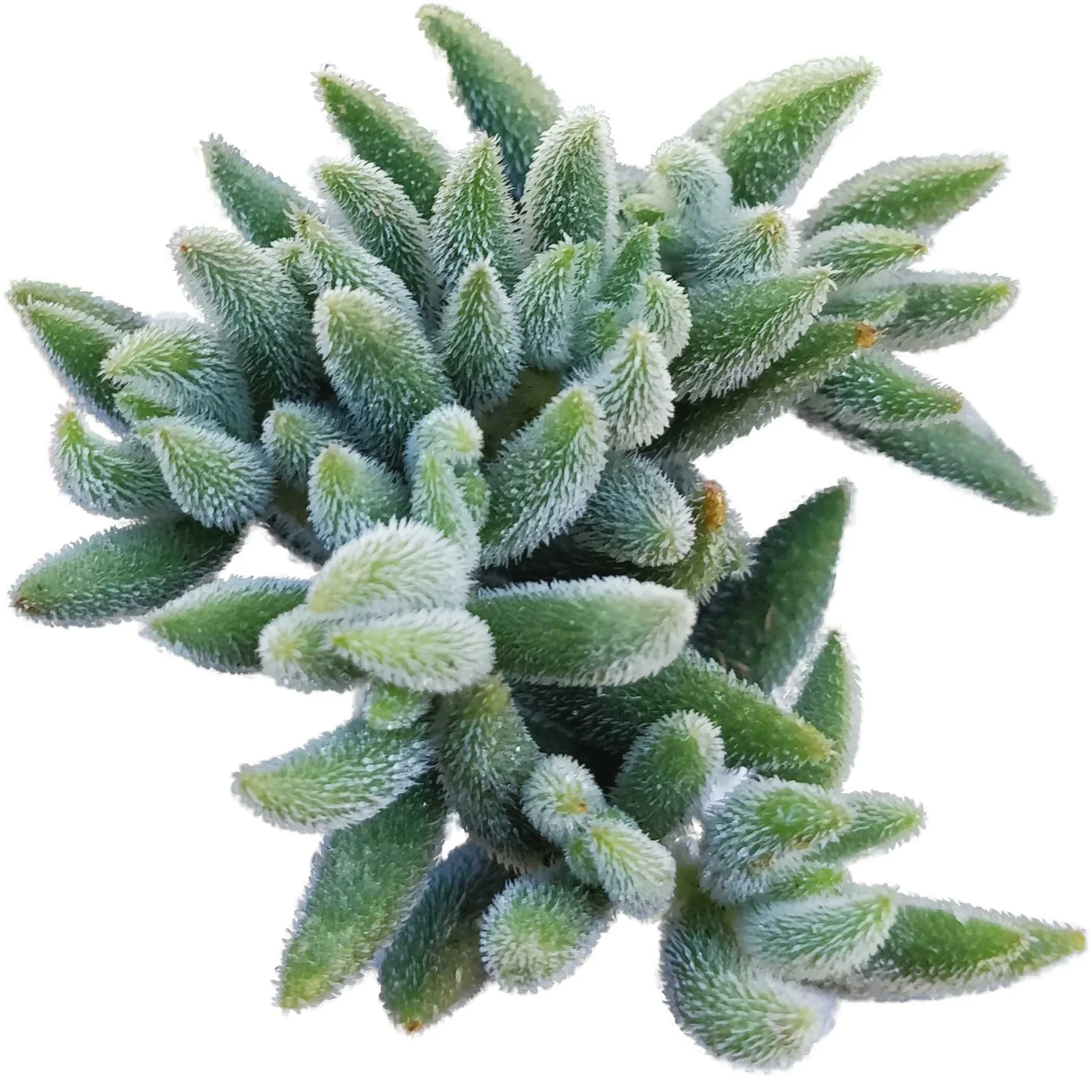
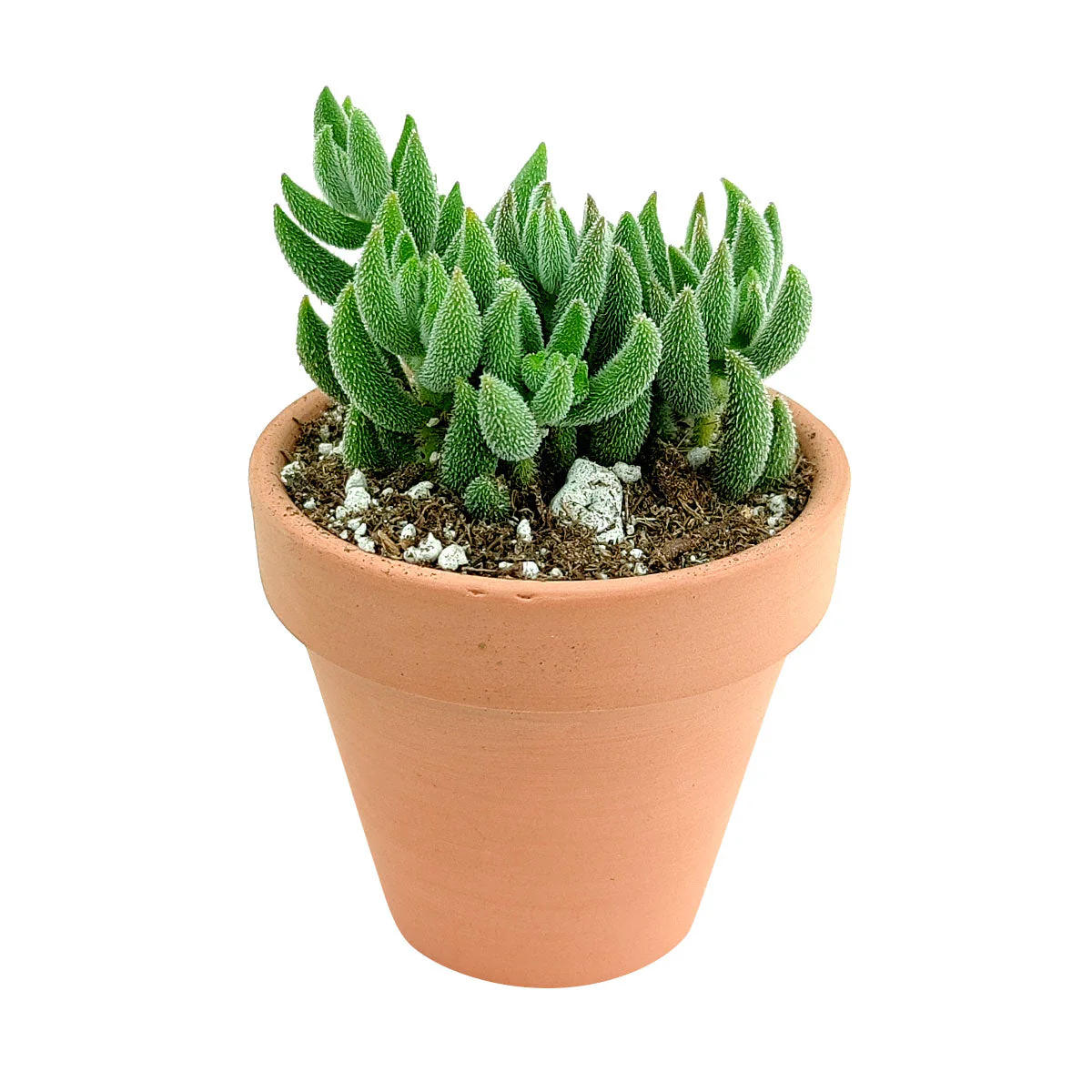
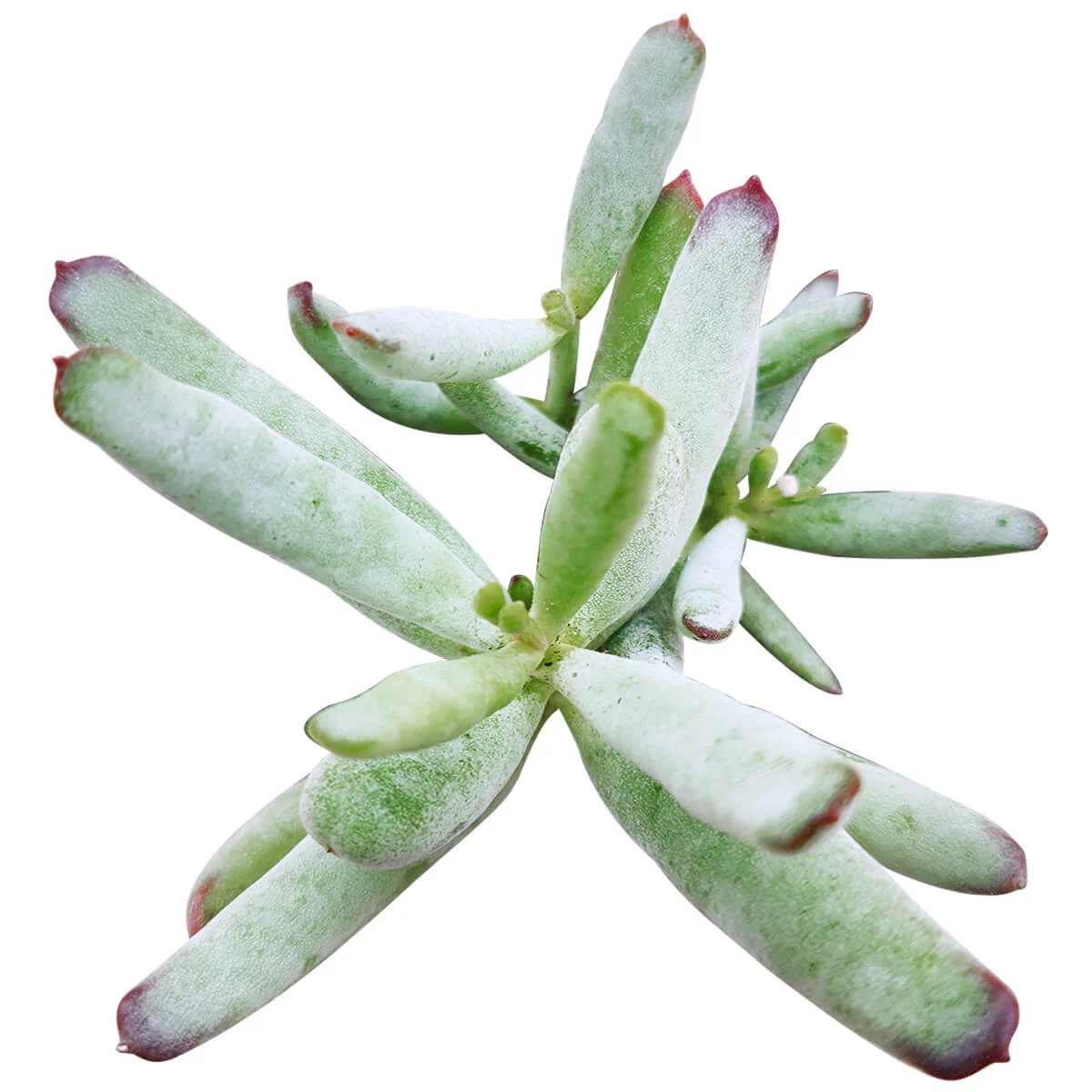
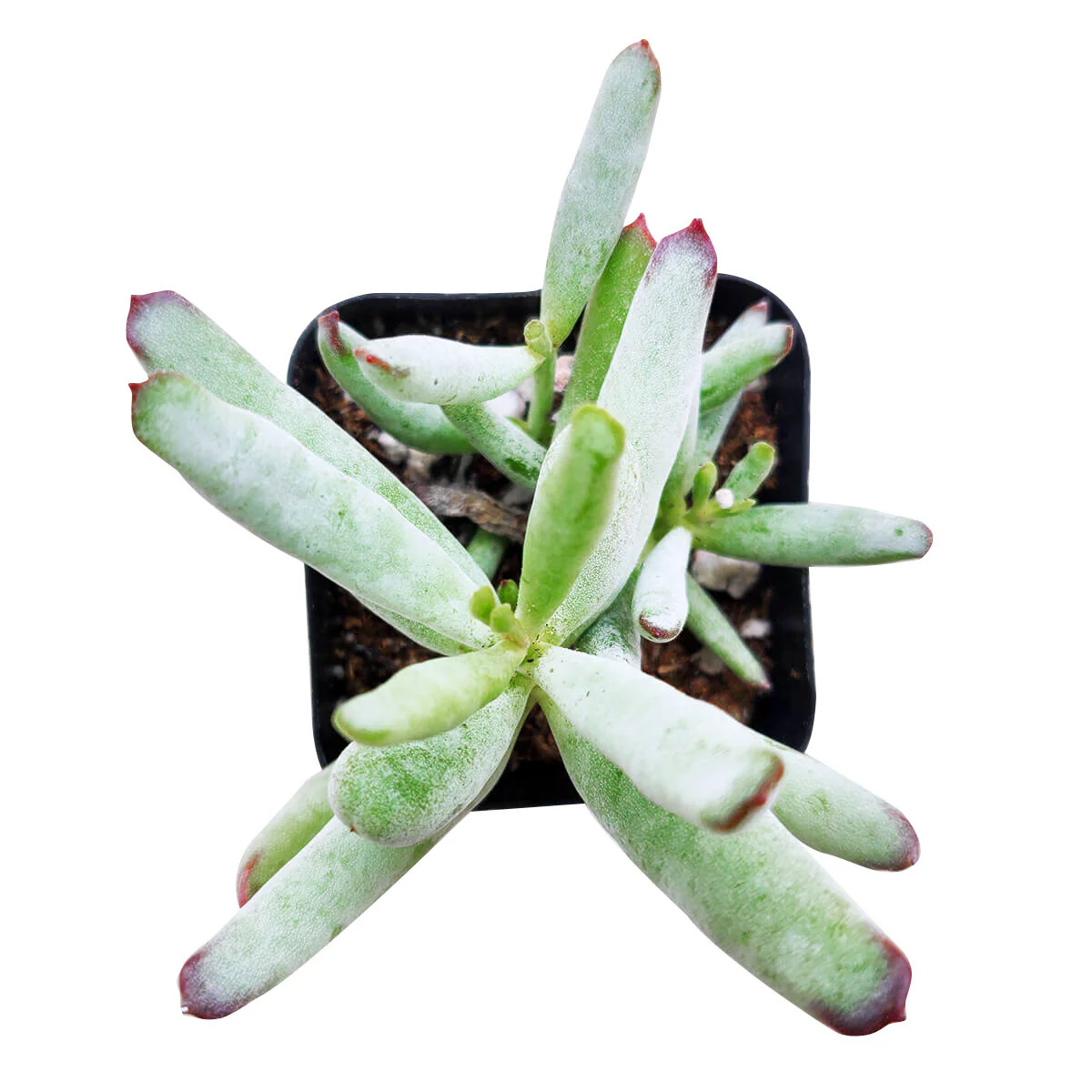
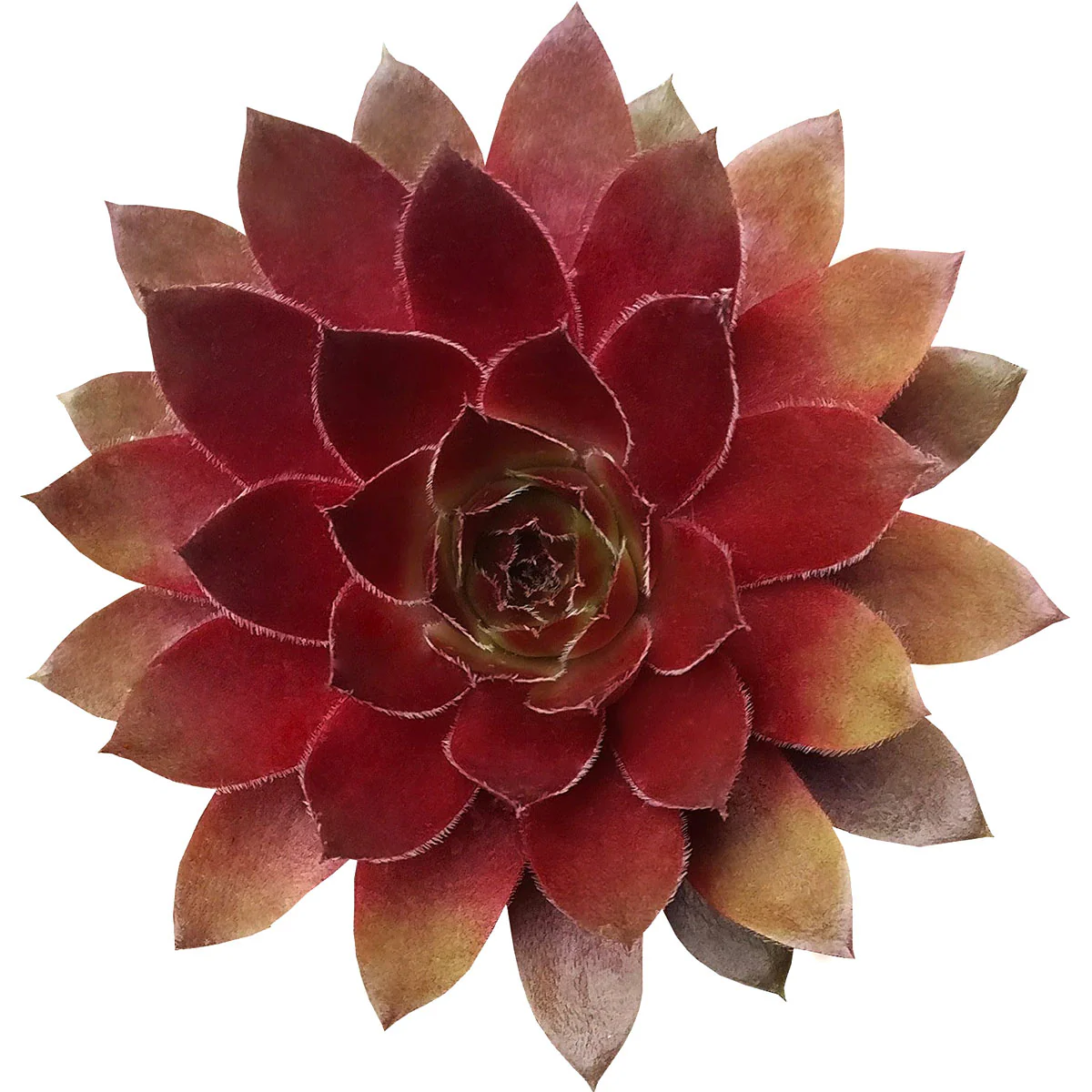
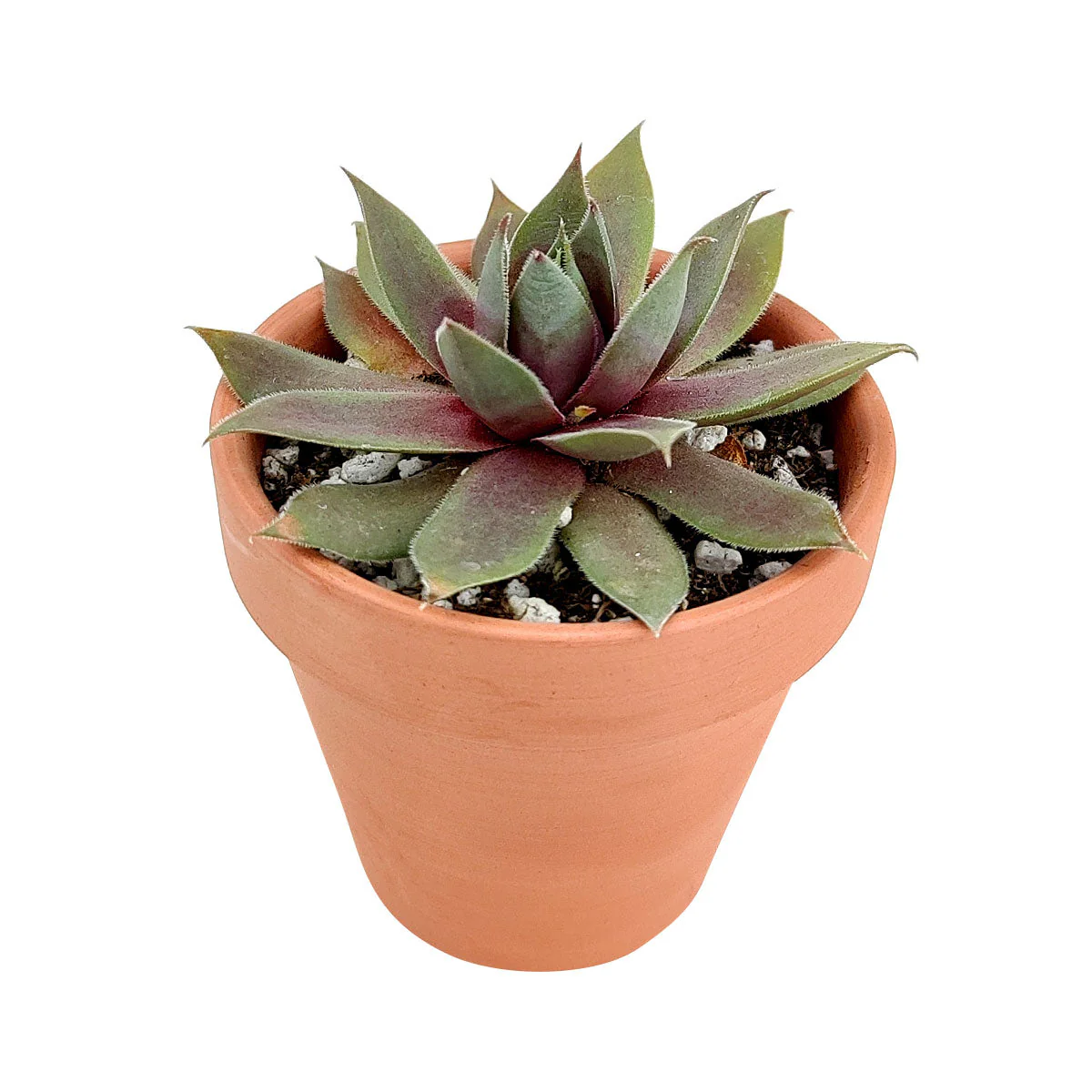
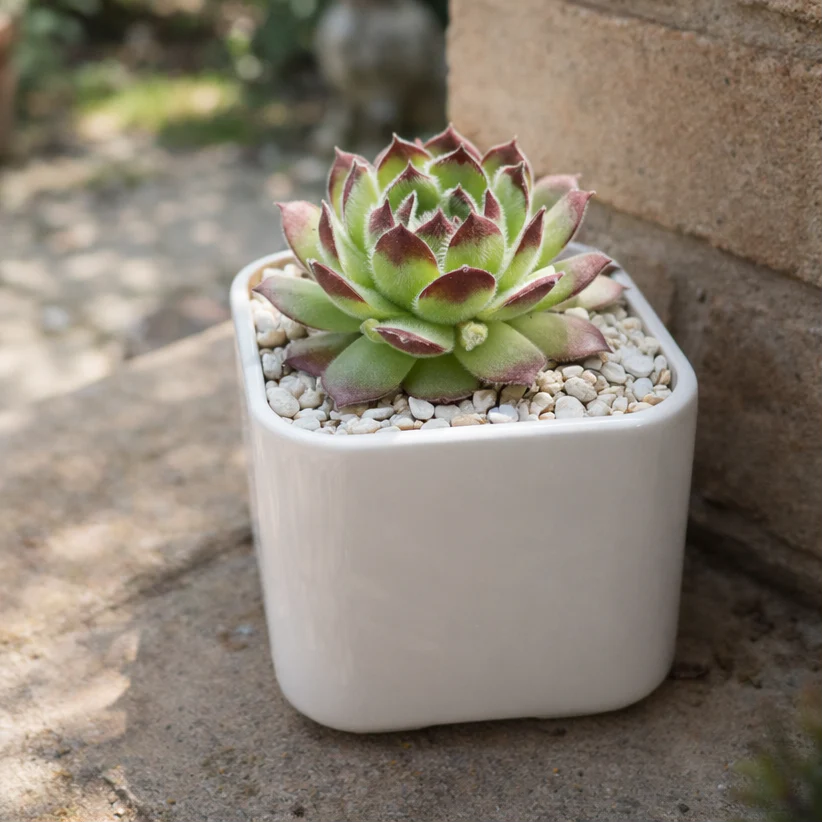
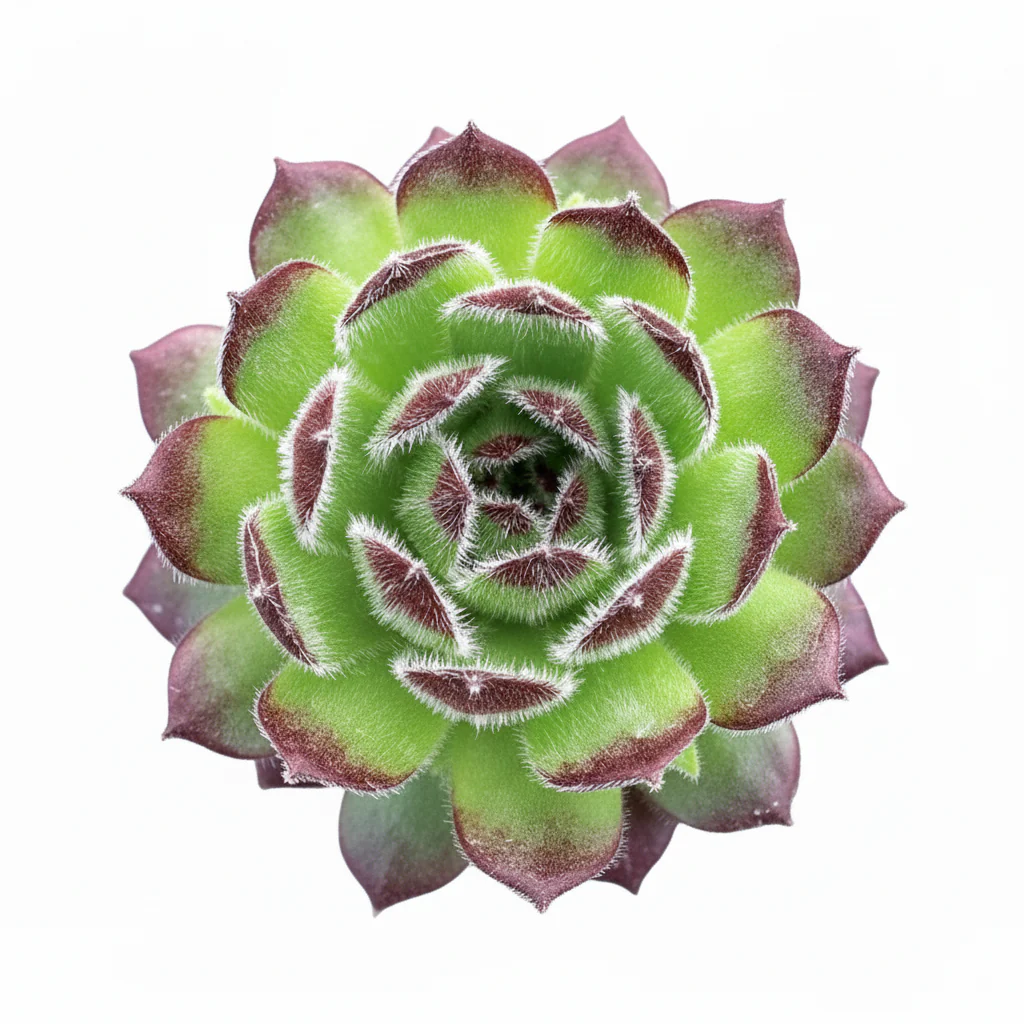
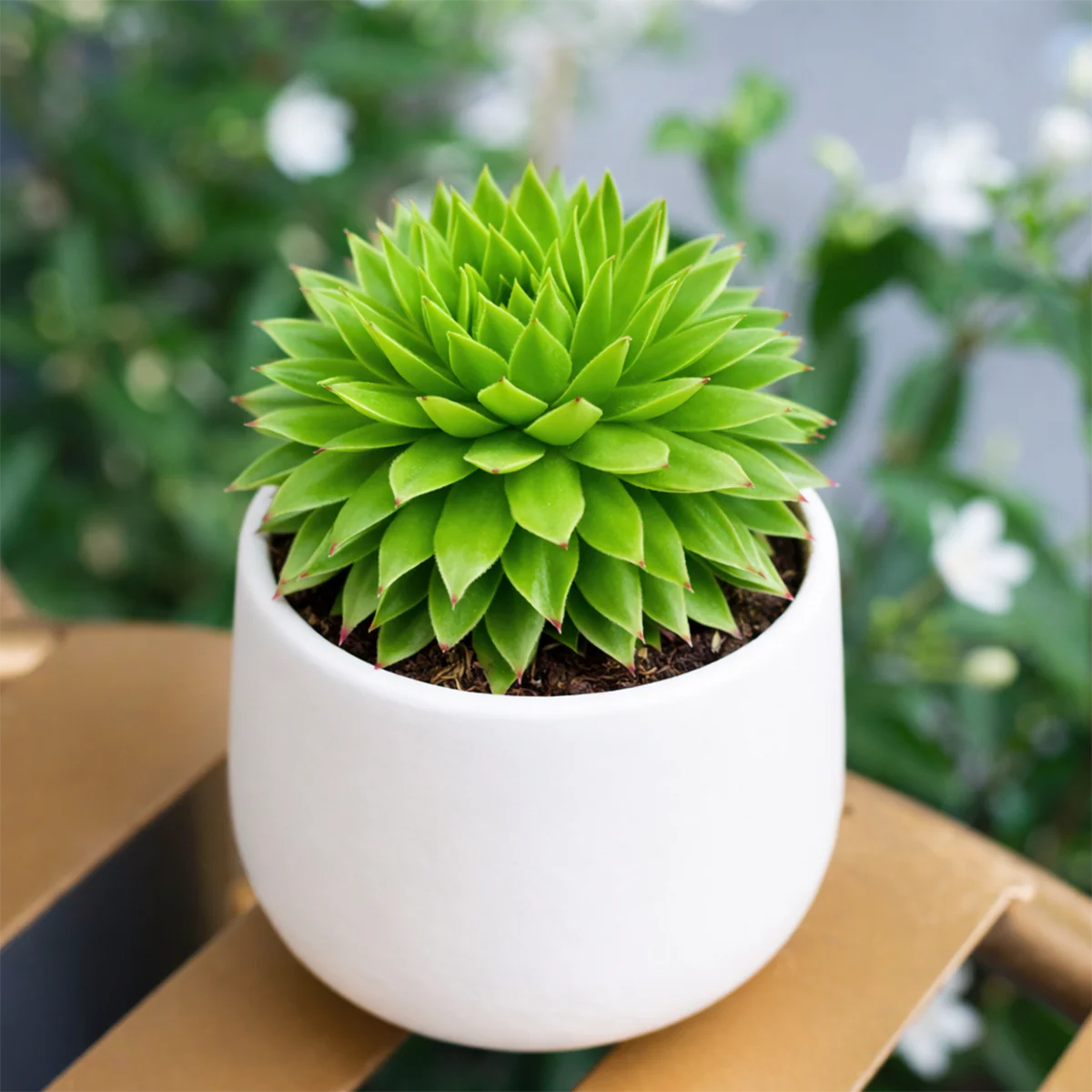
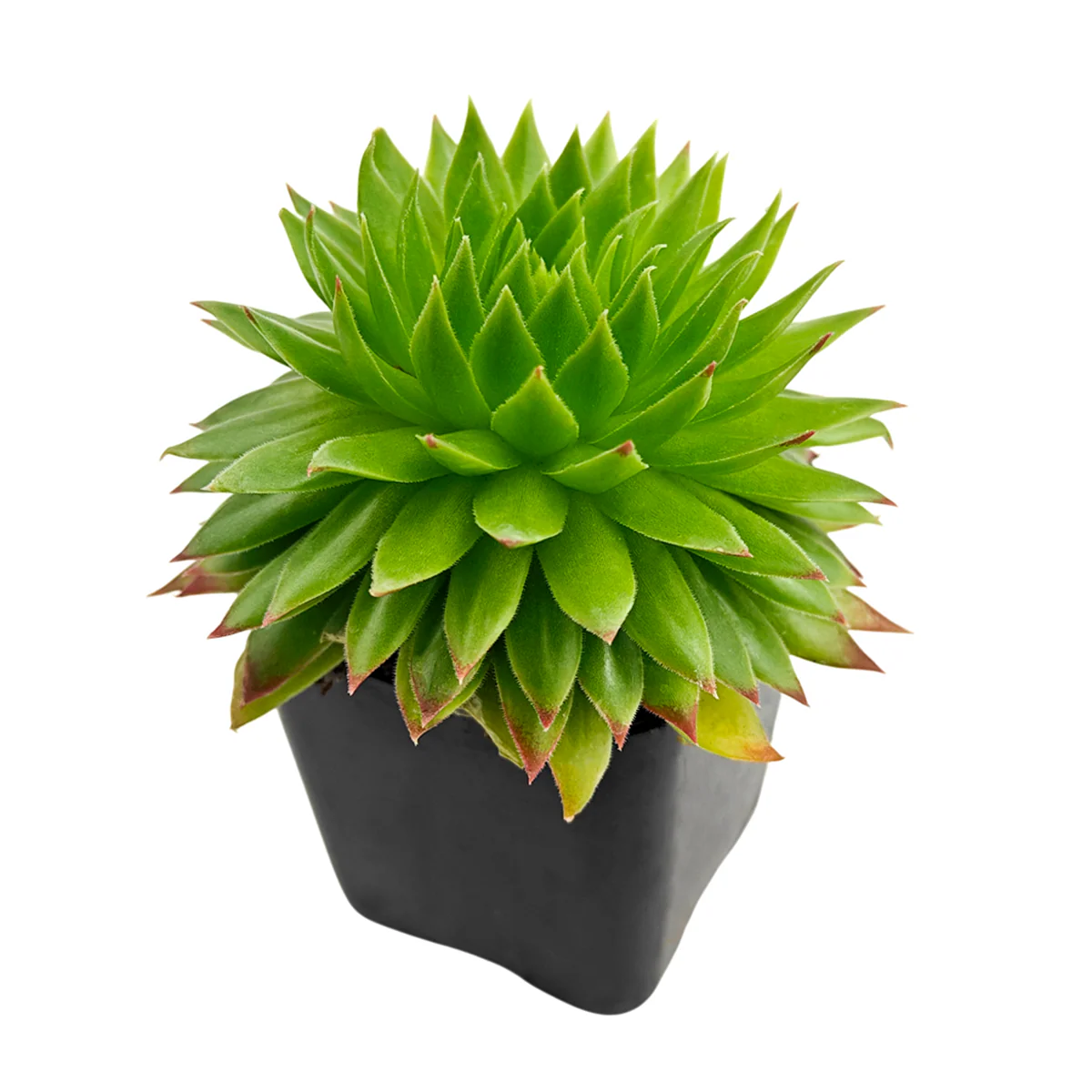
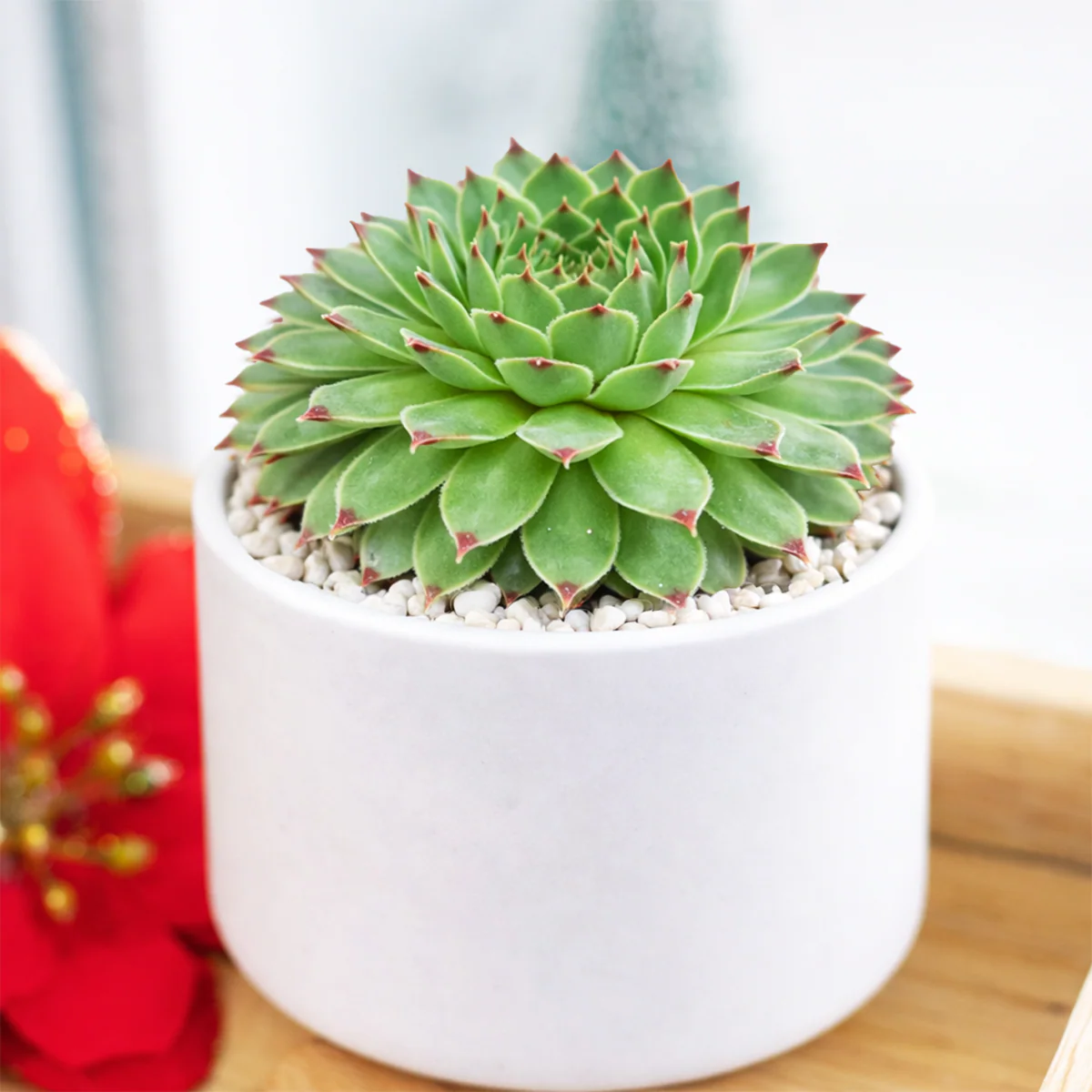
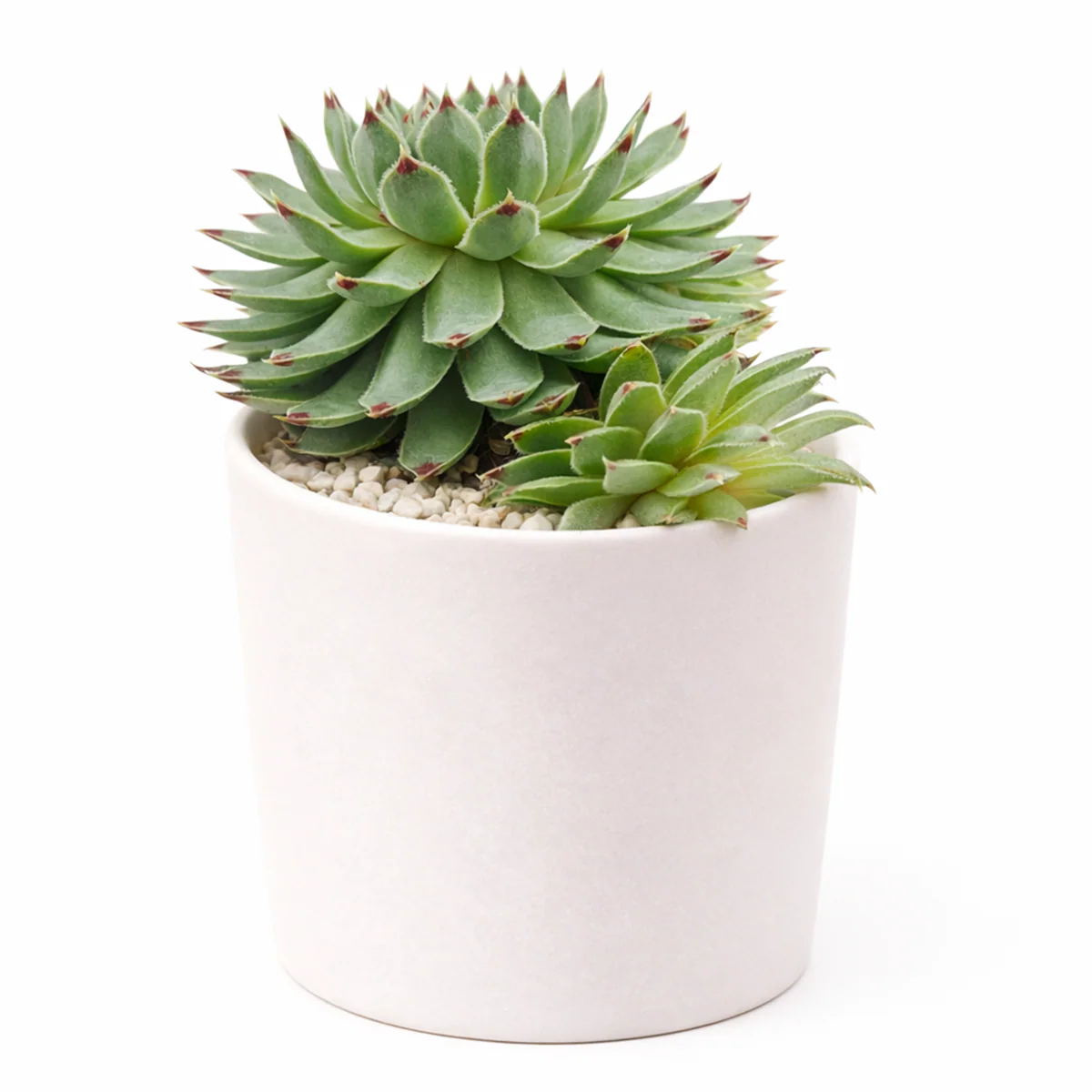
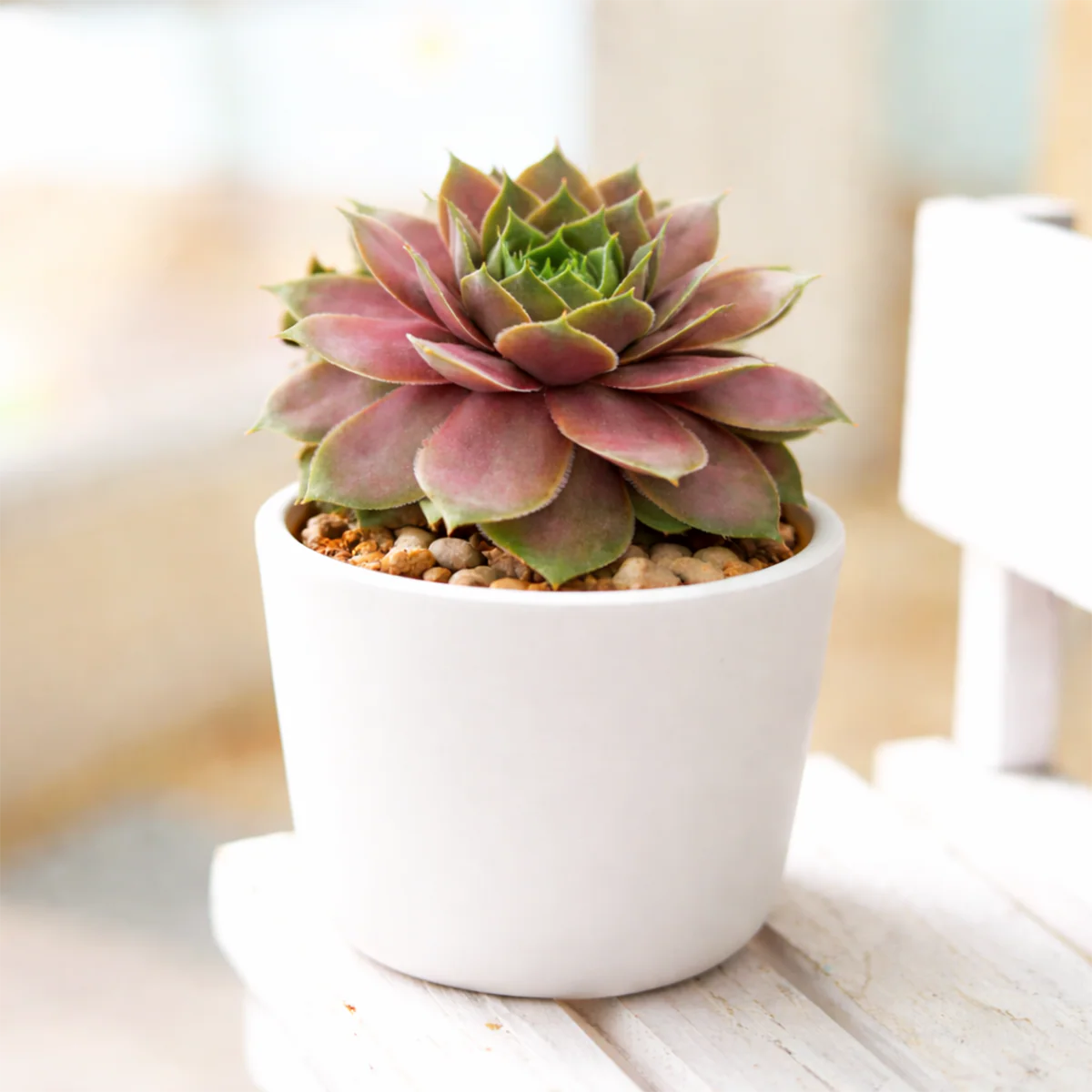
 Sempervivum 'Virgil Ford' forms tight, symmetrical rosettes with fleshy, pointed leaves that display rich purple and red tones, deepening beautifully with sun exposure and cooler temperatures. It grows in a clustering habit, spreading steadily outward as it produces offsets, or "chicks," around the mother rosette. The compact rosettes have a satisfying geometric structure that makes Sempervivum 'Virgil Ford' instantly eye-catching in a pot or a garden bed.
 Like all sempervivums, Sempervivum 'Virgil Ford' is monocarpic, meaning individual rosettes bloom once and then give way to the surrounding chicks. When a mature rosette flowers, it sends up a tall stalk topped with star-shaped blooms, typically in summer, adding an unexpected vertical accent to the planting. The surrounding offsets quickly fill the space, so the display stays full and lush without any effort on your part.
 Sempervivum 'Virgil Ford' is a wide spreader over time, making it perfect for rock gardens, alpine troughs, containers, and balcony pots where it handles wind and rain with ease. It is frost tolerant and can stay outdoors in autumn without fuss, and gardeners can move it outside for summer to soak up full sun. This is a genuine collector find, and its pet-friendly status makes it a worry-free pick for homes with curious cats or dogs. It even survives a 10-day trip alone without watering, making it ideal for frequent travelers.
-
 Sempervivum 'Virgil Ford' thrives in partial sun to full sun, needing at least four to six hours of direct light daily.
 Water Sempervivum 'Virgil Ford' deeply but infrequently, allowing soil to dry completely between waterings, roughly every 10-14 days.
 Sempervivum 'Virgil Ford' performs best in a gritty, well-draining cactus or succulent mix amended with extra perlite or coarse sand.
 Sempervivum 'Virgil Ford' tolerates temperatures from around -30°F (-34°C) in winter up to 90°F (32°C) in summer, and is impressively frost hardy.
![]() Sempervivum 'Virgil Ford' is a moderate to steady clusterer that rarely needs fertilizer, thriving in lean soil with minimal feeding.
Sempervivum 'Virgil Ford' is a moderate to steady clusterer that rarely needs fertilizer, thriving in lean soil with minimal feeding.
 Sempervivum 'Virgil Ford' is hardy in USDA Zones 4 through 10, tolerating winter lows down to around -30°F (-34°C), which makes it one of the toughest succulents available. In the coldest hardiness zones, Sempervivum 'Virgil Ford' grows beautifully across states like Minnesota, Wisconsin, Michigan, North Dakota, South Dakota, Montana, Wyoming, Iowa, Illinois, Indiana, Ohio, Pennsylvania, New York, Vermont, New Hampshire, Maine, Massachusetts, Connecticut, Rhode Island, New Jersey, and Delaware. Warmer zones bring it into Maryland, Virginia, West Virginia, Kentucky, Tennessee, North Carolina, South Carolina, Georgia, Alabama, Mississippi, Arkansas, Louisiana, Missouri, Kansas, Nebraska, Colorado, Utah, Nevada, Arizona, New Mexico, Texas, Oklahoma, Oregon, Washington, Idaho, California, Florida, and Hawaii, giving growers across virtually the entire United States the chance to enjoy this frost hardy purple hens and chicks cultivar.
-
Q: Is Sempervivum 'Virgil Ford' pet friendly?
A: Yes, Sempervivum 'Virgil Ford' is pet friendly and is considered non-toxic to cats and dogs, making it a safe choice for pet-owning households.
Q: How often should I water Sempervivum 'Virgil Ford'?
A: Water Sempervivum 'Virgil Ford' every 10 to 14 days, allowing the soil to dry out completely between waterings to prevent root rot.
Q: How much light does Sempervivum 'Virgil Ford' need?
A: Sempervivum 'Virgil Ford' performs best in partial to full sun with at least four to six hours of direct sunlight daily. Rotate the pot regularly for even, symmetrical rosette growth.
Q: Is Sempervivum 'Virgil Ford' frost hardy?
A: Sempervivum 'Virgil Ford' is extremely frost hardy, surviving temperatures as low as -30°F (-34°C) and thriving in USDA Zones 4 through 10. It can remain outdoors through autumn and winter in most climates without any protection.
Q: How does Sempervivum 'Virgil Ford' spread and propagate?
A: Sempervivum 'Virgil Ford' naturally propagates by producing small offsets, or "chicks," around the base of each mature rosette. Simply detach the offsets once they have their own roots and pot them up or tuck them into a garden bed.
Q: Can Sempervivum 'Virgil Ford' handle outdoor conditions like wind and rain?
A: Sempervivum 'Virgil Ford' handles balcony wind and rain well, but prolonged heavy rain in winter can cause rot, so providing light cover during wet seasons is a good idea. It thrives when moved outside for summer sun and can stay outdoors into autumn without any trouble.


Original: $8.00
-70%$8.00
$2.40Product Information
Product Information
Shipping & Returns
Shipping & Returns
Description
- Description
- Sempervivum 'Virgil Ford' Care Guide
- FAQ/Common Issues
-
![]() Sempervivum 'Virgil Ford' is a frost hardy succulent in the Crassulaceae family, beloved by collectors and beginners alike for its rugged charm and easy care. Native to mountainous regions of Europe and western Asia, sempervivums have thrived in rocky, well-drained soils for centuries. This cultivar carries all the genus's legendary toughness, making it a standout choice from Zone 4 through Zone 10.
Sempervivum 'Virgil Ford' is a frost hardy succulent in the Crassulaceae family, beloved by collectors and beginners alike for its rugged charm and easy care. Native to mountainous regions of Europe and western Asia, sempervivums have thrived in rocky, well-drained soils for centuries. This cultivar carries all the genus's legendary toughness, making it a standout choice from Zone 4 through Zone 10.
Sempervivum 'Virgil Ford' forms tight, symmetrical rosettes with fleshy, pointed leaves that display rich purple and red tones, deepening beautifully with sun exposure and cooler temperatures. It grows in a clustering habit, spreading steadily outward as it produces offsets, or "chicks," around the mother rosette. The compact rosettes have a satisfying geometric structure that makes Sempervivum 'Virgil Ford' instantly eye-catching in a pot or a garden bed.
Like all sempervivums, Sempervivum 'Virgil Ford' is monocarpic, meaning individual rosettes bloom once and then give way to the surrounding chicks. When a mature rosette flowers, it sends up a tall stalk topped with star-shaped blooms, typically in summer, adding an unexpected vertical accent to the planting. The surrounding offsets quickly fill the space, so the display stays full and lush without any effort on your part.
Sempervivum 'Virgil Ford' is a wide spreader over time, making it perfect for rock gardens, alpine troughs, containers, and balcony pots where it handles wind and rain with ease. It is frost tolerant and can stay outdoors in autumn without fuss, and gardeners can move it outside for summer to soak up full sun. This is a genuine collector find, and its pet-friendly status makes it a worry-free pick for homes with curious cats or dogs. It even survives a 10-day trip alone without watering, making it ideal for frequent travelers.
-
Sempervivum 'Virgil Ford' thrives in partial sun to full sun, needing at least four to six hours of direct light daily.
Water Sempervivum 'Virgil Ford' deeply but infrequently, allowing soil to dry completely between waterings, roughly every 10-14 days.
Sempervivum 'Virgil Ford' performs best in a gritty, well-draining cactus or succulent mix amended with extra perlite or coarse sand.
Sempervivum 'Virgil Ford' tolerates temperatures from around -30°F (-34°C) in winter up to 90°F (32°C) in summer, and is impressively frost hardy.
![]() Sempervivum 'Virgil Ford' is a moderate to steady clusterer that rarely needs fertilizer, thriving in lean soil with minimal feeding.
Sempervivum 'Virgil Ford' is a moderate to steady clusterer that rarely needs fertilizer, thriving in lean soil with minimal feeding.
Sempervivum 'Virgil Ford' is hardy in USDA Zones 4 through 10, tolerating winter lows down to around -30°F (-34°C), which makes it one of the toughest succulents available. In the coldest hardiness zones, Sempervivum 'Virgil Ford' grows beautifully across states like Minnesota, Wisconsin, Michigan, North Dakota, South Dakota, Montana, Wyoming, Iowa, Illinois, Indiana, Ohio, Pennsylvania, New York, Vermont, New Hampshire, Maine, Massachusetts, Connecticut, Rhode Island, New Jersey, and Delaware. Warmer zones bring it into Maryland, Virginia, West Virginia, Kentucky, Tennessee, North Carolina, South Carolina, Georgia, Alabama, Mississippi, Arkansas, Louisiana, Missouri, Kansas, Nebraska, Colorado, Utah, Nevada, Arizona, New Mexico, Texas, Oklahoma, Oregon, Washington, Idaho, California, Florida, and Hawaii, giving growers across virtually the entire United States the chance to enjoy this frost hardy purple hens and chicks cultivar.
-
Q: Is Sempervivum 'Virgil Ford' pet friendly?
A: Yes, Sempervivum 'Virgil Ford' is pet friendly and is considered non-toxic to cats and dogs, making it a safe choice for pet-owning households.
Q: How often should I water Sempervivum 'Virgil Ford'?
A: Water Sempervivum 'Virgil Ford' every 10 to 14 days, allowing the soil to dry out completely between waterings to prevent root rot.
Q: How much light does Sempervivum 'Virgil Ford' need?
A: Sempervivum 'Virgil Ford' performs best in partial to full sun with at least four to six hours of direct sunlight daily. Rotate the pot regularly for even, symmetrical rosette growth.
Q: Is Sempervivum 'Virgil Ford' frost hardy?
A: Sempervivum 'Virgil Ford' is extremely frost hardy, surviving temperatures as low as -30°F (-34°C) and thriving in USDA Zones 4 through 10. It can remain outdoors through autumn and winter in most climates without any protection.
Q: How does Sempervivum 'Virgil Ford' spread and propagate?
A: Sempervivum 'Virgil Ford' naturally propagates by producing small offsets, or "chicks," around the base of each mature rosette. Simply detach the offsets once they have their own roots and pot them up or tuck them into a garden bed.
Q: Can Sempervivum 'Virgil Ford' handle outdoor conditions like wind and rain?
A: Sempervivum 'Virgil Ford' handles balcony wind and rain well, but prolonged heavy rain in winter can cause rot, so providing light cover during wet seasons is a good idea. It thrives when moved outside for summer sun and can stay outdoors into autumn without any trouble.