Pothos Manjula
- Description
- Pothos Manjula Care Guide
- FAQ/Common Issues
-
![]() Pothos Manjula is a rare variegated pothos from the genus Epipremnum, celebrated by collectors and casual plant lovers alike. Like other members of its genus, it originates from tropical regions of Southeast Asia and the Pacific Islands, where it climbs and trails through warm, humid forest environments. This easy care pothos has earned a devoted following as one of the most sought-after vining indoor plants on the market today.
Pothos Manjula is a rare variegated pothos from the genus Epipremnum, celebrated by collectors and casual plant lovers alike. Like other members of its genus, it originates from tropical regions of Southeast Asia and the Pacific Islands, where it climbs and trails through warm, humid forest environments. This easy care pothos has earned a devoted following as one of the most sought-after vining indoor plants on the market today.
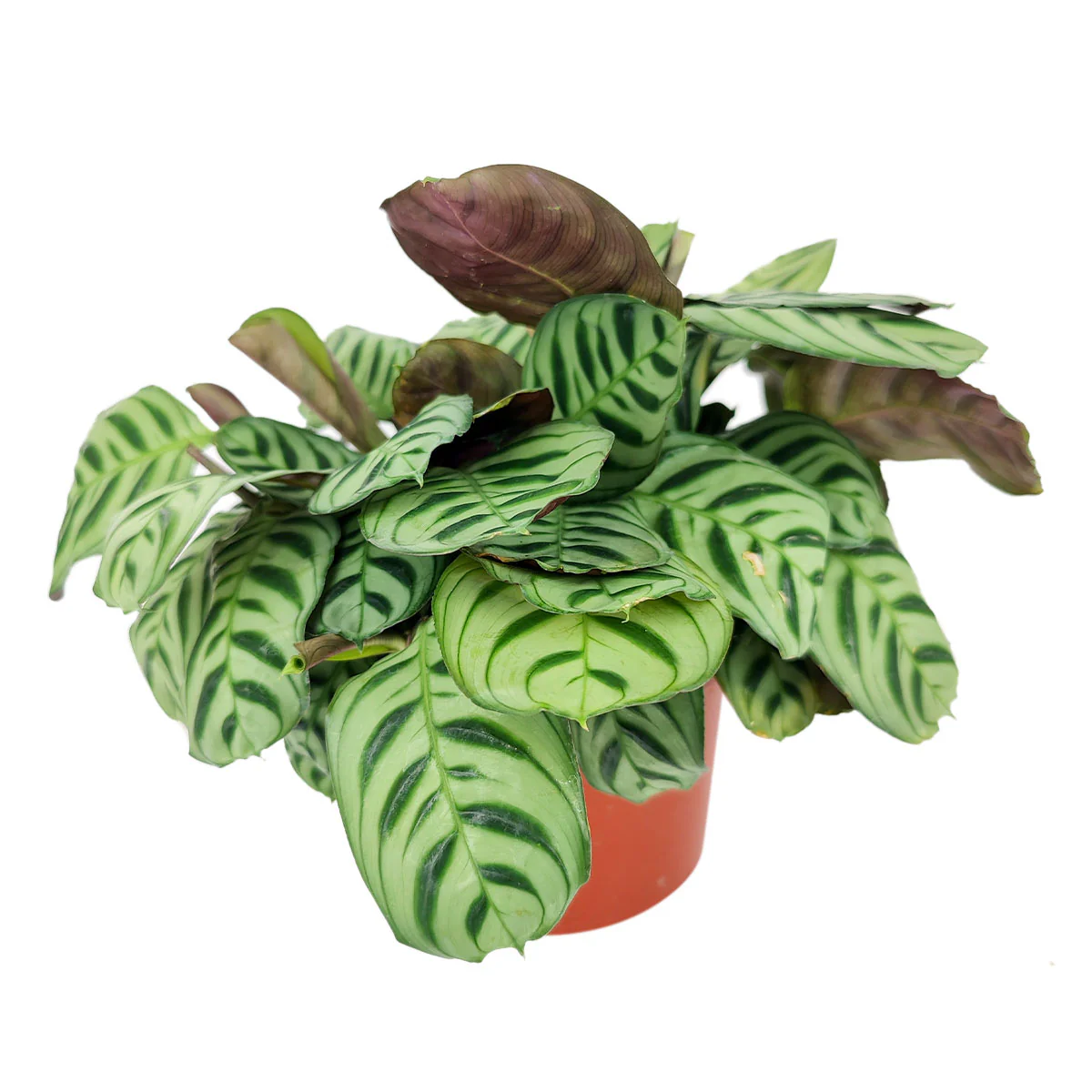
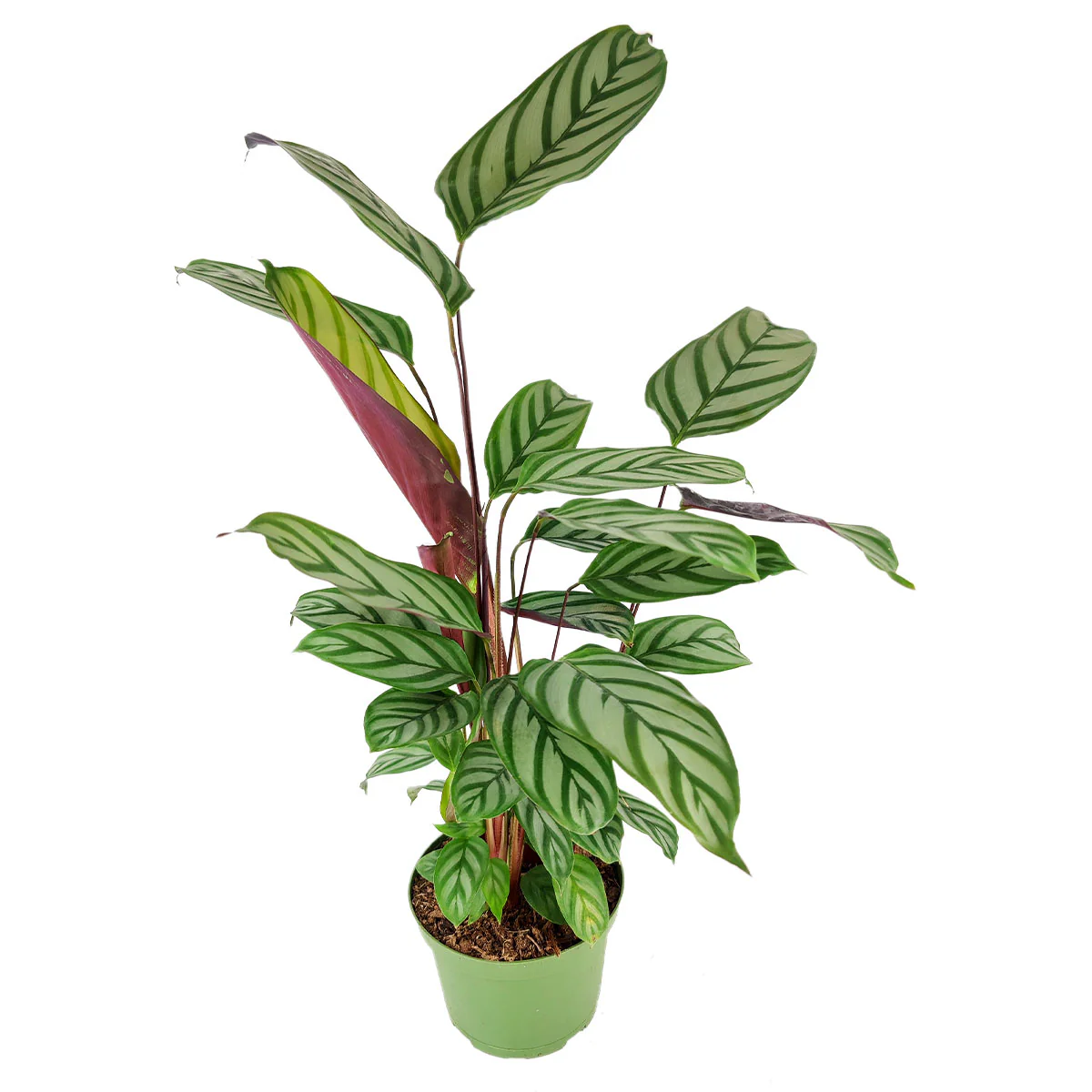
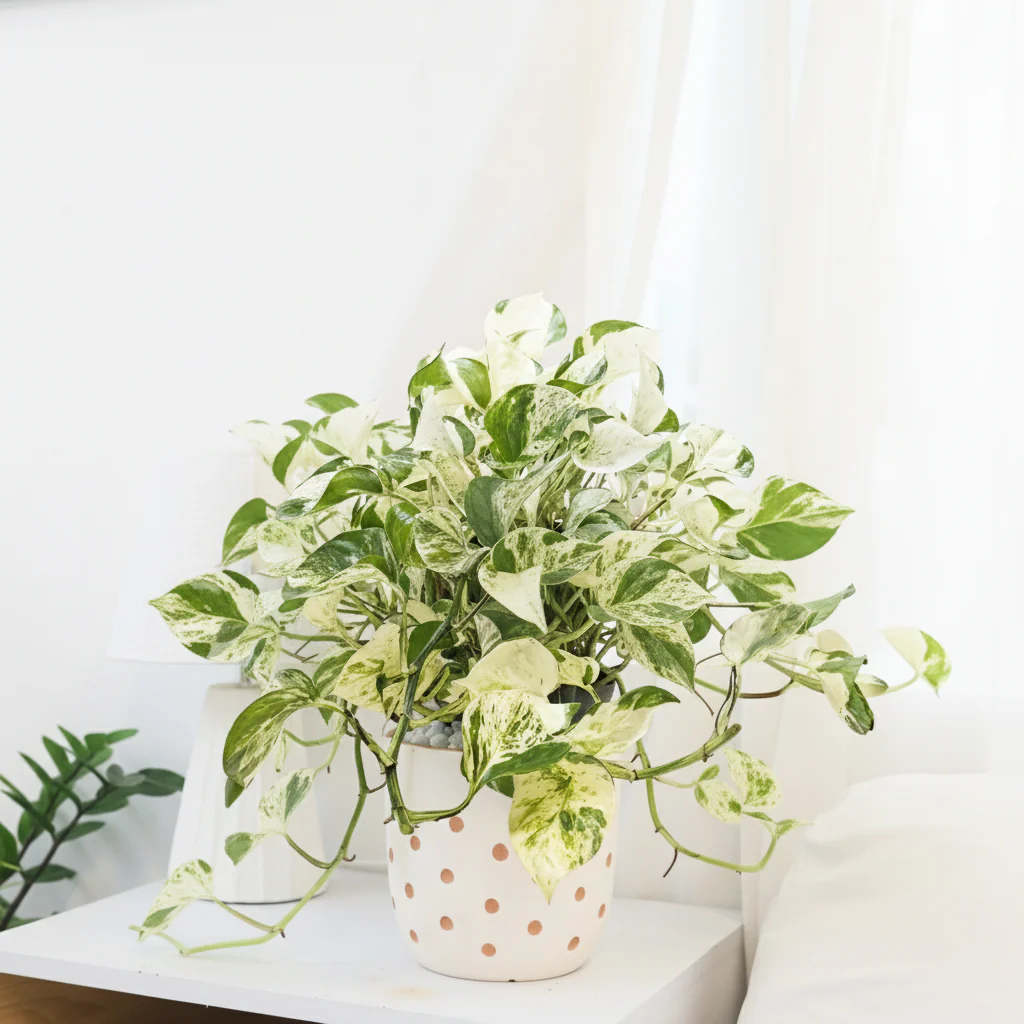
 Pothos Manjula is instantly recognizable by its large, heart-shaped leaves splashed with creamy white, silver, green, and pale yellow variegation, each leaf uniquely patterned so no two are exactly alike. The margins gently ruffle and wave, giving it a lush, almost painterly quality that sets it apart from other trailing houseplants. Growth starts upright and quickly becomes trailing, making Pothos Manjula a natural showstopper in a hanging basket or cascading from a high shelf.
 Pothos Manjula rarely flowers in typical indoor conditions, so its standout appeal is entirely visual. What it lacks in blooms it more than makes up for with those striking variegated leaves and its well-known ability to purify indoor air, actively filtering formaldehyde and other airborne toxins from your home environment.
 Pothos Manjula is a genuinely rare variegated pothos that thrives near kitchen moisture, in terrariums, or under office LEDs, making it incredibly versatile for any indoor space. It grows upright before trailing freely, so a hanging hook or elevated shelf shows it off beautifully while also keeping it safely out of reach of pets and small children. Cats, dogs, and other pets shouldn't be left to nibble or eat Pothos Manjula, and it's best placed well away from small children, as the sap can cause skin and paw irritation. Collectors love that every plant is one of a kind, and its combination of rarity, easy care, and air-purifying credentials makes it a standout indoor plant gift.
-
 Pothos Manjula thrives in bright indirect light and tolerates low light, but keep it away from south-facing windows where direct sun scorches its variegated leaves.
 Water Pothos Manjula every 7 to 10 days in spring and summer, and reduce to every 14 days in winter, always waiting until the top inch of soil is dry.
 Pothos Manjula prefers a well-draining mix of standard potting soil blended with perlite or orchid bark to prevent soggy roots.
 Pothos Manjula prefers temperatures between 65 and 85°F (18 to 29°C) and should never be exposed to frost or temperatures below 50°F (10°C).
![]() Pothos Manjula is a moderate to fast grower during warm months and benefits from a balanced liquid fertilizer applied monthly in spring and summer.
Pothos Manjula is a moderate to fast grower during warm months and benefits from a balanced liquid fertilizer applied monthly in spring and summer.
 Pothos Manjula is hardy in USDA Zones 10 to 12, where temperatures rarely dip below 30 to 35°F (around 0°C), making it suitable as a permanent outdoor or patio plant in the warmest corners of the country. This includes much of Hawaii, southern Florida, and the southernmost tips of California and Texas, as well as protected microclimates in Arizona, Louisiana, and coastal areas of Georgia and South Carolina. Gardeners growing Pothos Manjula in Alabama, Mississippi, Nevada, or along the mild Oregon coast may enjoy it outdoors seasonally, but will want to bring it inside before any cold snaps arrive.
-
Q: How often should I water Pothos Manjula?
A: Water Pothos Manjula every 7 to 10 days in warmer months when the top inch of soil feels dry. It will show you when it's thirsty by slightly wilting its leaves, so it's a wonderfully communicative plant.
Q: Is Pothos Manjula safe for cats and dogs?
A: Cats, dogs, and other pets shouldn't be left to nibble or eat Pothos Manjula, as the sap can cause irritation to skin and paws. Keep it on a high shelf well out of reach of pets and small children.
Q: How much light does Pothos Manjula need?
A: Pothos Manjula grows happily in bright indirect light and even manages well under standard office LEDs. Avoid direct sun, especially south-facing windows, which can scorch its beautiful creamy white variegation.
Q: How do I propagate Pothos Manjula?
A: Take a stem cutting with at least one node and one healthy leaf, then place it in water or moist potting mix until roots develop, usually within two to four weeks. Pothos Manjula propagates readily, which is one reason it's so popular with collectors who like to share cuttings.
Q: Why is Pothos Manjula considered rare?
A: Pothos Manjula produces slower, more limited growth than common pothos varieties, and its unpredictable, highly variegated leaf patterning makes every single plant unique. That combination of limited supply and striking appearance is exactly why rare variegated pothos collectors keep it near the top of their wish lists.
Q: Can Pothos Manjula survive while I'm on vacation?
A: Pothos Manjula handles being left alone surprisingly well and can typically go up to 10 days without watering before showing any real stress. Water thoroughly before you leave, move it away from AC or heater vents, and it will hold steady until you return.


Product Information
Product Information
Shipping & Returns
Shipping & Returns
Description
- Description
- Pothos Manjula Care Guide
- FAQ/Common Issues
-
![]() Pothos Manjula is a rare variegated pothos from the genus Epipremnum, celebrated by collectors and casual plant lovers alike. Like other members of its genus, it originates from tropical regions of Southeast Asia and the Pacific Islands, where it climbs and trails through warm, humid forest environments. This easy care pothos has earned a devoted following as one of the most sought-after vining indoor plants on the market today.
Pothos Manjula is a rare variegated pothos from the genus Epipremnum, celebrated by collectors and casual plant lovers alike. Like other members of its genus, it originates from tropical regions of Southeast Asia and the Pacific Islands, where it climbs and trails through warm, humid forest environments. This easy care pothos has earned a devoted following as one of the most sought-after vining indoor plants on the market today.
Pothos Manjula is instantly recognizable by its large, heart-shaped leaves splashed with creamy white, silver, green, and pale yellow variegation, each leaf uniquely patterned so no two are exactly alike. The margins gently ruffle and wave, giving it a lush, almost painterly quality that sets it apart from other trailing houseplants. Growth starts upright and quickly becomes trailing, making Pothos Manjula a natural showstopper in a hanging basket or cascading from a high shelf.
Pothos Manjula rarely flowers in typical indoor conditions, so its standout appeal is entirely visual. What it lacks in blooms it more than makes up for with those striking variegated leaves and its well-known ability to purify indoor air, actively filtering formaldehyde and other airborne toxins from your home environment.
Pothos Manjula is a genuinely rare variegated pothos that thrives near kitchen moisture, in terrariums, or under office LEDs, making it incredibly versatile for any indoor space. It grows upright before trailing freely, so a hanging hook or elevated shelf shows it off beautifully while also keeping it safely out of reach of pets and small children. Cats, dogs, and other pets shouldn't be left to nibble or eat Pothos Manjula, and it's best placed well away from small children, as the sap can cause skin and paw irritation. Collectors love that every plant is one of a kind, and its combination of rarity, easy care, and air-purifying credentials makes it a standout indoor plant gift.
-
Pothos Manjula thrives in bright indirect light and tolerates low light, but keep it away from south-facing windows where direct sun scorches its variegated leaves.
Water Pothos Manjula every 7 to 10 days in spring and summer, and reduce to every 14 days in winter, always waiting until the top inch of soil is dry.
Pothos Manjula prefers a well-draining mix of standard potting soil blended with perlite or orchid bark to prevent soggy roots.
Pothos Manjula prefers temperatures between 65 and 85°F (18 to 29°C) and should never be exposed to frost or temperatures below 50°F (10°C).
![]() Pothos Manjula is a moderate to fast grower during warm months and benefits from a balanced liquid fertilizer applied monthly in spring and summer.
Pothos Manjula is a moderate to fast grower during warm months and benefits from a balanced liquid fertilizer applied monthly in spring and summer.
Pothos Manjula is hardy in USDA Zones 10 to 12, where temperatures rarely dip below 30 to 35°F (around 0°C), making it suitable as a permanent outdoor or patio plant in the warmest corners of the country. This includes much of Hawaii, southern Florida, and the southernmost tips of California and Texas, as well as protected microclimates in Arizona, Louisiana, and coastal areas of Georgia and South Carolina. Gardeners growing Pothos Manjula in Alabama, Mississippi, Nevada, or along the mild Oregon coast may enjoy it outdoors seasonally, but will want to bring it inside before any cold snaps arrive.
-
Q: How often should I water Pothos Manjula?
A: Water Pothos Manjula every 7 to 10 days in warmer months when the top inch of soil feels dry. It will show you when it's thirsty by slightly wilting its leaves, so it's a wonderfully communicative plant.
Q: Is Pothos Manjula safe for cats and dogs?
A: Cats, dogs, and other pets shouldn't be left to nibble or eat Pothos Manjula, as the sap can cause irritation to skin and paws. Keep it on a high shelf well out of reach of pets and small children.
Q: How much light does Pothos Manjula need?
A: Pothos Manjula grows happily in bright indirect light and even manages well under standard office LEDs. Avoid direct sun, especially south-facing windows, which can scorch its beautiful creamy white variegation.
Q: How do I propagate Pothos Manjula?
A: Take a stem cutting with at least one node and one healthy leaf, then place it in water or moist potting mix until roots develop, usually within two to four weeks. Pothos Manjula propagates readily, which is one reason it's so popular with collectors who like to share cuttings.
Q: Why is Pothos Manjula considered rare?
A: Pothos Manjula produces slower, more limited growth than common pothos varieties, and its unpredictable, highly variegated leaf patterning makes every single plant unique. That combination of limited supply and striking appearance is exactly why rare variegated pothos collectors keep it near the top of their wish lists.
Q: Can Pothos Manjula survive while I'm on vacation?
A: Pothos Manjula handles being left alone surprisingly well and can typically go up to 10 days without watering before showing any real stress. Water thoroughly before you leave, move it away from AC or heater vents, and it will hold steady until you return.