Areca Palm
- Description
- Areca Palm Care Guide
- FAQ/Common Issues
-
![]() The Areca Palm (Dypsis lutescens) is a graceful tropical houseplant beloved for its lush, feathery canopy and easygoing tropical personality. Native to Madagascar, this golden cane palm grows naturally in humid, warm lowland forests. It has become one of the most popular tropical indoor plants worldwide, and for good reason.
The Areca Palm (Dypsis lutescens) is a graceful tropical houseplant beloved for its lush, feathery canopy and easygoing tropical personality. Native to Madagascar, this golden cane palm grows naturally in humid, warm lowland forests. It has become one of the most popular tropical indoor plants worldwide, and for good reason.
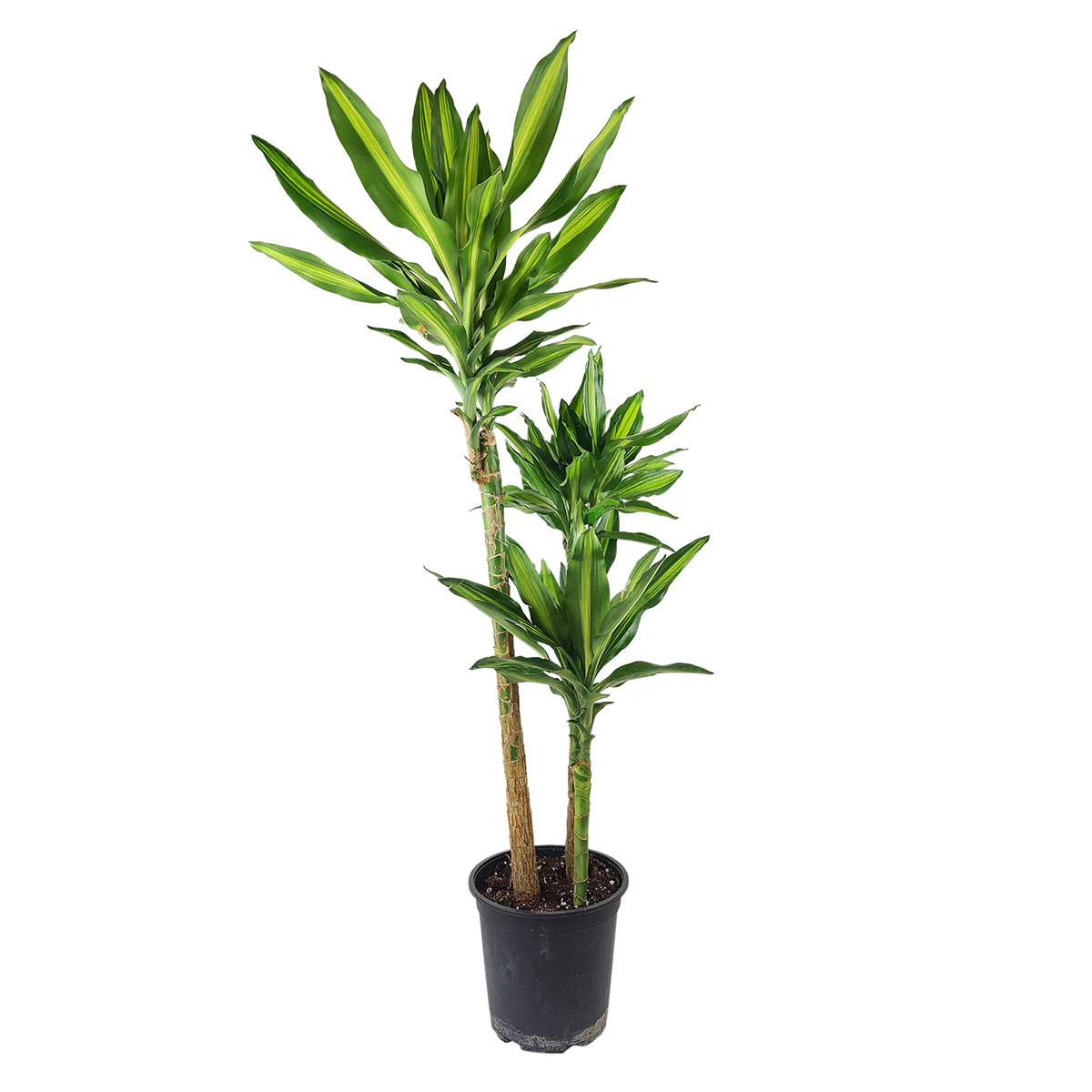
 The Areca Palm earns its reputation as a floor plant statement piece through sheer visual drama. Arching, bright green fronds emerge from slender, bamboo-like golden-yellow canes that cluster together in a full, fountain-like form. A mature Areca Palm can stretch six to eight feet indoors, filling corners with lush tropical texture that's genuinely hard to match.
 The Areca Palm can produce small, yellow flower clusters on branching stems near the base of the fronds, though blooming indoors is rare and typically requires a slight night temperature drop to trigger. Outdoors in warm climates, flowering is more reliable during warmer months. Beyond its blooms, the Areca Palm is a standout air-purifying plant, actively filtering formaldehyde and other toxins while naturally humidifying the air around it.
 The Areca Palm is a confirmed pet-friendly palm, making it a worry-free choice for households with cats and dogs. It's a beloved pick for collectors and everyday plant lovers alike, sitting comfortably between a common favorite and a rewarding find for those building a tropical indoor collection. Take your Areca Palm outside for summer to soak up the warm air, but keep it sheltered from heavy rain and bring it back in before temperatures drop. Sensitive to being moved and to drafts from AC or heating vents, this butterfly palm rewards a steady, nurturing environment with years of lush, impressive growth.
-
 Areca Palm thrives in bright indirect light and should be kept away from south-facing windows where direct sun will scorch its fronds.
 Water your Areca Palm thoroughly every 1-2 weeks, allowing the top inch of soil to dry out slightly between waterings.
 Areca Palm does best in a well-draining mix of peat, perlite, and a small amount of sand to prevent soggy roots.
 Areca Palm prefers temperatures between 65-85°F (18-29°C) and should be protected from anything below 50°F (10°C).
![]() Areca Palm is a moderate-to-fast grower that benefits from a specialized palm fertilizer applied every 2-3 months during the growing season.
Areca Palm is a moderate-to-fast grower that benefits from a specialized palm fertilizer applied every 2-3 months during the growing season.
 Areca Palm is hardy in USDA zones 10-11, tolerating minimum temperatures of around 50°F (10°C) and suffering damage below that threshold. Gardeners growing Areca Palm outdoors year-round will find ideal conditions across Hawaii, southern Florida, and frost-free pockets of southern California, southern Texas, and southern Arizona. Warm coastal areas of Louisiana, Mississippi, Alabama, Georgia, and South Carolina may also support Areca Palm during mild winters, though protection during cold snaps is strongly recommended.
-
Q: Is Areca Palm safe for cats and dogs?
A: Yes, Areca Palm is pet friendly and is listed as non-toxic to cats and dogs by the ASPCA, making it a top choice for pet-owning households.
Q: How much light does an Areca Palm need?
A: Areca Palm thrives in bright indirect light and should be rotated regularly so all sides of the plant receive even exposure and grow uniformly.
Q: How often should I water my Areca Palm?
A: Water your Areca Palm every 1-2 weeks, letting the top inch of soil dry slightly between waterings. It will visibly wilt to signal when it's thirsty.
Q: Does Areca Palm help purify indoor air?
A: Areca Palm is a well-regarded air-purifying plant that filters formaldehyde and other household toxins while also releasing moisture to naturally humidify your space.
Q: Can I put my Areca Palm outside in summer?
A: Areca Palm loves spending summer outdoors in a warm, sheltered spot, but keep it protected from heavy rain and bring it inside before nighttime temperatures cool significantly.
Q: Why does my Areca Palm have brown tips?
A: Brown tips on an Areca Palm are often caused by low humidity, dry air from AC or heaters, or fluoride in tap water. Try misting regularly, placing it near kitchen moisture, or switching to filtered water.


Original: $30.10
-70%$30.10
$9.03Product Information
Product Information
Shipping & Returns
Shipping & Returns
Description
- Description
- Areca Palm Care Guide
- FAQ/Common Issues
-
![]() The Areca Palm (Dypsis lutescens) is a graceful tropical houseplant beloved for its lush, feathery canopy and easygoing tropical personality. Native to Madagascar, this golden cane palm grows naturally in humid, warm lowland forests. It has become one of the most popular tropical indoor plants worldwide, and for good reason.
The Areca Palm (Dypsis lutescens) is a graceful tropical houseplant beloved for its lush, feathery canopy and easygoing tropical personality. Native to Madagascar, this golden cane palm grows naturally in humid, warm lowland forests. It has become one of the most popular tropical indoor plants worldwide, and for good reason.
The Areca Palm earns its reputation as a floor plant statement piece through sheer visual drama. Arching, bright green fronds emerge from slender, bamboo-like golden-yellow canes that cluster together in a full, fountain-like form. A mature Areca Palm can stretch six to eight feet indoors, filling corners with lush tropical texture that's genuinely hard to match.
The Areca Palm can produce small, yellow flower clusters on branching stems near the base of the fronds, though blooming indoors is rare and typically requires a slight night temperature drop to trigger. Outdoors in warm climates, flowering is more reliable during warmer months. Beyond its blooms, the Areca Palm is a standout air-purifying plant, actively filtering formaldehyde and other toxins while naturally humidifying the air around it.
The Areca Palm is a confirmed pet-friendly palm, making it a worry-free choice for households with cats and dogs. It's a beloved pick for collectors and everyday plant lovers alike, sitting comfortably between a common favorite and a rewarding find for those building a tropical indoor collection. Take your Areca Palm outside for summer to soak up the warm air, but keep it sheltered from heavy rain and bring it back in before temperatures drop. Sensitive to being moved and to drafts from AC or heating vents, this butterfly palm rewards a steady, nurturing environment with years of lush, impressive growth.
-
Areca Palm thrives in bright indirect light and should be kept away from south-facing windows where direct sun will scorch its fronds.
Water your Areca Palm thoroughly every 1-2 weeks, allowing the top inch of soil to dry out slightly between waterings.
Areca Palm does best in a well-draining mix of peat, perlite, and a small amount of sand to prevent soggy roots.
Areca Palm prefers temperatures between 65-85°F (18-29°C) and should be protected from anything below 50°F (10°C).
![]() Areca Palm is a moderate-to-fast grower that benefits from a specialized palm fertilizer applied every 2-3 months during the growing season.
Areca Palm is a moderate-to-fast grower that benefits from a specialized palm fertilizer applied every 2-3 months during the growing season.
Areca Palm is hardy in USDA zones 10-11, tolerating minimum temperatures of around 50°F (10°C) and suffering damage below that threshold. Gardeners growing Areca Palm outdoors year-round will find ideal conditions across Hawaii, southern Florida, and frost-free pockets of southern California, southern Texas, and southern Arizona. Warm coastal areas of Louisiana, Mississippi, Alabama, Georgia, and South Carolina may also support Areca Palm during mild winters, though protection during cold snaps is strongly recommended.
-
Q: Is Areca Palm safe for cats and dogs?
A: Yes, Areca Palm is pet friendly and is listed as non-toxic to cats and dogs by the ASPCA, making it a top choice for pet-owning households.
Q: How much light does an Areca Palm need?
A: Areca Palm thrives in bright indirect light and should be rotated regularly so all sides of the plant receive even exposure and grow uniformly.
Q: How often should I water my Areca Palm?
A: Water your Areca Palm every 1-2 weeks, letting the top inch of soil dry slightly between waterings. It will visibly wilt to signal when it's thirsty.
Q: Does Areca Palm help purify indoor air?
A: Areca Palm is a well-regarded air-purifying plant that filters formaldehyde and other household toxins while also releasing moisture to naturally humidify your space.
Q: Can I put my Areca Palm outside in summer?
A: Areca Palm loves spending summer outdoors in a warm, sheltered spot, but keep it protected from heavy rain and bring it inside before nighttime temperatures cool significantly.
Q: Why does my Areca Palm have brown tips?
A: Brown tips on an Areca Palm are often caused by low humidity, dry air from AC or heaters, or fluoride in tap water. Try misting regularly, placing it near kitchen moisture, or switching to filtered water.