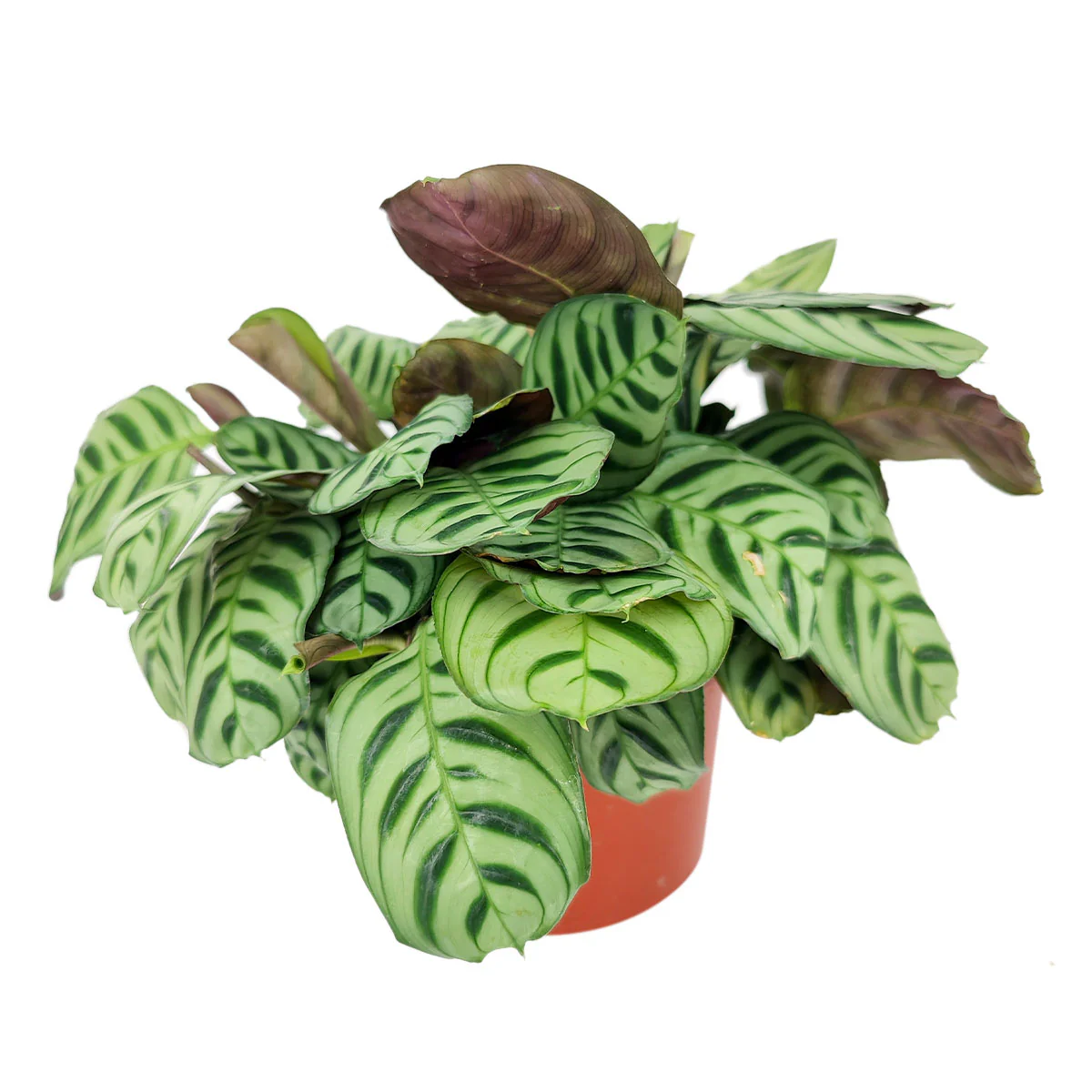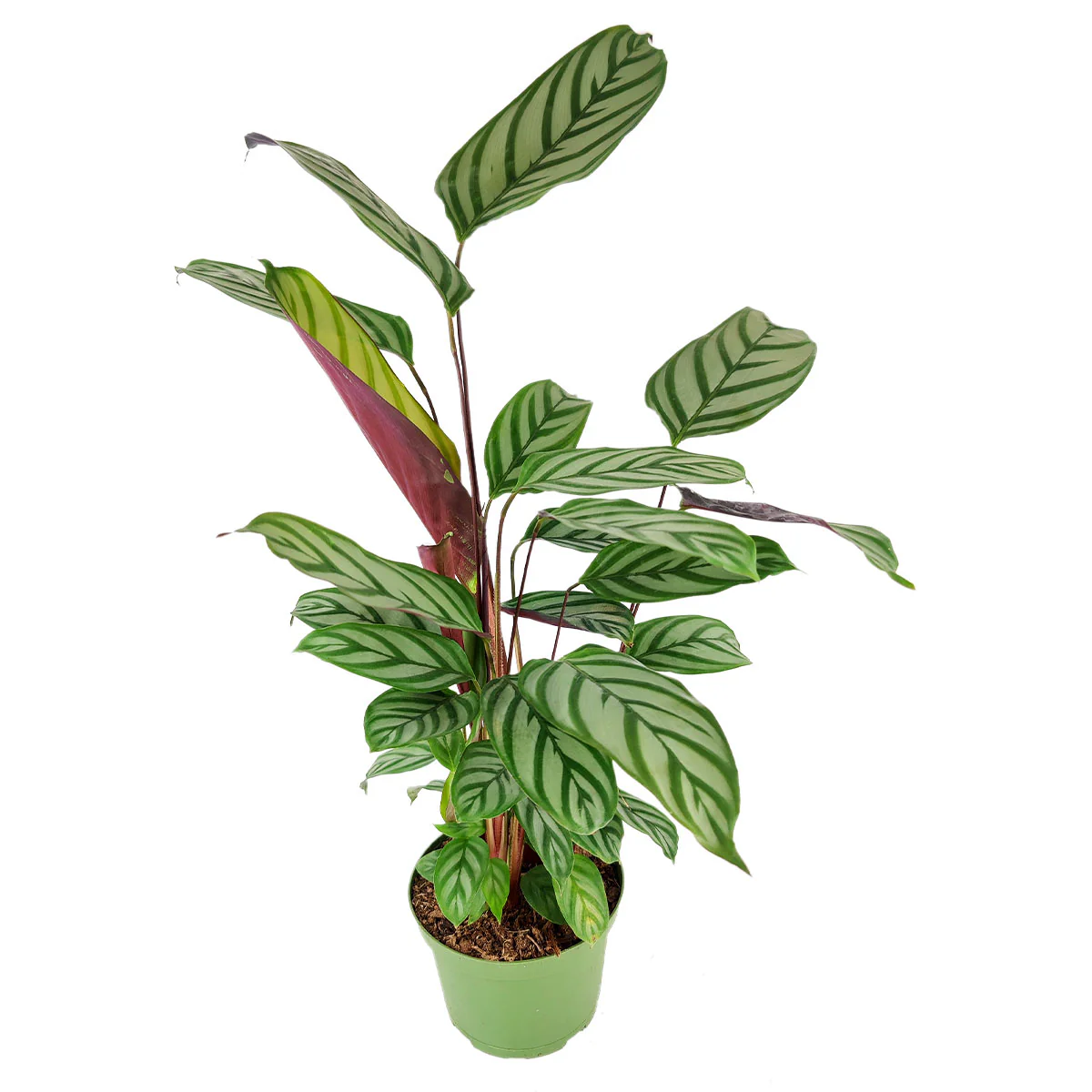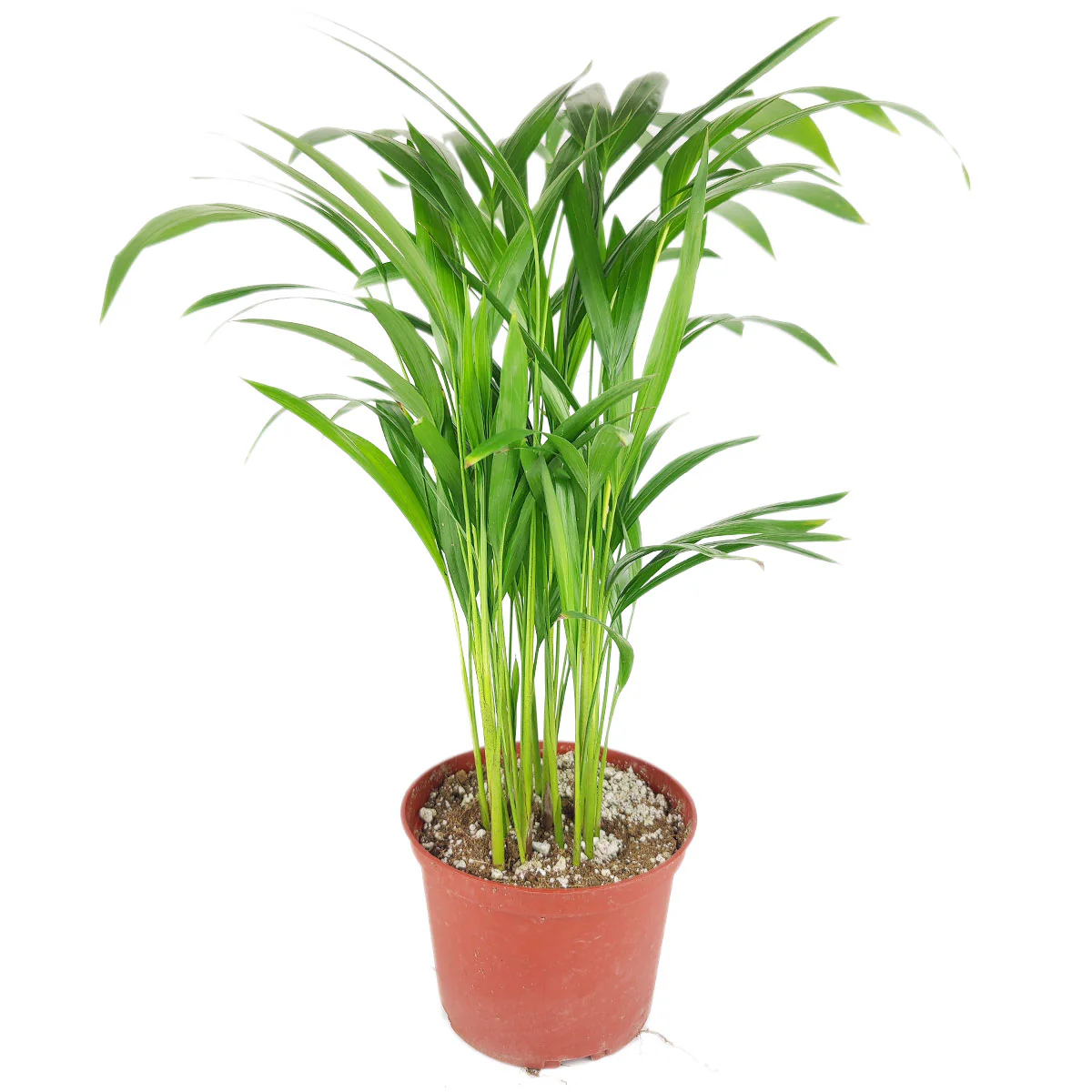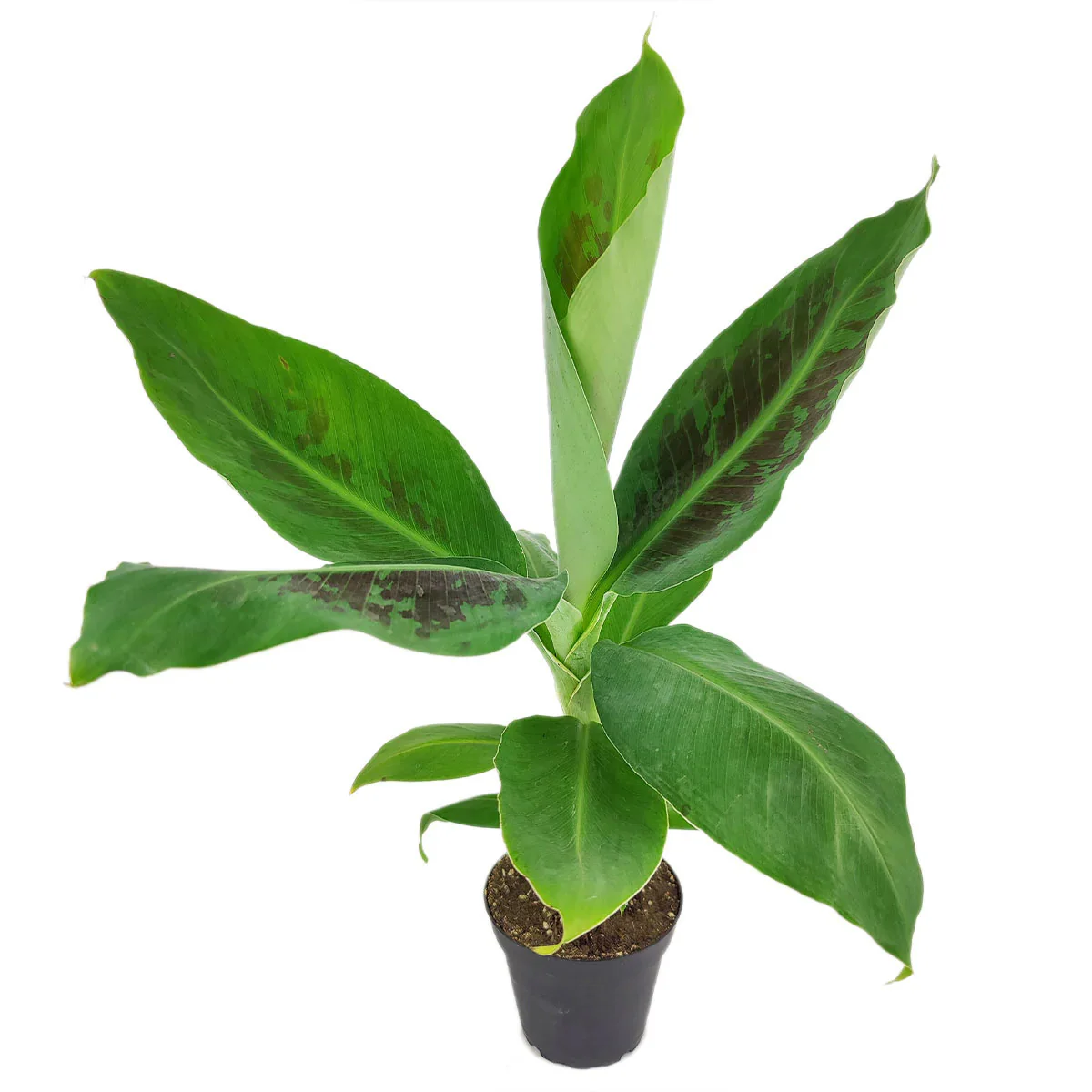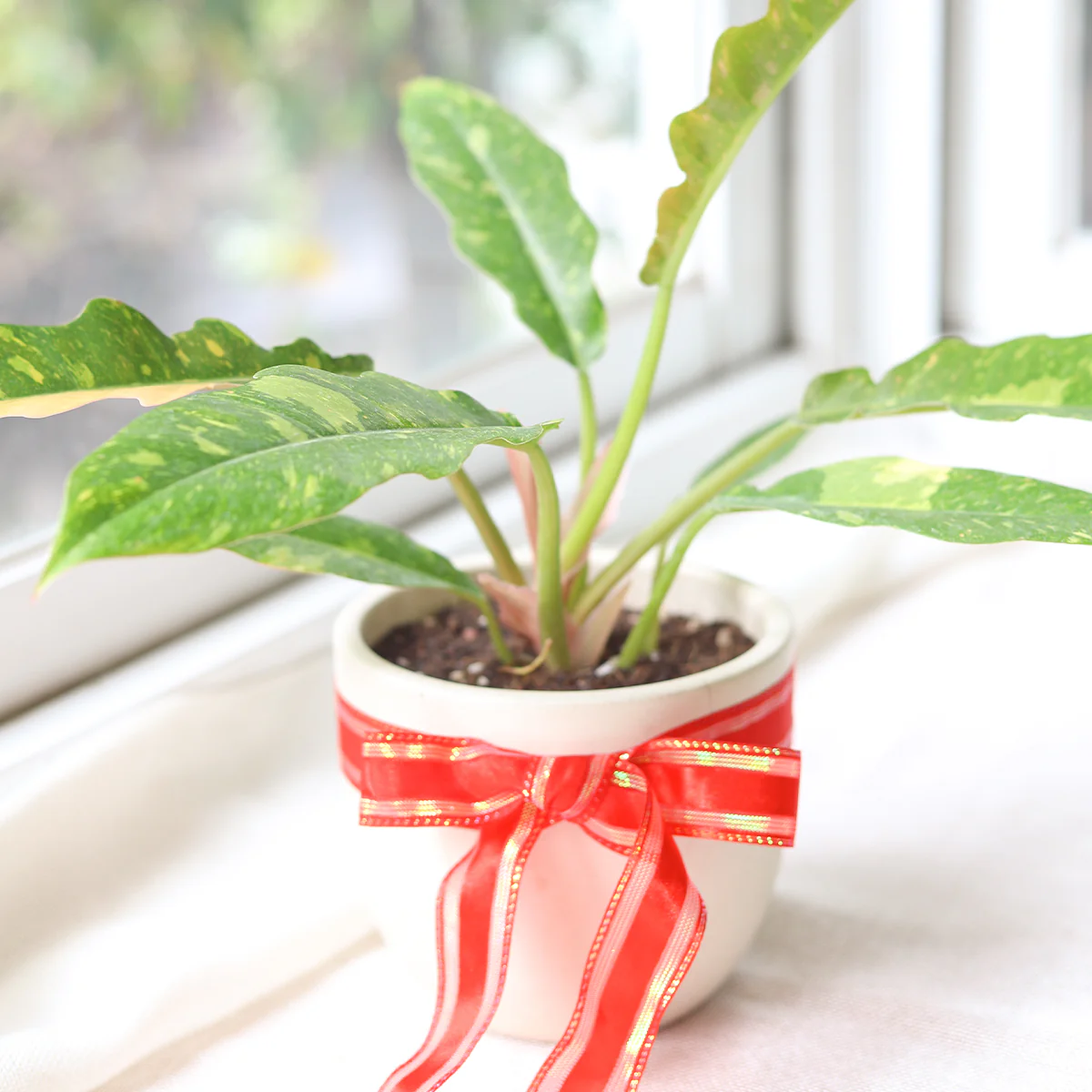
Philodendron Ring of Fire
- Description
- Philodendron 'Ring of Fire' Care Guide
- FAQ/Common Issues
-
![]() Philodendron Ring of Fire (Philodendron wendlandii hybrid) is a rare variegated philodendron hybrid prized by collectors worldwide. It belongs to the Araceae family and originates from the tropical rainforests of Central and South America, where it thrives in warm, humid conditions beneath a dense forest canopy.
Philodendron Ring of Fire (Philodendron wendlandii hybrid) is a rare variegated philodendron hybrid prized by collectors worldwide. It belongs to the Araceae family and originates from the tropical rainforests of Central and South America, where it thrives in warm, humid conditions beneath a dense forest canopy.
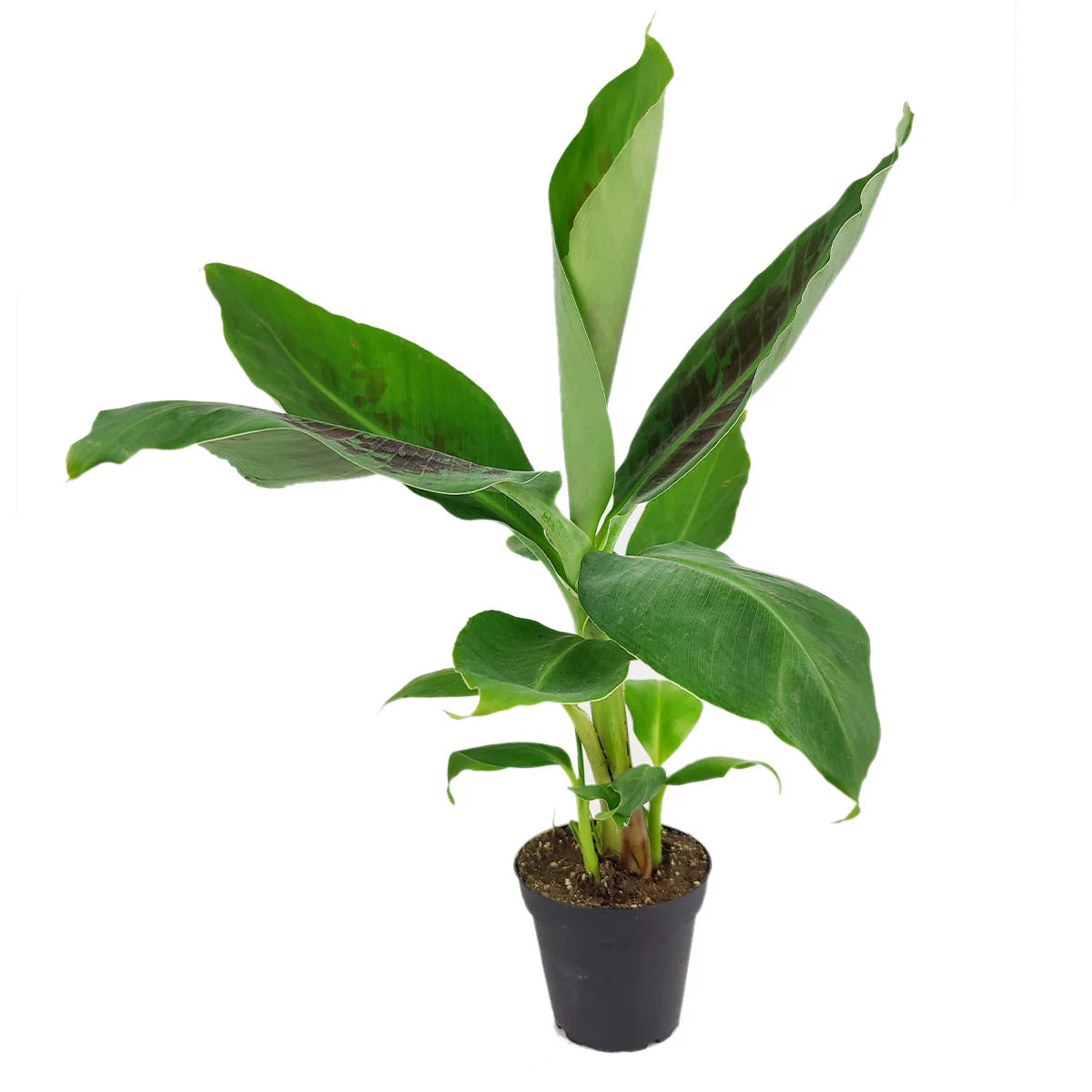
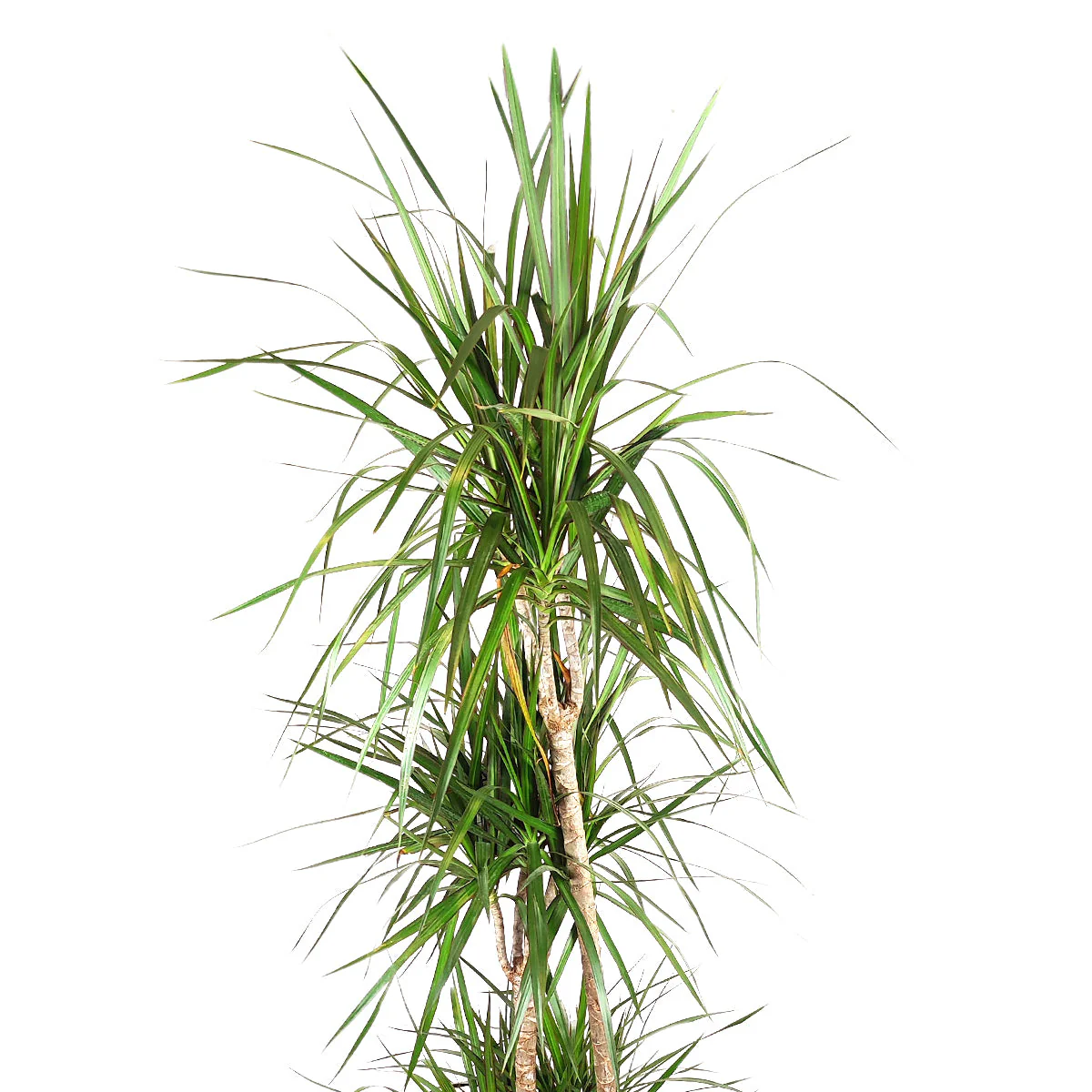
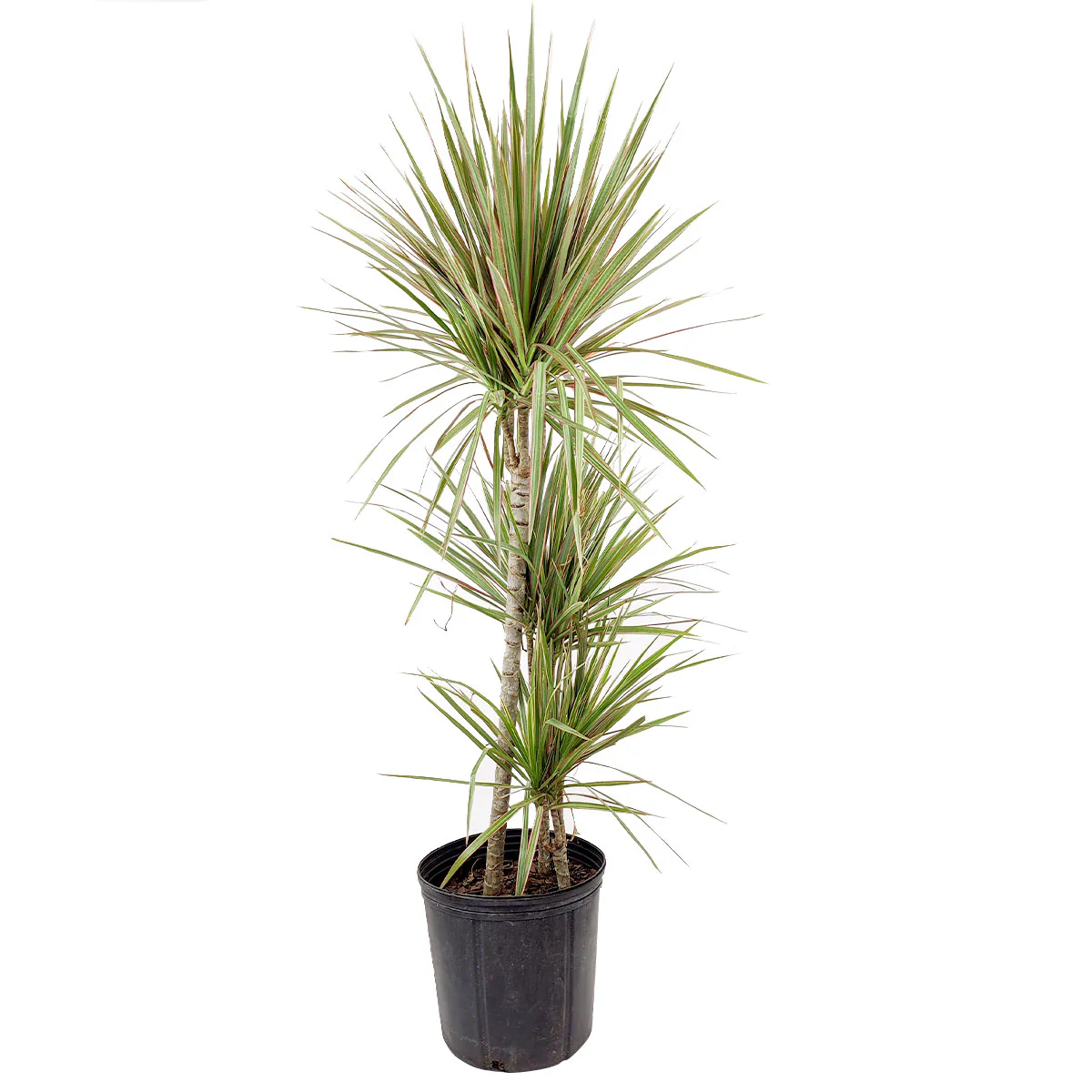
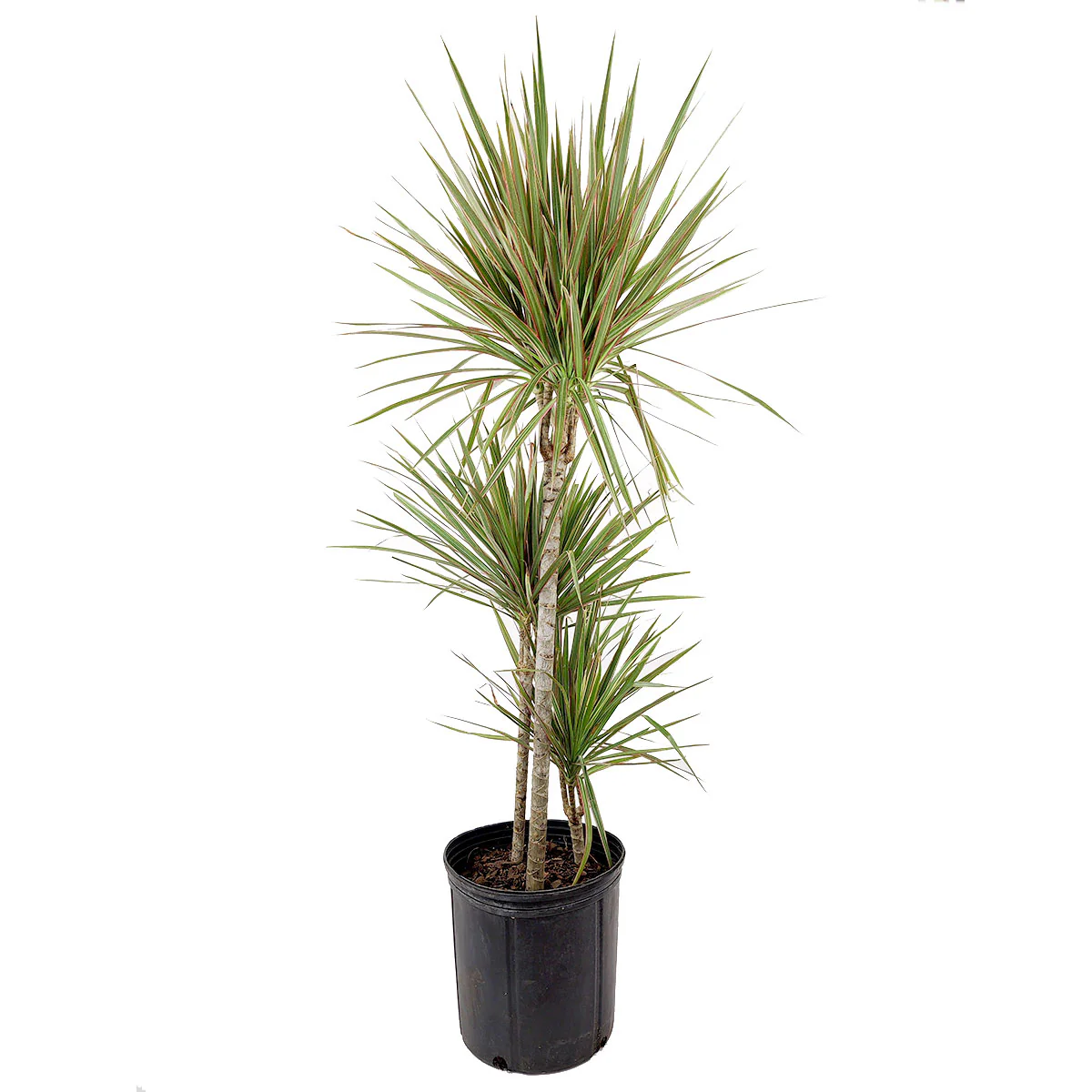
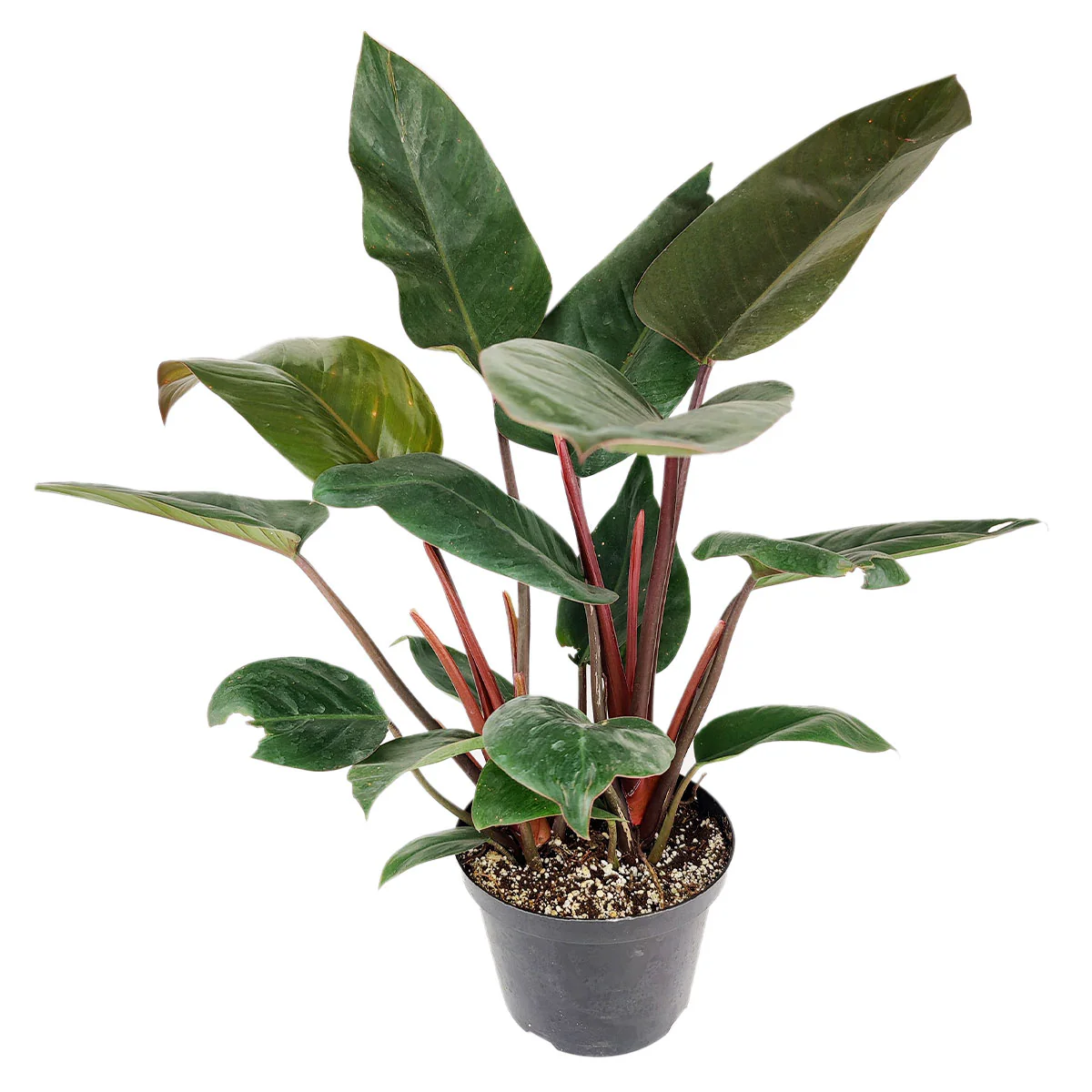
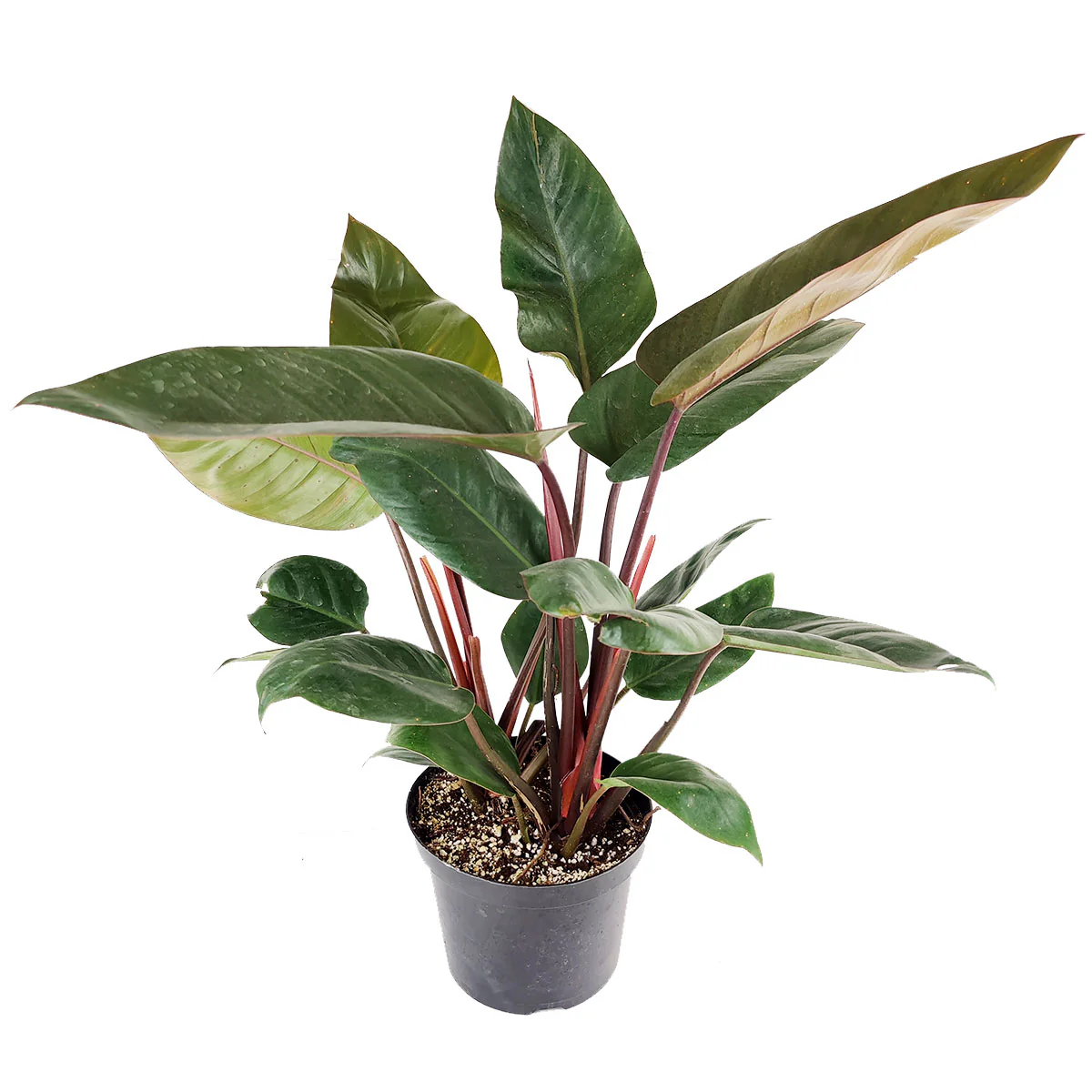
 What makes Philodendron Ring of Fire instantly recognizable is its dramatically serrated, elongated leaves that cycle through shades of green, yellow, orange, and deep red as new growth emerges. Each leaf tells its own story with vivid variegation that shifts and intensifies over time, making every plant genuinely one of a kind. The multicolor foliage is bold, architectural, and unlike virtually any other tropical houseplant you can grow indoors.
 As a foliage-forward rare collector plant, Philodendron Ring of Fire is grown almost entirely for its spectacular leaves rather than its blooms. Like most philodendrons kept as indoor tropical houseplants, it rarely if ever flowers in a home environment, and that is honestly no loss at all when the foliage puts on this kind of show.
 Philodendron Ring of Fire is a genuinely rare find that purifies indoor air and actively filters formaldehyde and other airborne toxins, making it as functional as it is beautiful. Keep it on a high shelf well out of reach, since cats, dogs, and small children should not be left to nibble or handle the plant, and its sap can cause skin and paw irritation on contact. Sensitive to being moved, it rewards a consistent, settled spot in your home and truly thrives near the natural moisture of a kitchen environment. This is a statement plant for passionate collectors who want something extraordinary.
-
 Philodendron Ring of Fire thrives in bright indirect light and scorches quickly in direct south-facing window sun.
 Water Philodendron Ring of Fire every 7 to 10 days, allowing the top inch of soil to dry before watering again.
 Philodendron Ring of Fire prefers a well-draining, airy mix of peat or coco coir, perlite, and orchid bark in roughly equal parts.
 Philodendron Ring of Fire grows best between 65 and 85°F (18 to 29°C) and cannot tolerate frost or freezing temperatures.
![]() Philodendron Ring of Fire is a moderate grower that benefits from a balanced, diluted liquid fertilizer applied monthly during the spring and summer growing season.
Philodendron Ring of Fire is a moderate grower that benefits from a balanced, diluted liquid fertilizer applied monthly during the spring and summer growing season.
 Philodendron Ring of Fire is suited to USDA Hardiness Zones 10 to 12, where temperatures stay reliably above 30°F (-1°C) year-round. Outdoor growing is possible in warm, frost-free states like Florida, Hawaii, and Southern California, as well as sheltered areas of Texas, Arizona, Louisiana, and coastal regions of Georgia and South Carolina. Gardeners in Alabama, Mississippi, Nevada, and along the Oregon coast may also grow Philodendron Ring of Fire outdoors seasonally, though most growers across the remaining US states will enjoy it best as a cherished indoor tropical houseplant.
-
Q: How often should I water Philodendron Ring of Fire?
A: Water every 7 to 10 days, letting the top inch of soil dry out between waterings. Philodendron Ring of Fire is sensitive to both overwatering and drought, and it will visibly wilt when thirsty.
Q: Is Philodendron Ring of Fire safe for pets and children?
A: Philodendron Ring of Fire should be kept well out of reach of cats, dogs, and small children, as the plant should not be nibbled or ingested and its sap can irritate skin and paws. A high shelf is the safest placement.
Q: What humidity does Philodendron Ring of Fire need?
A: Philodendron Ring of Fire needs high humidity, ideally 60 percent or above. Placing it near a kitchen or using a humidifier nearby keeps the foliage looking its best.
Q: How rare is Philodendron Ring of Fire?
A: Philodendron Ring of Fire is considered a rare collector plant that is not commonly found in mainstream garden centers. Its vivid, shifting variegation and limited availability make it a highly sought-after tropical houseplant among enthusiasts.
Q: Can I move Philodendron Ring of Fire outdoors in summer?
A: You can move Philodendron Ring of Fire outside during warm summer months in a sheltered, shaded spot away from direct sun and rain. Keep in mind this plant is sensitive to being moved, so transition it gradually and bring it back indoors well before temperatures drop.
Q: How do I encourage even growth in Philodendron Ring of Fire?
A: Rotate Philodendron Ring of Fire a quarter turn every week or two so all sides receive equal light exposure. Also keep it away from air conditioning vents and heater drafts, which stress the plant and slow healthy growth.


Original: $30.14
-70%$30.14
$9.04Product Information
Product Information
Shipping & Returns
Shipping & Returns
Description
- Description
- Philodendron 'Ring of Fire' Care Guide
- FAQ/Common Issues
-
![]() Philodendron Ring of Fire (Philodendron wendlandii hybrid) is a rare variegated philodendron hybrid prized by collectors worldwide. It belongs to the Araceae family and originates from the tropical rainforests of Central and South America, where it thrives in warm, humid conditions beneath a dense forest canopy.
Philodendron Ring of Fire (Philodendron wendlandii hybrid) is a rare variegated philodendron hybrid prized by collectors worldwide. It belongs to the Araceae family and originates from the tropical rainforests of Central and South America, where it thrives in warm, humid conditions beneath a dense forest canopy.
What makes Philodendron Ring of Fire instantly recognizable is its dramatically serrated, elongated leaves that cycle through shades of green, yellow, orange, and deep red as new growth emerges. Each leaf tells its own story with vivid variegation that shifts and intensifies over time, making every plant genuinely one of a kind. The multicolor foliage is bold, architectural, and unlike virtually any other tropical houseplant you can grow indoors.
As a foliage-forward rare collector plant, Philodendron Ring of Fire is grown almost entirely for its spectacular leaves rather than its blooms. Like most philodendrons kept as indoor tropical houseplants, it rarely if ever flowers in a home environment, and that is honestly no loss at all when the foliage puts on this kind of show.
Philodendron Ring of Fire is a genuinely rare find that purifies indoor air and actively filters formaldehyde and other airborne toxins, making it as functional as it is beautiful. Keep it on a high shelf well out of reach, since cats, dogs, and small children should not be left to nibble or handle the plant, and its sap can cause skin and paw irritation on contact. Sensitive to being moved, it rewards a consistent, settled spot in your home and truly thrives near the natural moisture of a kitchen environment. This is a statement plant for passionate collectors who want something extraordinary.
-
Philodendron Ring of Fire thrives in bright indirect light and scorches quickly in direct south-facing window sun.
Water Philodendron Ring of Fire every 7 to 10 days, allowing the top inch of soil to dry before watering again.
Philodendron Ring of Fire prefers a well-draining, airy mix of peat or coco coir, perlite, and orchid bark in roughly equal parts.
Philodendron Ring of Fire grows best between 65 and 85°F (18 to 29°C) and cannot tolerate frost or freezing temperatures.
![]() Philodendron Ring of Fire is a moderate grower that benefits from a balanced, diluted liquid fertilizer applied monthly during the spring and summer growing season.
Philodendron Ring of Fire is a moderate grower that benefits from a balanced, diluted liquid fertilizer applied monthly during the spring and summer growing season.
Philodendron Ring of Fire is suited to USDA Hardiness Zones 10 to 12, where temperatures stay reliably above 30°F (-1°C) year-round. Outdoor growing is possible in warm, frost-free states like Florida, Hawaii, and Southern California, as well as sheltered areas of Texas, Arizona, Louisiana, and coastal regions of Georgia and South Carolina. Gardeners in Alabama, Mississippi, Nevada, and along the Oregon coast may also grow Philodendron Ring of Fire outdoors seasonally, though most growers across the remaining US states will enjoy it best as a cherished indoor tropical houseplant.
-
Q: How often should I water Philodendron Ring of Fire?
A: Water every 7 to 10 days, letting the top inch of soil dry out between waterings. Philodendron Ring of Fire is sensitive to both overwatering and drought, and it will visibly wilt when thirsty.
Q: Is Philodendron Ring of Fire safe for pets and children?
A: Philodendron Ring of Fire should be kept well out of reach of cats, dogs, and small children, as the plant should not be nibbled or ingested and its sap can irritate skin and paws. A high shelf is the safest placement.
Q: What humidity does Philodendron Ring of Fire need?
A: Philodendron Ring of Fire needs high humidity, ideally 60 percent or above. Placing it near a kitchen or using a humidifier nearby keeps the foliage looking its best.
Q: How rare is Philodendron Ring of Fire?
A: Philodendron Ring of Fire is considered a rare collector plant that is not commonly found in mainstream garden centers. Its vivid, shifting variegation and limited availability make it a highly sought-after tropical houseplant among enthusiasts.
Q: Can I move Philodendron Ring of Fire outdoors in summer?
A: You can move Philodendron Ring of Fire outside during warm summer months in a sheltered, shaded spot away from direct sun and rain. Keep in mind this plant is sensitive to being moved, so transition it gradually and bring it back indoors well before temperatures drop.
Q: How do I encourage even growth in Philodendron Ring of Fire?
A: Rotate Philodendron Ring of Fire a quarter turn every week or two so all sides receive equal light exposure. Also keep it away from air conditioning vents and heater drafts, which stress the plant and slow healthy growth.