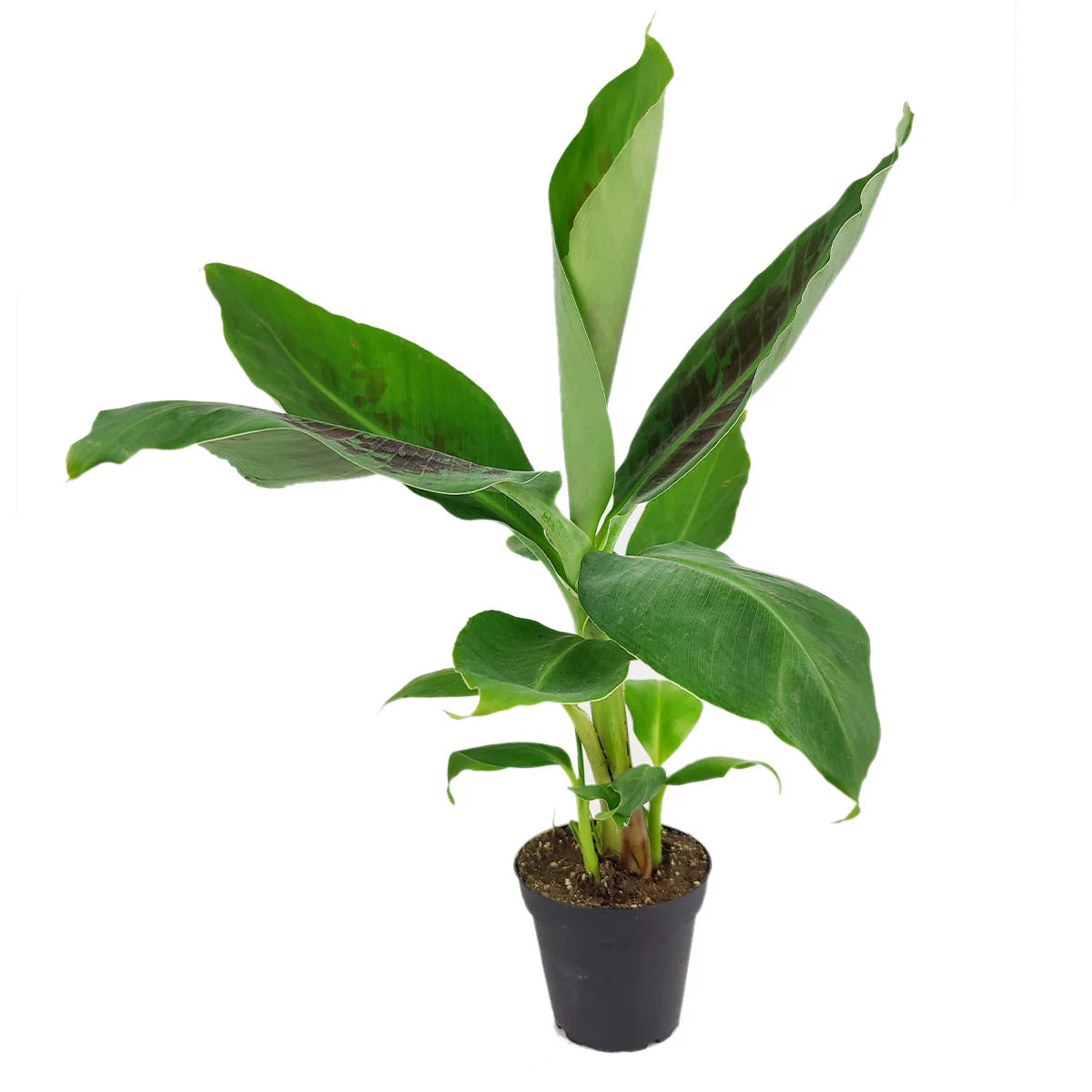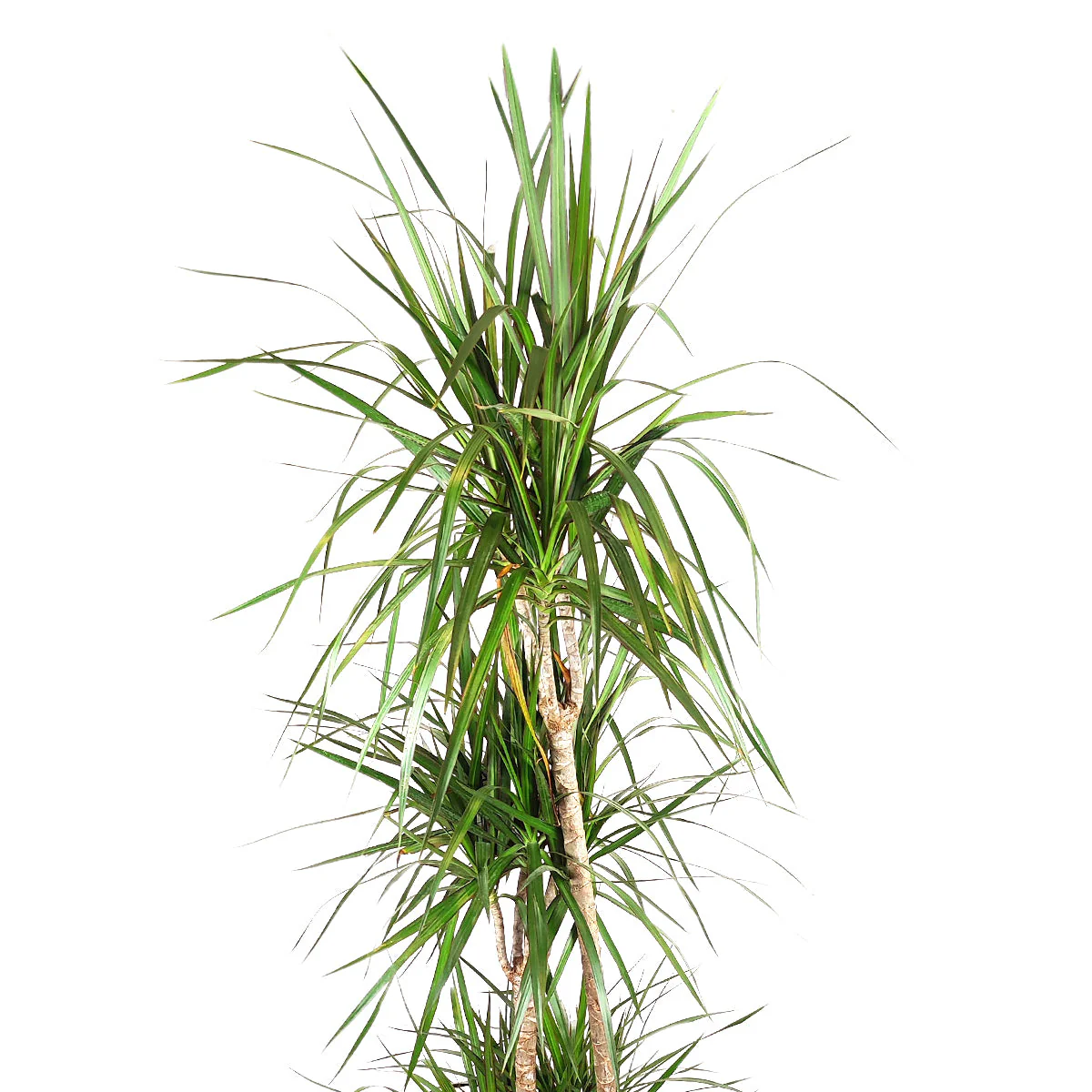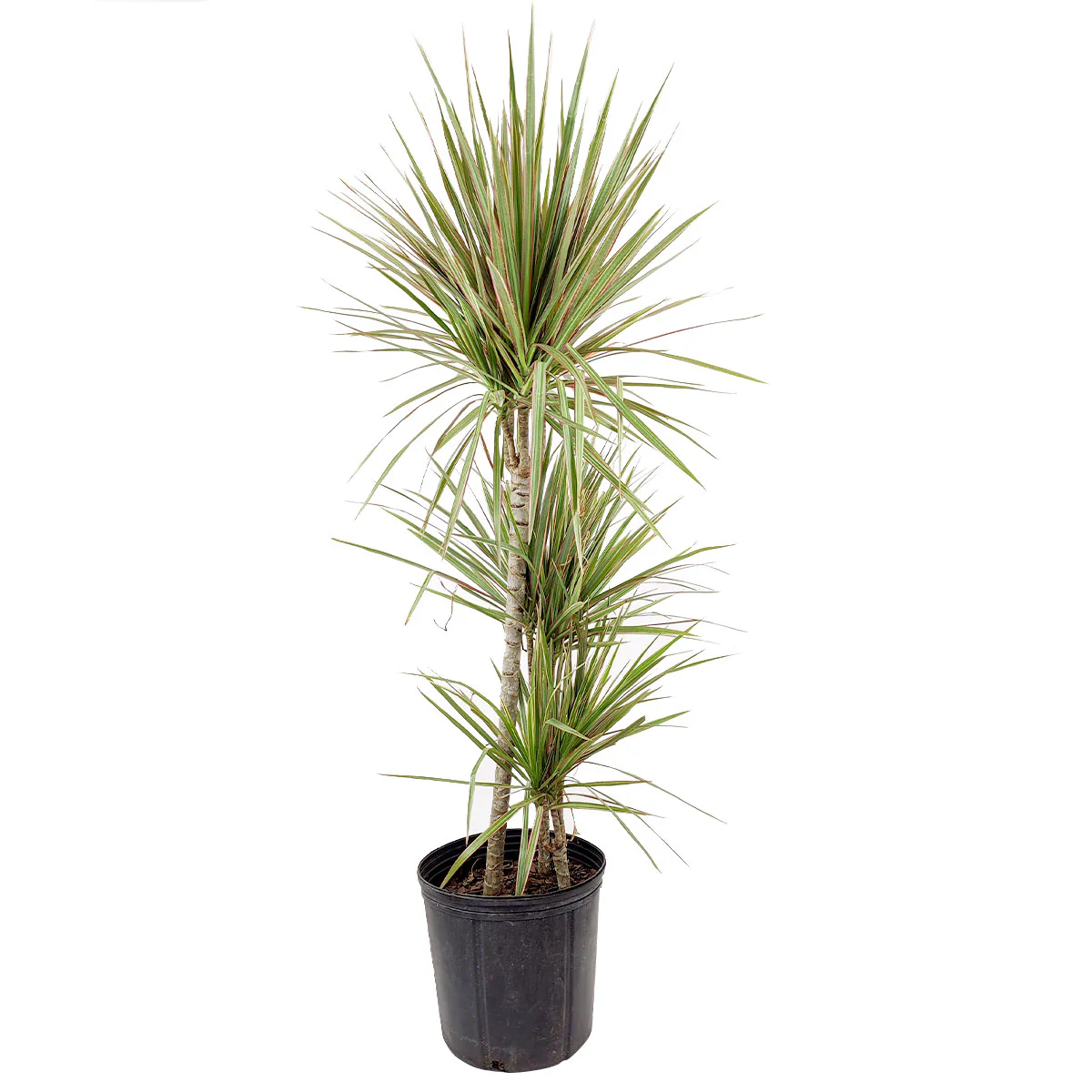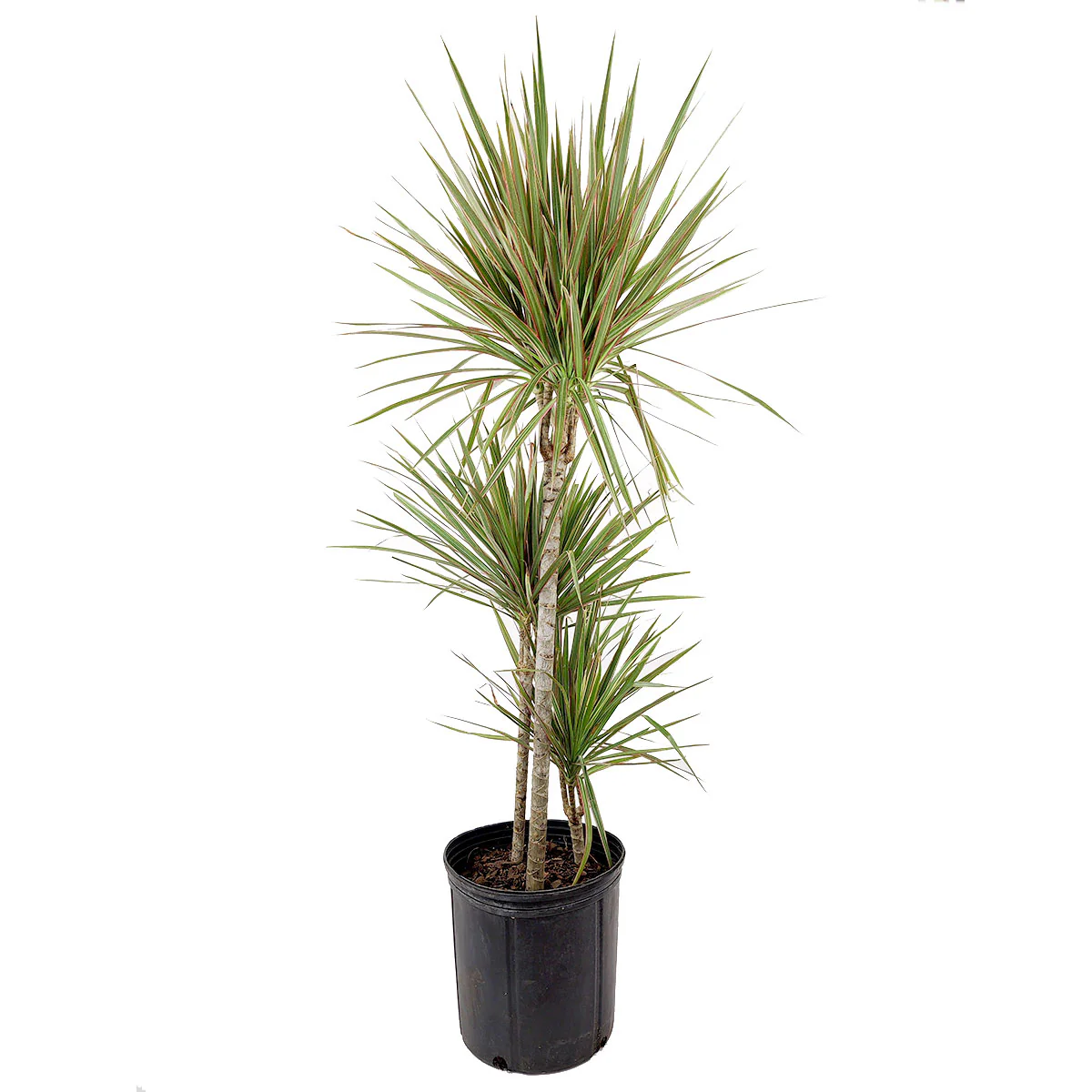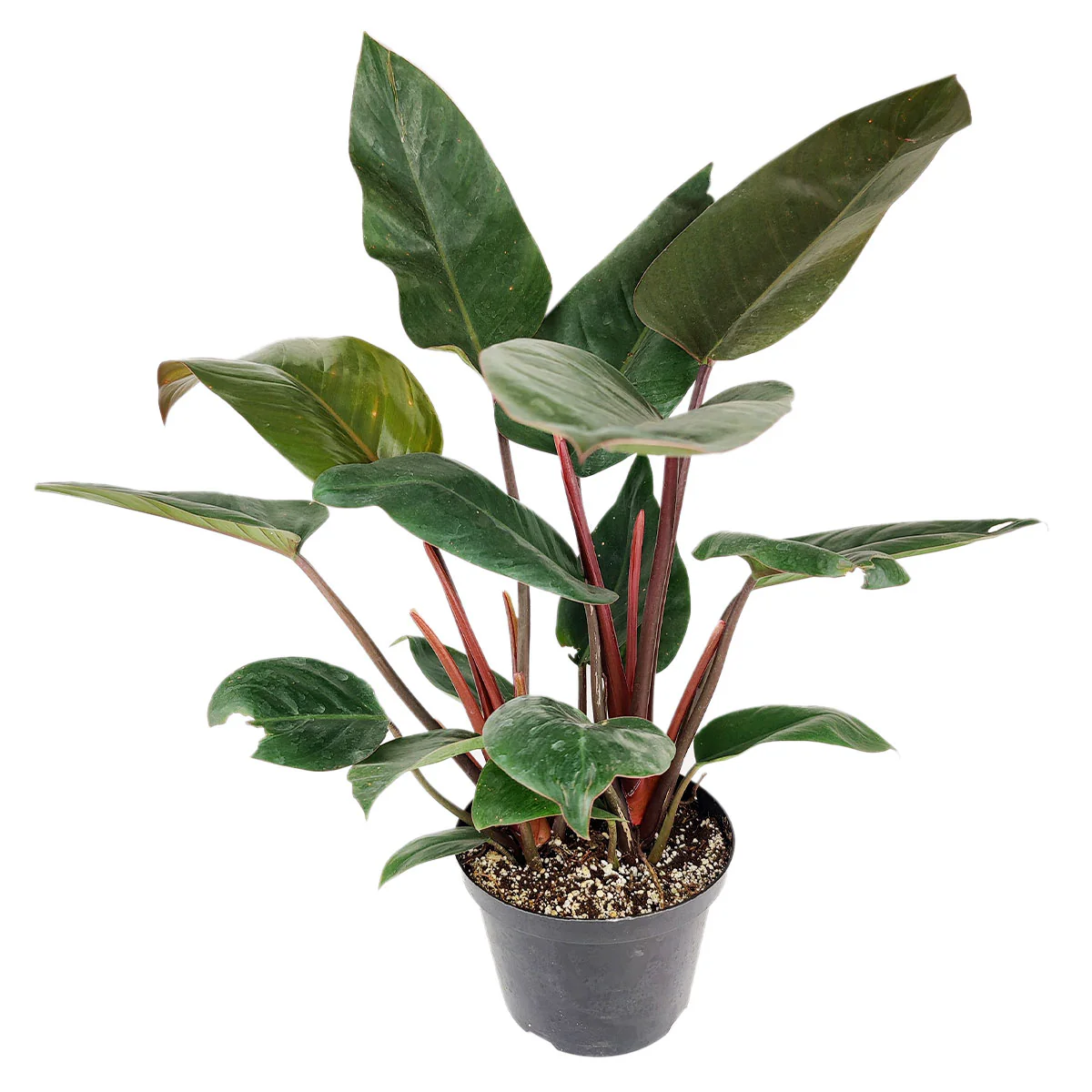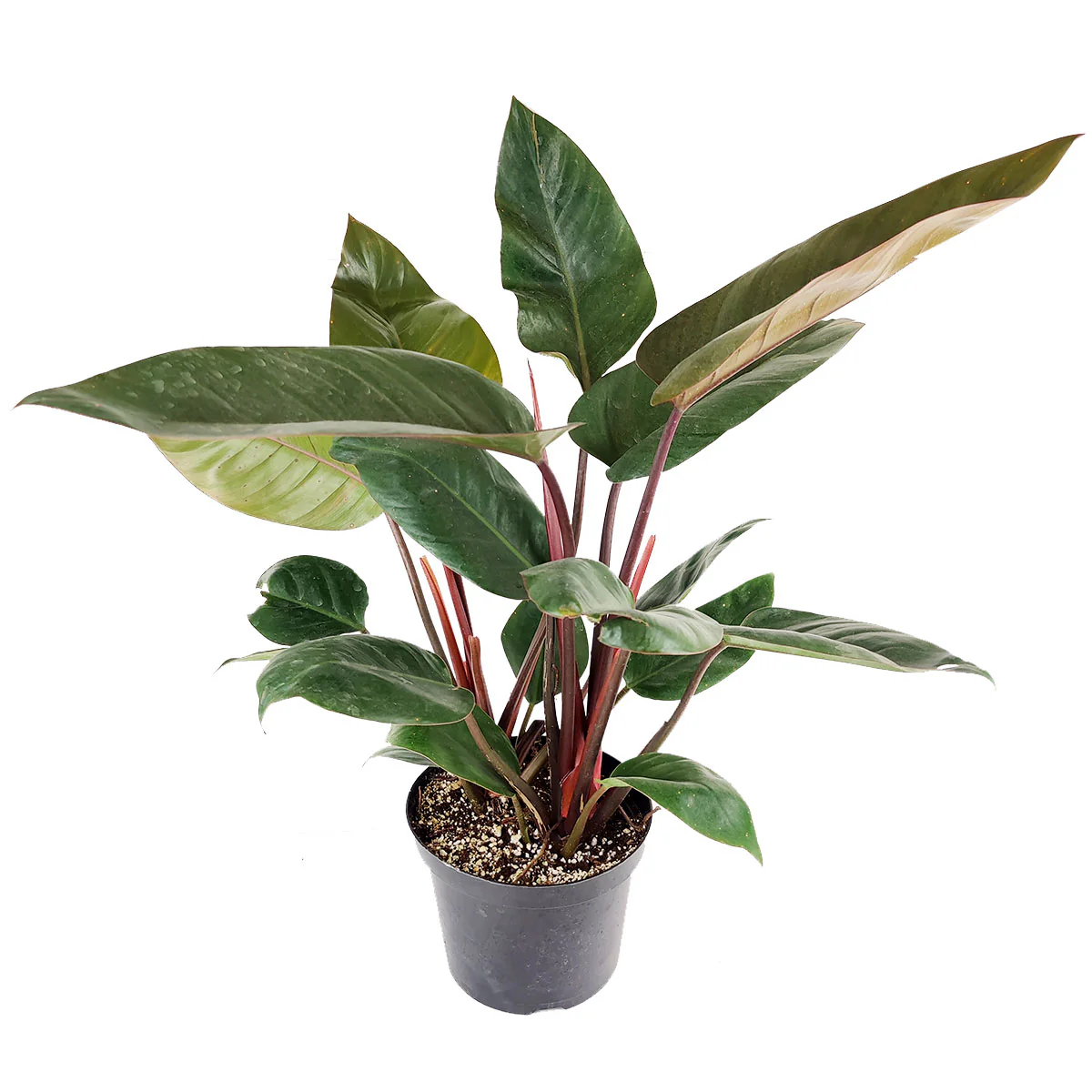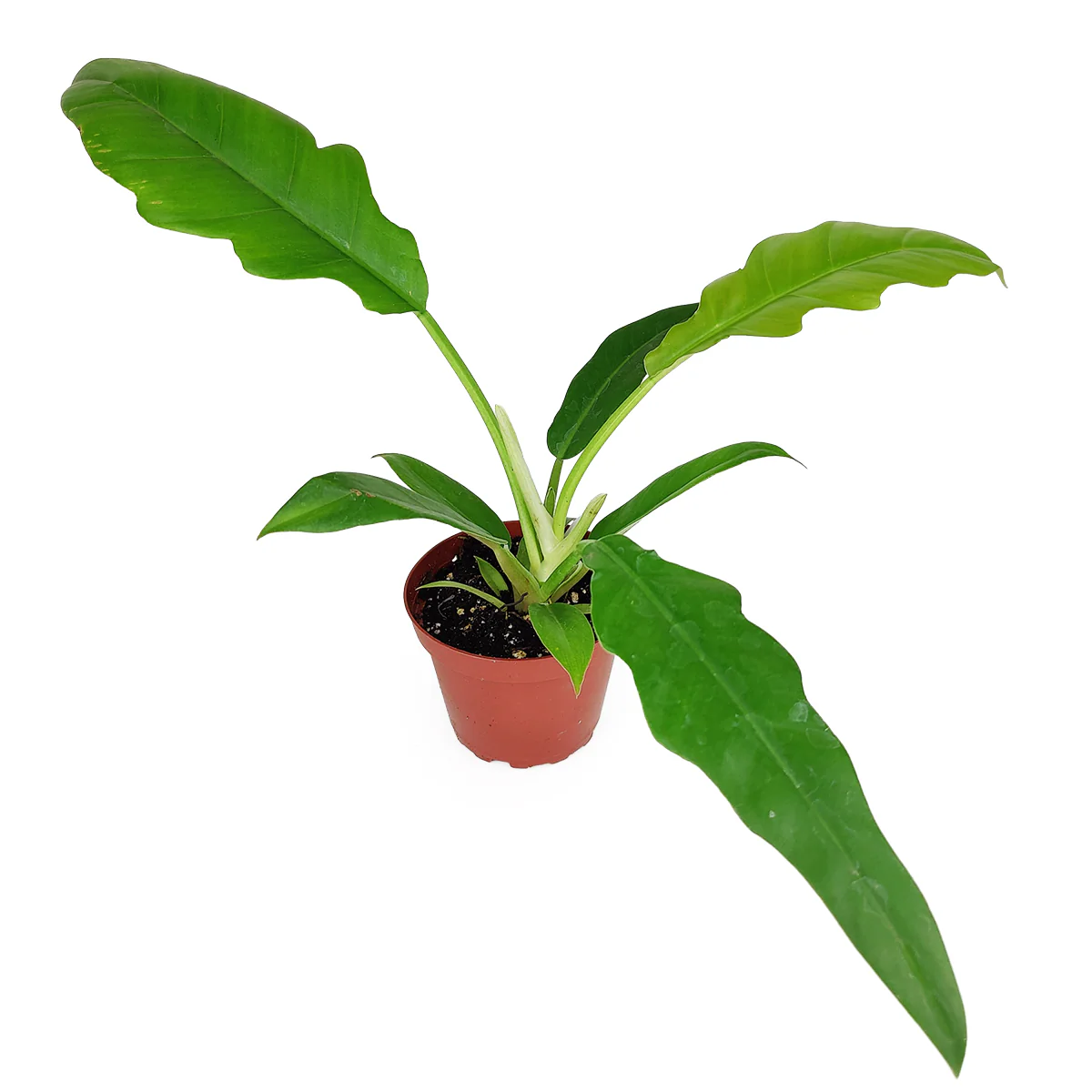
Philodendron Jungle Boogie
- Description
- Philodendron Jungle Boogie Care Guide
- FAQ/Common Issues
-
![]() Philodendron Jungle Boogie (Philodendron sp. "Jungle Boogie") is a rare tropical aroid from the Araceae family, native to the lush rainforests of South America where it grows beneath dense forest canopies. This collector philodendron has gained serious cult status among rare aroid enthusiasts, and it is not hard to see why.
Philodendron Jungle Boogie (Philodendron sp. "Jungle Boogie") is a rare tropical aroid from the Araceae family, native to the lush rainforests of South America where it grows beneath dense forest canopies. This collector philodendron has gained serious cult status among rare aroid enthusiasts, and it is not hard to see why.
 What makes Philodendron Jungle Boogie instantly recognizable are its dramatic, deeply serrated leaves, often compared to saw blades or shark teeth, which give it the alternate nickname tiger tooth philodendron. The long, narrow leaves emerge in rich shades of green and develop their signature jagged margins as they mature, creating a wild, sculptural silhouette unlike most other philodendrons. This serrated philodendron has an upright, architectural growth habit that makes it a true statement plant in any collection.
 Like most aroids grown as foliage houseplants, Philodendron Jungle Boogie rarely blooms in typical indoor conditions, so its extraordinary leaf form is very much the main event. What this rare tropical houseplant does reliably deliver is impressive air-purifying performance, actively filtering formaldehyde and other indoor toxins to keep your living space fresher and cleaner.
 Philodendron Jungle Boogie thrives in kitchens and bathrooms where ambient moisture keeps its humidity needs satisfied, and it genuinely appreciates being rotated regularly so every side develops evenly. It is sensitive to being moved once settled, so find its ideal bright indirect light spot and let it stay. This philodendron narrow beauty should be kept on a high shelf well out of reach of pets, as cats and dogs should not be left to nibble or eat the plant, and it is best placed away from small children as well. For collectors hunting a rare aroid for sale, Philodendron Jungle Boogie is an exceptional, head-turning addition.
-
 Philodendron Jungle Boogie thrives in bright indirect light, away from direct rays that scorch its leaves.
 Water Philodendron Jungle Boogie every 7 to 10 days, allowing the top inch of soil to dry between waterings.
 Philodendron Jungle Boogie prefers a chunky, well-draining mix of perlite, orchid bark, and quality potting soil.
 Philodendron Jungle Boogie prefers temperatures between 65 and 85 degrees Fahrenheit (18 to 29 degrees Celsius) and should never experience frost.
![]() Philodendron Jungle Boogie is a moderate grower, benefiting from a balanced liquid fertilizer applied monthly during the spring and summer growing season.
Philodendron Jungle Boogie is a moderate grower, benefiting from a balanced liquid fertilizer applied monthly during the spring and summer growing season.
 Philodendron Jungle Boogie is rated for USDA hardiness zones 9 through 11, where temperatures stay reliably above freezing, as this plant cannot tolerate frost or temperatures below 32 degrees Fahrenheit (0 degrees Celsius). In the United States, suitable outdoor growing regions include Florida, Hawaii, southern California, coastal and southern Texas, Arizona, Louisiana, Mississippi, Alabama, Georgia, South Carolina, and the Oregon coast. Gardeners in Nevada's warmer valleys and parts of New Mexico may also grow Philodendron Jungle Boogie outdoors, though most growers in cooler states keep it thriving indoors year-round.
-
Q: How often should I water Philodendron Jungle Boogie?
A: Water every 7 to 10 days in spring and summer, reducing frequency in winter. Philodendron Jungle Boogie will show you it is thirsty by slightly wilting its leaves.
Q: Is Philodendron Jungle Boogie safe for pets?
A: Cats and dogs should not be left to nibble or eat Philodendron Jungle Boogie, as the sap can also cause skin and paw irritation on contact. Keep it on a high shelf well out of their reach.
Q: How do I propagate Philodendron Jungle Boogie?
A: Philodendron Jungle Boogie is best propagated by stem cuttings with at least one node, placed in water or moist sphagnum moss until roots develop. Spring is the ideal time to propagate for the strongest results.
Q: Why are the leaves on my Philodendron Jungle Boogie turning yellow?
A: Yellow leaves on Philodendron Jungle Boogie are most commonly caused by overwatering, low humidity, or exposure to cold air from an AC or heater vent. Check your watering routine and move it away from any direct airflow.
Q: What humidity does Philodendron Jungle Boogie need?
A: Philodendron Jungle Boogie needs high humidity, ideally 60 percent or above, and does especially well near kitchen moisture or with a nearby humidifier. Avoid placing it near air conditioning or heating vents, which dry the air quickly.
Q: How rare is Philodendron Jungle Boogie and how fast does it grow?
A: Philodendron Jungle Boogie is considered a genuinely rare aroid, still sought after by serious collectors and not commonly found in garden centers. It grows at a moderate pace and rewards consistent care with increasingly dramatic, serrated foliage over time.


Product Information
Product Information
Shipping & Returns
Shipping & Returns
Description
- Description
- Philodendron Jungle Boogie Care Guide
- FAQ/Common Issues
-
![]() Philodendron Jungle Boogie (Philodendron sp. "Jungle Boogie") is a rare tropical aroid from the Araceae family, native to the lush rainforests of South America where it grows beneath dense forest canopies. This collector philodendron has gained serious cult status among rare aroid enthusiasts, and it is not hard to see why.
Philodendron Jungle Boogie (Philodendron sp. "Jungle Boogie") is a rare tropical aroid from the Araceae family, native to the lush rainforests of South America where it grows beneath dense forest canopies. This collector philodendron has gained serious cult status among rare aroid enthusiasts, and it is not hard to see why.
What makes Philodendron Jungle Boogie instantly recognizable are its dramatic, deeply serrated leaves, often compared to saw blades or shark teeth, which give it the alternate nickname tiger tooth philodendron. The long, narrow leaves emerge in rich shades of green and develop their signature jagged margins as they mature, creating a wild, sculptural silhouette unlike most other philodendrons. This serrated philodendron has an upright, architectural growth habit that makes it a true statement plant in any collection.
Like most aroids grown as foliage houseplants, Philodendron Jungle Boogie rarely blooms in typical indoor conditions, so its extraordinary leaf form is very much the main event. What this rare tropical houseplant does reliably deliver is impressive air-purifying performance, actively filtering formaldehyde and other indoor toxins to keep your living space fresher and cleaner.
Philodendron Jungle Boogie thrives in kitchens and bathrooms where ambient moisture keeps its humidity needs satisfied, and it genuinely appreciates being rotated regularly so every side develops evenly. It is sensitive to being moved once settled, so find its ideal bright indirect light spot and let it stay. This philodendron narrow beauty should be kept on a high shelf well out of reach of pets, as cats and dogs should not be left to nibble or eat the plant, and it is best placed away from small children as well. For collectors hunting a rare aroid for sale, Philodendron Jungle Boogie is an exceptional, head-turning addition.
-
Philodendron Jungle Boogie thrives in bright indirect light, away from direct rays that scorch its leaves.
Water Philodendron Jungle Boogie every 7 to 10 days, allowing the top inch of soil to dry between waterings.
Philodendron Jungle Boogie prefers a chunky, well-draining mix of perlite, orchid bark, and quality potting soil.
Philodendron Jungle Boogie prefers temperatures between 65 and 85 degrees Fahrenheit (18 to 29 degrees Celsius) and should never experience frost.
![]() Philodendron Jungle Boogie is a moderate grower, benefiting from a balanced liquid fertilizer applied monthly during the spring and summer growing season.
Philodendron Jungle Boogie is a moderate grower, benefiting from a balanced liquid fertilizer applied monthly during the spring and summer growing season.
Philodendron Jungle Boogie is rated for USDA hardiness zones 9 through 11, where temperatures stay reliably above freezing, as this plant cannot tolerate frost or temperatures below 32 degrees Fahrenheit (0 degrees Celsius). In the United States, suitable outdoor growing regions include Florida, Hawaii, southern California, coastal and southern Texas, Arizona, Louisiana, Mississippi, Alabama, Georgia, South Carolina, and the Oregon coast. Gardeners in Nevada's warmer valleys and parts of New Mexico may also grow Philodendron Jungle Boogie outdoors, though most growers in cooler states keep it thriving indoors year-round.
-
Q: How often should I water Philodendron Jungle Boogie?
A: Water every 7 to 10 days in spring and summer, reducing frequency in winter. Philodendron Jungle Boogie will show you it is thirsty by slightly wilting its leaves.
Q: Is Philodendron Jungle Boogie safe for pets?
A: Cats and dogs should not be left to nibble or eat Philodendron Jungle Boogie, as the sap can also cause skin and paw irritation on contact. Keep it on a high shelf well out of their reach.
Q: How do I propagate Philodendron Jungle Boogie?
A: Philodendron Jungle Boogie is best propagated by stem cuttings with at least one node, placed in water or moist sphagnum moss until roots develop. Spring is the ideal time to propagate for the strongest results.
Q: Why are the leaves on my Philodendron Jungle Boogie turning yellow?
A: Yellow leaves on Philodendron Jungle Boogie are most commonly caused by overwatering, low humidity, or exposure to cold air from an AC or heater vent. Check your watering routine and move it away from any direct airflow.
Q: What humidity does Philodendron Jungle Boogie need?
A: Philodendron Jungle Boogie needs high humidity, ideally 60 percent or above, and does especially well near kitchen moisture or with a nearby humidifier. Avoid placing it near air conditioning or heating vents, which dry the air quickly.
Q: How rare is Philodendron Jungle Boogie and how fast does it grow?
A: Philodendron Jungle Boogie is considered a genuinely rare aroid, still sought after by serious collectors and not commonly found in garden centers. It grows at a moderate pace and rewards consistent care with increasingly dramatic, serrated foliage over time.