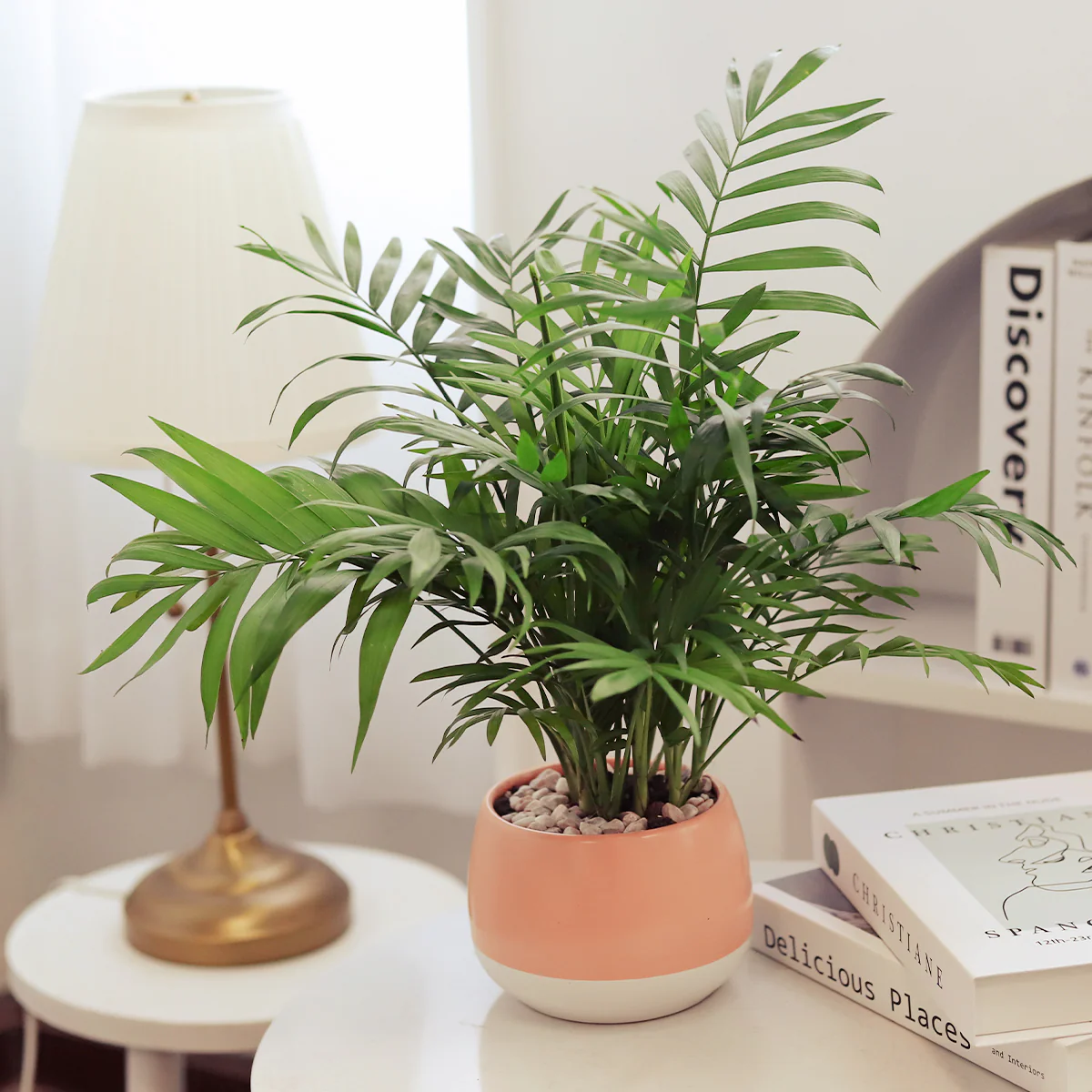
Parlor Palm
- Description
- Parlor Palm Care Guide
- FAQ/Common Issues
-
![]() The Parlor Palm (Chamaedorea elegans) is a graceful tropical palm native to the rainforest understories of southern Mexico and Guatemala. Growing naturally beneath a dense forest canopy, this easy care indoor plant has adapted beautifully to life indoors, making it one of the most beloved tropical houseplants around.
The Parlor Palm (Chamaedorea elegans) is a graceful tropical palm native to the rainforest understories of southern Mexico and Guatemala. Growing naturally beneath a dense forest canopy, this easy care indoor plant has adapted beautifully to life indoors, making it one of the most beloved tropical houseplants around.
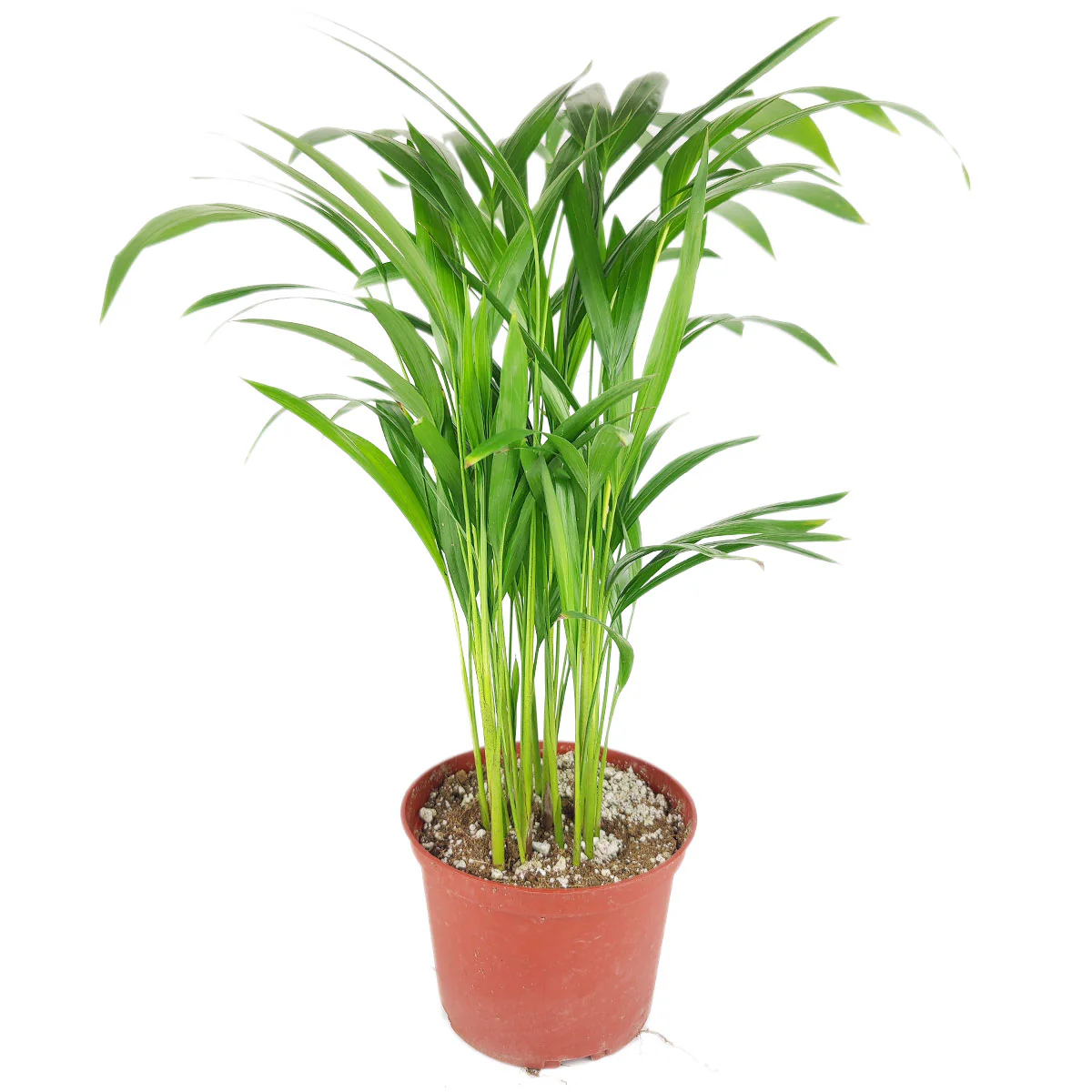
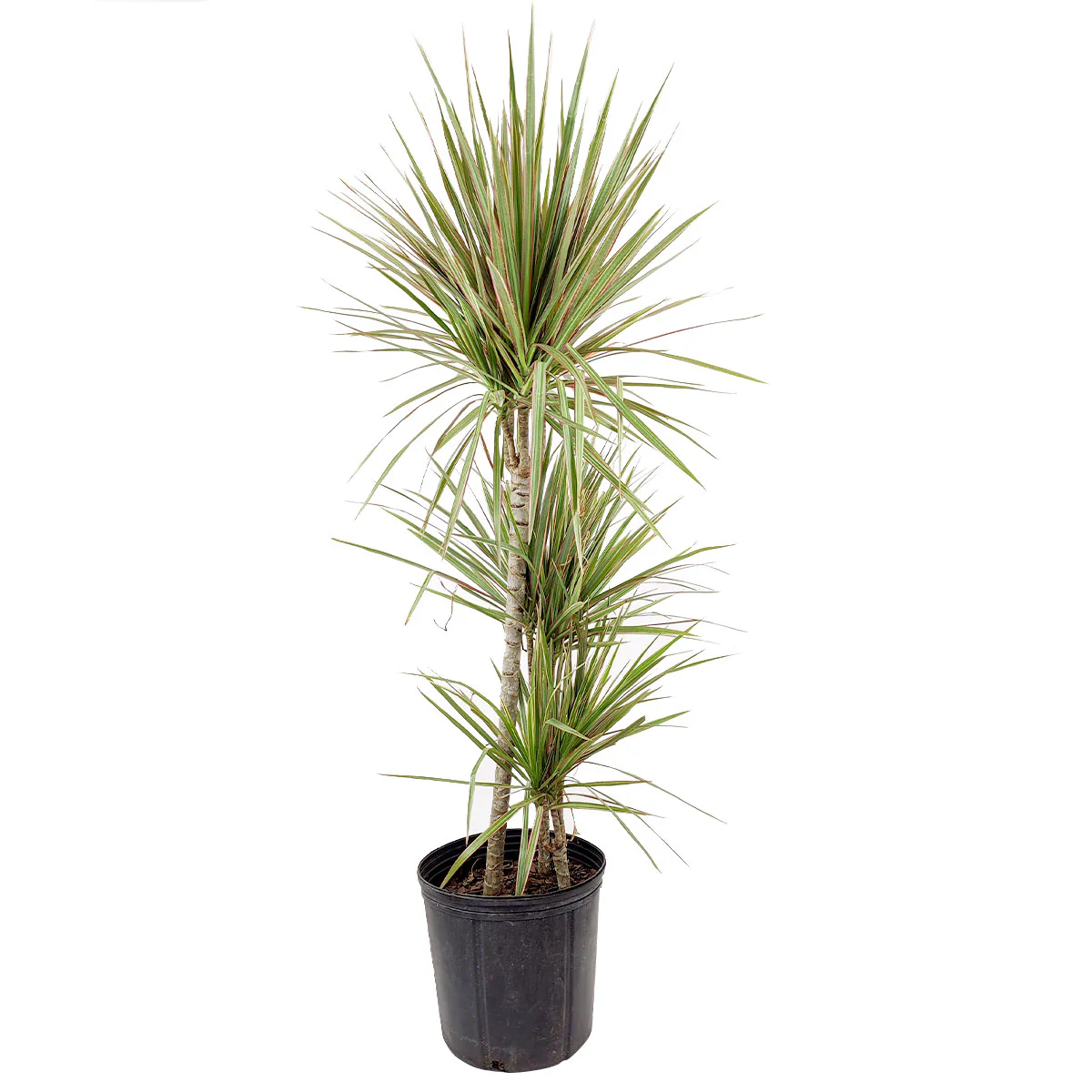
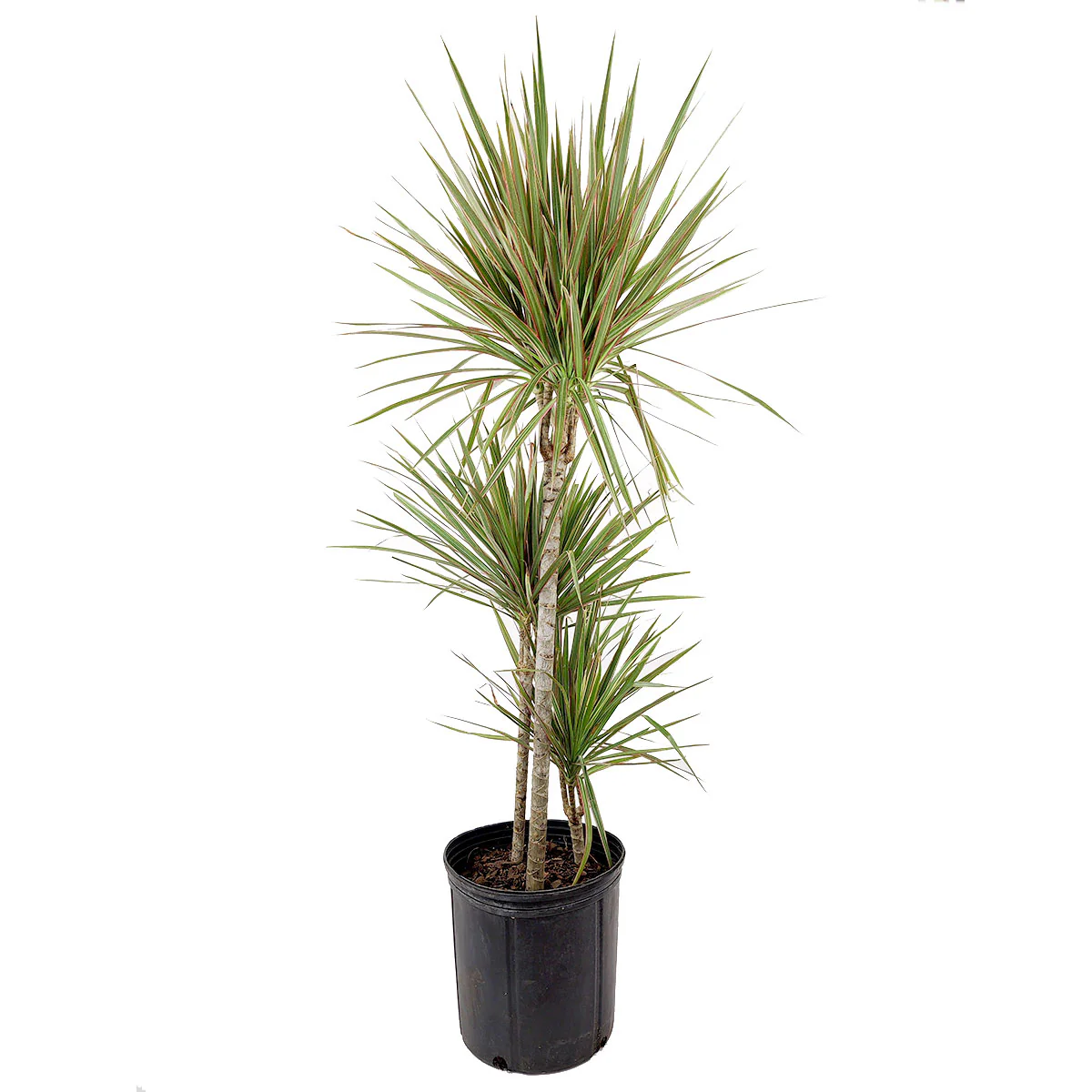
 The Parlor Palm grows as a slender, upright palm with arching, feathery fronds composed of narrow, lance-shaped leaflets in rich, deep green. Each stem rises elegantly from a cluster of thin canes, giving it a refined, airy look that suits both modern and traditional spaces. It is a slow growing palm that stays compact enough for tabletops when young, then matures into a striking floor plant over time.
 Mature Parlor Palm plants can produce small clusters of tiny yellow flowers on slender, branching stems, though blooming indoors is infrequent and depends on age and light conditions. Notably, the Parlor Palm is a natural air purifying plant, actively filtering formaldehyde and other indoor toxins while also adding gentle humidity to your home through its fronds.
 The Parlor Palm thrives near kitchen moisture and handles the warm, dry air of heated rooms better than most palms, though it appreciates extra humidity and dislikes being placed directly in AC or heater airflow. It is sensitive to being moved, so once you find the right spot, let it settle. This plant is pet friendly, making it a top choice for households with cats or dogs. Rotate it occasionally for even, balanced growth, and if you bring it outside for summer, keep it sheltered from direct rain. It can survive a 10-day trip without a caretaker and will show you when it is thirsty by gently wilting, then perking right back up after watering.
-
 Parlor Palm thrives in medium to bright indirect light and grows reliably under standard office LEDs, but scorches in direct south-facing windows.
 Water Parlor Palm every 1-2 weeks, allowing the top inch of soil to dry out between waterings and reducing frequency in winter.
 Parlor Palm does best in a well-draining potting mix blended with perlite to prevent soggy roots and improve aeration.
 Parlor Palm prefers temperatures between 65-80°F (18-27°C) and should be protected from anything below 50°F (10°C).
![]() Parlor Palm is a slow growing palm that benefits from a balanced, diluted liquid fertilizer applied monthly during the spring and summer growing season.
Parlor Palm is a slow growing palm that benefits from a balanced, diluted liquid fertilizer applied monthly during the spring and summer growing season.
 Parlor Palm is rated for USDA hardiness zones 10-12, tolerating minimum temperatures around 30-35°F (-1 to 2°C) only briefly and performing best where frosts do not occur. Outdoors year-round, Parlor Palm is well suited to Hawaii, southern Florida, and the southernmost regions of California and Texas. Gardeners in Arizona, Louisiana, Georgia, South Carolina, Alabama, Mississippi, and coastal areas of Oregon or the Gulf Coast can also grow Parlor Palm outside during warmer months, bringing it in before temperatures drop.
-
Q: Is Parlor Palm safe for cats and dogs?
A: Yes, this plant is pet friendly. Parlor Palm is non-toxic to cats, dogs, and other household pets, making it one of the safest indoor palms you can own.
Q: How much light does a Parlor Palm need?
A: Parlor Palm grows well in medium to bright indirect light and adapts happily to office fluorescent or LED lighting. Keep it away from harsh south-facing windows, as direct sun scorches the fronds.
Q: How often should I water my Parlor Palm?
A: Water your Parlor Palm every 1-2 weeks, letting the top inch of soil dry out between waterings. The plant will show slight wilting when thirsty, which is your cue to water.
Q: Why are my Parlor Palm leaves turning yellow?
A: Yellow leaves on a Parlor Palm are usually caused by overwatering, low humidity, exposure to cold AC or heater drafts, or compacted soil with poor drainage. Adjusting watering frequency and moving it away from air vents typically resolves the issue.
Q: How do you propagate a Parlor Palm?
A: Parlor Palm is best propagated by dividing the clump at the roots when repotting, carefully separating rooted stems into individual plants. Seed propagation is possible but very slow, and stem cuttings do not root successfully with this species.
Q: Can I move my Parlor Palm outside in summer?
A: Yes, Parlor Palm enjoys a summer outdoors in warm, shaded conditions, but choose a sheltered spot protected from heavy rain and strong sun. Bring it back inside before nighttime temperatures drop below 50°F (10°C).


Original: $12.00
-70%$12.00
$3.60Product Information
Product Information
Shipping & Returns
Shipping & Returns
Description
- Description
- Parlor Palm Care Guide
- FAQ/Common Issues
-
![]() The Parlor Palm (Chamaedorea elegans) is a graceful tropical palm native to the rainforest understories of southern Mexico and Guatemala. Growing naturally beneath a dense forest canopy, this easy care indoor plant has adapted beautifully to life indoors, making it one of the most beloved tropical houseplants around.
The Parlor Palm (Chamaedorea elegans) is a graceful tropical palm native to the rainforest understories of southern Mexico and Guatemala. Growing naturally beneath a dense forest canopy, this easy care indoor plant has adapted beautifully to life indoors, making it one of the most beloved tropical houseplants around.
The Parlor Palm grows as a slender, upright palm with arching, feathery fronds composed of narrow, lance-shaped leaflets in rich, deep green. Each stem rises elegantly from a cluster of thin canes, giving it a refined, airy look that suits both modern and traditional spaces. It is a slow growing palm that stays compact enough for tabletops when young, then matures into a striking floor plant over time.
Mature Parlor Palm plants can produce small clusters of tiny yellow flowers on slender, branching stems, though blooming indoors is infrequent and depends on age and light conditions. Notably, the Parlor Palm is a natural air purifying plant, actively filtering formaldehyde and other indoor toxins while also adding gentle humidity to your home through its fronds.
The Parlor Palm thrives near kitchen moisture and handles the warm, dry air of heated rooms better than most palms, though it appreciates extra humidity and dislikes being placed directly in AC or heater airflow. It is sensitive to being moved, so once you find the right spot, let it settle. This plant is pet friendly, making it a top choice for households with cats or dogs. Rotate it occasionally for even, balanced growth, and if you bring it outside for summer, keep it sheltered from direct rain. It can survive a 10-day trip without a caretaker and will show you when it is thirsty by gently wilting, then perking right back up after watering.
-
Parlor Palm thrives in medium to bright indirect light and grows reliably under standard office LEDs, but scorches in direct south-facing windows.
Water Parlor Palm every 1-2 weeks, allowing the top inch of soil to dry out between waterings and reducing frequency in winter.
Parlor Palm does best in a well-draining potting mix blended with perlite to prevent soggy roots and improve aeration.
Parlor Palm prefers temperatures between 65-80°F (18-27°C) and should be protected from anything below 50°F (10°C).
![]() Parlor Palm is a slow growing palm that benefits from a balanced, diluted liquid fertilizer applied monthly during the spring and summer growing season.
Parlor Palm is a slow growing palm that benefits from a balanced, diluted liquid fertilizer applied monthly during the spring and summer growing season.
Parlor Palm is rated for USDA hardiness zones 10-12, tolerating minimum temperatures around 30-35°F (-1 to 2°C) only briefly and performing best where frosts do not occur. Outdoors year-round, Parlor Palm is well suited to Hawaii, southern Florida, and the southernmost regions of California and Texas. Gardeners in Arizona, Louisiana, Georgia, South Carolina, Alabama, Mississippi, and coastal areas of Oregon or the Gulf Coast can also grow Parlor Palm outside during warmer months, bringing it in before temperatures drop.
-
Q: Is Parlor Palm safe for cats and dogs?
A: Yes, this plant is pet friendly. Parlor Palm is non-toxic to cats, dogs, and other household pets, making it one of the safest indoor palms you can own.
Q: How much light does a Parlor Palm need?
A: Parlor Palm grows well in medium to bright indirect light and adapts happily to office fluorescent or LED lighting. Keep it away from harsh south-facing windows, as direct sun scorches the fronds.
Q: How often should I water my Parlor Palm?
A: Water your Parlor Palm every 1-2 weeks, letting the top inch of soil dry out between waterings. The plant will show slight wilting when thirsty, which is your cue to water.
Q: Why are my Parlor Palm leaves turning yellow?
A: Yellow leaves on a Parlor Palm are usually caused by overwatering, low humidity, exposure to cold AC or heater drafts, or compacted soil with poor drainage. Adjusting watering frequency and moving it away from air vents typically resolves the issue.
Q: How do you propagate a Parlor Palm?
A: Parlor Palm is best propagated by dividing the clump at the roots when repotting, carefully separating rooted stems into individual plants. Seed propagation is possible but very slow, and stem cuttings do not root successfully with this species.
Q: Can I move my Parlor Palm outside in summer?
A: Yes, Parlor Palm enjoys a summer outdoors in warm, shaded conditions, but choose a sheltered spot protected from heavy rain and strong sun. Bring it back inside before nighttime temperatures drop below 50°F (10°C).