Callisia Repens Sedum (Turtle Vine)
- Description
- Callisia Repens Sedum (Turtle Vine) Care Guide
- FAQ/Common Issues
-
![]() Callisia Repens Sedum (Turtle Vine) is a charming trailing succulent in the Callisia genus, native to tropical regions of Central and South America. It thrives naturally in warm, humid environments, which explains why it adapts so beautifully to life as a houseplant in Zones 9 through 11.
Callisia Repens Sedum (Turtle Vine) is a charming trailing succulent in the Callisia genus, native to tropical regions of Central and South America. It thrives naturally in warm, humid environments, which explains why it adapts so beautifully to life as a houseplant in Zones 9 through 11.
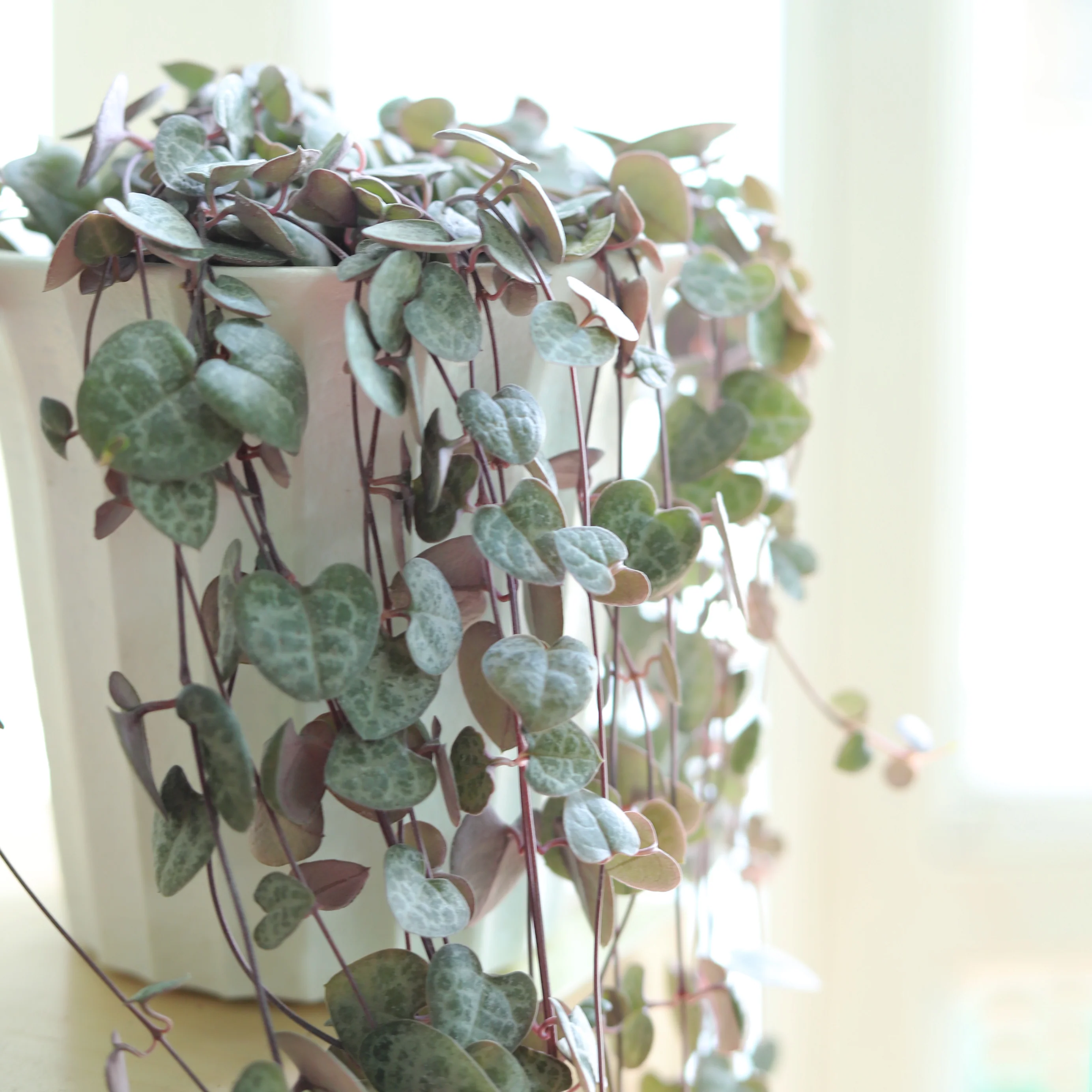
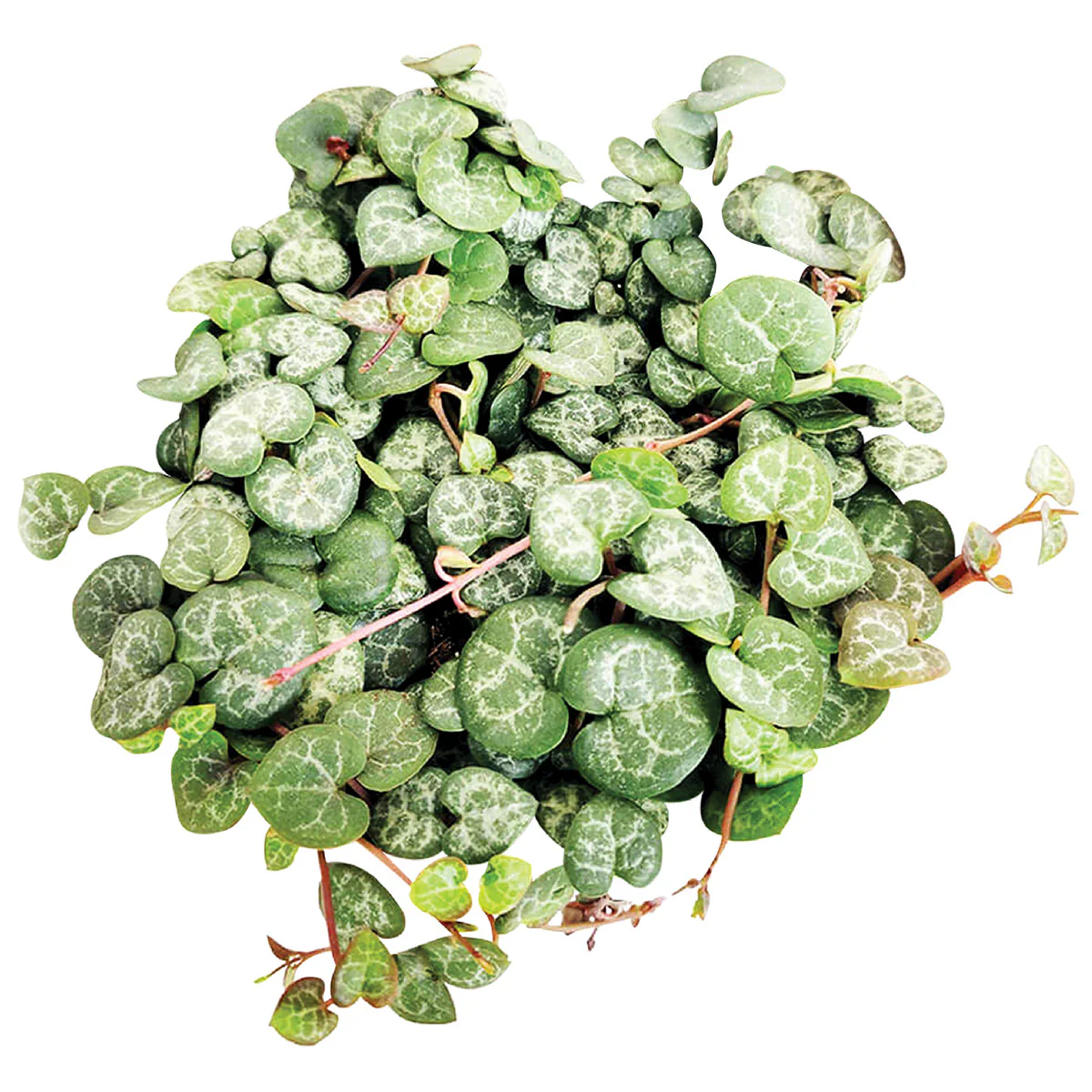
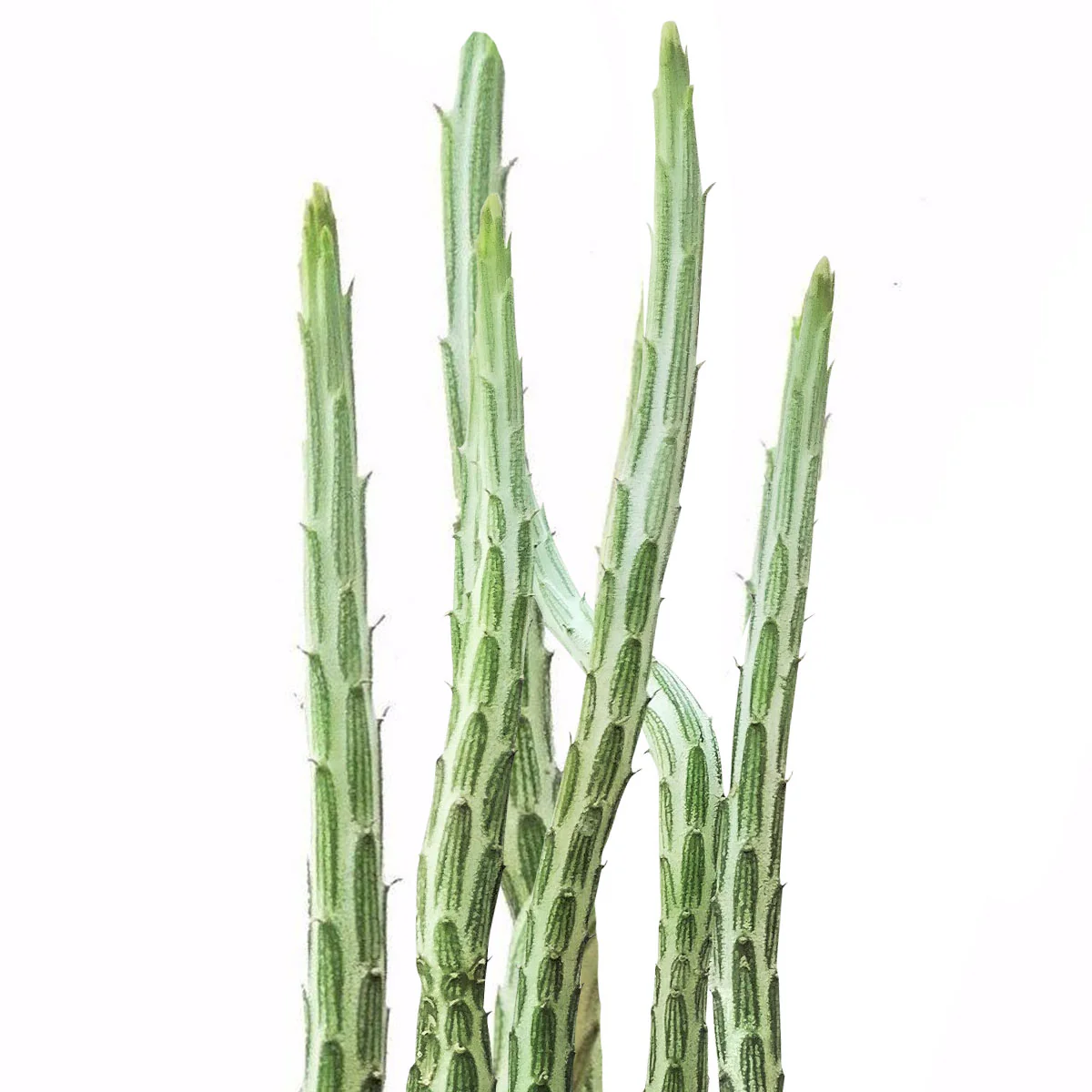
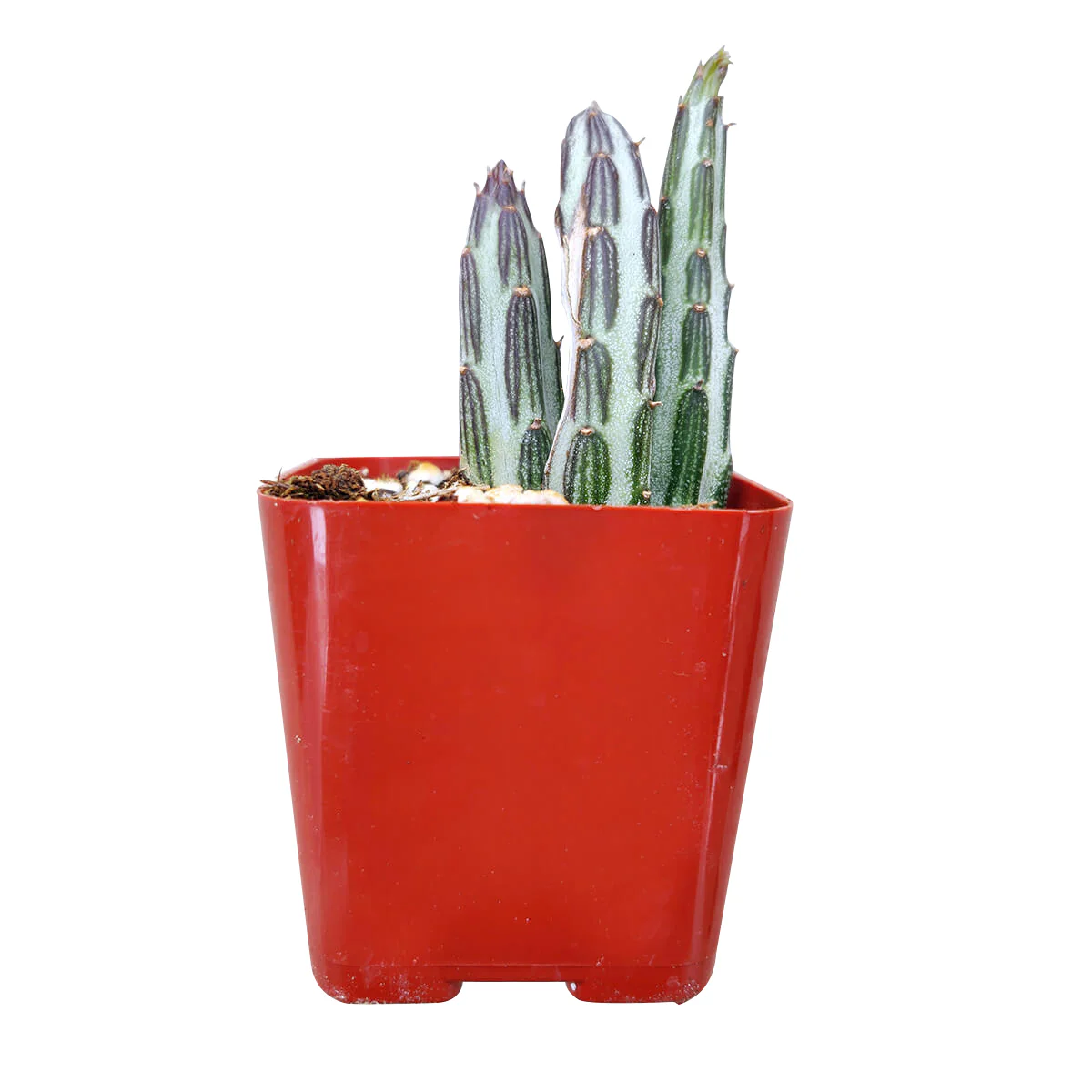
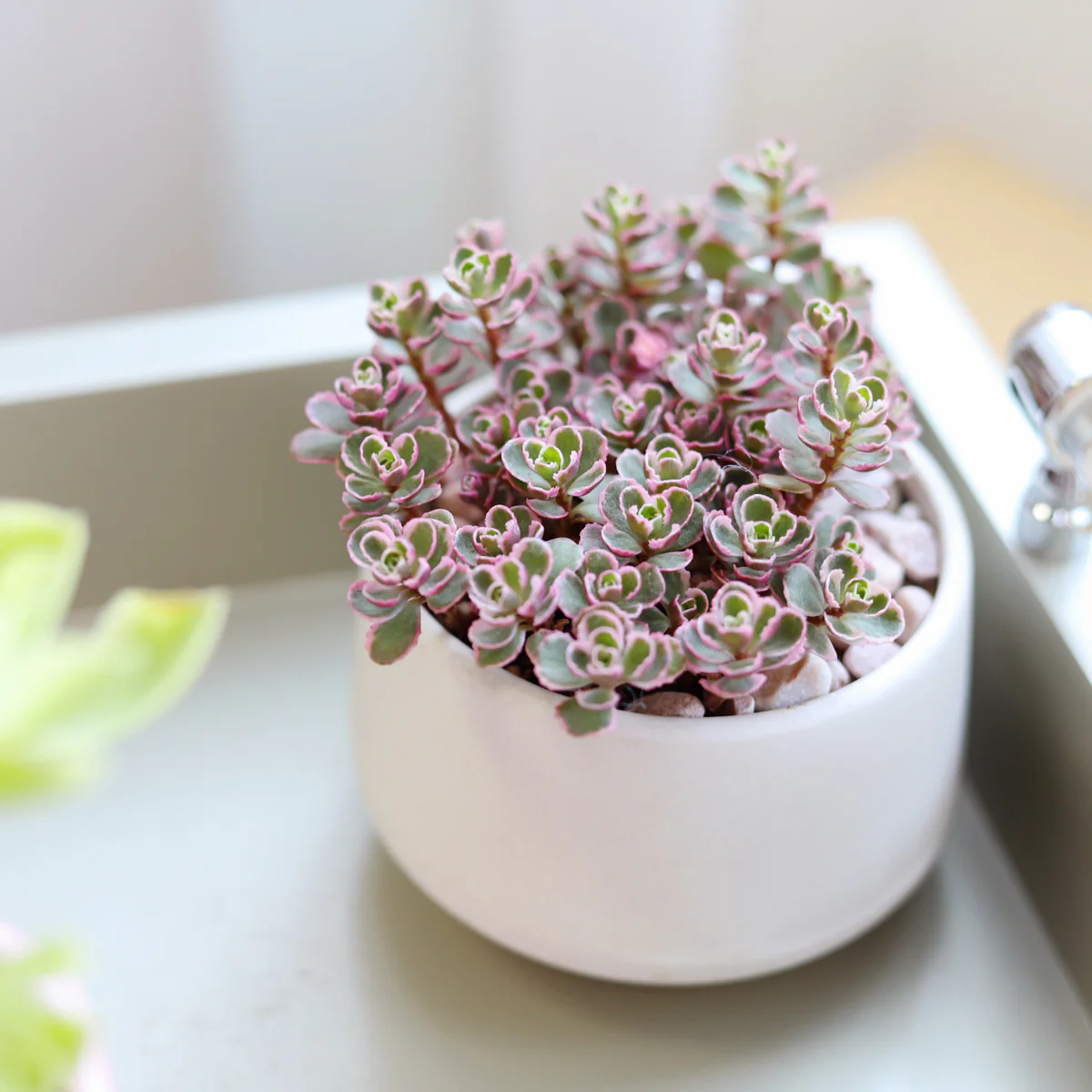
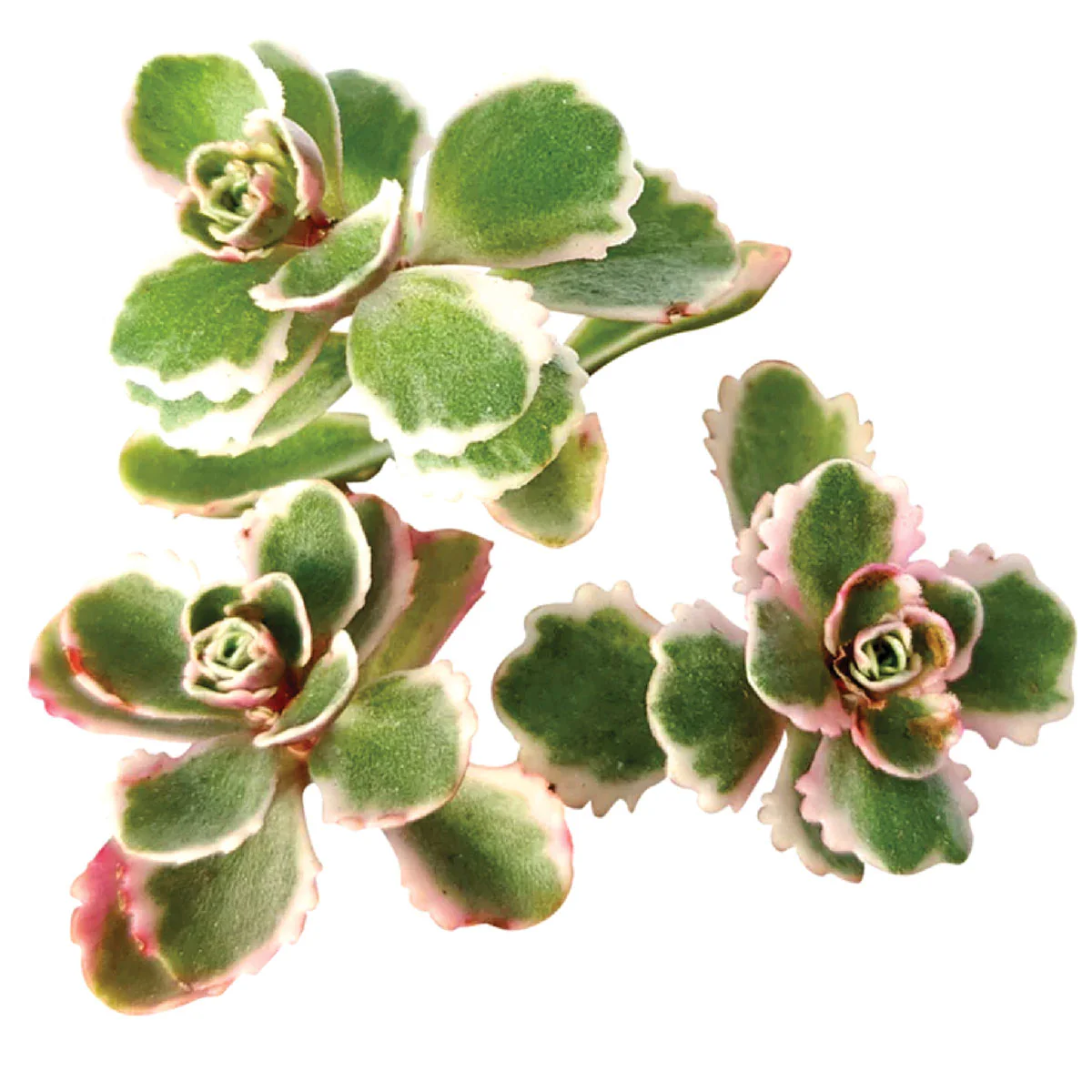
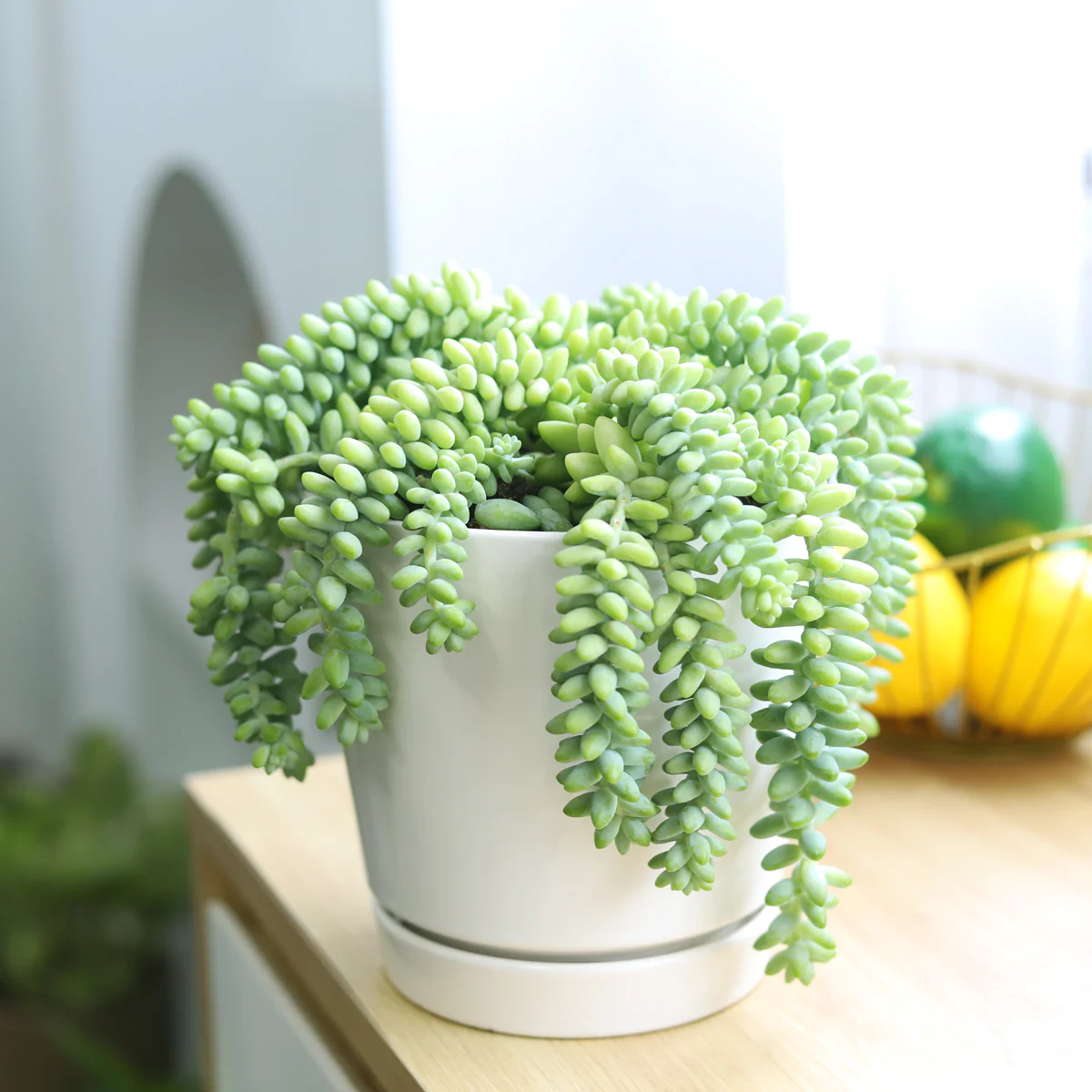
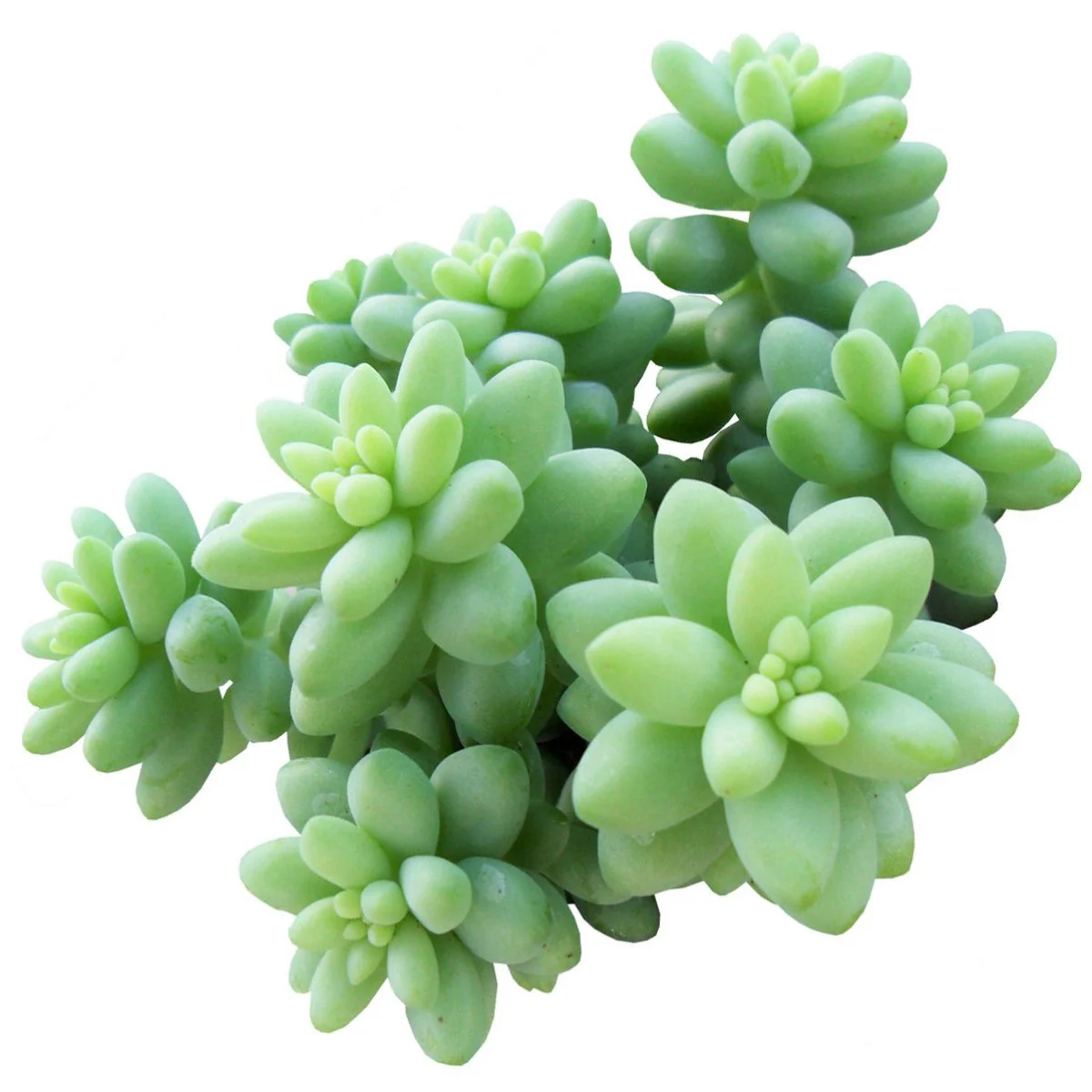
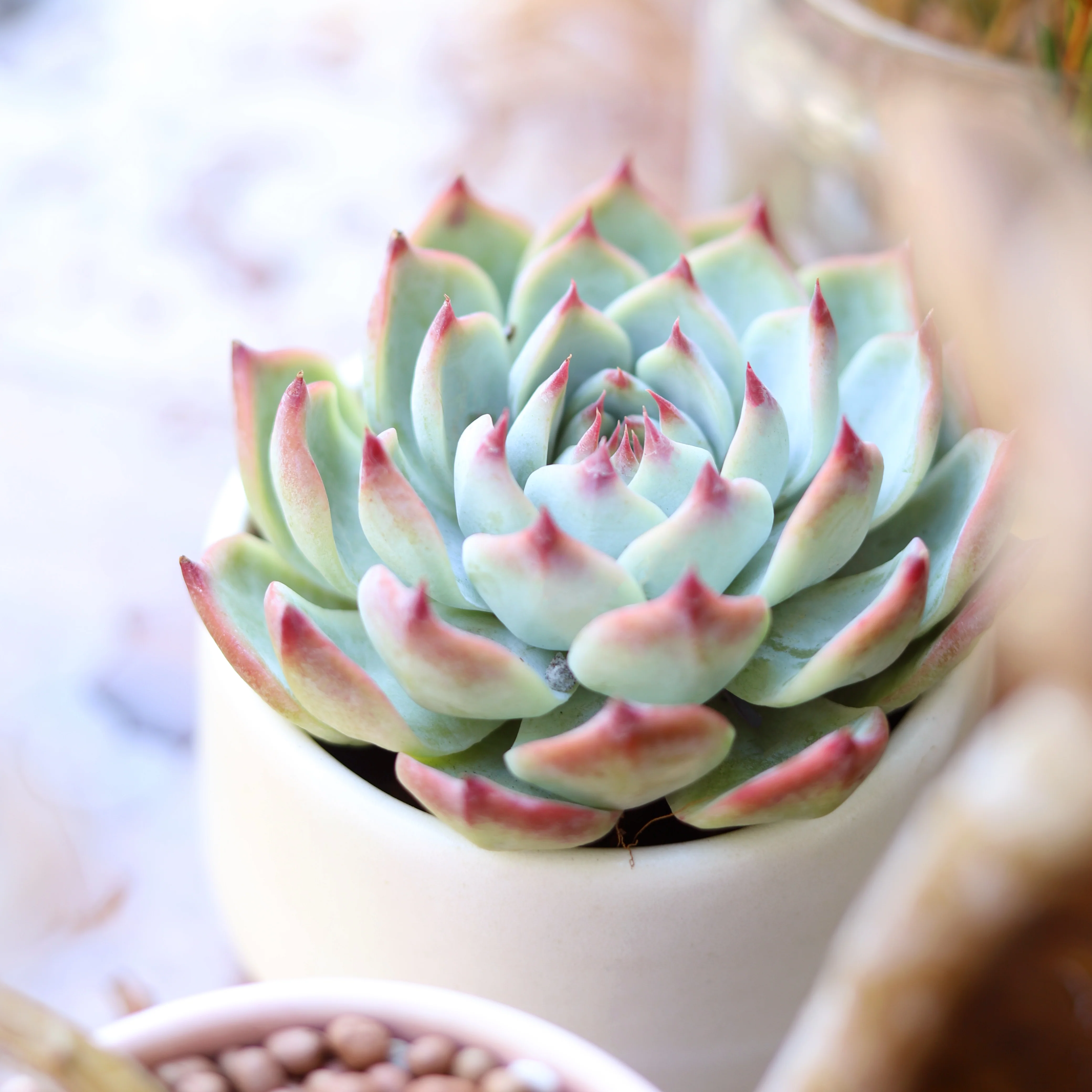
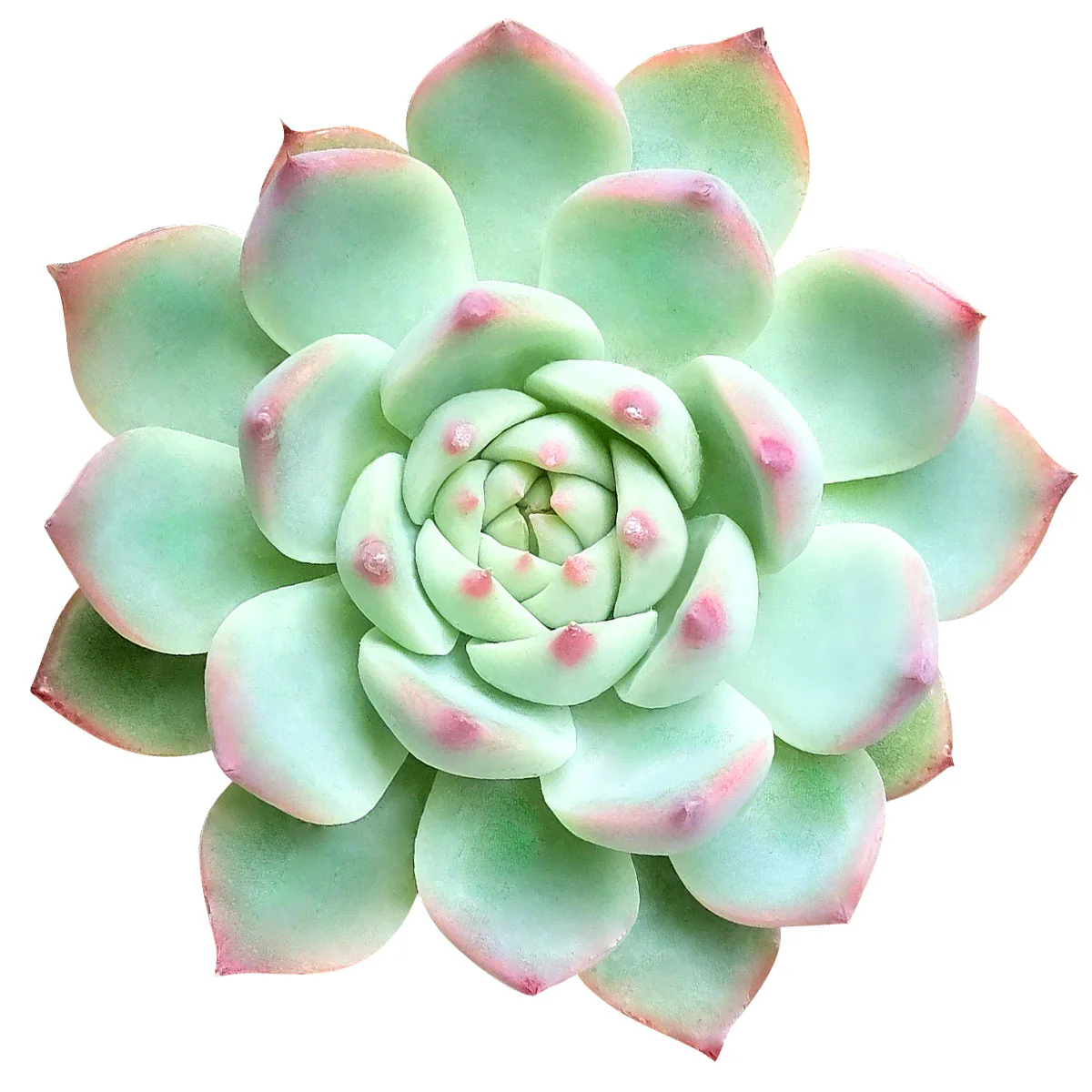
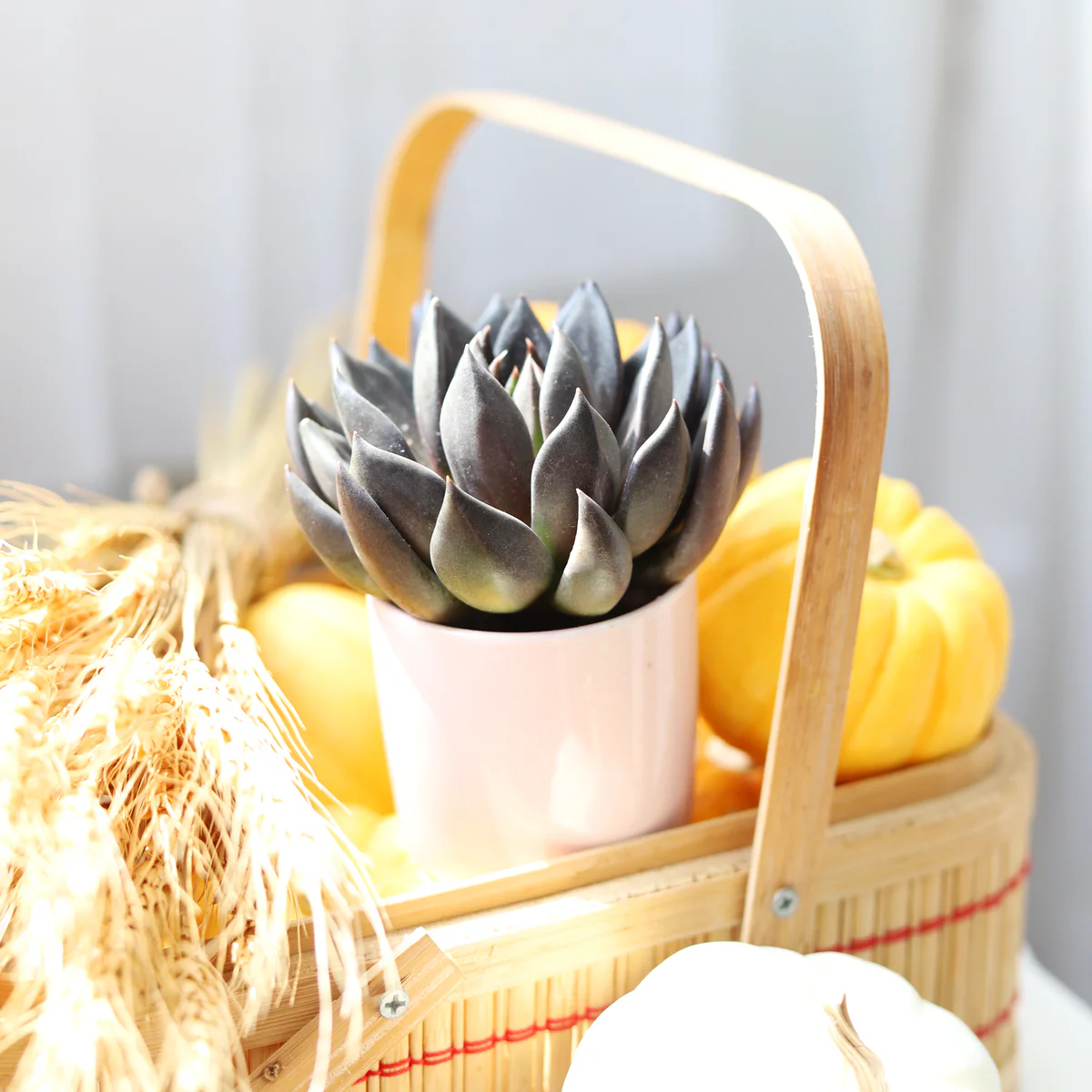
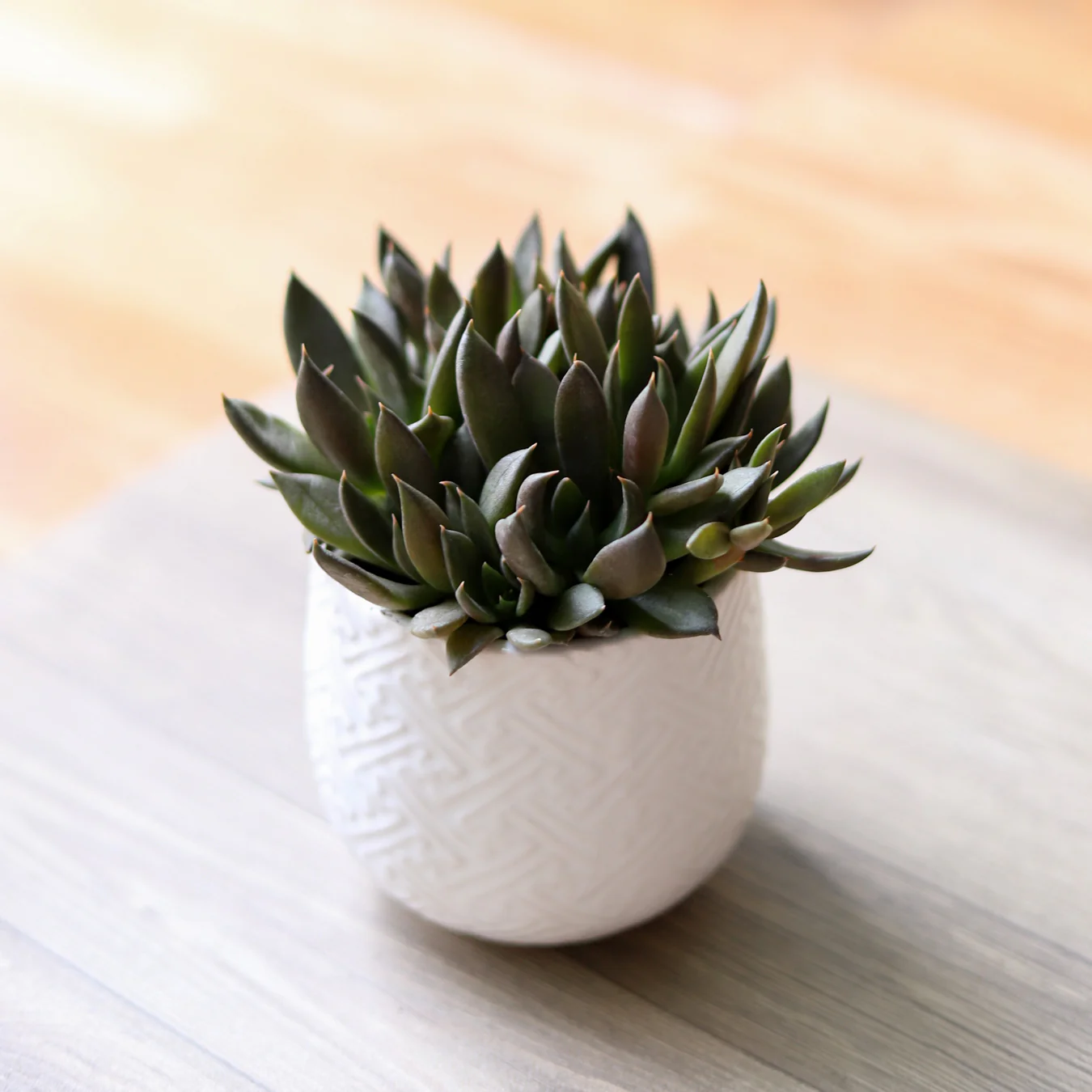
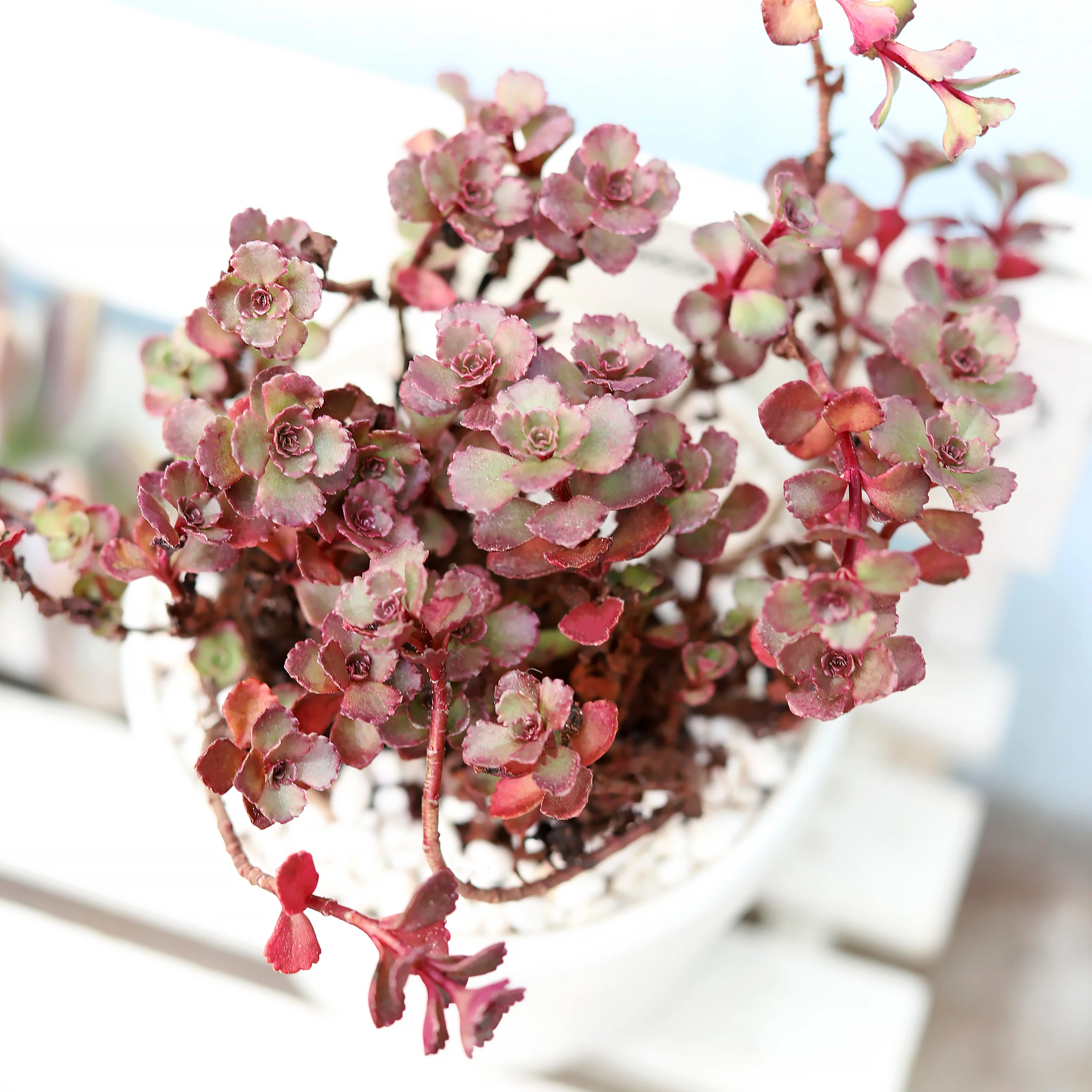
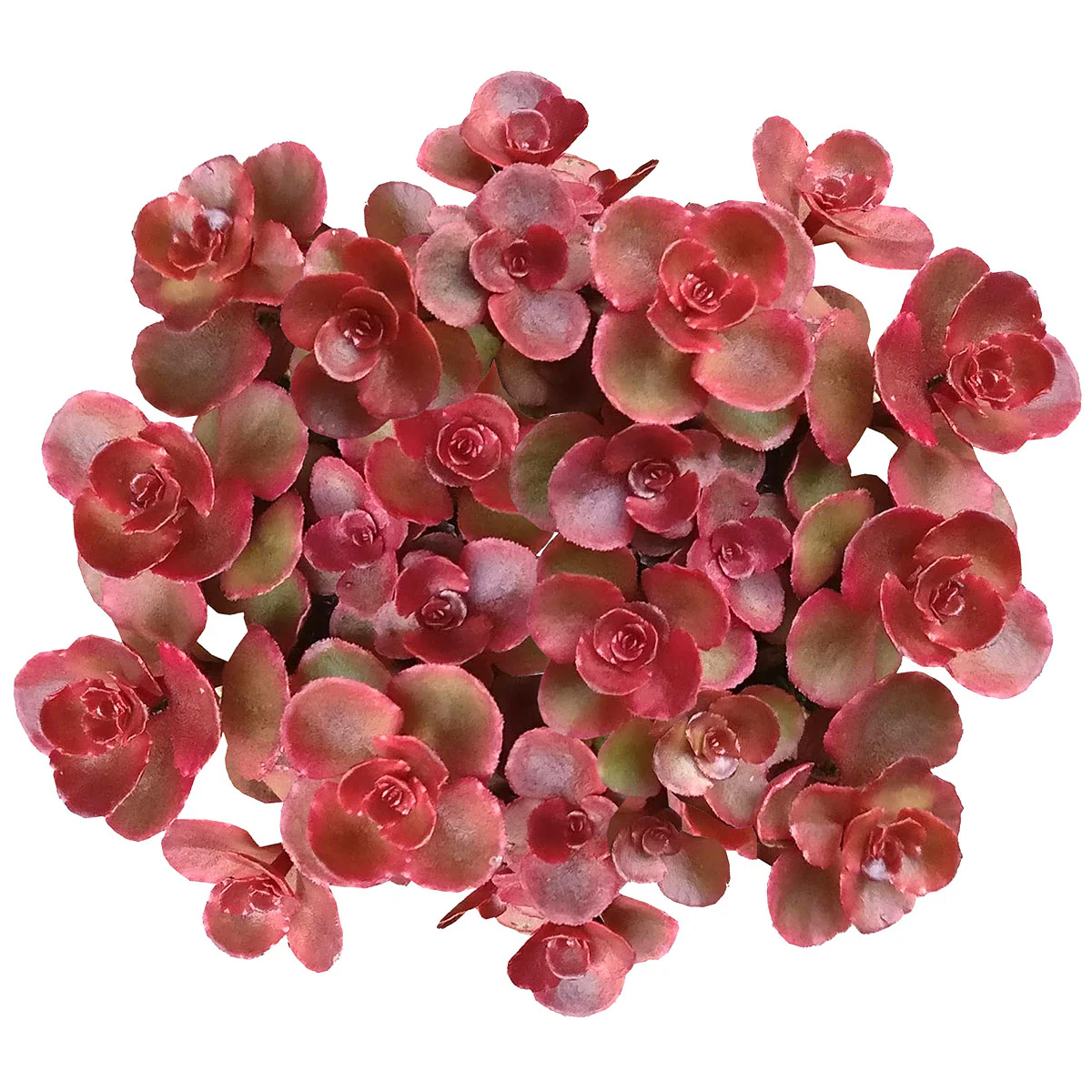
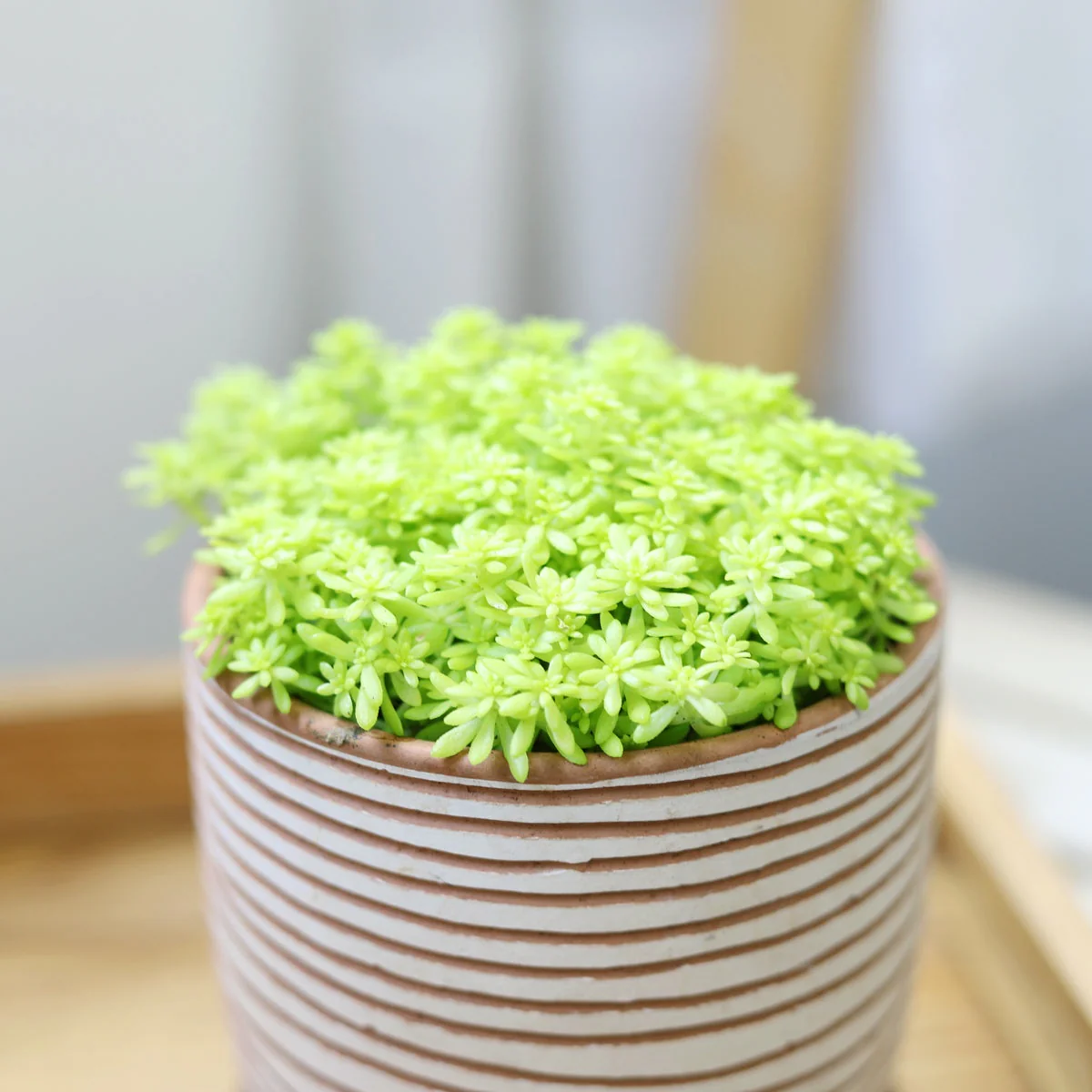
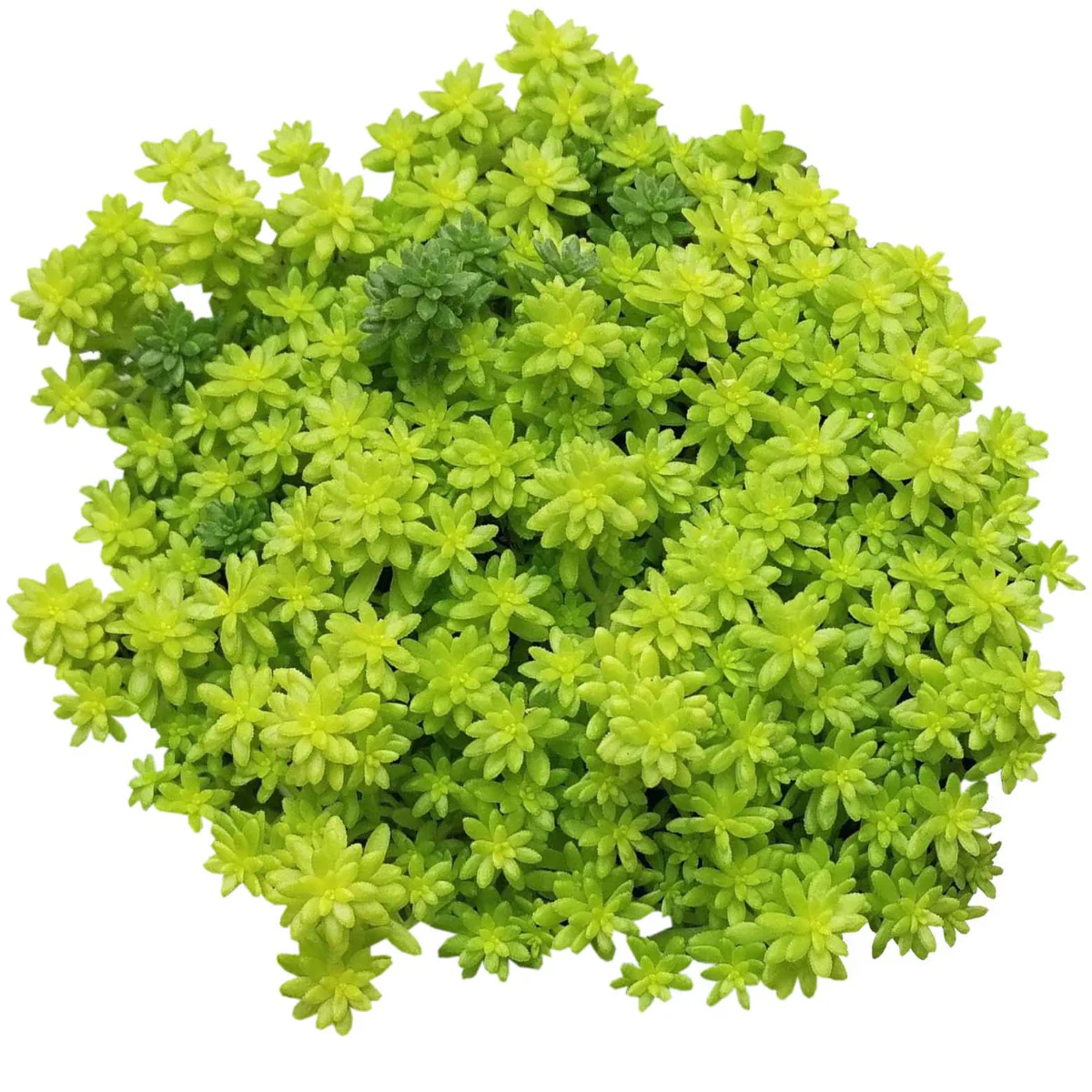
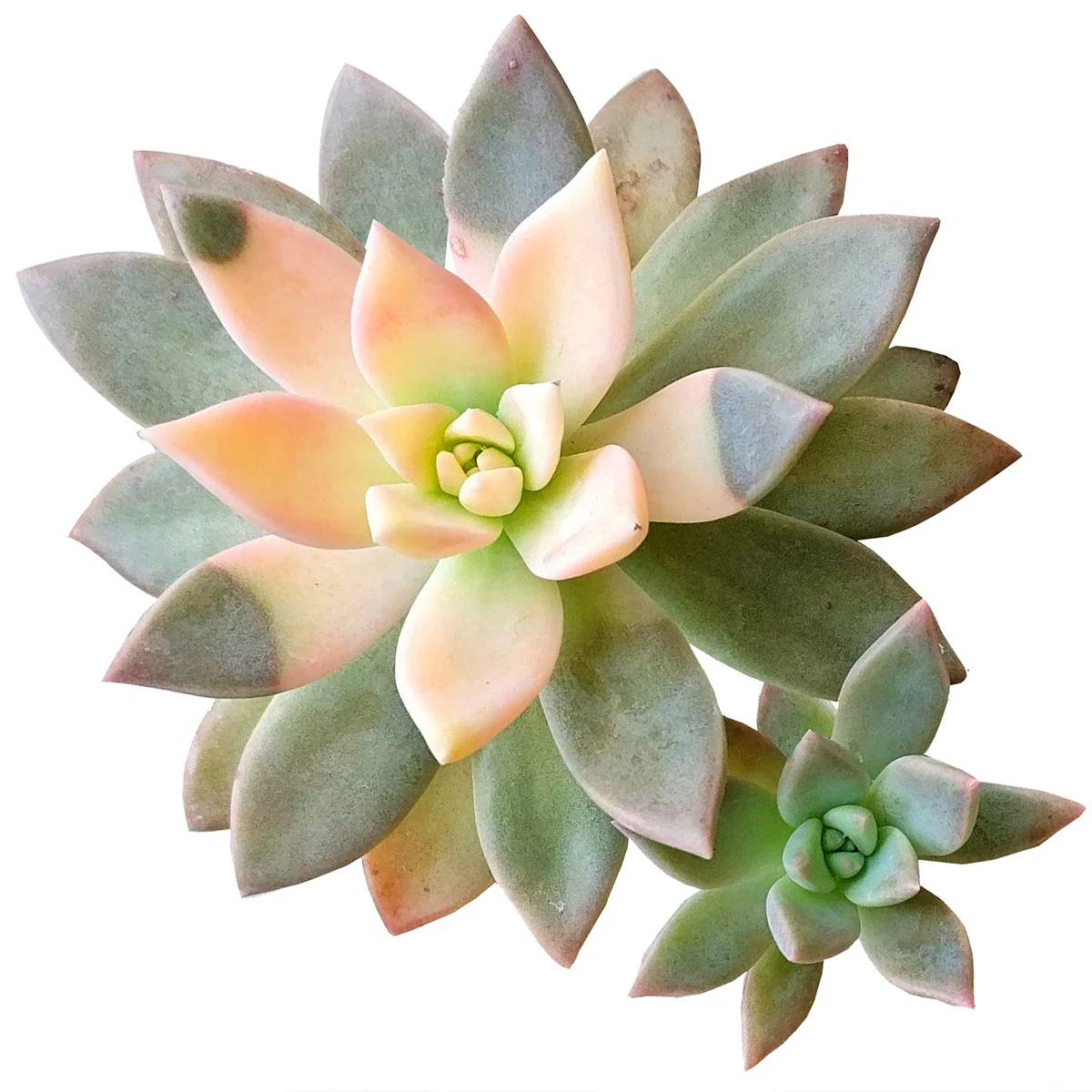
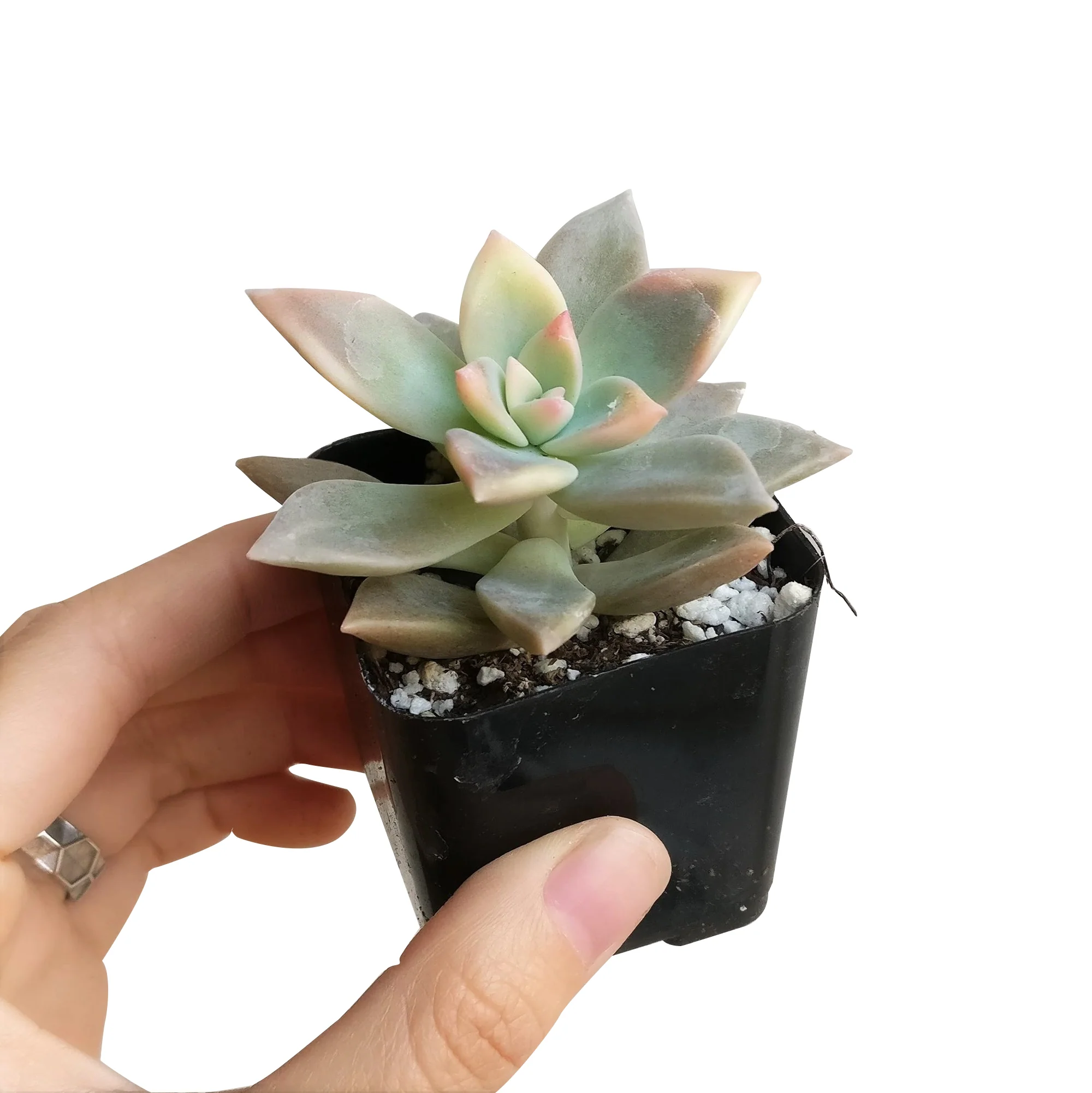
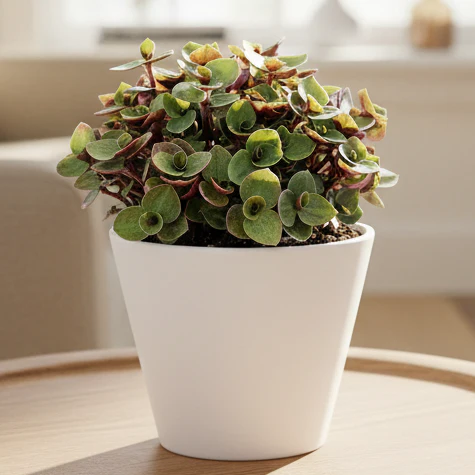
 Callisia Repens Sedum (Turtle Vine) produces tiny, rounded leaves that overlap in neat rows along cascading stems, giving it that irresistible turtle-shell pattern that earns its name. Foliage shifts between rich green and purple tones depending on light exposure, making each plant uniquely striking. The compact, trailing growth form is ideal for hanging baskets where those lush, creeping stems can really show off.
 Callisia Repens Sedum (Turtle Vine) produces small, delicate white to pale pink blooms when conditions are right, and here is the key detail: it needs a nighttime temperature drop to trigger flowering. Blooms are modest but sweet, appearing seasonally and adding a lovely bonus to an already gorgeous trailing plant.
 Callisia Repens Sedum (Turtle Vine) is a wonderful air-purifying plant that actively filters indoor toxins, including formaldehyde, making it as functional as it is beautiful. It thrives in a terrarium setup where humidity stays naturally high, and it loves the gentle moisture found near a kitchen. One important heads-up: the sap can cause skin irritation and paw irritation in pets, so keep Callisia Repens Sedum (Turtle Vine) on a high shelf or hanging hook well out of reach of curious toddlers and animals. Come summer, you can move it outdoors to a sheltered spot for a growth boost.
-
 Callisia Repens Sedum (Turtle Vine) thrives in bright indirect light and scorches easily in south-facing windows, so rotate it regularly for even, balanced growth.
 Water Callisia Repens Sedum (Turtle Vine) every 7 to 10 days, allowing the top inch of soil to dry out, and watch for wilting as its natural signal for thirst.
 Callisia Repens Sedum (Turtle Vine) performs best in a well-draining mix of standard potting soil combined with perlite or coarse sand to prevent root rot.
 Callisia Repens Sedum (Turtle Vine) prefers temperatures between 60 and 85 degrees F (15 to 29 degrees C) and is not frost tolerant, suffering damage below 50 degrees F (10 degrees C).
![]() Callisia Repens Sedum (Turtle Vine) is a moderate to fast grower that benefits from a balanced liquid fertilizer applied monthly during the spring and summer growing season.
Callisia Repens Sedum (Turtle Vine) is a moderate to fast grower that benefits from a balanced liquid fertilizer applied monthly during the spring and summer growing season.
 Callisia Repens Sedum (Turtle Vine) is hardy in USDA Zones 8 through 11, tolerating minimum temperatures down to around 10 to 15 degrees F (-9 to -12 degrees C) at the lower edge, though it truly thrives in frost-free Zone 9 through 11 climates found across Florida, California, Texas, Arizona, Hawaii, Louisiana, Georgia, South Carolina, Alabama, Mississippi, and Nevada. Gardeners in Zone 8 areas of North Carolina, Tennessee, Arkansas, Oklahoma, Oregon, Washington state's milder coastal zones, and parts of Virginia and New Mexico can also grow Callisia Repens Sedum (Turtle Vine) successfully with winter protection. In cooler states across the Midwest and Northeast, it excels as a year-round indoor trailing succulent.
-
Q: Is Callisia Repens Sedum (Turtle Vine) safe for pets?
A: Callisia Repens Sedum (Turtle Vine) is not fully pet-safe because its sap can cause skin and paw irritation in cats and dogs. Keep it on a high shelf or hanging hook out of reach to be safe.
Q: How much light does Callisia Repens Sedum (Turtle Vine) need?
A: Callisia Repens Sedum (Turtle Vine) thrives in bright indirect light and will scorch in direct south-facing sun. It also grows well under office LED lighting, making it versatile indoors.
Q: How fast does Callisia Repens Sedum (Turtle Vine) grow?
A: Callisia Repens Sedum (Turtle Vine) is a moderate to fast grower, especially during warm spring and summer months. Regular feeding and good light keep those trailing stems lush and full.
Q: How do I propagate Callisia Repens Sedum (Turtle Vine)?
A: Callisia Repens Sedum (Turtle Vine) propagates easily from stem cuttings placed in moist soil or water. Nodes along the stems root quickly, making it one of the most beginner-friendly plants to multiply.
Q: Can Callisia Repens Sedum (Turtle Vine) go outside in summer?
A: Yes, Callisia Repens Sedum (Turtle Vine) loves spending summer outdoors in a bright, sheltered spot away from harsh rain and direct midday sun. Bring it back inside before temperatures dip below 50 degrees F (10 degrees C).
Q: Why is my Callisia Repens Sedum (Turtle Vine) not blooming?
A: Callisia Repens Sedum (Turtle Vine) needs a consistent nighttime temperature drop to trigger blooming. Moving it away from heating or AC vents and allowing cooler nights will encourage those small, pretty flowers to appear.


Original: $8.00
-70%$8.00
$2.40Product Information
Product Information
Shipping & Returns
Shipping & Returns
Description
- Description
- Callisia Repens Sedum (Turtle Vine) Care Guide
- FAQ/Common Issues
-
![]() Callisia Repens Sedum (Turtle Vine) is a charming trailing succulent in the Callisia genus, native to tropical regions of Central and South America. It thrives naturally in warm, humid environments, which explains why it adapts so beautifully to life as a houseplant in Zones 9 through 11.
Callisia Repens Sedum (Turtle Vine) is a charming trailing succulent in the Callisia genus, native to tropical regions of Central and South America. It thrives naturally in warm, humid environments, which explains why it adapts so beautifully to life as a houseplant in Zones 9 through 11.
Callisia Repens Sedum (Turtle Vine) produces tiny, rounded leaves that overlap in neat rows along cascading stems, giving it that irresistible turtle-shell pattern that earns its name. Foliage shifts between rich green and purple tones depending on light exposure, making each plant uniquely striking. The compact, trailing growth form is ideal for hanging baskets where those lush, creeping stems can really show off.
Callisia Repens Sedum (Turtle Vine) produces small, delicate white to pale pink blooms when conditions are right, and here is the key detail: it needs a nighttime temperature drop to trigger flowering. Blooms are modest but sweet, appearing seasonally and adding a lovely bonus to an already gorgeous trailing plant.
Callisia Repens Sedum (Turtle Vine) is a wonderful air-purifying plant that actively filters indoor toxins, including formaldehyde, making it as functional as it is beautiful. It thrives in a terrarium setup where humidity stays naturally high, and it loves the gentle moisture found near a kitchen. One important heads-up: the sap can cause skin irritation and paw irritation in pets, so keep Callisia Repens Sedum (Turtle Vine) on a high shelf or hanging hook well out of reach of curious toddlers and animals. Come summer, you can move it outdoors to a sheltered spot for a growth boost.
-
Callisia Repens Sedum (Turtle Vine) thrives in bright indirect light and scorches easily in south-facing windows, so rotate it regularly for even, balanced growth.
Water Callisia Repens Sedum (Turtle Vine) every 7 to 10 days, allowing the top inch of soil to dry out, and watch for wilting as its natural signal for thirst.
Callisia Repens Sedum (Turtle Vine) performs best in a well-draining mix of standard potting soil combined with perlite or coarse sand to prevent root rot.
Callisia Repens Sedum (Turtle Vine) prefers temperatures between 60 and 85 degrees F (15 to 29 degrees C) and is not frost tolerant, suffering damage below 50 degrees F (10 degrees C).
![]() Callisia Repens Sedum (Turtle Vine) is a moderate to fast grower that benefits from a balanced liquid fertilizer applied monthly during the spring and summer growing season.
Callisia Repens Sedum (Turtle Vine) is a moderate to fast grower that benefits from a balanced liquid fertilizer applied monthly during the spring and summer growing season.
Callisia Repens Sedum (Turtle Vine) is hardy in USDA Zones 8 through 11, tolerating minimum temperatures down to around 10 to 15 degrees F (-9 to -12 degrees C) at the lower edge, though it truly thrives in frost-free Zone 9 through 11 climates found across Florida, California, Texas, Arizona, Hawaii, Louisiana, Georgia, South Carolina, Alabama, Mississippi, and Nevada. Gardeners in Zone 8 areas of North Carolina, Tennessee, Arkansas, Oklahoma, Oregon, Washington state's milder coastal zones, and parts of Virginia and New Mexico can also grow Callisia Repens Sedum (Turtle Vine) successfully with winter protection. In cooler states across the Midwest and Northeast, it excels as a year-round indoor trailing succulent.
-
Q: Is Callisia Repens Sedum (Turtle Vine) safe for pets?
A: Callisia Repens Sedum (Turtle Vine) is not fully pet-safe because its sap can cause skin and paw irritation in cats and dogs. Keep it on a high shelf or hanging hook out of reach to be safe.
Q: How much light does Callisia Repens Sedum (Turtle Vine) need?
A: Callisia Repens Sedum (Turtle Vine) thrives in bright indirect light and will scorch in direct south-facing sun. It also grows well under office LED lighting, making it versatile indoors.
Q: How fast does Callisia Repens Sedum (Turtle Vine) grow?
A: Callisia Repens Sedum (Turtle Vine) is a moderate to fast grower, especially during warm spring and summer months. Regular feeding and good light keep those trailing stems lush and full.
Q: How do I propagate Callisia Repens Sedum (Turtle Vine)?
A: Callisia Repens Sedum (Turtle Vine) propagates easily from stem cuttings placed in moist soil or water. Nodes along the stems root quickly, making it one of the most beginner-friendly plants to multiply.
Q: Can Callisia Repens Sedum (Turtle Vine) go outside in summer?
A: Yes, Callisia Repens Sedum (Turtle Vine) loves spending summer outdoors in a bright, sheltered spot away from harsh rain and direct midday sun. Bring it back inside before temperatures dip below 50 degrees F (10 degrees C).
Q: Why is my Callisia Repens Sedum (Turtle Vine) not blooming?
A: Callisia Repens Sedum (Turtle Vine) needs a consistent nighttime temperature drop to trigger blooming. Moving it away from heating or AC vents and allowing cooler nights will encourage those small, pretty flowers to appear.