Aeonium lindleyi
- Description
- Aeonium lindleyi Care Guide
- FAQ/Common Issues
-
![]() Aeonium lindleyi is a charming rosette-forming succulent in the family Crassulaceae, native to the Canary Islands off the northwest coast of Africa. There it grows on rocky, sun-drenched slopes where dry conditions and bright light shape its remarkably tough character. As a rare succulent for sale in cultivation, Aeonium lindleyi brings genuine collector appeal to any plant collection.
Aeonium lindleyi is a charming rosette-forming succulent in the family Crassulaceae, native to the Canary Islands off the northwest coast of Africa. There it grows on rocky, sun-drenched slopes where dry conditions and bright light shape its remarkably tough character. As a rare succulent for sale in cultivation, Aeonium lindleyi brings genuine collector appeal to any plant collection.
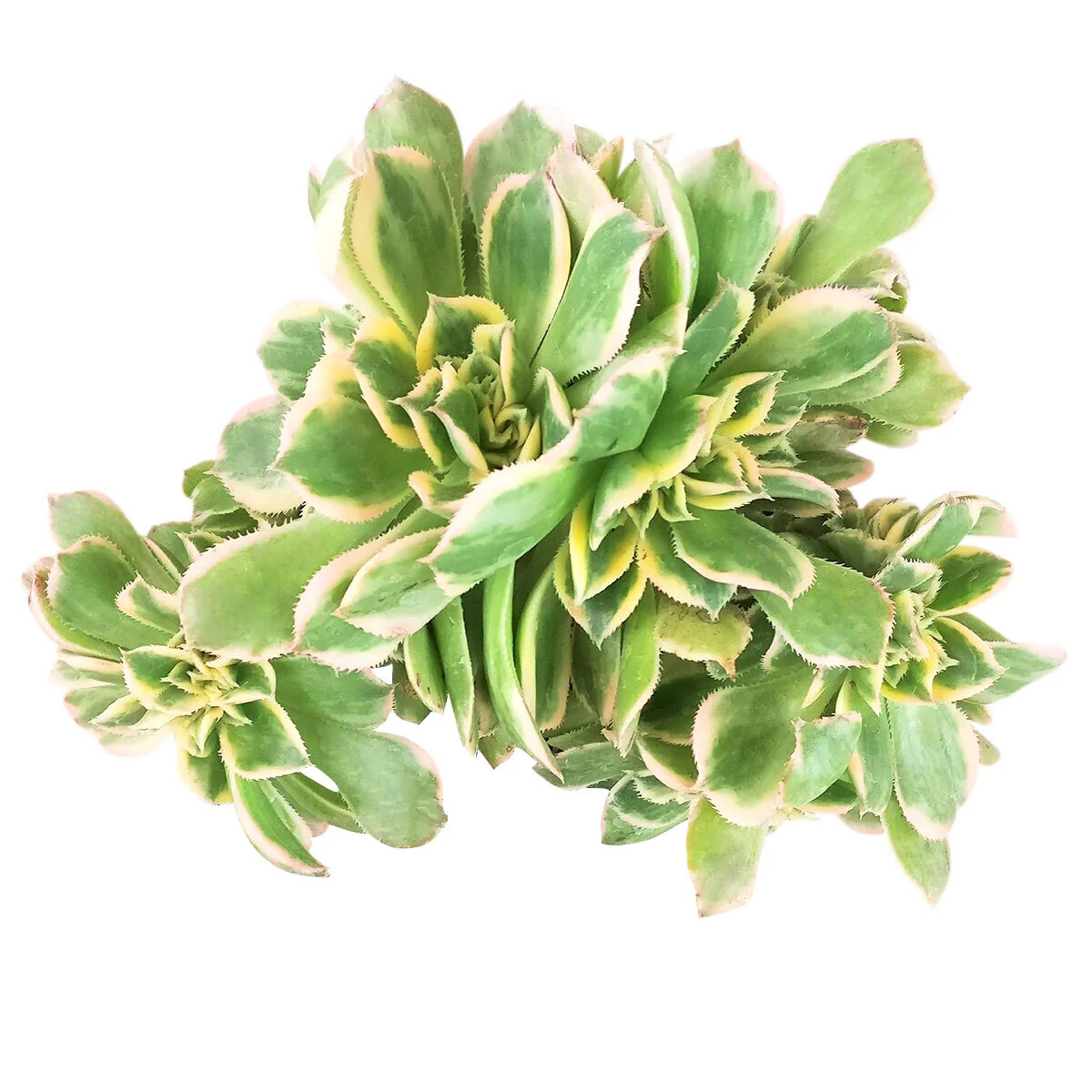
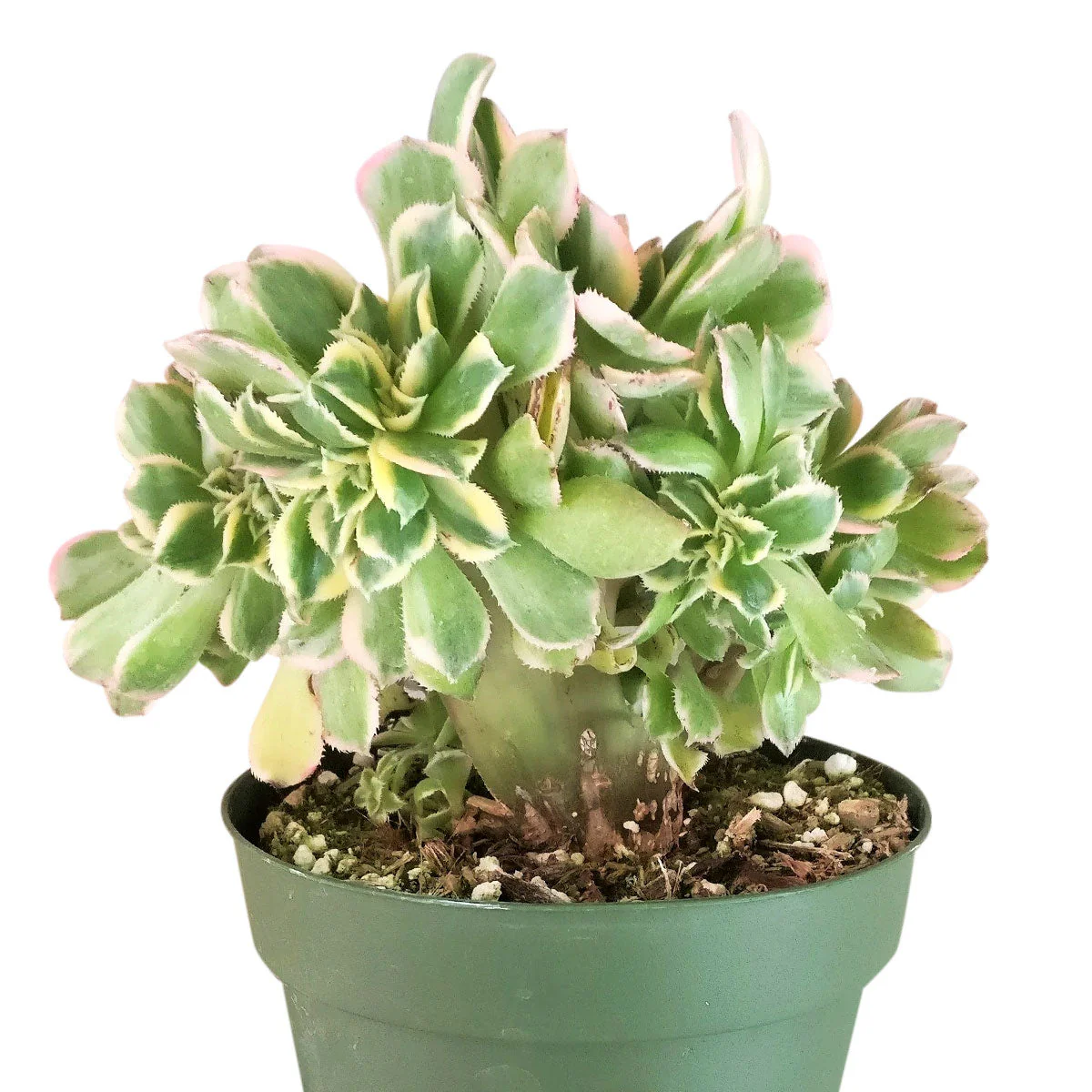
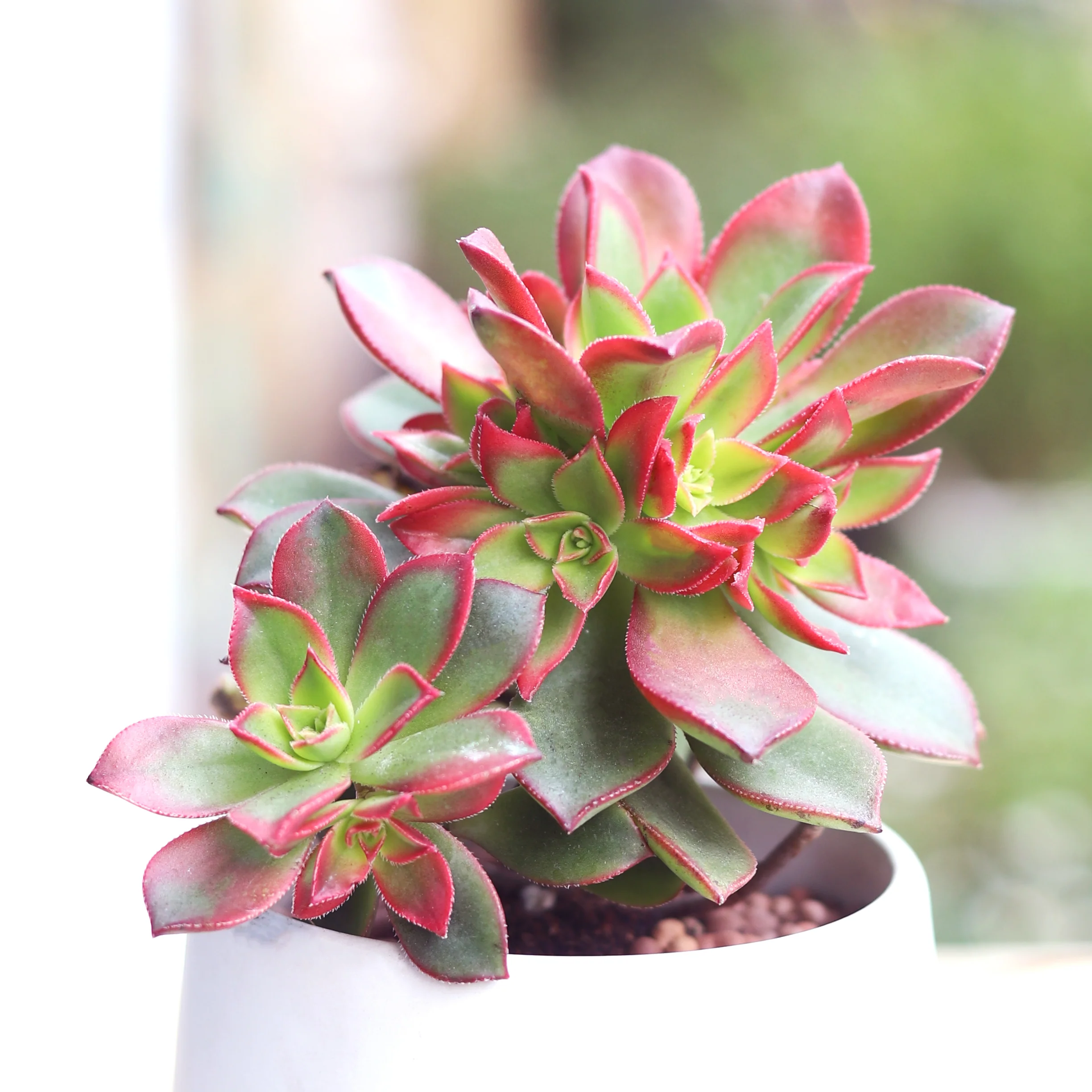
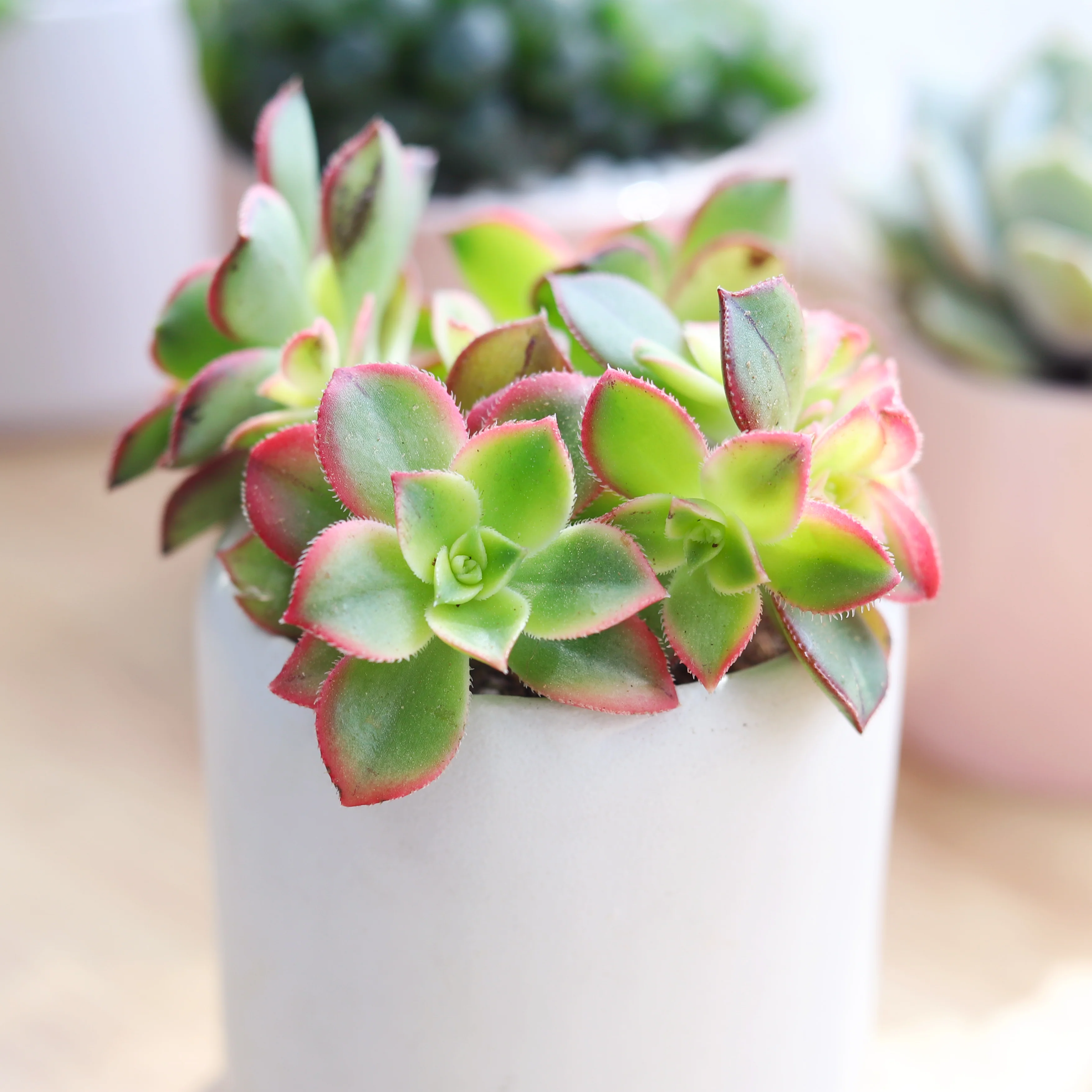
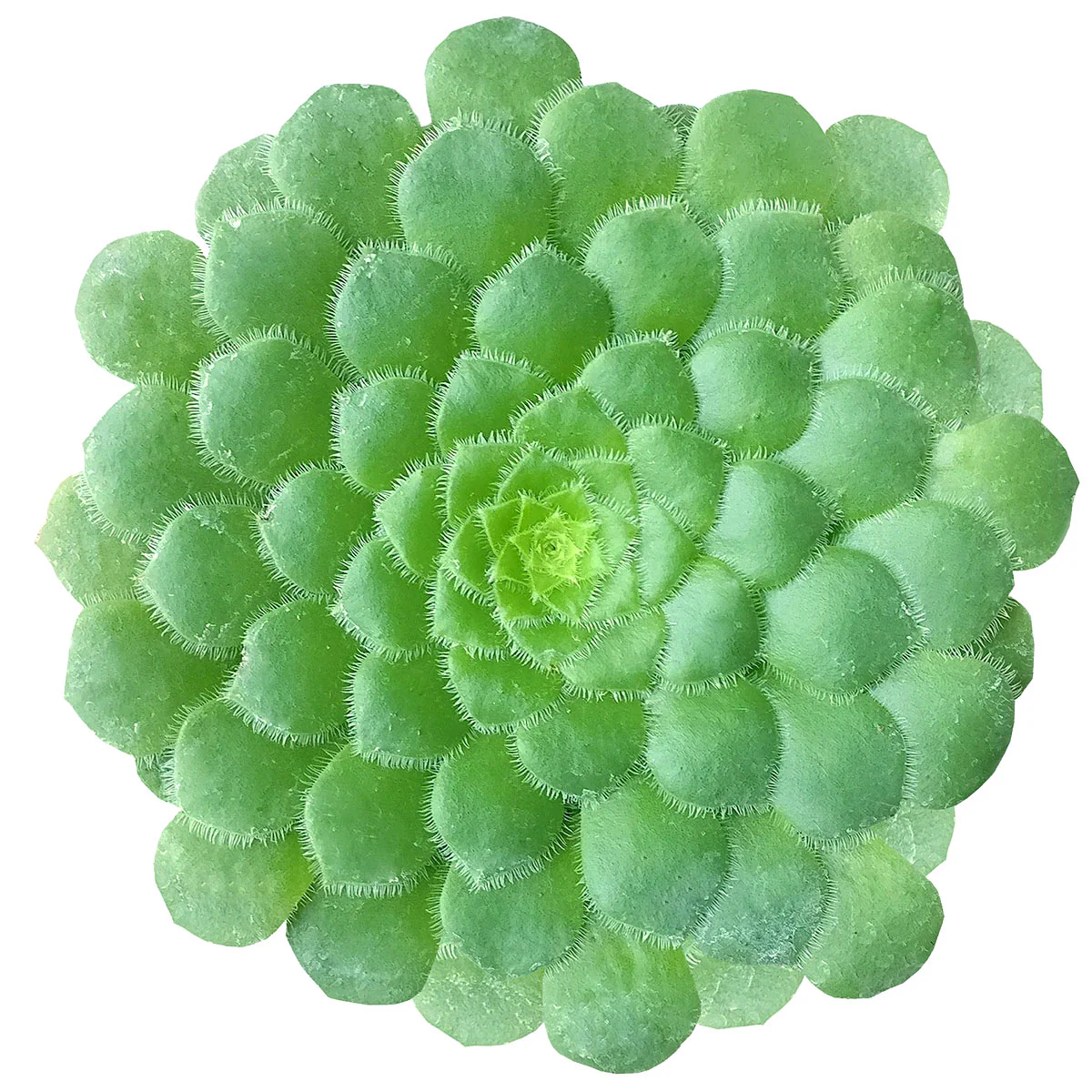
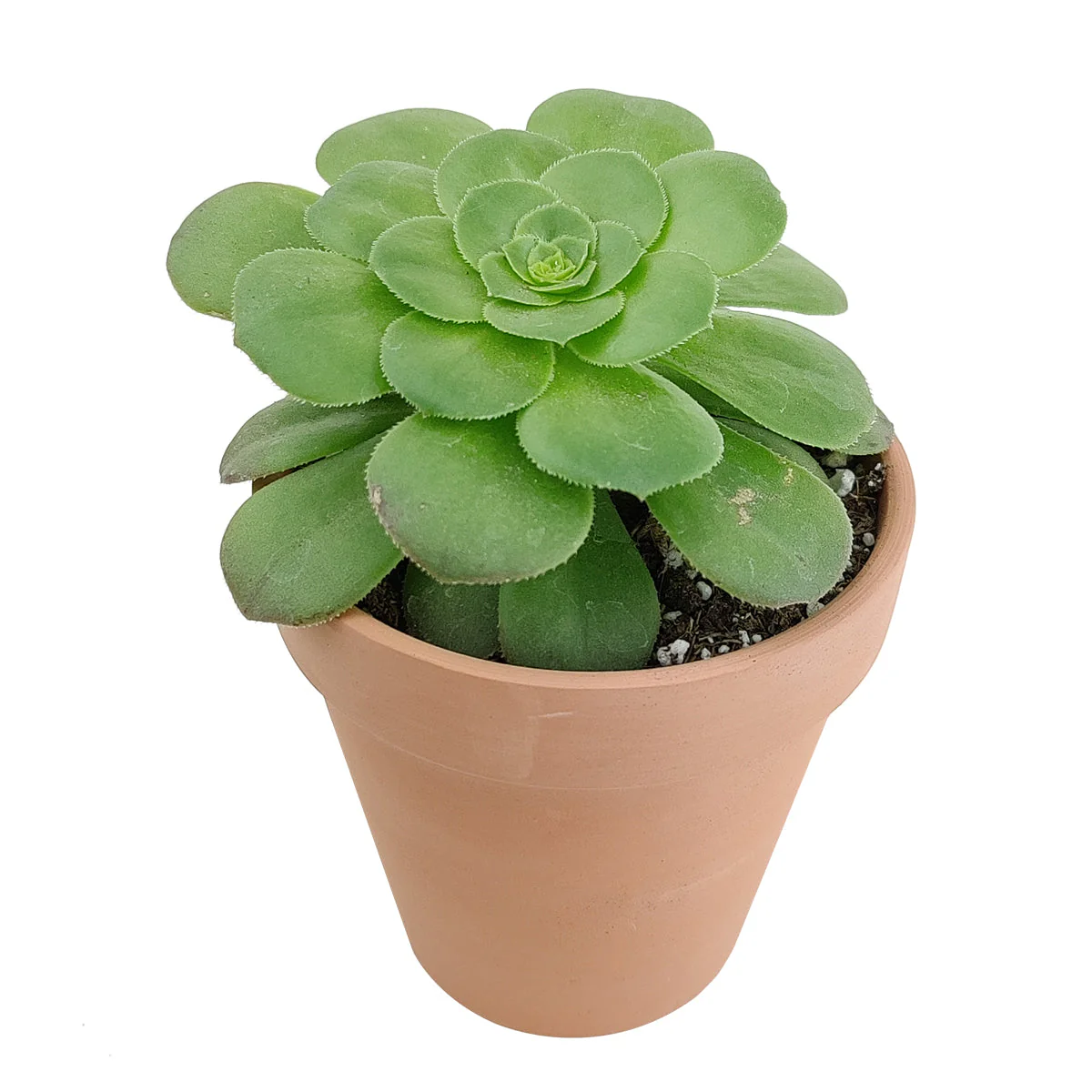
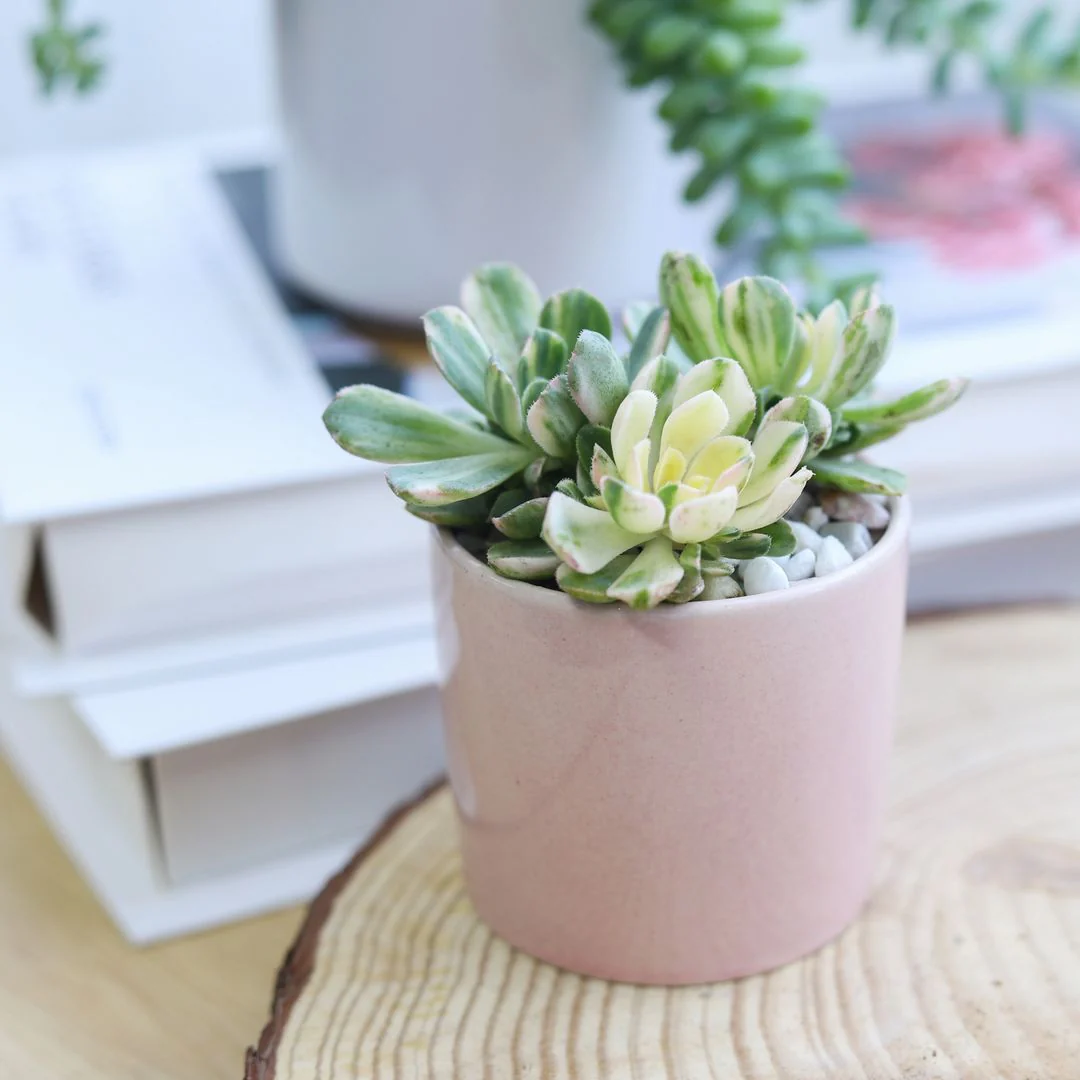
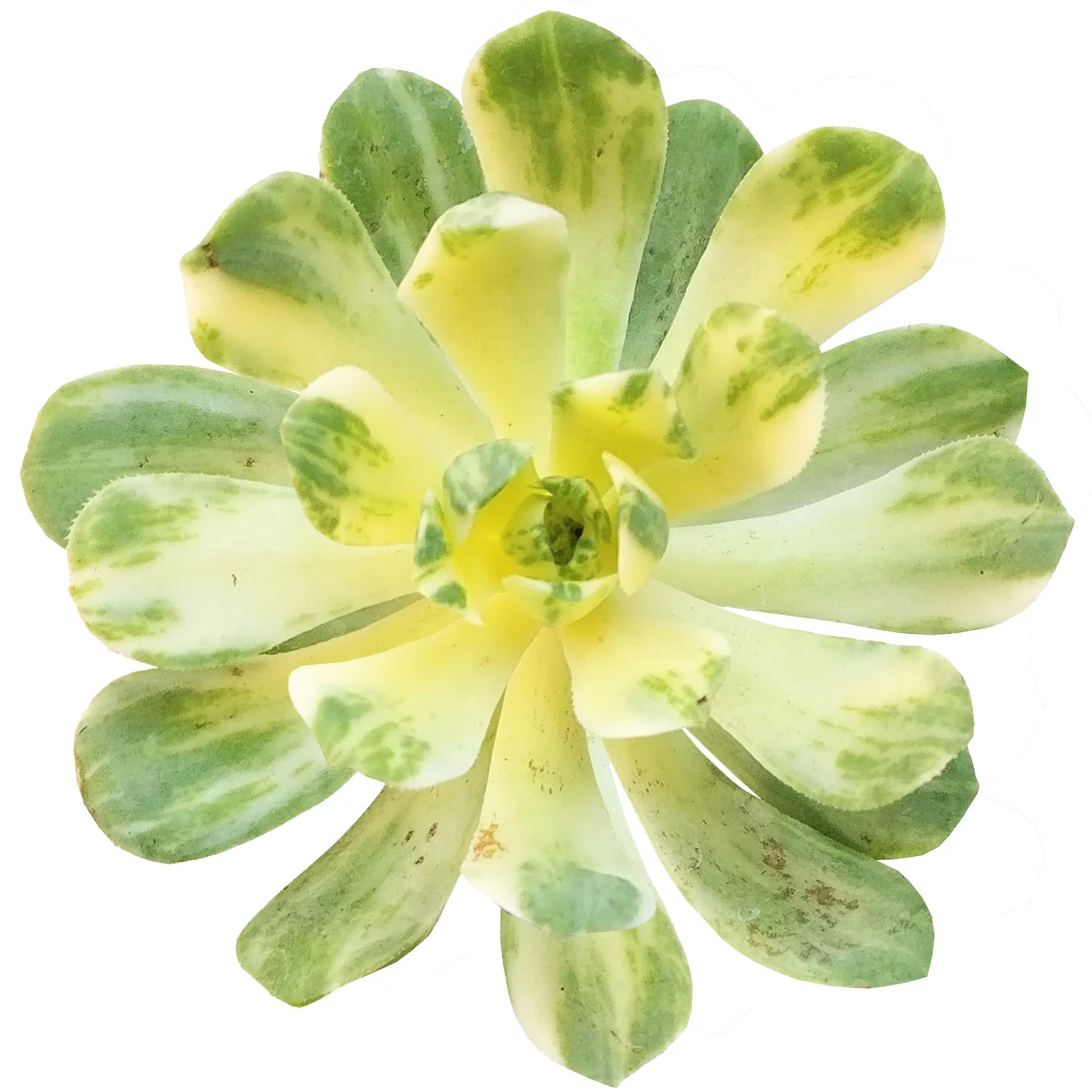
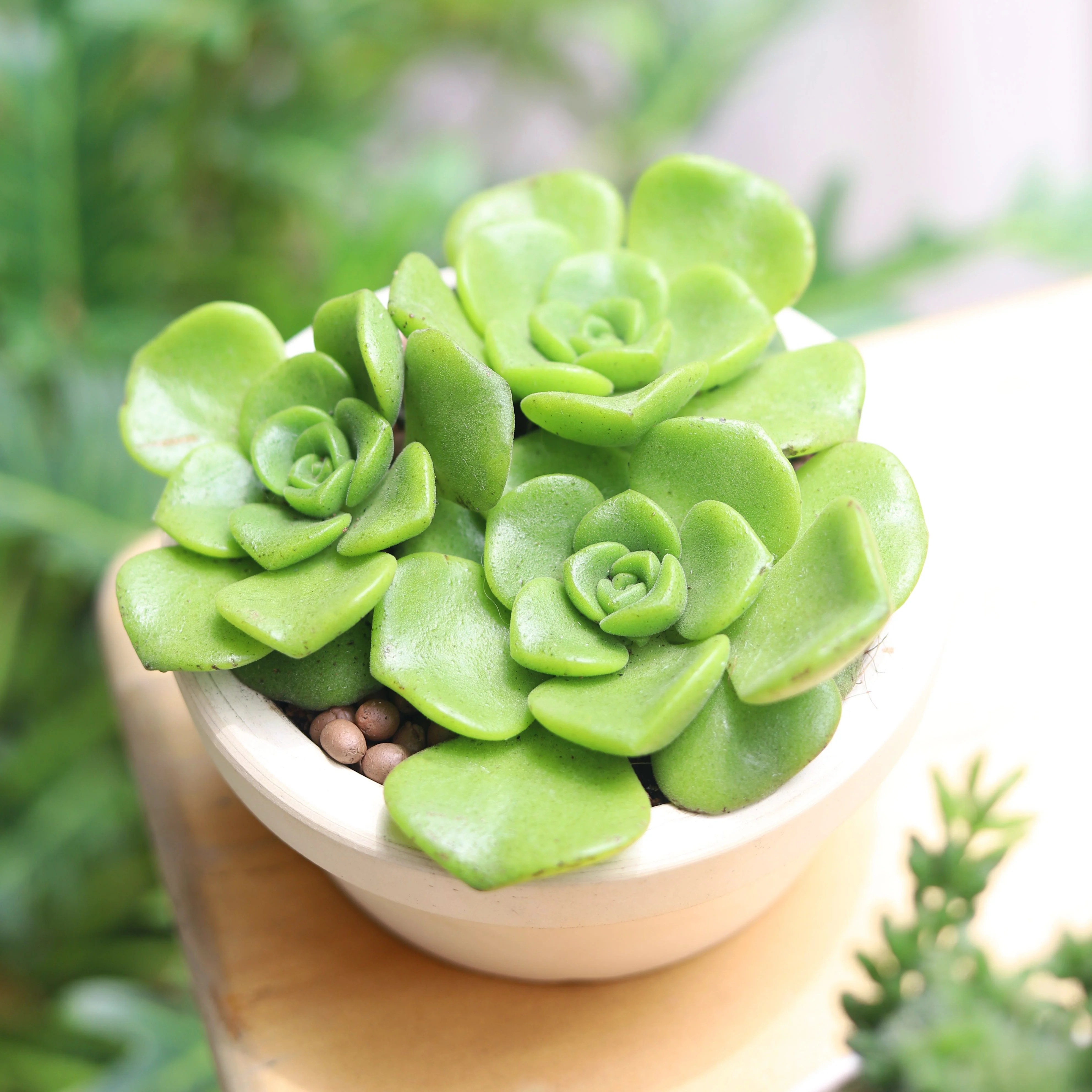
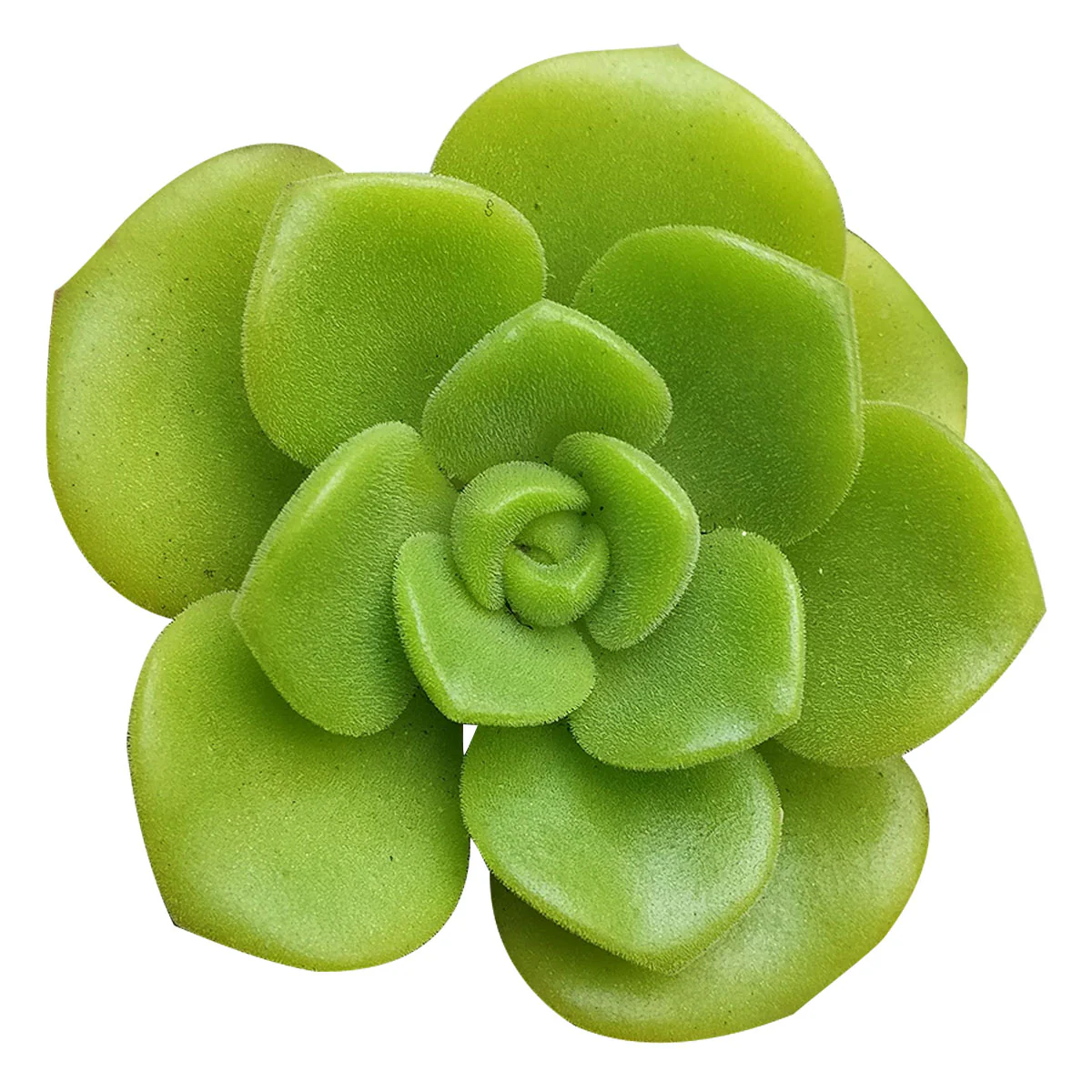
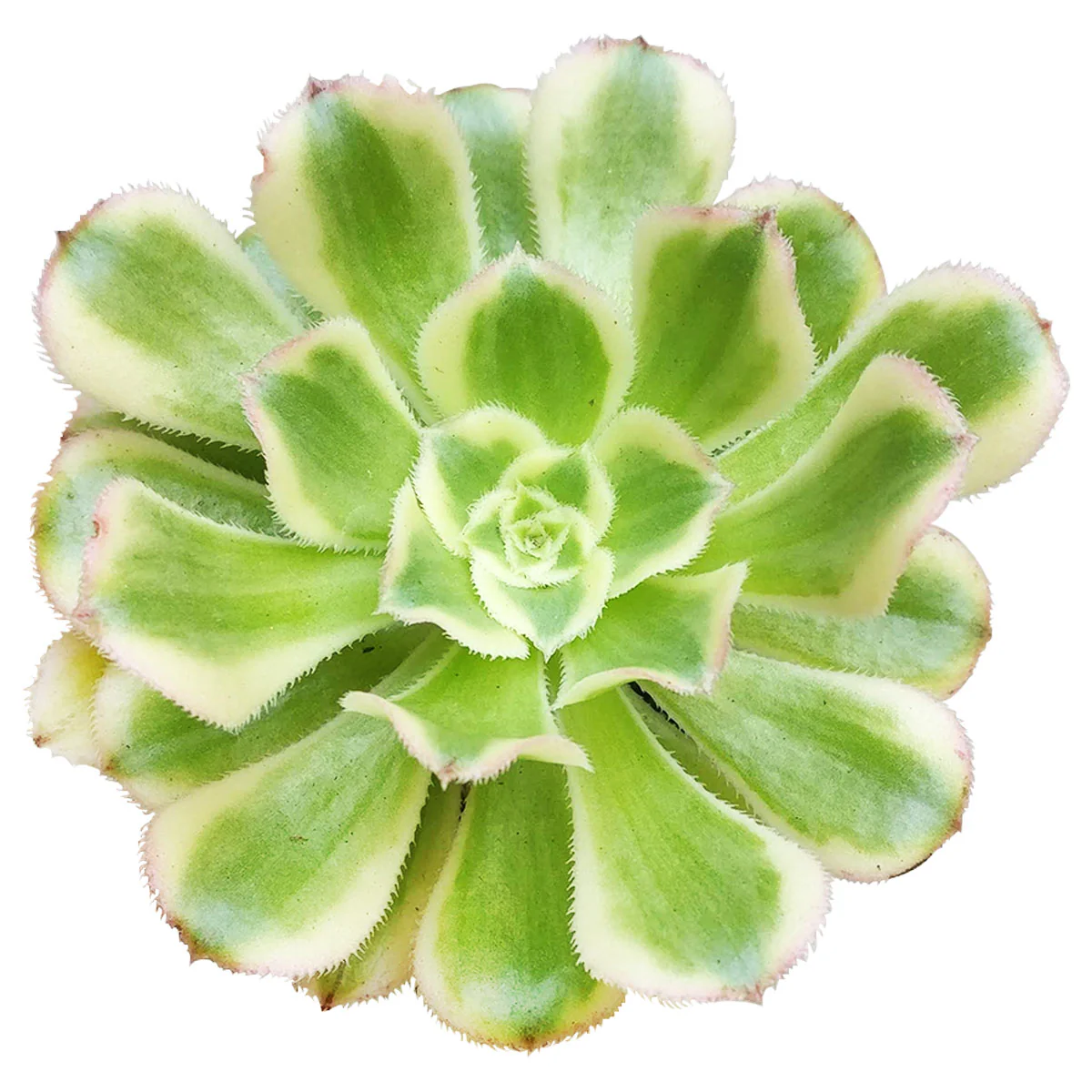
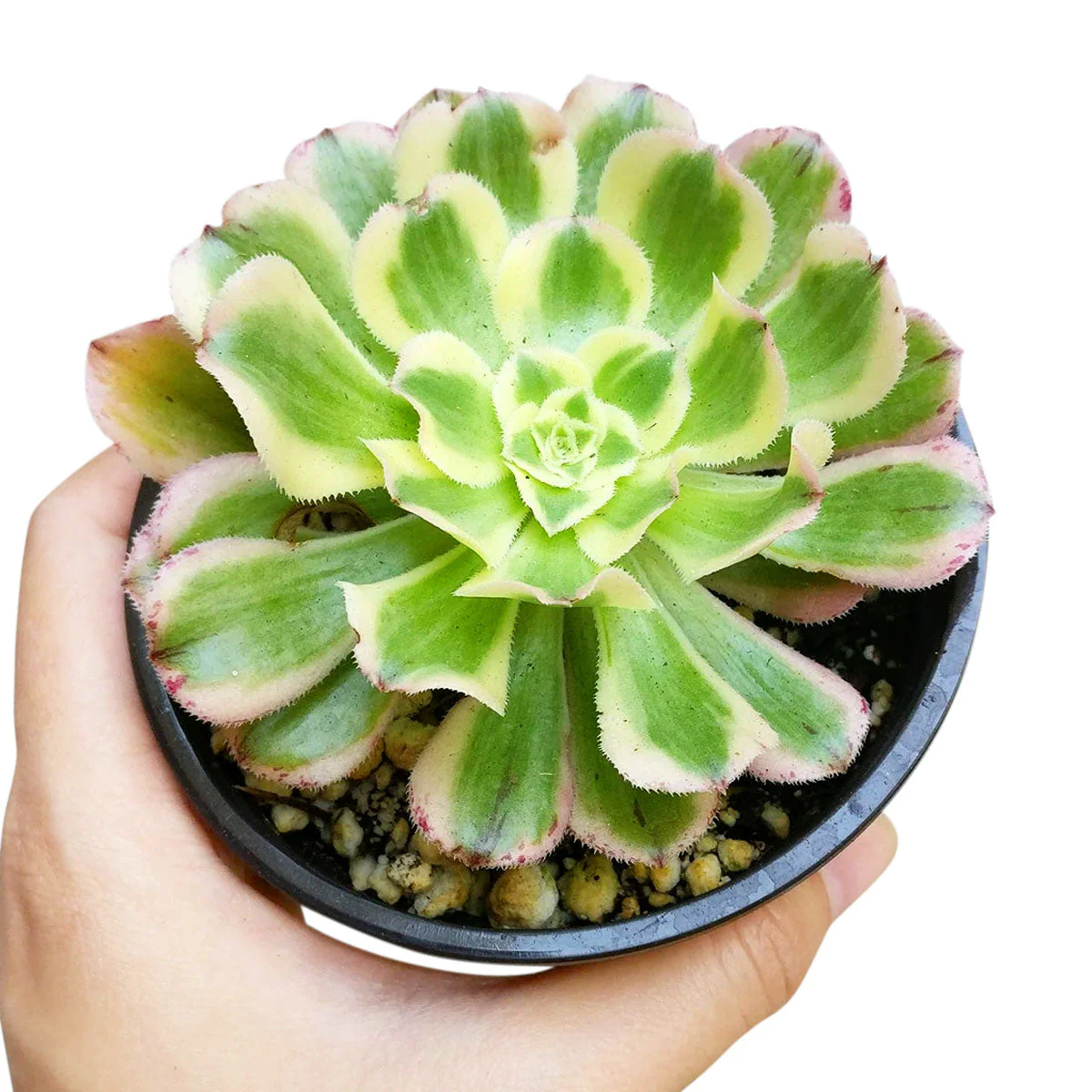
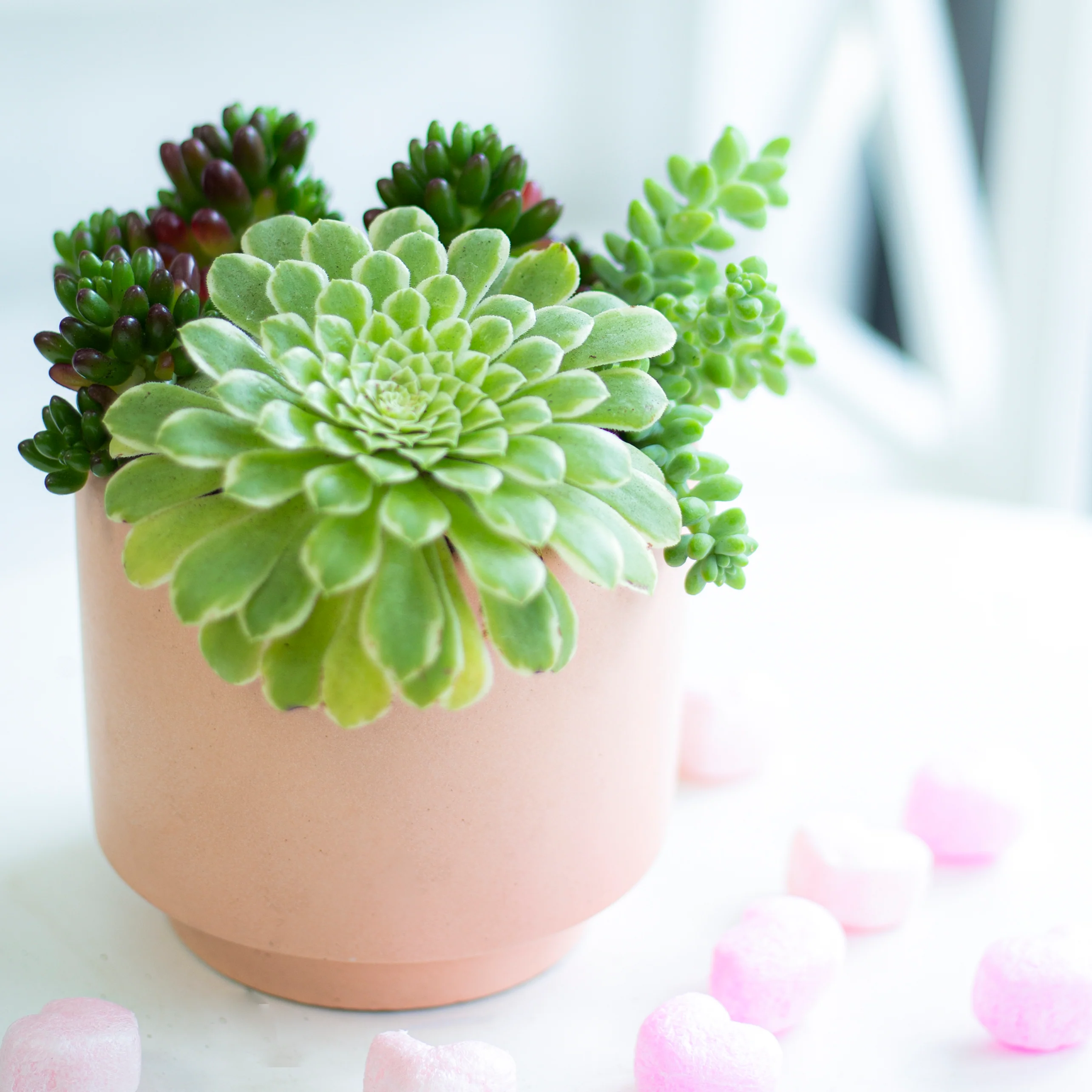
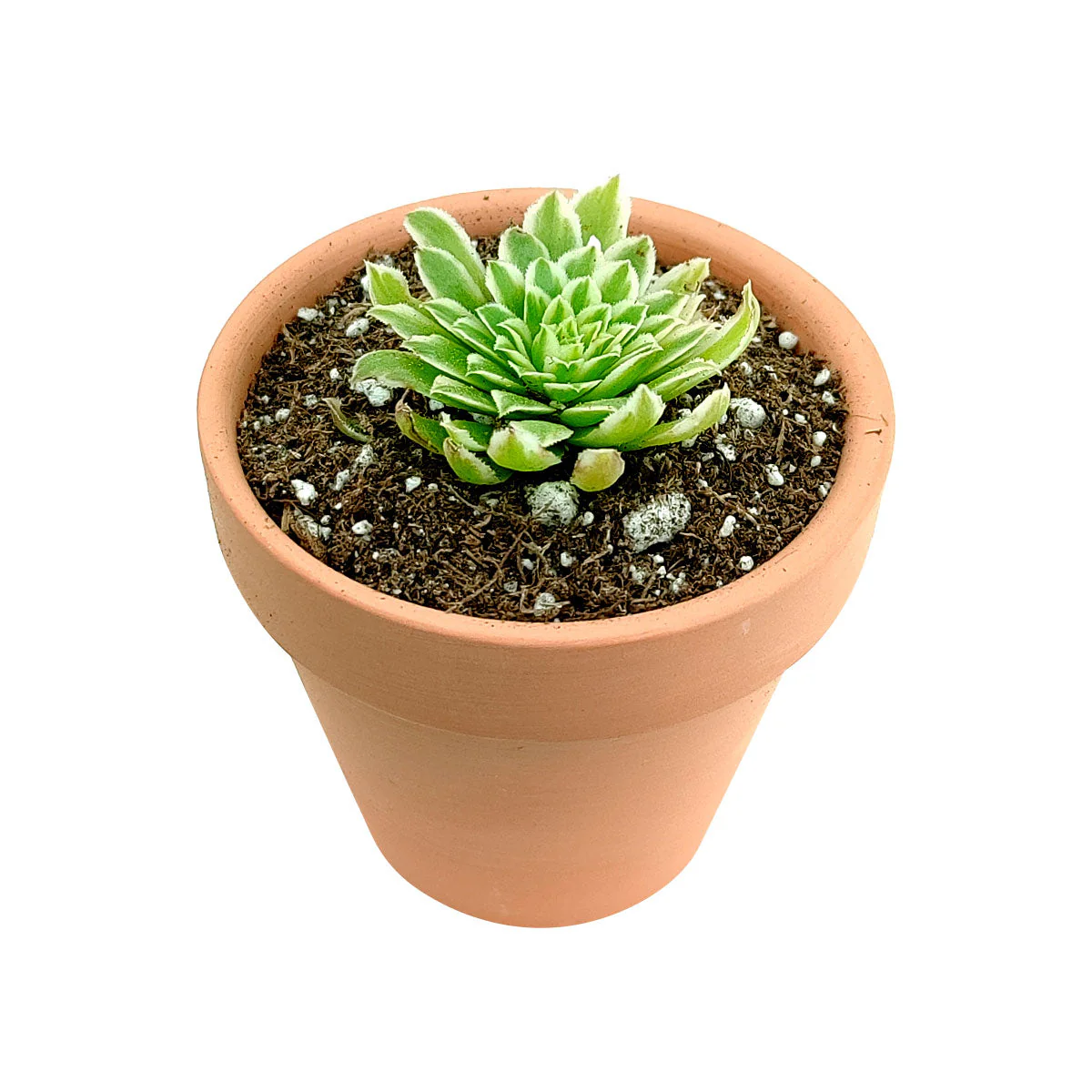
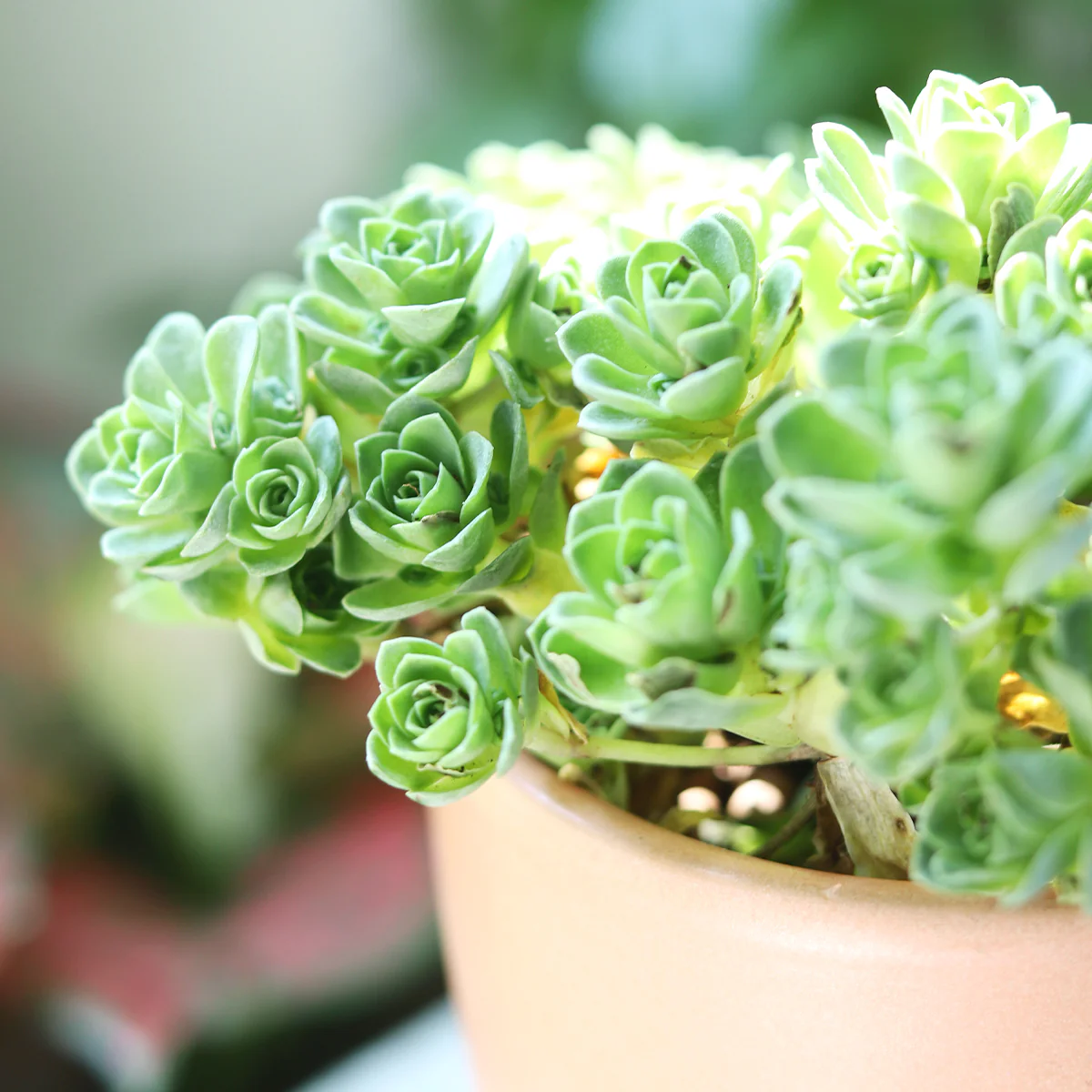
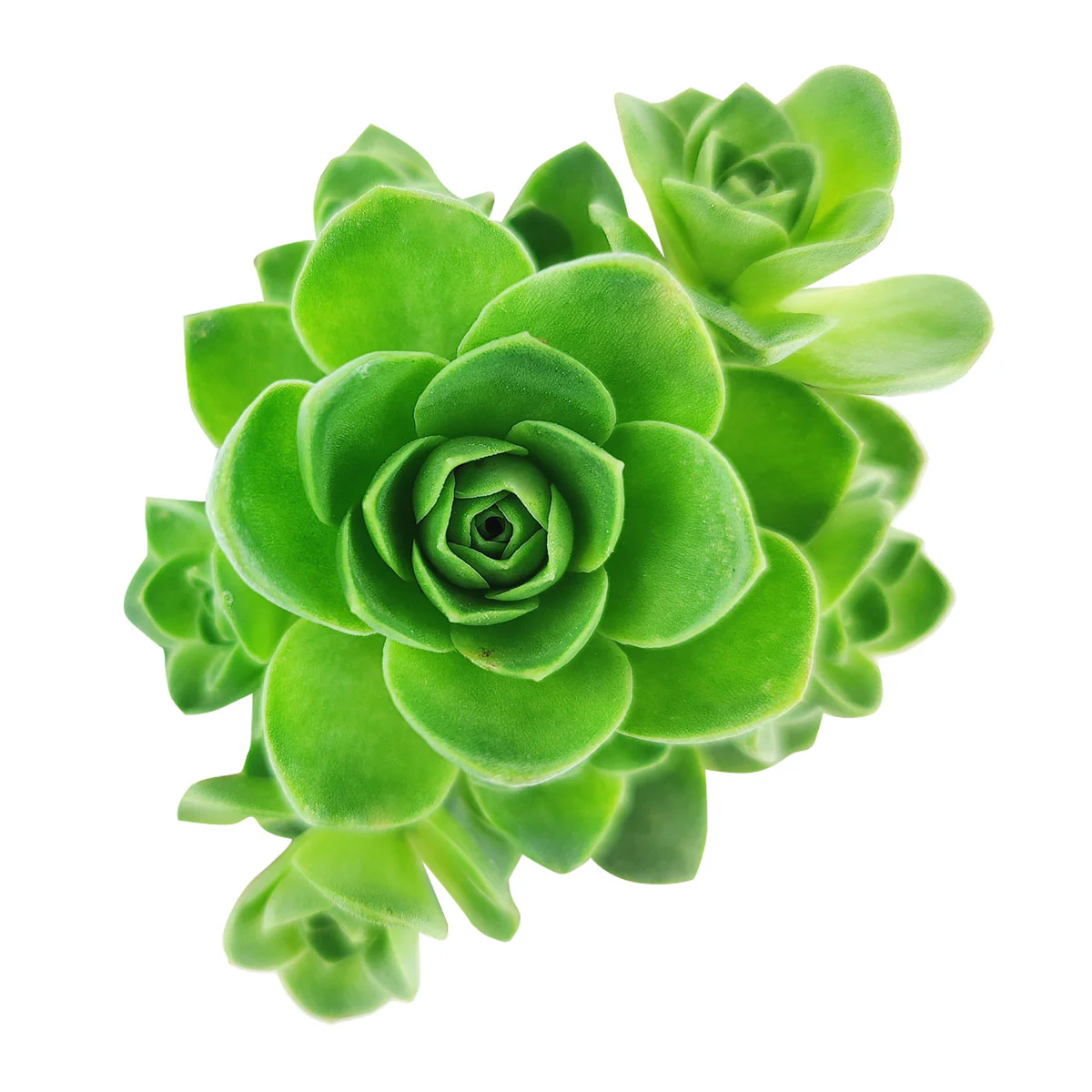
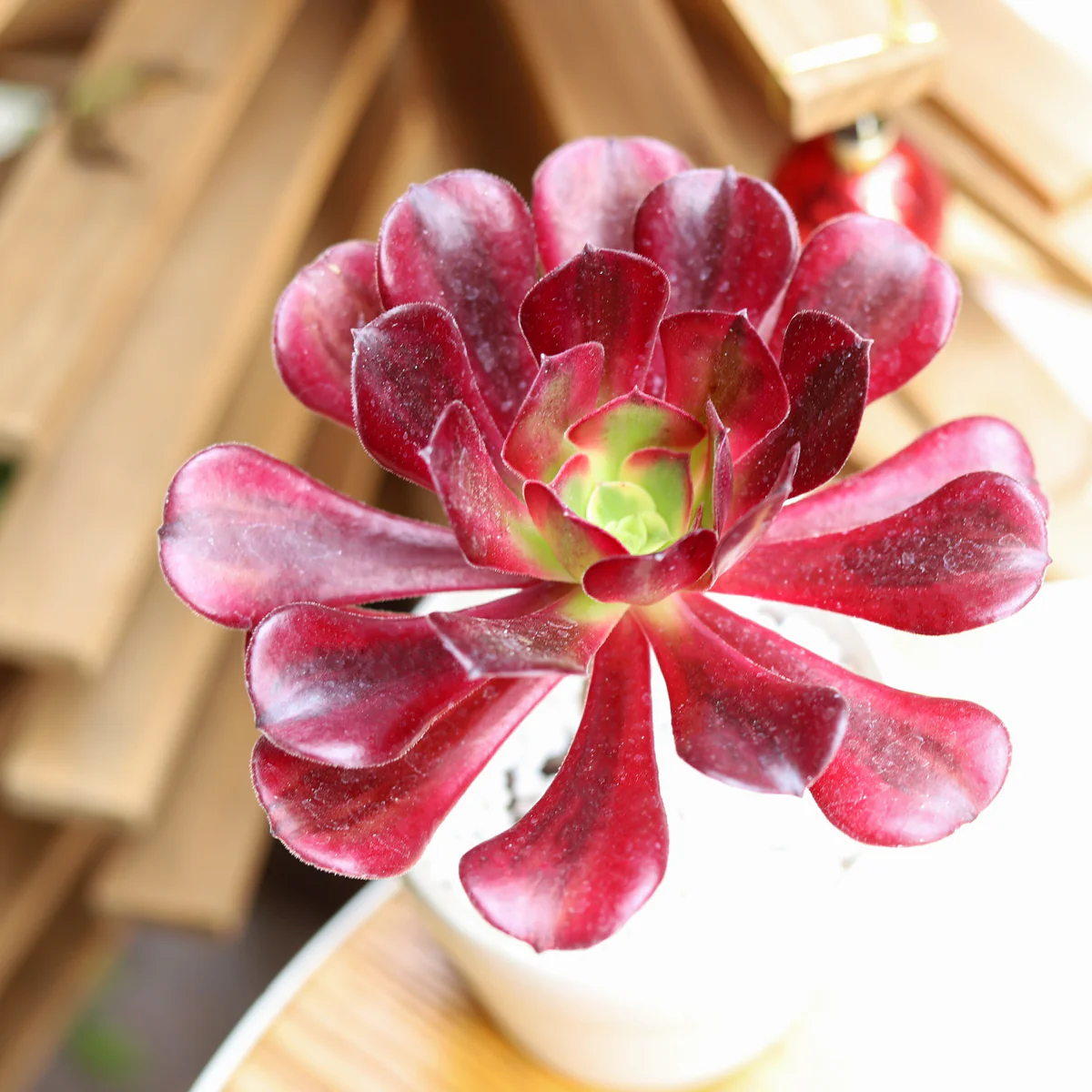
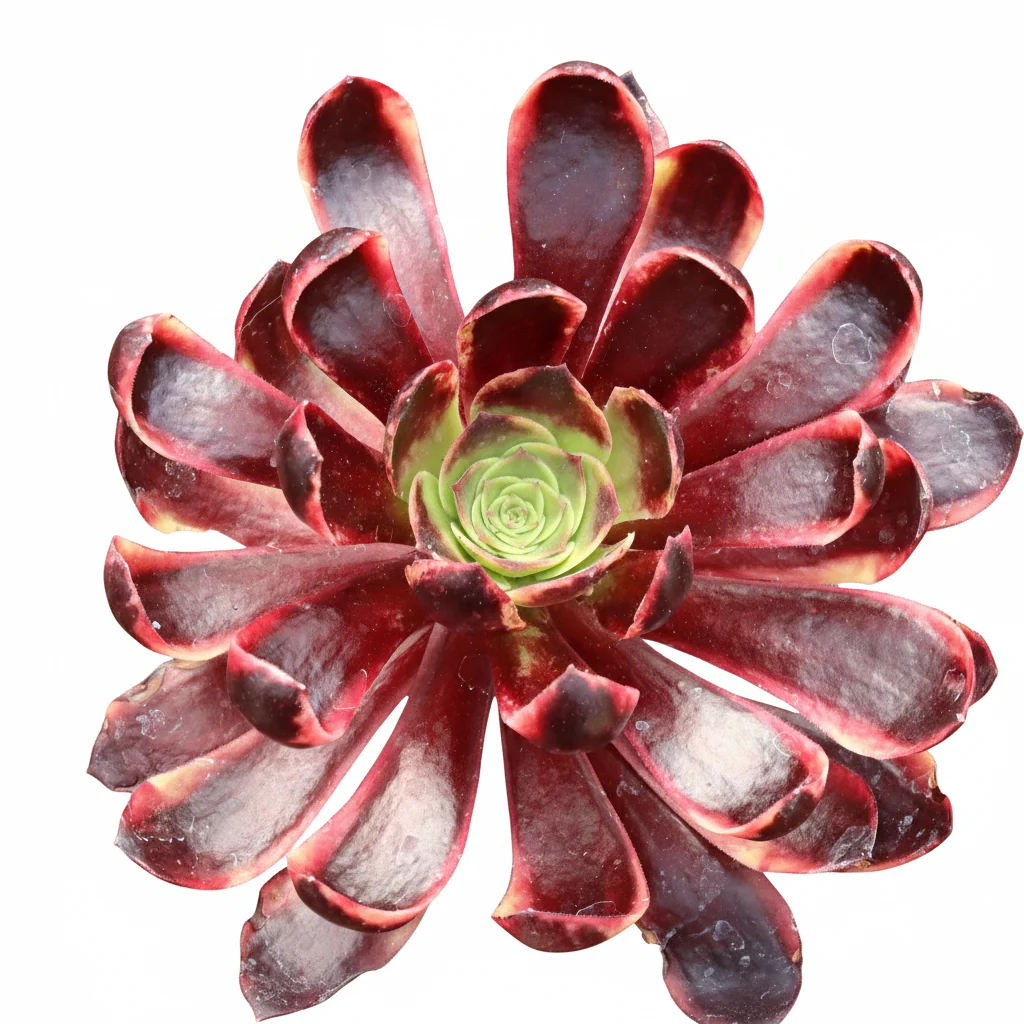
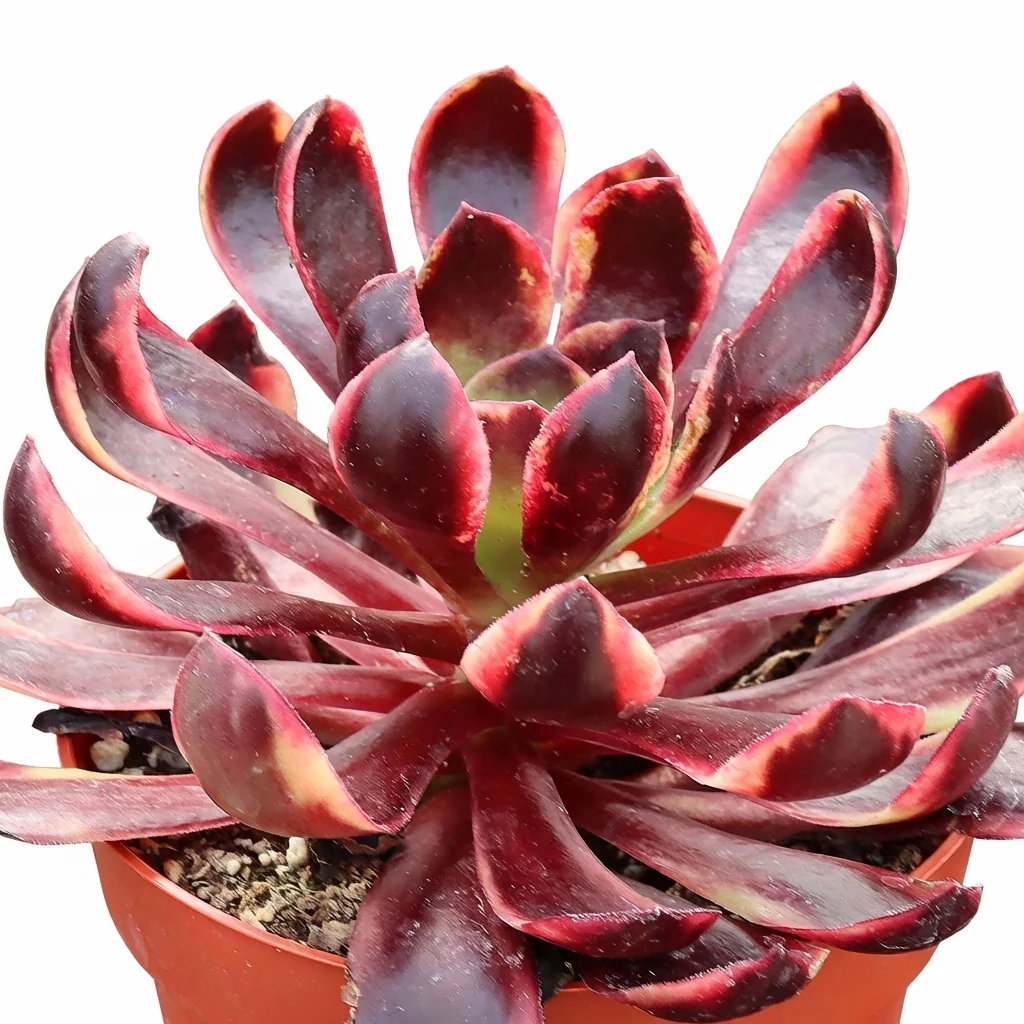
 Aeonium lindleyi produces tight, symmetrical rosettes of small, sticky, velvety leaves with a rich green color and slightly serrated edges that catch light beautifully. The plant clusters freely over time, sending up multiple rosette heads on short upright stems to create a full, sculptural mound. That velvety rosette texture is the defining visual signature that makes Aeonium lindleyi instantly recognizable and endlessly photogenic.
 Aeonium lindleyi produces cheerful yellow flowers that emerge from the center of mature rosettes, typically in late winter to spring, signaling the plant has experienced the cool night temperatures it needs to trigger blooming. Like all Aeoniums, individual flowering rosettes are monocarpic and die back after blooming, but the surrounding offsets carry on, keeping the cluster full and healthy. Rotating the plant every few weeks encourages even, symmetrical rosette development so the display stays picture-perfect year-round.
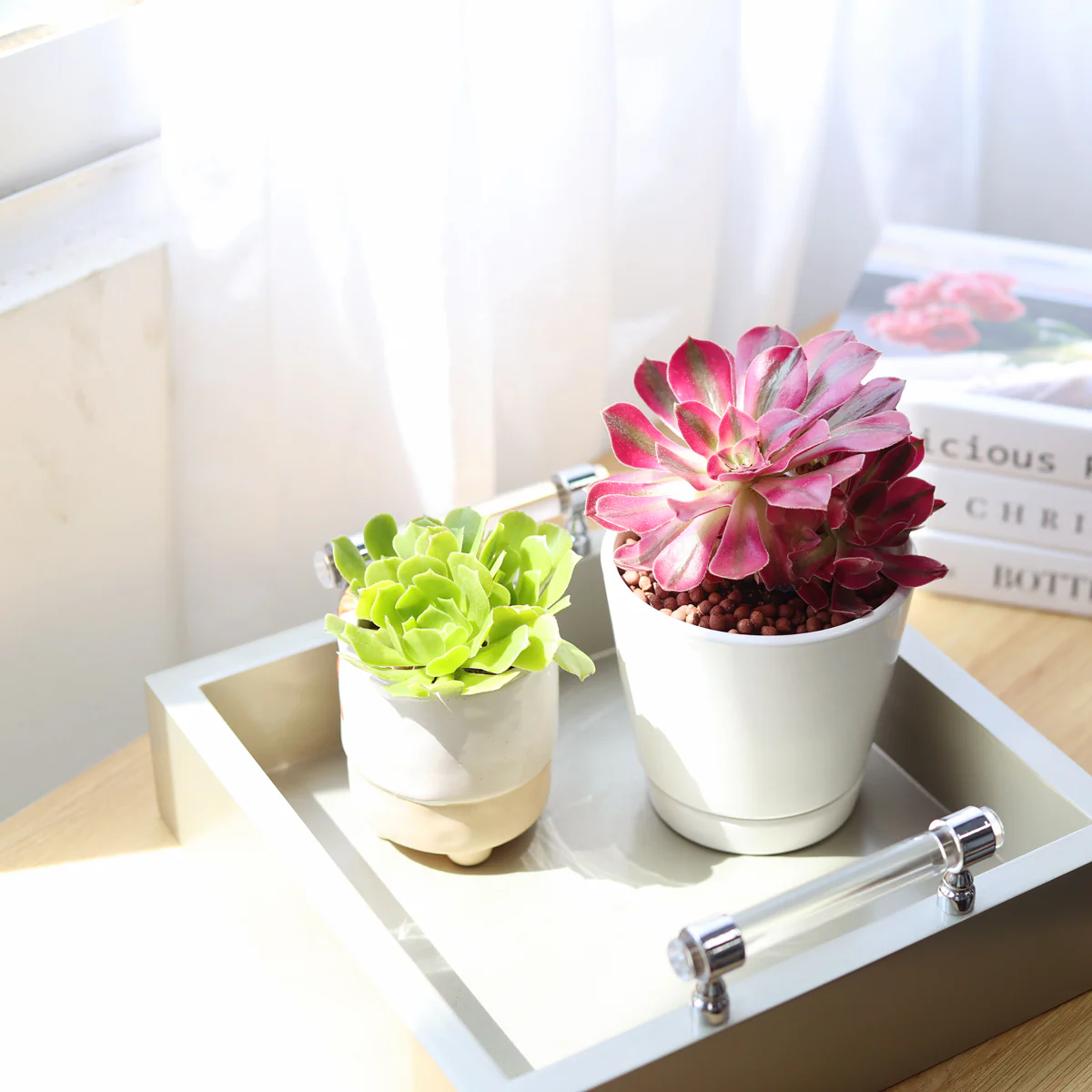
 Aeonium lindleyi is a genuinely beginner-friendly, low maintenance succulent that forgives occasional neglect and tolerates dry heated indoor air with ease. It can move outside for the summer months to soak up natural sun, but needs cover from rain to prevent root rot. This is a pet friendly plant, worry-free in homes with cats or dogs, and its compact clustering habit makes it perfect for sunny windowsills, patio containers, and succulent dish gardens. Rare in cultivation and easy to love, Aeonium lindleyi is a standout addition for both new and experienced collectors.
-
 Aeonium lindleyi thrives in bright indirect light to partial or full sun, ideally near an east or west-facing window.
 Water Aeonium lindleyi deeply every 10 to 14 days in the growing season, allowing soil to dry completely between waterings.
 Aeonium lindleyi performs best in a fast-draining cactus and succulent mix blended with 20 to 30 percent perlite.
 Aeonium lindleyi prefers temperatures between 65 and 75°F (18 to 24°C) and needs cool nights around 50°F (10°C) to trigger blooming.
![]() Aeonium lindleyi is a slow to moderate grower that benefits from a light balanced fertilizer applied once monthly during spring and summer only.
Aeonium lindleyi is a slow to moderate grower that benefits from a light balanced fertilizer applied once monthly during spring and summer only.
 Aeonium lindleyi is hardy in USDA Zones 9 through 11, tolerating brief dips to around 25 to 28°F (-4 to -2°C) but performing best above freezing. Outdoors year-round growing suits warm regions including California, Hawaii, Arizona, Texas, Florida, Louisiana, Georgia, South Carolina, Alabama, Mississippi, and Nevada. Gardeners along the mild Oregon coast and in sheltered pockets of New Mexico and Arkansas Zone 8 edges can also grow Aeonium lindleyi outdoors with light frost protection.
-
Q: How often should I water Aeonium lindleyi?
A: Water Aeonium lindleyi every 10 to 14 days during active growth, letting the soil dry out fully between waterings. In winter, reduce watering significantly as the plant slows down.
Q: Is Aeonium lindleyi pet friendly?
A: Yes, Aeonium lindleyi is pet friendly and considered non-toxic to cats and dogs. It is a safe choice for households with curious pets.
Q: How much light does Aeonium lindleyi need?
A: Aeonium lindleyi grows best in bright indirect light to partial or full sun, making a sunny east or west-facing windowsill ideal. Avoid harsh south-window direct sun in summer, which can scorch the leaves.
Q: How do I propagate Aeonium lindleyi?
A: The easiest way to propagate Aeonium lindleyi is by removing offsets or taking stem cuttings and allowing the cut end to callous for a day or two before planting in dry succulent mix. Rooting typically occurs within two to four weeks.
Q: How big does Aeonium lindleyi get?
A: Aeonium lindleyi stays relatively compact, with individual rosettes reaching about 2 to 3 inches (5 to 8 cm) across and the clustering mound spreading wider over time. Its manageable size makes it perfect for windowsills and small containers.
Q: Why is Aeonium lindleyi considered rare?
A: Aeonium lindleyi is not widely propagated commercially, so it appears far less often than common succulent varieties, making it a prized find for collectors. Its velvety texture and clustering rosette form add to its desirability among enthusiasts.


Original: $8.00
-70%$8.00
$2.40Product Information
Product Information
Shipping & Returns
Shipping & Returns
Description
- Description
- Aeonium lindleyi Care Guide
- FAQ/Common Issues
-
![]() Aeonium lindleyi is a charming rosette-forming succulent in the family Crassulaceae, native to the Canary Islands off the northwest coast of Africa. There it grows on rocky, sun-drenched slopes where dry conditions and bright light shape its remarkably tough character. As a rare succulent for sale in cultivation, Aeonium lindleyi brings genuine collector appeal to any plant collection.
Aeonium lindleyi is a charming rosette-forming succulent in the family Crassulaceae, native to the Canary Islands off the northwest coast of Africa. There it grows on rocky, sun-drenched slopes where dry conditions and bright light shape its remarkably tough character. As a rare succulent for sale in cultivation, Aeonium lindleyi brings genuine collector appeal to any plant collection.
Aeonium lindleyi produces tight, symmetrical rosettes of small, sticky, velvety leaves with a rich green color and slightly serrated edges that catch light beautifully. The plant clusters freely over time, sending up multiple rosette heads on short upright stems to create a full, sculptural mound. That velvety rosette texture is the defining visual signature that makes Aeonium lindleyi instantly recognizable and endlessly photogenic.
Aeonium lindleyi produces cheerful yellow flowers that emerge from the center of mature rosettes, typically in late winter to spring, signaling the plant has experienced the cool night temperatures it needs to trigger blooming. Like all Aeoniums, individual flowering rosettes are monocarpic and die back after blooming, but the surrounding offsets carry on, keeping the cluster full and healthy. Rotating the plant every few weeks encourages even, symmetrical rosette development so the display stays picture-perfect year-round.
Aeonium lindleyi is a genuinely beginner-friendly, low maintenance succulent that forgives occasional neglect and tolerates dry heated indoor air with ease. It can move outside for the summer months to soak up natural sun, but needs cover from rain to prevent root rot. This is a pet friendly plant, worry-free in homes with cats or dogs, and its compact clustering habit makes it perfect for sunny windowsills, patio containers, and succulent dish gardens. Rare in cultivation and easy to love, Aeonium lindleyi is a standout addition for both new and experienced collectors.
-
Aeonium lindleyi thrives in bright indirect light to partial or full sun, ideally near an east or west-facing window.
Water Aeonium lindleyi deeply every 10 to 14 days in the growing season, allowing soil to dry completely between waterings.
Aeonium lindleyi performs best in a fast-draining cactus and succulent mix blended with 20 to 30 percent perlite.
Aeonium lindleyi prefers temperatures between 65 and 75°F (18 to 24°C) and needs cool nights around 50°F (10°C) to trigger blooming.
![]() Aeonium lindleyi is a slow to moderate grower that benefits from a light balanced fertilizer applied once monthly during spring and summer only.
Aeonium lindleyi is a slow to moderate grower that benefits from a light balanced fertilizer applied once monthly during spring and summer only.
Aeonium lindleyi is hardy in USDA Zones 9 through 11, tolerating brief dips to around 25 to 28°F (-4 to -2°C) but performing best above freezing. Outdoors year-round growing suits warm regions including California, Hawaii, Arizona, Texas, Florida, Louisiana, Georgia, South Carolina, Alabama, Mississippi, and Nevada. Gardeners along the mild Oregon coast and in sheltered pockets of New Mexico and Arkansas Zone 8 edges can also grow Aeonium lindleyi outdoors with light frost protection.
-
Q: How often should I water Aeonium lindleyi?
A: Water Aeonium lindleyi every 10 to 14 days during active growth, letting the soil dry out fully between waterings. In winter, reduce watering significantly as the plant slows down.
Q: Is Aeonium lindleyi pet friendly?
A: Yes, Aeonium lindleyi is pet friendly and considered non-toxic to cats and dogs. It is a safe choice for households with curious pets.
Q: How much light does Aeonium lindleyi need?
A: Aeonium lindleyi grows best in bright indirect light to partial or full sun, making a sunny east or west-facing windowsill ideal. Avoid harsh south-window direct sun in summer, which can scorch the leaves.
Q: How do I propagate Aeonium lindleyi?
A: The easiest way to propagate Aeonium lindleyi is by removing offsets or taking stem cuttings and allowing the cut end to callous for a day or two before planting in dry succulent mix. Rooting typically occurs within two to four weeks.
Q: How big does Aeonium lindleyi get?
A: Aeonium lindleyi stays relatively compact, with individual rosettes reaching about 2 to 3 inches (5 to 8 cm) across and the clustering mound spreading wider over time. Its manageable size makes it perfect for windowsills and small containers.
Q: Why is Aeonium lindleyi considered rare?
A: Aeonium lindleyi is not widely propagated commercially, so it appears far less often than common succulent varieties, making it a prized find for collectors. Its velvety texture and clustering rosette form add to its desirability among enthusiasts.