🚚 Free Worldwide Shipping on All Orders!Shop Now

1 / 3
Tillandsia Funckiana
- Description
- Light/Soil/Water
- Hardiness
-
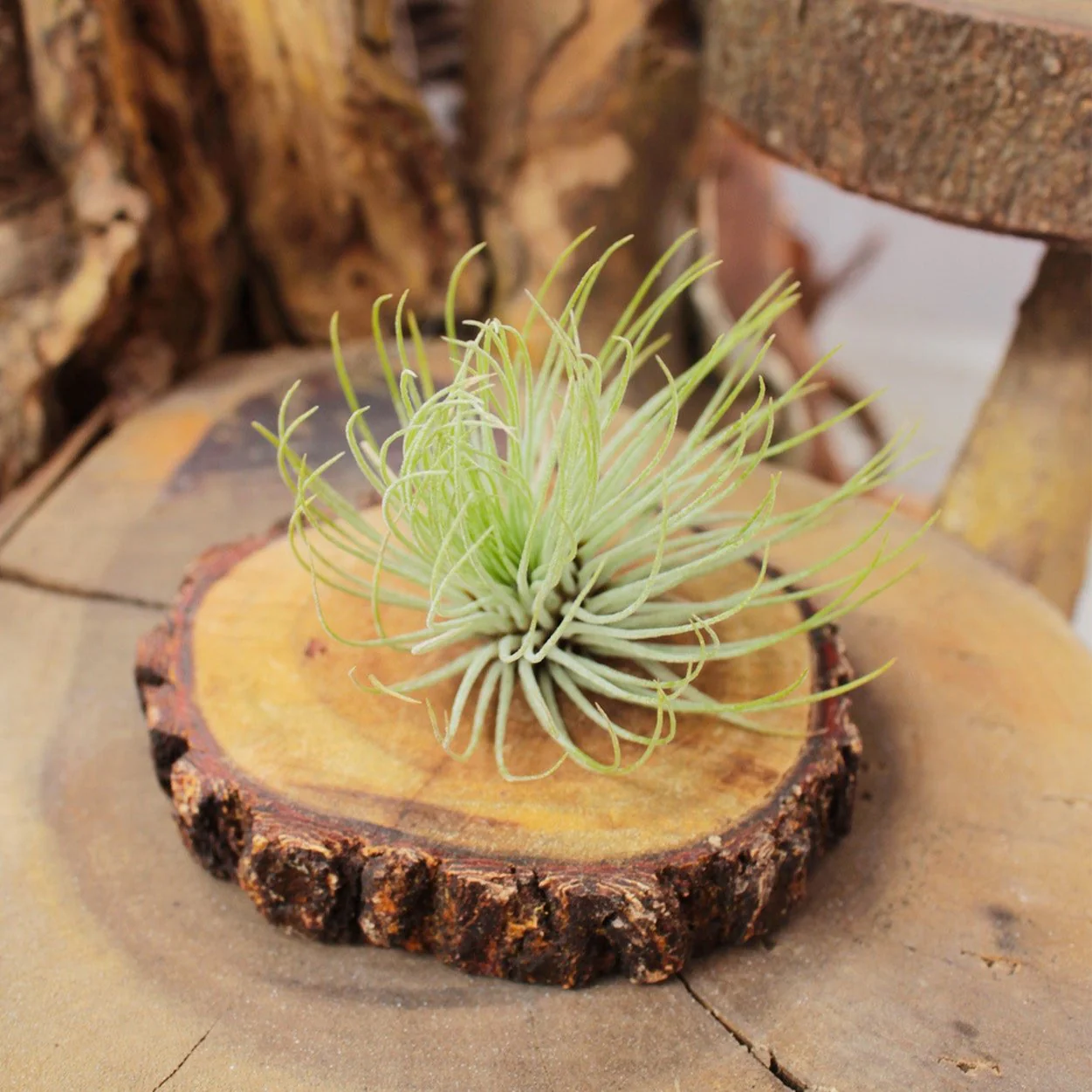
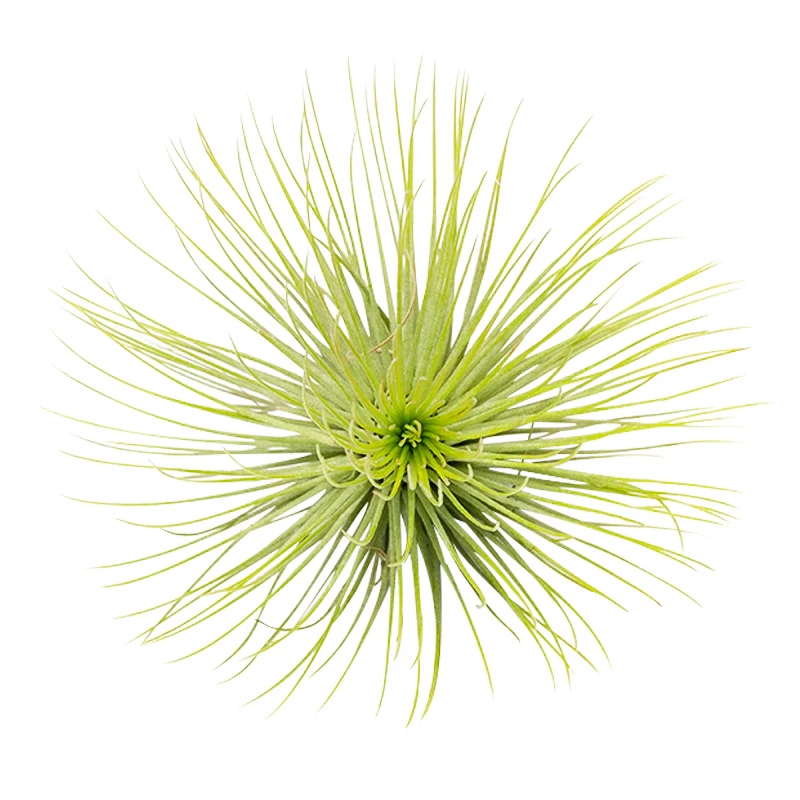
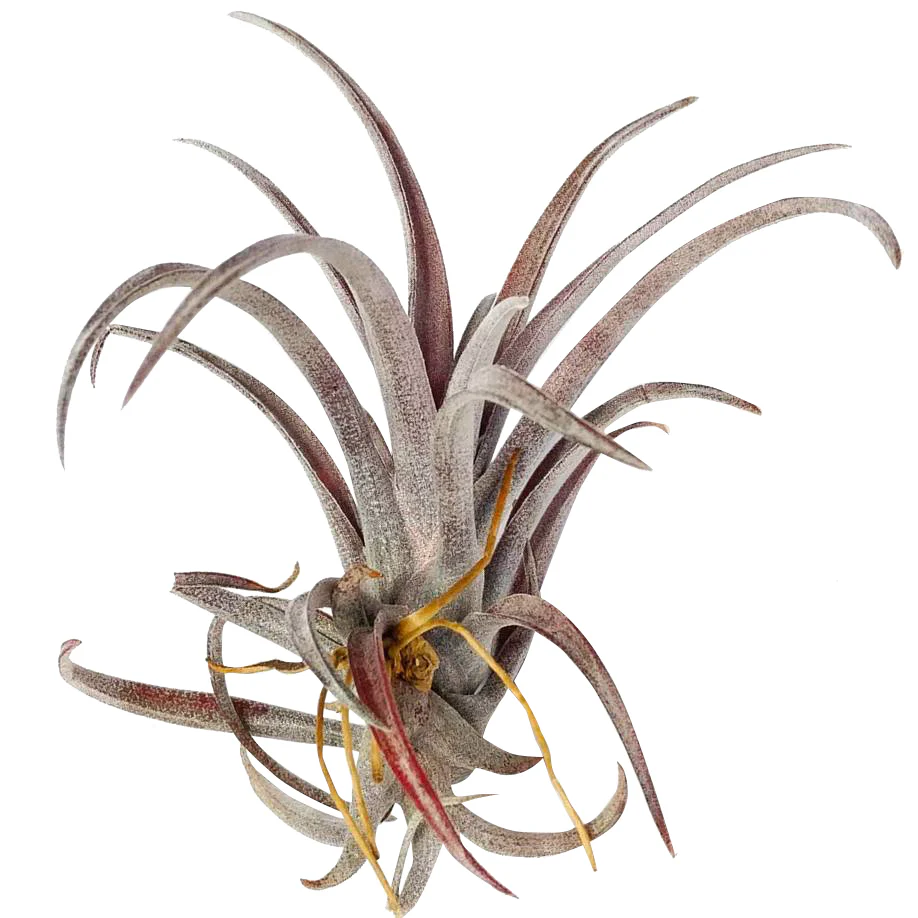
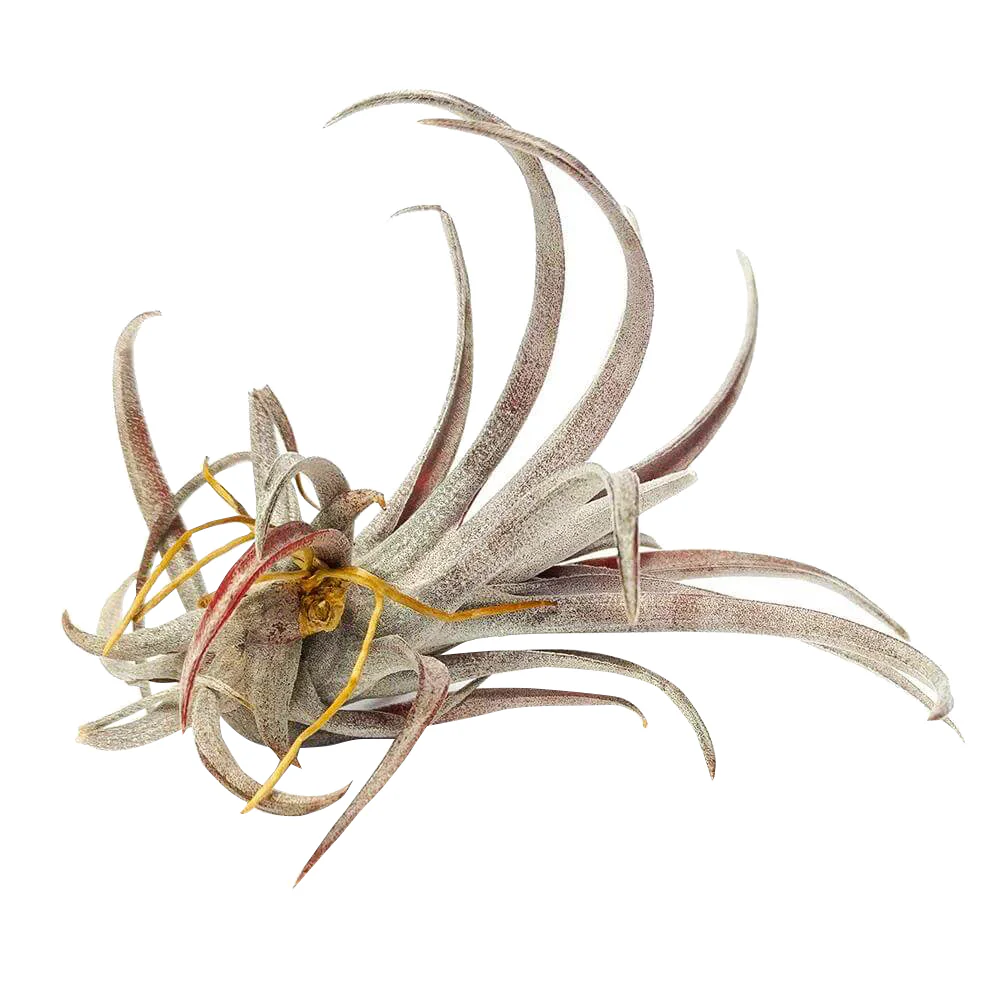
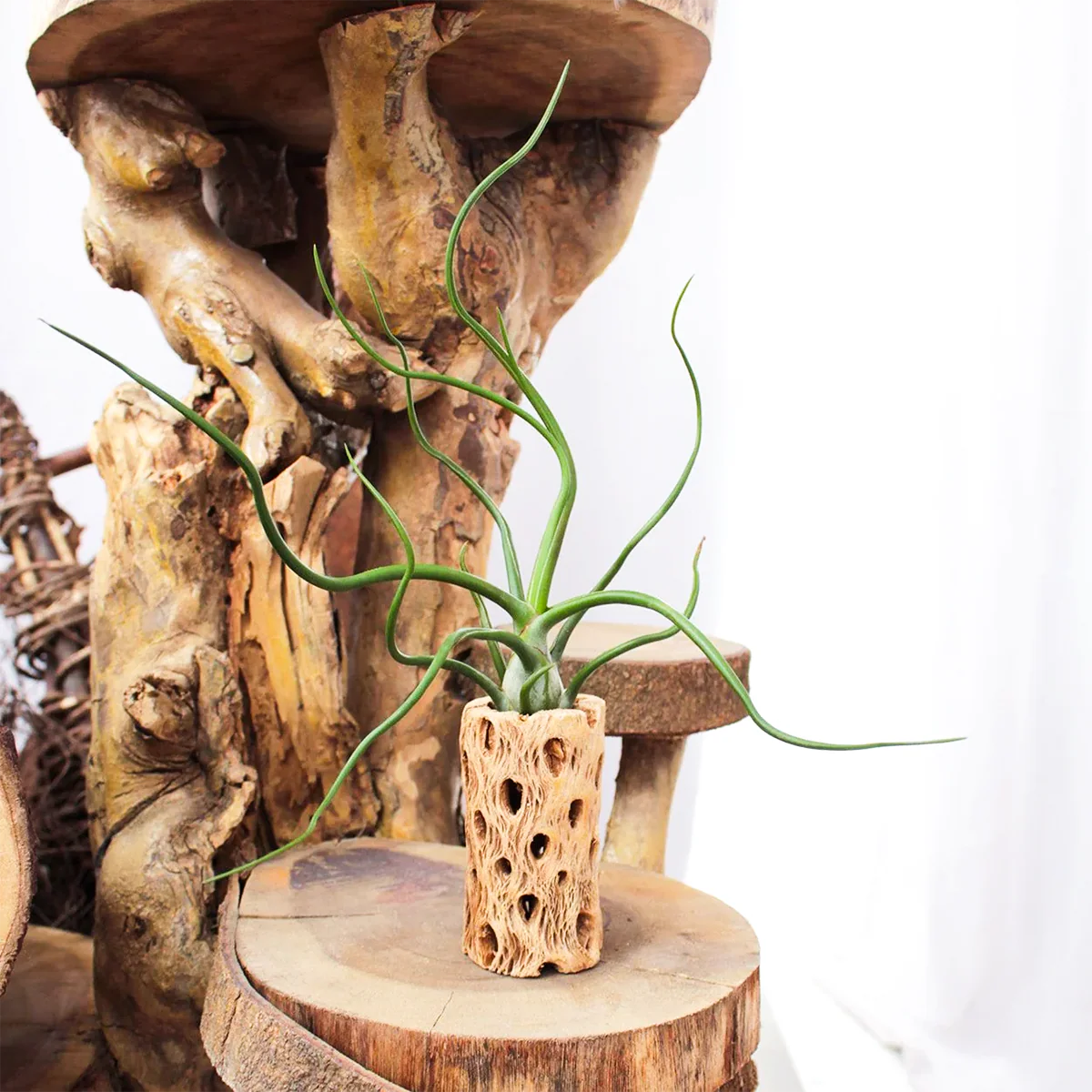
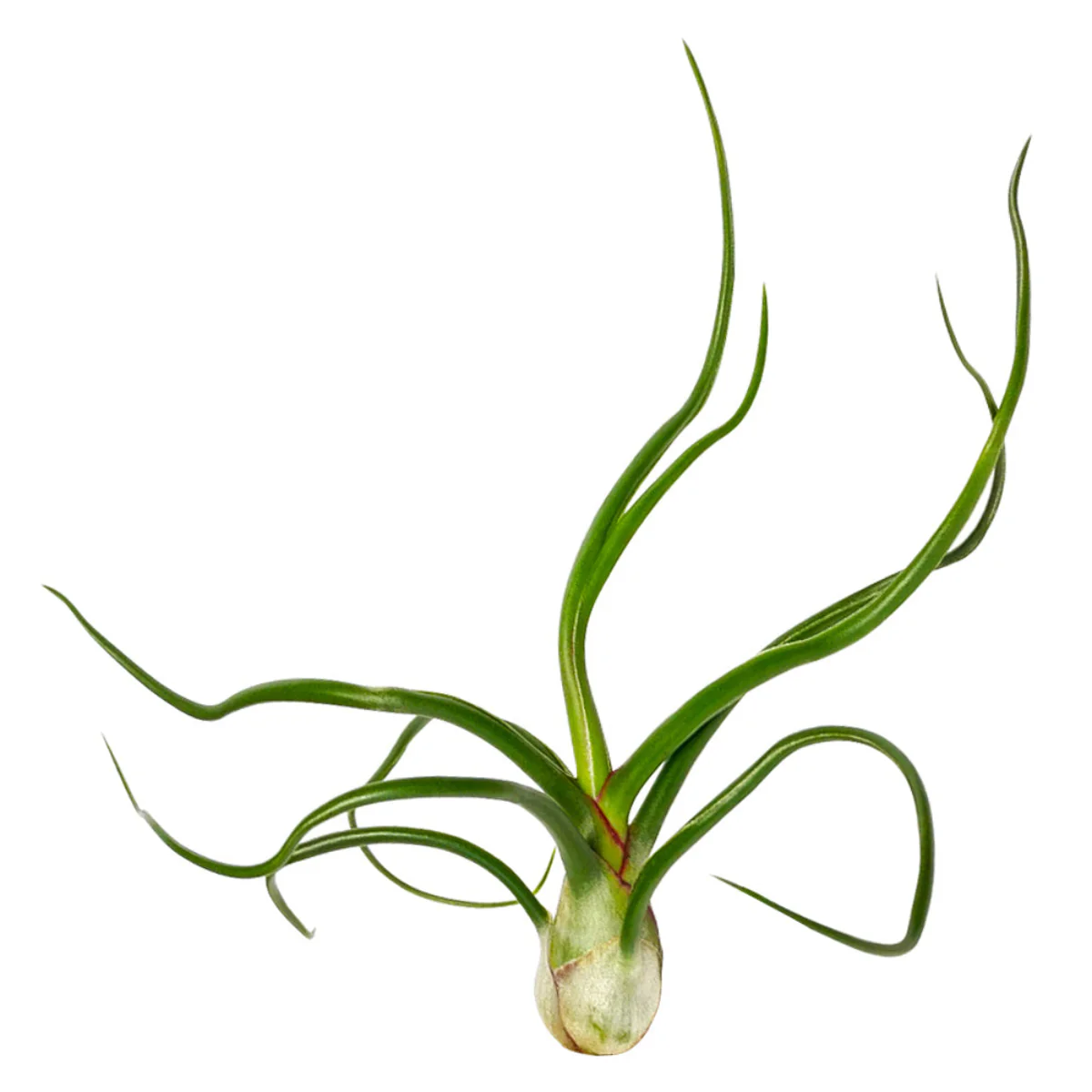
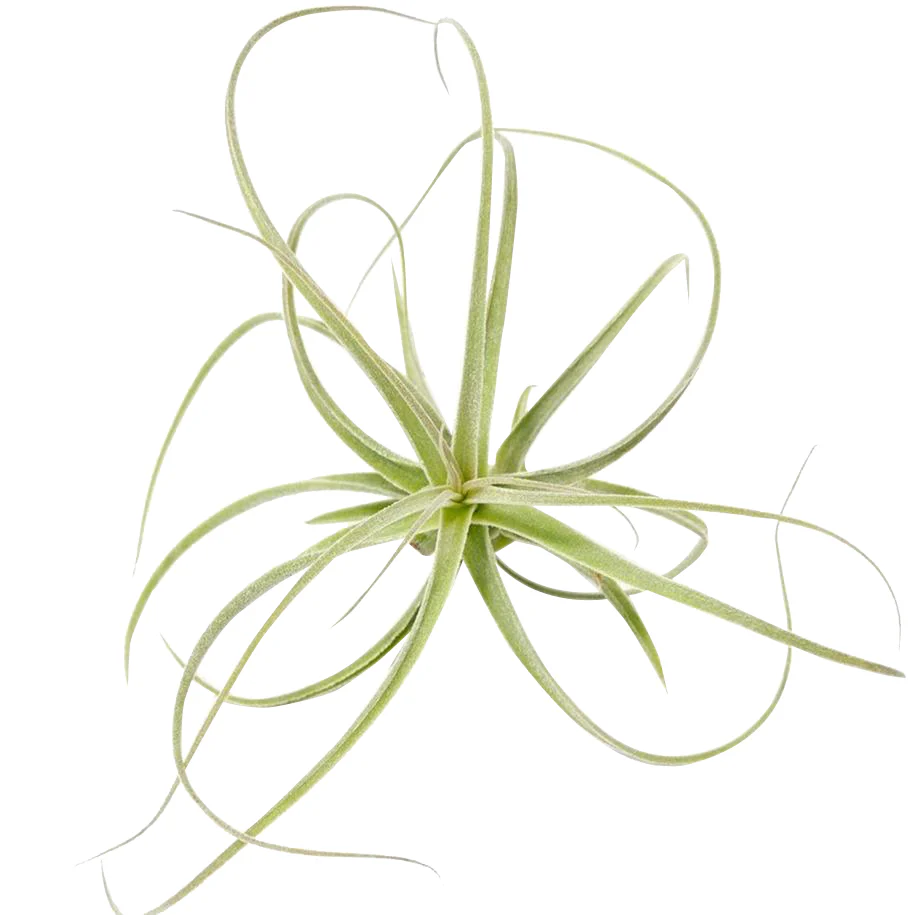
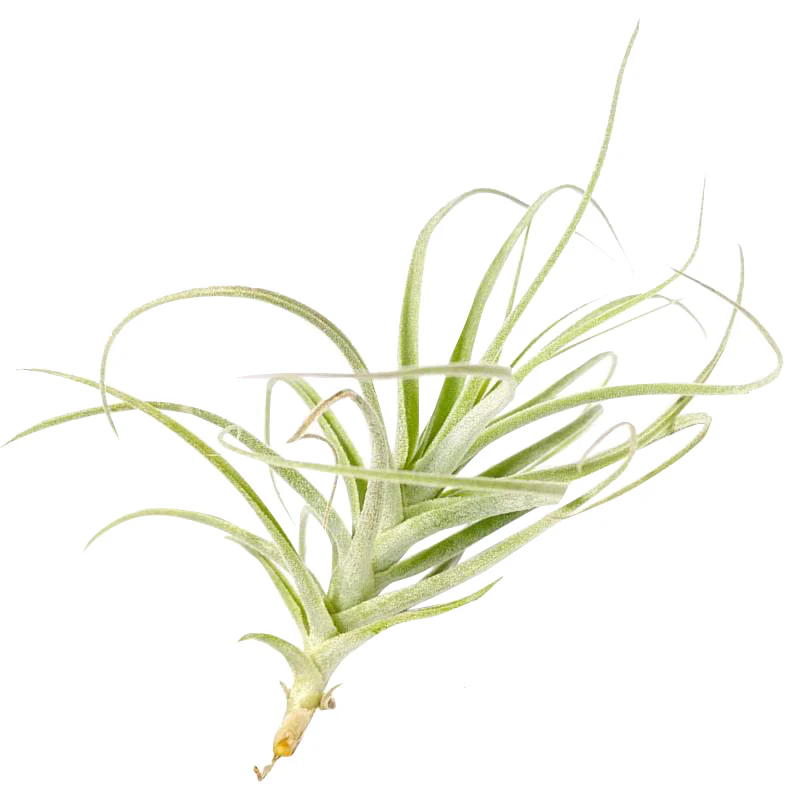
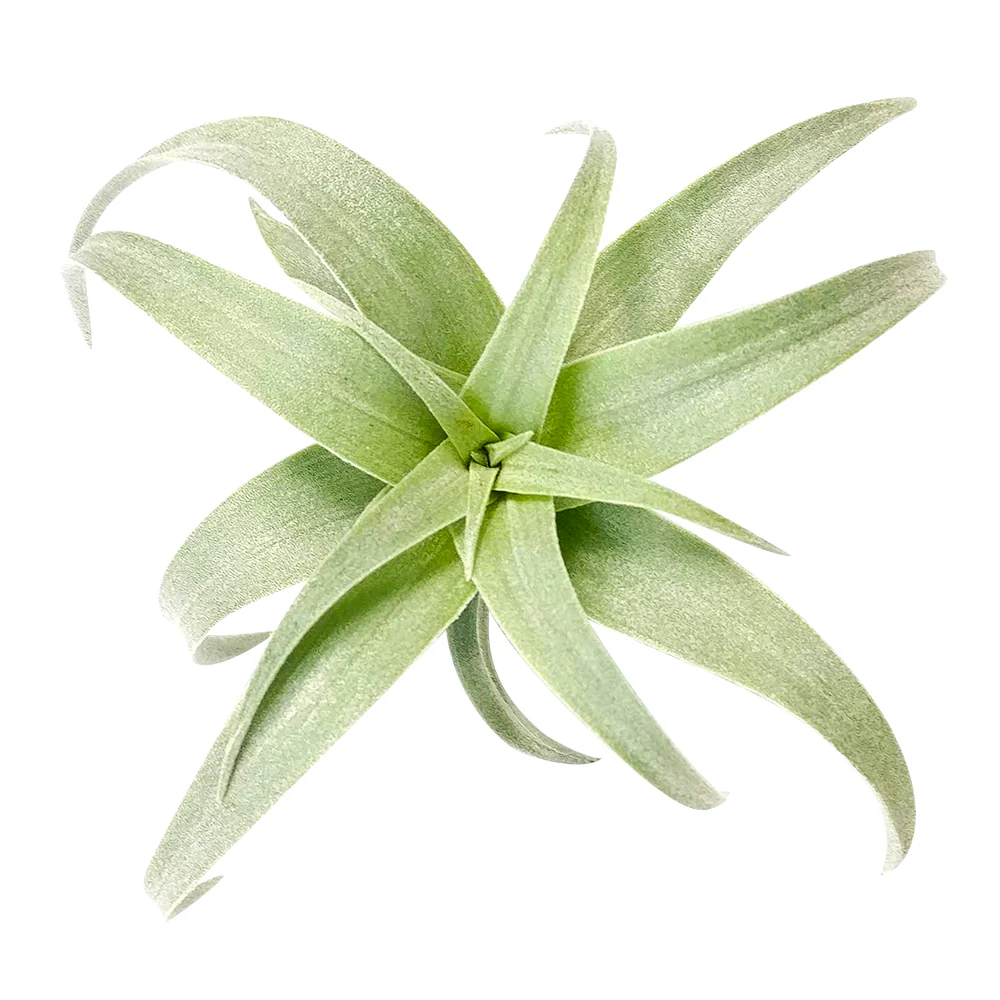
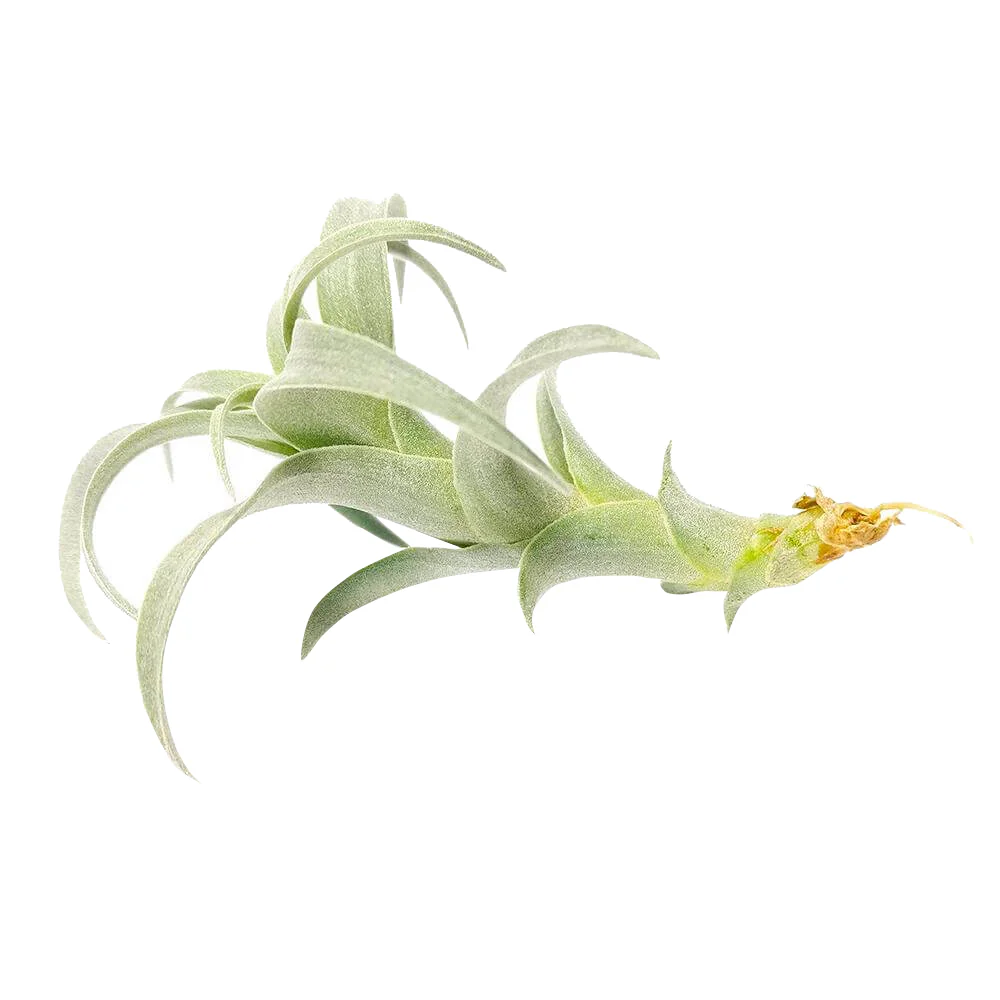
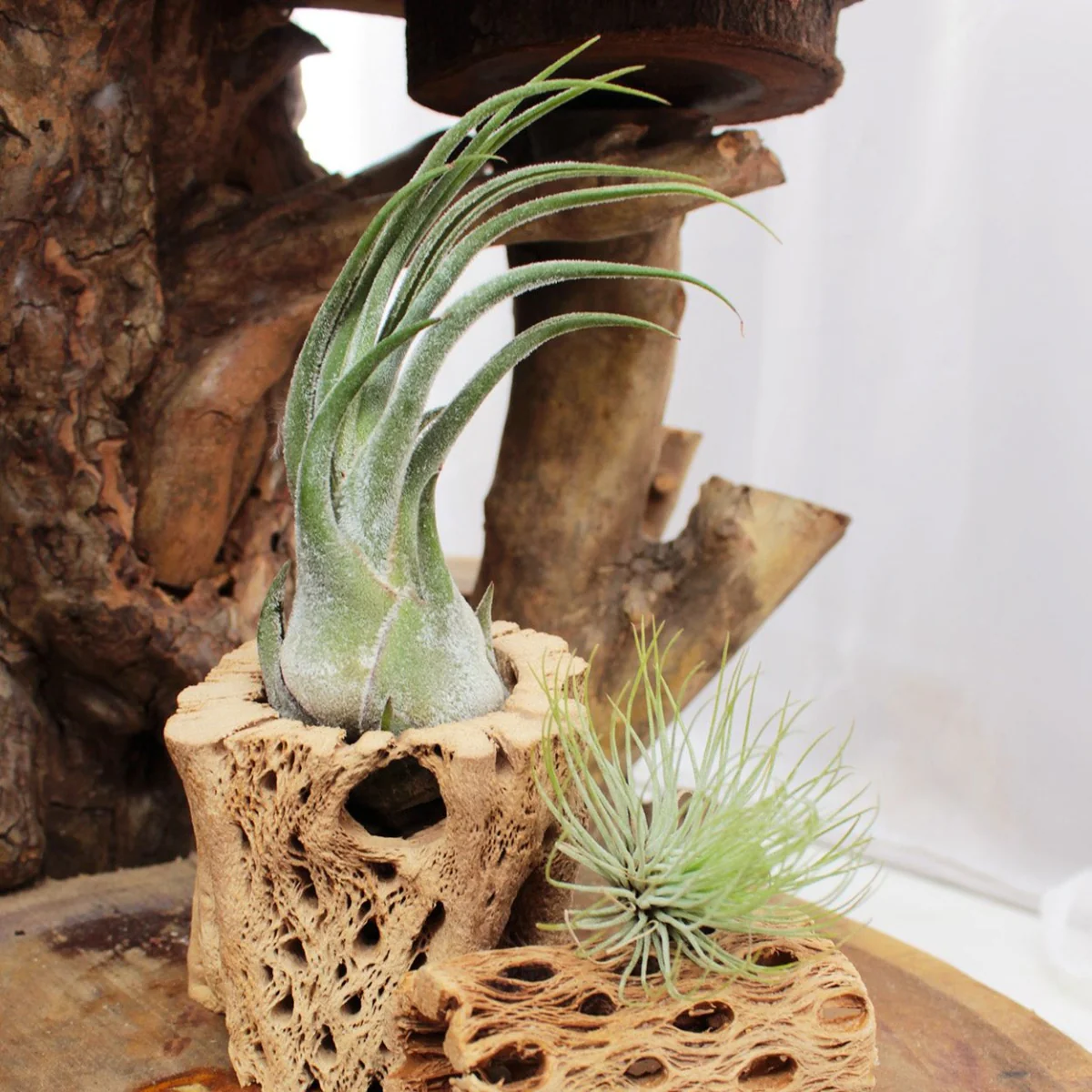
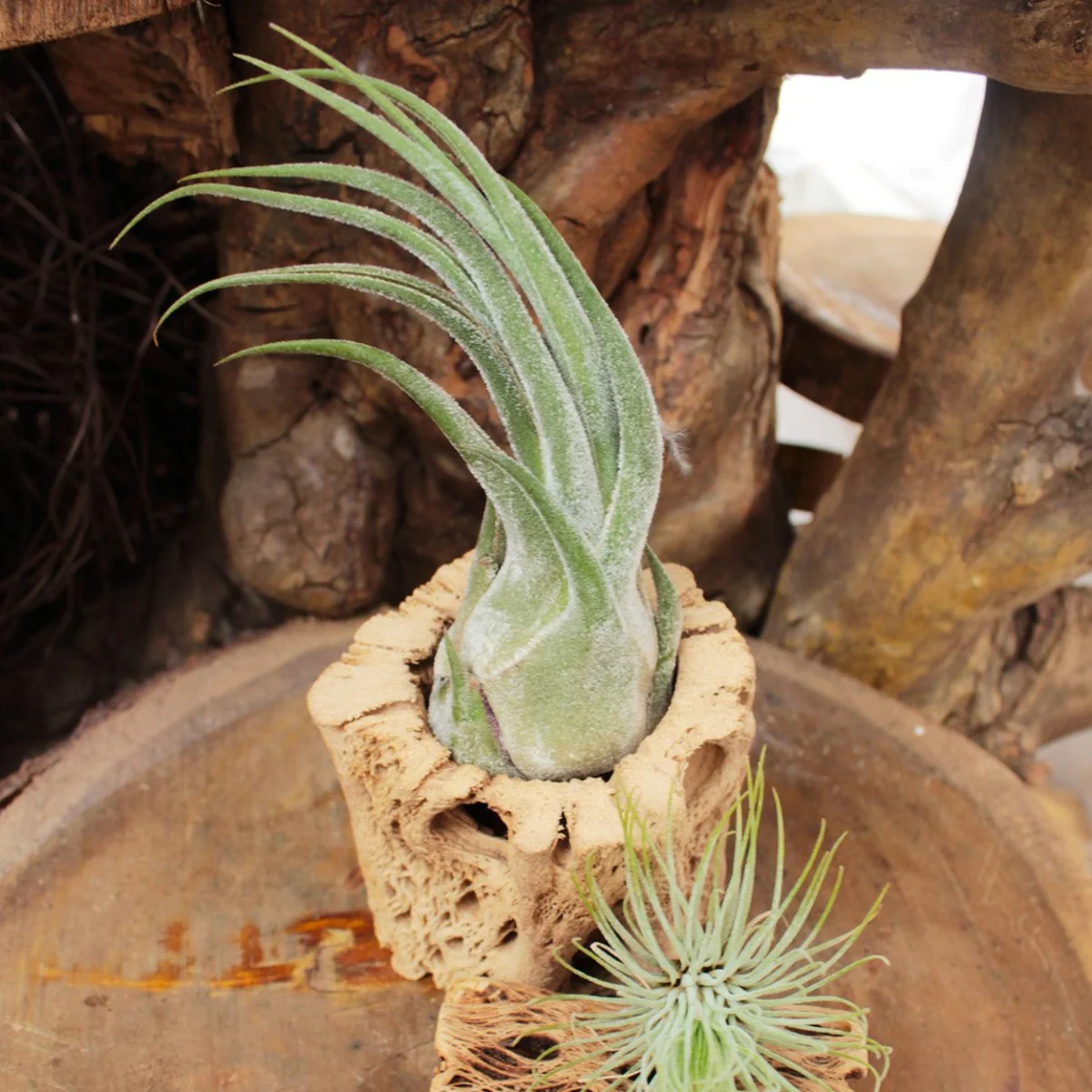
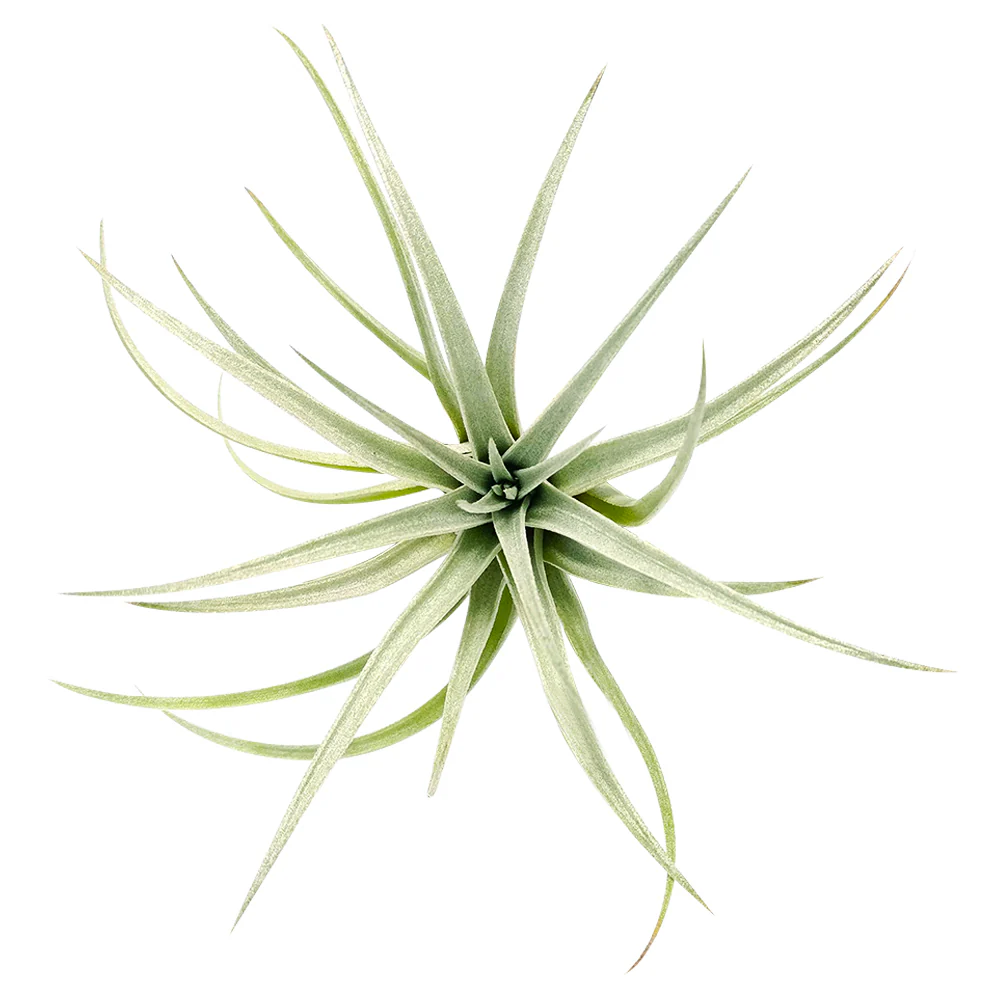
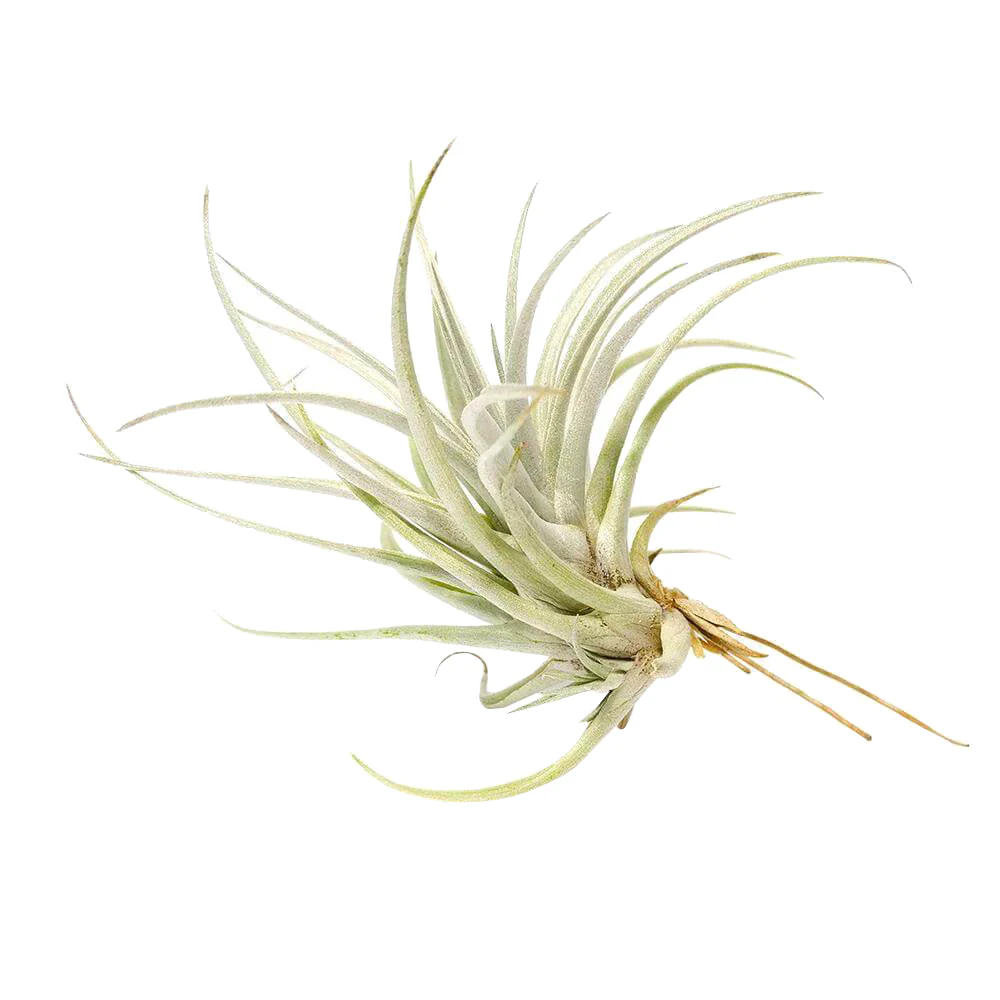
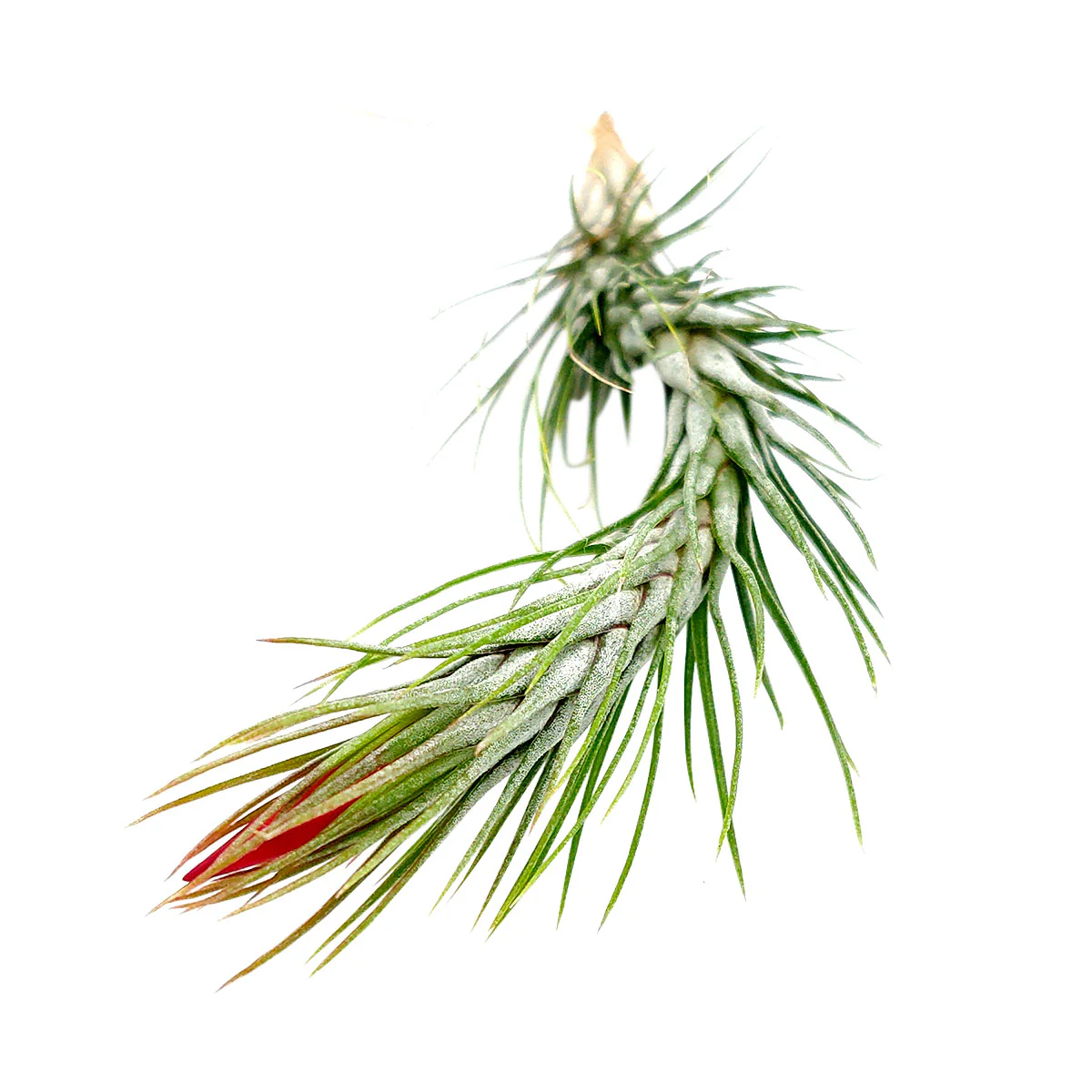
![]() Tillandsia Funckiana’s little species from Venezuela. It has long stems that twist and curve and are covered with thin, needle-like leaves. When in bloom, it will spike and flower and will produce a beautiful and vibrant orange-red coloring. Which is a rarer color for air plants.
Tillandsia Funckiana’s little species from Venezuela. It has long stems that twist and curve and are covered with thin, needle-like leaves. When in bloom, it will spike and flower and will produce a beautiful and vibrant orange-red coloring. Which is a rarer color for air plants.
Small Clump ► Mother with 2+ pups
Medium Clump ► Mother with 4+ pups
Large Clump ► Mother with 6+ pups![]() All of the plants may be shipped bare root.
All of the plants may be shipped bare root. -
![]() Tillandsia funckiana requires good light and can enjoy full sun. Place the plant very close to a window indoors in the winter and preferably outside the summer in a bright or sunny situation.
Tillandsia funckiana requires good light and can enjoy full sun. Place the plant very close to a window indoors in the winter and preferably outside the summer in a bright or sunny situation.![]() No soil is needed. Sand, sea glass, rocks, pebbles & bark chips can be used instead of soil.
No soil is needed. Sand, sea glass, rocks, pebbles & bark chips can be used instead of soil. ![]() Two or three times a week in summer, one or two times a week in winter according to the luminosity and the ambient humidity.
Two or three times a week in summer, one or two times a week in winter according to the luminosity and the ambient humidity. -
![]() USDA Zone 9b (25 °F) to 11(40 °F)
USDA Zone 9b (25 °F) to 11(40 °F)

 All of the plants may be shipped bare root.
 No soil is needed. Sand, sea glass, rocks, pebbles & bark chips can be used instead of soil.

Select Size
From $2.61
Original: $8.70
-70%Tillandsia Funckiana—
$8.70
$2.61Product Information
Product Information
Shipping & Returns
Shipping & Returns
Description
- Description
- Light/Soil/Water
- Hardiness
-
![]() Tillandsia Funckiana’s little species from Venezuela. It has long stems that twist and curve and are covered with thin, needle-like leaves. When in bloom, it will spike and flower and will produce a beautiful and vibrant orange-red coloring. Which is a rarer color for air plants.
Tillandsia Funckiana’s little species from Venezuela. It has long stems that twist and curve and are covered with thin, needle-like leaves. When in bloom, it will spike and flower and will produce a beautiful and vibrant orange-red coloring. Which is a rarer color for air plants.
Small Clump ► Mother with 2+ pups
Medium Clump ► Mother with 4+ pups
Large Clump ► Mother with 6+ pups![]() All of the plants may be shipped bare root.
All of the plants may be shipped bare root. -
![]() Tillandsia funckiana requires good light and can enjoy full sun. Place the plant very close to a window indoors in the winter and preferably outside the summer in a bright or sunny situation.
Tillandsia funckiana requires good light and can enjoy full sun. Place the plant very close to a window indoors in the winter and preferably outside the summer in a bright or sunny situation.![]() No soil is needed. Sand, sea glass, rocks, pebbles & bark chips can be used instead of soil.
No soil is needed. Sand, sea glass, rocks, pebbles & bark chips can be used instead of soil. ![]() Two or three times a week in summer, one or two times a week in winter according to the luminosity and the ambient humidity.
Two or three times a week in summer, one or two times a week in winter according to the luminosity and the ambient humidity. -
![]() USDA Zone 9b (25 °F) to 11(40 °F)
USDA Zone 9b (25 °F) to 11(40 °F)