🚚 Free Worldwide Shipping on All Orders!Shop Now

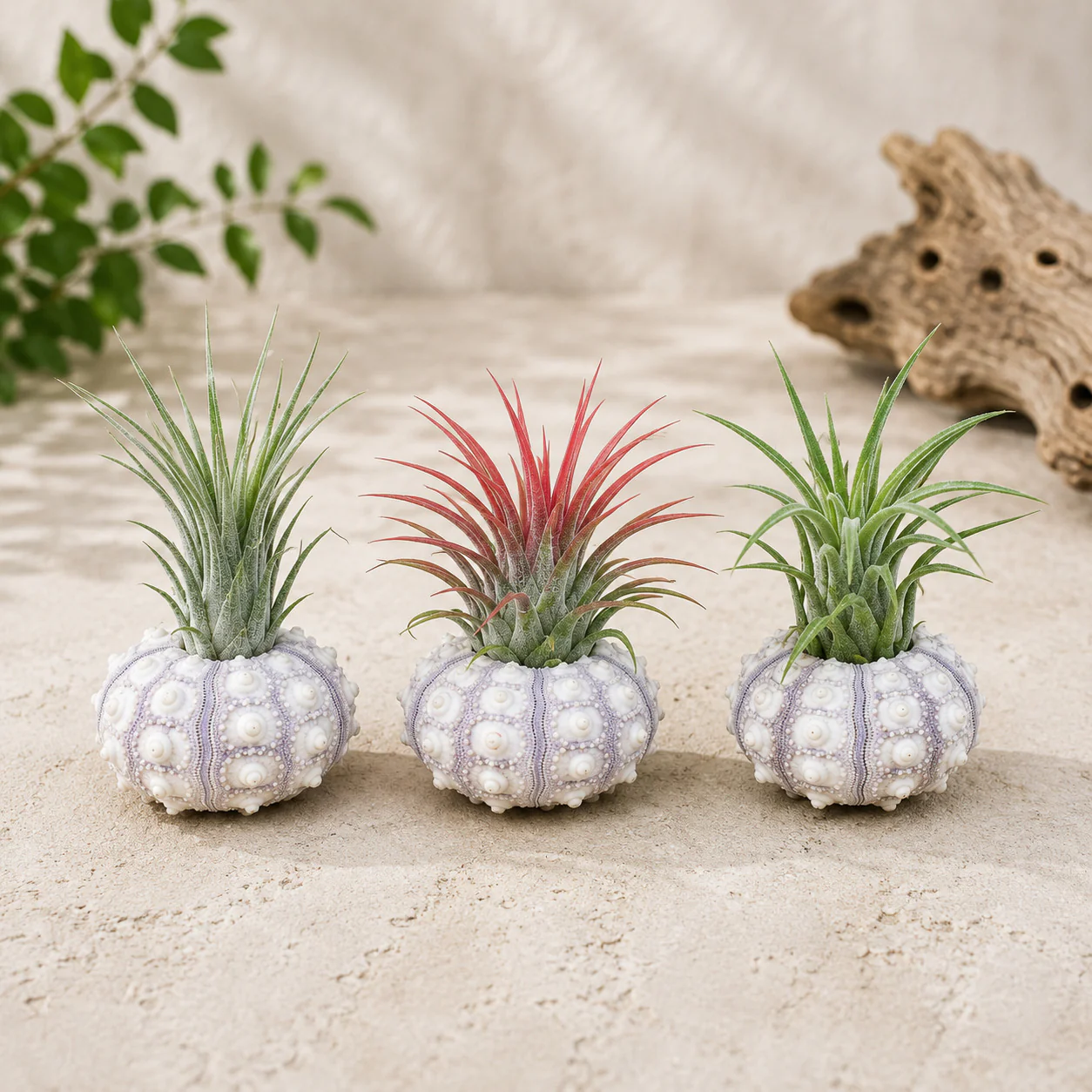
Set of 3 Sputnik Urchins with Tillandsia Air Plants
- Description
- Light/Soil/Water
- Hardiness
-
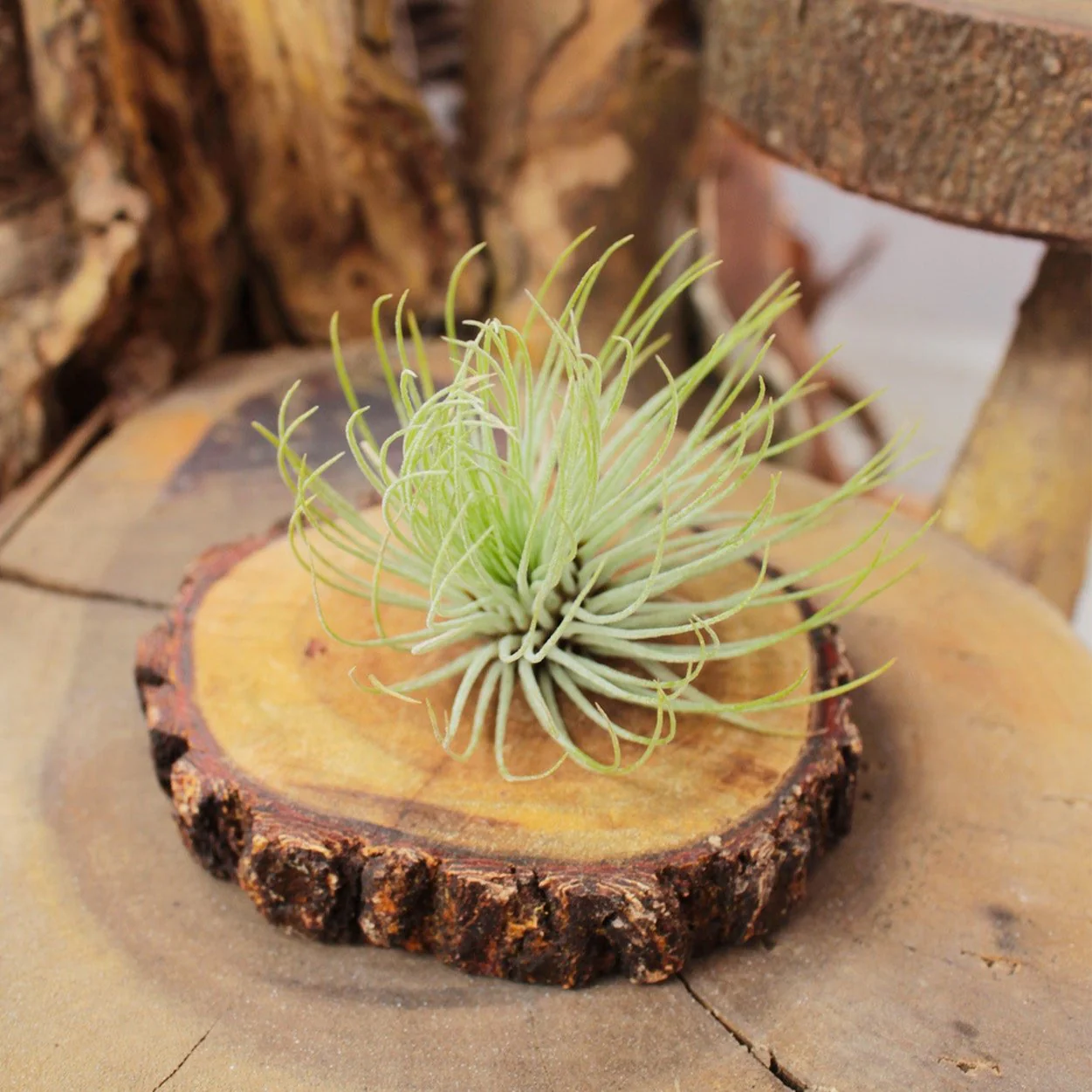
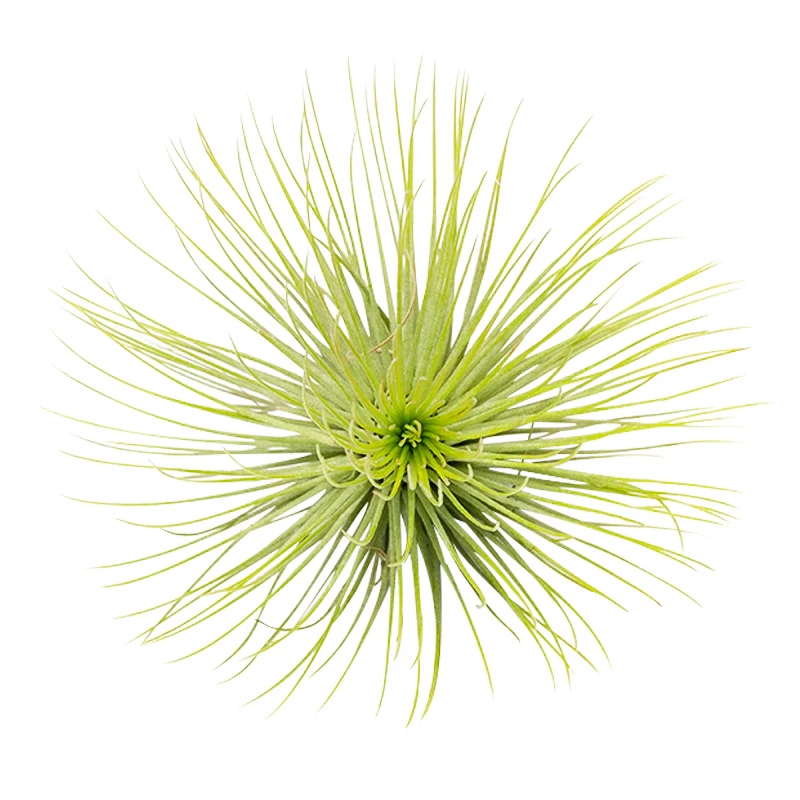
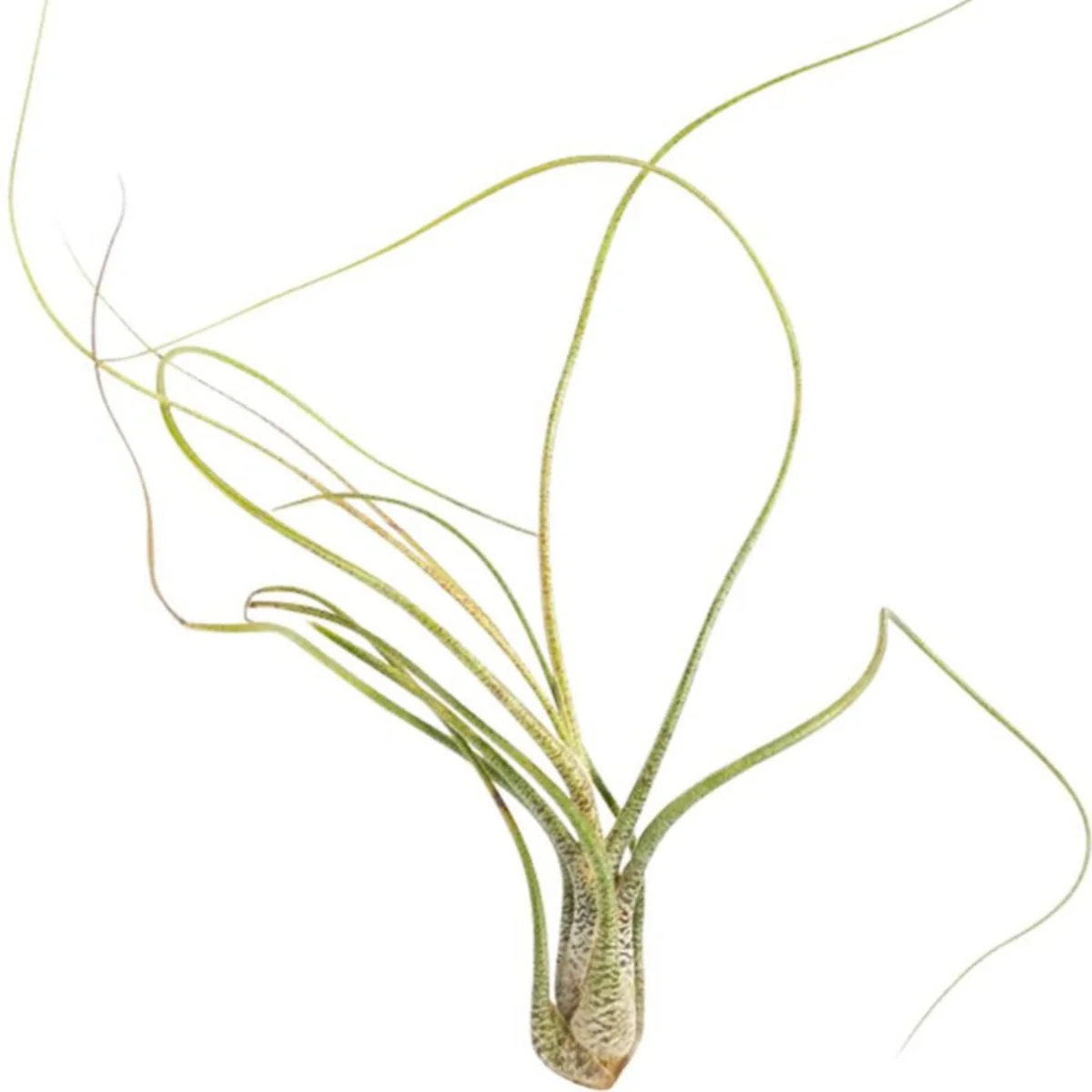
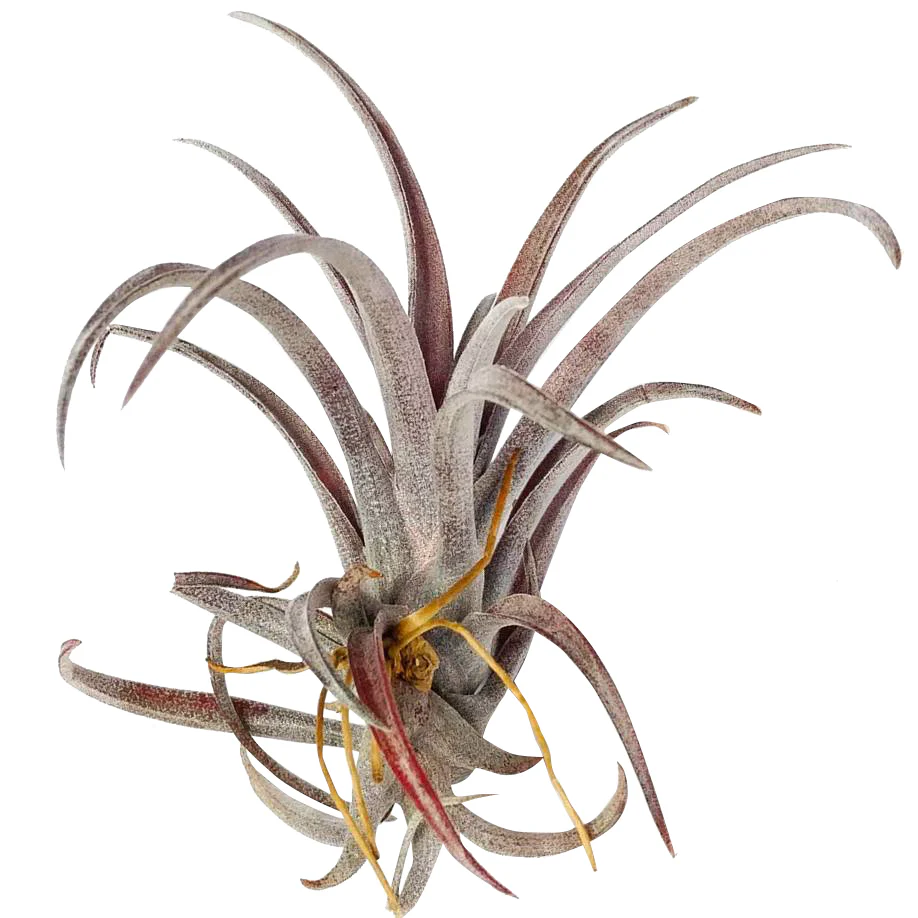
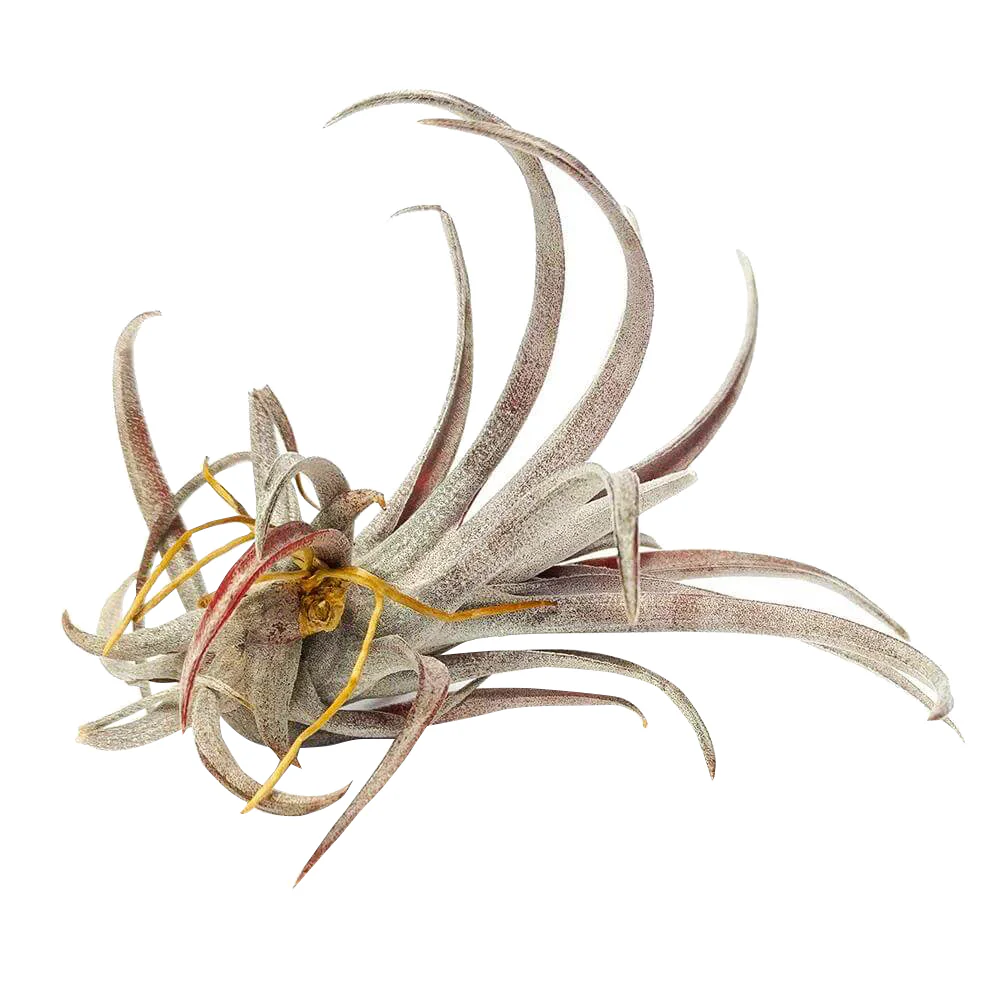
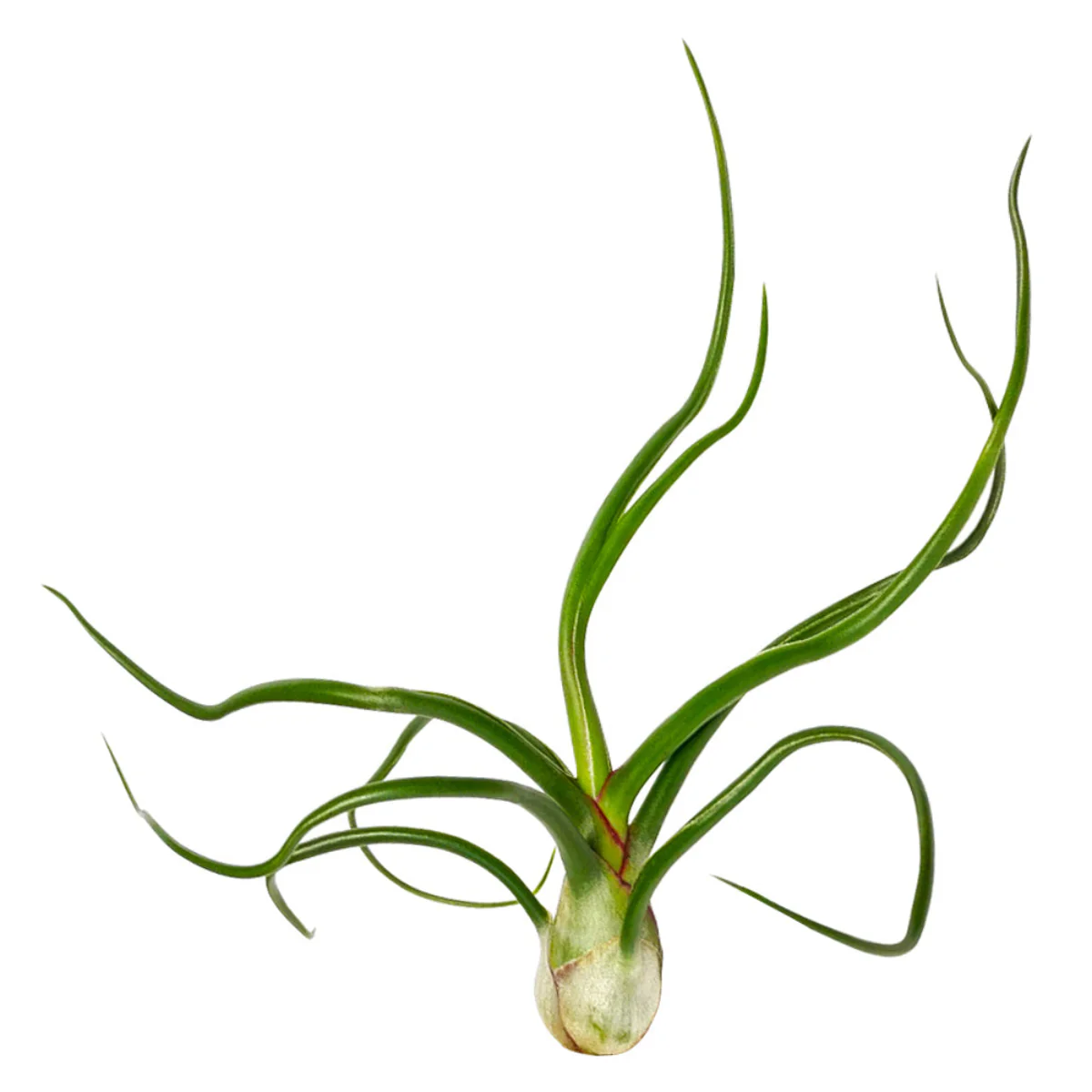
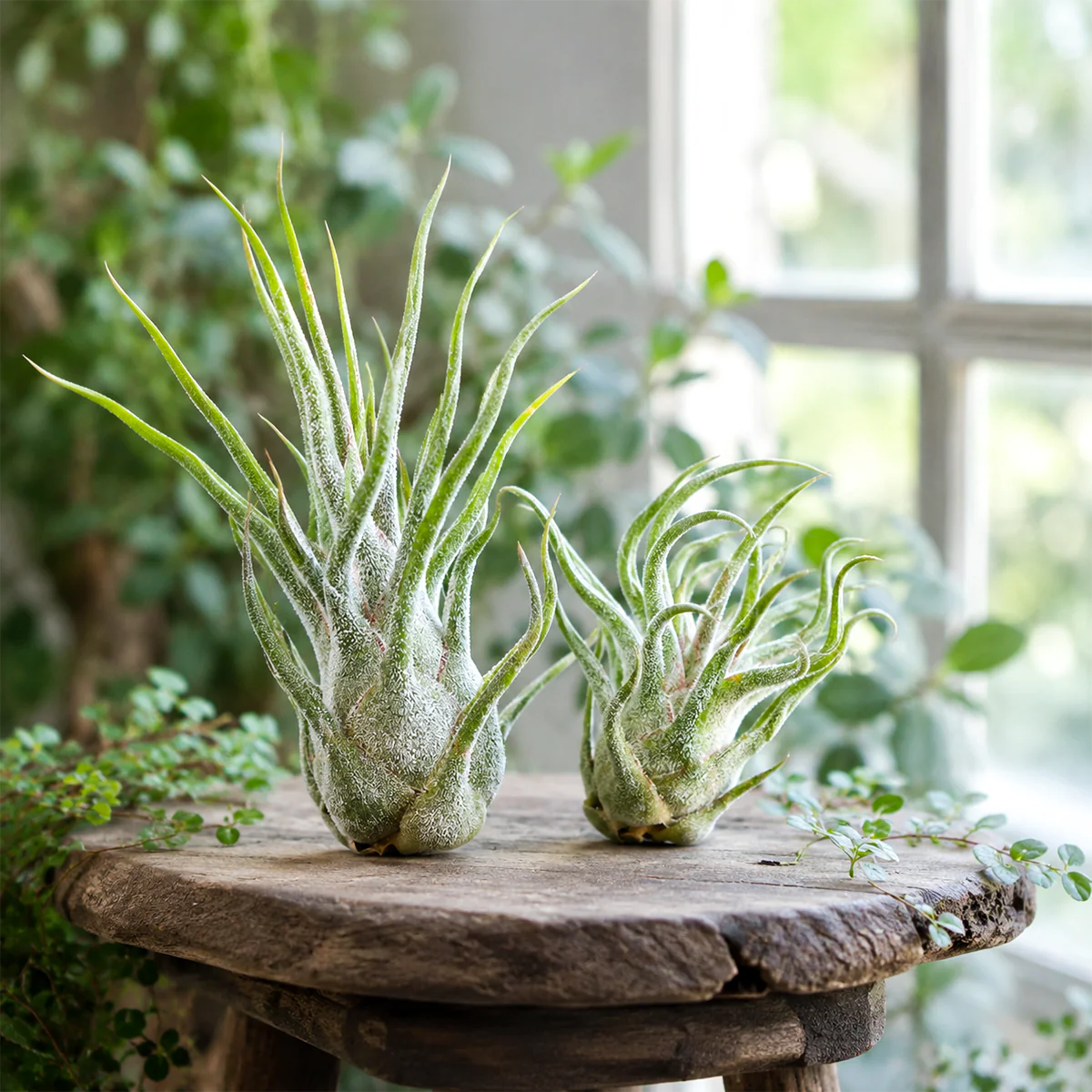
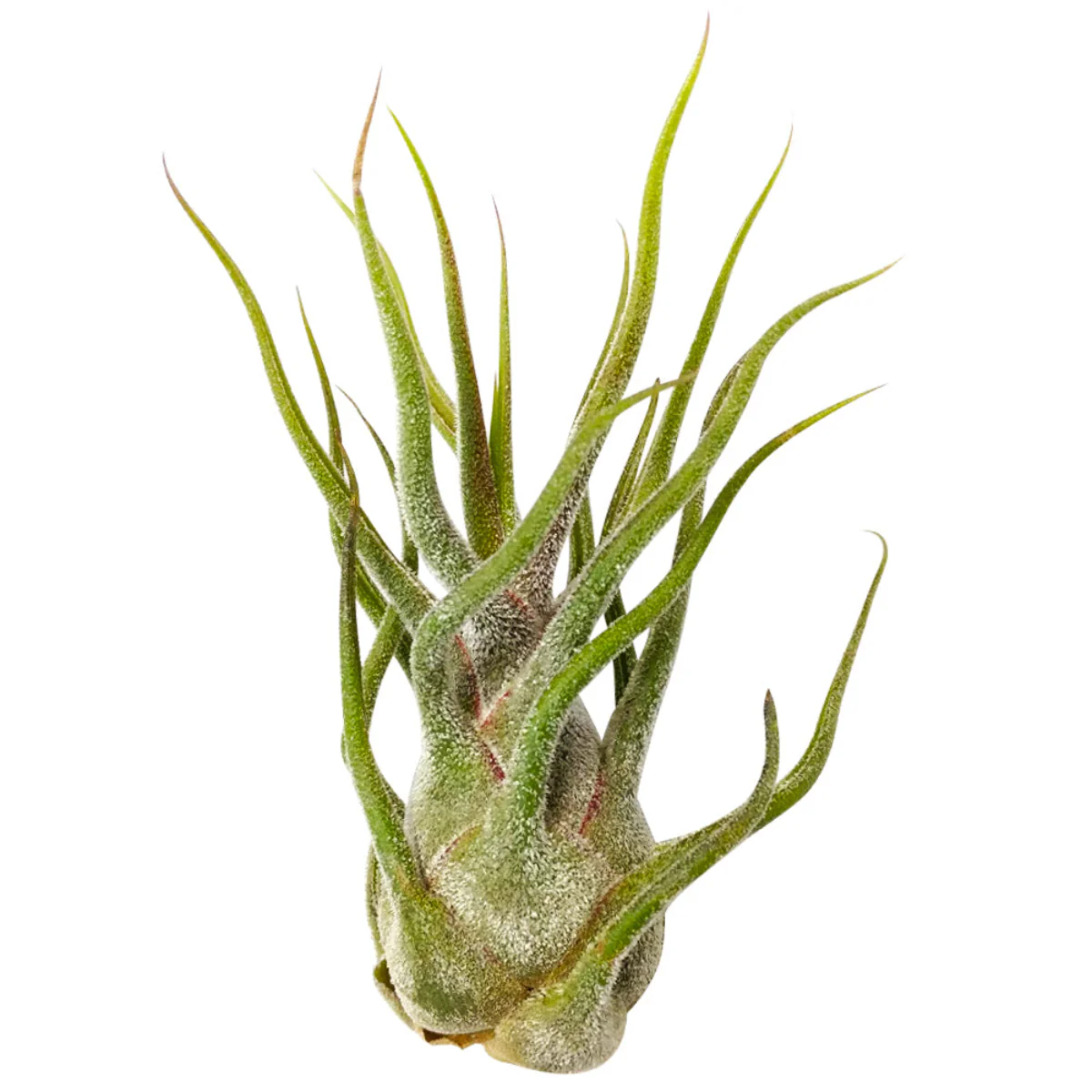
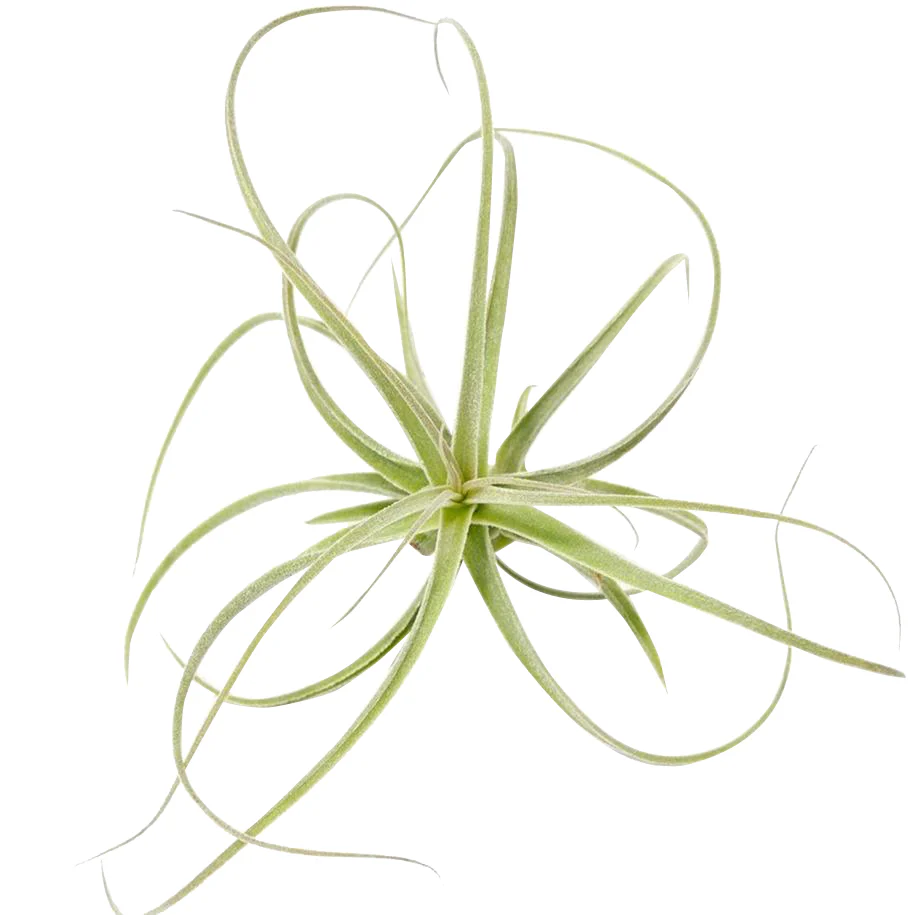
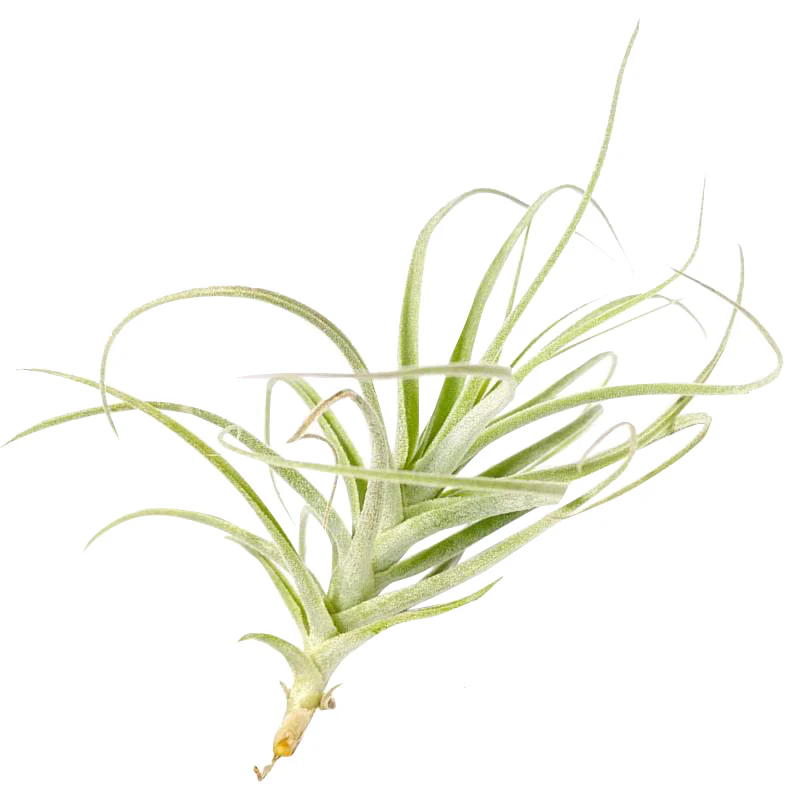
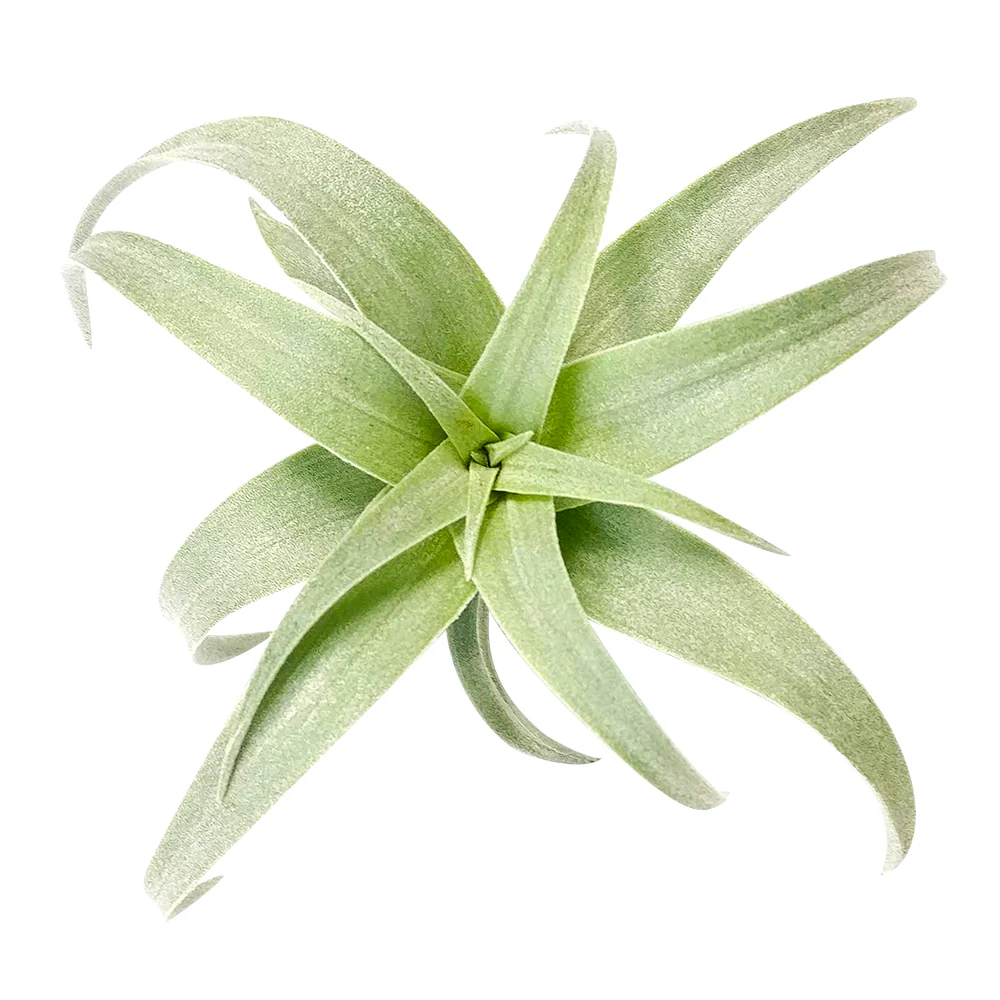
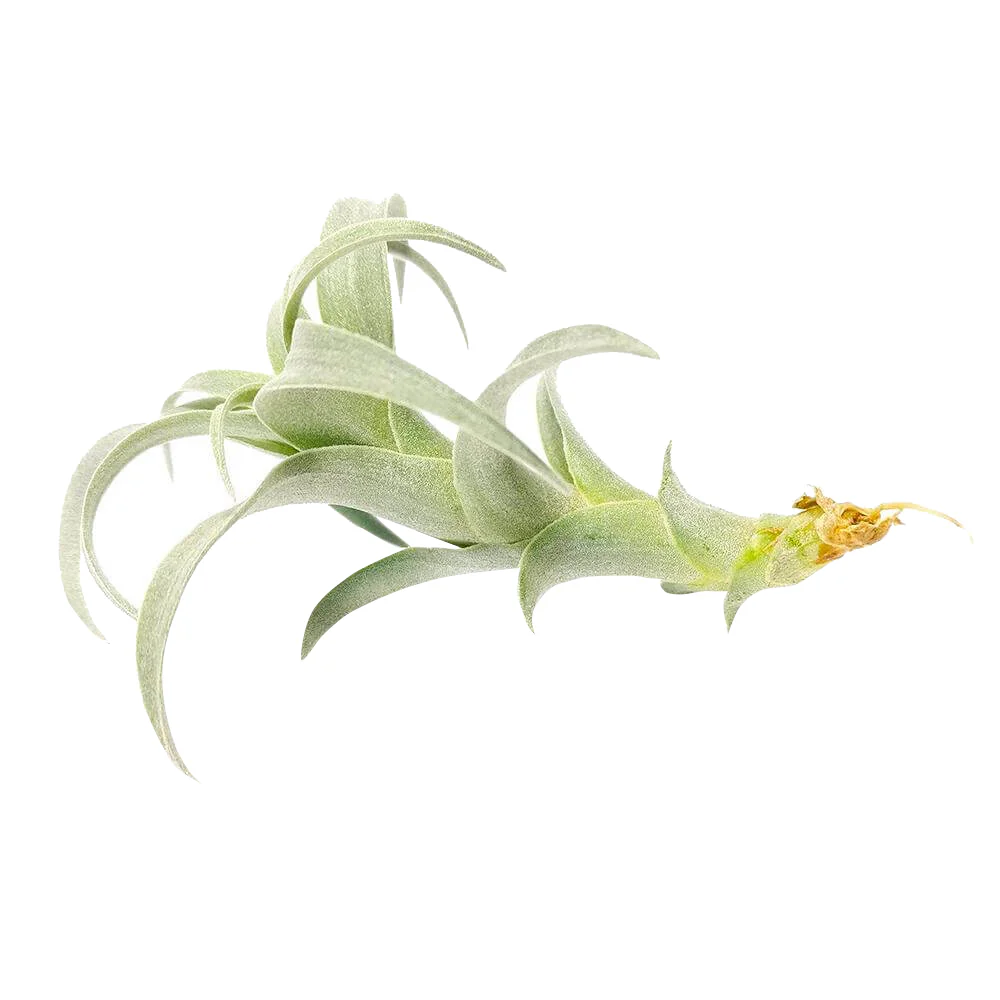
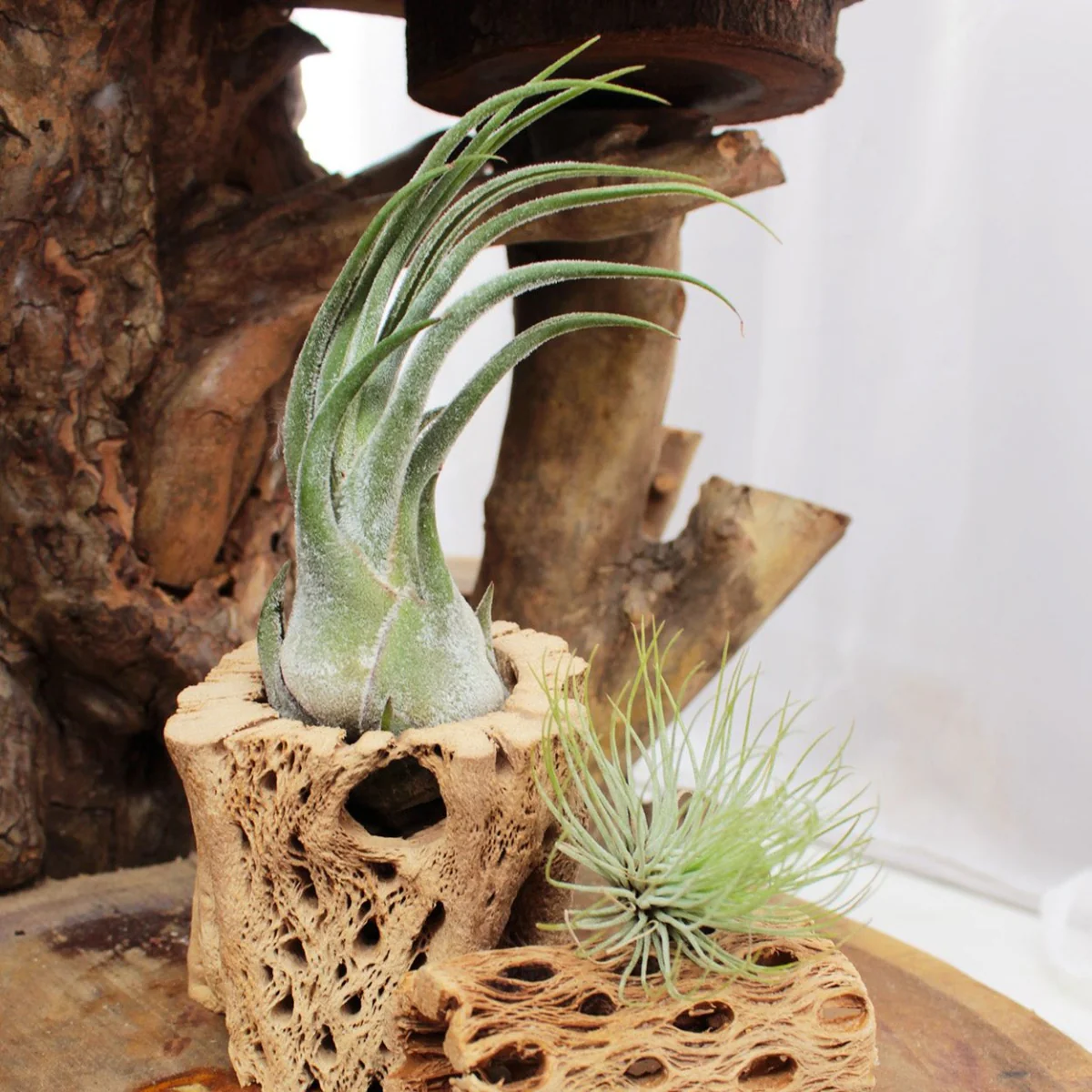
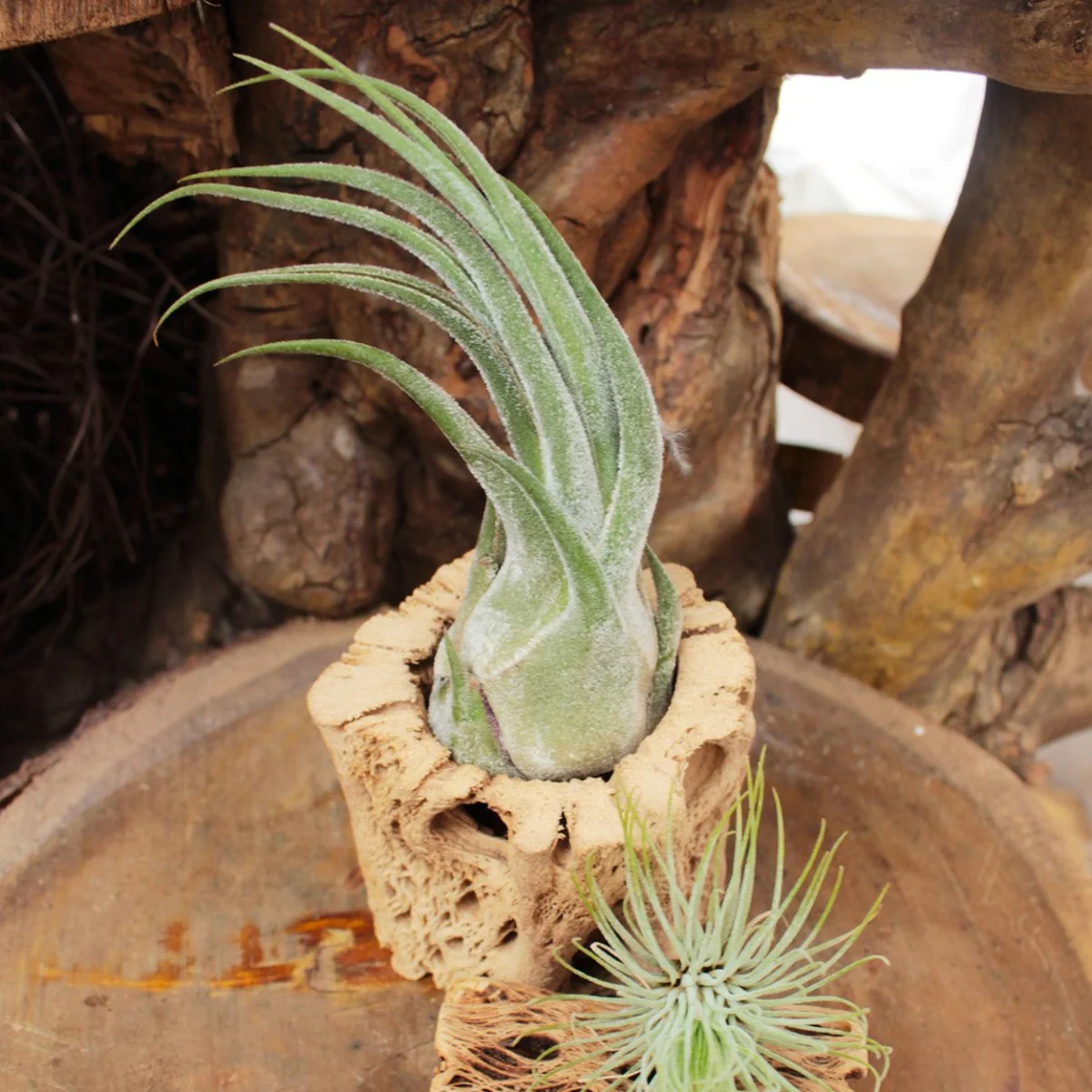
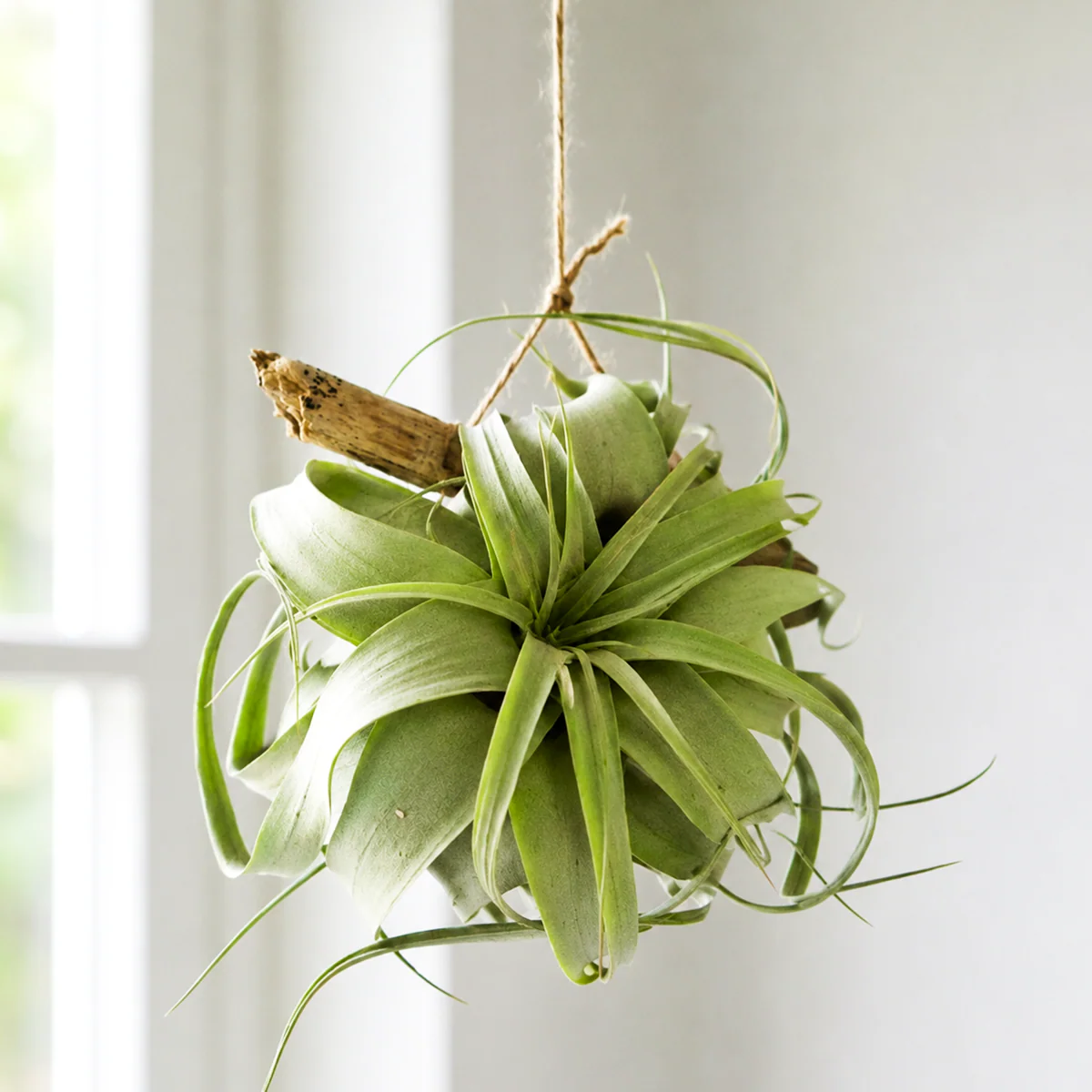
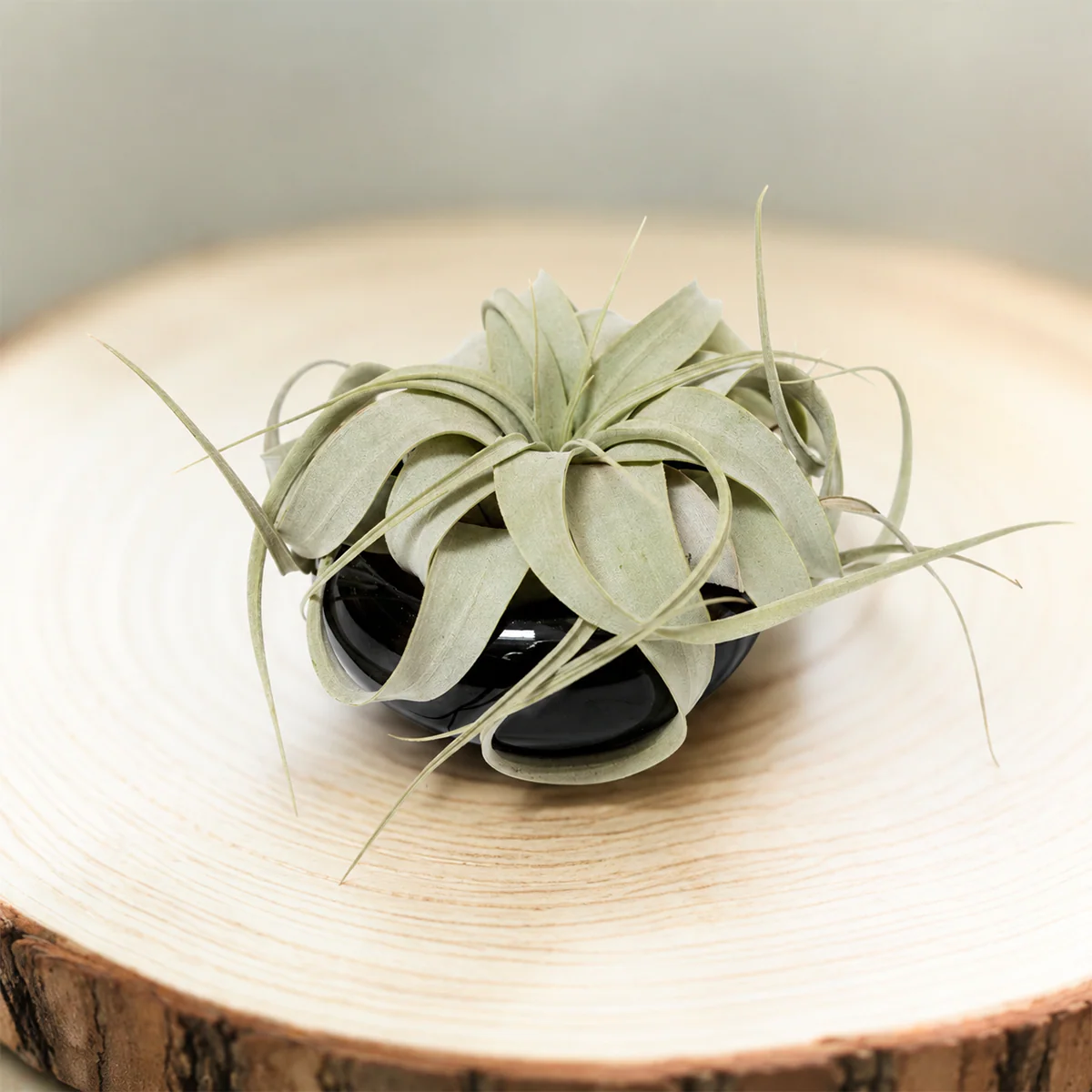
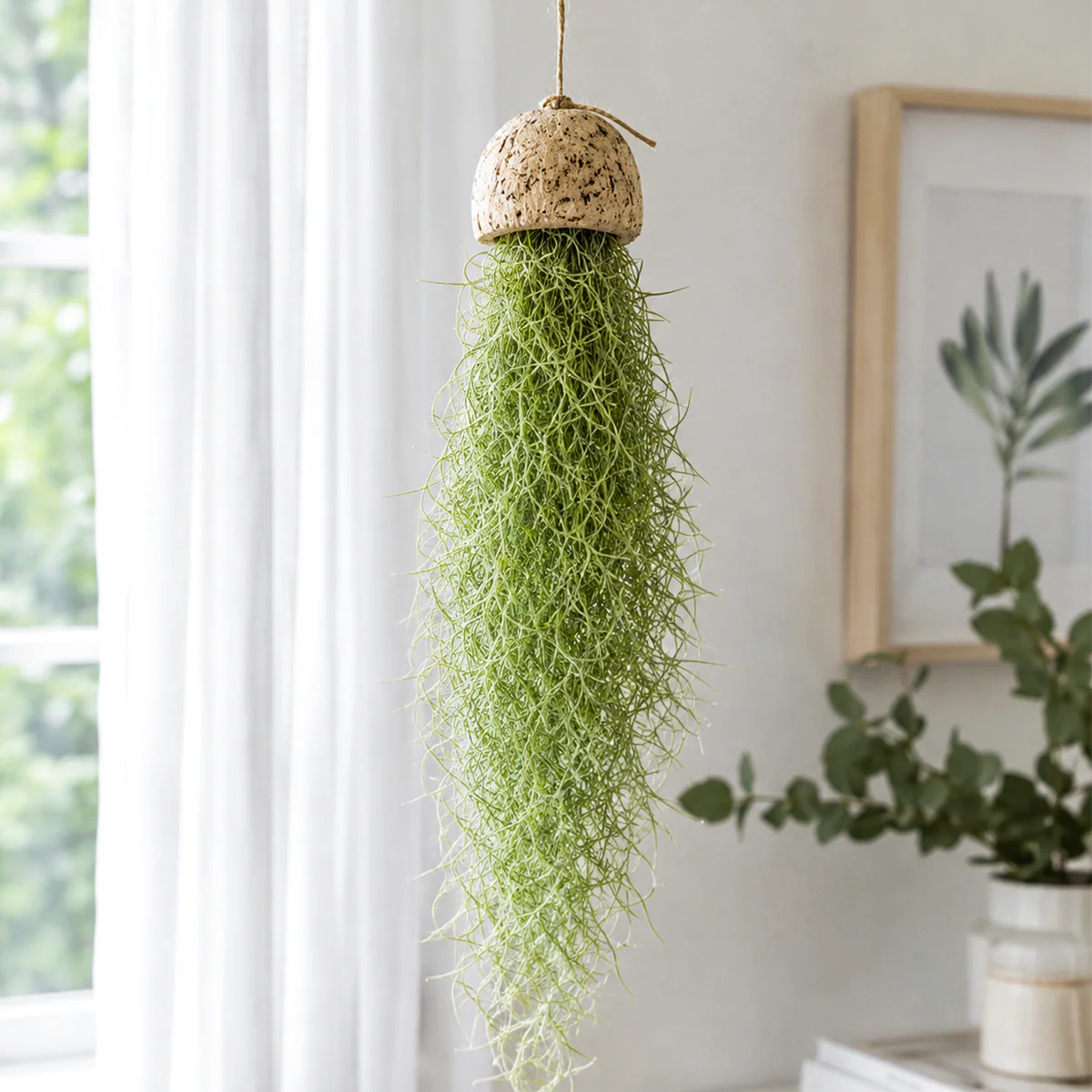
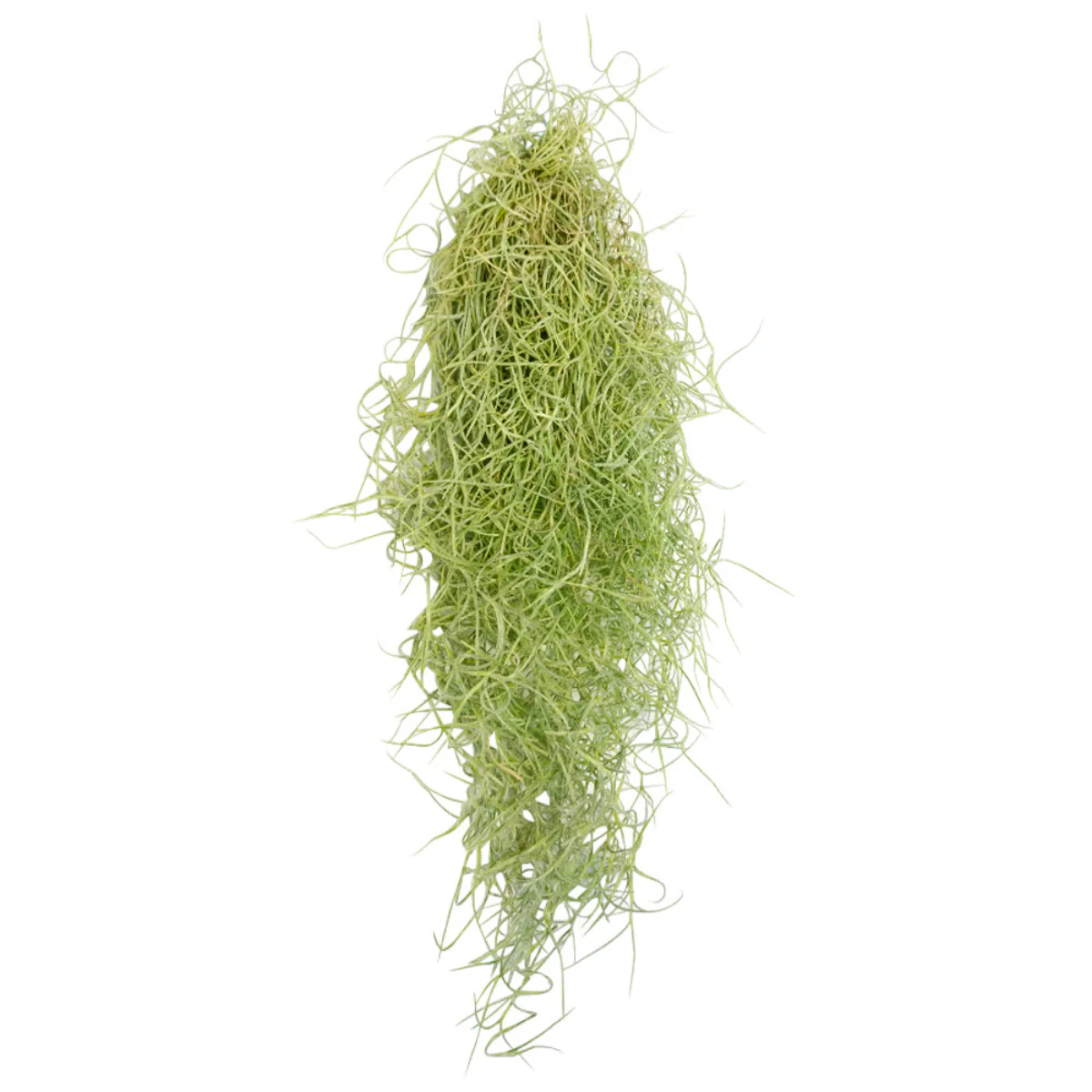
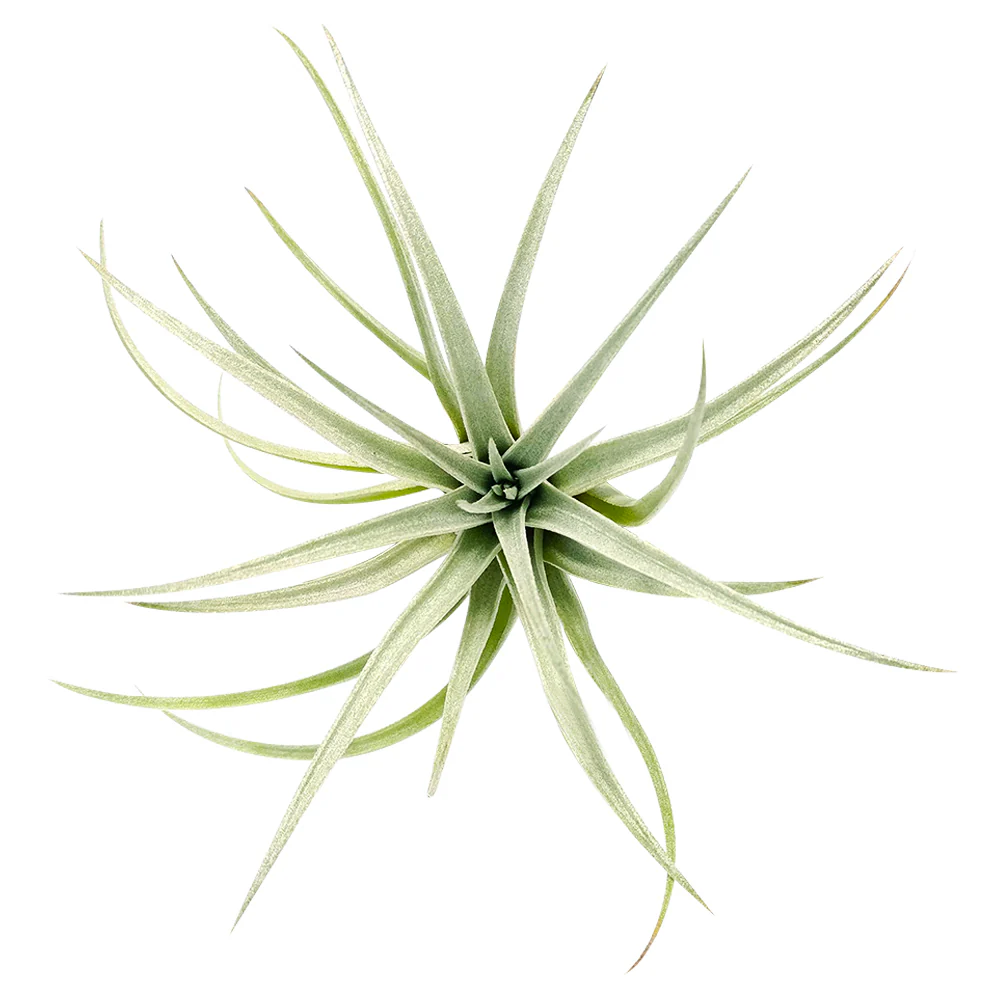
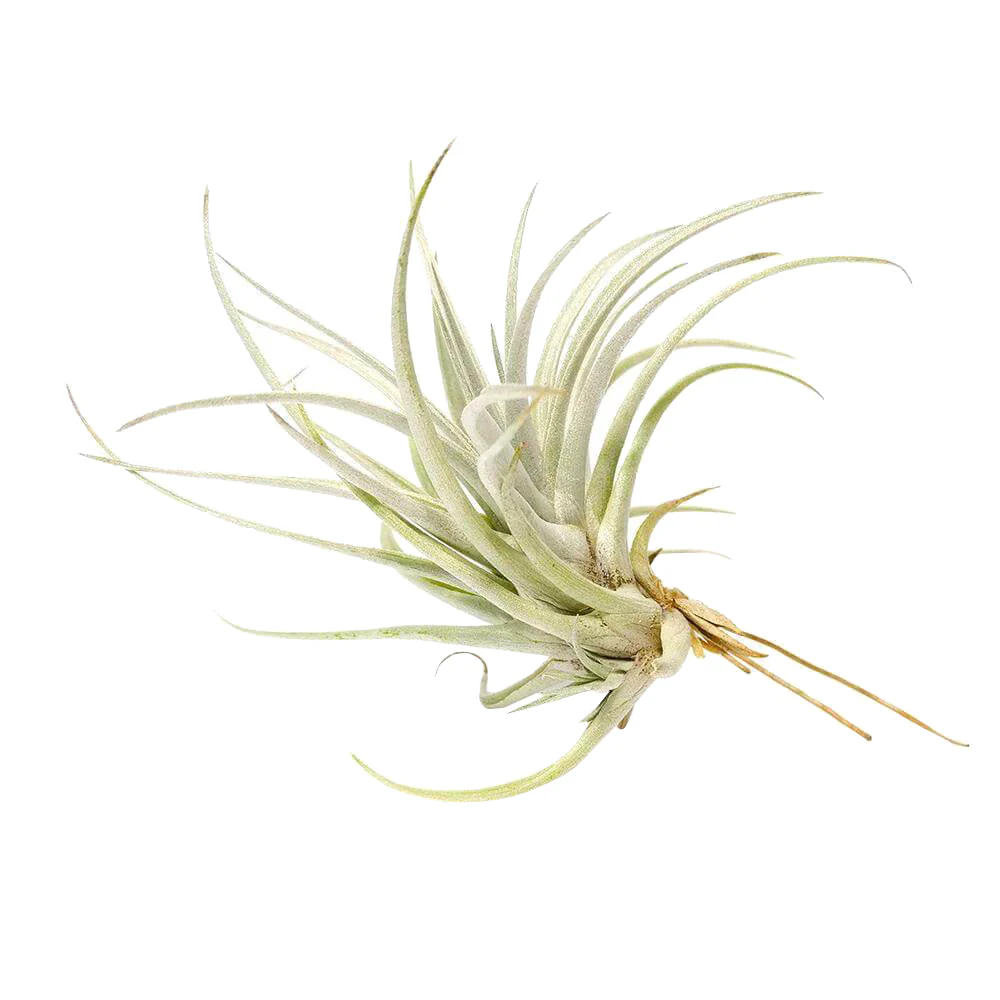
![]() This set pairs three Sputnik Urchin shells with Tillandsia air plants, creating a striking display straight out of the box. Tillandsia is a genus in the bromeliad family, native to the forests, mountains, and deserts of Central and South America. These plants earn their "air plant" nickname by absorbing water and nutrients through their leaves rather than roots, requiring no soil to thrive.
This set pairs three Sputnik Urchin shells with Tillandsia air plants, creating a striking display straight out of the box. Tillandsia is a genus in the bromeliad family, native to the forests, mountains, and deserts of Central and South America. These plants earn their "air plant" nickname by absorbing water and nutrients through their leaves rather than roots, requiring no soil to thrive.
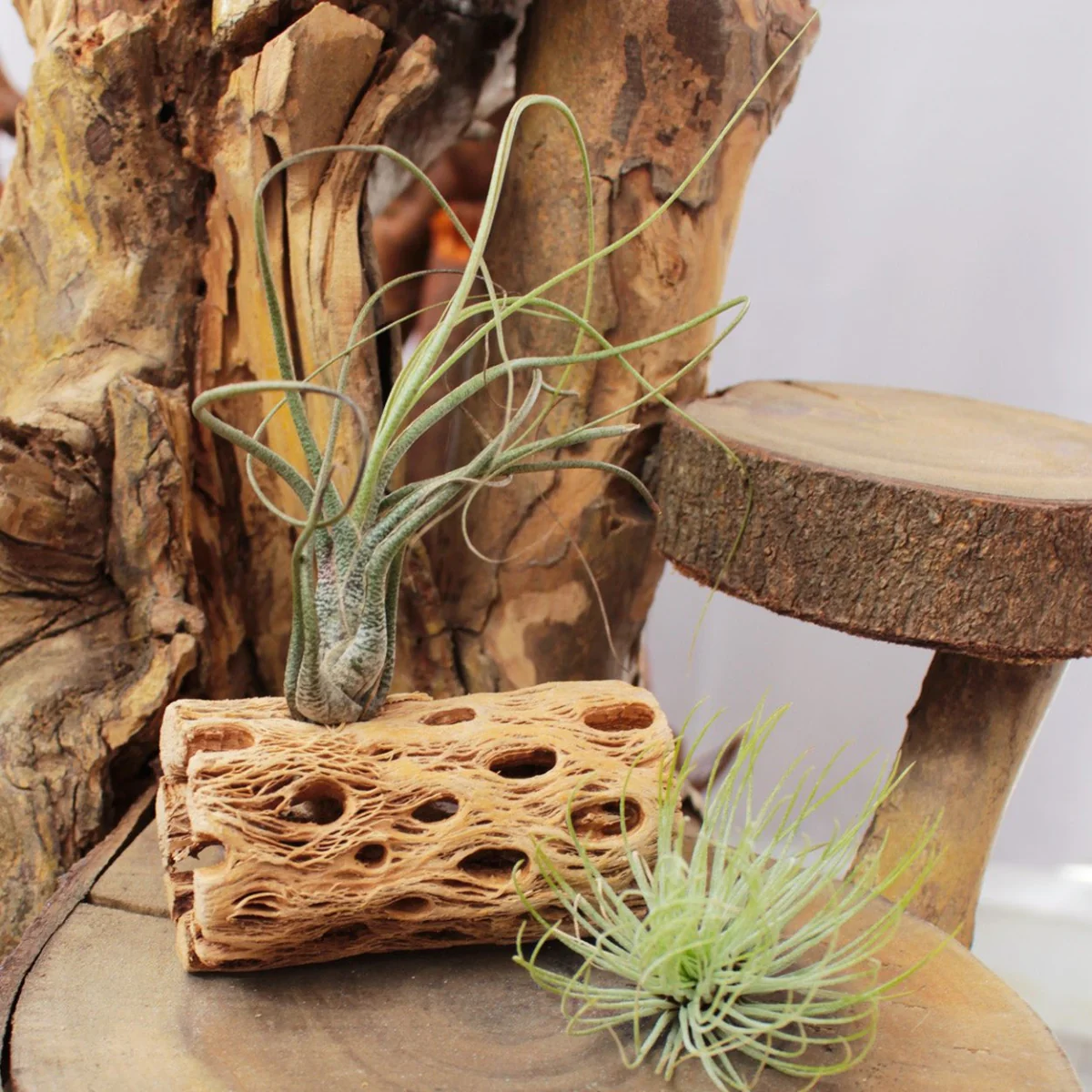
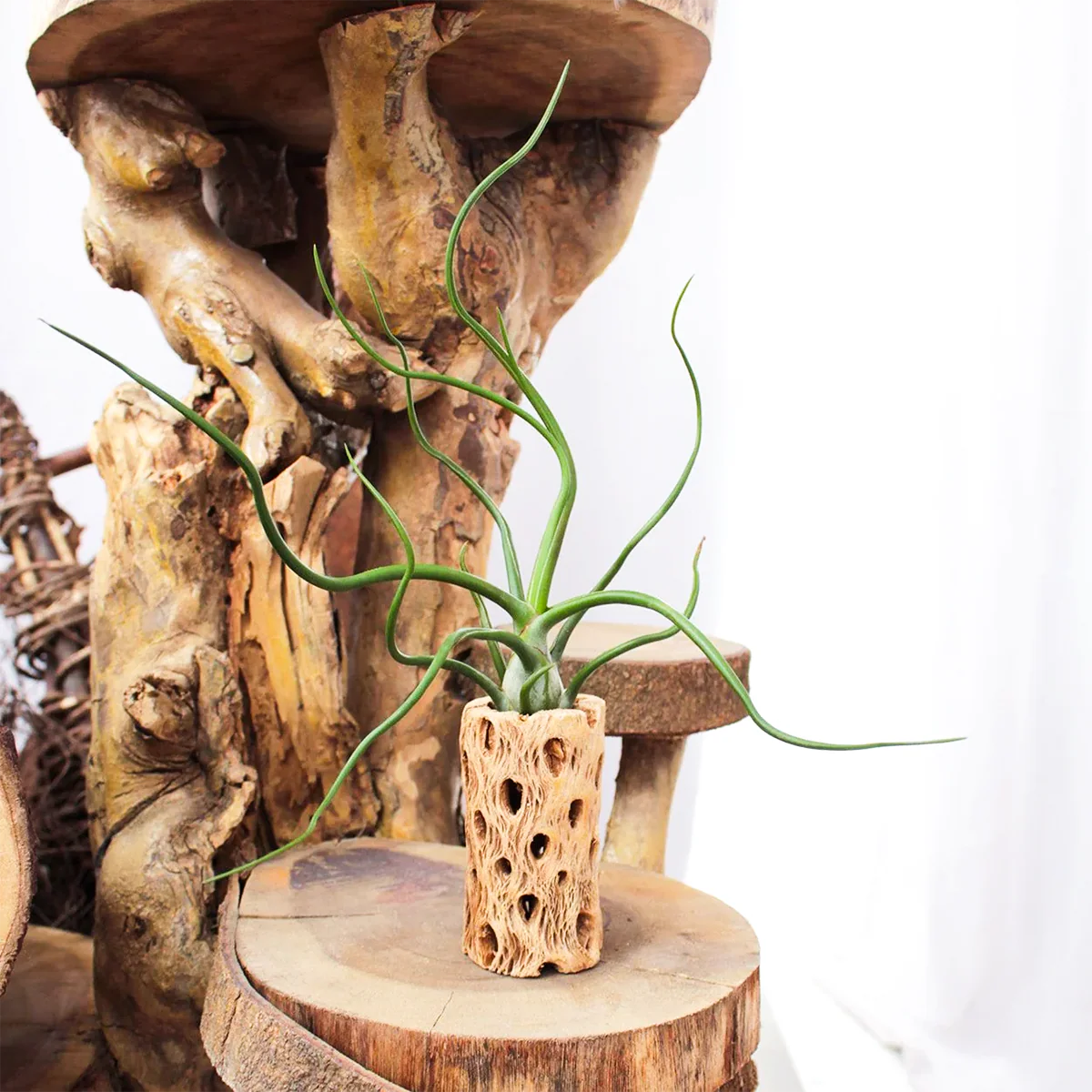
![]() The Sputnik Urchin shells feature naturally hollow, spiky forms that cradle each air plant with an organic, sculptural quality. The silvery-green Tillandsia rosettes contrast beautifully against the pale, textured shells, creating a look that feels both natural and modern. Each arrangement sits attractively on shelves, windowsills, or tabletops, and the set of three allows for versatile grouping in any space.
The Sputnik Urchin shells feature naturally hollow, spiky forms that cradle each air plant with an organic, sculptural quality. The silvery-green Tillandsia rosettes contrast beautifully against the pale, textured shells, creating a look that feels both natural and modern. Each arrangement sits attractively on shelves, windowsills, or tabletops, and the set of three allows for versatile grouping in any space.
![]() These arrangements work beautifully as desk accents, bathroom decor, or living room focal points anywhere with good airflow and indirect light. Tillandsia air plants are pet friendly, making them a great choice for homes with cats or dogs. Because of the spiky shell and small plant parts, placing them out of reach of young children is a good idea.
These arrangements work beautifully as desk accents, bathroom decor, or living room focal points anywhere with good airflow and indirect light. Tillandsia air plants are pet friendly, making them a great choice for homes with cats or dogs. Because of the spiky shell and small plant parts, placing them out of reach of young children is a good idea. -
![]() Tillandsia air plants thrive in bright, indirect light. Place them near a window that receives filtered sunlight for several hours a day. Avoid direct midday sun, which can scorch the leaves, but low-light conditions will slow growth and reduce vibrancy.
Tillandsia air plants thrive in bright, indirect light. Place them near a window that receives filtered sunlight for several hours a day. Avoid direct midday sun, which can scorch the leaves, but low-light conditions will slow growth and reduce vibrancy.
![]() Water by misting two to three times per week or by submerging the plants in room-temperature water for 20 to 30 minutes once a week. After soaking, gently shake off excess water and allow the plants to dry upside down for a few hours before returning them to the shells. Good air circulation after watering is key to preventing rot.
Water by misting two to three times per week or by submerging the plants in room-temperature water for 20 to 30 minutes once a week. After soaking, gently shake off excess water and allow the plants to dry upside down for a few hours before returning them to the shells. Good air circulation after watering is key to preventing rot.
![]() No soil is needed for Tillandsia air plants. The Sputnik Urchin shell acts purely as a decorative holder. Keep the shells clean and dry between waterings to prevent moisture buildup around the base of the plant.
No soil is needed for Tillandsia air plants. The Sputnik Urchin shell acts purely as a decorative holder. Keep the shells clean and dry between waterings to prevent moisture buildup around the base of the plant.
![]() Tillandsia air plants prefer temperatures between 50°F and 90°F (10°C to 32°C). They enjoy moderate humidity and good air circulation. Keep them away from air conditioning vents, heating units, and drafty windows, all of which can dry out the leaves too quickly.
Tillandsia air plants prefer temperatures between 50°F and 90°F (10°C to 32°C). They enjoy moderate humidity and good air circulation. Keep them away from air conditioning vents, heating units, and drafty windows, all of which can dry out the leaves too quickly.
![]() Feed air plants once a month using a bromeliad or Tillandsia-specific fertilizer diluted to one quarter strength. Apply it by misting the leaves directly or adding it to the soaking water. Avoid over-fertilizing, as too many nutrients can harm the delicate leaf tissue.
Feed air plants once a month using a bromeliad or Tillandsia-specific fertilizer diluted to one quarter strength. Apply it by misting the leaves directly or adding it to the soaking water. Avoid over-fertilizing, as too many nutrients can harm the delicate leaf tissue.
-
![]()
USDA Hardiness Zones 9-11 | Minimum temperature: 25°F (-4°C)
In zones 9 through 11, Tillandsia air plants can be displayed outdoors year-round in a sheltered spot with filtered light and good airflow. In cooler climates, bring them indoors before temperatures drop below 50°F (10°C) to keep them at their best through winter.
 This set pairs three Sputnik Urchin shells with Tillandsia air plants, creating a striking display straight out of the box. Tillandsia is a genus in the bromeliad family, native to the forests, mountains, and deserts of Central and South America. These plants earn their "air plant" nickname by absorbing water and nutrients through their leaves rather than roots, requiring no soil to thrive.
 The Sputnik Urchin shells feature naturally hollow, spiky forms that cradle each air plant with an organic, sculptural quality. The silvery-green Tillandsia rosettes contrast beautifully against the pale, textured shells, creating a look that feels both natural and modern. Each arrangement sits attractively on shelves, windowsills, or tabletops, and the set of three allows for versatile grouping in any space.
 These arrangements work beautifully as desk accents, bathroom decor, or living room focal points anywhere with good airflow and indirect light. Tillandsia air plants are pet friendly, making them a great choice for homes with cats or dogs. Because of the spiky shell and small plant parts, placing them out of reach of young children is a good idea.
  Tillandsia air plants thrive in bright, indirect light. Place them near a window that receives filtered sunlight for several hours a day. Avoid direct midday sun, which can scorch the leaves, but low-light conditions will slow growth and reduce vibrancy.
 Water by misting two to three times per week or by submerging the plants in room-temperature water for 20 to 30 minutes once a week. After soaking, gently shake off excess water and allow the plants to dry upside down for a few hours before returning them to the shells. Good air circulation after watering is key to preventing rot.
 Tillandsia air plants prefer temperatures between 50°F and 90°F (10°C to 32°C). They enjoy moderate humidity and good air circulation. Keep them away from air conditioning vents, heating units, and drafty windows, all of which can dry out the leaves too quickly.
 Feed air plants once a month using a bromeliad or Tillandsia-specific fertilizer diluted to one quarter strength. Apply it by misting the leaves directly or adding it to the soaking water. Avoid over-fertilizing, as too many nutrients can harm the delicate leaf tissue.

$45.90
Set of 3 Sputnik Urchins with Tillandsia Air Plants—
$45.90
Product Information
Product Information
Shipping & Returns
Shipping & Returns
Description
- Description
- Light/Soil/Water
- Hardiness
-
![]() This set pairs three Sputnik Urchin shells with Tillandsia air plants, creating a striking display straight out of the box. Tillandsia is a genus in the bromeliad family, native to the forests, mountains, and deserts of Central and South America. These plants earn their "air plant" nickname by absorbing water and nutrients through their leaves rather than roots, requiring no soil to thrive.
This set pairs three Sputnik Urchin shells with Tillandsia air plants, creating a striking display straight out of the box. Tillandsia is a genus in the bromeliad family, native to the forests, mountains, and deserts of Central and South America. These plants earn their "air plant" nickname by absorbing water and nutrients through their leaves rather than roots, requiring no soil to thrive.
![]() The Sputnik Urchin shells feature naturally hollow, spiky forms that cradle each air plant with an organic, sculptural quality. The silvery-green Tillandsia rosettes contrast beautifully against the pale, textured shells, creating a look that feels both natural and modern. Each arrangement sits attractively on shelves, windowsills, or tabletops, and the set of three allows for versatile grouping in any space.
The Sputnik Urchin shells feature naturally hollow, spiky forms that cradle each air plant with an organic, sculptural quality. The silvery-green Tillandsia rosettes contrast beautifully against the pale, textured shells, creating a look that feels both natural and modern. Each arrangement sits attractively on shelves, windowsills, or tabletops, and the set of three allows for versatile grouping in any space.
![]() These arrangements work beautifully as desk accents, bathroom decor, or living room focal points anywhere with good airflow and indirect light. Tillandsia air plants are pet friendly, making them a great choice for homes with cats or dogs. Because of the spiky shell and small plant parts, placing them out of reach of young children is a good idea.
These arrangements work beautifully as desk accents, bathroom decor, or living room focal points anywhere with good airflow and indirect light. Tillandsia air plants are pet friendly, making them a great choice for homes with cats or dogs. Because of the spiky shell and small plant parts, placing them out of reach of young children is a good idea. -
![]() Tillandsia air plants thrive in bright, indirect light. Place them near a window that receives filtered sunlight for several hours a day. Avoid direct midday sun, which can scorch the leaves, but low-light conditions will slow growth and reduce vibrancy.
Tillandsia air plants thrive in bright, indirect light. Place them near a window that receives filtered sunlight for several hours a day. Avoid direct midday sun, which can scorch the leaves, but low-light conditions will slow growth and reduce vibrancy.
![]() Water by misting two to three times per week or by submerging the plants in room-temperature water for 20 to 30 minutes once a week. After soaking, gently shake off excess water and allow the plants to dry upside down for a few hours before returning them to the shells. Good air circulation after watering is key to preventing rot.
Water by misting two to three times per week or by submerging the plants in room-temperature water for 20 to 30 minutes once a week. After soaking, gently shake off excess water and allow the plants to dry upside down for a few hours before returning them to the shells. Good air circulation after watering is key to preventing rot.
![]() No soil is needed for Tillandsia air plants. The Sputnik Urchin shell acts purely as a decorative holder. Keep the shells clean and dry between waterings to prevent moisture buildup around the base of the plant.
No soil is needed for Tillandsia air plants. The Sputnik Urchin shell acts purely as a decorative holder. Keep the shells clean and dry between waterings to prevent moisture buildup around the base of the plant.
![]() Tillandsia air plants prefer temperatures between 50°F and 90°F (10°C to 32°C). They enjoy moderate humidity and good air circulation. Keep them away from air conditioning vents, heating units, and drafty windows, all of which can dry out the leaves too quickly.
Tillandsia air plants prefer temperatures between 50°F and 90°F (10°C to 32°C). They enjoy moderate humidity and good air circulation. Keep them away from air conditioning vents, heating units, and drafty windows, all of which can dry out the leaves too quickly.
![]() Feed air plants once a month using a bromeliad or Tillandsia-specific fertilizer diluted to one quarter strength. Apply it by misting the leaves directly or adding it to the soaking water. Avoid over-fertilizing, as too many nutrients can harm the delicate leaf tissue.
Feed air plants once a month using a bromeliad or Tillandsia-specific fertilizer diluted to one quarter strength. Apply it by misting the leaves directly or adding it to the soaking water. Avoid over-fertilizing, as too many nutrients can harm the delicate leaf tissue.
-
![]()
USDA Hardiness Zones 9-11 | Minimum temperature: 25°F (-4°C)
In zones 9 through 11, Tillandsia air plants can be displayed outdoors year-round in a sheltered spot with filtered light and good airflow. In cooler climates, bring them indoors before temperatures drop below 50°F (10°C) to keep them at their best through winter.