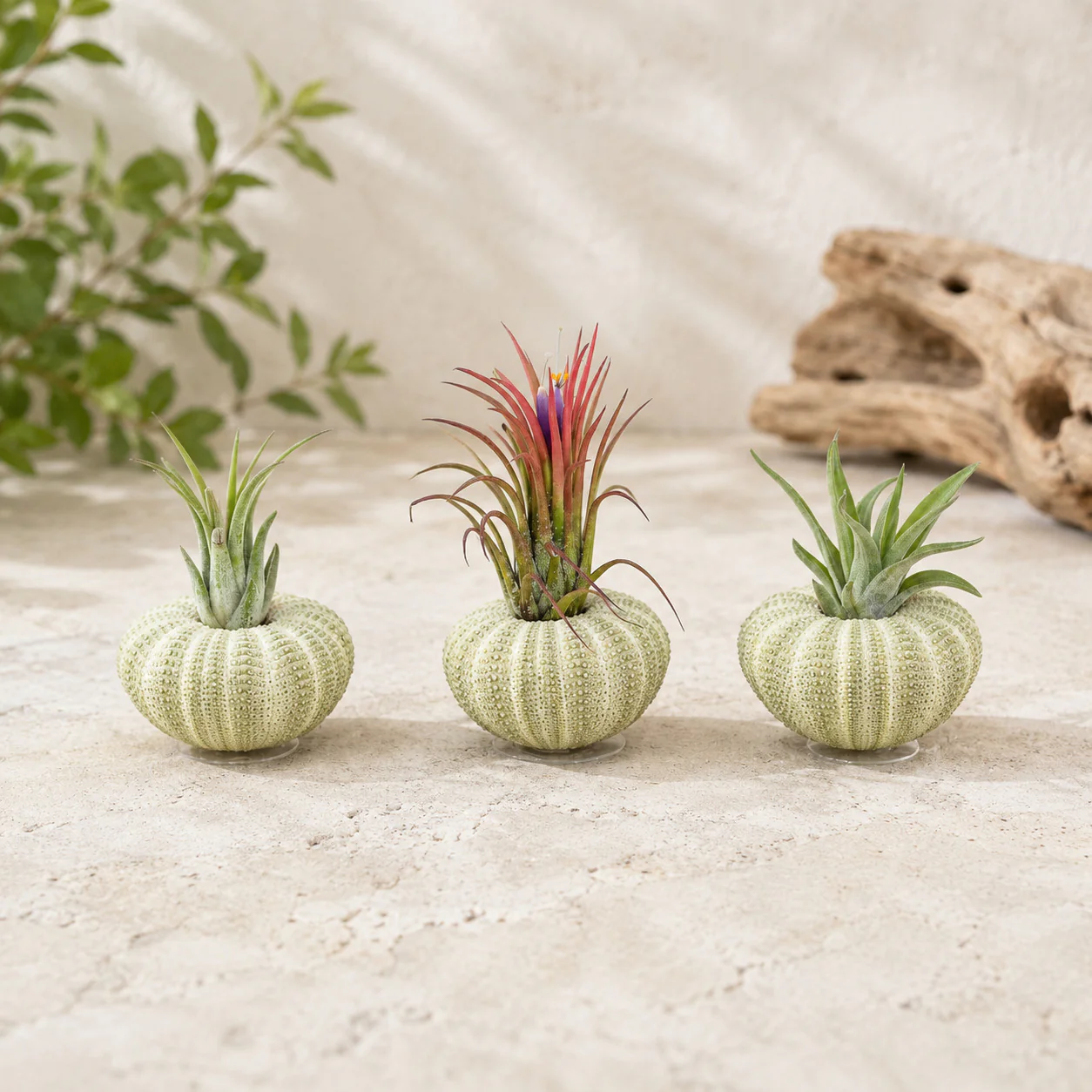
Set of 3 Green Urchins with Tillandsia Air Plants
- Description
- Light/Soil/Water
- Hardiness
-
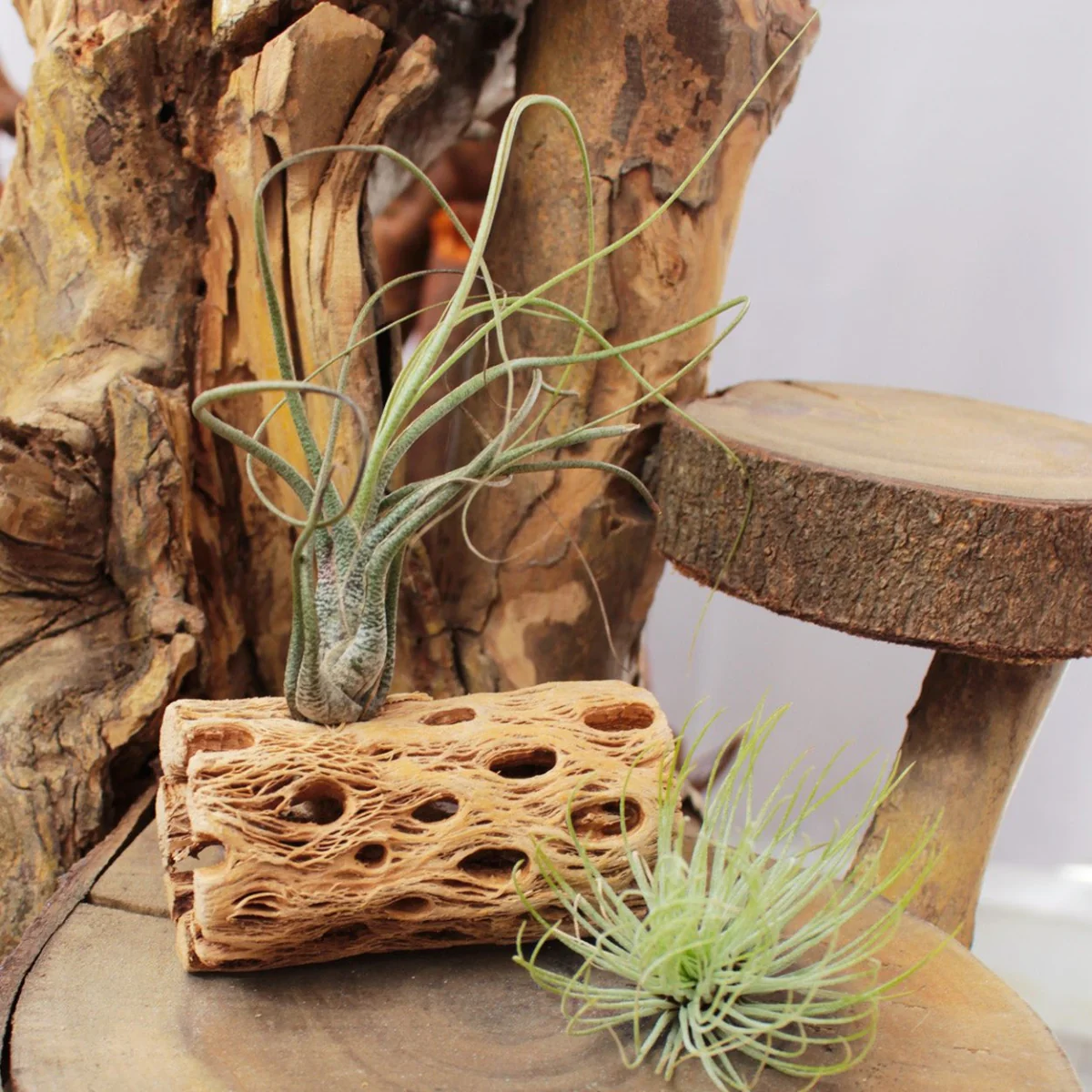
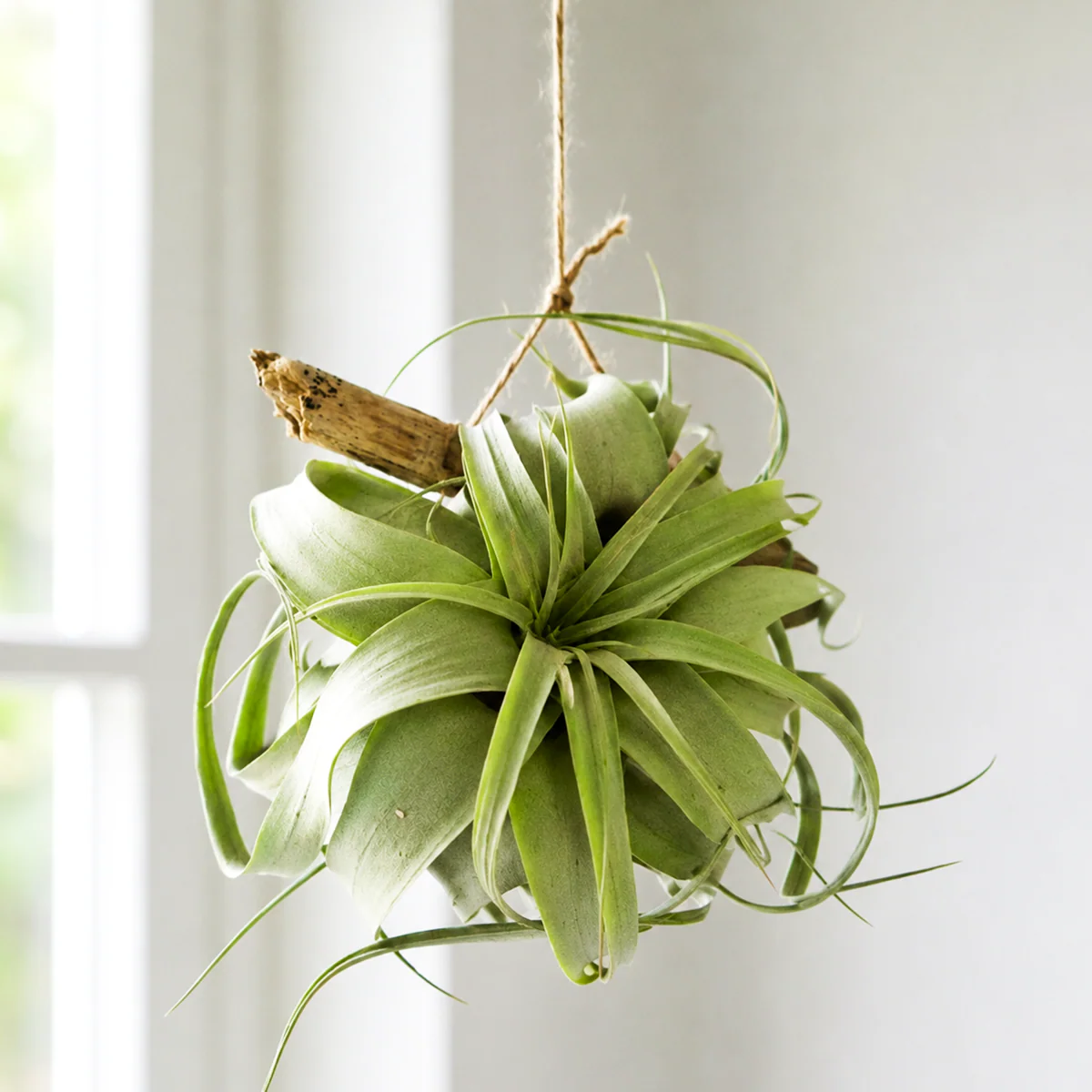
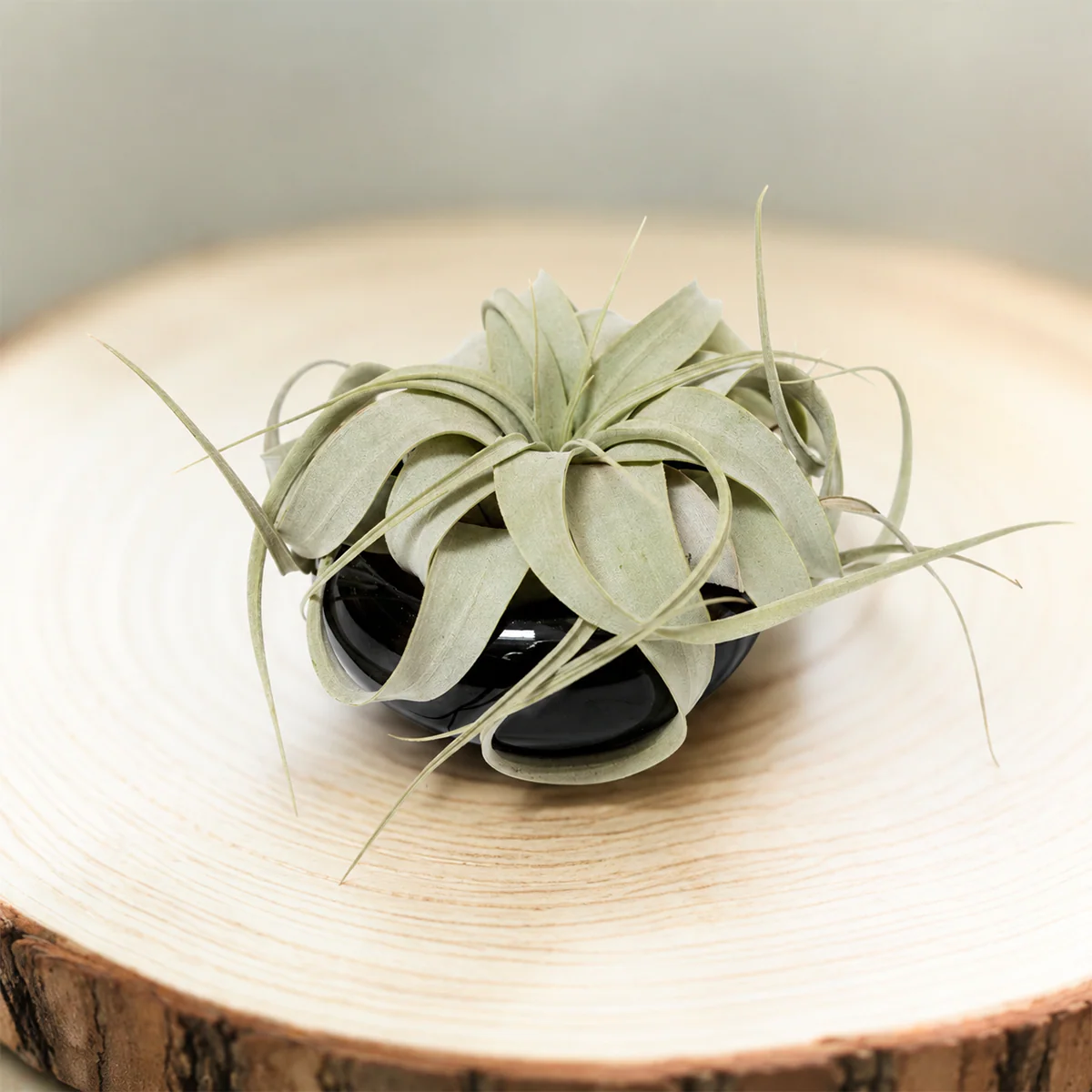
![]() This set pairs three real sea urchin shells with Tillandsia air plants, a genus in the Bromeliaceae family native to the forests, mountains, and deserts of Central and South America. Tillandsias are epiphytes, meaning they grow without soil by absorbing water and nutrients through their leaves. The combination of natural shell and living plant creates a display that doubles as both botanical art and conversation piece.
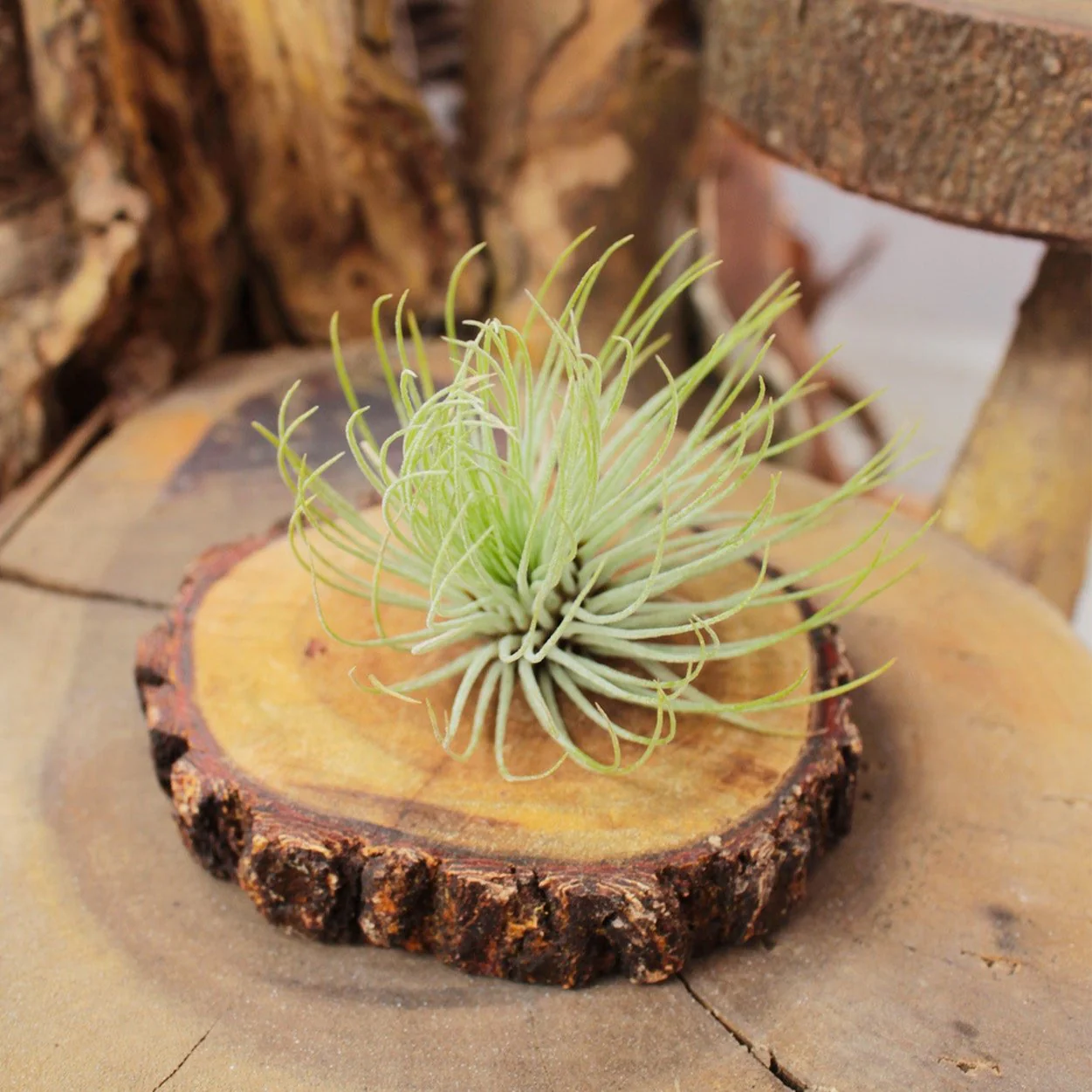
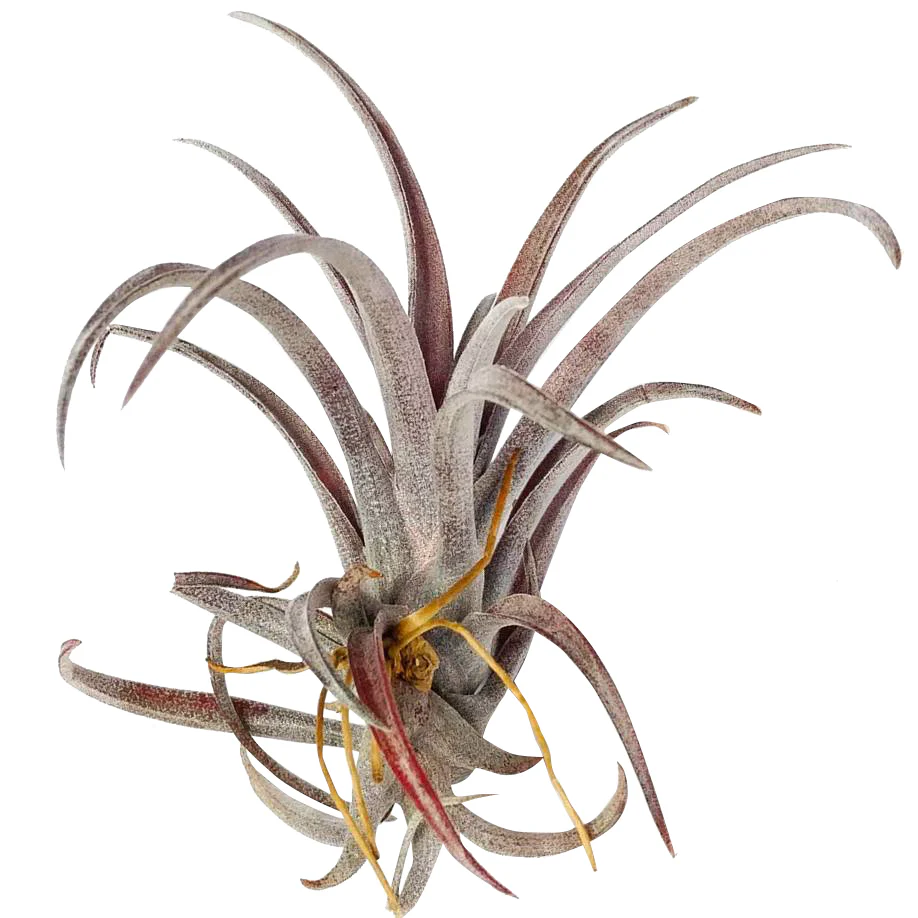
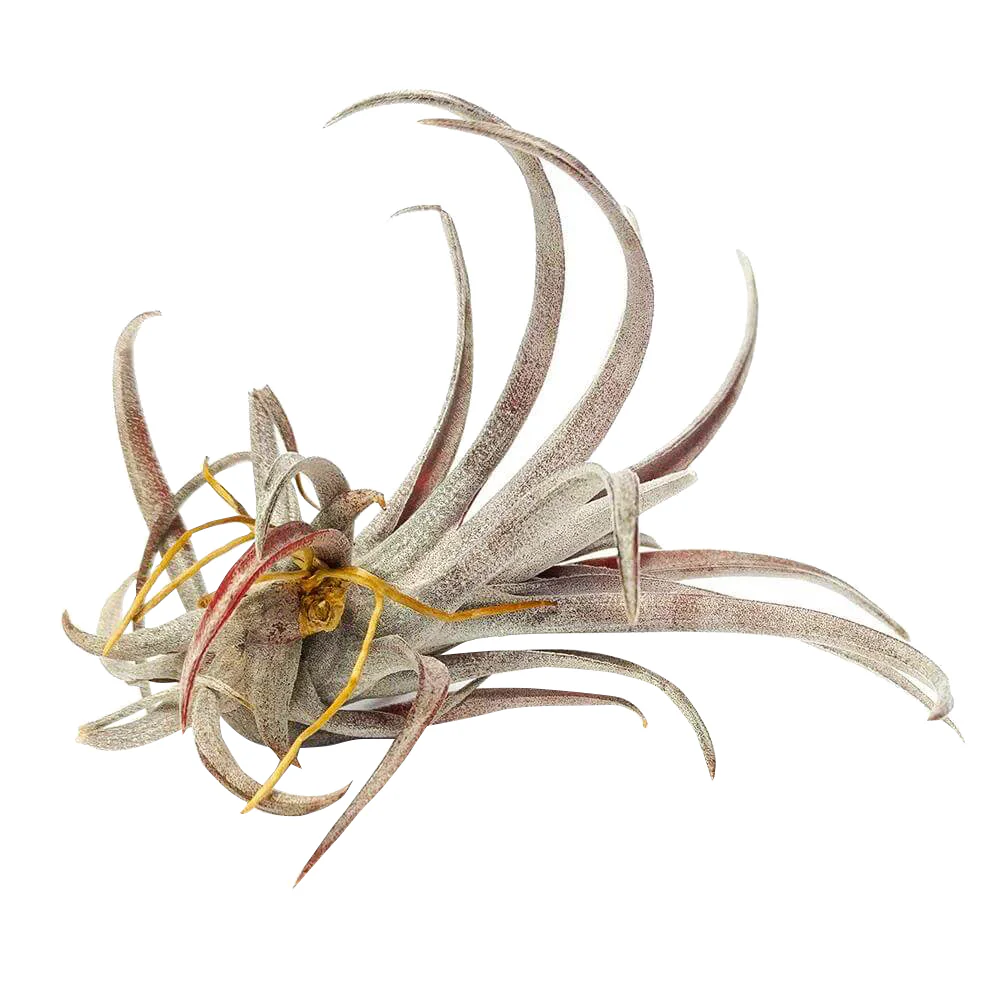
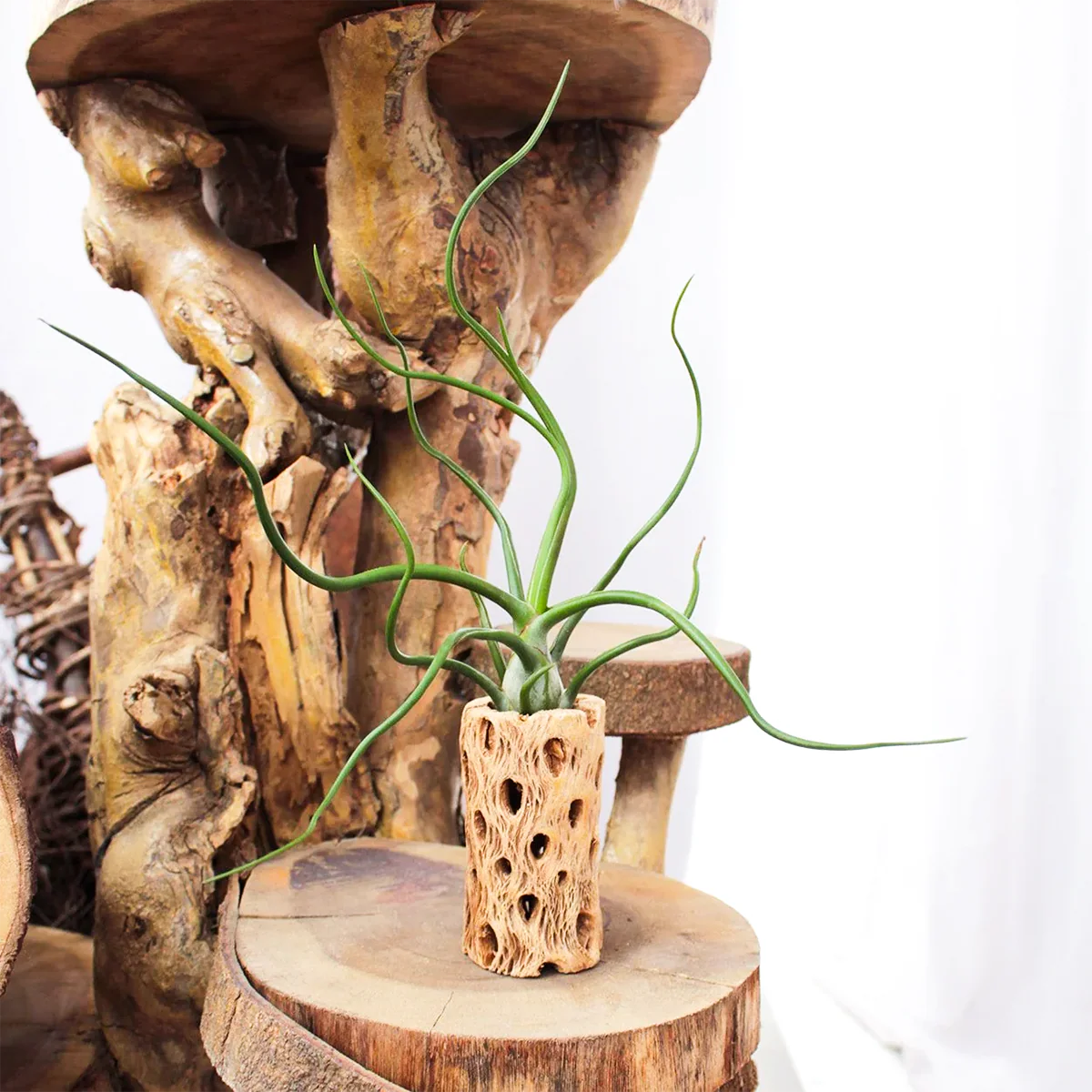
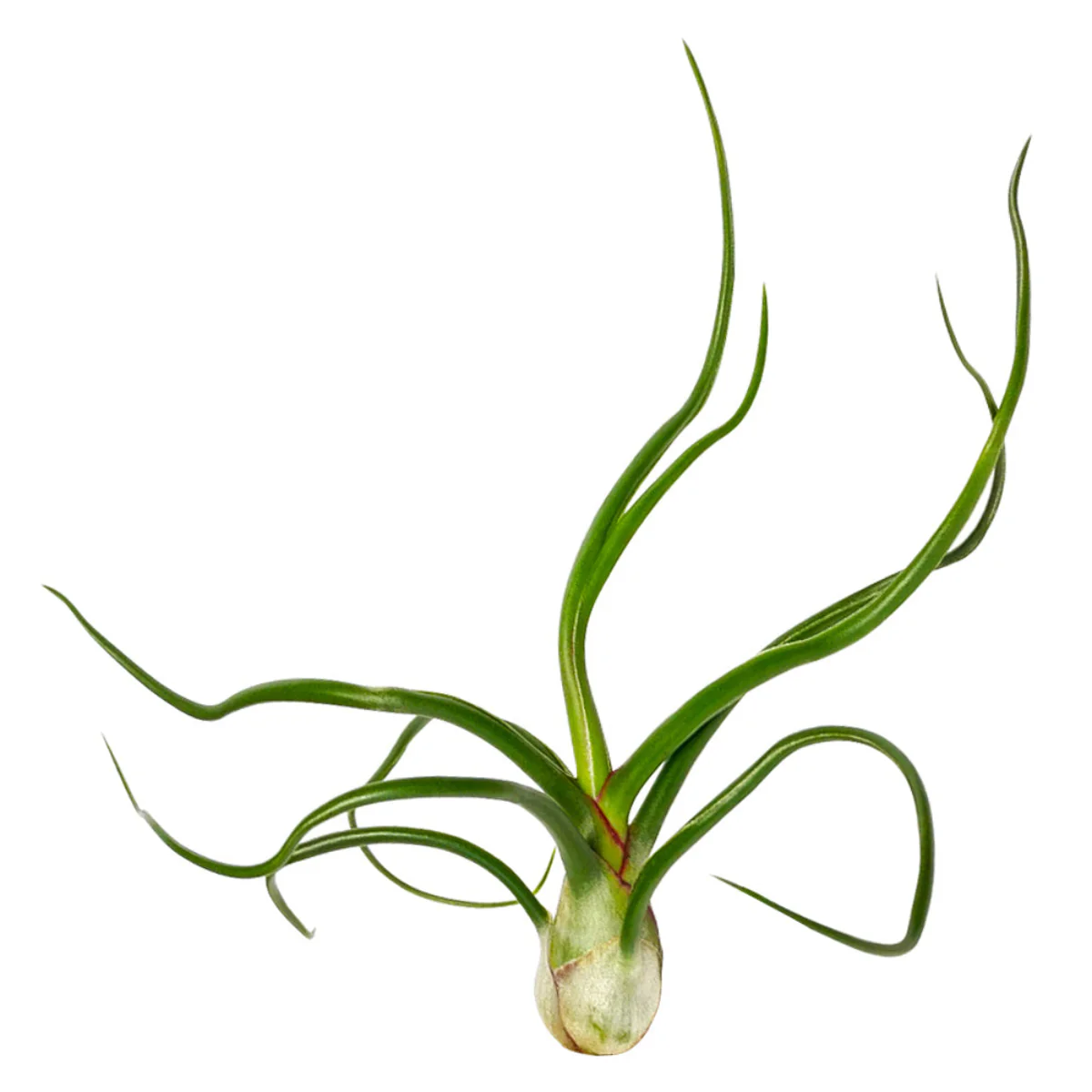
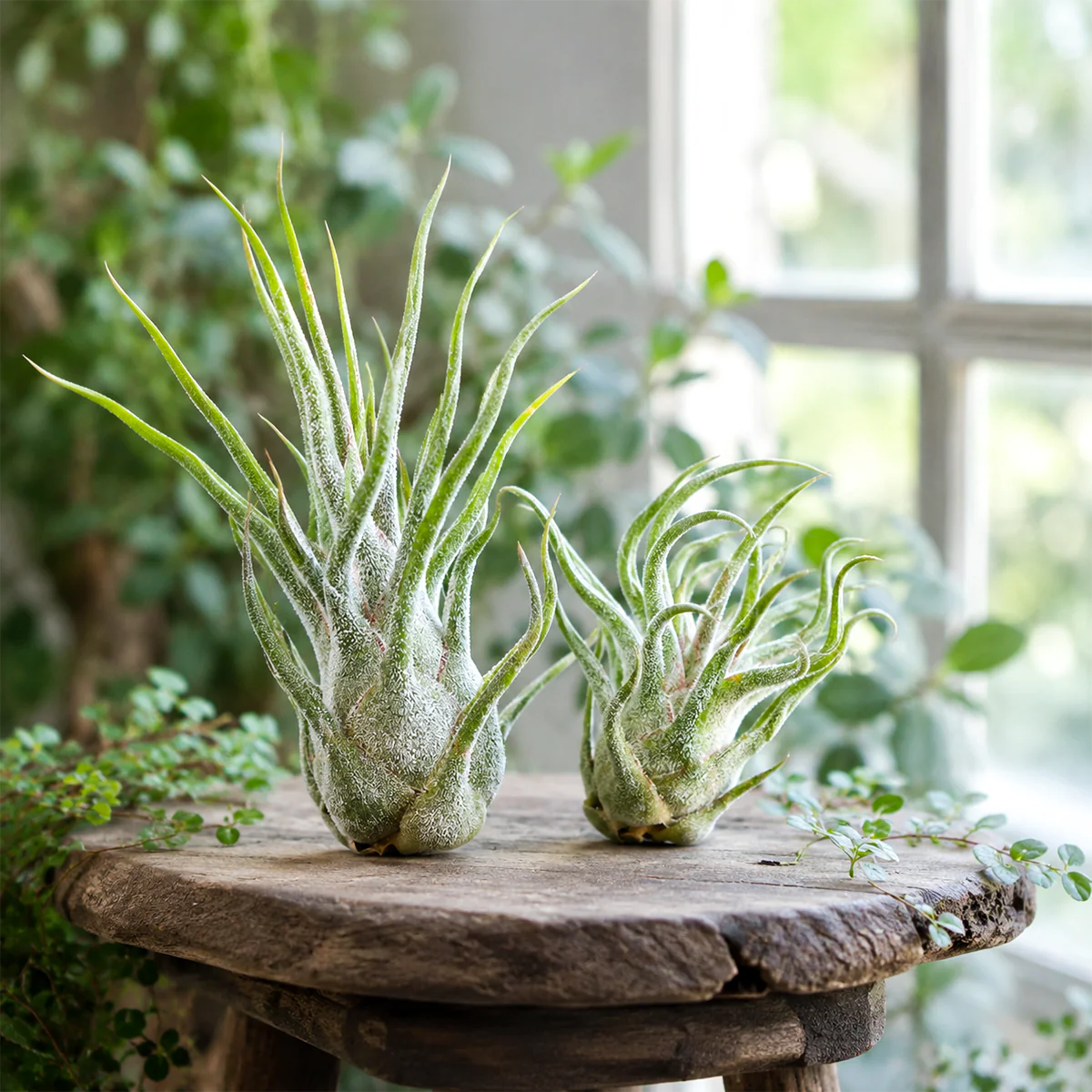
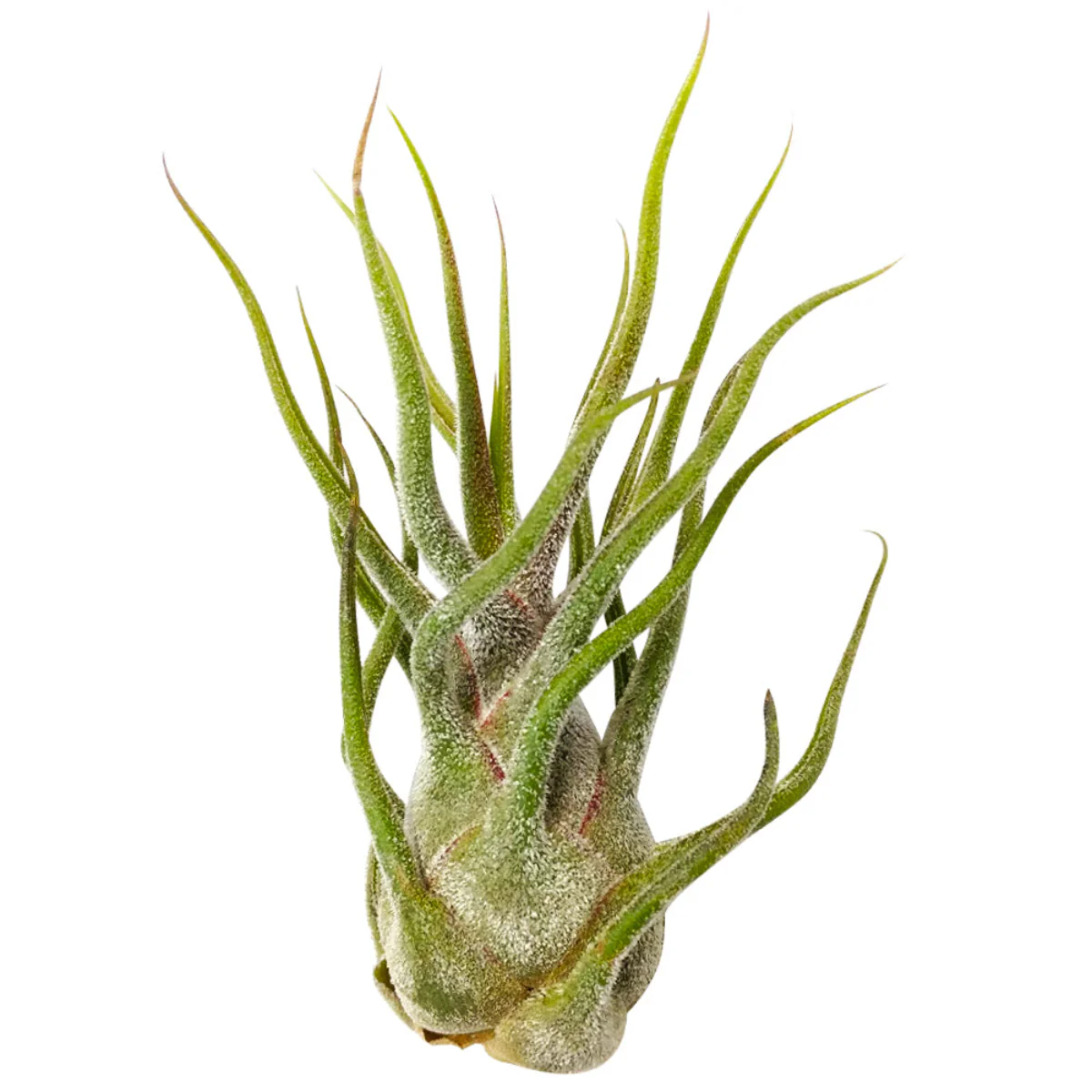
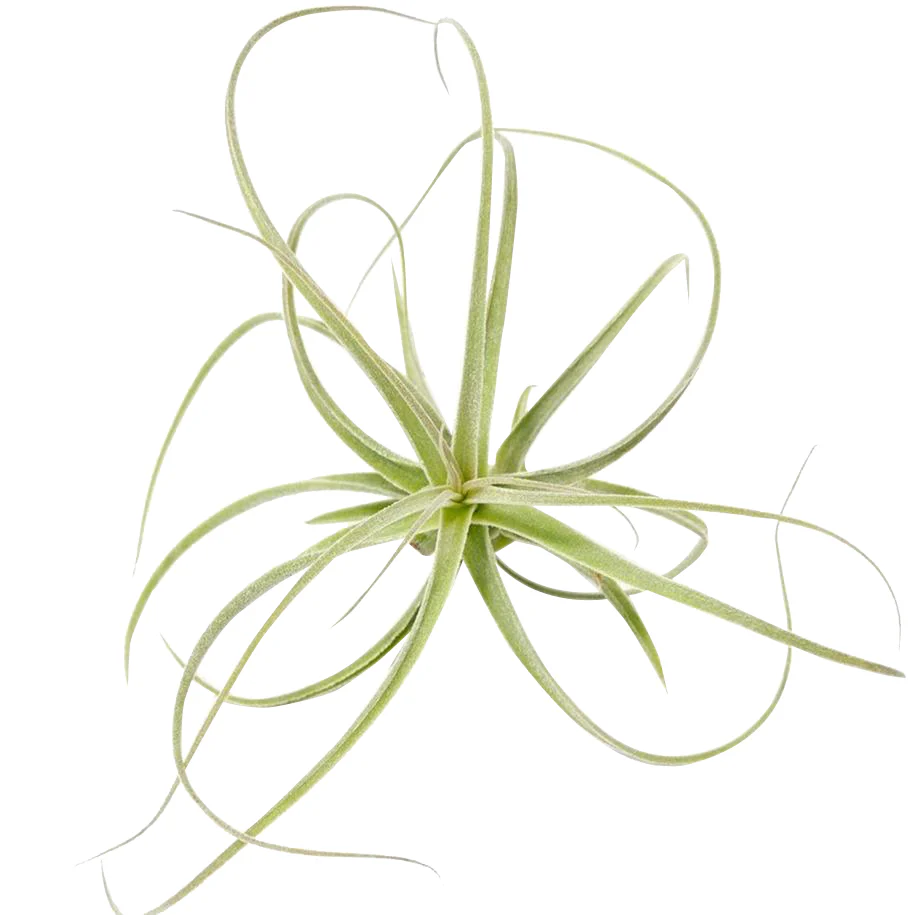
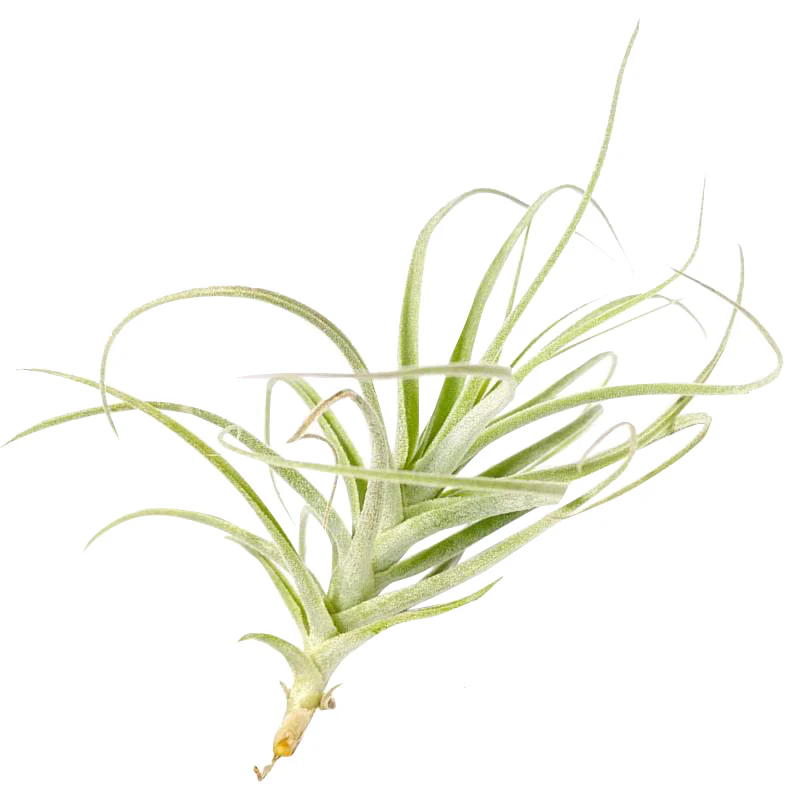
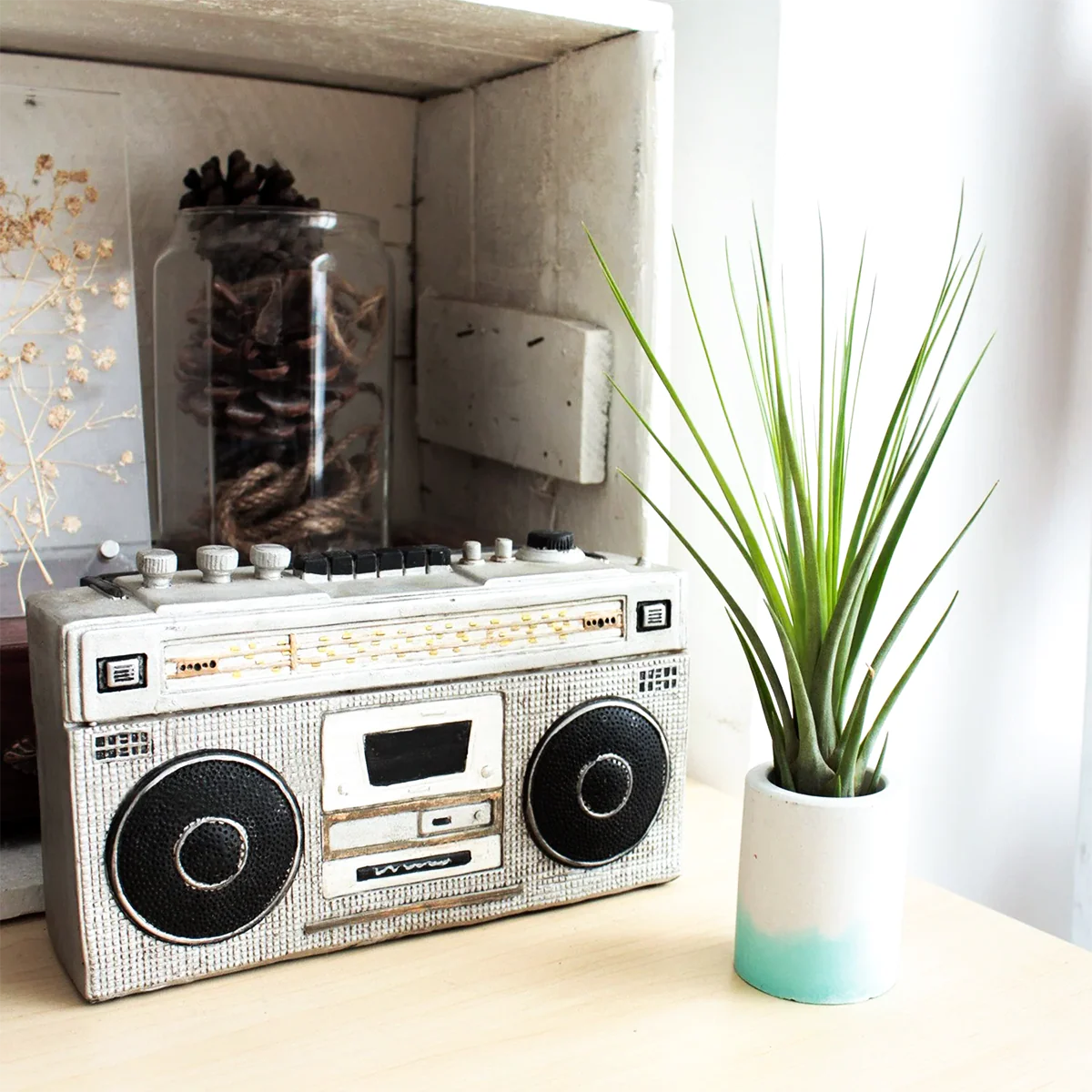
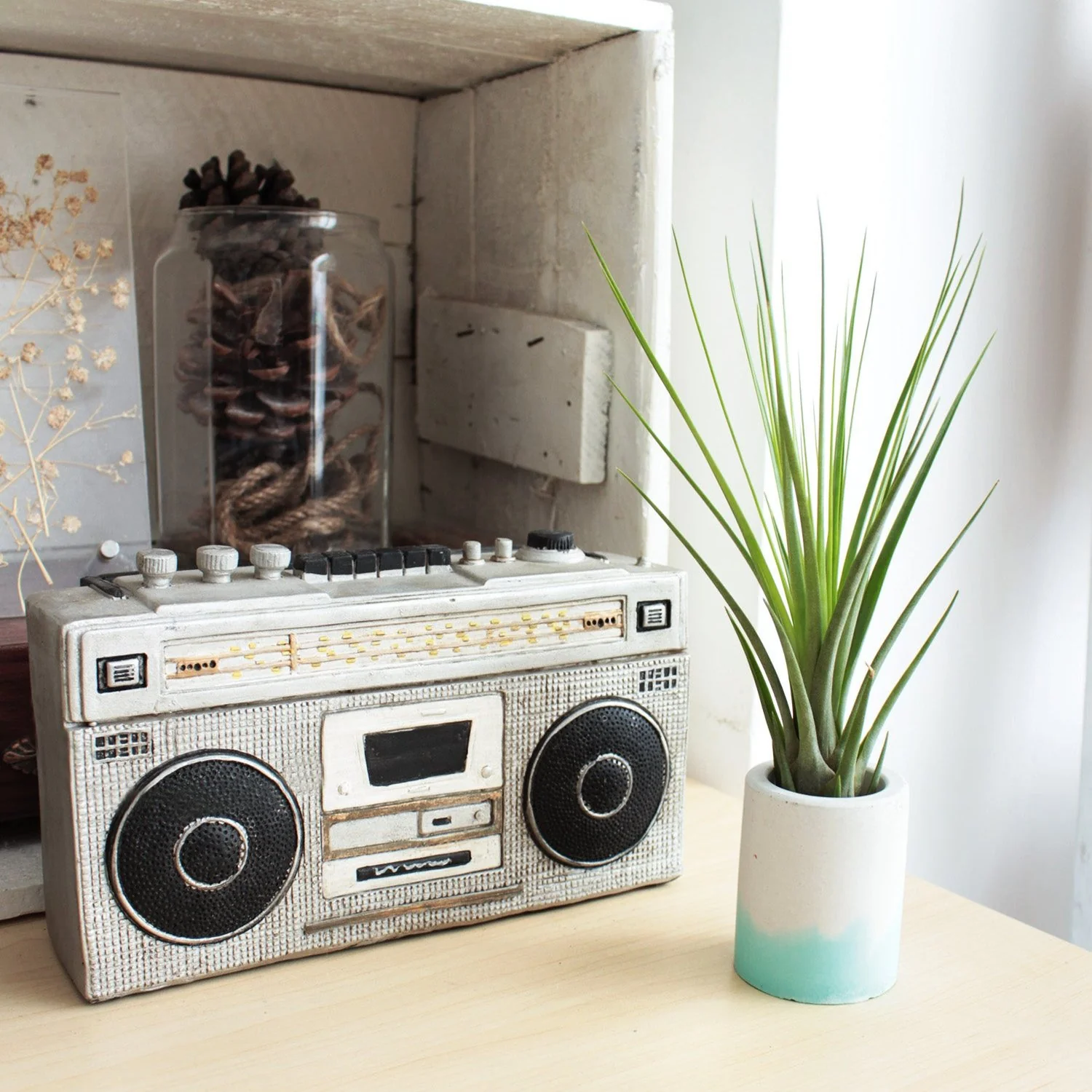
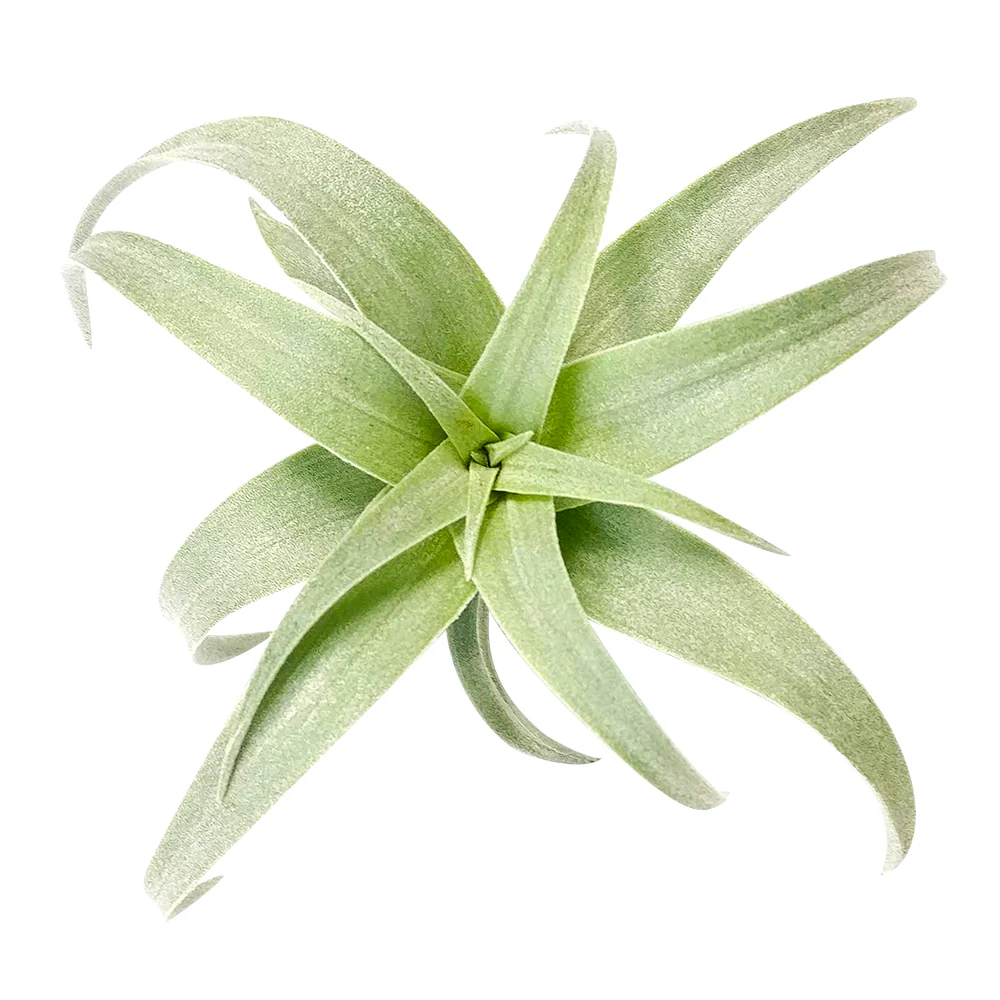
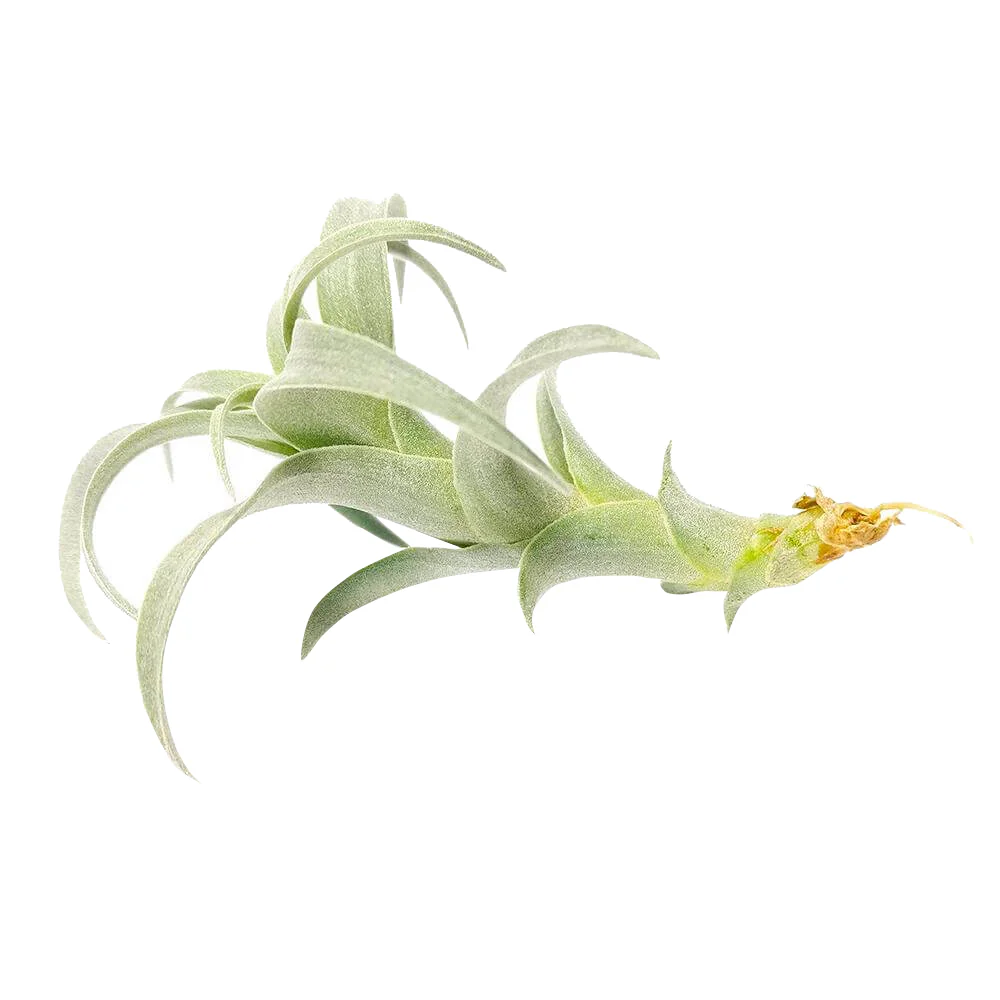
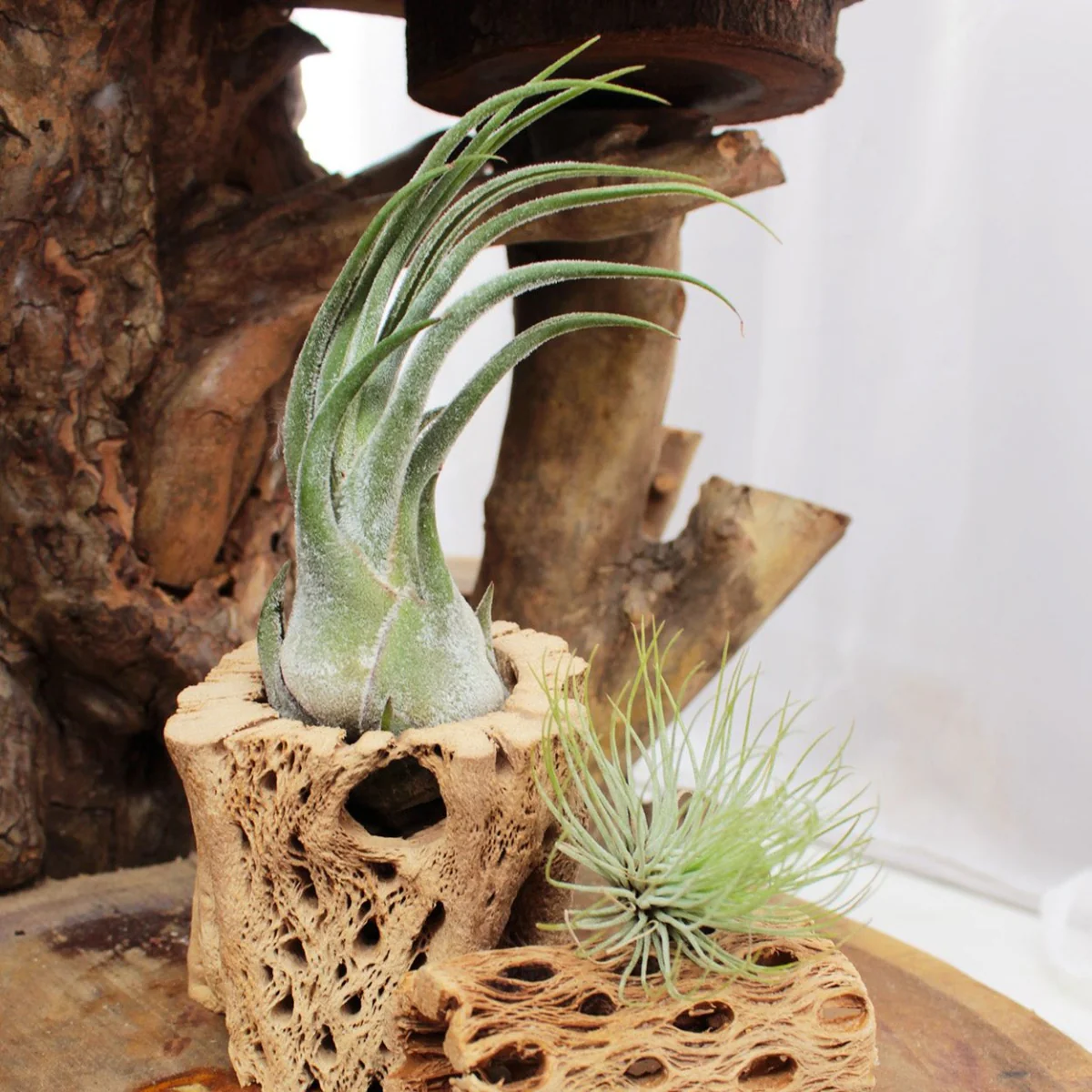
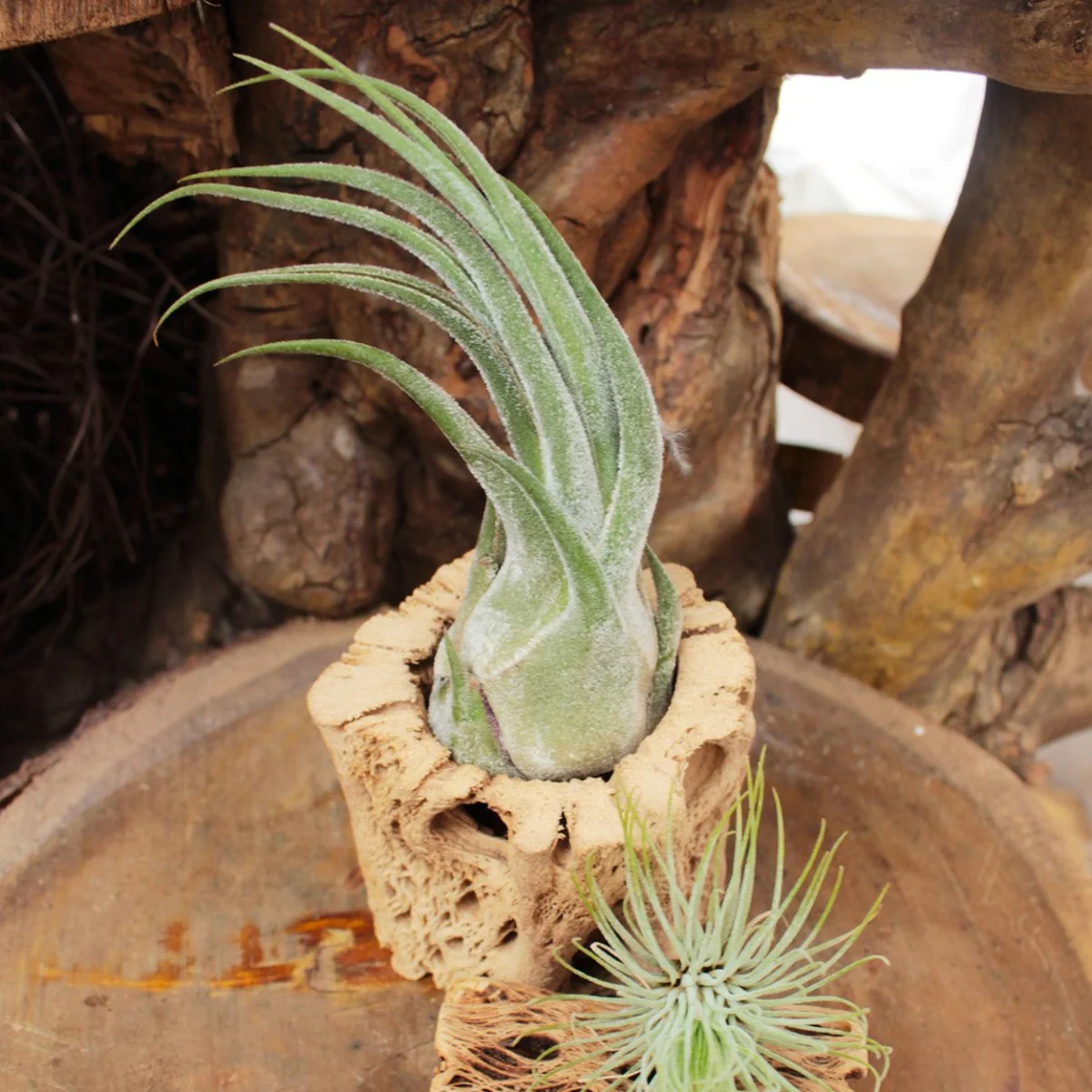
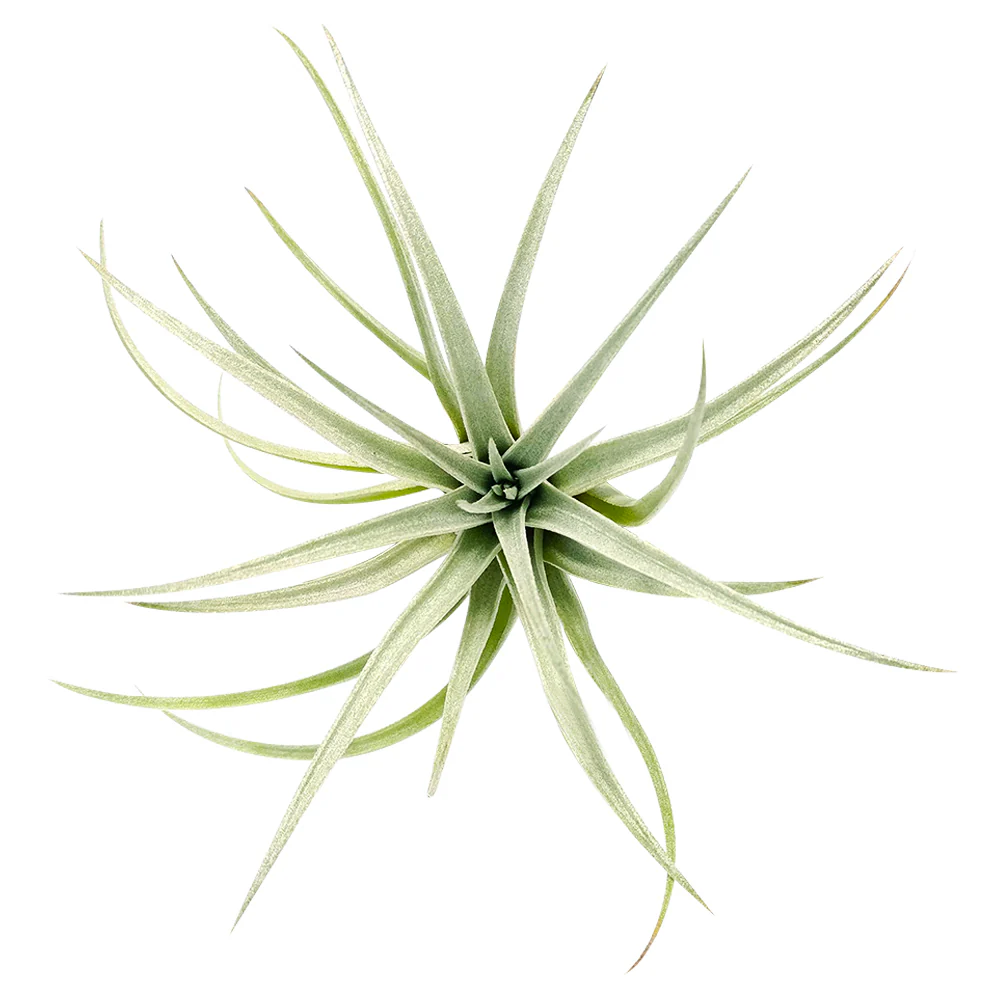
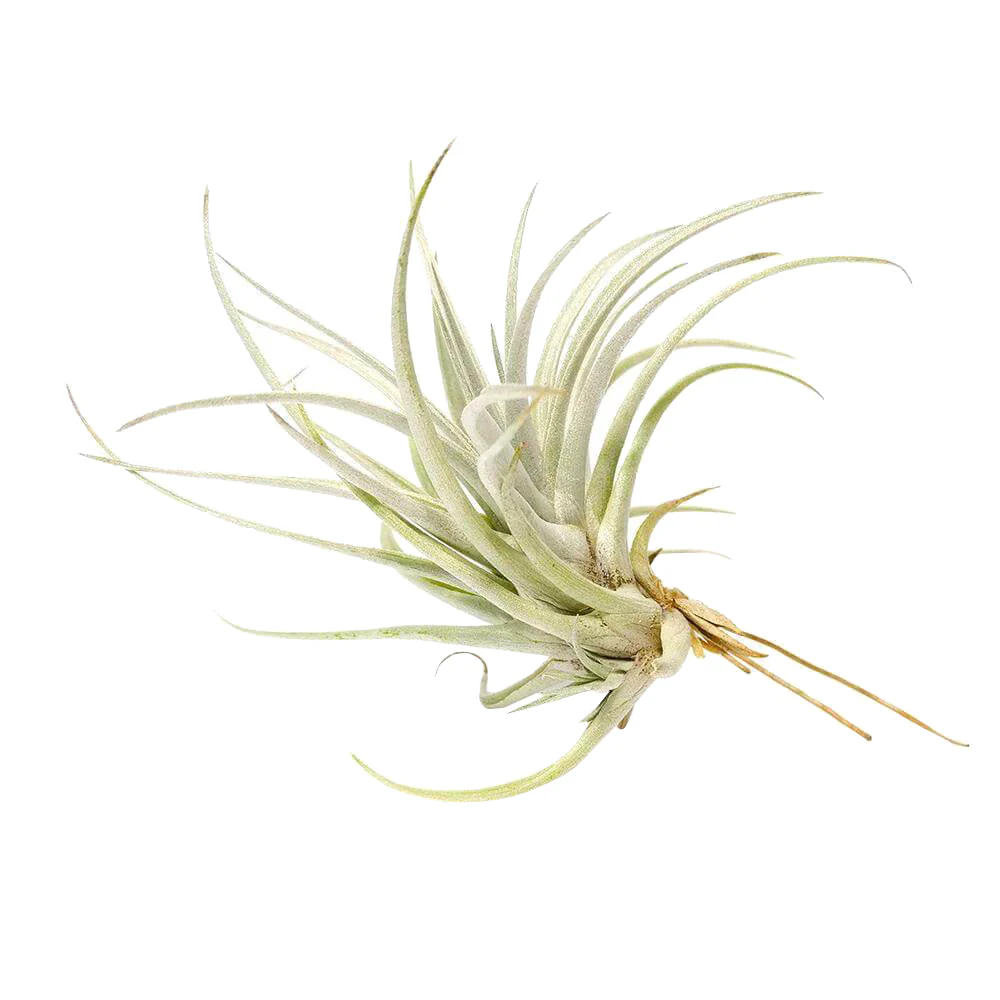
This set pairs three real sea urchin shells with Tillandsia air plants, a genus in the Bromeliaceae family native to the forests, mountains, and deserts of Central and South America. Tillandsias are epiphytes, meaning they grow without soil by absorbing water and nutrients through their leaves. The combination of natural shell and living plant creates a display that doubles as both botanical art and conversation piece. ![]() Each green urchin shell is compact, rounded, and covered in a delicate natural texture that complements the soft, arching leaves of the Tillandsia nestled inside. The plants display silvery-green foliage with fine trichomes along the leaves that help them capture moisture from the air. Their small scale makes them ideal for shelves, windowsills, terrariums, or grouped together as a coastal-inspired centerpiece.
Each green urchin shell is compact, rounded, and covered in a delicate natural texture that complements the soft, arching leaves of the Tillandsia nestled inside. The plants display silvery-green foliage with fine trichomes along the leaves that help them capture moisture from the air. Their small scale makes them ideal for shelves, windowsills, terrariums, or grouped together as a coastal-inspired centerpiece. ![]() These air plants are wonderful for adding a natural, beachy accent to any room without the commitment of soil or a traditional pot. They work beautifully in living rooms, offices, and bathrooms with good airflow. This plant is pet friendly, making it a worry-free choice for households with animals. As with any small decorative object, it is best to place them out of reach of young children.
These air plants are wonderful for adding a natural, beachy accent to any room without the commitment of soil or a traditional pot. They work beautifully in living rooms, offices, and bathrooms with good airflow. This plant is pet friendly, making it a worry-free choice for households with animals. As with any small decorative object, it is best to place them out of reach of young children. -
![]() Tillandsia air plants thrive in bright, indirect light. Place them near a window that receives several hours of filtered sunlight each day. They can tolerate some gentle morning sun, but direct afternoon sun will dry out and scorch the leaves. Fluorescent or full-spectrum grow lights work well in low-light office or interior spaces.
Tillandsia air plants thrive in bright, indirect light. Place them near a window that receives several hours of filtered sunlight each day. They can tolerate some gentle morning sun, but direct afternoon sun will dry out and scorch the leaves. Fluorescent or full-spectrum grow lights work well in low-light office or interior spaces. ![]() Mist the plants two to three times per week, or soak them in room-temperature water for 20 to 30 minutes once a week. After soaking, gently shake off excess water and set them upside down on a towel for an hour before returning them to their shells. Good airflow after watering is essential to prevent moisture from collecting at the base and causing rot.
Mist the plants two to three times per week, or soak them in room-temperature water for 20 to 30 minutes once a week. After soaking, gently shake off excess water and set them upside down on a towel for an hour before returning them to their shells. Good airflow after watering is essential to prevent moisture from collecting at the base and causing rot. ![]() No soil is needed for Tillandsia air plants. The urchin shells serve purely as a decorative holder. To keep the shells looking their best, avoid submerging them during soaking sessions and wipe them dry after any water contact to preserve their natural finish.
No soil is needed for Tillandsia air plants. The urchin shells serve purely as a decorative holder. To keep the shells looking their best, avoid submerging them during soaking sessions and wipe them dry after any water contact to preserve their natural finish. ![]() Tillandsias prefer temperatures between 50°F and 90°F (10°C to 32°C) and do well in typical indoor humidity levels. They appreciate good air circulation and should not be placed in sealed terrariums or enclosed containers. Keep them away from air conditioning vents and heating units that create extreme dry drafts.
Tillandsias prefer temperatures between 50°F and 90°F (10°C to 32°C) and do well in typical indoor humidity levels. They appreciate good air circulation and should not be placed in sealed terrariums or enclosed containers. Keep them away from air conditioning vents and heating units that create extreme dry drafts. ![]() Feed Tillandsia air plants once a month using a bromeliad or air plant fertilizer diluted to one quarter of the recommended strength. Add it to your misting water or soaking water during the regular watering routine. Avoid over-fertilizing, as too many nutrients can stress the plant rather than support its growth.
Feed Tillandsia air plants once a month using a bromeliad or air plant fertilizer diluted to one quarter of the recommended strength. Add it to your misting water or soaking water during the regular watering routine. Avoid over-fertilizing, as too many nutrients can stress the plant rather than support its growth. -
![]()
USDA Hardiness Zones 9-11 | Minimum temperature: 25°F (-4°C)
Tillandsia air plants can be displayed outdoors year-round in Zones 9 through 11, where temperatures remain mild. In cooler zones, bring them indoors before nighttime temperatures drop below 50°F (10°C), as frost will damage the leaves. Indoors, they adapt easily to most climates and can be enjoyed in any region of the country throughout the year.
 This set pairs three real sea urchin shells with Tillandsia air plants, a genus in the Bromeliaceae family native to the forests, mountains, and deserts of Central and South America. Tillandsias are epiphytes, meaning they grow without soil by absorbing water and nutrients through their leaves. The combination of natural shell and living plant creates a display that doubles as both botanical art and conversation piece.
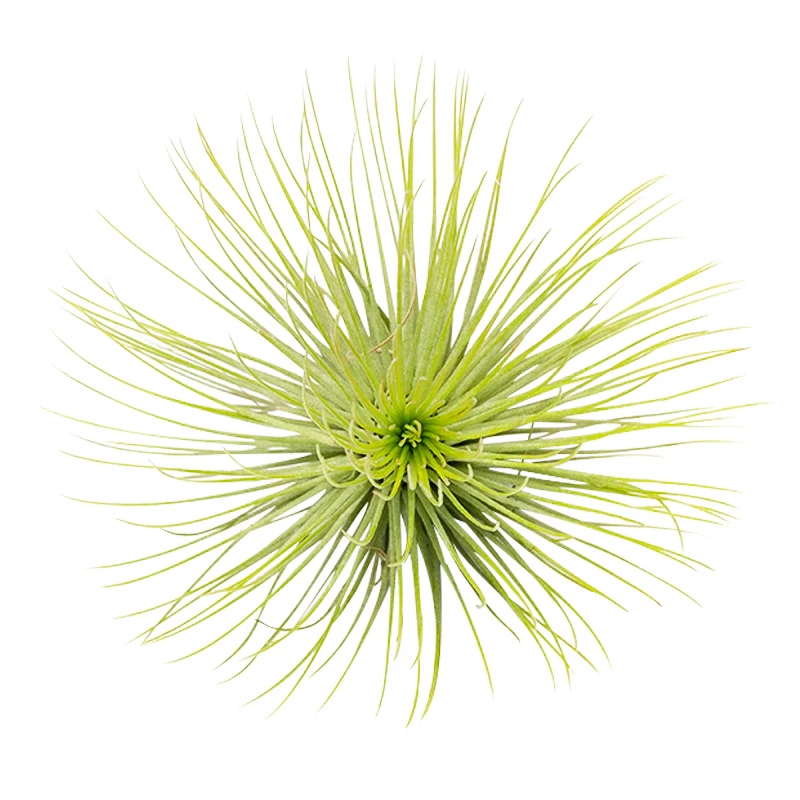
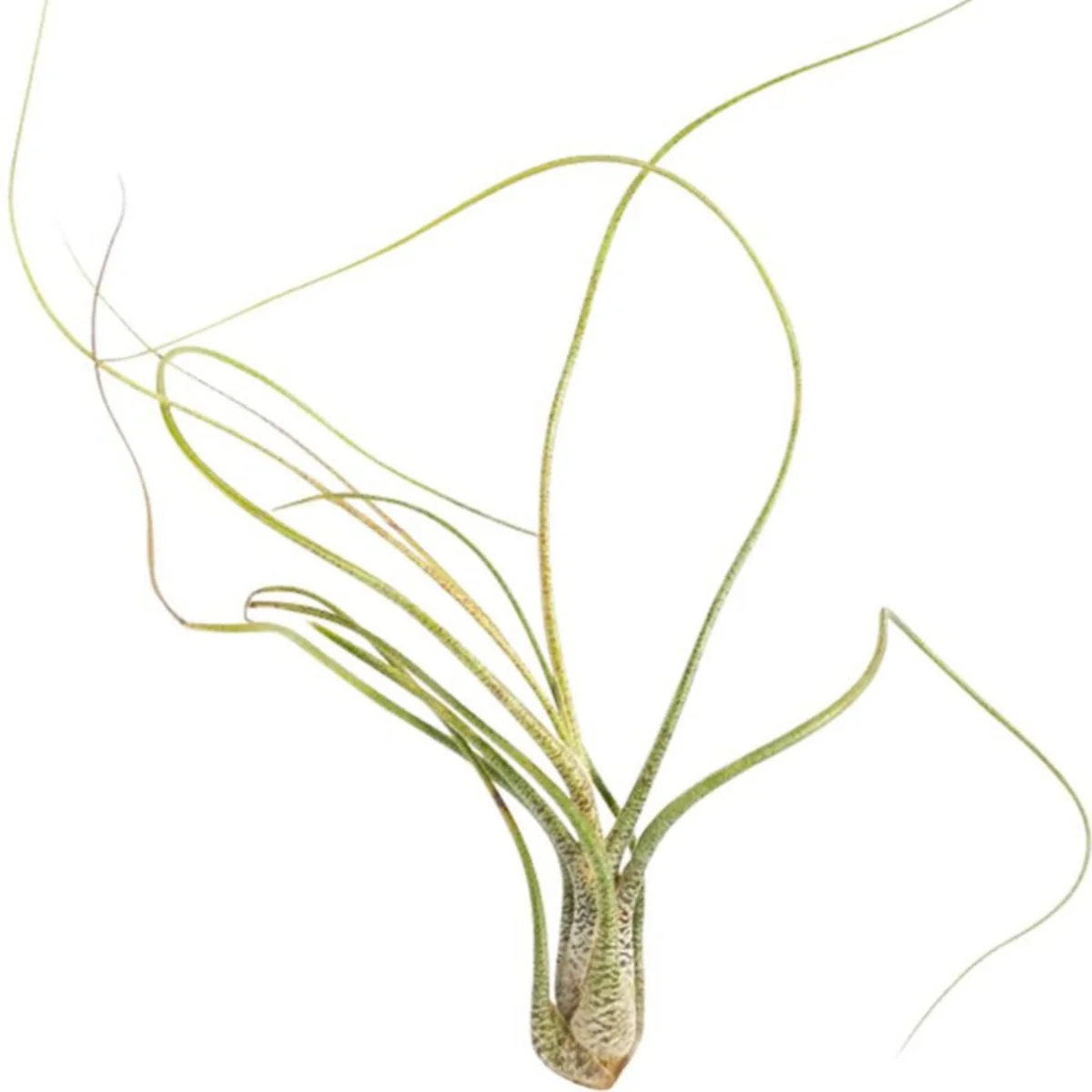
  Each green urchin shell is compact, rounded, and covered in a delicate natural texture that complements the soft, arching leaves of the Tillandsia nestled inside. The plants display silvery-green foliage with fine trichomes along the leaves that help them capture moisture from the air. Their small scale makes them ideal for shelves, windowsills, terrariums, or grouped together as a coastal-inspired centerpiece.
  These air plants are wonderful for adding a natural, beachy accent to any room without the commitment of soil or a traditional pot. They work beautifully in living rooms, offices, and bathrooms with good airflow. This plant is pet friendly, making it a worry-free choice for households with animals. As with any small decorative object, it is best to place them out of reach of young children.
 Tillandsia air plants thrive in bright, indirect light. Place them near a window that receives several hours of filtered sunlight each day. They can tolerate some gentle morning sun, but direct afternoon sun will dry out and scorch the leaves. Fluorescent or full-spectrum grow lights work well in low-light office or interior spaces.
  Mist the plants two to three times per week, or soak them in room-temperature water for 20 to 30 minutes once a week. After soaking, gently shake off excess water and set them upside down on a towel for an hour before returning them to their shells. Good airflow after watering is essential to prevent moisture from collecting at the base and causing rot.
  Tillandsias prefer temperatures between 50°F and 90°F (10°C to 32°C) and do well in typical indoor humidity levels. They appreciate good air circulation and should not be placed in sealed terrariums or enclosed containers. Keep them away from air conditioning vents and heating units that create extreme dry drafts.
  Feed Tillandsia air plants once a month using a bromeliad or air plant fertilizer diluted to one quarter of the recommended strength. Add it to your misting water or soaking water during the regular watering routine. Avoid over-fertilizing, as too many nutrients can stress the plant rather than support its growth.
Product Information
Product Information
Shipping & Returns
Shipping & Returns
Description
- Description
- Light/Soil/Water
- Hardiness
-
![]() This set pairs three real sea urchin shells with Tillandsia air plants, a genus in the Bromeliaceae family native to the forests, mountains, and deserts of Central and South America. Tillandsias are epiphytes, meaning they grow without soil by absorbing water and nutrients through their leaves. The combination of natural shell and living plant creates a display that doubles as both botanical art and conversation piece.
This set pairs three real sea urchin shells with Tillandsia air plants, a genus in the Bromeliaceae family native to the forests, mountains, and deserts of Central and South America. Tillandsias are epiphytes, meaning they grow without soil by absorbing water and nutrients through their leaves. The combination of natural shell and living plant creates a display that doubles as both botanical art and conversation piece. ![]() Each green urchin shell is compact, rounded, and covered in a delicate natural texture that complements the soft, arching leaves of the Tillandsia nestled inside. The plants display silvery-green foliage with fine trichomes along the leaves that help them capture moisture from the air. Their small scale makes them ideal for shelves, windowsills, terrariums, or grouped together as a coastal-inspired centerpiece.
Each green urchin shell is compact, rounded, and covered in a delicate natural texture that complements the soft, arching leaves of the Tillandsia nestled inside. The plants display silvery-green foliage with fine trichomes along the leaves that help them capture moisture from the air. Their small scale makes them ideal for shelves, windowsills, terrariums, or grouped together as a coastal-inspired centerpiece. ![]() These air plants are wonderful for adding a natural, beachy accent to any room without the commitment of soil or a traditional pot. They work beautifully in living rooms, offices, and bathrooms with good airflow. This plant is pet friendly, making it a worry-free choice for households with animals. As with any small decorative object, it is best to place them out of reach of young children.
These air plants are wonderful for adding a natural, beachy accent to any room without the commitment of soil or a traditional pot. They work beautifully in living rooms, offices, and bathrooms with good airflow. This plant is pet friendly, making it a worry-free choice for households with animals. As with any small decorative object, it is best to place them out of reach of young children. -
![]() Tillandsia air plants thrive in bright, indirect light. Place them near a window that receives several hours of filtered sunlight each day. They can tolerate some gentle morning sun, but direct afternoon sun will dry out and scorch the leaves. Fluorescent or full-spectrum grow lights work well in low-light office or interior spaces.
Tillandsia air plants thrive in bright, indirect light. Place them near a window that receives several hours of filtered sunlight each day. They can tolerate some gentle morning sun, but direct afternoon sun will dry out and scorch the leaves. Fluorescent or full-spectrum grow lights work well in low-light office or interior spaces. ![]() Mist the plants two to three times per week, or soak them in room-temperature water for 20 to 30 minutes once a week. After soaking, gently shake off excess water and set them upside down on a towel for an hour before returning them to their shells. Good airflow after watering is essential to prevent moisture from collecting at the base and causing rot.
Mist the plants two to three times per week, or soak them in room-temperature water for 20 to 30 minutes once a week. After soaking, gently shake off excess water and set them upside down on a towel for an hour before returning them to their shells. Good airflow after watering is essential to prevent moisture from collecting at the base and causing rot. ![]() No soil is needed for Tillandsia air plants. The urchin shells serve purely as a decorative holder. To keep the shells looking their best, avoid submerging them during soaking sessions and wipe them dry after any water contact to preserve their natural finish.
No soil is needed for Tillandsia air plants. The urchin shells serve purely as a decorative holder. To keep the shells looking their best, avoid submerging them during soaking sessions and wipe them dry after any water contact to preserve their natural finish. ![]() Tillandsias prefer temperatures between 50°F and 90°F (10°C to 32°C) and do well in typical indoor humidity levels. They appreciate good air circulation and should not be placed in sealed terrariums or enclosed containers. Keep them away from air conditioning vents and heating units that create extreme dry drafts.
Tillandsias prefer temperatures between 50°F and 90°F (10°C to 32°C) and do well in typical indoor humidity levels. They appreciate good air circulation and should not be placed in sealed terrariums or enclosed containers. Keep them away from air conditioning vents and heating units that create extreme dry drafts. ![]() Feed Tillandsia air plants once a month using a bromeliad or air plant fertilizer diluted to one quarter of the recommended strength. Add it to your misting water or soaking water during the regular watering routine. Avoid over-fertilizing, as too many nutrients can stress the plant rather than support its growth.
Feed Tillandsia air plants once a month using a bromeliad or air plant fertilizer diluted to one quarter of the recommended strength. Add it to your misting water or soaking water during the regular watering routine. Avoid over-fertilizing, as too many nutrients can stress the plant rather than support its growth. -
![]()
USDA Hardiness Zones 9-11 | Minimum temperature: 25°F (-4°C)
Tillandsia air plants can be displayed outdoors year-round in Zones 9 through 11, where temperatures remain mild. In cooler zones, bring them indoors before nighttime temperatures drop below 50°F (10°C), as frost will damage the leaves. Indoors, they adapt easily to most climates and can be enjoyed in any region of the country throughout the year.