🚚 Free Worldwide Shipping on All Orders!Shop Now

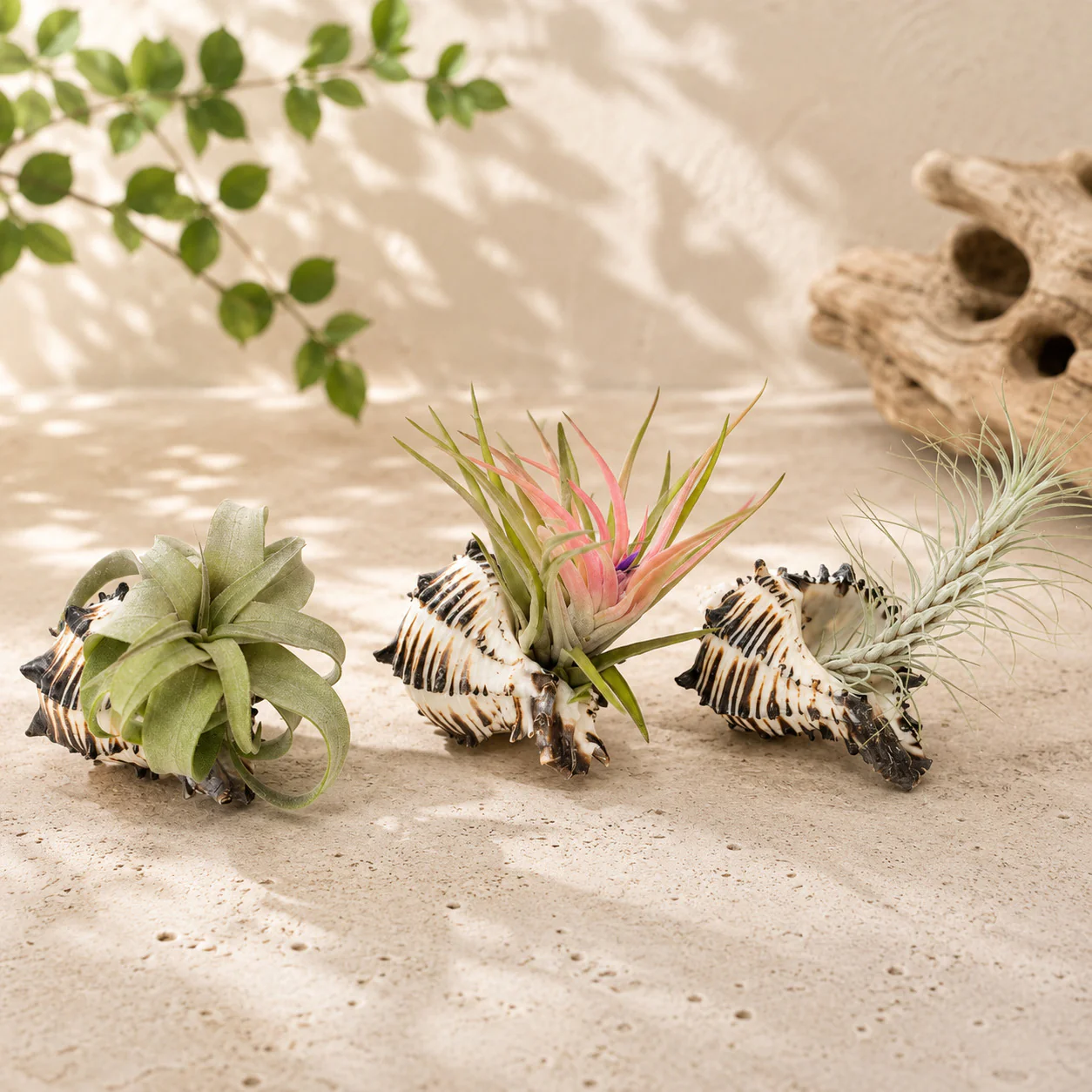
Set of 3 Black Murex Seashells with Tillandsia Air Plants
- Description
- Light/Soil/Water
- Hardiness
-
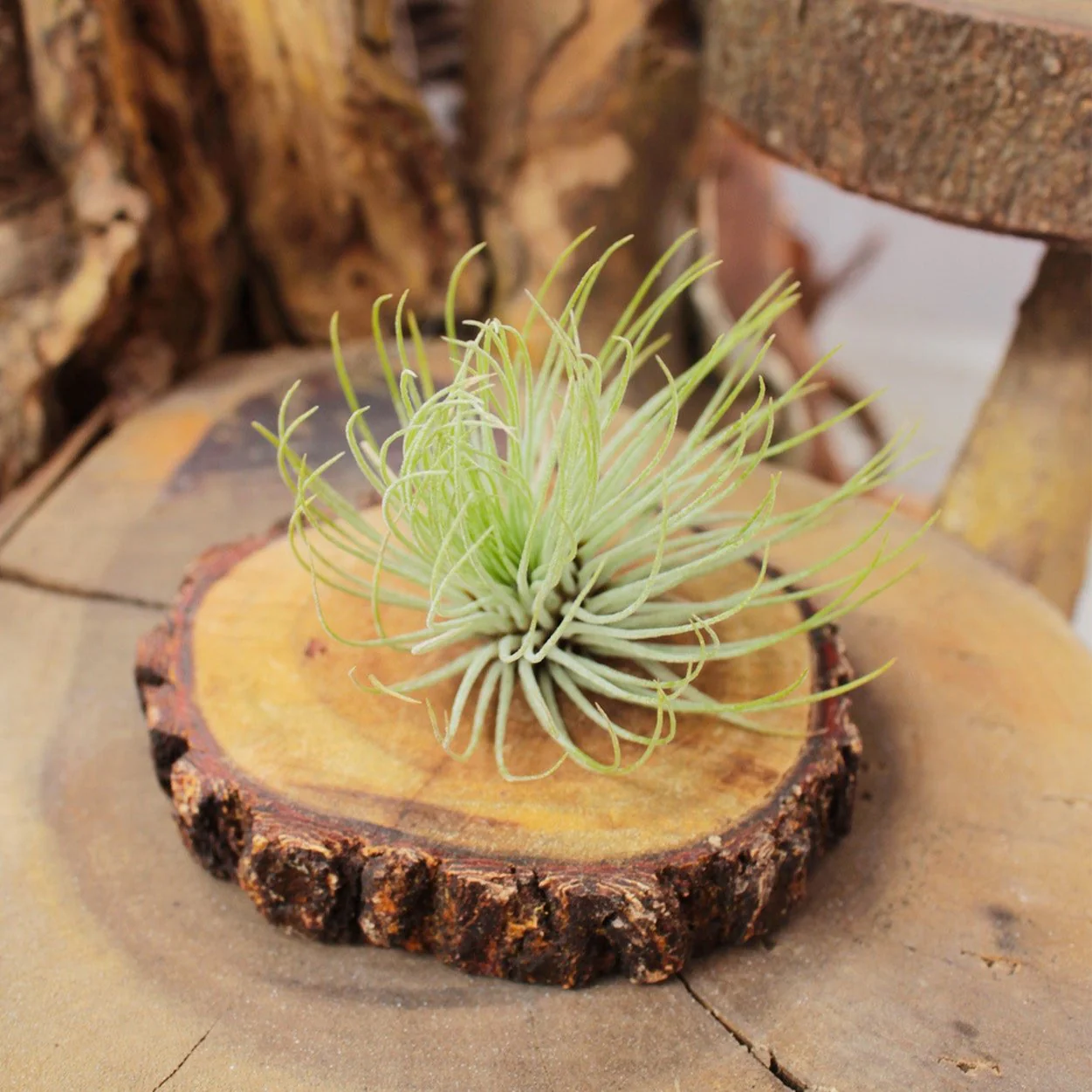
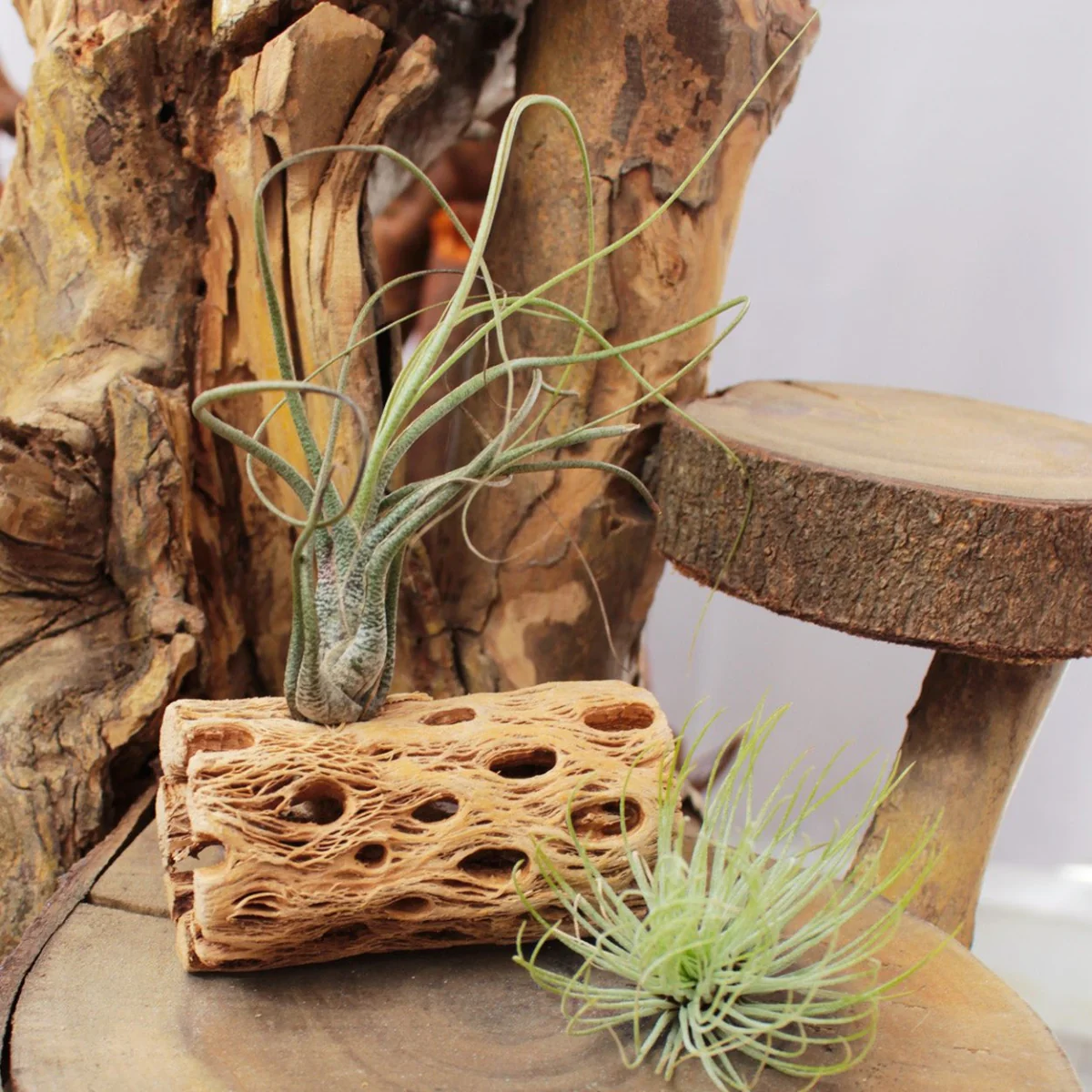
![]() Tillandsia, commonly known as air plants, belong to the Bromeliad family and are native to the forests, mountains, and deserts of Central and South America. This set pairs three living Tillandsia specimens with naturally harvested black murex seashells, creating a ready-made display that blends the organic textures of sea and desert into one striking arrangement.
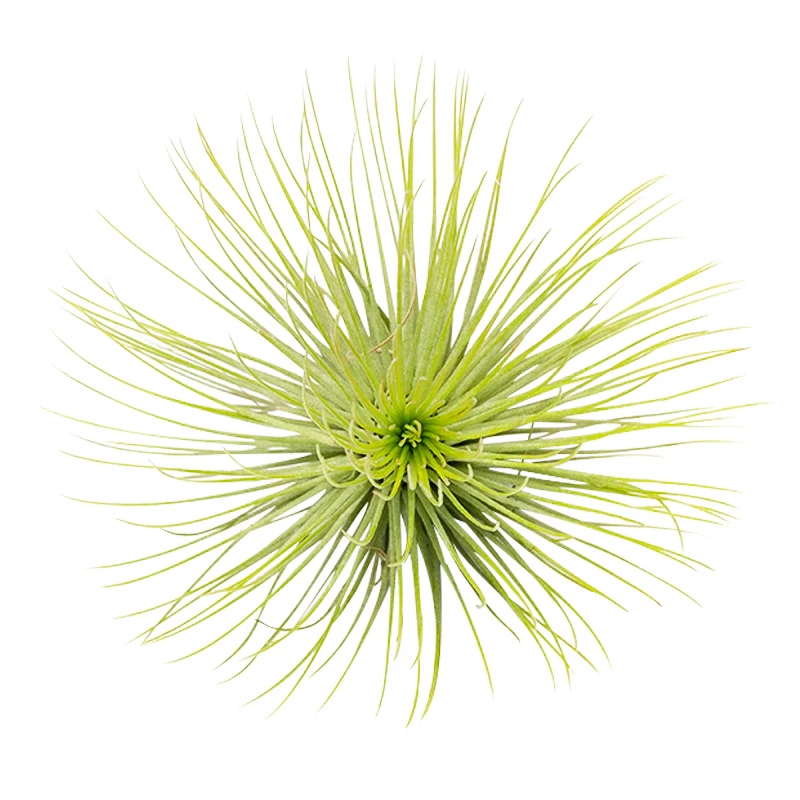
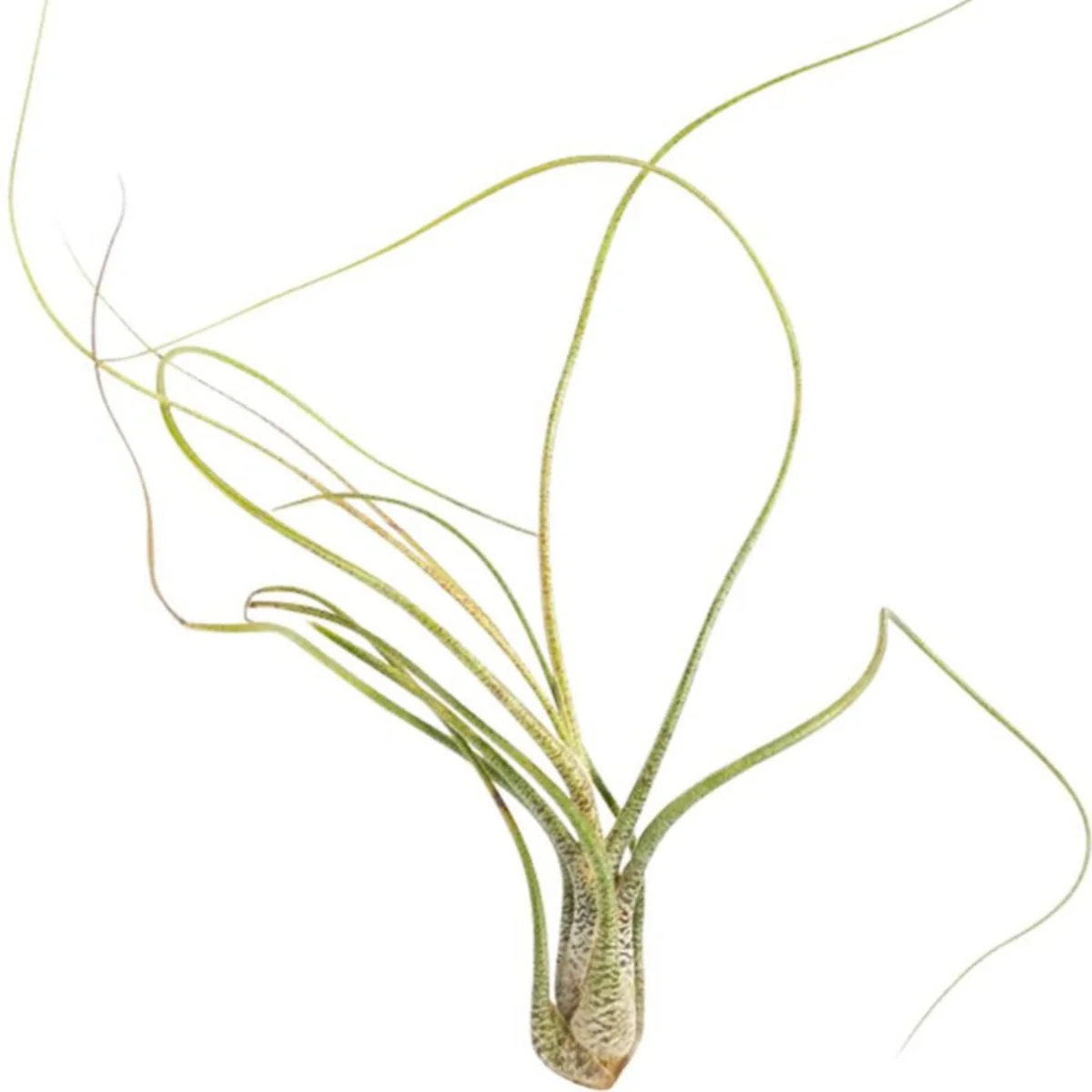
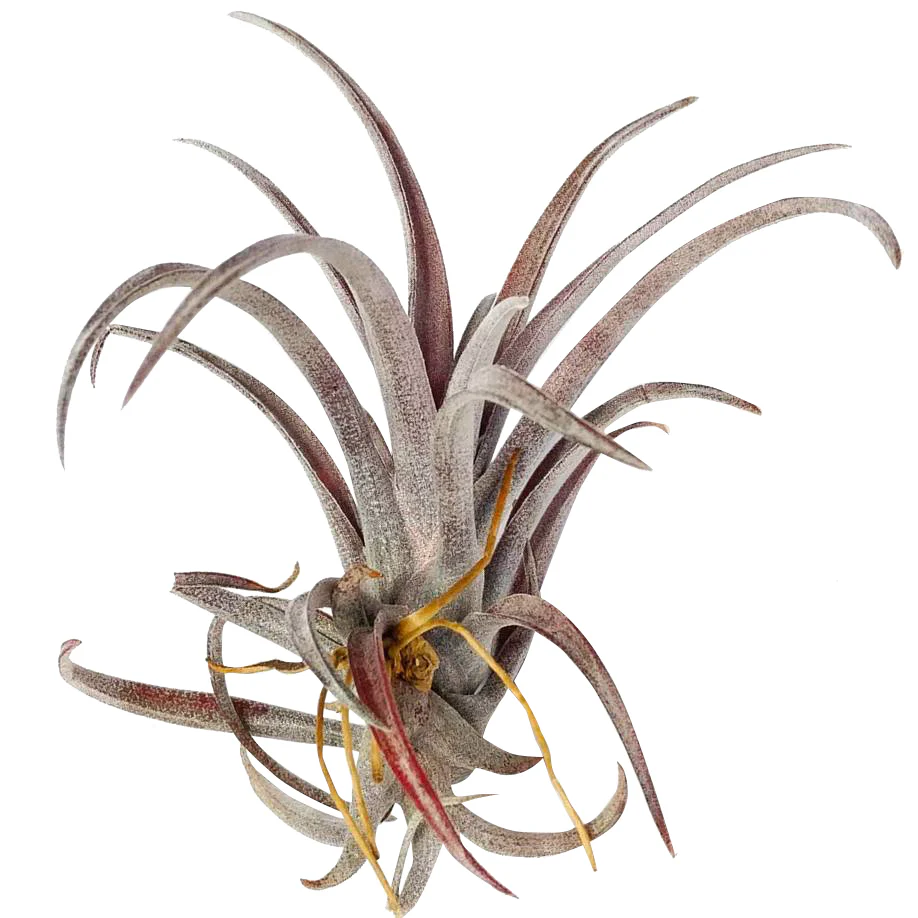
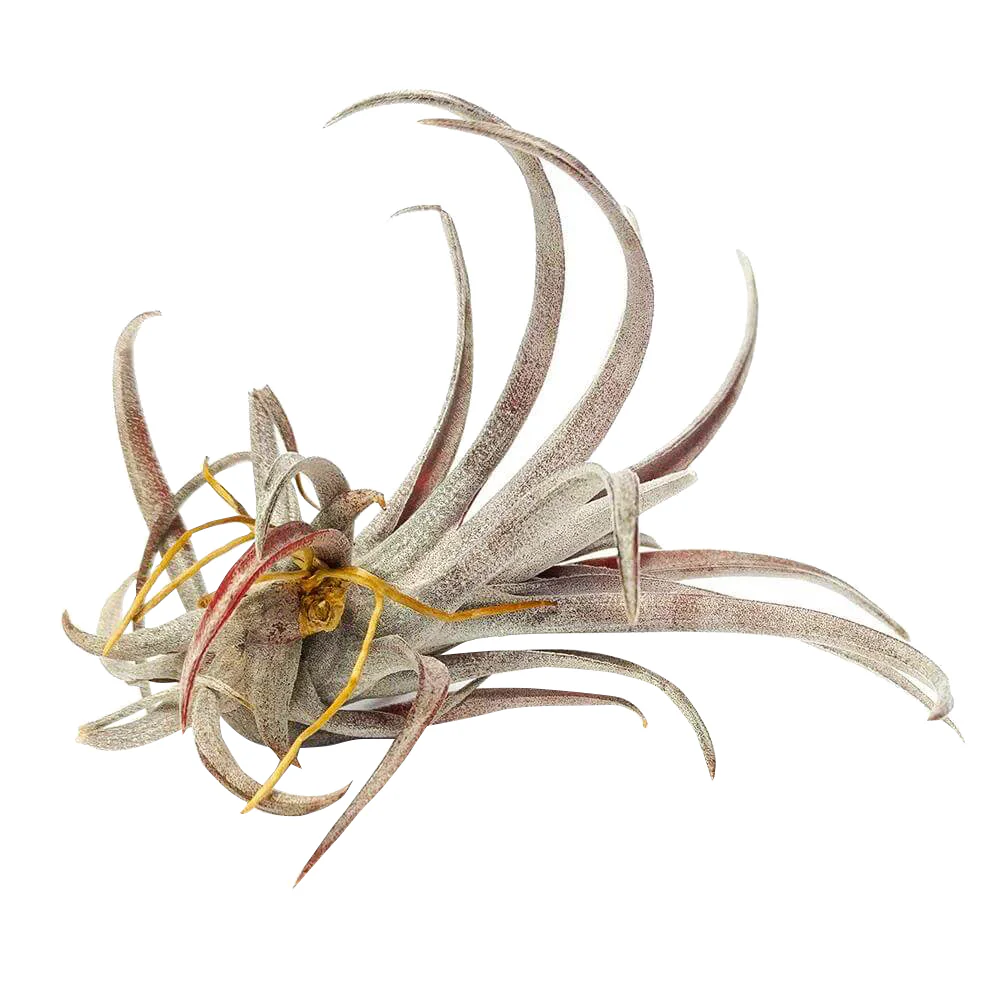
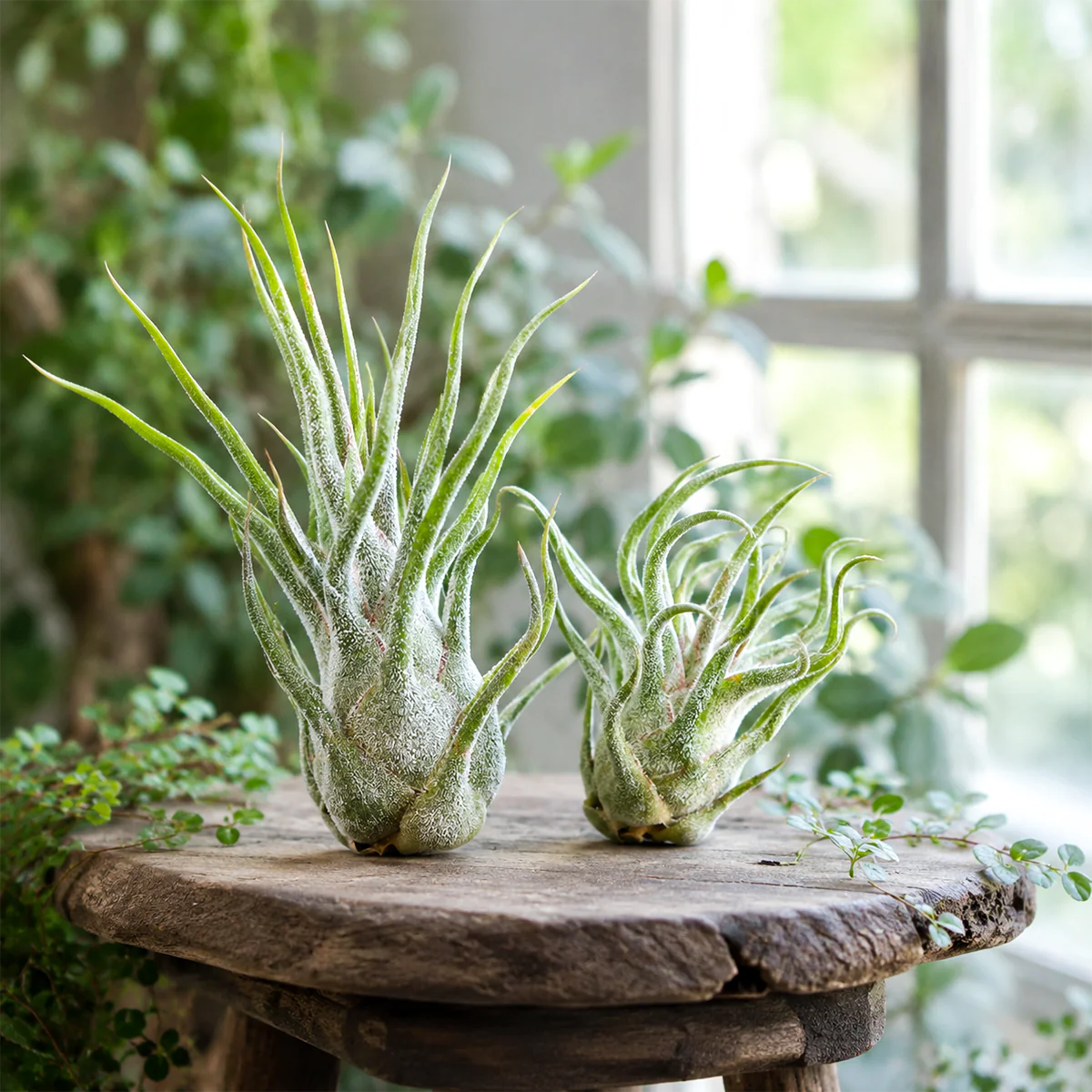
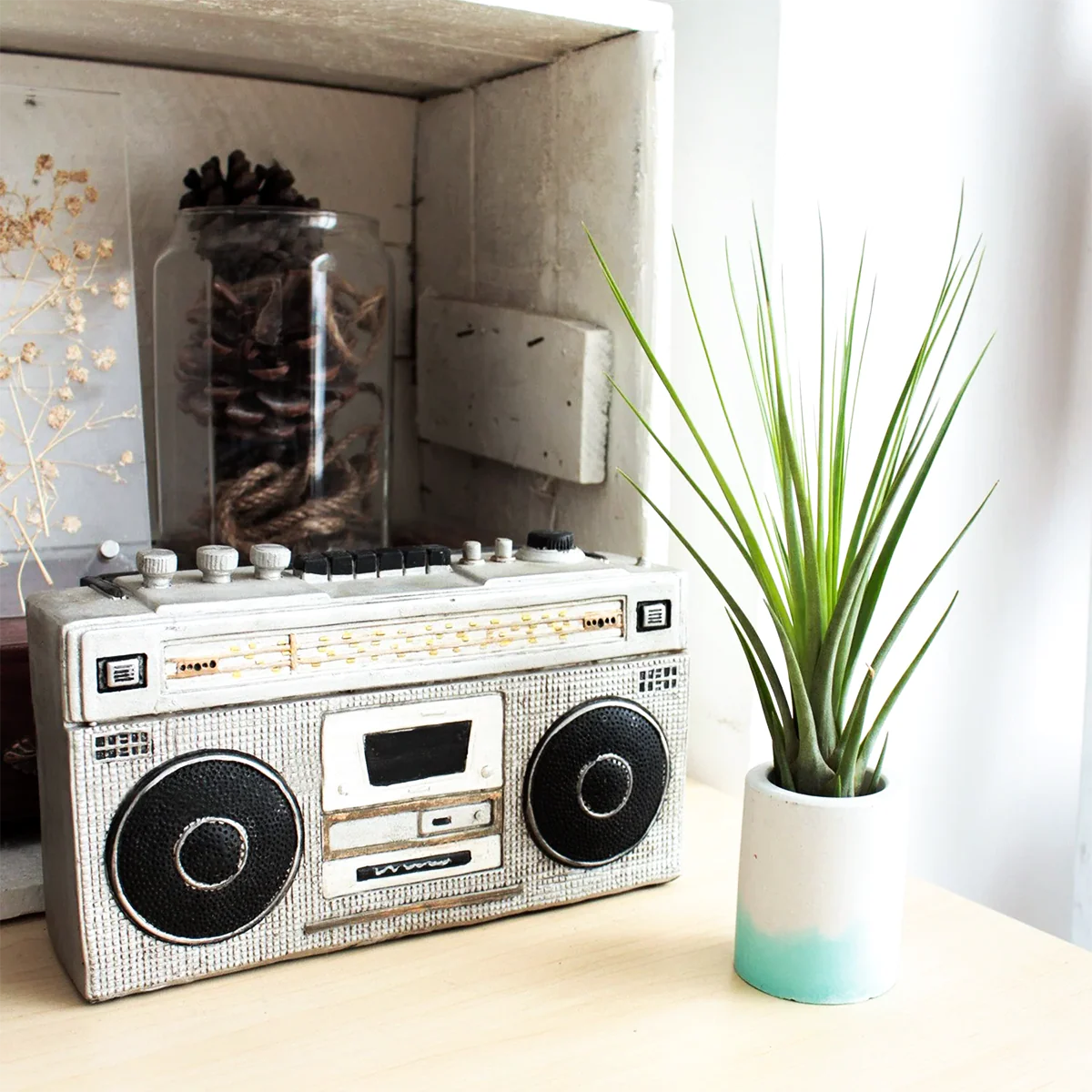
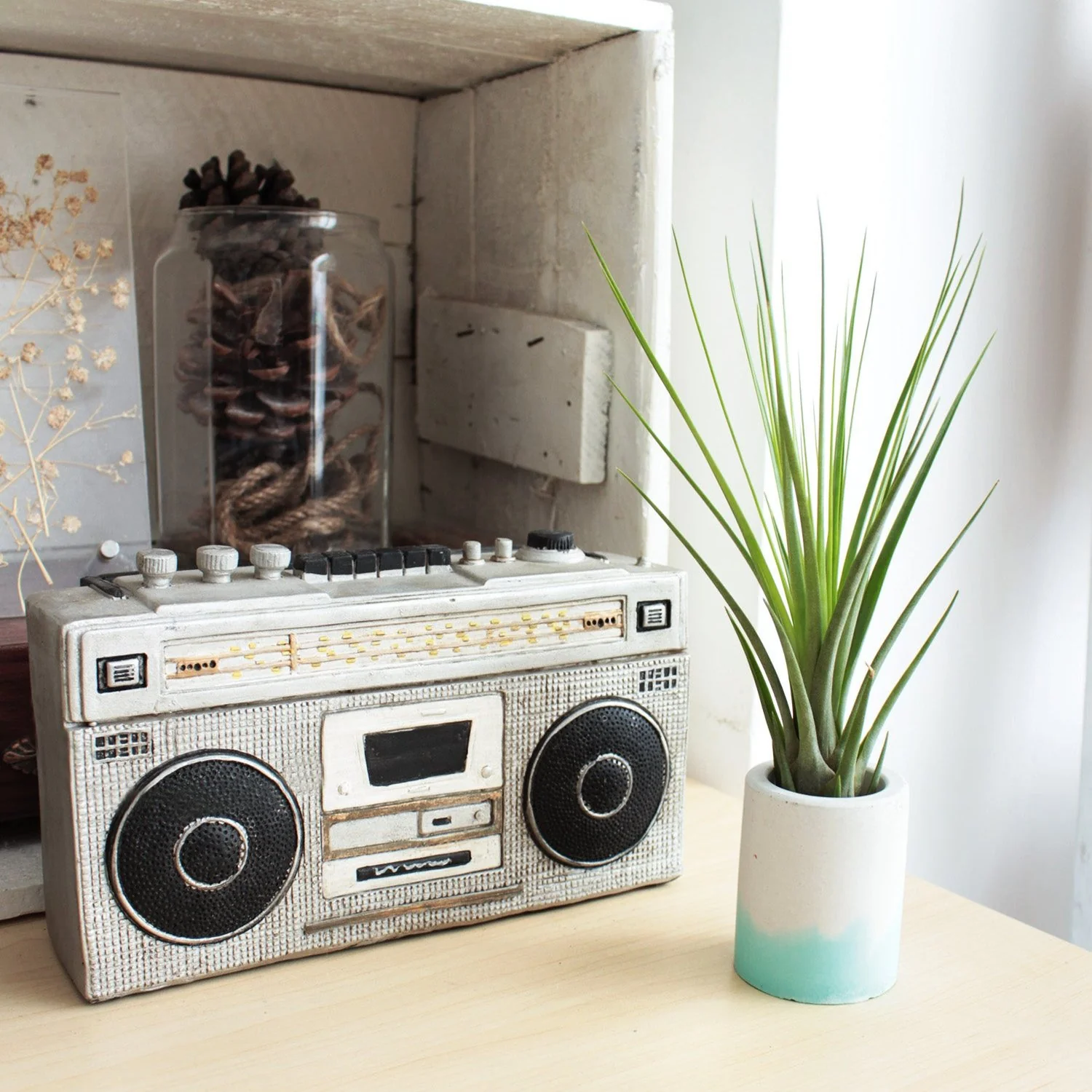
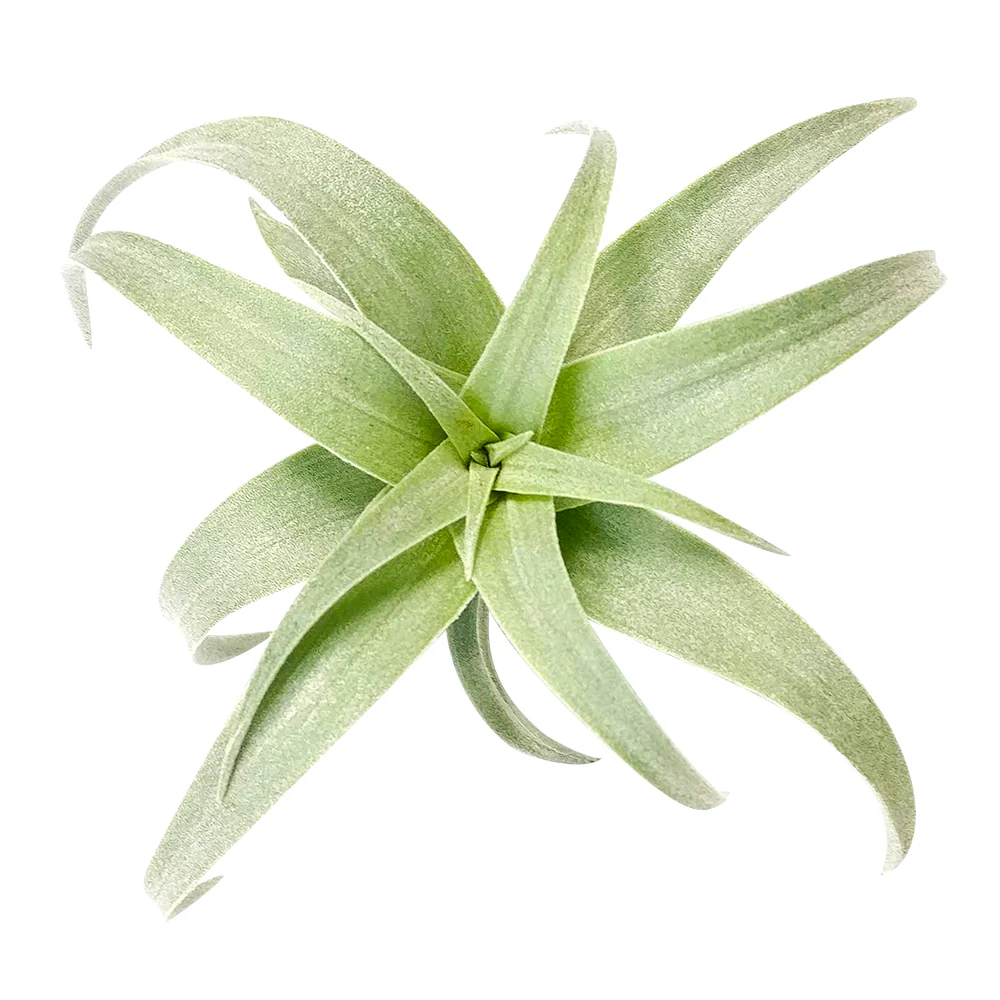
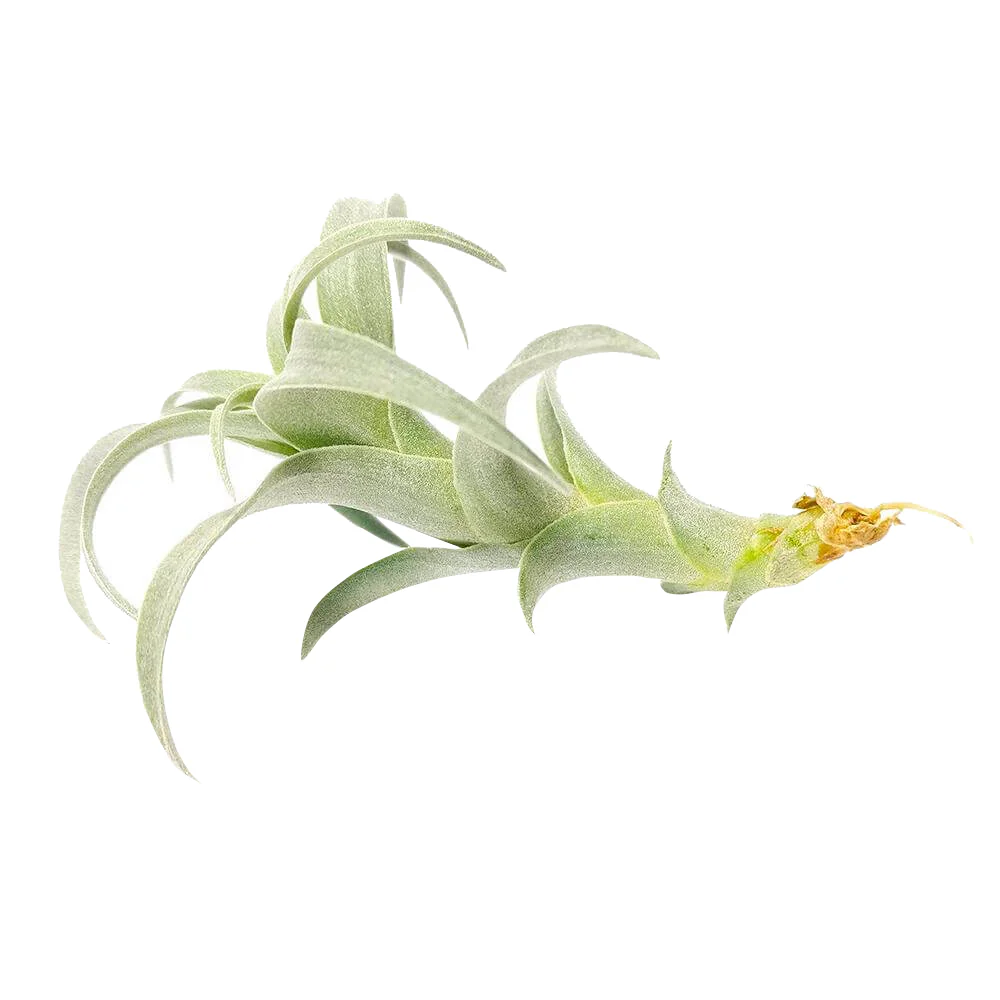
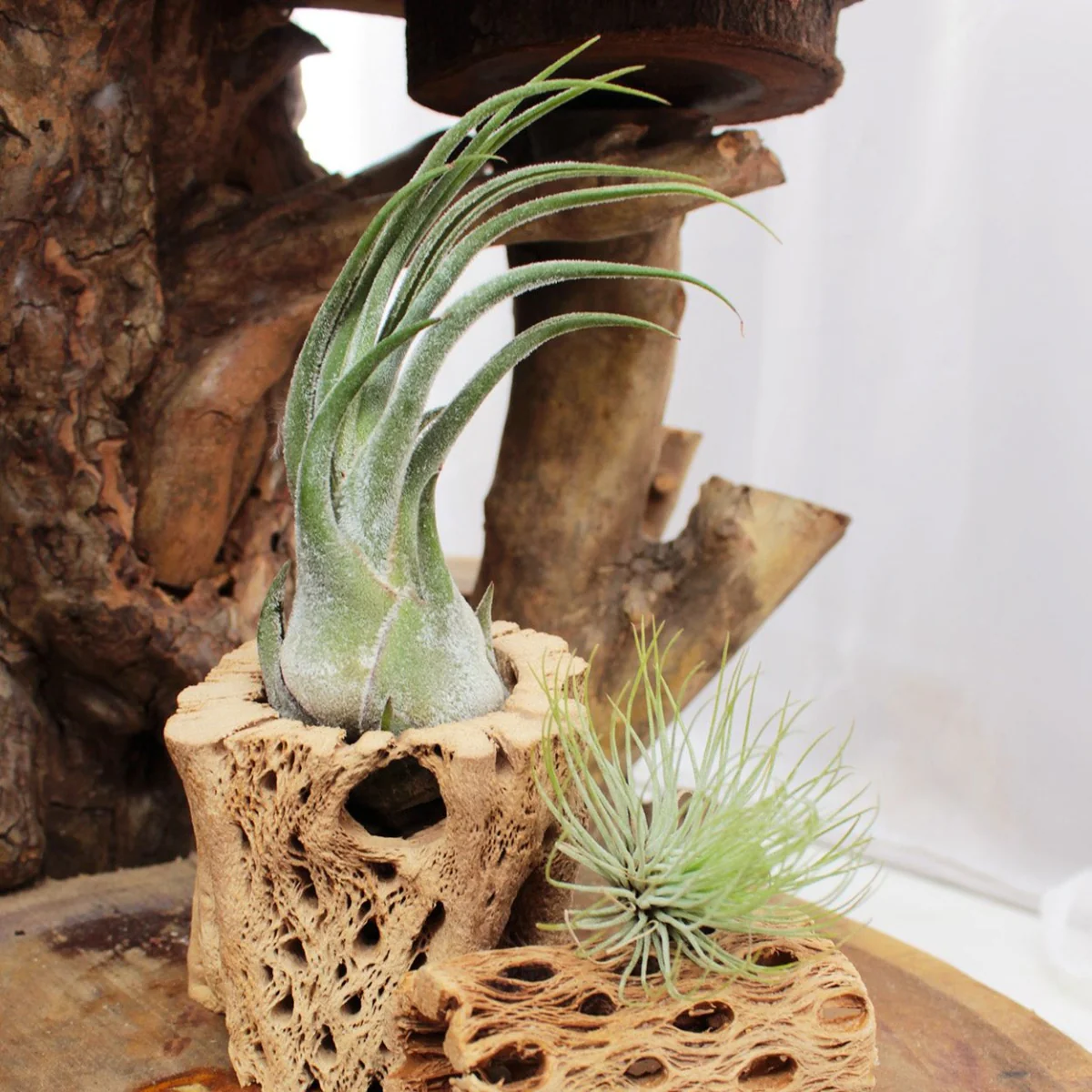
Tillandsia, commonly known as air plants, belong to the Bromeliad family and are native to the forests, mountains, and deserts of Central and South America. This set pairs three living Tillandsia specimens with naturally harvested black murex seashells, creating a ready-made display that blends the organic textures of sea and desert into one striking arrangement. ![]() Each Tillandsia features slender, arching leaves covered in fine silvery trichomes that give the plant a soft, frosted appearance. The leaves range from pale green to silvery gray depending on light and moisture levels. The black murex shells offer dramatic, sculptural contrast with their dark, ridged exteriors and natural spiral form, making each piece feel like a miniature work of art. Because air plants require no soil, they sit naturally inside the shell's cavity without any potting medium.
Each Tillandsia features slender, arching leaves covered in fine silvery trichomes that give the plant a soft, frosted appearance. The leaves range from pale green to silvery gray depending on light and moisture levels. The black murex shells offer dramatic, sculptural contrast with their dark, ridged exteriors and natural spiral form, making each piece feel like a miniature work of art. Because air plants require no soil, they sit naturally inside the shell's cavity without any potting medium. ![]() This set works beautifully as a windowsill display, a centerpiece, or a thoughtful gift for plant lovers and coastal decor enthusiasts. Group all three together for maximum visual impact or scatter them across a bookshelf, bathroom counter, or coffee table. These plants are best placed out of reach of young children and away from curious cats and dogs to keep everyone safe and the arrangement looking its best.
This set works beautifully as a windowsill display, a centerpiece, or a thoughtful gift for plant lovers and coastal decor enthusiasts. Group all three together for maximum visual impact or scatter them across a bookshelf, bathroom counter, or coffee table. These plants are best placed out of reach of young children and away from curious cats and dogs to keep everyone safe and the arrangement looking its best. -
![]() Tillandsia air plants thrive in bright, indirect light. Place them near a window that receives several hours of filtered sunlight each day, such as an east or west-facing sill. They can handle a small amount of direct morning sun, but harsh afternoon rays will dry out and scorch the leaves. Outdoors, a shaded patio or covered porch works well in warm months.
Tillandsia air plants thrive in bright, indirect light. Place them near a window that receives several hours of filtered sunlight each day, such as an east or west-facing sill. They can handle a small amount of direct morning sun, but harsh afternoon rays will dry out and scorch the leaves. Outdoors, a shaded patio or covered porch works well in warm months. ![]() Mist your Tillandsia two to three times per week, or soak the plants in room-temperature water for 20 to 30 minutes once a week. After soaking, gently shake off excess water and place the plant upside down on a towel for an hour before returning it to the shell. This prevents water from pooling inside the shell or at the base of the leaves, which can cause rot. In drier climates or during winter heating season, increase misting frequency slightly.
Mist your Tillandsia two to three times per week, or soak the plants in room-temperature water for 20 to 30 minutes once a week. After soaking, gently shake off excess water and place the plant upside down on a towel for an hour before returning it to the shell. This prevents water from pooling inside the shell or at the base of the leaves, which can cause rot. In drier climates or during winter heating season, increase misting frequency slightly. ![]() One of the most appealing traits of Tillandsia is that they need no soil at all. They absorb water and nutrients entirely through their leaves using specialized structures called trichomes. The black murex shell serves purely as a decorative vessel. Ensure the shell allows adequate airflow around the plant so moisture does not become trapped for extended periods.
One of the most appealing traits of Tillandsia is that they need no soil at all. They absorb water and nutrients entirely through their leaves using specialized structures called trichomes. The black murex shell serves purely as a decorative vessel. Ensure the shell allows adequate airflow around the plant so moisture does not become trapped for extended periods. ![]() Tillandsia prefer temperatures between 50°F and 90°F (10°C to 32°C) and do well in typical household conditions. They appreciate good air circulation, so avoid placing them in closed terrariums or stagnant corners. High humidity is a bonus but not required as long as watering is consistent. Keep them away from air conditioning vents and heating units, which can dry out the leaves rapidly.
Tillandsia prefer temperatures between 50°F and 90°F (10°C to 32°C) and do well in typical household conditions. They appreciate good air circulation, so avoid placing them in closed terrariums or stagnant corners. High humidity is a bonus but not required as long as watering is consistent. Keep them away from air conditioning vents and heating units, which can dry out the leaves rapidly. ![]() Feed your air plants once a month using a bromeliad or Tillandsia-specific liquid fertilizer diluted to one quarter of the recommended strength. Add it to the soaking water rather than applying it directly. Regular feeding encourages vibrant color and can promote blooming. Avoid standard houseplant fertilizers with high copper content, as these can harm Tillandsia.
Feed your air plants once a month using a bromeliad or Tillandsia-specific liquid fertilizer diluted to one quarter of the recommended strength. Add it to the soaking water rather than applying it directly. Regular feeding encourages vibrant color and can promote blooming. Avoid standard houseplant fertilizers with high copper content, as these can harm Tillandsia. -
 Tillandsia, commonly known as air plants, belong to the Bromeliad family and are native to the forests, mountains, and deserts of Central and South America. This set pairs three living Tillandsia specimens with naturally harvested black murex seashells, creating a ready-made display that blends the organic textures of sea and desert into one striking arrangement.
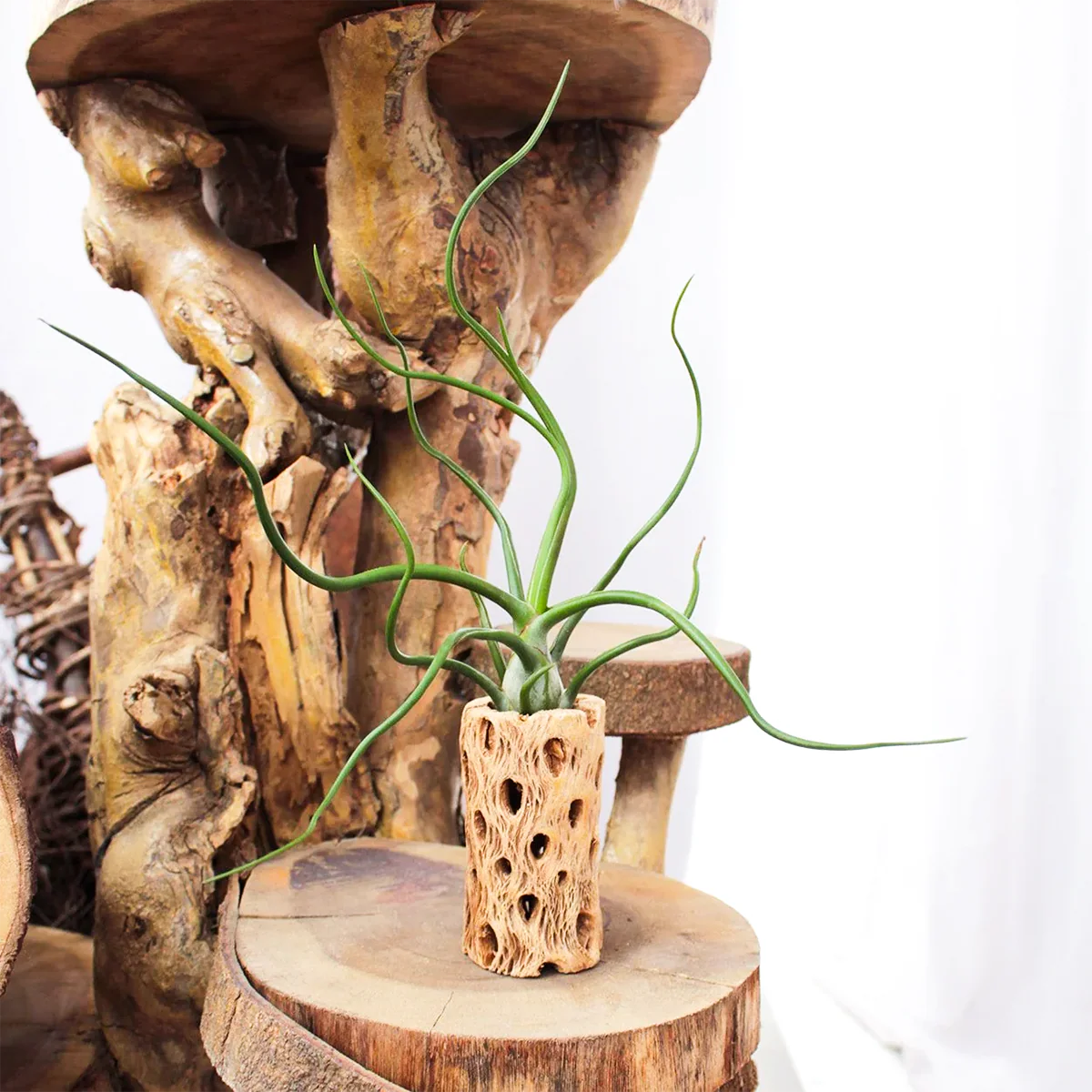
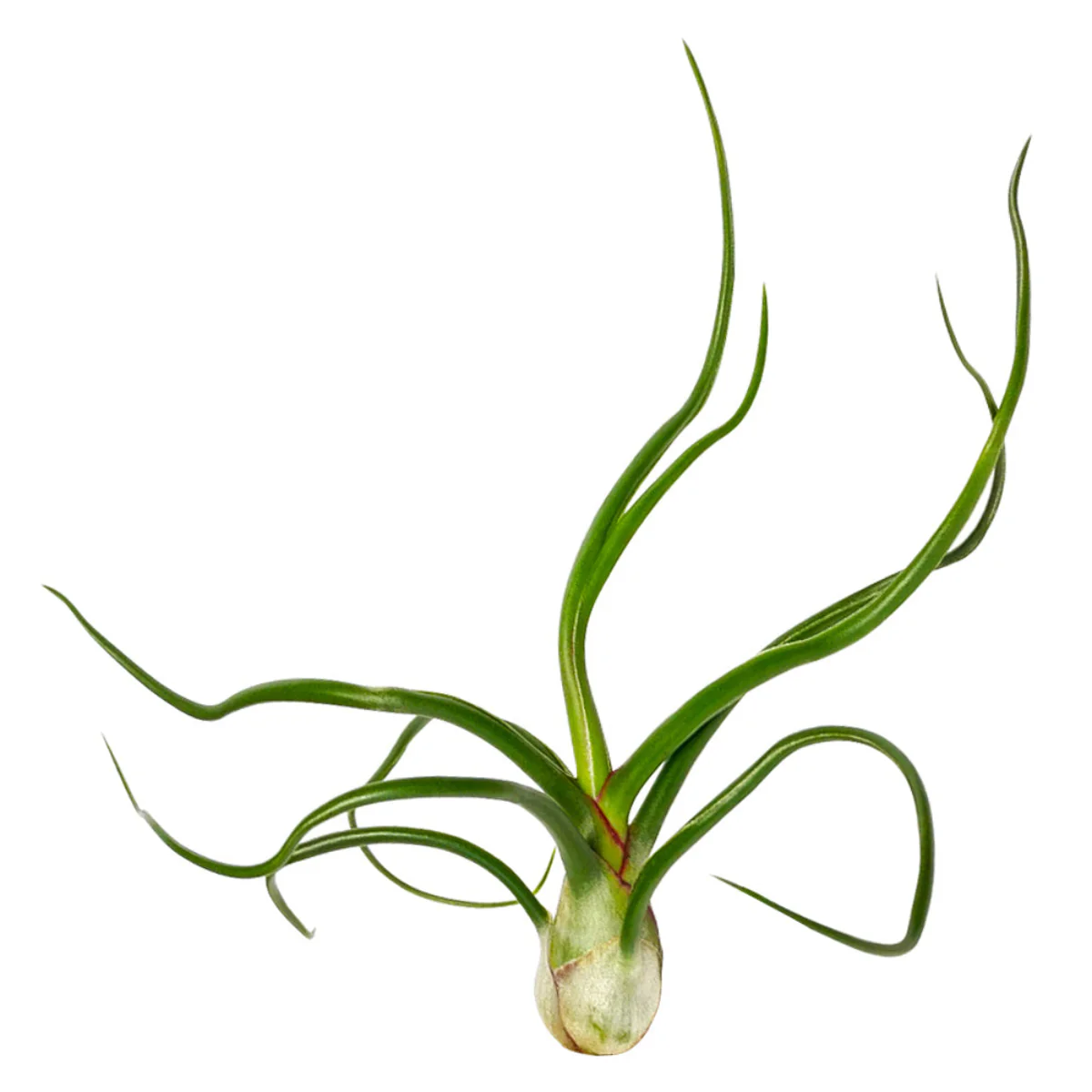
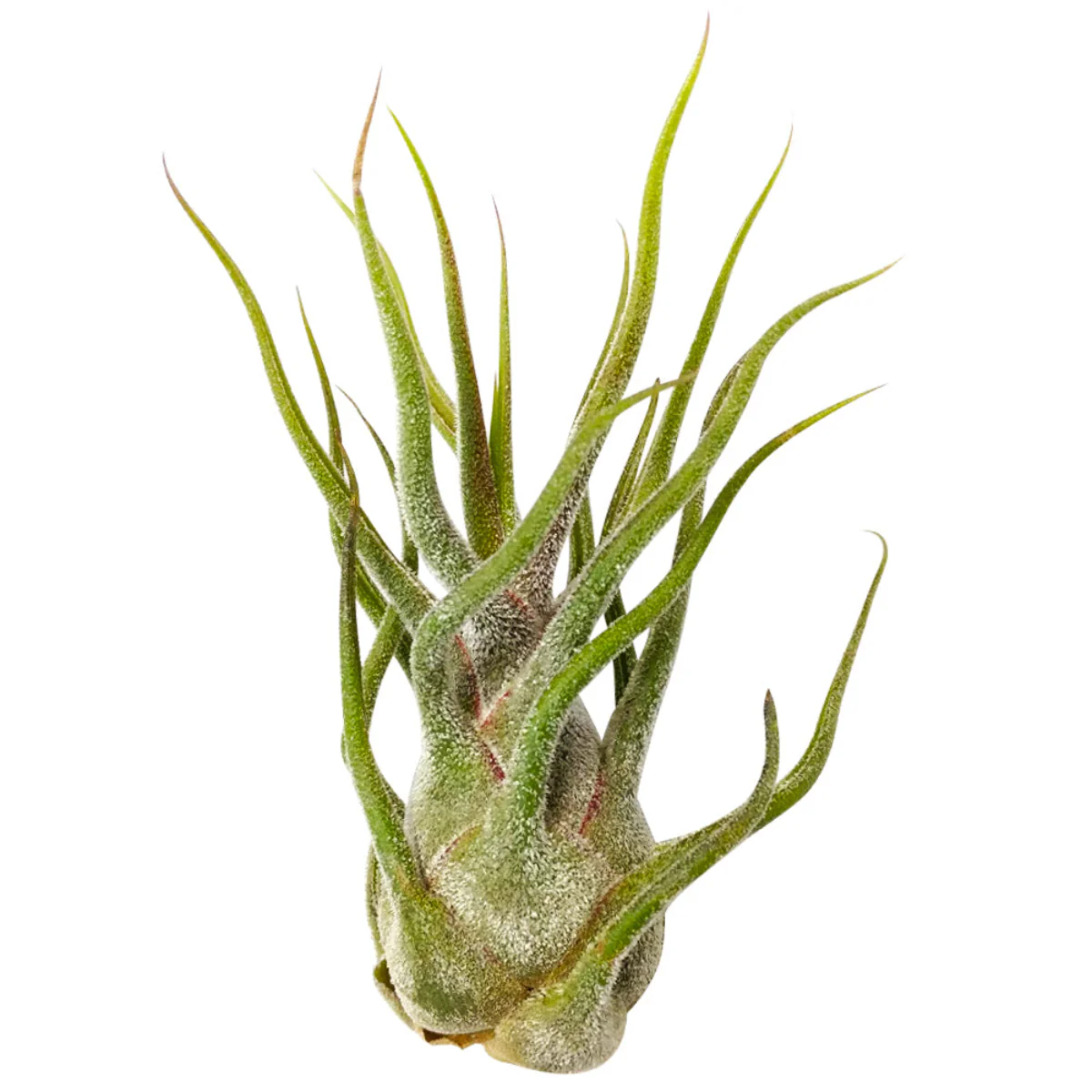
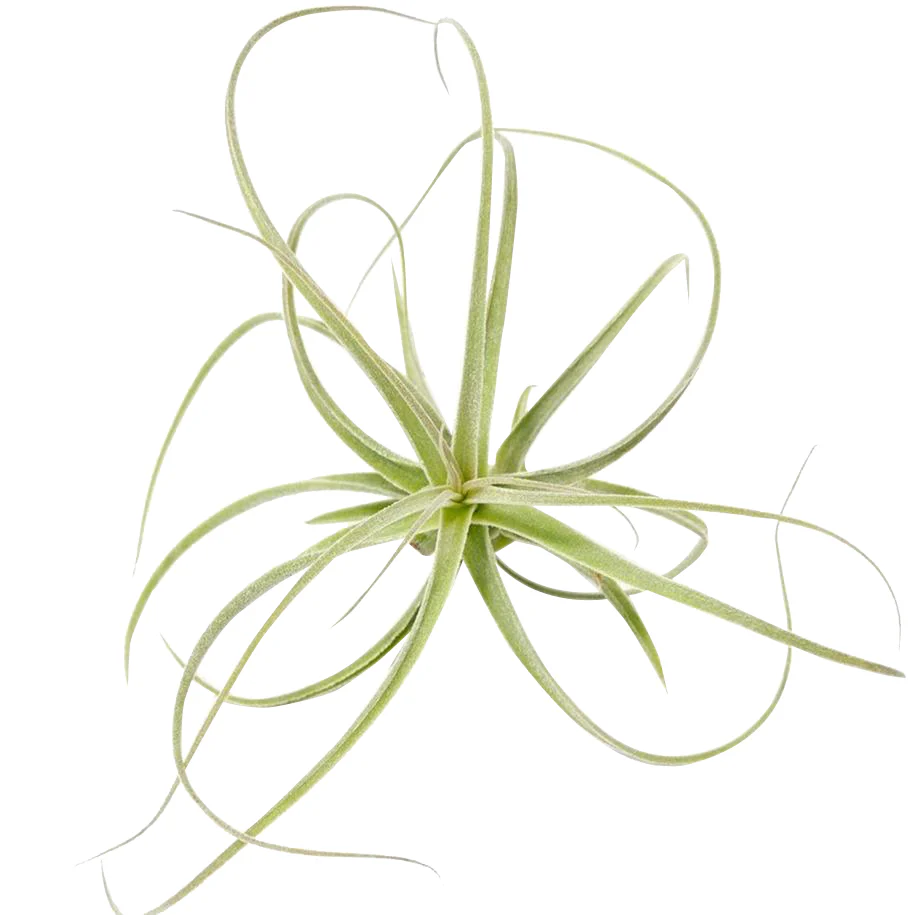
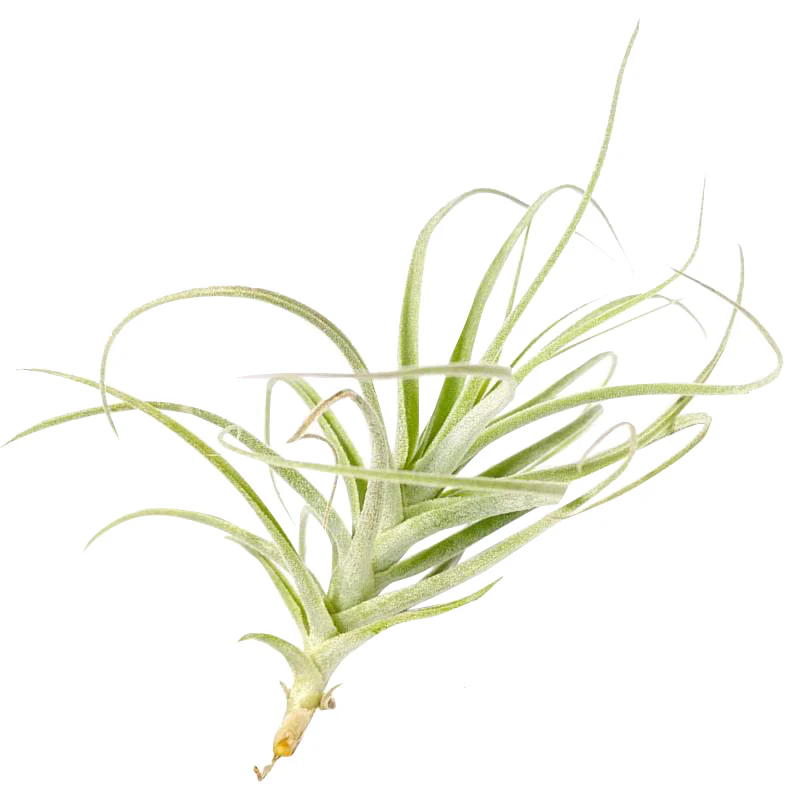
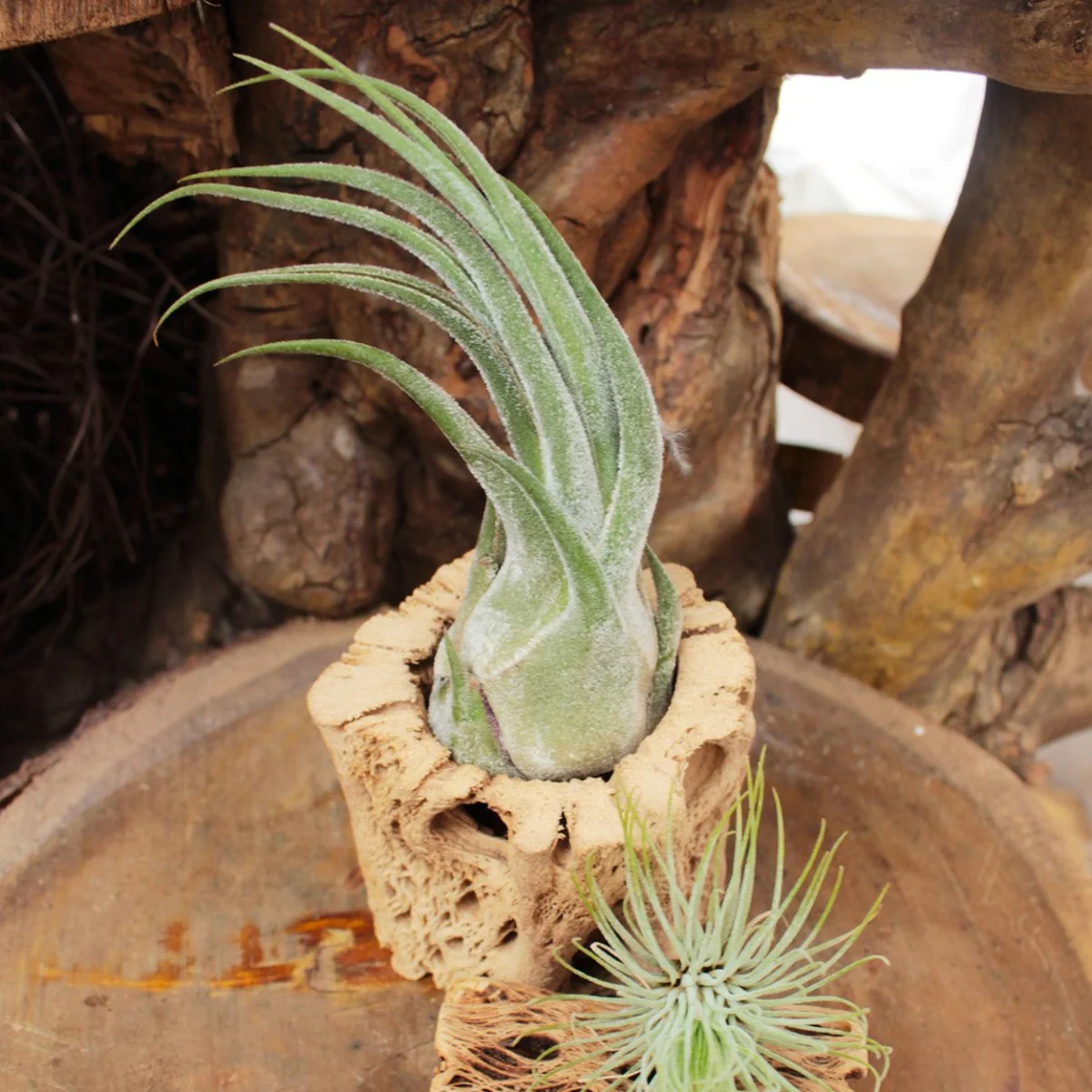
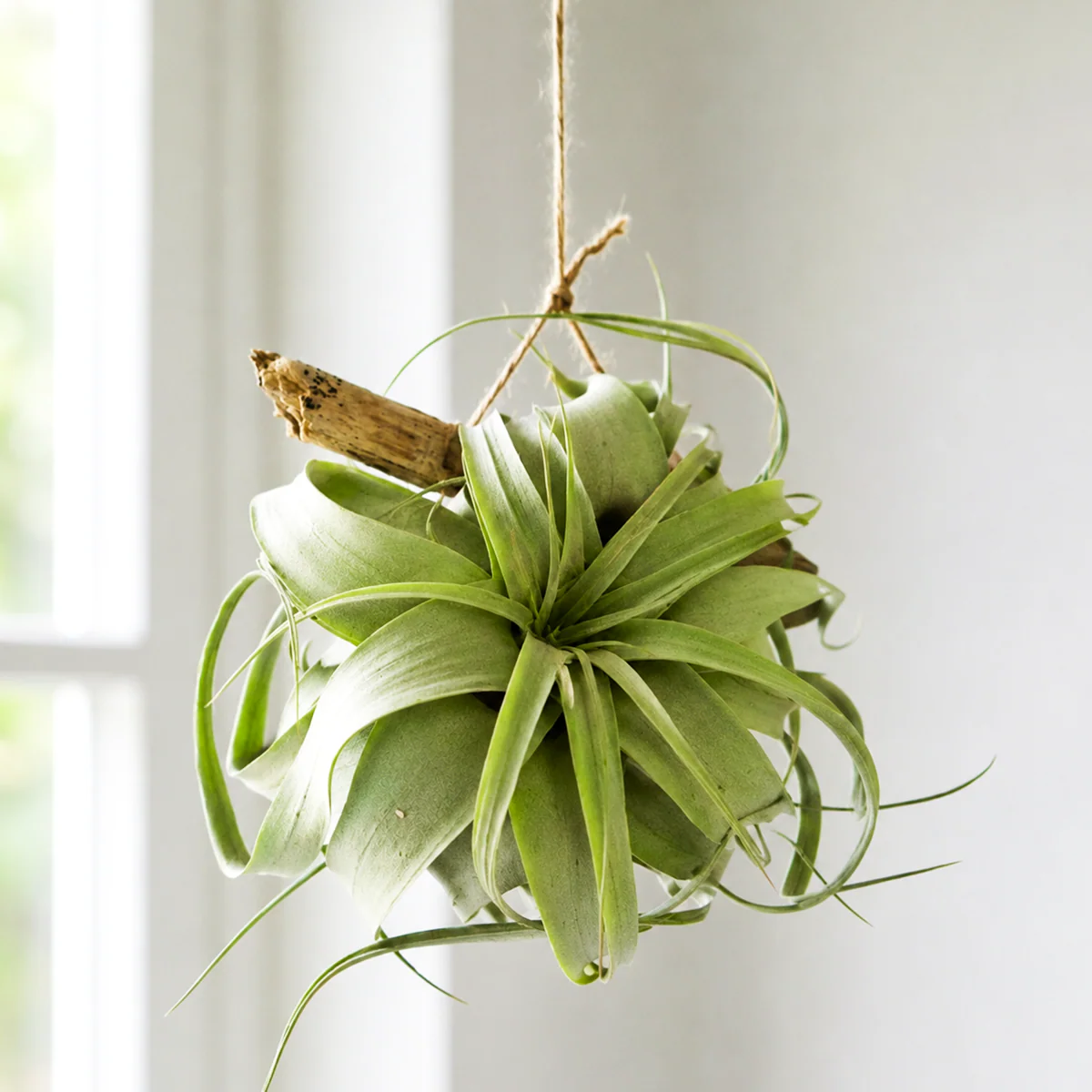
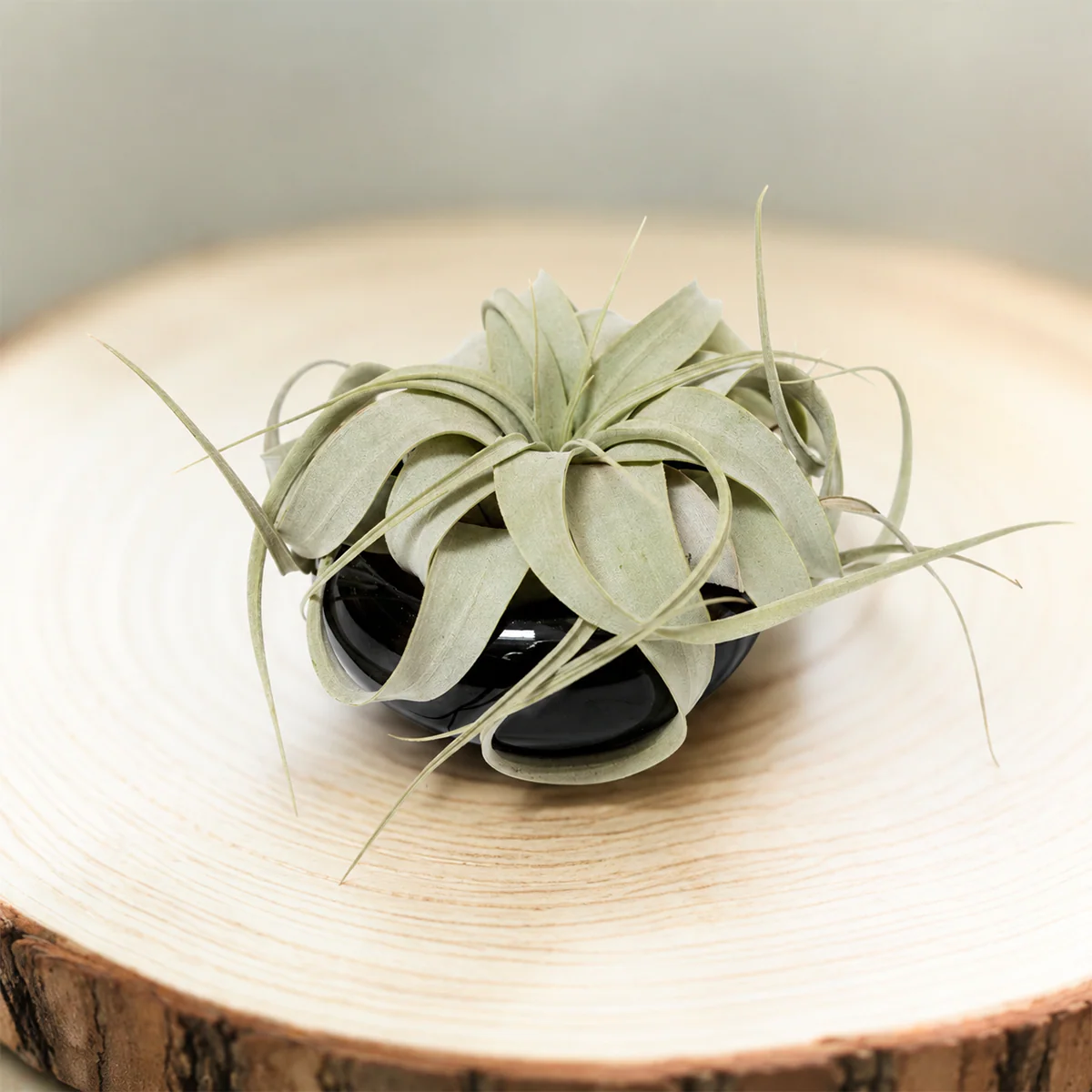
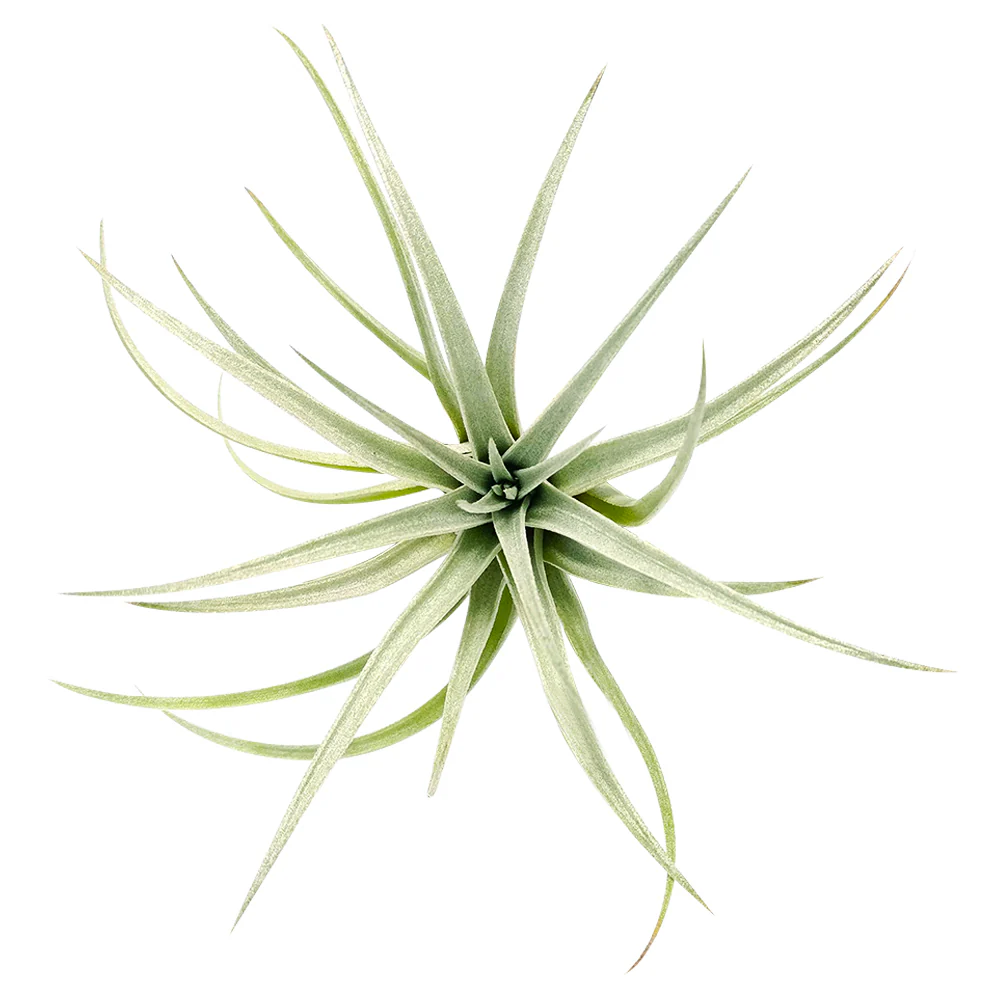
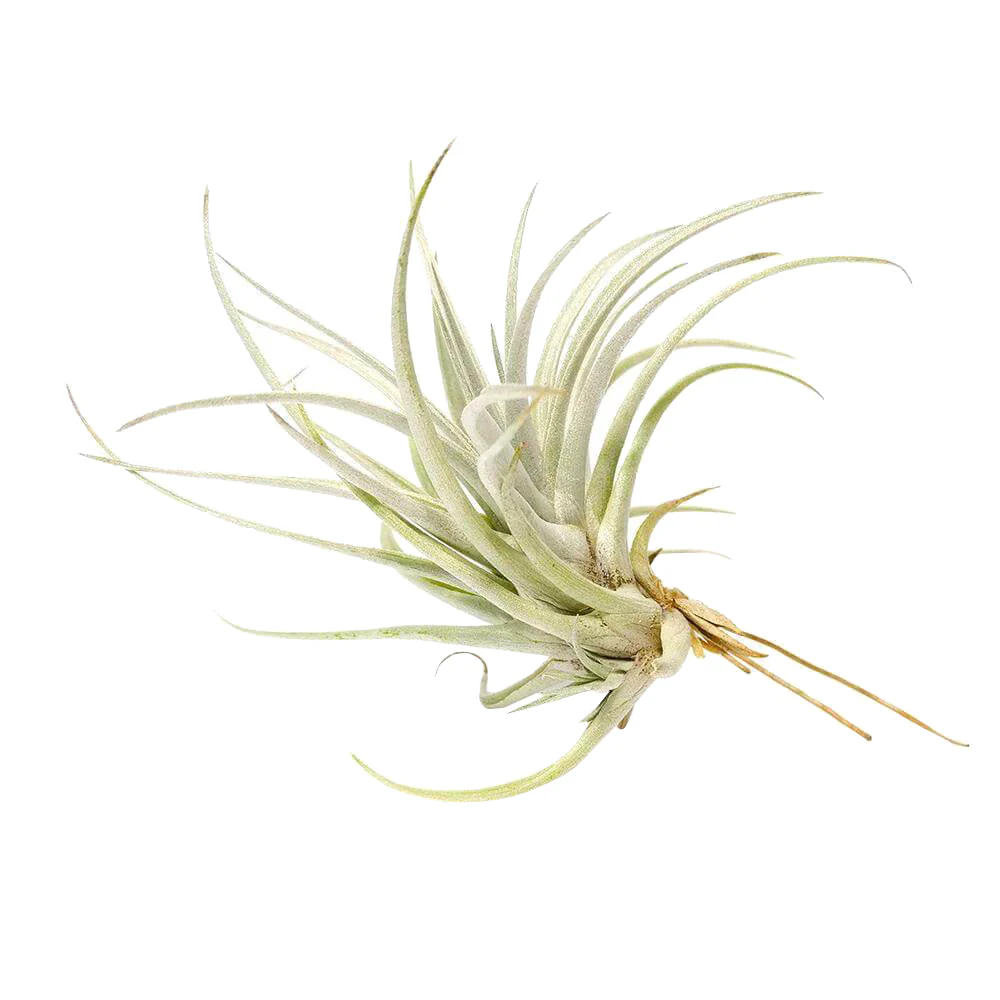
  Each Tillandsia features slender, arching leaves covered in fine silvery trichomes that give the plant a soft, frosted appearance. The leaves range from pale green to silvery gray depending on light and moisture levels. The black murex shells offer dramatic, sculptural contrast with their dark, ridged exteriors and natural spiral form, making each piece feel like a miniature work of art. Because air plants require no soil, they sit naturally inside the shell's cavity without any potting medium.
  This set works beautifully as a windowsill display, a centerpiece, or a thoughtful gift for plant lovers and coastal decor enthusiasts. Group all three together for maximum visual impact or scatter them across a bookshelf, bathroom counter, or coffee table. These plants are best placed out of reach of young children and away from curious cats and dogs to keep everyone safe and the arrangement looking its best.
 Tillandsia air plants thrive in bright, indirect light. Place them near a window that receives several hours of filtered sunlight each day, such as an east or west-facing sill. They can handle a small amount of direct morning sun, but harsh afternoon rays will dry out and scorch the leaves. Outdoors, a shaded patio or covered porch works well in warm months.
  Mist your Tillandsia two to three times per week, or soak the plants in room-temperature water for 20 to 30 minutes once a week. After soaking, gently shake off excess water and place the plant upside down on a towel for an hour before returning it to the shell. This prevents water from pooling inside the shell or at the base of the leaves, which can cause rot. In drier climates or during winter heating season, increase misting frequency slightly.
  Tillandsia prefer temperatures between 50°F and 90°F (10°C to 32°C) and do well in typical household conditions. They appreciate good air circulation, so avoid placing them in closed terrariums or stagnant corners. High humidity is a bonus but not required as long as watering is consistent. Keep them away from air conditioning vents and heating units, which can dry out the leaves rapidly.
  Feed your air plants once a month using a bromeliad or Tillandsia-specific liquid fertilizer diluted to one quarter of the recommended strength. Add it to the soaking water rather than applying it directly. Regular feeding encourages vibrant color and can promote blooming. Avoid standard houseplant fertilizers with high copper content, as these can harm Tillandsia.
$51.90
Set of 3 Black Murex Seashells with Tillandsia Air Plants—
$51.90
Product Information
Product Information
Shipping & Returns
Shipping & Returns
Description
- Description
- Light/Soil/Water
- Hardiness
-
![]() Tillandsia, commonly known as air plants, belong to the Bromeliad family and are native to the forests, mountains, and deserts of Central and South America. This set pairs three living Tillandsia specimens with naturally harvested black murex seashells, creating a ready-made display that blends the organic textures of sea and desert into one striking arrangement.
Tillandsia, commonly known as air plants, belong to the Bromeliad family and are native to the forests, mountains, and deserts of Central and South America. This set pairs three living Tillandsia specimens with naturally harvested black murex seashells, creating a ready-made display that blends the organic textures of sea and desert into one striking arrangement. ![]() Each Tillandsia features slender, arching leaves covered in fine silvery trichomes that give the plant a soft, frosted appearance. The leaves range from pale green to silvery gray depending on light and moisture levels. The black murex shells offer dramatic, sculptural contrast with their dark, ridged exteriors and natural spiral form, making each piece feel like a miniature work of art. Because air plants require no soil, they sit naturally inside the shell's cavity without any potting medium.
Each Tillandsia features slender, arching leaves covered in fine silvery trichomes that give the plant a soft, frosted appearance. The leaves range from pale green to silvery gray depending on light and moisture levels. The black murex shells offer dramatic, sculptural contrast with their dark, ridged exteriors and natural spiral form, making each piece feel like a miniature work of art. Because air plants require no soil, they sit naturally inside the shell's cavity without any potting medium. ![]() This set works beautifully as a windowsill display, a centerpiece, or a thoughtful gift for plant lovers and coastal decor enthusiasts. Group all three together for maximum visual impact or scatter them across a bookshelf, bathroom counter, or coffee table. These plants are best placed out of reach of young children and away from curious cats and dogs to keep everyone safe and the arrangement looking its best.
This set works beautifully as a windowsill display, a centerpiece, or a thoughtful gift for plant lovers and coastal decor enthusiasts. Group all three together for maximum visual impact or scatter them across a bookshelf, bathroom counter, or coffee table. These plants are best placed out of reach of young children and away from curious cats and dogs to keep everyone safe and the arrangement looking its best. -
![]() Tillandsia air plants thrive in bright, indirect light. Place them near a window that receives several hours of filtered sunlight each day, such as an east or west-facing sill. They can handle a small amount of direct morning sun, but harsh afternoon rays will dry out and scorch the leaves. Outdoors, a shaded patio or covered porch works well in warm months.
Tillandsia air plants thrive in bright, indirect light. Place them near a window that receives several hours of filtered sunlight each day, such as an east or west-facing sill. They can handle a small amount of direct morning sun, but harsh afternoon rays will dry out and scorch the leaves. Outdoors, a shaded patio or covered porch works well in warm months. ![]() Mist your Tillandsia two to three times per week, or soak the plants in room-temperature water for 20 to 30 minutes once a week. After soaking, gently shake off excess water and place the plant upside down on a towel for an hour before returning it to the shell. This prevents water from pooling inside the shell or at the base of the leaves, which can cause rot. In drier climates or during winter heating season, increase misting frequency slightly.
Mist your Tillandsia two to three times per week, or soak the plants in room-temperature water for 20 to 30 minutes once a week. After soaking, gently shake off excess water and place the plant upside down on a towel for an hour before returning it to the shell. This prevents water from pooling inside the shell or at the base of the leaves, which can cause rot. In drier climates or during winter heating season, increase misting frequency slightly. ![]() One of the most appealing traits of Tillandsia is that they need no soil at all. They absorb water and nutrients entirely through their leaves using specialized structures called trichomes. The black murex shell serves purely as a decorative vessel. Ensure the shell allows adequate airflow around the plant so moisture does not become trapped for extended periods.
One of the most appealing traits of Tillandsia is that they need no soil at all. They absorb water and nutrients entirely through their leaves using specialized structures called trichomes. The black murex shell serves purely as a decorative vessel. Ensure the shell allows adequate airflow around the plant so moisture does not become trapped for extended periods. ![]() Tillandsia prefer temperatures between 50°F and 90°F (10°C to 32°C) and do well in typical household conditions. They appreciate good air circulation, so avoid placing them in closed terrariums or stagnant corners. High humidity is a bonus but not required as long as watering is consistent. Keep them away from air conditioning vents and heating units, which can dry out the leaves rapidly.
Tillandsia prefer temperatures between 50°F and 90°F (10°C to 32°C) and do well in typical household conditions. They appreciate good air circulation, so avoid placing them in closed terrariums or stagnant corners. High humidity is a bonus but not required as long as watering is consistent. Keep them away from air conditioning vents and heating units, which can dry out the leaves rapidly. ![]() Feed your air plants once a month using a bromeliad or Tillandsia-specific liquid fertilizer diluted to one quarter of the recommended strength. Add it to the soaking water rather than applying it directly. Regular feeding encourages vibrant color and can promote blooming. Avoid standard houseplant fertilizers with high copper content, as these can harm Tillandsia.
Feed your air plants once a month using a bromeliad or Tillandsia-specific liquid fertilizer diluted to one quarter of the recommended strength. Add it to the soaking water rather than applying it directly. Regular feeding encourages vibrant color and can promote blooming. Avoid standard houseplant fertilizers with high copper content, as these can harm Tillandsia. -