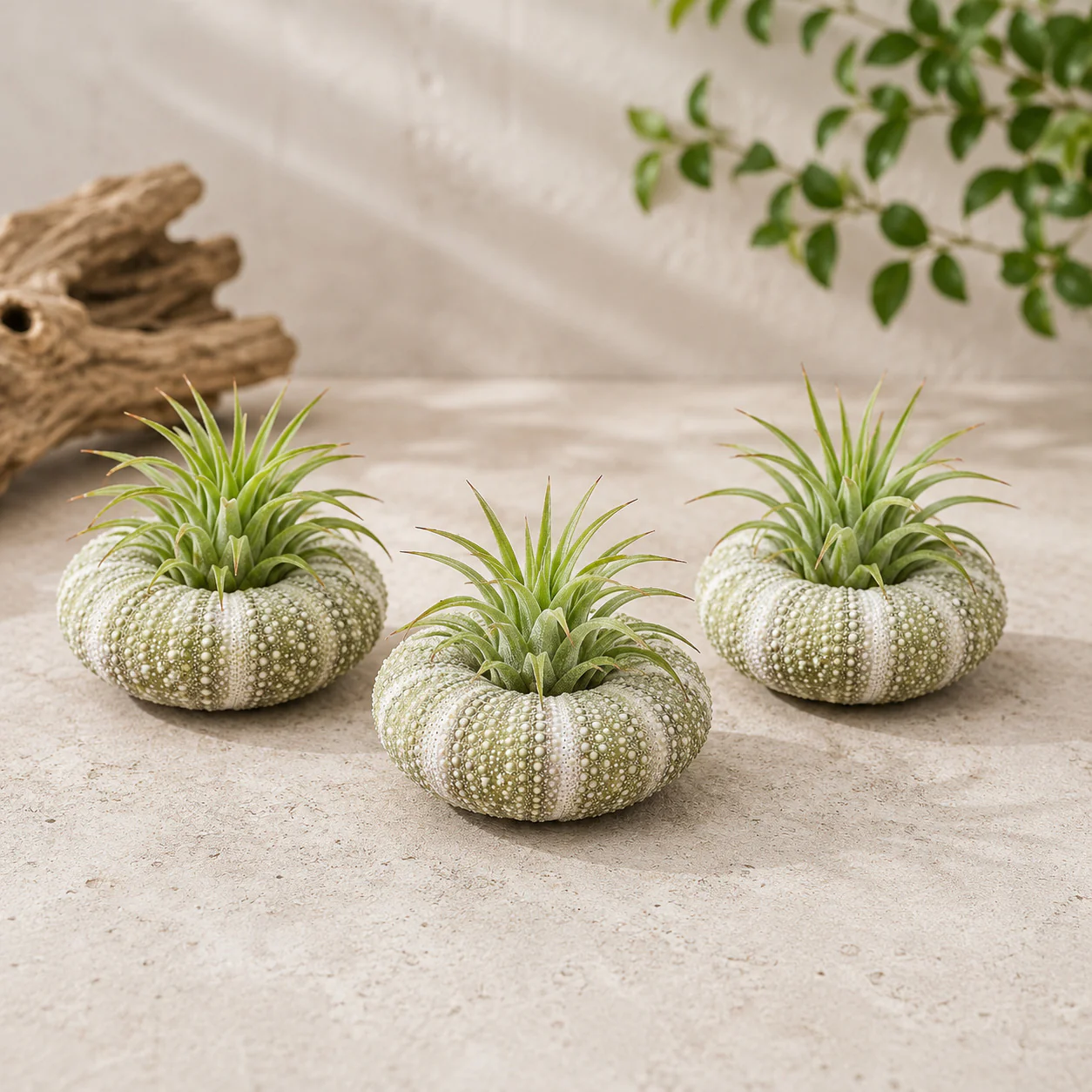
Set of 3 Alfonso Urchins with Tillandsia Air Plants
- Description
- Light/Soil/Water
- Hardiness
-
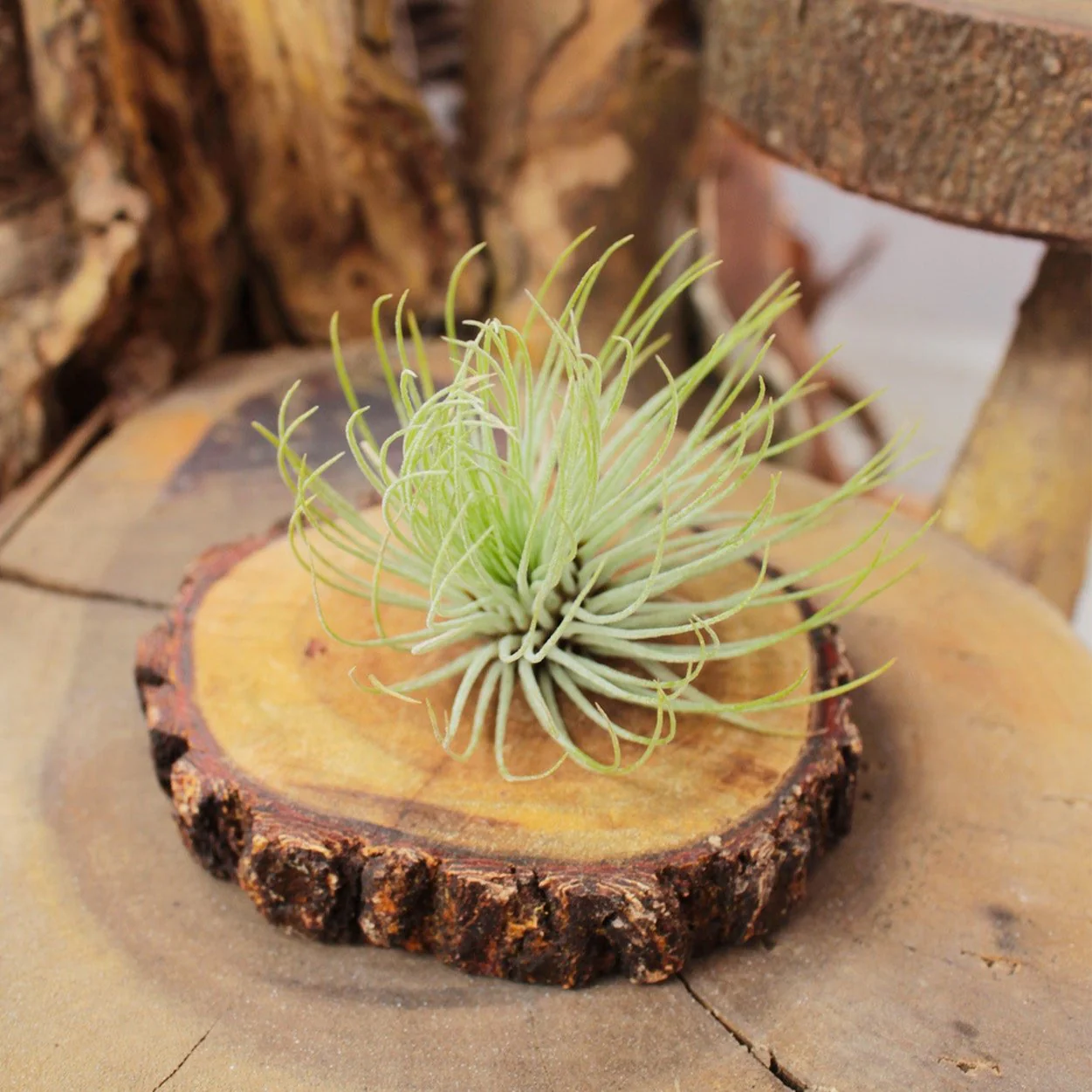
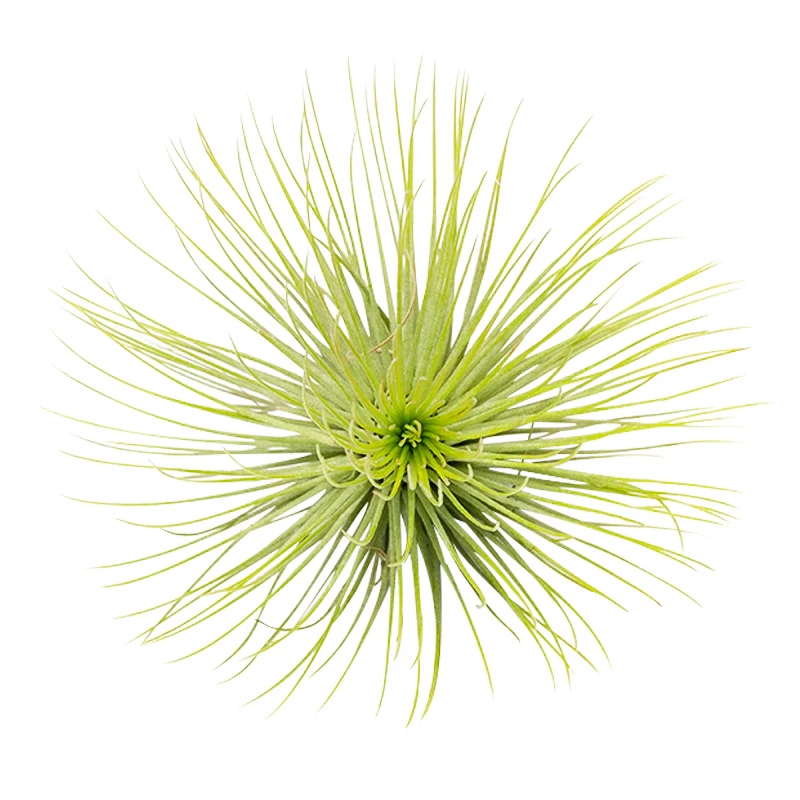
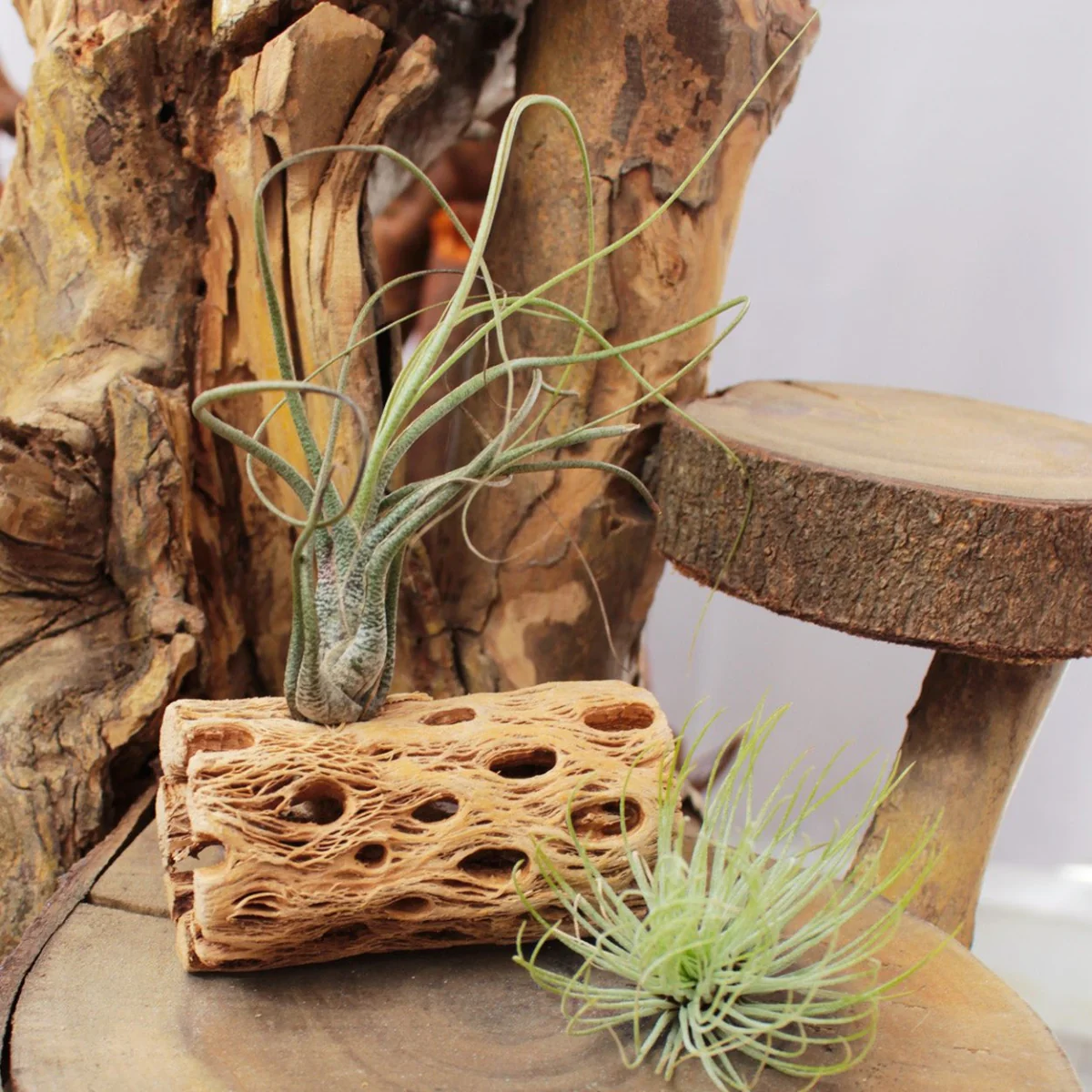
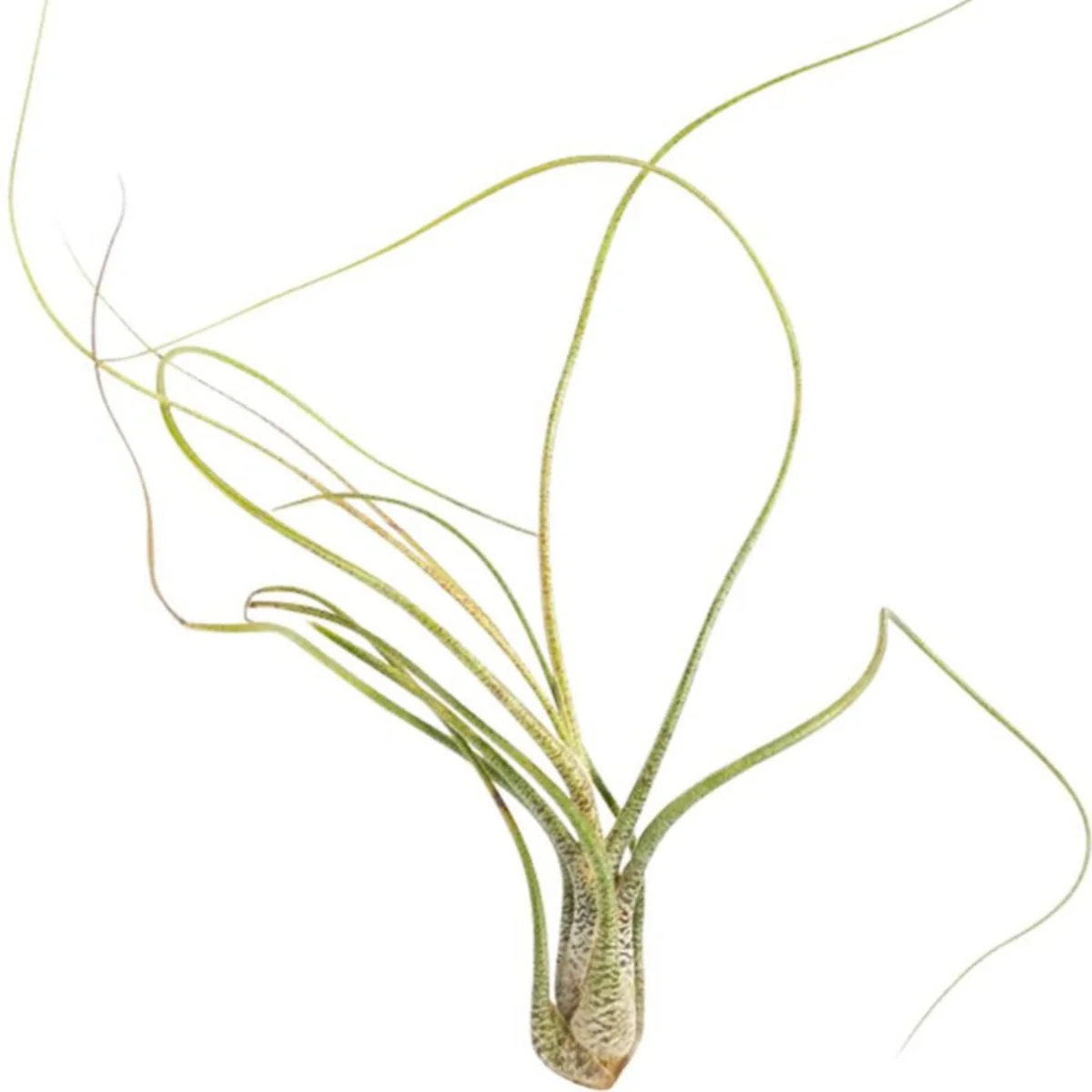
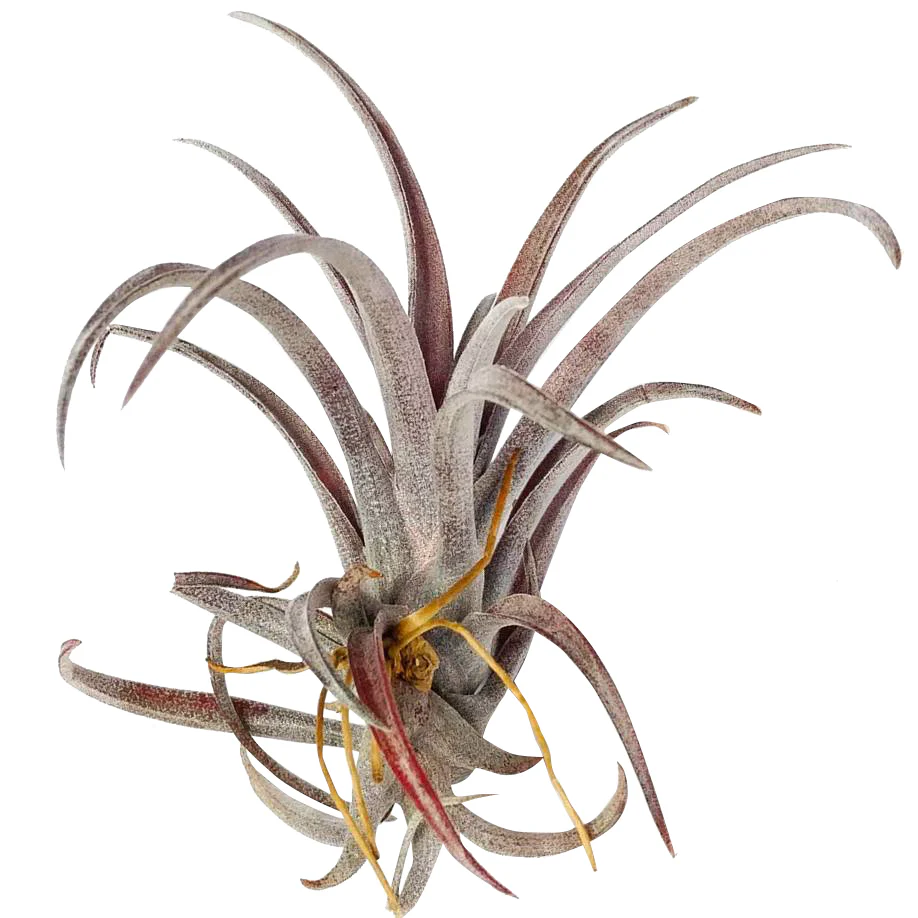
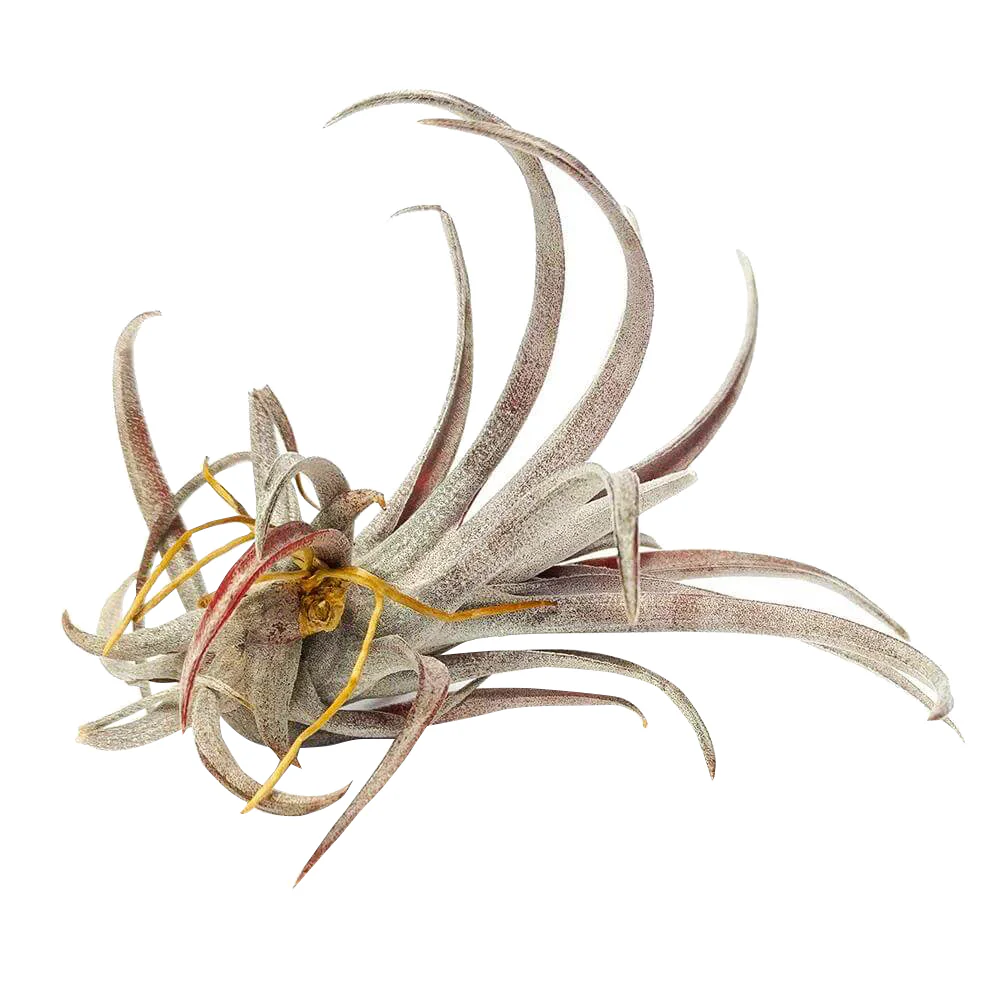
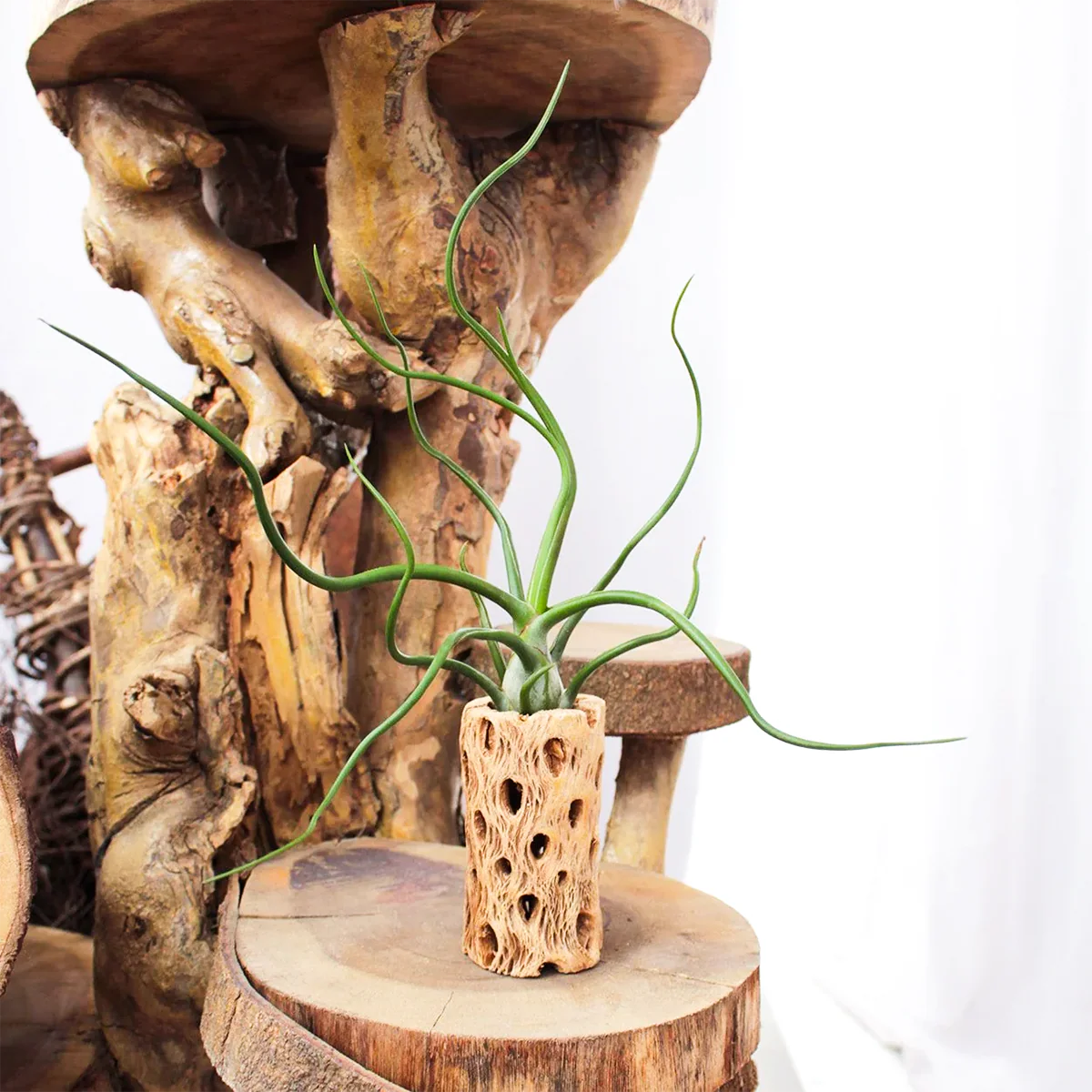
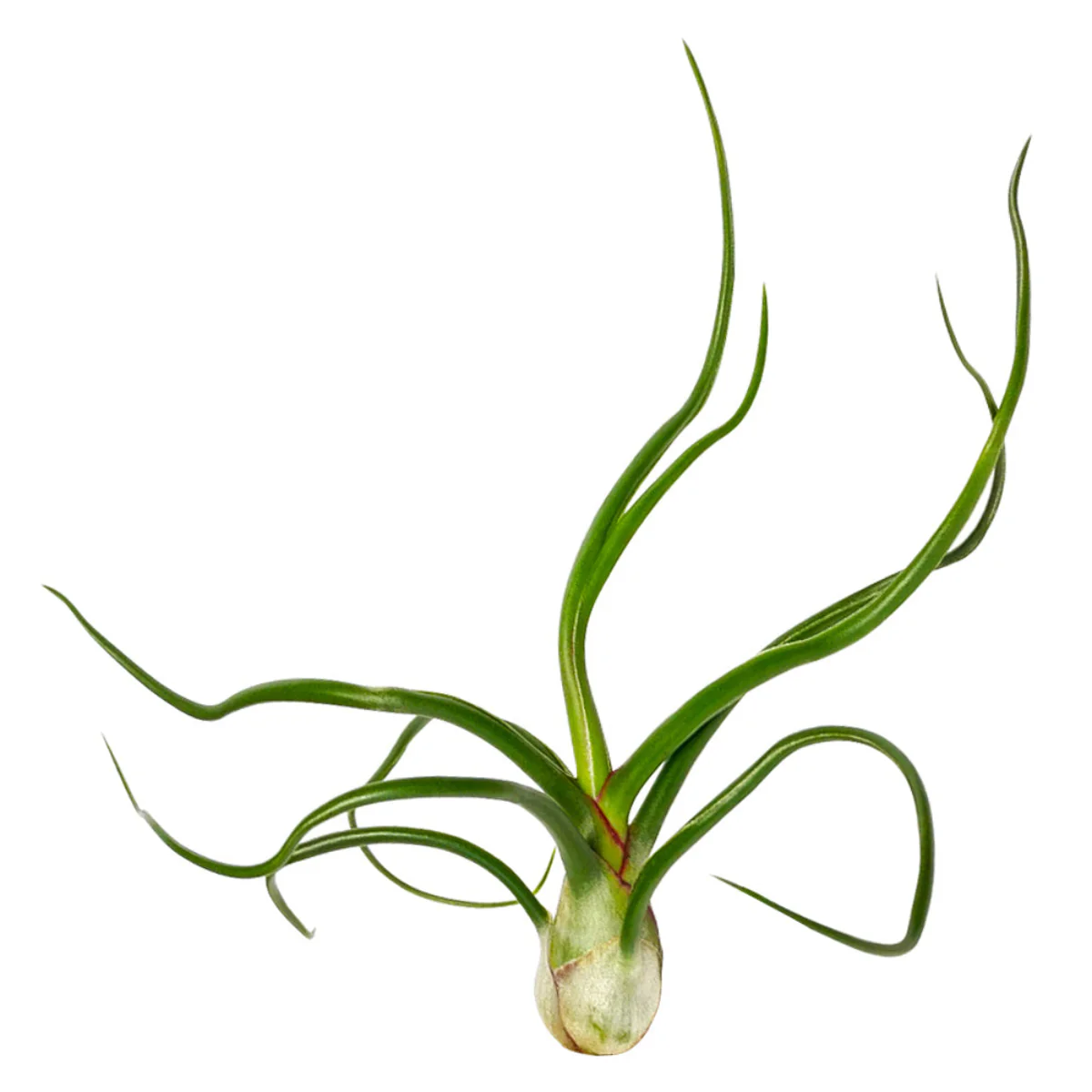
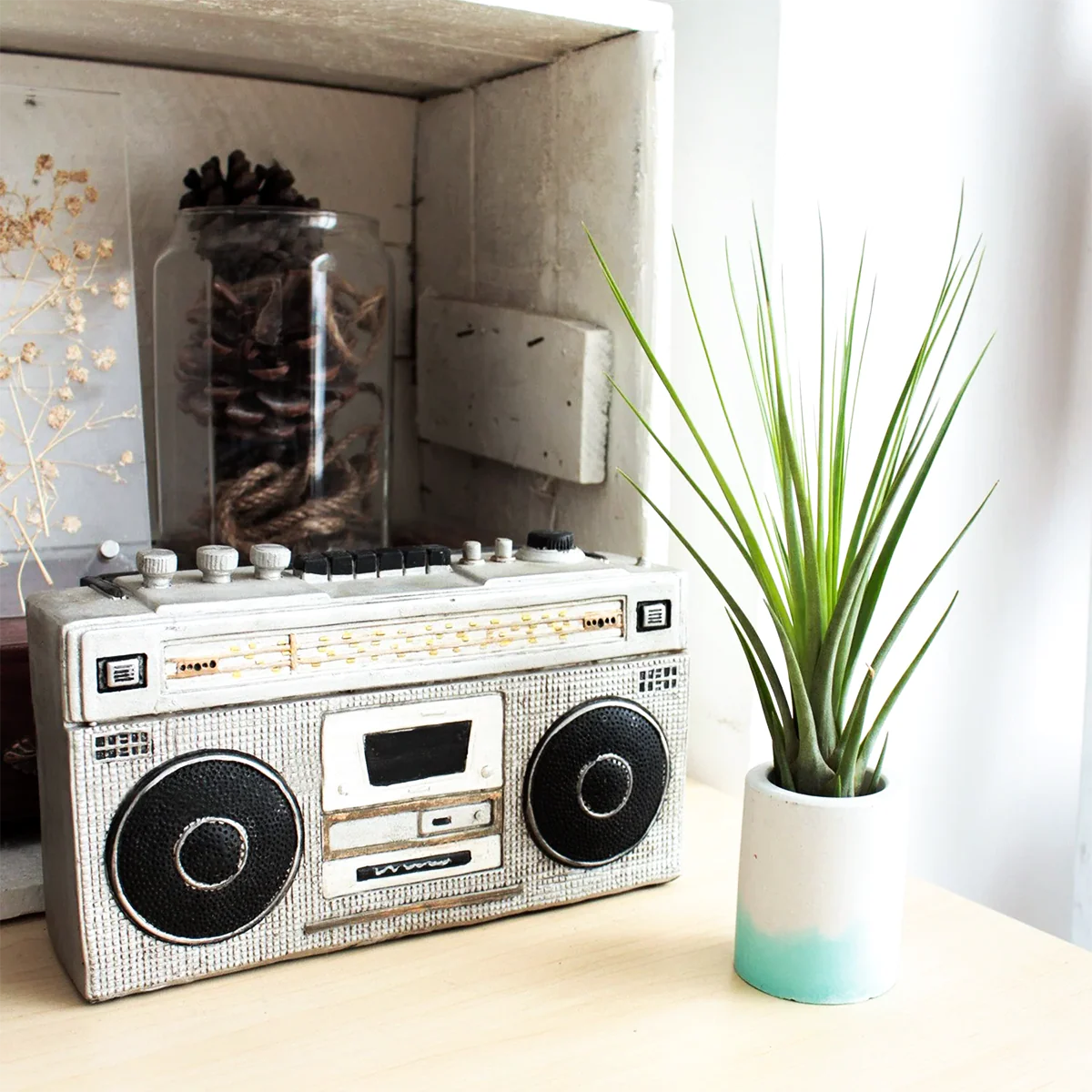
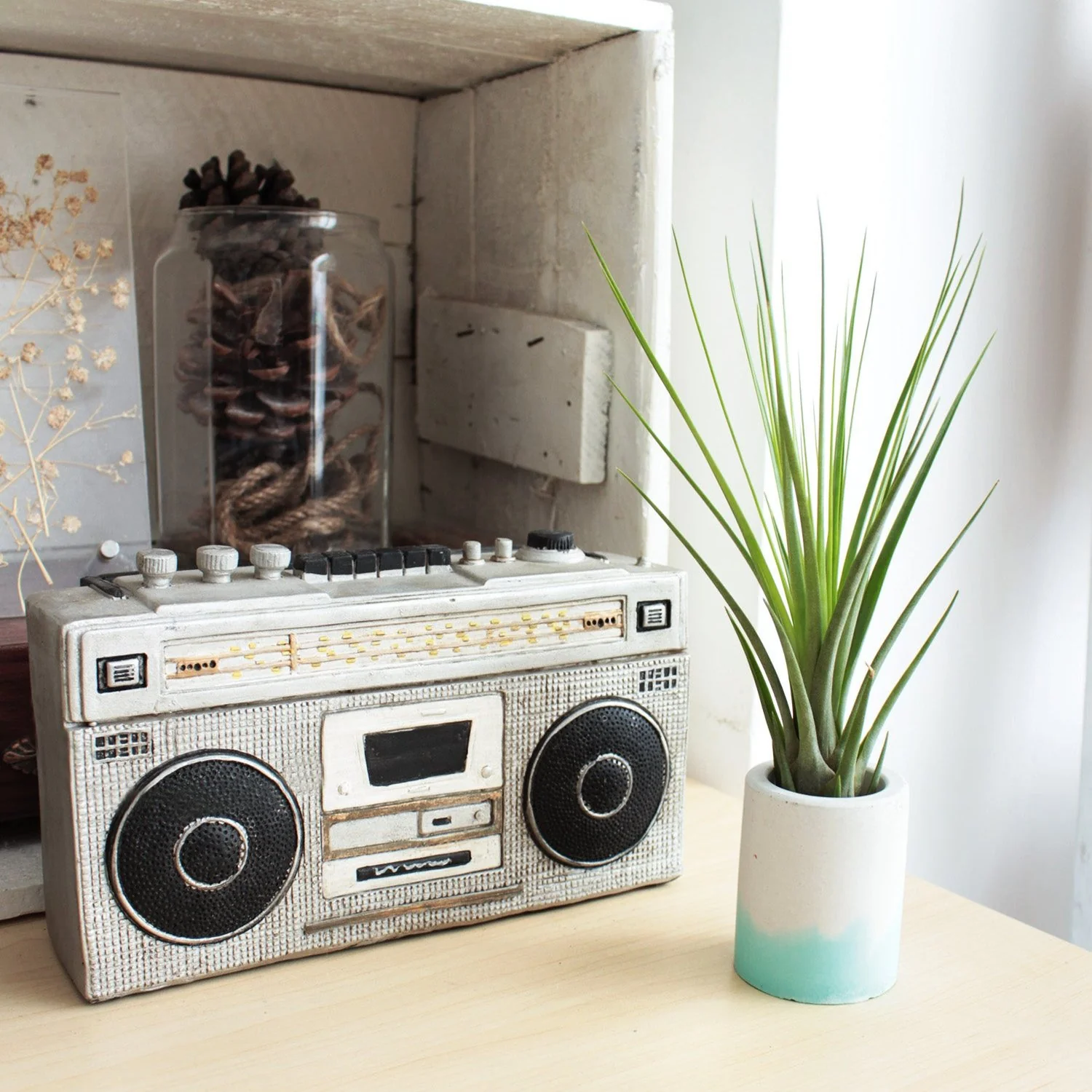
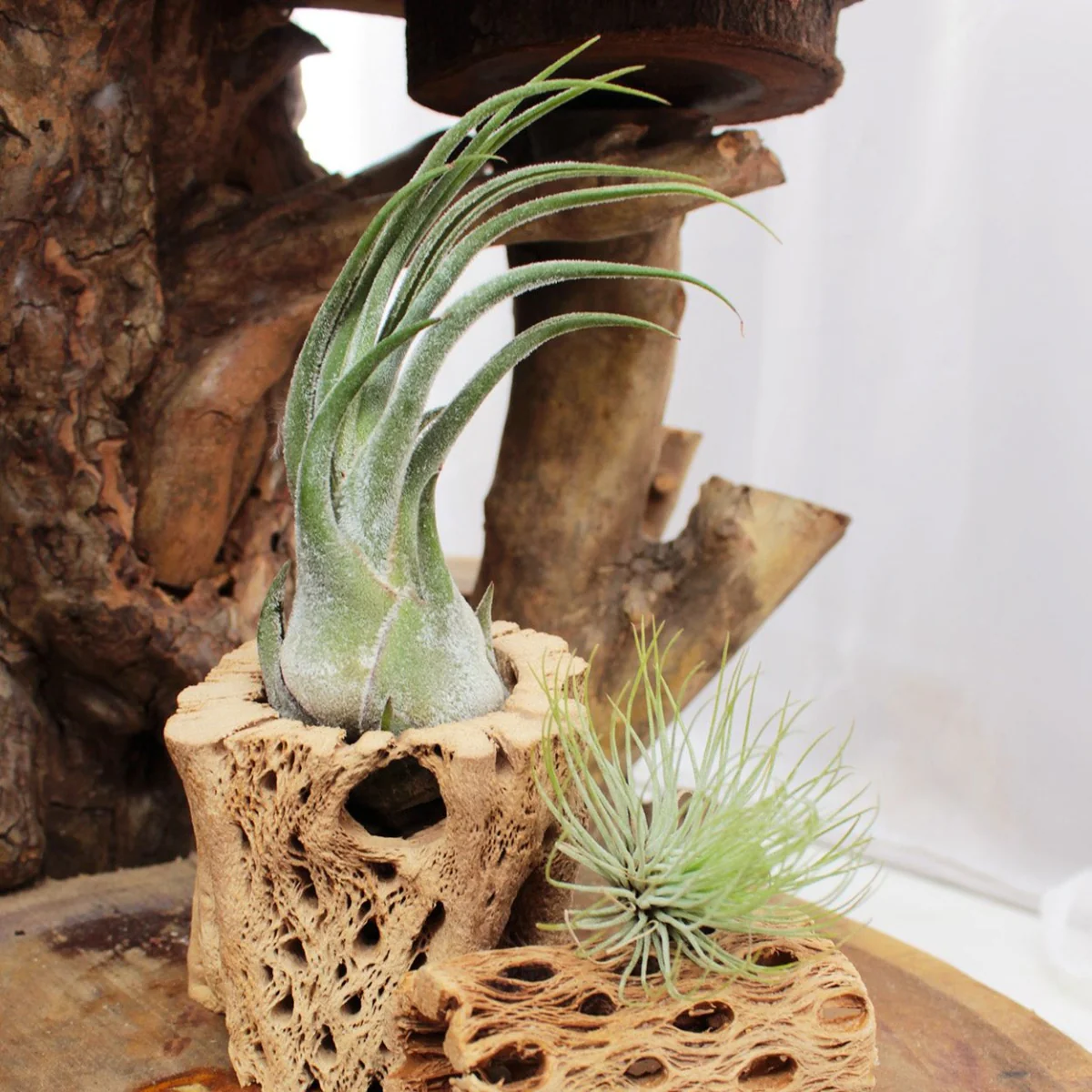
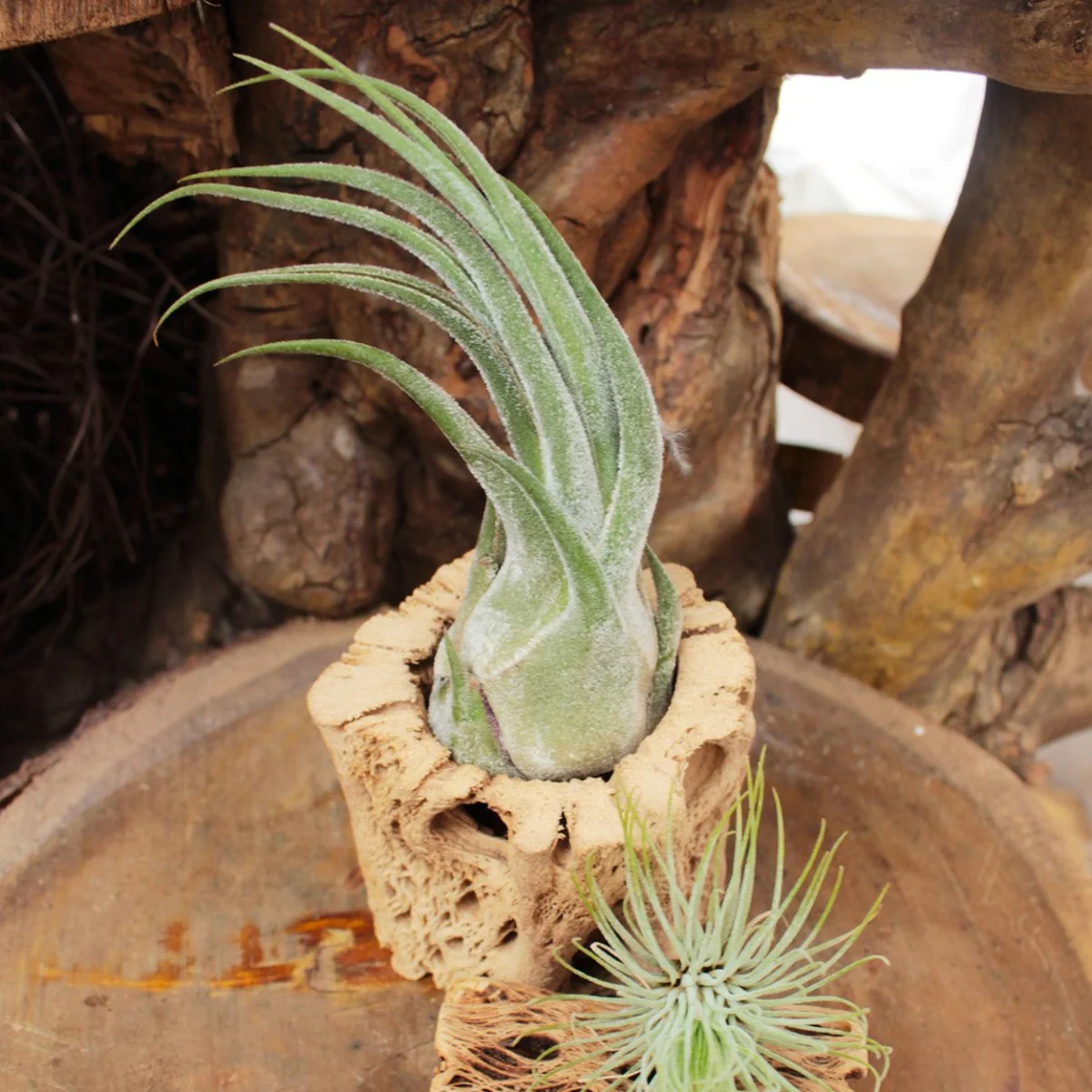
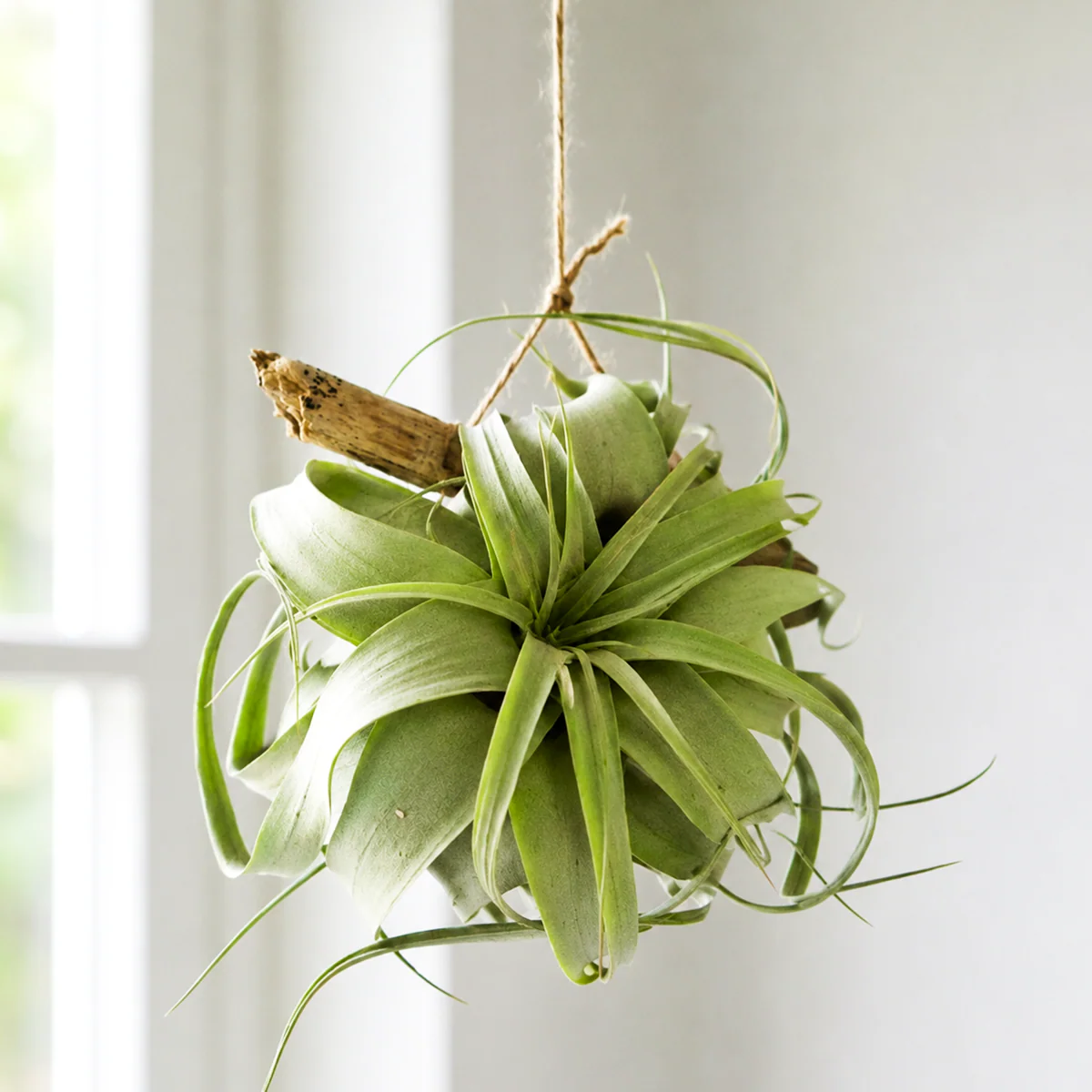
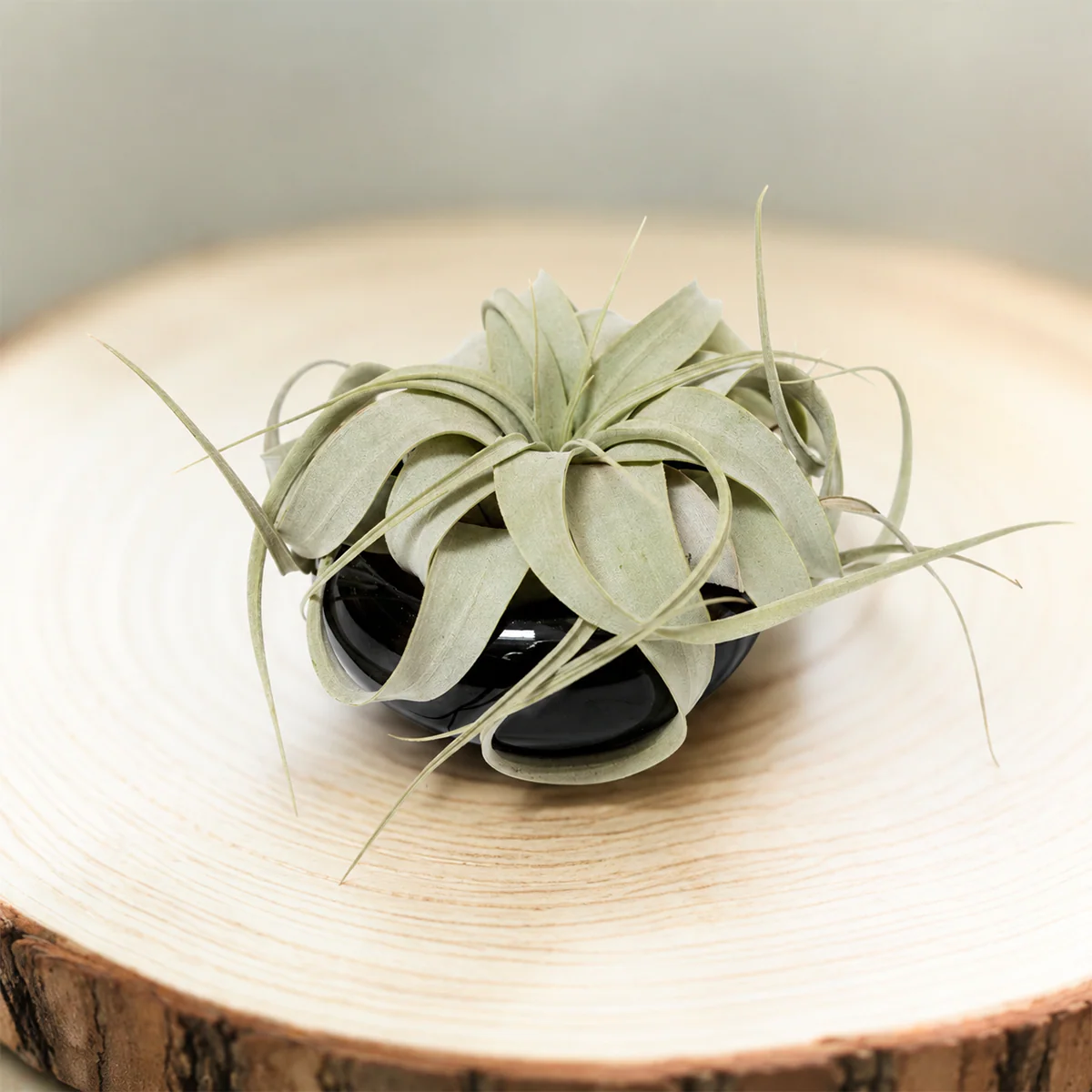
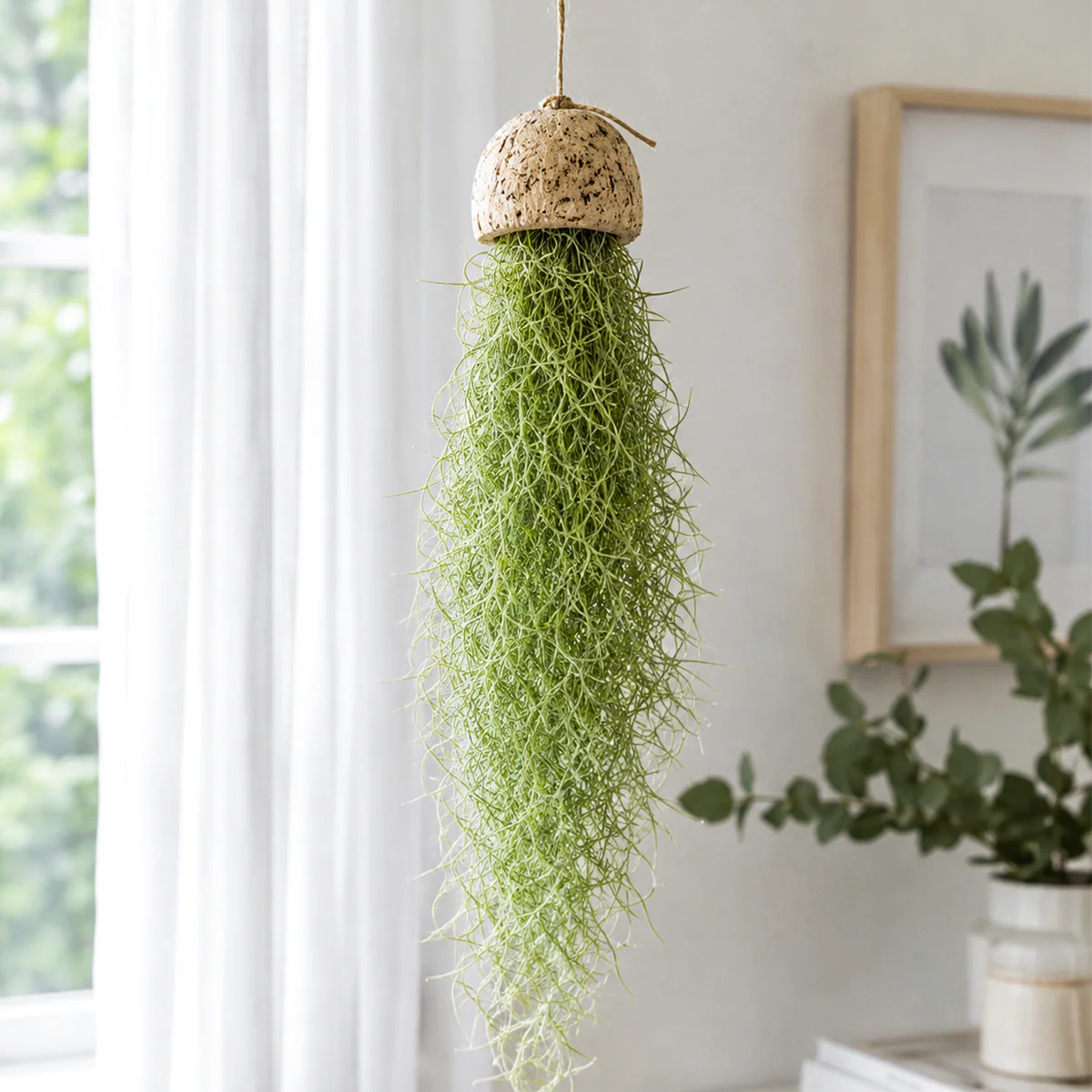
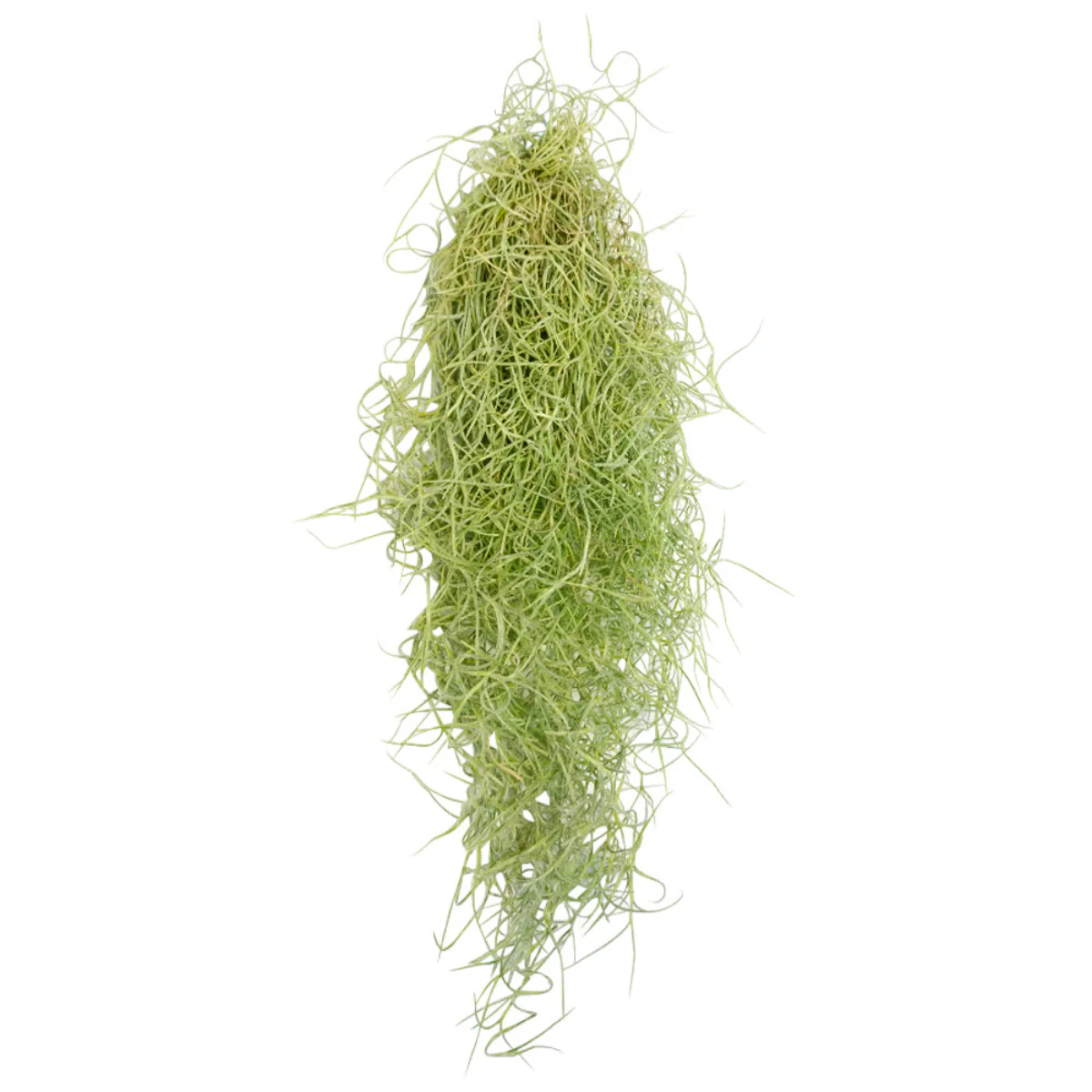
![]() This set pairs three Alfonso urchin shells with live Tillandsia air plants, commonly known as air plants, from the Bromeliaceae family. Native to the forests, mountains, and deserts of Central and South America, Tillandsias are epiphytes that grow without soil, drawing moisture and nutrients directly from the air. Nestled inside naturally shaped sea urchin shells, these miniature arrangements bring together the organic textures of ocean and forest in one display.
This set pairs three Alfonso urchin shells with live Tillandsia air plants, commonly known as air plants, from the Bromeliaceae family. Native to the forests, mountains, and deserts of Central and South America, Tillandsias are epiphytes that grow without soil, drawing moisture and nutrients directly from the air. Nestled inside naturally shaped sea urchin shells, these miniature arrangements bring together the organic textures of ocean and forest in one display.
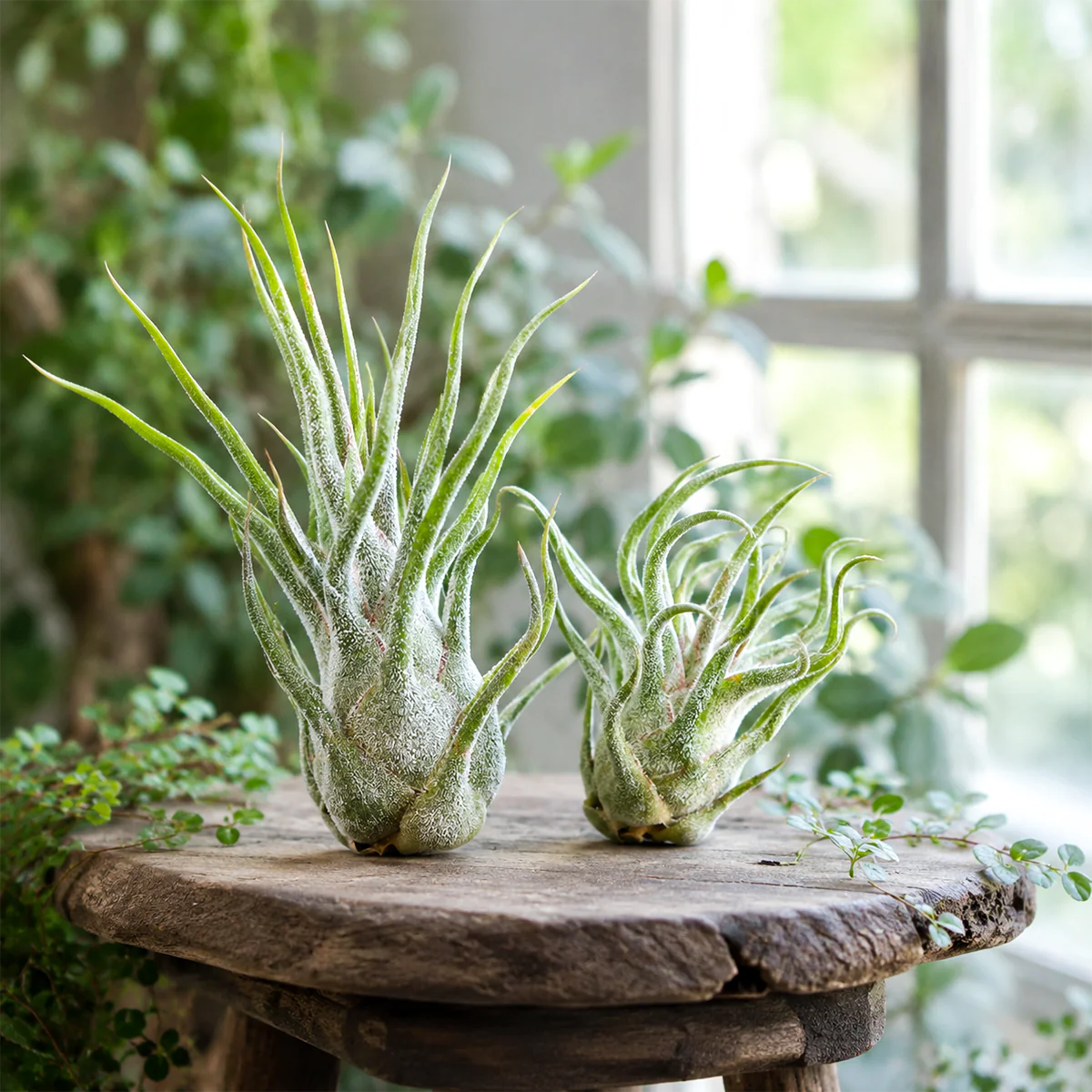
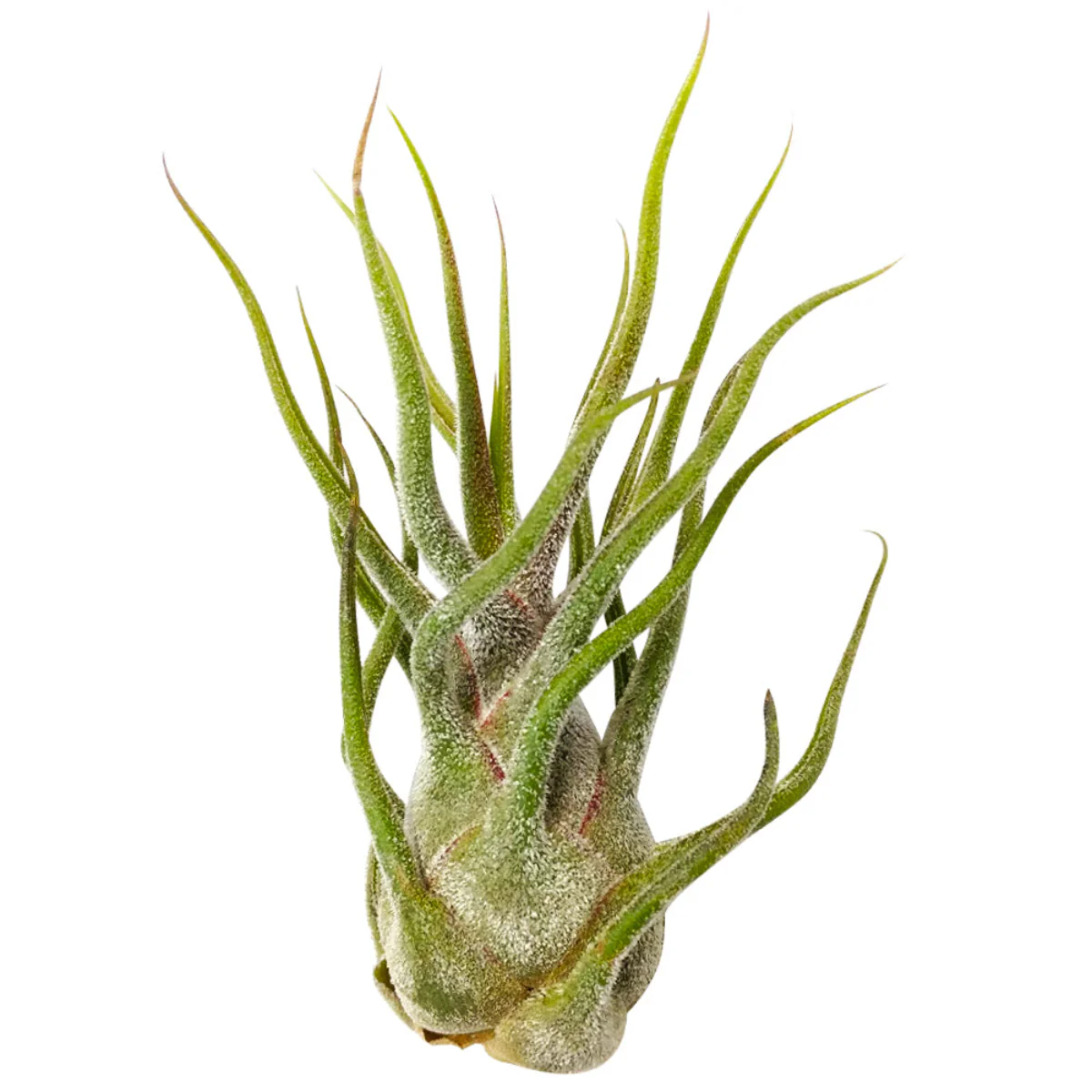
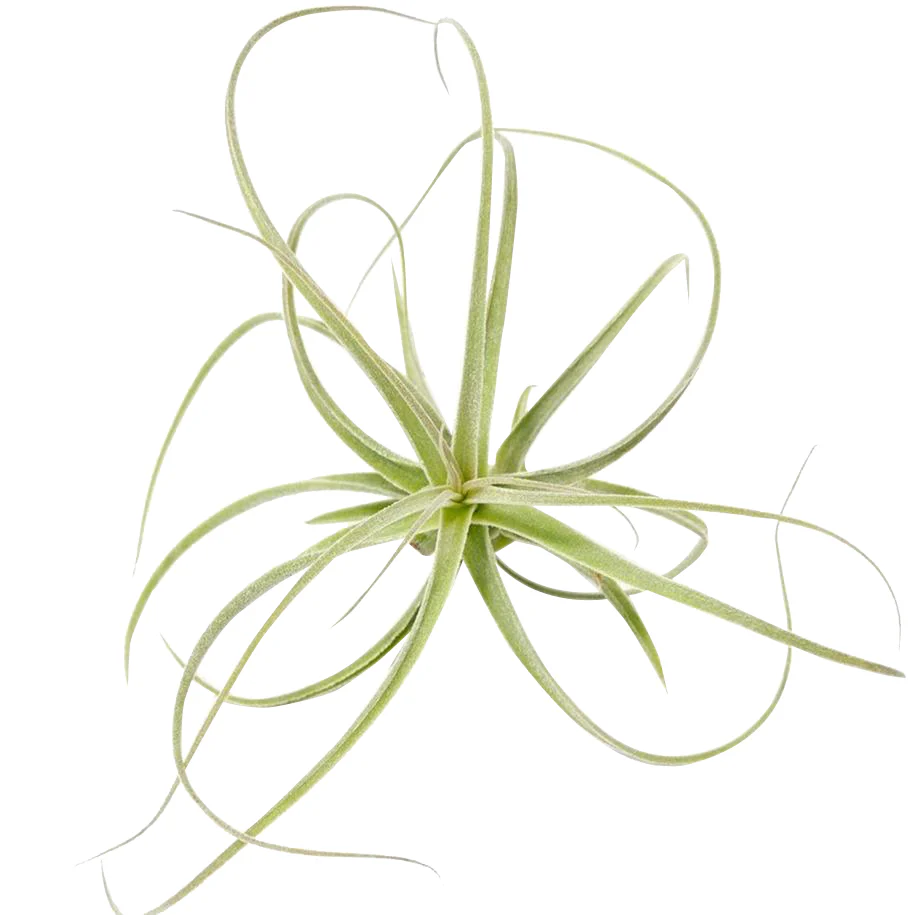
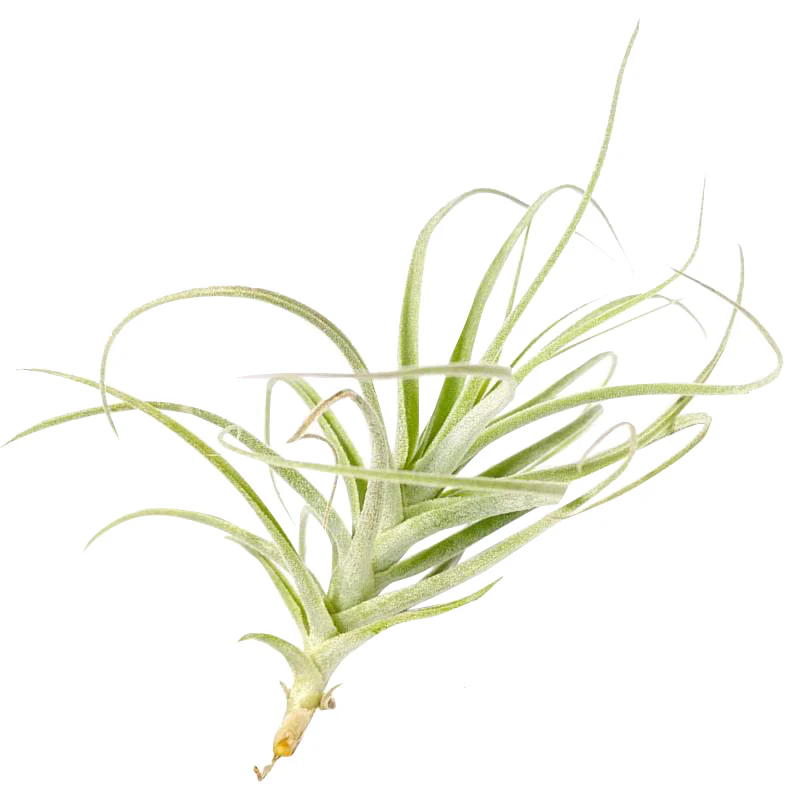
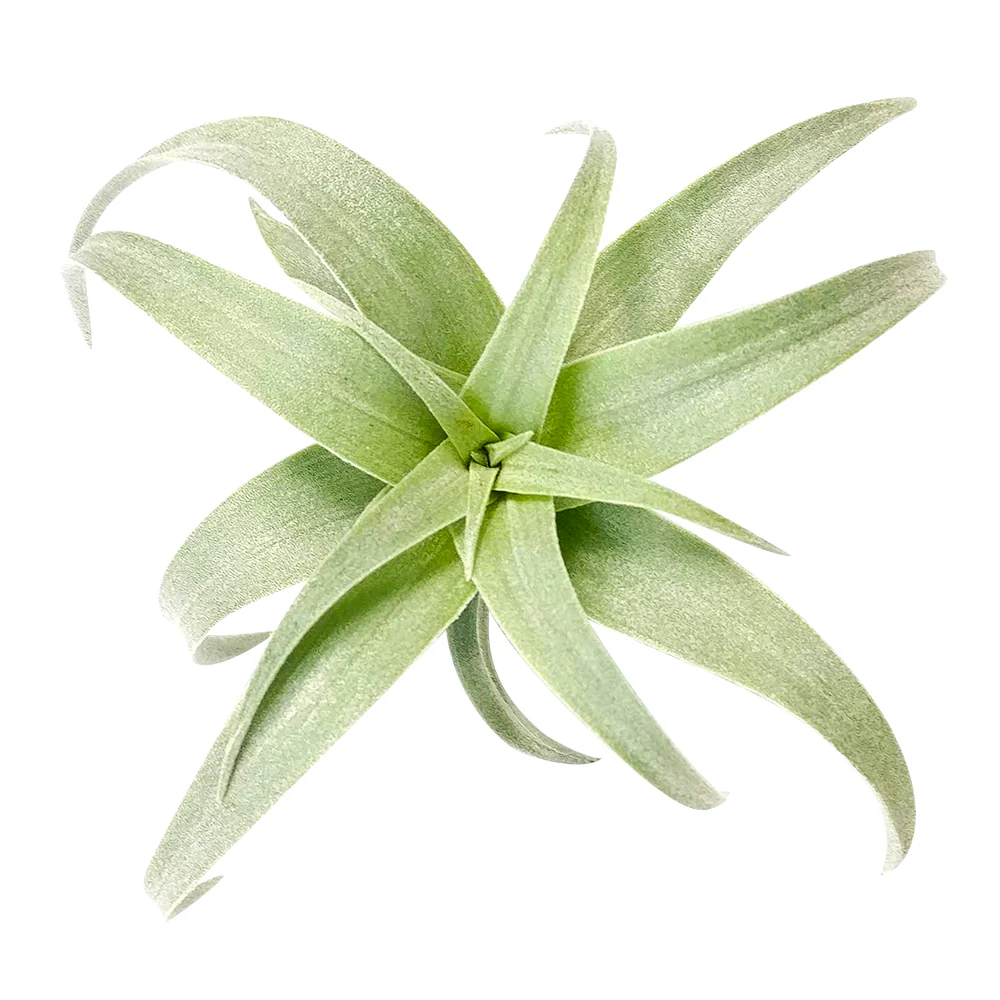
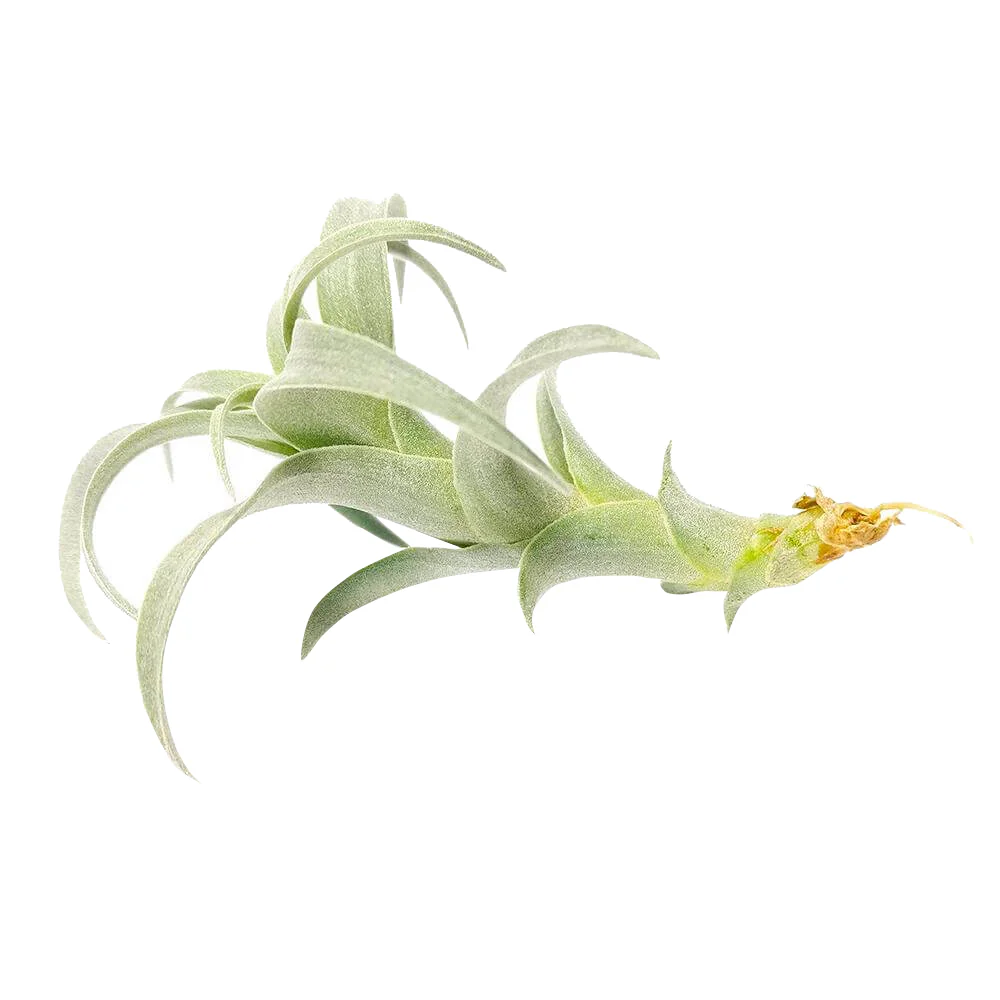
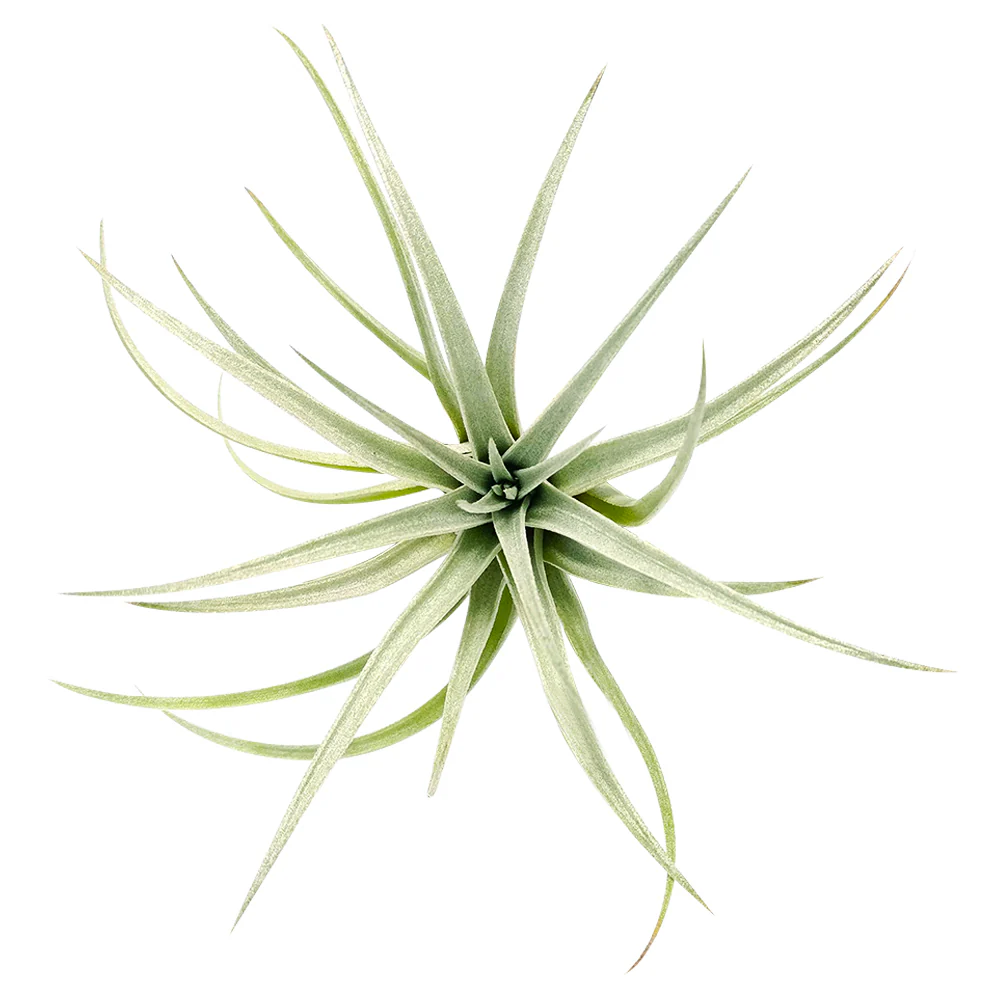
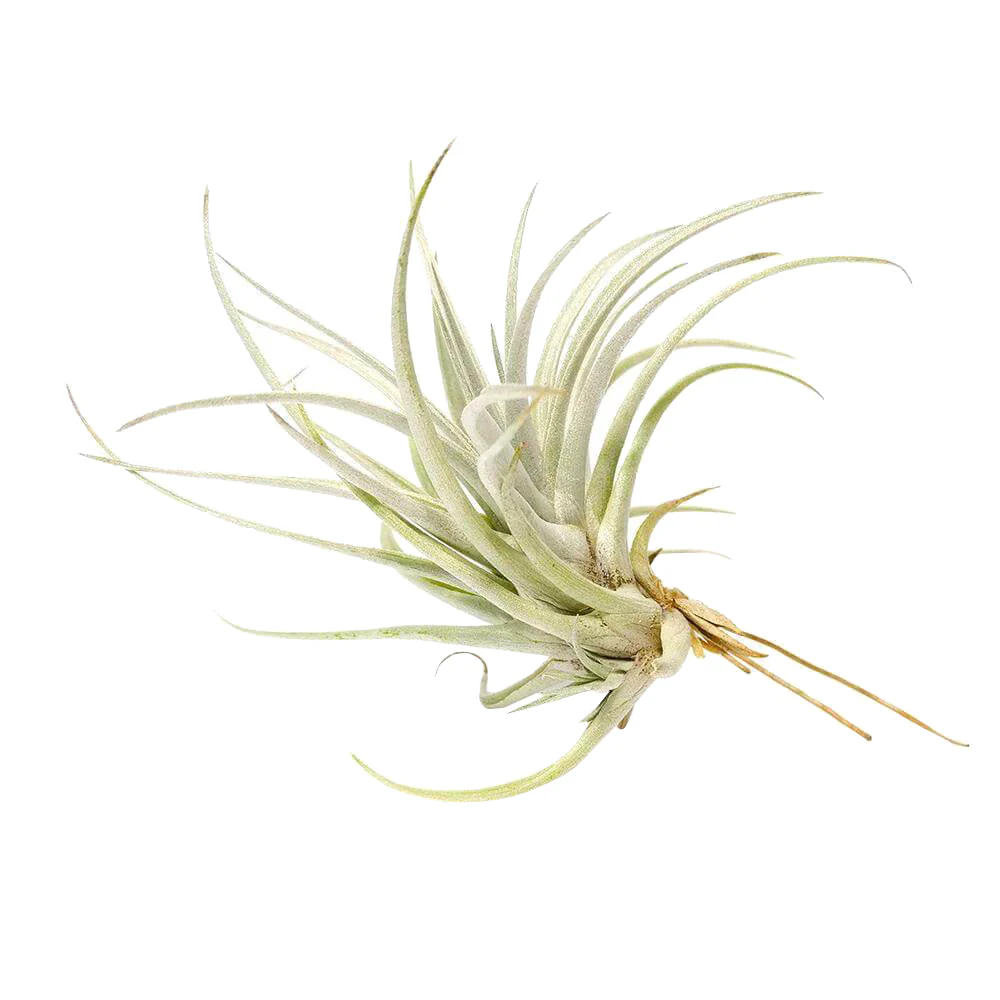
![]() Each Alfonso urchin shell features a smooth, rounded form with a natural cream or ivory tone and delicate surface detail that complements the silvery-green, arching leaves of the Tillandsia nestled inside. The air plants themselves are compact, typically reaching 2 to 5 inches depending on the variety, with thin, slightly curved foliage that fans outward from a central base. The contrast of the spiky organic texture of the shell against the soft rosette of the air plant makes each piece a natural conversation starter. These work beautifully as shelf accents, windowsill displays, or grouped together as a coastal-inspired centerpiece.
Each Alfonso urchin shell features a smooth, rounded form with a natural cream or ivory tone and delicate surface detail that complements the silvery-green, arching leaves of the Tillandsia nestled inside. The air plants themselves are compact, typically reaching 2 to 5 inches depending on the variety, with thin, slightly curved foliage that fans outward from a central base. The contrast of the spiky organic texture of the shell against the soft rosette of the air plant makes each piece a natural conversation starter. These work beautifully as shelf accents, windowsill displays, or grouped together as a coastal-inspired centerpiece.
![]() This set makes an ideal gift or ready-made home accent for anyone who loves low-maintenance plants with high visual impact. Because no soil is involved, there is no mess and no potting required, making these perfect for desks, bathroom shelves, or kitchen counters where space is limited. This plant is pet friendly, so you can place it anywhere in your home with confidence. Keep out of reach of young children to protect the delicate shells and plants.
This set makes an ideal gift or ready-made home accent for anyone who loves low-maintenance plants with high visual impact. Because no soil is involved, there is no mess and no potting required, making these perfect for desks, bathroom shelves, or kitchen counters where space is limited. This plant is pet friendly, so you can place it anywhere in your home with confidence. Keep out of reach of young children to protect the delicate shells and plants. -
![]() Tillandsia air plants thrive in bright, indirect light. Place them near a window that receives several hours of filtered sunlight each day, ideally within 3 to 5 feet of a south- or east-facing window. Avoid direct afternoon sun, which can scorch the delicate leaves. In lower light conditions, growth will slow, but the plant will generally remain healthy as long as some natural light is available.
Tillandsia air plants thrive in bright, indirect light. Place them near a window that receives several hours of filtered sunlight each day, ideally within 3 to 5 feet of a south- or east-facing window. Avoid direct afternoon sun, which can scorch the delicate leaves. In lower light conditions, growth will slow, but the plant will generally remain healthy as long as some natural light is available.
![]() Water air plants by removing them from their urchin shells and soaking them in room-temperature water for 20 to 30 minutes once a week. After soaking, gently shake off excess water and allow them to dry completely, upside down, before returning them to their shells. This drying step is important, as standing water trapped at the base can cause rot. In very dry environments or during summer, a light misting between soaks helps maintain humidity.
Water air plants by removing them from their urchin shells and soaking them in room-temperature water for 20 to 30 minutes once a week. After soaking, gently shake off excess water and allow them to dry completely, upside down, before returning them to their shells. This drying step is important, as standing water trapped at the base can cause rot. In very dry environments or during summer, a light misting between soaks helps maintain humidity.
![]() One of the greatest appeals of Tillandsia is that no soil is needed at all. The urchin shell acts as a natural holder rather than a planting vessel. If you ever want to secure the plant in place, a small amount of air-dry-safe craft glue or clear fishing line can anchor the base lightly to the shell without harming the plant. Never use potting soil or enclose the roots in any material that retains moisture.
One of the greatest appeals of Tillandsia is that no soil is needed at all. The urchin shell acts as a natural holder rather than a planting vessel. If you ever want to secure the plant in place, a small amount of air-dry-safe craft glue or clear fishing line can anchor the base lightly to the shell without harming the plant. Never use potting soil or enclose the roots in any material that retains moisture.
![]() Tillandsias prefer temperatures between 50 and 90 degrees Fahrenheit (10 to 32 degrees Celsius) and do well in typical indoor environments. They appreciate good air circulation, so avoid placing them in enclosed terrariums or spaces with stagnant air. Standard household humidity is usually sufficient, though they benefit from slightly higher humidity in dry climates or during winter when indoor heating reduces moisture in the air.
Tillandsias prefer temperatures between 50 and 90 degrees Fahrenheit (10 to 32 degrees Celsius) and do well in typical indoor environments. They appreciate good air circulation, so avoid placing them in enclosed terrariums or spaces with stagnant air. Standard household humidity is usually sufficient, though they benefit from slightly higher humidity in dry climates or during winter when indoor heating reduces moisture in the air.
![]() Fertilizing is optional but encourages faster growth and more vibrant color. Use a bromeliad or Tillandsia-specific fertilizer diluted to one quarter strength and add it to your soaking water once a month during spring and summer. Avoid over-fertilizing, as too many nutrients can damage the leaves. No fertilizer is needed during fall and winter when growth naturally slows.
Fertilizing is optional but encourages faster growth and more vibrant color. Use a bromeliad or Tillandsia-specific fertilizer diluted to one quarter strength and add it to your soaking water once a month during spring and summer. Avoid over-fertilizing, as too many nutrients can damage the leaves. No fertilizer is needed during fall and winter when growth naturally slows.
-
![]()
USDA Hardiness Zones 9-11 | Minimum temperature: 25°F (-4°C)
Tillandsia air plants can be displayed outdoors year-round in Zones 9 through 11, where temperatures remain mild. In cooler zones, bring them indoors before nighttime temperatures drop below 50°F (10°C) to protect them from cold stress. Frost will damage the foliage, so indoor placement during winter months is strongly recommended for most of the country. As houseplants, they thrive in any zone when kept in a warm, well-lit indoor space.
 This set pairs three Alfonso urchin shells with live Tillandsia air plants, commonly known as air plants, from the Bromeliaceae family. Native to the forests, mountains, and deserts of Central and South America, Tillandsias are epiphytes that grow without soil, drawing moisture and nutrients directly from the air. Nestled inside naturally shaped sea urchin shells, these miniature arrangements bring together the organic textures of ocean and forest in one display.
 Each Alfonso urchin shell features a smooth, rounded form with a natural cream or ivory tone and delicate surface detail that complements the silvery-green, arching leaves of the Tillandsia nestled inside. The air plants themselves are compact, typically reaching 2 to 5 inches depending on the variety, with thin, slightly curved foliage that fans outward from a central base. The contrast of the spiky organic texture of the shell against the soft rosette of the air plant makes each piece a natural conversation starter. These work beautifully as shelf accents, windowsill displays, or grouped together as a coastal-inspired centerpiece.
 This set makes an ideal gift or ready-made home accent for anyone who loves low-maintenance plants with high visual impact. Because no soil is involved, there is no mess and no potting required, making these perfect for desks, bathroom shelves, or kitchen counters where space is limited. This plant is pet friendly, so you can place it anywhere in your home with confidence. Keep out of reach of young children to protect the delicate shells and plants.
  Tillandsia air plants thrive in bright, indirect light. Place them near a window that receives several hours of filtered sunlight each day, ideally within 3 to 5 feet of a south- or east-facing window. Avoid direct afternoon sun, which can scorch the delicate leaves. In lower light conditions, growth will slow, but the plant will generally remain healthy as long as some natural light is available.
 Water air plants by removing them from their urchin shells and soaking them in room-temperature water for 20 to 30 minutes once a week. After soaking, gently shake off excess water and allow them to dry completely, upside down, before returning them to their shells. This drying step is important, as standing water trapped at the base can cause rot. In very dry environments or during summer, a light misting between soaks helps maintain humidity.
 Tillandsias prefer temperatures between 50 and 90 degrees Fahrenheit (10 to 32 degrees Celsius) and do well in typical indoor environments. They appreciate good air circulation, so avoid placing them in enclosed terrariums or spaces with stagnant air. Standard household humidity is usually sufficient, though they benefit from slightly higher humidity in dry climates or during winter when indoor heating reduces moisture in the air.
 Fertilizing is optional but encourages faster growth and more vibrant color. Use a bromeliad or Tillandsia-specific fertilizer diluted to one quarter strength and add it to your soaking water once a month during spring and summer. Avoid over-fertilizing, as too many nutrients can damage the leaves. No fertilizer is needed during fall and winter when growth naturally slows.

Product Information
Product Information
Shipping & Returns
Shipping & Returns
Description
- Description
- Light/Soil/Water
- Hardiness
-
![]() This set pairs three Alfonso urchin shells with live Tillandsia air plants, commonly known as air plants, from the Bromeliaceae family. Native to the forests, mountains, and deserts of Central and South America, Tillandsias are epiphytes that grow without soil, drawing moisture and nutrients directly from the air. Nestled inside naturally shaped sea urchin shells, these miniature arrangements bring together the organic textures of ocean and forest in one display.
This set pairs three Alfonso urchin shells with live Tillandsia air plants, commonly known as air plants, from the Bromeliaceae family. Native to the forests, mountains, and deserts of Central and South America, Tillandsias are epiphytes that grow without soil, drawing moisture and nutrients directly from the air. Nestled inside naturally shaped sea urchin shells, these miniature arrangements bring together the organic textures of ocean and forest in one display.
![]() Each Alfonso urchin shell features a smooth, rounded form with a natural cream or ivory tone and delicate surface detail that complements the silvery-green, arching leaves of the Tillandsia nestled inside. The air plants themselves are compact, typically reaching 2 to 5 inches depending on the variety, with thin, slightly curved foliage that fans outward from a central base. The contrast of the spiky organic texture of the shell against the soft rosette of the air plant makes each piece a natural conversation starter. These work beautifully as shelf accents, windowsill displays, or grouped together as a coastal-inspired centerpiece.
Each Alfonso urchin shell features a smooth, rounded form with a natural cream or ivory tone and delicate surface detail that complements the silvery-green, arching leaves of the Tillandsia nestled inside. The air plants themselves are compact, typically reaching 2 to 5 inches depending on the variety, with thin, slightly curved foliage that fans outward from a central base. The contrast of the spiky organic texture of the shell against the soft rosette of the air plant makes each piece a natural conversation starter. These work beautifully as shelf accents, windowsill displays, or grouped together as a coastal-inspired centerpiece.
![]() This set makes an ideal gift or ready-made home accent for anyone who loves low-maintenance plants with high visual impact. Because no soil is involved, there is no mess and no potting required, making these perfect for desks, bathroom shelves, or kitchen counters where space is limited. This plant is pet friendly, so you can place it anywhere in your home with confidence. Keep out of reach of young children to protect the delicate shells and plants.
This set makes an ideal gift or ready-made home accent for anyone who loves low-maintenance plants with high visual impact. Because no soil is involved, there is no mess and no potting required, making these perfect for desks, bathroom shelves, or kitchen counters where space is limited. This plant is pet friendly, so you can place it anywhere in your home with confidence. Keep out of reach of young children to protect the delicate shells and plants. -
![]() Tillandsia air plants thrive in bright, indirect light. Place them near a window that receives several hours of filtered sunlight each day, ideally within 3 to 5 feet of a south- or east-facing window. Avoid direct afternoon sun, which can scorch the delicate leaves. In lower light conditions, growth will slow, but the plant will generally remain healthy as long as some natural light is available.
Tillandsia air plants thrive in bright, indirect light. Place them near a window that receives several hours of filtered sunlight each day, ideally within 3 to 5 feet of a south- or east-facing window. Avoid direct afternoon sun, which can scorch the delicate leaves. In lower light conditions, growth will slow, but the plant will generally remain healthy as long as some natural light is available.
![]() Water air plants by removing them from their urchin shells and soaking them in room-temperature water for 20 to 30 minutes once a week. After soaking, gently shake off excess water and allow them to dry completely, upside down, before returning them to their shells. This drying step is important, as standing water trapped at the base can cause rot. In very dry environments or during summer, a light misting between soaks helps maintain humidity.
Water air plants by removing them from their urchin shells and soaking them in room-temperature water for 20 to 30 minutes once a week. After soaking, gently shake off excess water and allow them to dry completely, upside down, before returning them to their shells. This drying step is important, as standing water trapped at the base can cause rot. In very dry environments or during summer, a light misting between soaks helps maintain humidity.
![]() One of the greatest appeals of Tillandsia is that no soil is needed at all. The urchin shell acts as a natural holder rather than a planting vessel. If you ever want to secure the plant in place, a small amount of air-dry-safe craft glue or clear fishing line can anchor the base lightly to the shell without harming the plant. Never use potting soil or enclose the roots in any material that retains moisture.
One of the greatest appeals of Tillandsia is that no soil is needed at all. The urchin shell acts as a natural holder rather than a planting vessel. If you ever want to secure the plant in place, a small amount of air-dry-safe craft glue or clear fishing line can anchor the base lightly to the shell without harming the plant. Never use potting soil or enclose the roots in any material that retains moisture.
![]() Tillandsias prefer temperatures between 50 and 90 degrees Fahrenheit (10 to 32 degrees Celsius) and do well in typical indoor environments. They appreciate good air circulation, so avoid placing them in enclosed terrariums or spaces with stagnant air. Standard household humidity is usually sufficient, though they benefit from slightly higher humidity in dry climates or during winter when indoor heating reduces moisture in the air.
Tillandsias prefer temperatures between 50 and 90 degrees Fahrenheit (10 to 32 degrees Celsius) and do well in typical indoor environments. They appreciate good air circulation, so avoid placing them in enclosed terrariums or spaces with stagnant air. Standard household humidity is usually sufficient, though they benefit from slightly higher humidity in dry climates or during winter when indoor heating reduces moisture in the air.
![]() Fertilizing is optional but encourages faster growth and more vibrant color. Use a bromeliad or Tillandsia-specific fertilizer diluted to one quarter strength and add it to your soaking water once a month during spring and summer. Avoid over-fertilizing, as too many nutrients can damage the leaves. No fertilizer is needed during fall and winter when growth naturally slows.
Fertilizing is optional but encourages faster growth and more vibrant color. Use a bromeliad or Tillandsia-specific fertilizer diluted to one quarter strength and add it to your soaking water once a month during spring and summer. Avoid over-fertilizing, as too many nutrients can damage the leaves. No fertilizer is needed during fall and winter when growth naturally slows.
-
![]()
USDA Hardiness Zones 9-11 | Minimum temperature: 25°F (-4°C)
Tillandsia air plants can be displayed outdoors year-round in Zones 9 through 11, where temperatures remain mild. In cooler zones, bring them indoors before nighttime temperatures drop below 50°F (10°C) to protect them from cold stress. Frost will damage the foliage, so indoor placement during winter months is strongly recommended for most of the country. As houseplants, they thrive in any zone when kept in a warm, well-lit indoor space.