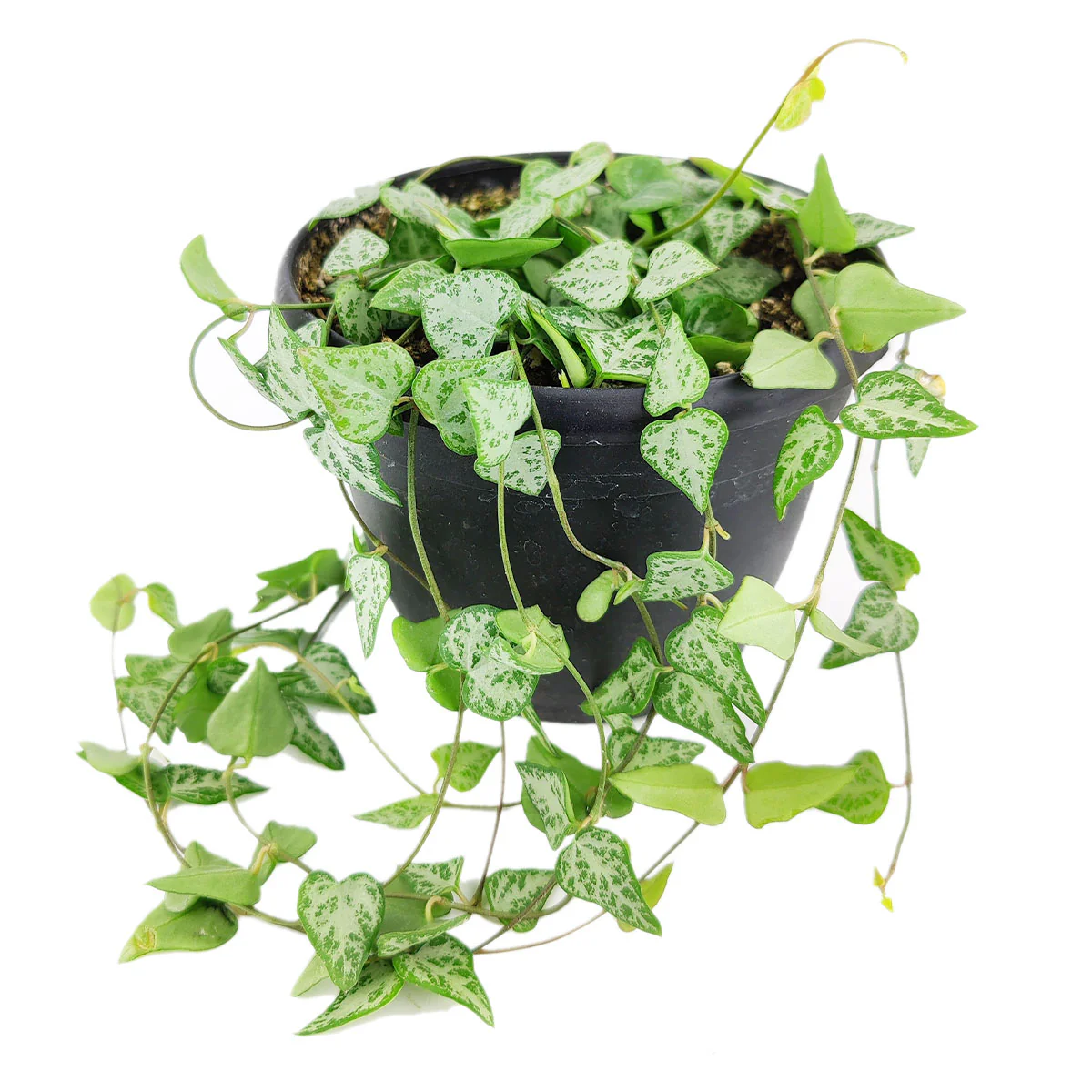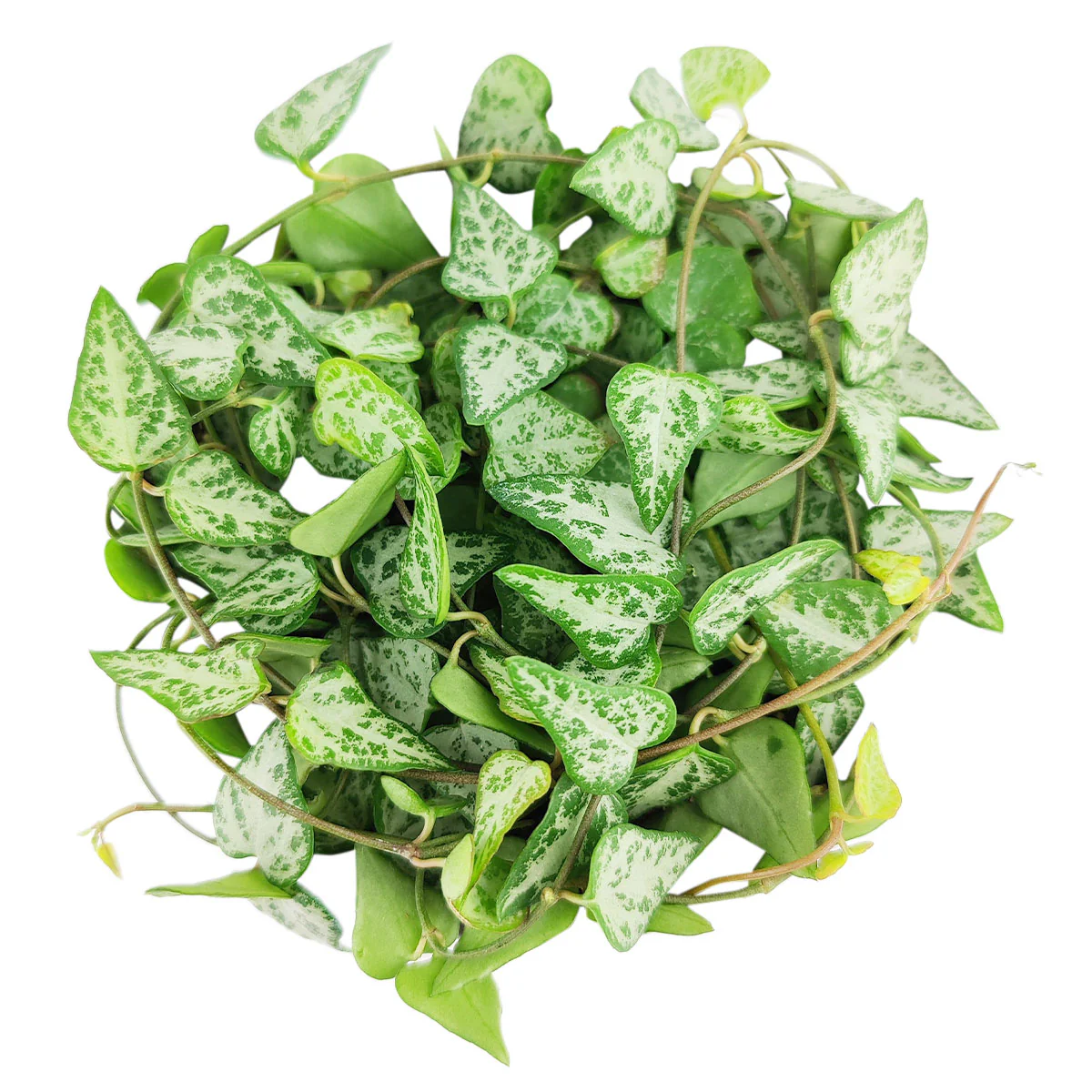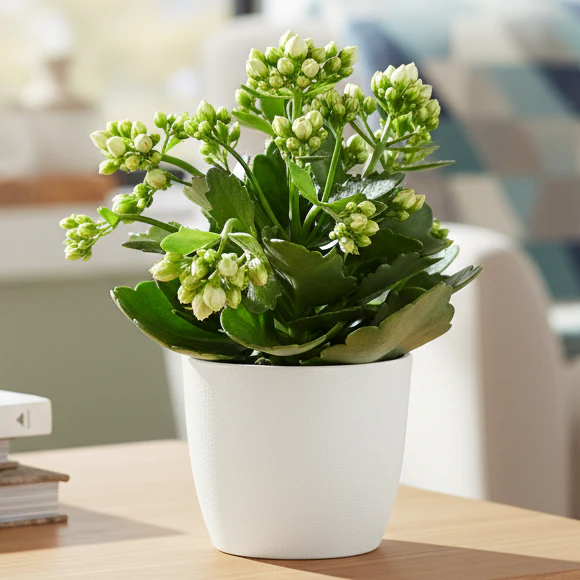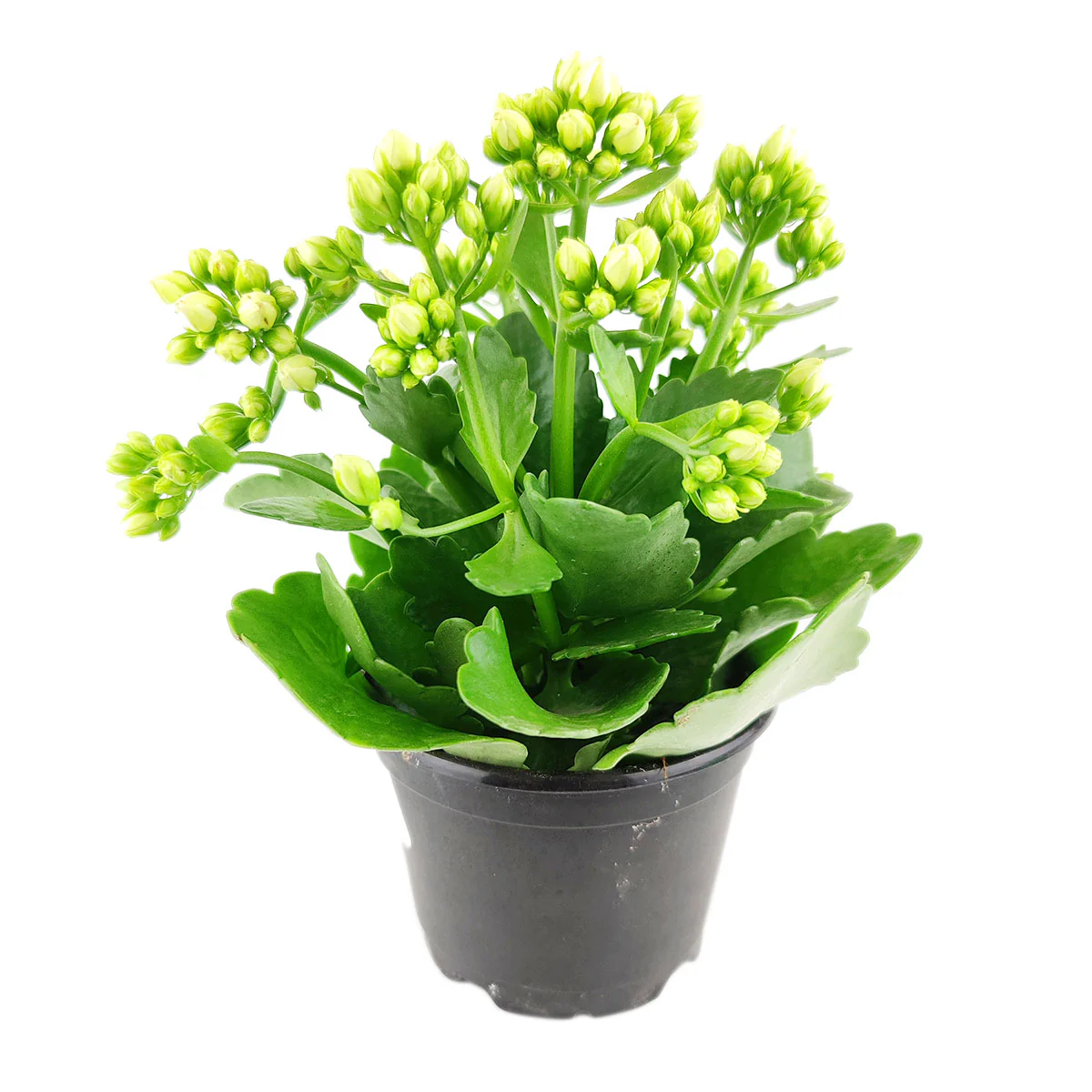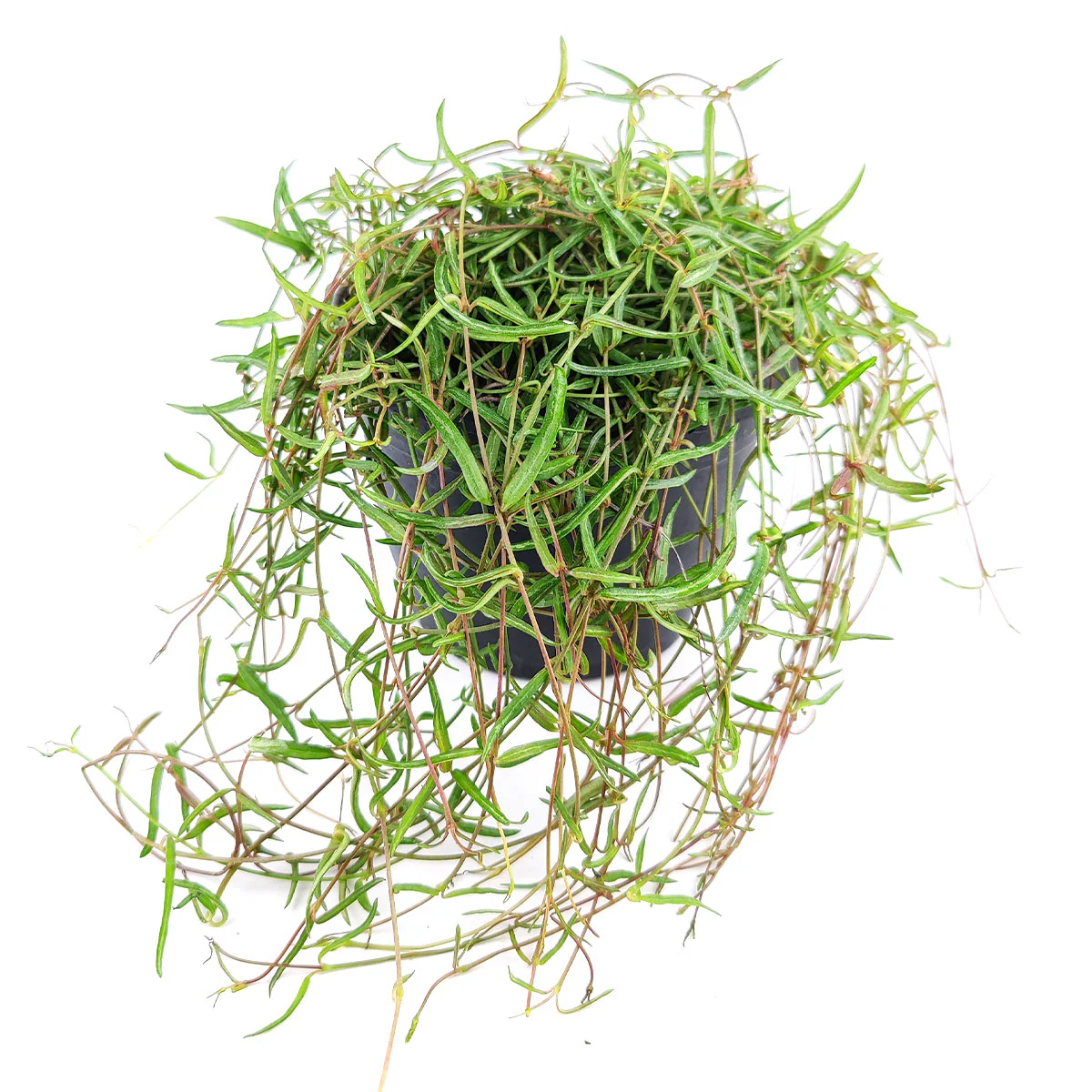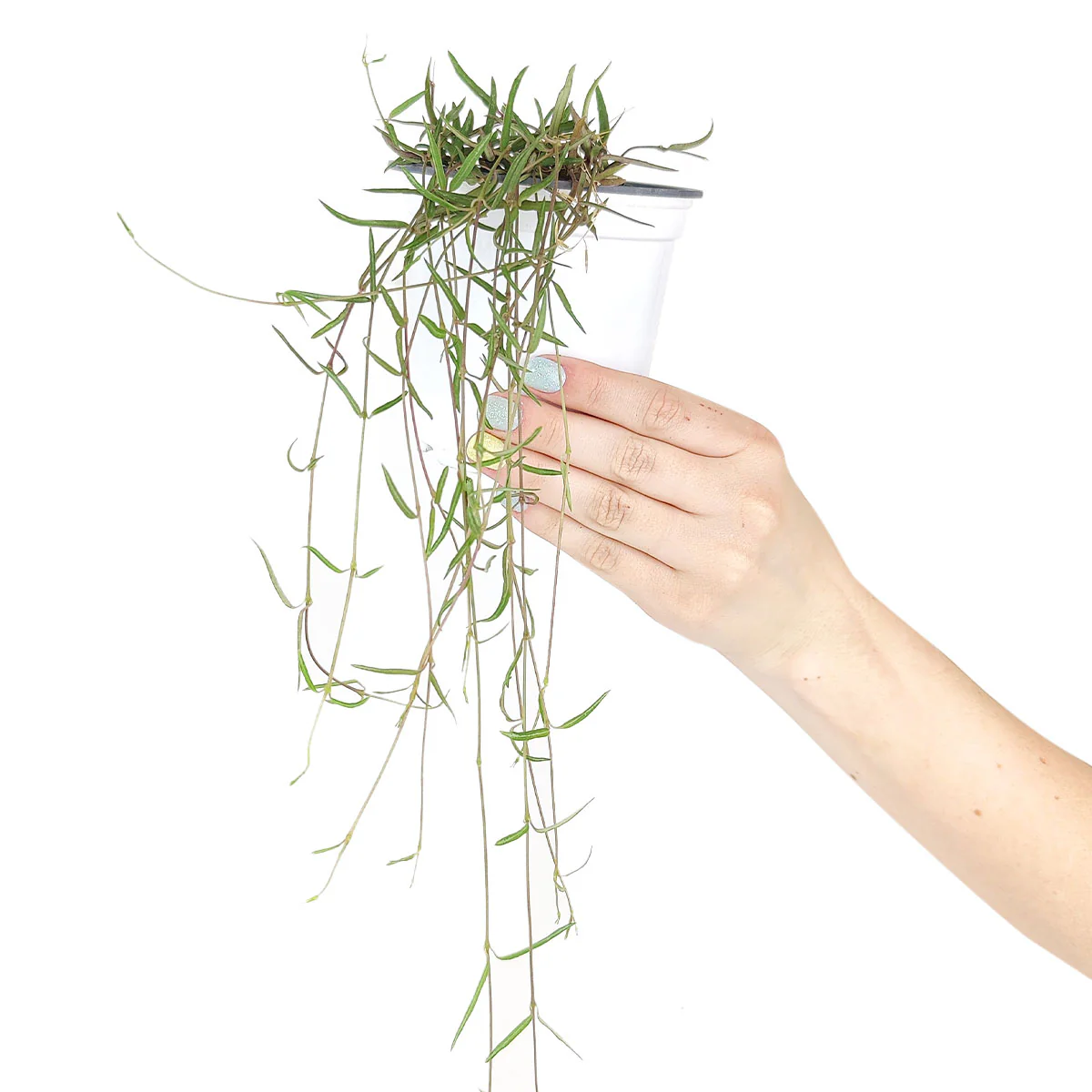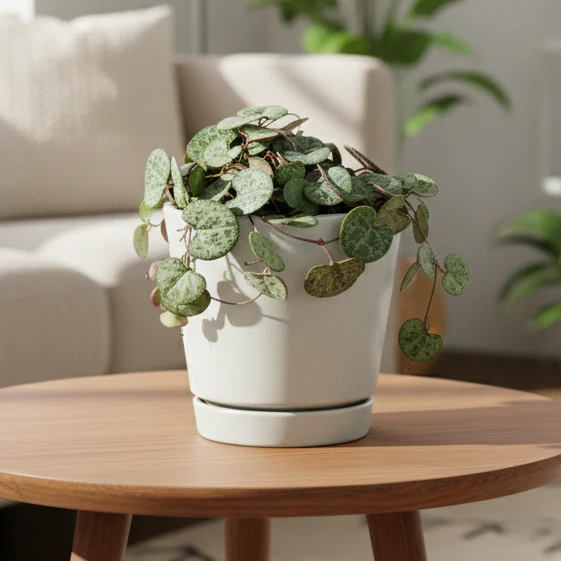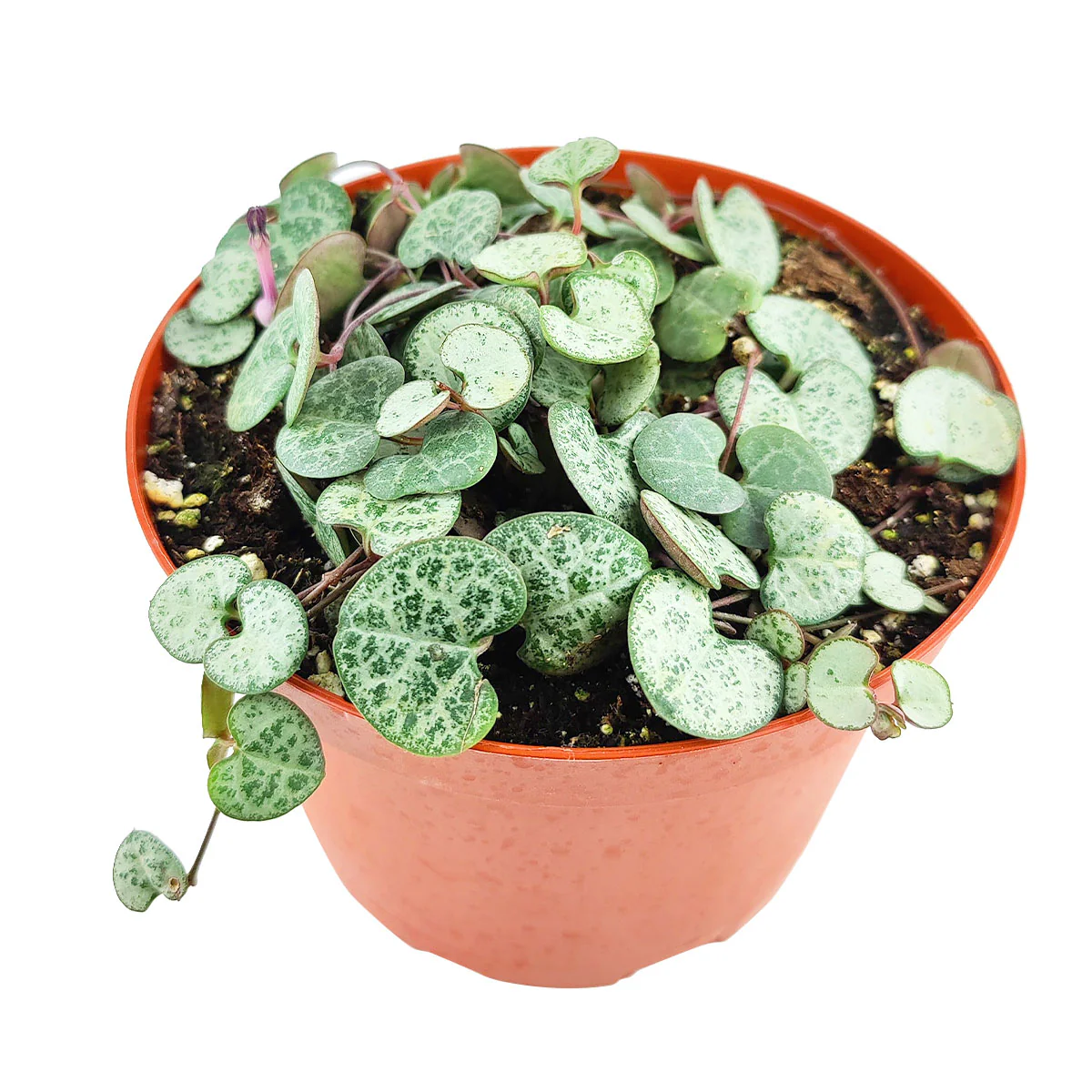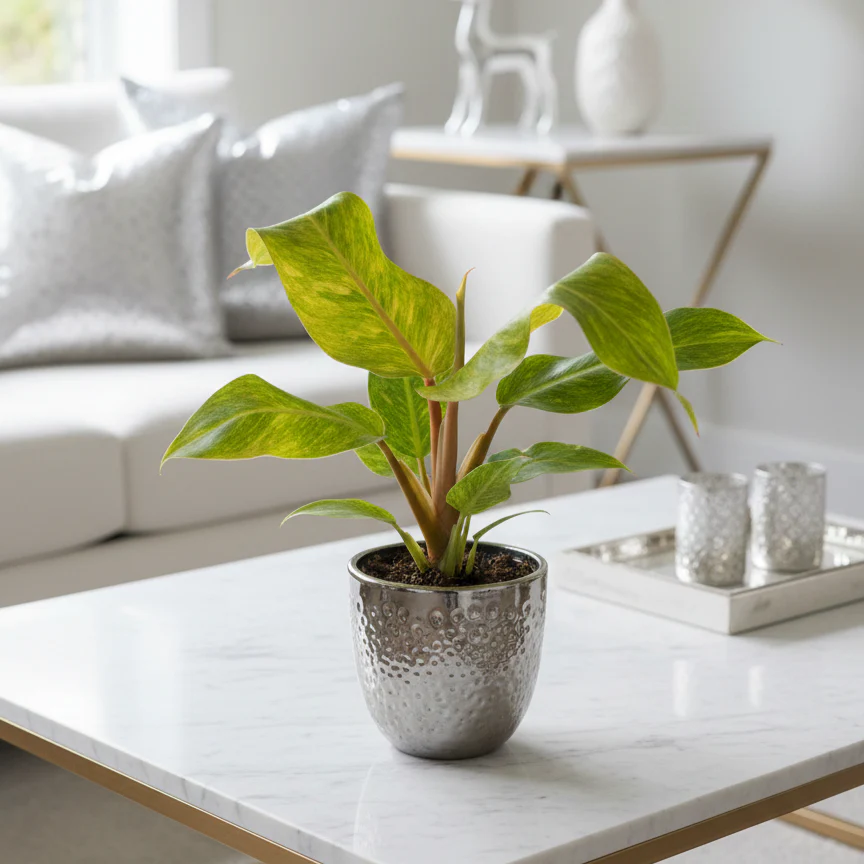
Philodendron 'Orange Marmalade'
- Description
- Philodendron 'Orange Marmalade' Care Guide
- FAQ/Common Issues
-
![]() Philodendron 'Orange Marmalade' (Philodendron hybrid) is a rare collector plant bred from tropical Philodendron species native to the rainforests of Central and South America. As a cultivated hybrid, it brings the lush, fast-growing energy of its wild ancestors indoors in a truly spectacular package.
Philodendron 'Orange Marmalade' (Philodendron hybrid) is a rare collector plant bred from tropical Philodendron species native to the rainforests of Central and South America. As a cultivated hybrid, it brings the lush, fast-growing energy of its wild ancestors indoors in a truly spectacular package.
 What makes Philodendron 'Orange Marmalade' so instantly recognizable is its stunning quad color foliage, where new leaves emerge in vivid shades of orange and yellow before maturing through lime green and settling into deep, glossy green. The large, heart-shaped leaves have a smooth, almost waxy texture and a presence that commands attention in any room. This is the kind of variegated philodendron that stops visitors mid-sentence.
 As a foliage-first rare philodendron hybrid, Philodendron 'Orange Marmalade' is grown almost exclusively for its extraordinary leaf coloration rather than its blooms. What truly sets it apart is how every single leaf tells its own color story, cycling through warm citrus tones as it unfurls, so there is always something new and exciting to watch. This constant visual drama is exactly why it has become such a sought-after addition to rare collector plant collections.
 Philodendron 'Orange Marmalade' is a wonderful air purifying plant, actively filtering formaldehyde and other indoor toxins while naturally adding humidity to your home. It thrives near kitchen moisture and does well under office LEDs, making it versatile for modern indoor spaces. Sensitive to being moved around too much, it prefers a consistent, sheltered spot away from AC vents, heater drafts, and rain exposure. Keep this rare find on a high shelf, well out of reach of pets and small children, as the sap can cause skin and paw irritation and the plant should not be nibbled or eaten by cats, dogs, or toddlers.
-
 Philodendron 'Orange Marmalade' thrives in bright indirect light and scorches easily in direct south-facing windows.
 Water Philodendron 'Orange Marmalade' every 7 to 10 days, allowing the top inch of soil to dry out between waterings, and ease off in winter.
 Philodendron 'Orange Marmalade' prefers a rich, well-draining mix of potting soil, perlite, and orchid bark for excellent aeration and moisture retention.
 Philodendron 'Orange Marmalade' prefers temperatures between 65 and 85°F (18 to 29°C) and cannot tolerate frost or temps below 50°F (10°C).
![]() Philodendron 'Orange Marmalade' is a moderate to fast grower that benefits from a balanced liquid fertilizer monthly during spring and summer.
Philodendron 'Orange Marmalade' is a moderate to fast grower that benefits from a balanced liquid fertilizer monthly during spring and summer.
 Philodendron 'Orange Marmalade' is best suited to USDA Hardiness Zones 10 to 12, where temperatures rarely dip below 30 to 35°F (around -1°C), and it cannot survive frost outdoors. Gardeners growing Philodendron 'Orange Marmalade' outside year-round will find the most success in warm states like Florida, Hawaii, southern California, southern Texas, southern Arizona, and Louisiana. Gardeners in Georgia, South Carolina, Alabama, Mississippi, Nevada, and coastal Oregon can also enjoy it outdoors in sheltered spots during the warmer months, bringing it inside before temperatures drop.
-
Q: How often should I water Philodendron 'Orange Marmalade'?
A: Water every 7 to 10 days when the top inch of soil feels dry, and always reduce watering frequency during cooler winter months.
Q: Is Philodendron 'Orange Marmalade' safe for pets?
A: Cats and dogs should not be left to nibble or eat Philodendron 'Orange Marmalade', and its sap can cause skin and paw irritation on contact. Keep it on a high shelf well out of reach of pets and small children.
Q: Why are the leaves on my Philodendron 'Orange Marmalade' losing their orange color?
A: Insufficient bright indirect light is the most common reason the vibrant orange and yellow tones fade. Rotating the plant regularly ensures even light exposure and keeps the color display at its best.
Q: How rare is Philodendron 'Orange Marmalade'?
A: Philodendron 'Orange Marmalade' is a genuinely rare philodendron hybrid that is highly sought after by collectors for its unique quad color foliage. It is not commonly found in regular garden centers, making it a prized addition to any rare plant collection.
Q: Can Philodendron 'Orange Marmalade' go outside in summer?
A: Yes, Philodendron 'Orange Marmalade' can move outdoors in summer in a sheltered, shaded spot, but it must be protected from direct rain, strong wind, and temperature swings. Bring it back inside before nighttime temps fall below 55°F (13°C).
Q: How do I propagate Philodendron 'Orange Marmalade'?
A: Philodendron 'Orange Marmalade' is typically propagated through stem cuttings taken just below a node, then rooted in water or moist sphagnum moss in a warm, humid environment. Be patient, as this rare hybrid can take several weeks to establish healthy roots.


Original: $42.00
-70%$42.00
$12.60Product Information
Product Information
Shipping & Returns
Shipping & Returns
Description
- Description
- Philodendron 'Orange Marmalade' Care Guide
- FAQ/Common Issues
-
![]() Philodendron 'Orange Marmalade' (Philodendron hybrid) is a rare collector plant bred from tropical Philodendron species native to the rainforests of Central and South America. As a cultivated hybrid, it brings the lush, fast-growing energy of its wild ancestors indoors in a truly spectacular package.
Philodendron 'Orange Marmalade' (Philodendron hybrid) is a rare collector plant bred from tropical Philodendron species native to the rainforests of Central and South America. As a cultivated hybrid, it brings the lush, fast-growing energy of its wild ancestors indoors in a truly spectacular package.
What makes Philodendron 'Orange Marmalade' so instantly recognizable is its stunning quad color foliage, where new leaves emerge in vivid shades of orange and yellow before maturing through lime green and settling into deep, glossy green. The large, heart-shaped leaves have a smooth, almost waxy texture and a presence that commands attention in any room. This is the kind of variegated philodendron that stops visitors mid-sentence.
As a foliage-first rare philodendron hybrid, Philodendron 'Orange Marmalade' is grown almost exclusively for its extraordinary leaf coloration rather than its blooms. What truly sets it apart is how every single leaf tells its own color story, cycling through warm citrus tones as it unfurls, so there is always something new and exciting to watch. This constant visual drama is exactly why it has become such a sought-after addition to rare collector plant collections.
Philodendron 'Orange Marmalade' is a wonderful air purifying plant, actively filtering formaldehyde and other indoor toxins while naturally adding humidity to your home. It thrives near kitchen moisture and does well under office LEDs, making it versatile for modern indoor spaces. Sensitive to being moved around too much, it prefers a consistent, sheltered spot away from AC vents, heater drafts, and rain exposure. Keep this rare find on a high shelf, well out of reach of pets and small children, as the sap can cause skin and paw irritation and the plant should not be nibbled or eaten by cats, dogs, or toddlers.
-
Philodendron 'Orange Marmalade' thrives in bright indirect light and scorches easily in direct south-facing windows.
Water Philodendron 'Orange Marmalade' every 7 to 10 days, allowing the top inch of soil to dry out between waterings, and ease off in winter.
Philodendron 'Orange Marmalade' prefers a rich, well-draining mix of potting soil, perlite, and orchid bark for excellent aeration and moisture retention.
Philodendron 'Orange Marmalade' prefers temperatures between 65 and 85°F (18 to 29°C) and cannot tolerate frost or temps below 50°F (10°C).
![]() Philodendron 'Orange Marmalade' is a moderate to fast grower that benefits from a balanced liquid fertilizer monthly during spring and summer.
Philodendron 'Orange Marmalade' is a moderate to fast grower that benefits from a balanced liquid fertilizer monthly during spring and summer.
Philodendron 'Orange Marmalade' is best suited to USDA Hardiness Zones 10 to 12, where temperatures rarely dip below 30 to 35°F (around -1°C), and it cannot survive frost outdoors. Gardeners growing Philodendron 'Orange Marmalade' outside year-round will find the most success in warm states like Florida, Hawaii, southern California, southern Texas, southern Arizona, and Louisiana. Gardeners in Georgia, South Carolina, Alabama, Mississippi, Nevada, and coastal Oregon can also enjoy it outdoors in sheltered spots during the warmer months, bringing it inside before temperatures drop.
-
Q: How often should I water Philodendron 'Orange Marmalade'?
A: Water every 7 to 10 days when the top inch of soil feels dry, and always reduce watering frequency during cooler winter months.
Q: Is Philodendron 'Orange Marmalade' safe for pets?
A: Cats and dogs should not be left to nibble or eat Philodendron 'Orange Marmalade', and its sap can cause skin and paw irritation on contact. Keep it on a high shelf well out of reach of pets and small children.
Q: Why are the leaves on my Philodendron 'Orange Marmalade' losing their orange color?
A: Insufficient bright indirect light is the most common reason the vibrant orange and yellow tones fade. Rotating the plant regularly ensures even light exposure and keeps the color display at its best.
Q: How rare is Philodendron 'Orange Marmalade'?
A: Philodendron 'Orange Marmalade' is a genuinely rare philodendron hybrid that is highly sought after by collectors for its unique quad color foliage. It is not commonly found in regular garden centers, making it a prized addition to any rare plant collection.
Q: Can Philodendron 'Orange Marmalade' go outside in summer?
A: Yes, Philodendron 'Orange Marmalade' can move outdoors in summer in a sheltered, shaded spot, but it must be protected from direct rain, strong wind, and temperature swings. Bring it back inside before nighttime temps fall below 55°F (13°C).
Q: How do I propagate Philodendron 'Orange Marmalade'?
A: Philodendron 'Orange Marmalade' is typically propagated through stem cuttings taken just below a node, then rooted in water or moist sphagnum moss in a warm, humid environment. Be patient, as this rare hybrid can take several weeks to establish healthy roots.