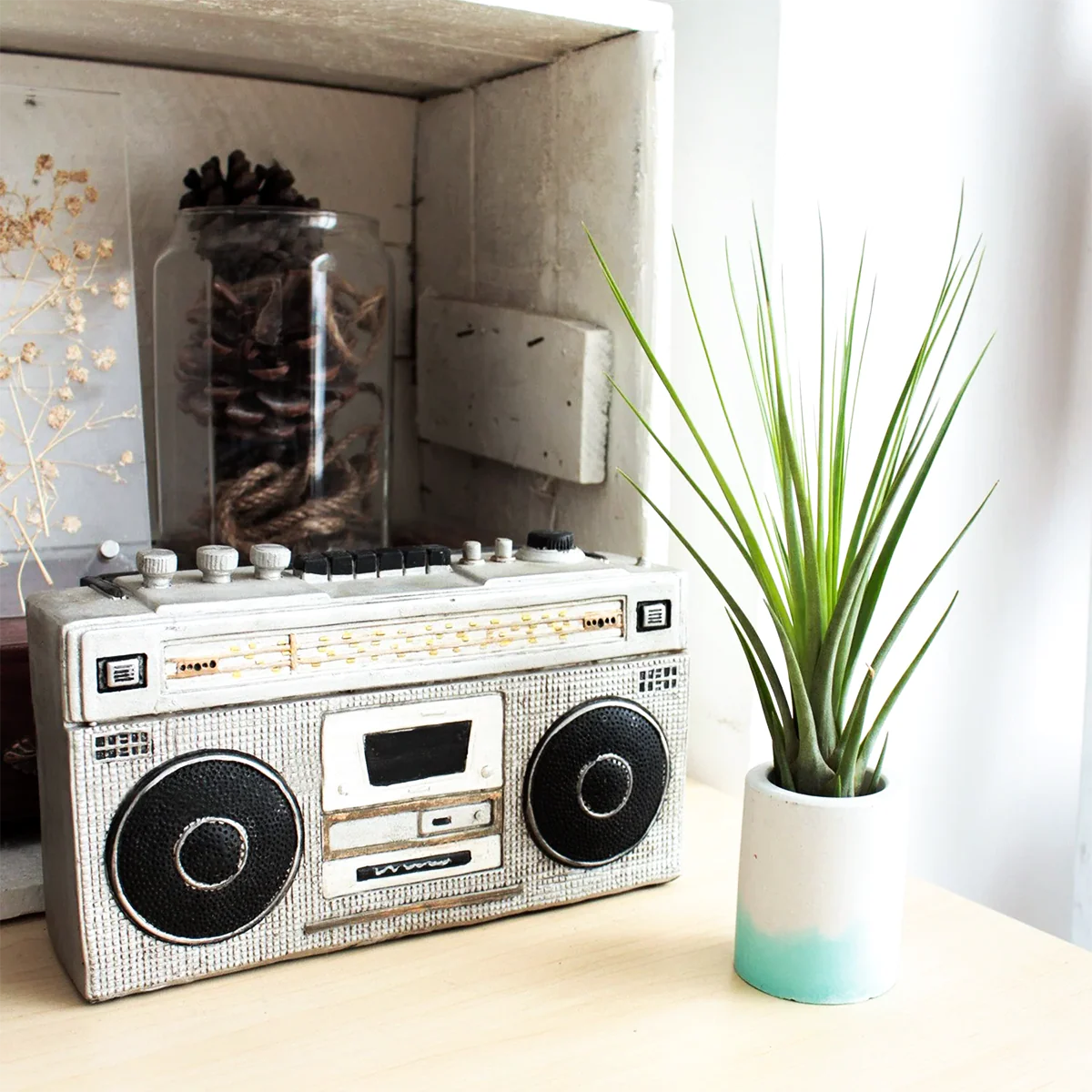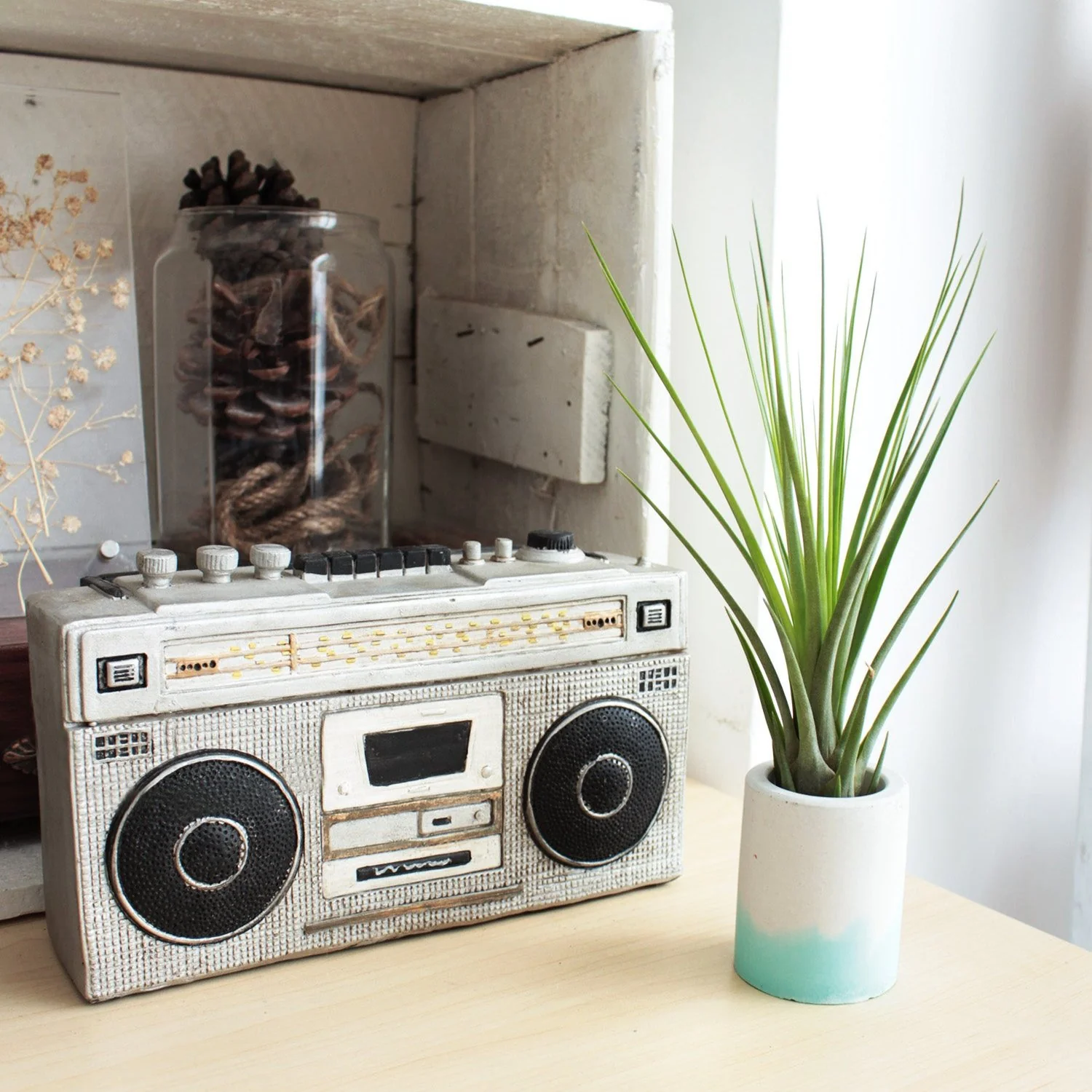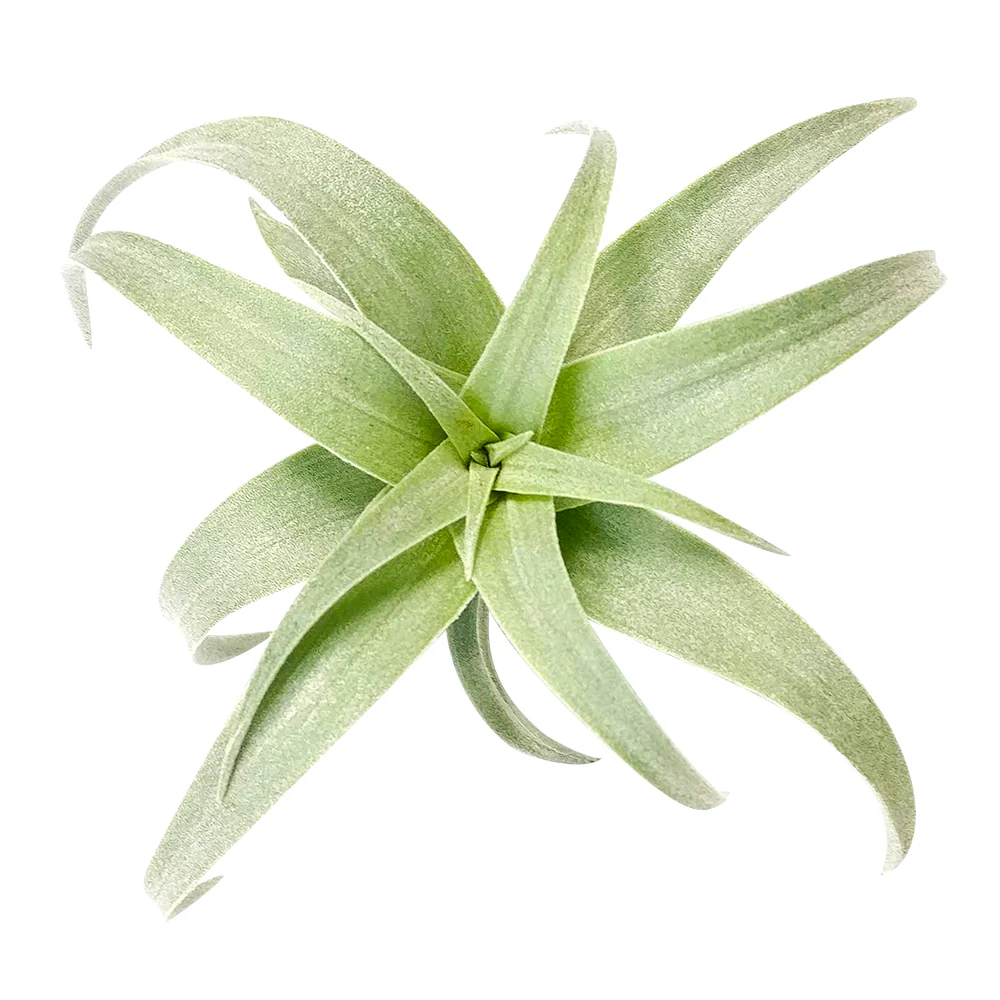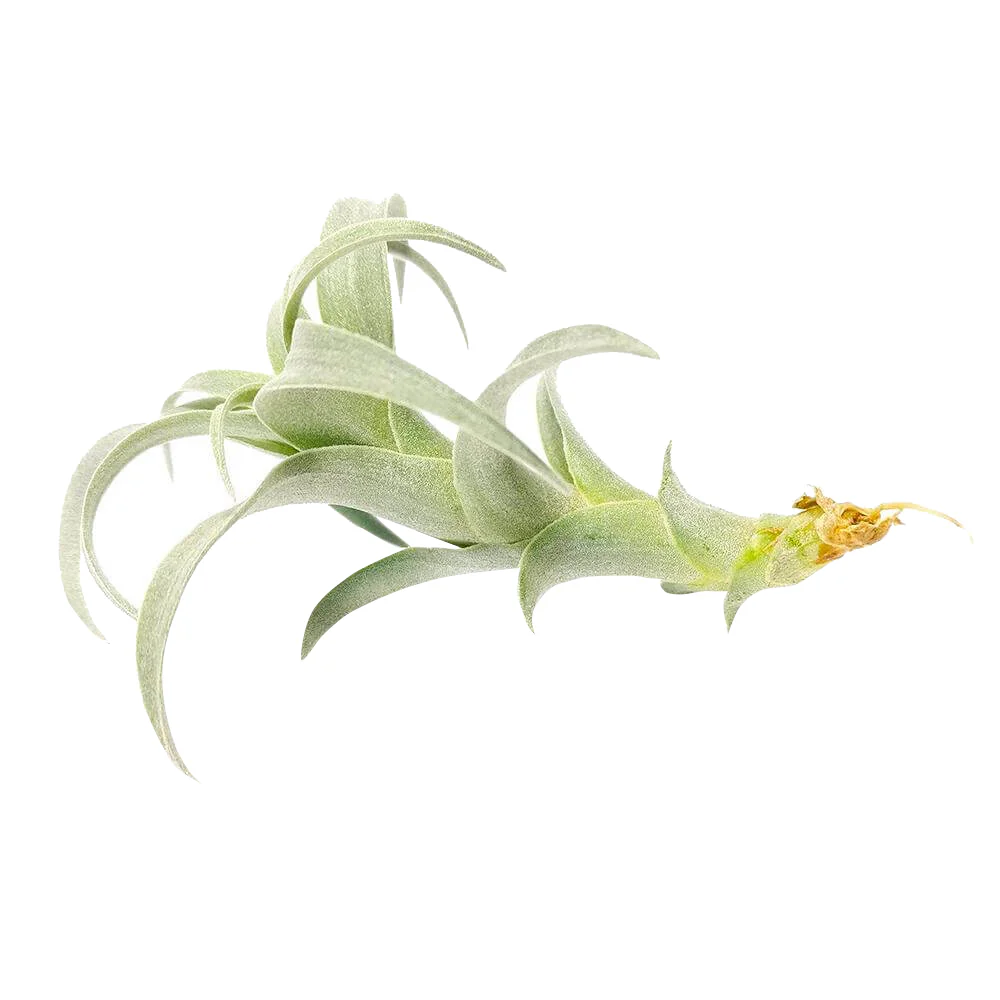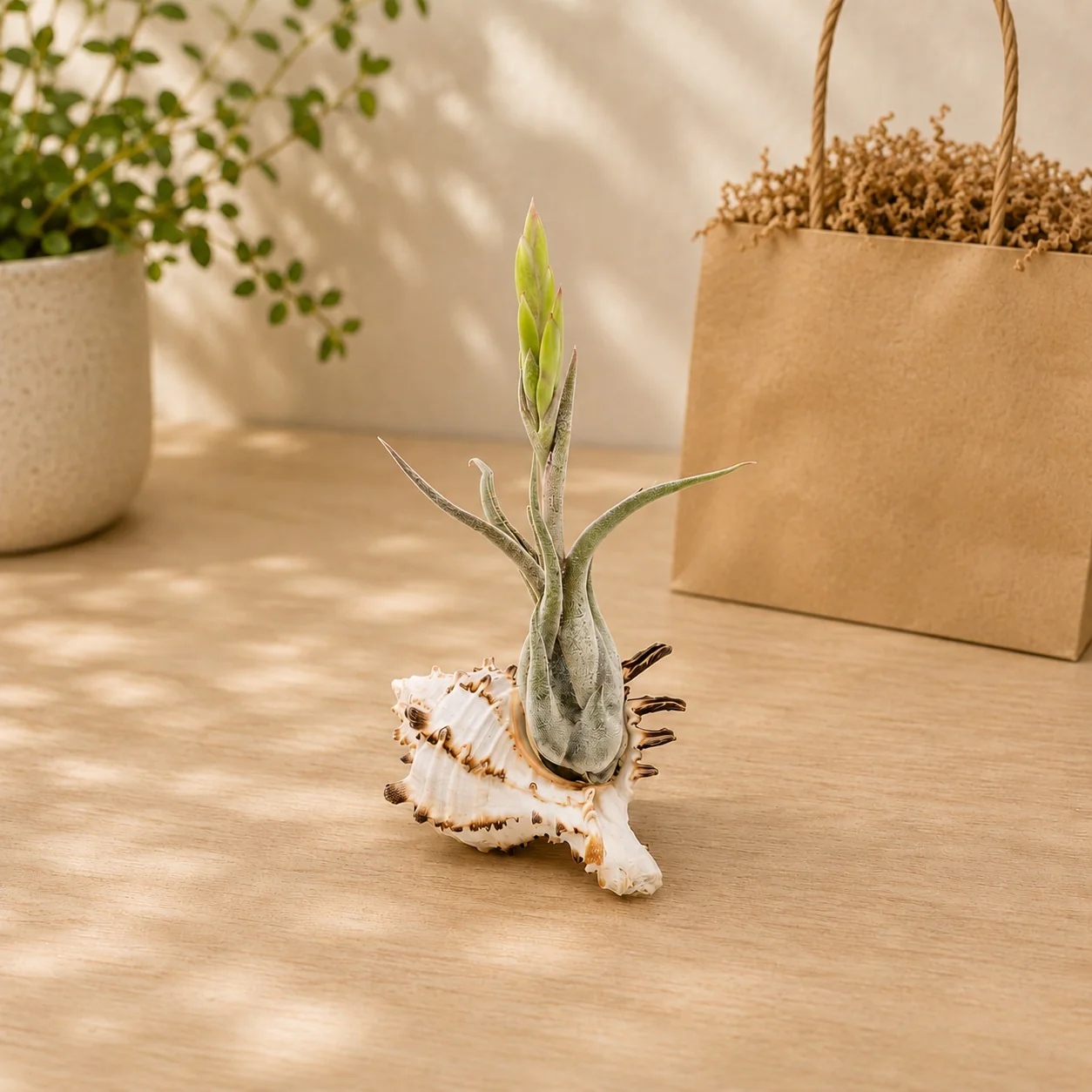
Longspine Murex Seashell with Assorted Tillandsia Air Plant
- Description
- Light/Soil/Water
- Hardiness
-
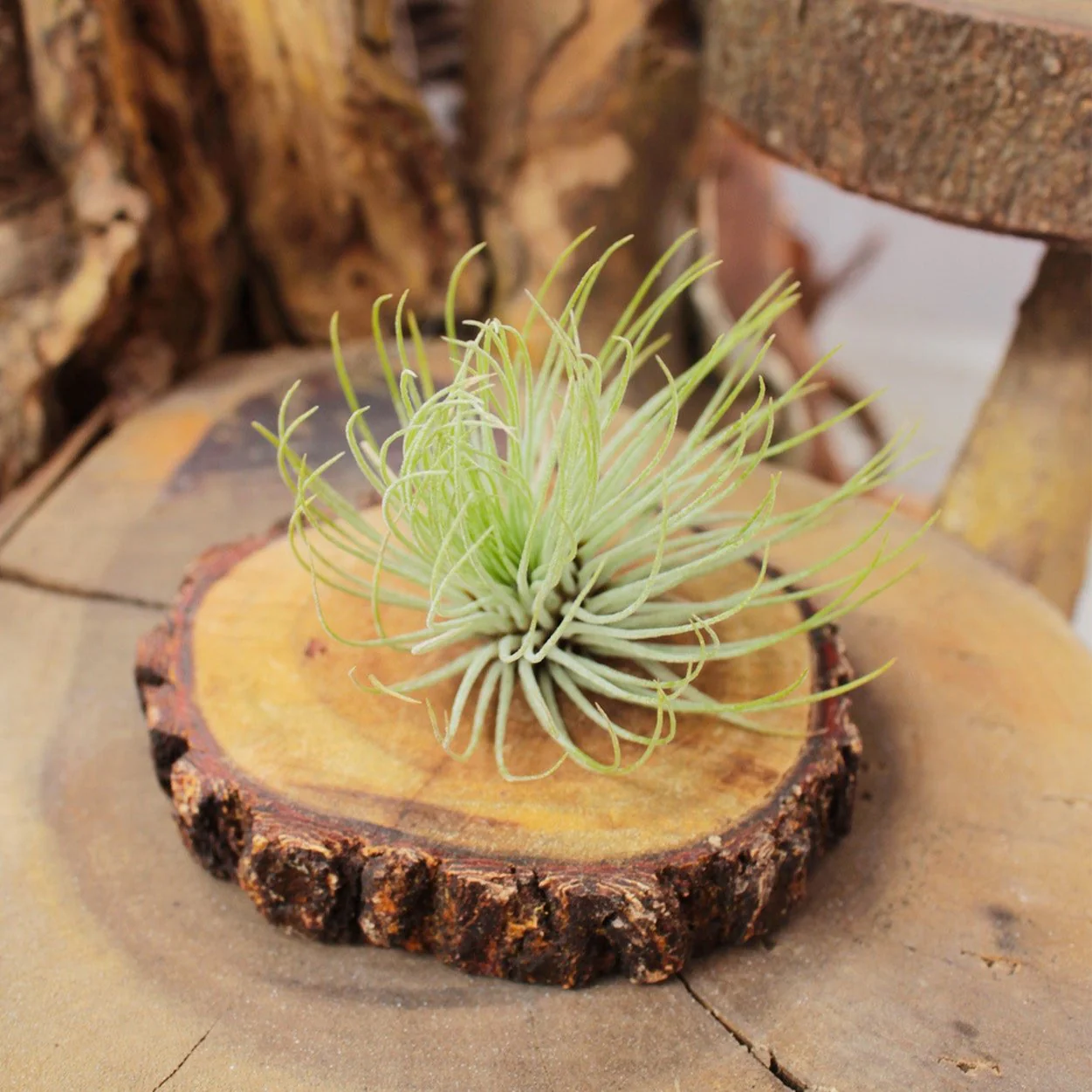
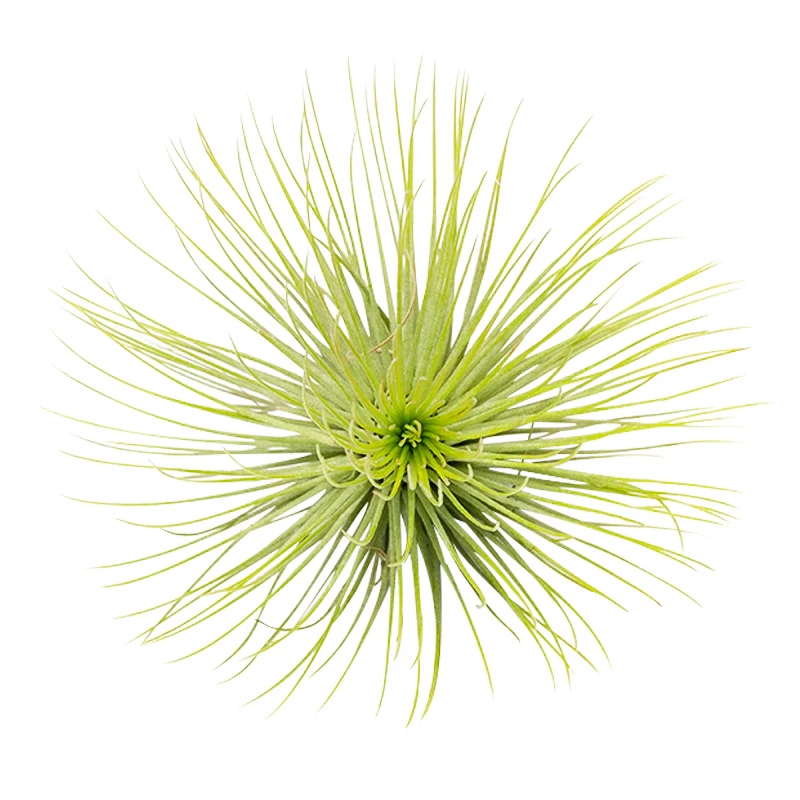
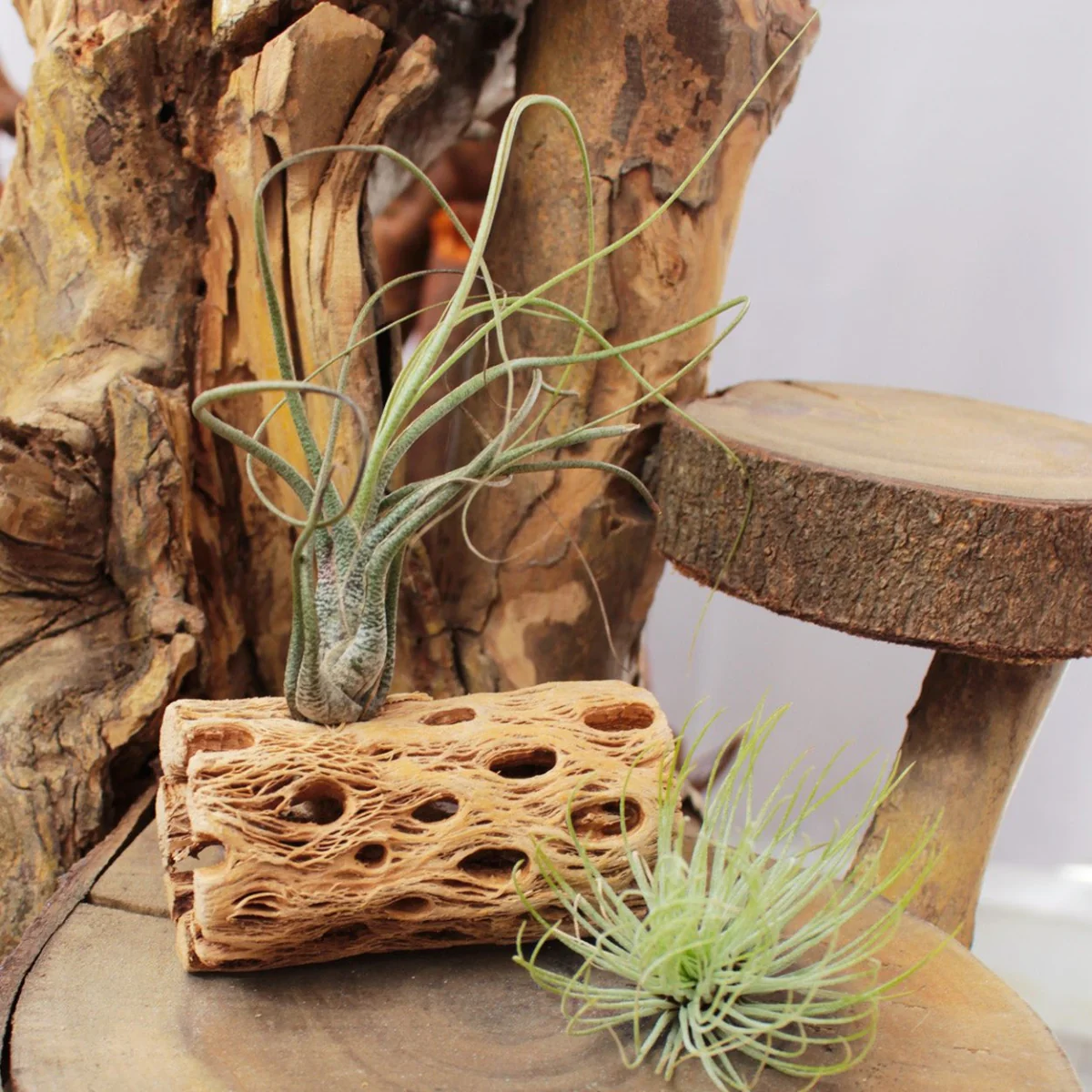
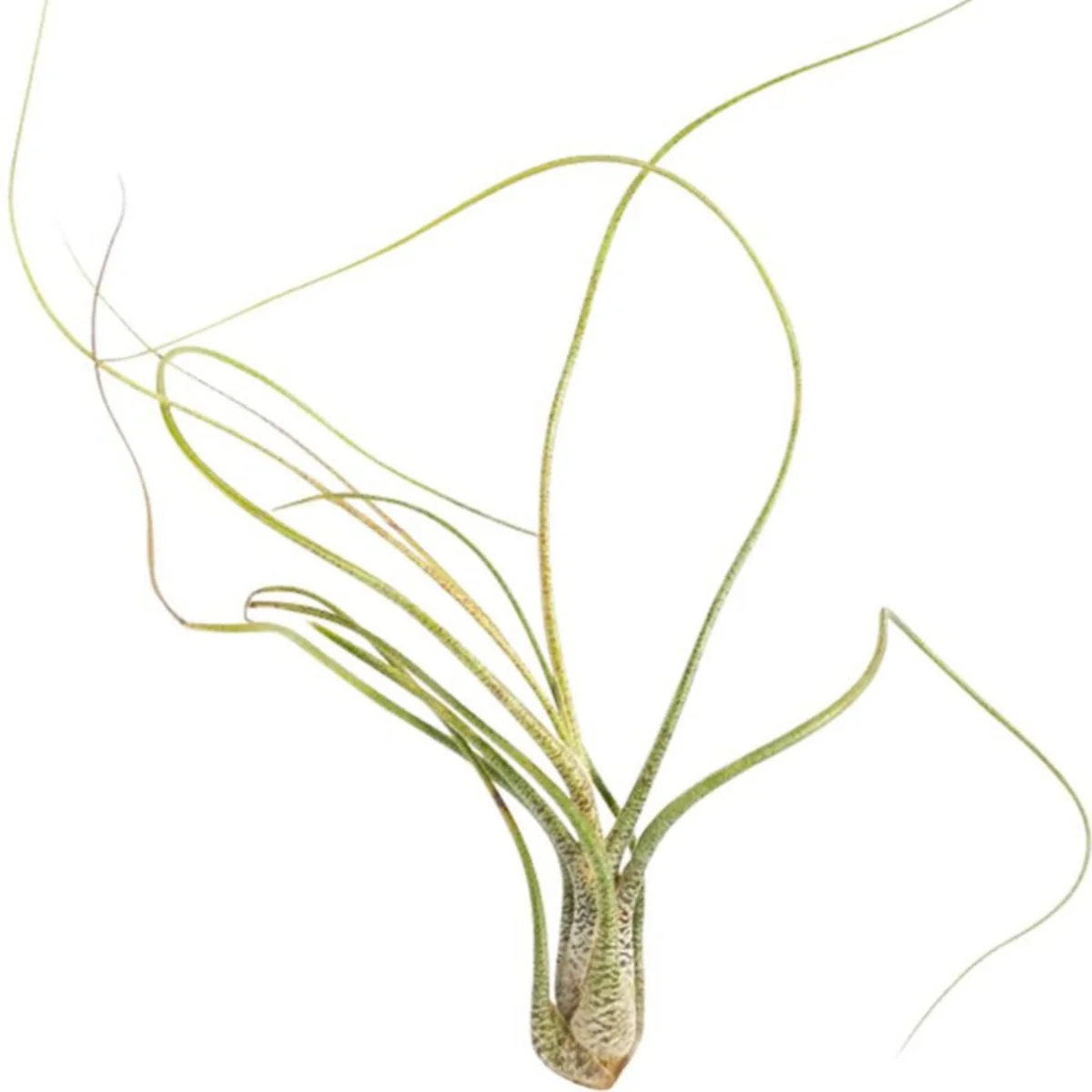
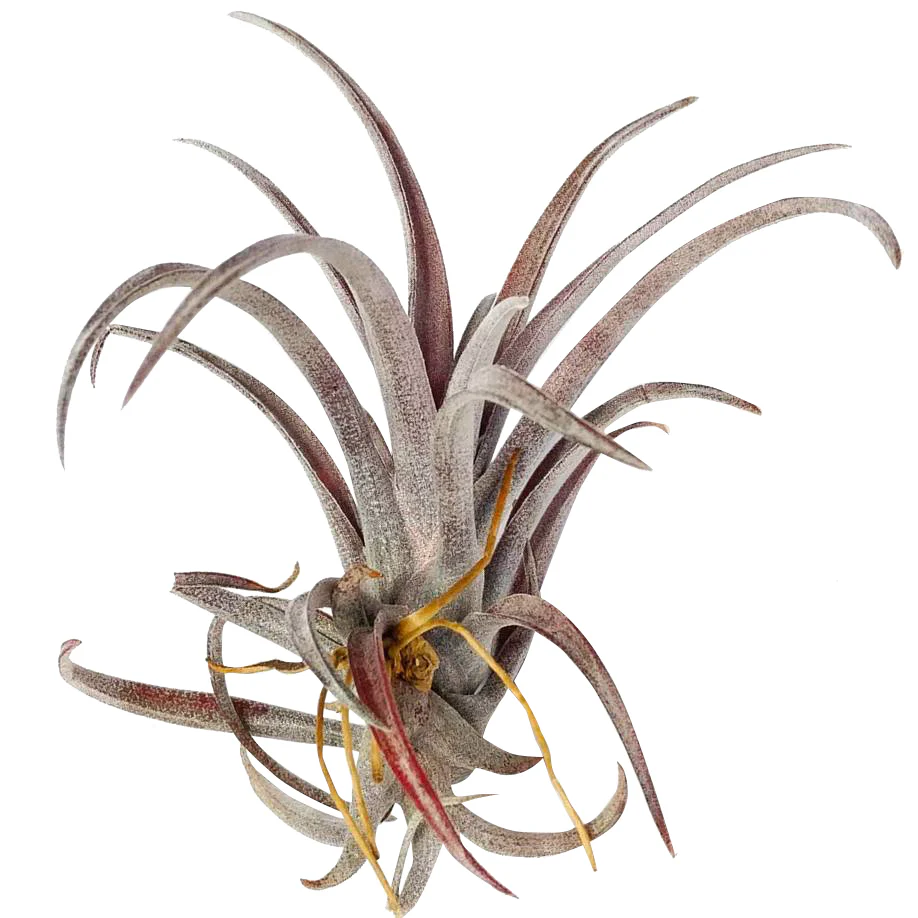
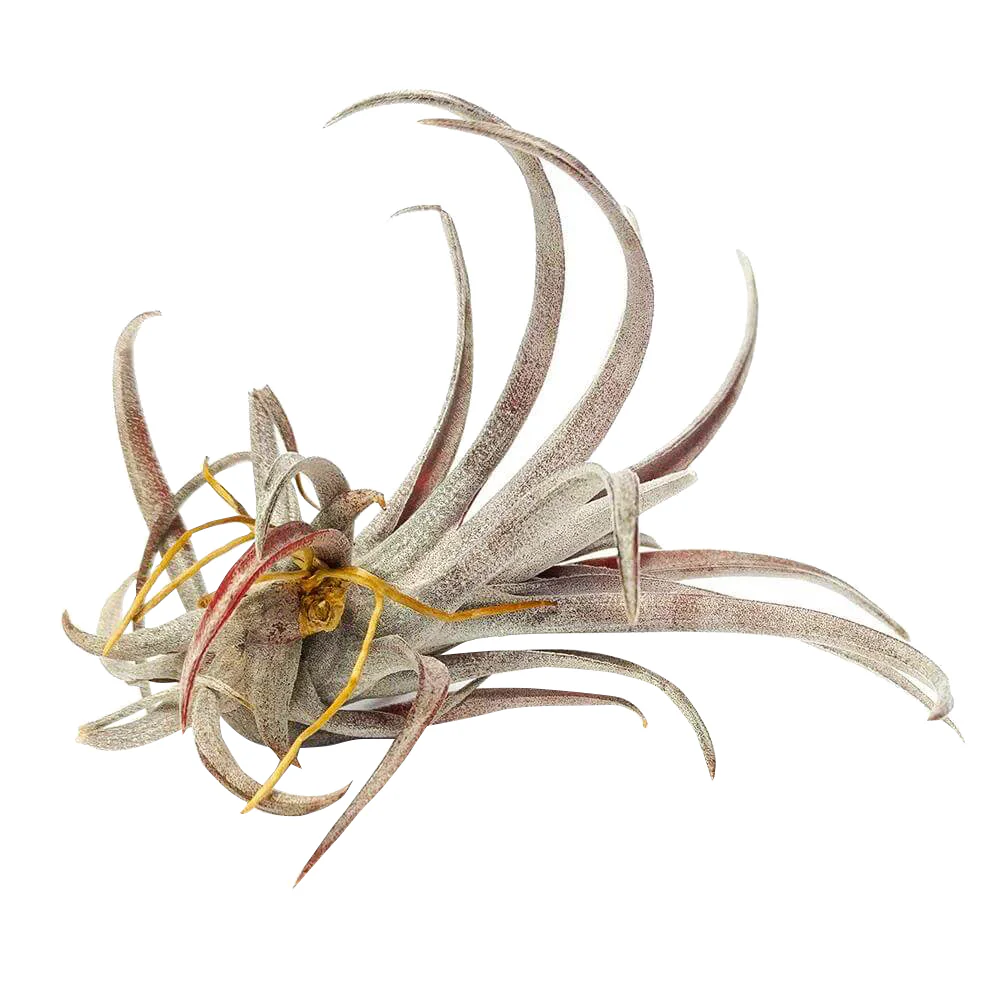
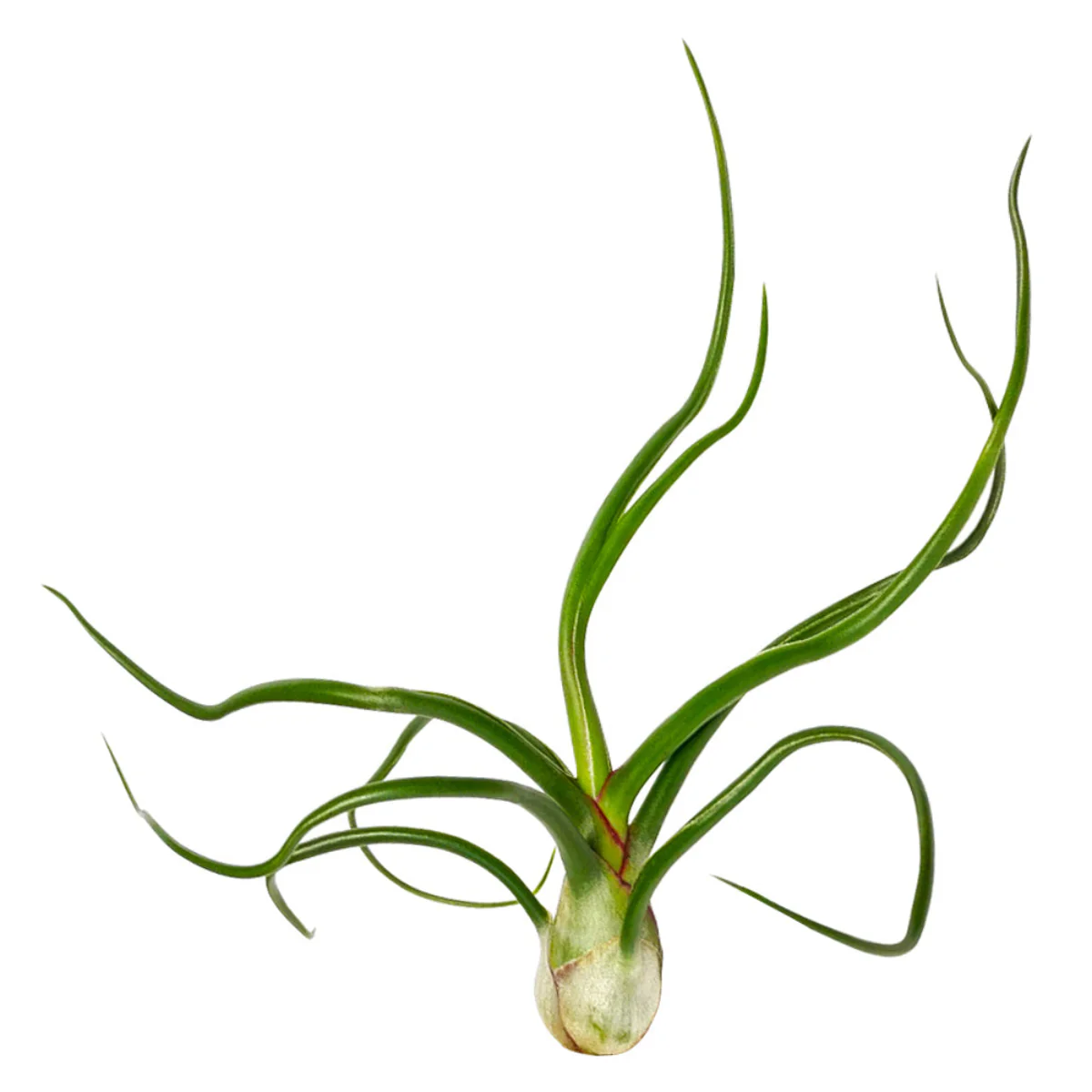
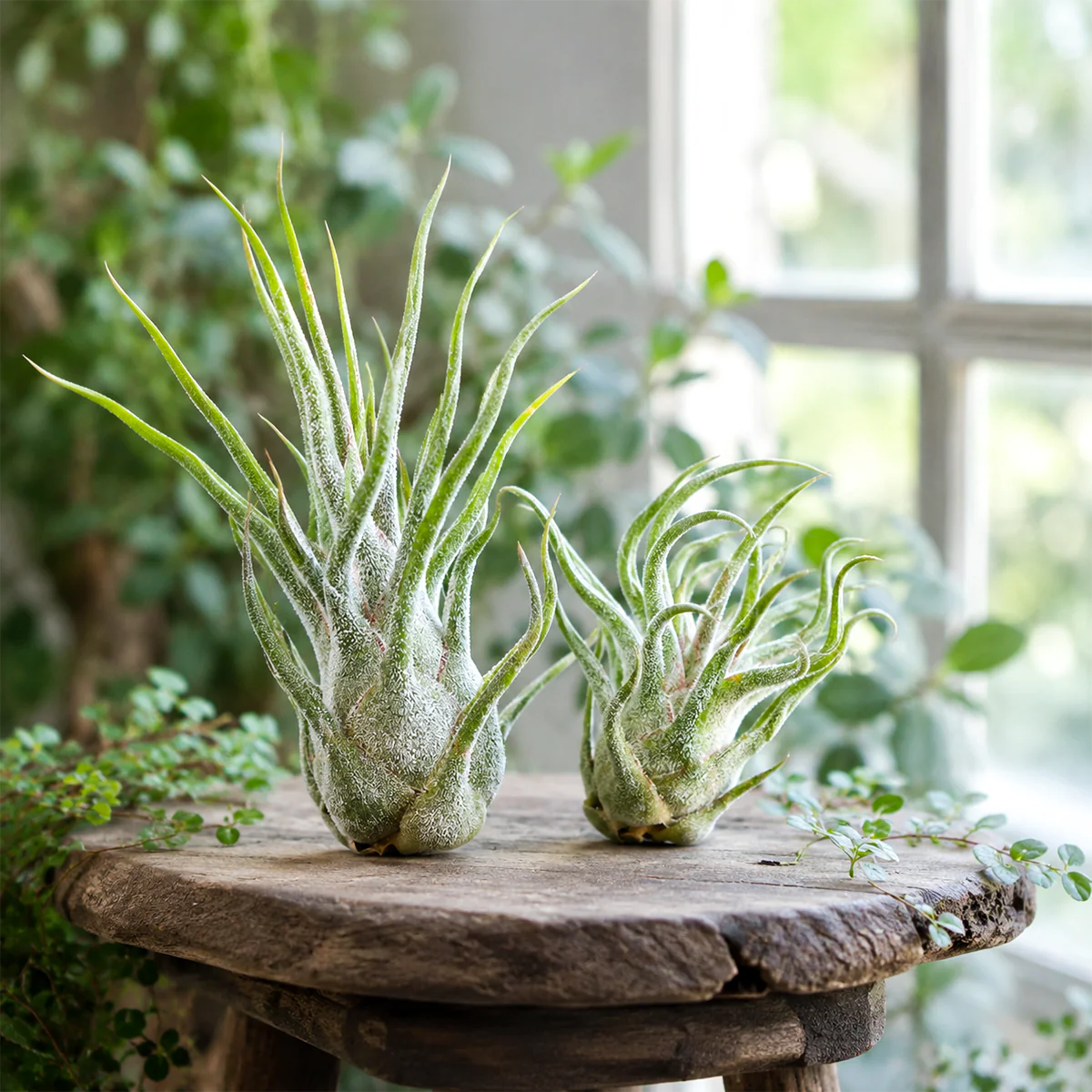
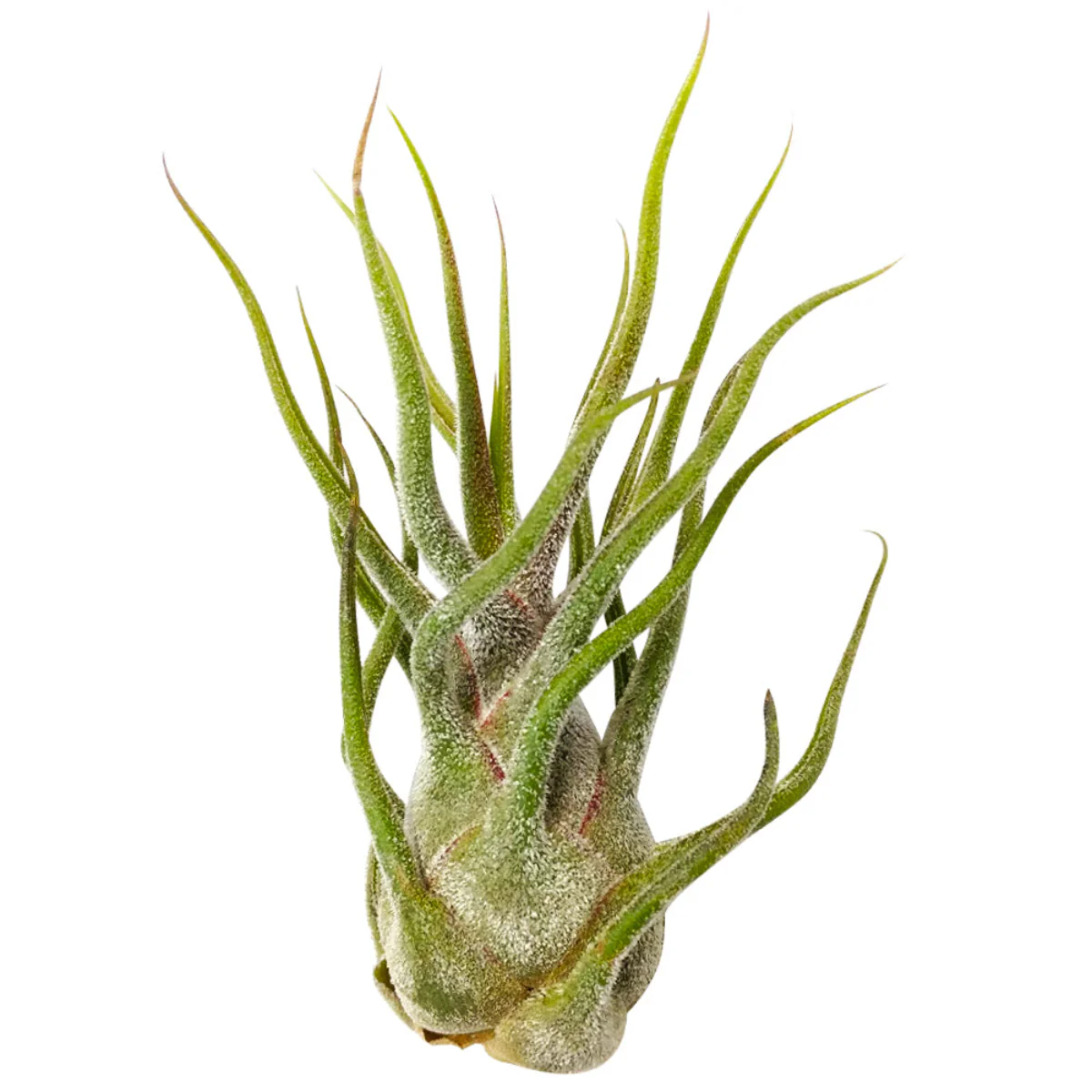
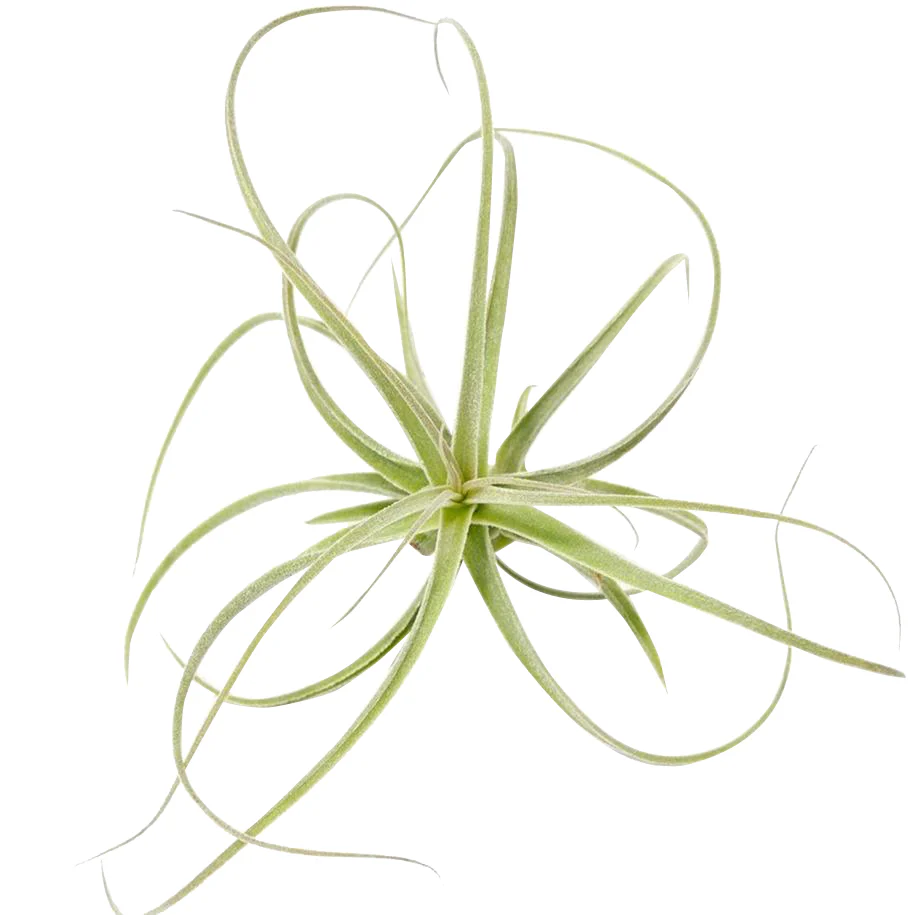
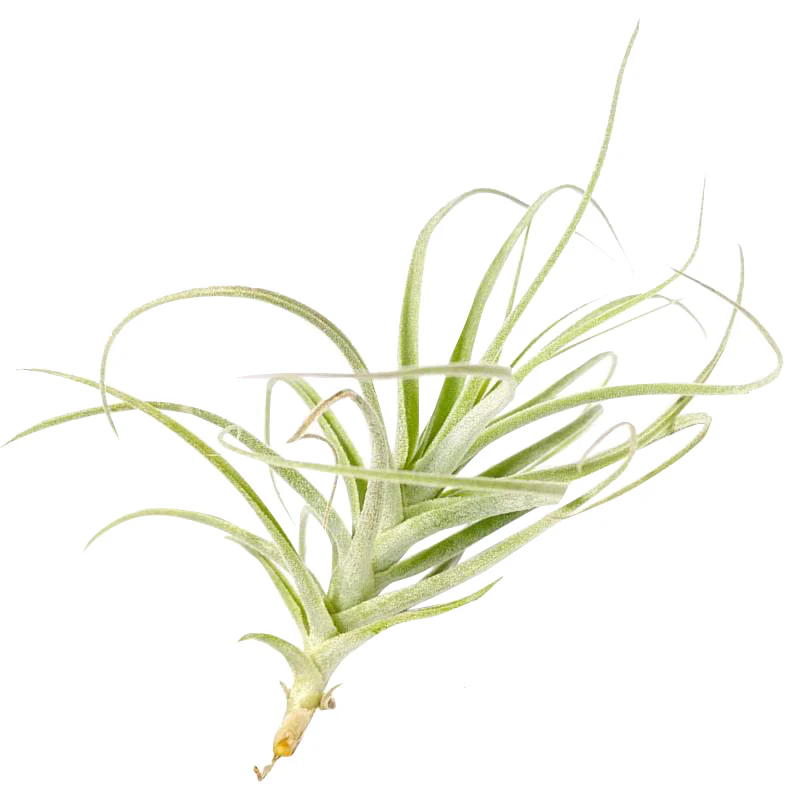
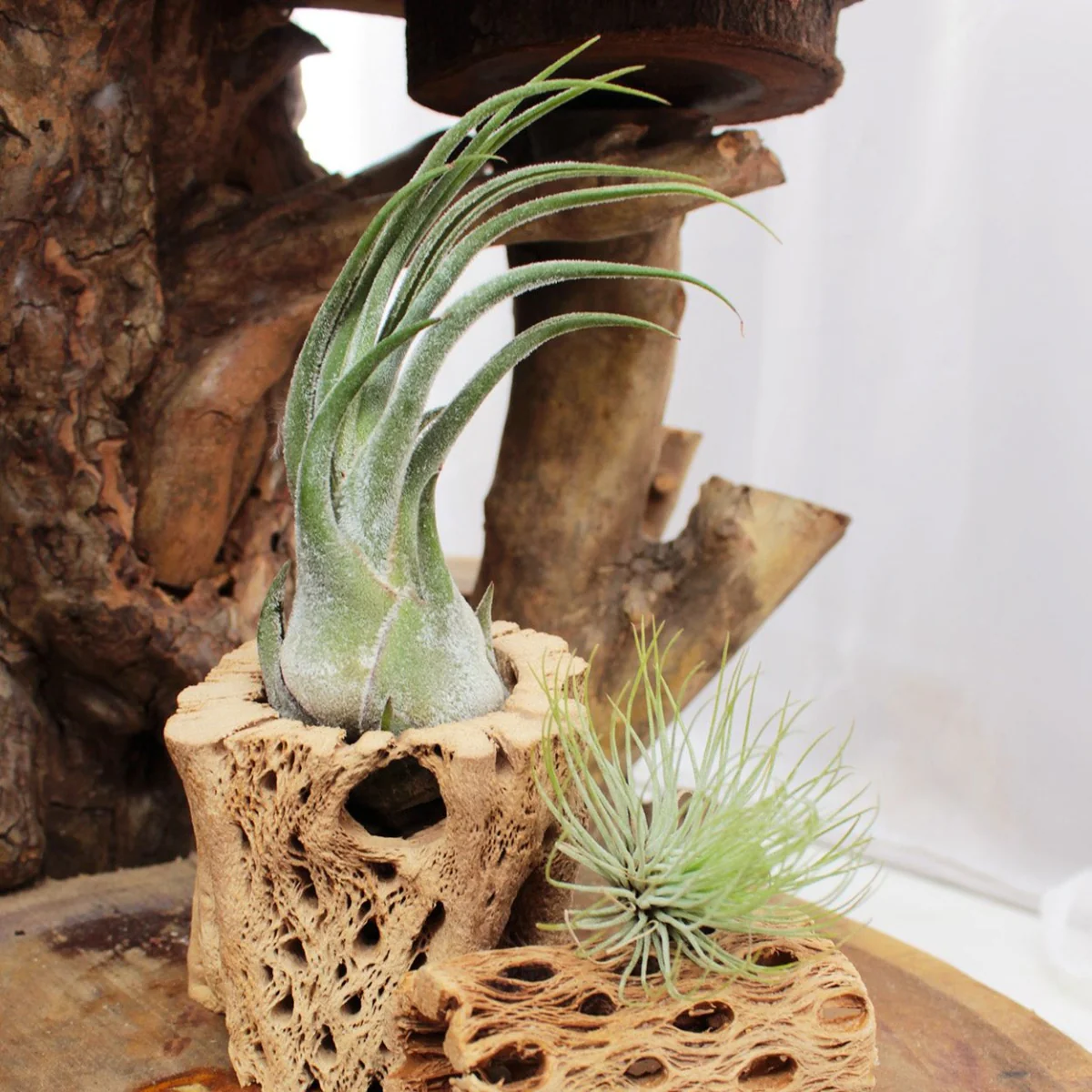
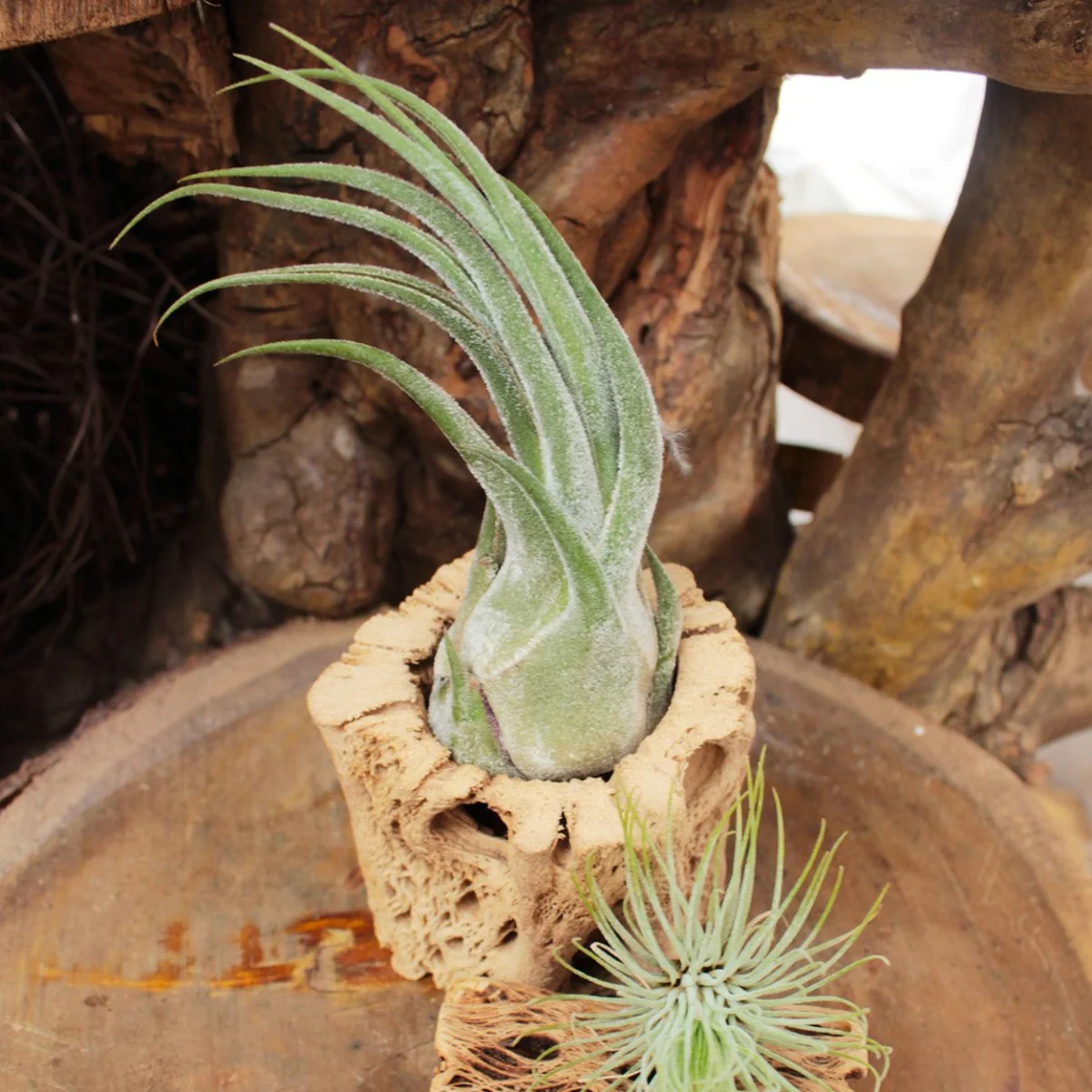
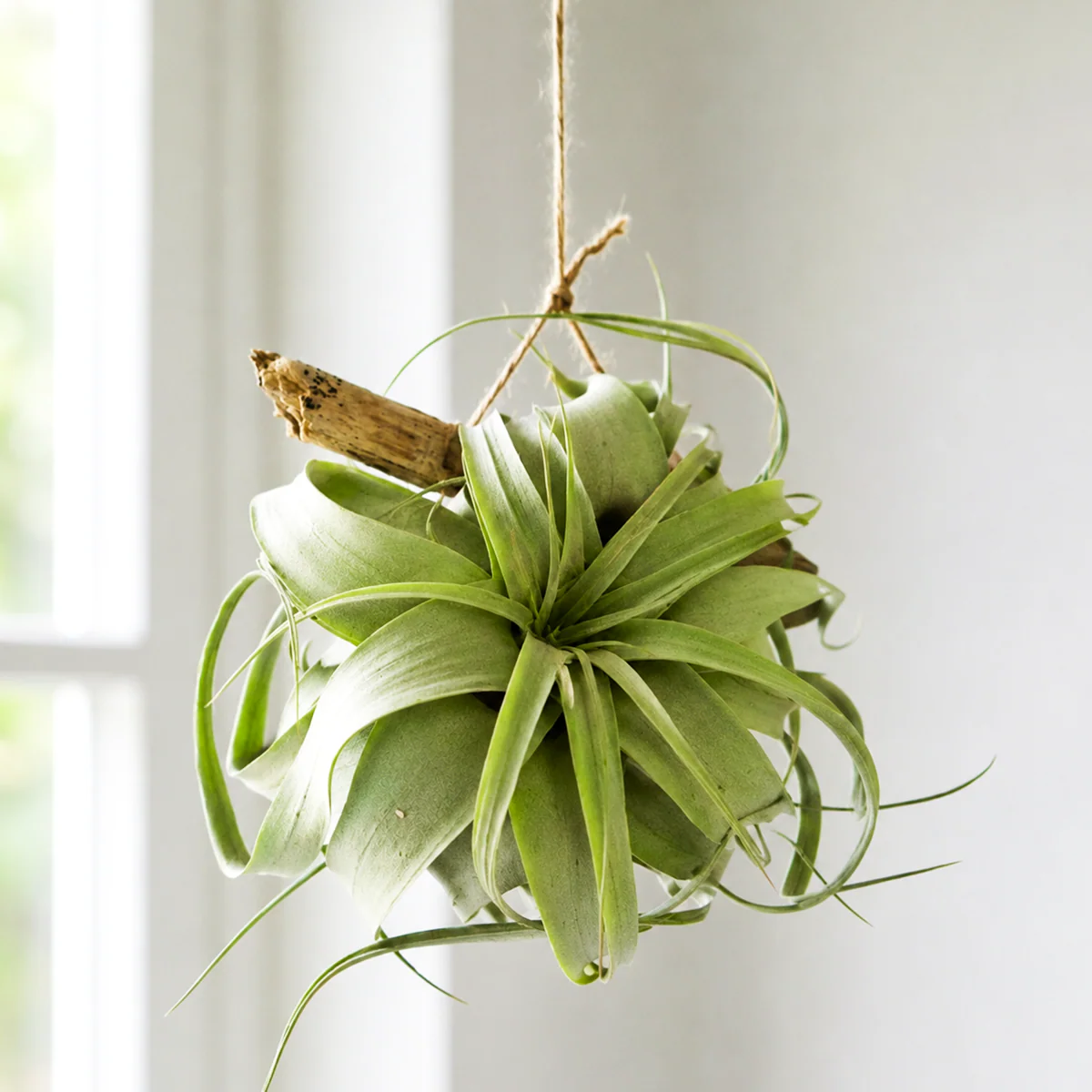
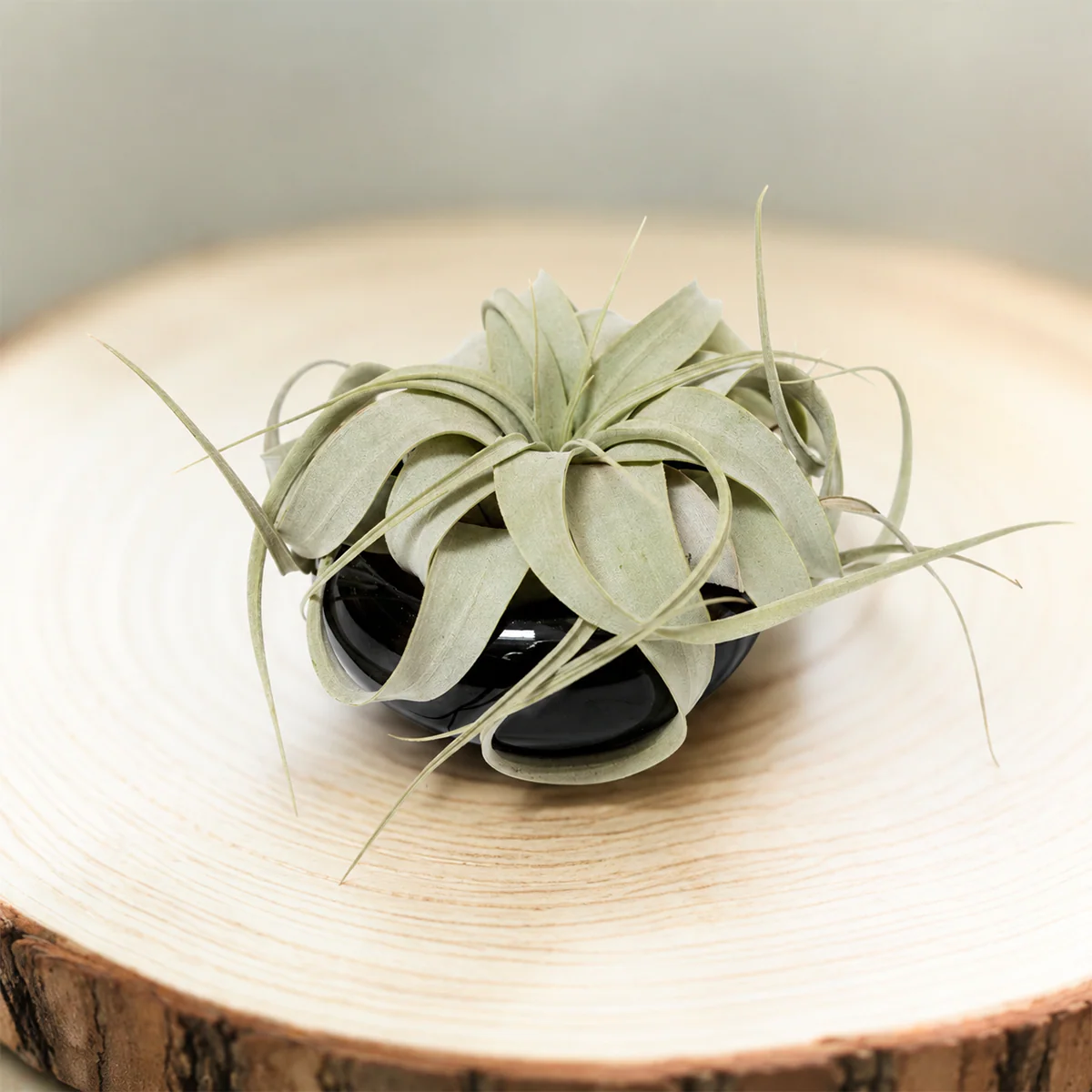
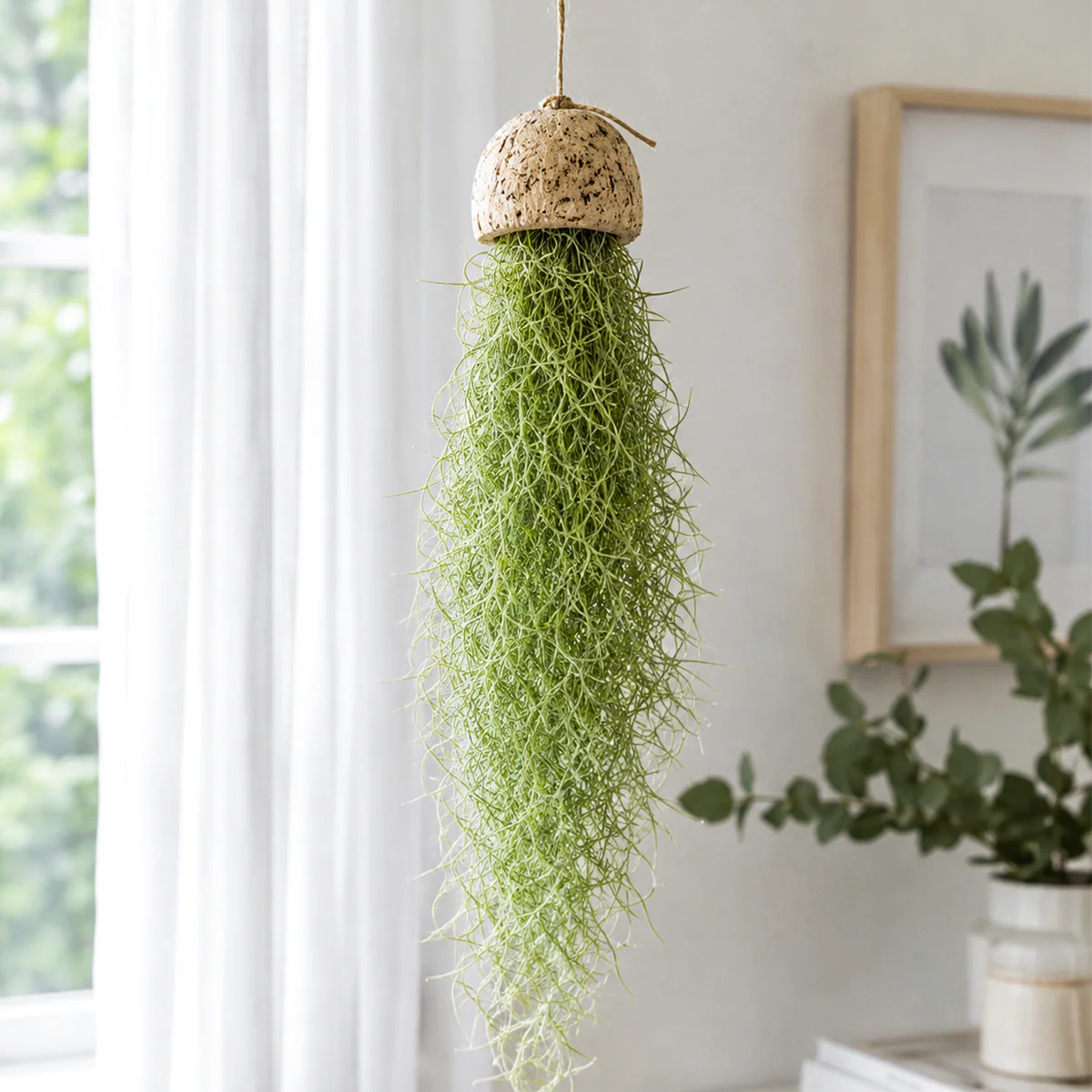
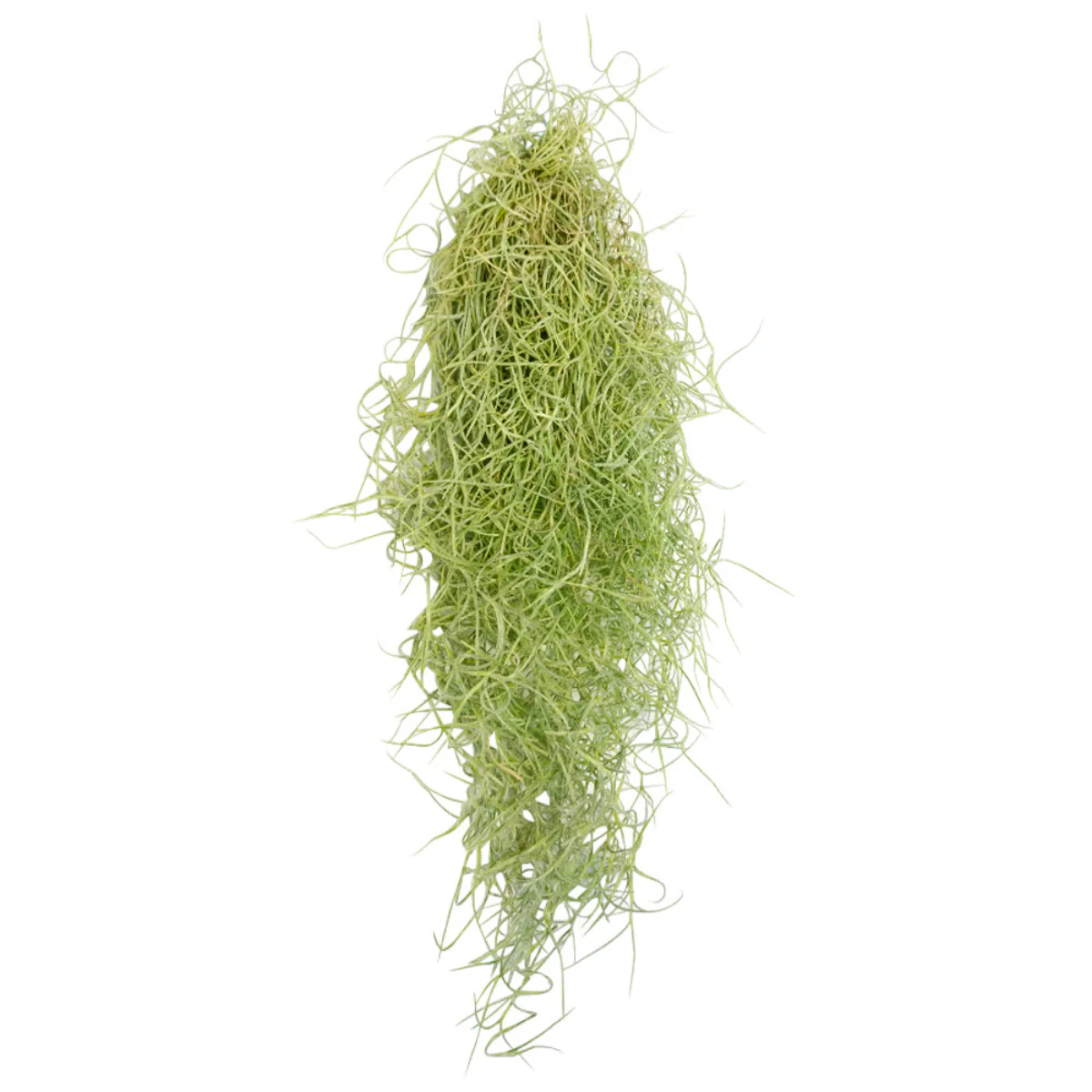
![]() This listing pairs an assorted Tillandsia air plant with a dramatic Longspine Murex seashell. Tillandsias belong to the Bromeliaceae family and are native to Central and South America, the southern United States, and the Caribbean. These remarkable plants absorb water and nutrients through their leaves rather than roots, making soil completely unnecessary.
This listing pairs an assorted Tillandsia air plant with a dramatic Longspine Murex seashell. Tillandsias belong to the Bromeliaceae family and are native to Central and South America, the southern United States, and the Caribbean. These remarkable plants absorb water and nutrients through their leaves rather than roots, making soil completely unnecessary.
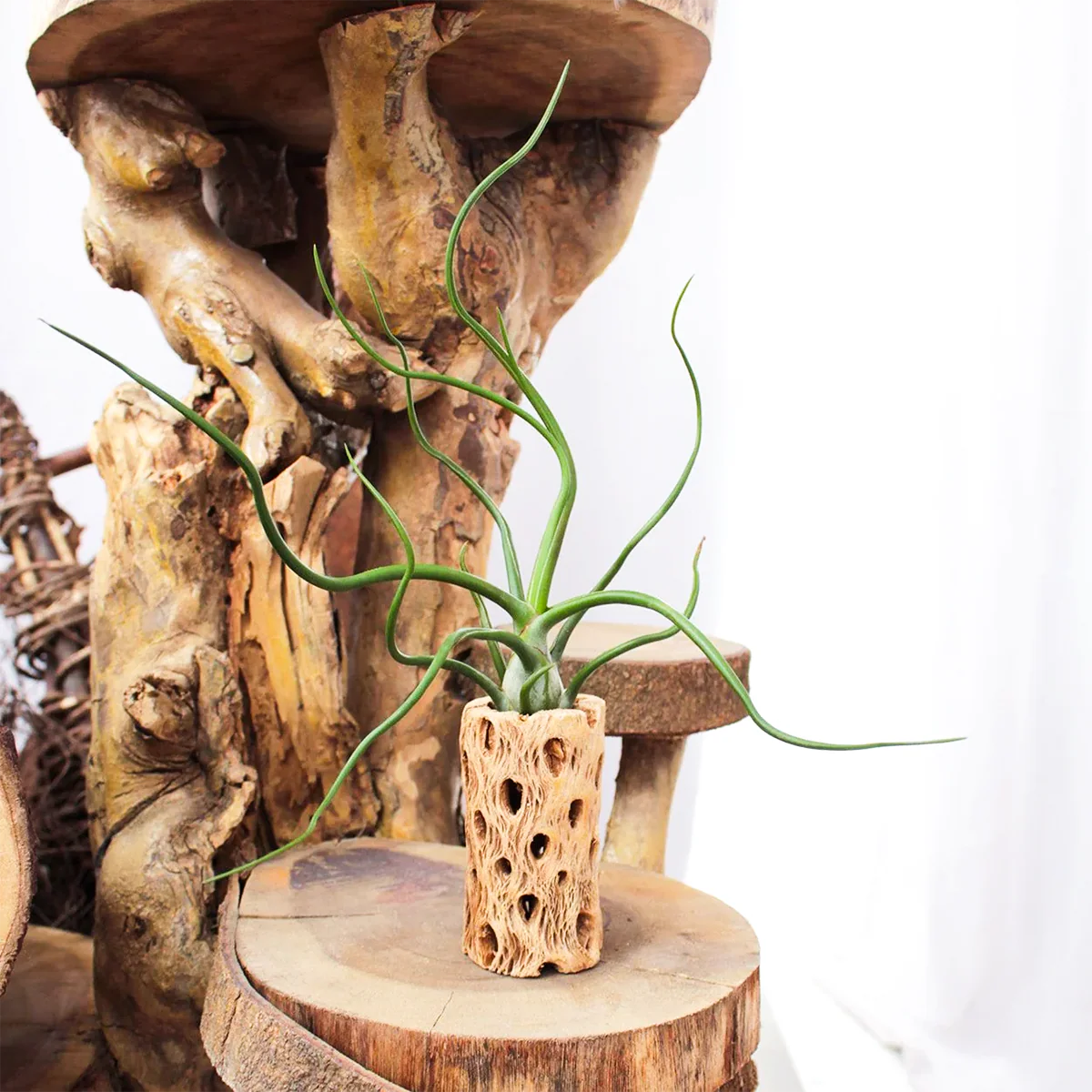
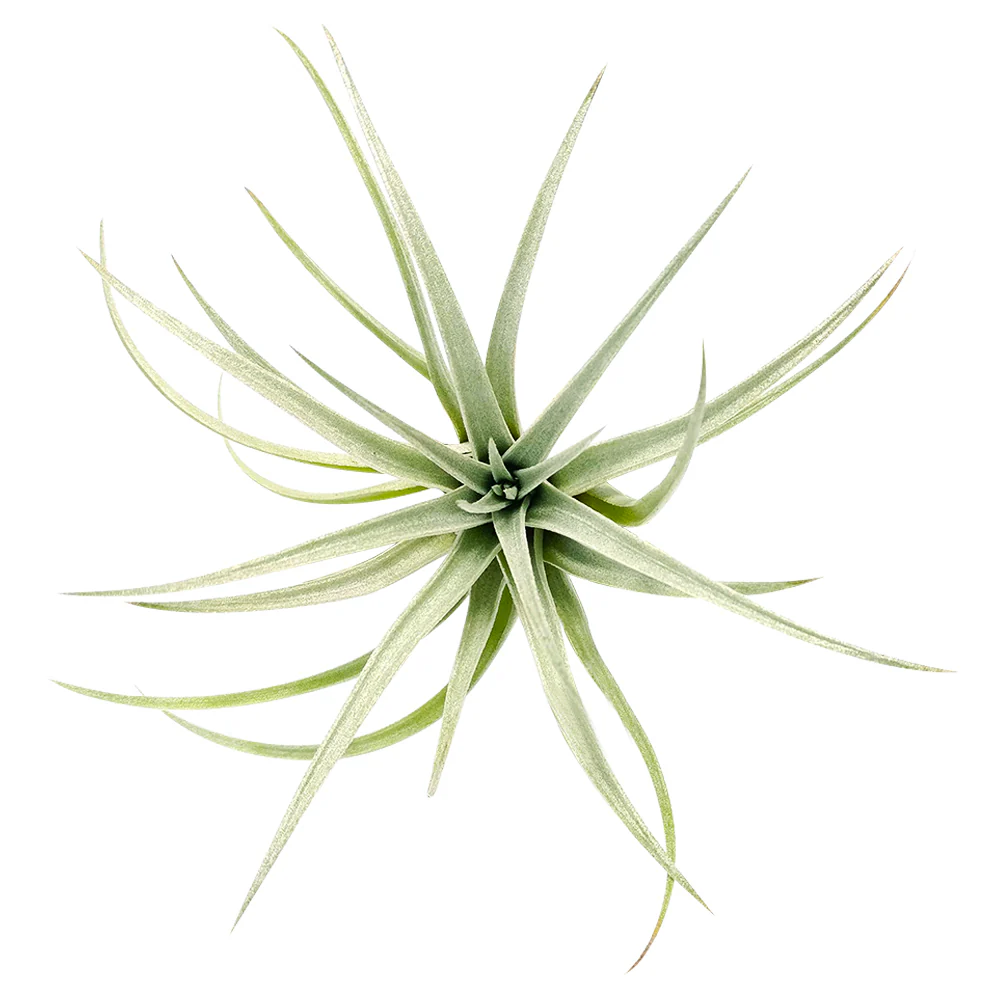
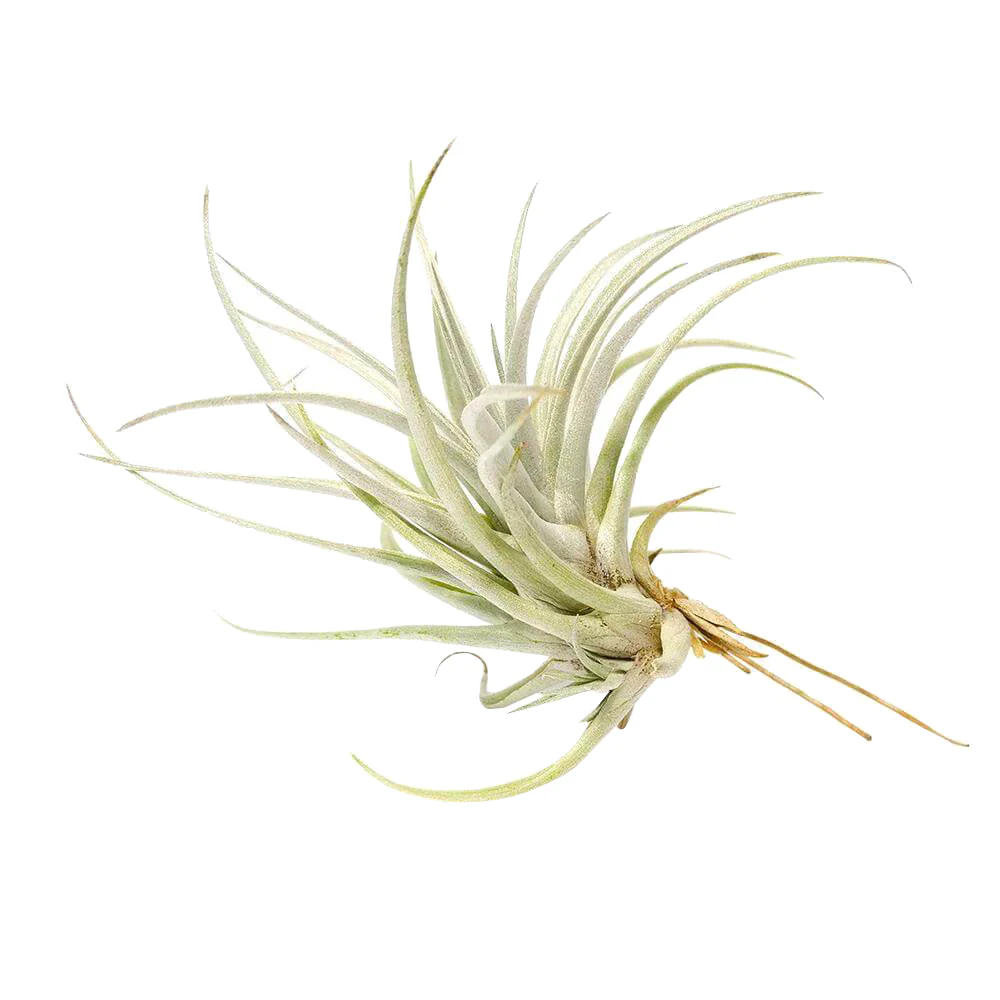
![]() The Longspine Murex shell features a pale cream to ivory surface adorned with long, elegant spines, giving it an architectural, sculptural quality. The Tillandsia nestled inside will vary by season and availability, typically showcasing rosette or grass-like foliage in silvery green or deep green tones. Together, the pairing creates a striking coastal display that works beautifully on shelves, windowsills, or as a centerpiece.
The Longspine Murex shell features a pale cream to ivory surface adorned with long, elegant spines, giving it an architectural, sculptural quality. The Tillandsia nestled inside will vary by season and availability, typically showcasing rosette or grass-like foliage in silvery green or deep green tones. Together, the pairing creates a striking coastal display that works beautifully on shelves, windowsills, or as a centerpiece.
![]() This set makes a charming gift and a versatile home accent, fitting naturally into coastal, bohemian, or minimalist interiors. It is best placed out of reach of young children due to the shell's pointed spines. Keep it away from curious cats and dogs, as some Tillandsia varieties may cause mild stomach upset if chewed.
This set makes a charming gift and a versatile home accent, fitting naturally into coastal, bohemian, or minimalist interiors. It is best placed out of reach of young children due to the shell's pointed spines. Keep it away from curious cats and dogs, as some Tillandsia varieties may cause mild stomach upset if chewed. -
![]() Tillandsias thrive in bright, indirect light. Place the shell display near a sunny window that receives several hours of filtered light daily. Avoid intense direct afternoon sun, which can scorch the leaves and dry the plant out too quickly.
Tillandsias thrive in bright, indirect light. Place the shell display near a sunny window that receives several hours of filtered light daily. Avoid intense direct afternoon sun, which can scorch the leaves and dry the plant out too quickly.
![]() Remove the air plant from the shell and mist it thoroughly two to three times per week, or soak it in room-temperature water for 20 to 30 minutes once a week. After soaking, gently shake off excess water and allow it to dry upside down for an hour before returning it to the shell. Good air circulation is essential to prevent rot at the base.
Remove the air plant from the shell and mist it thoroughly two to three times per week, or soak it in room-temperature water for 20 to 30 minutes once a week. After soaking, gently shake off excess water and allow it to dry upside down for an hour before returning it to the shell. Good air circulation is essential to prevent rot at the base.
![]() No soil is needed at any stage of this plant's life. The Tillandsia simply rests inside the shell, supported by its natural form. Ensure the shell is placed on a stable, flat surface so the plant stays properly positioned and air can circulate freely around the base.
No soil is needed at any stage of this plant's life. The Tillandsia simply rests inside the shell, supported by its natural form. Ensure the shell is placed on a stable, flat surface so the plant stays properly positioned and air can circulate freely around the base.
![]() Tillandsias prefer temperatures between 50°F and 90°F (10°C and 32°C) and do well in average indoor humidity. They appreciate good airflow, so avoid placing them in enclosed terrariums without ventilation. Keep them away from cold drafts, air conditioning vents, and heating units that can rapidly dry them out.
Tillandsias prefer temperatures between 50°F and 90°F (10°C and 32°C) and do well in average indoor humidity. They appreciate good airflow, so avoid placing them in enclosed terrariums without ventilation. Keep them away from cold drafts, air conditioning vents, and heating units that can rapidly dry them out.
![]() Feed your Tillandsia once a month using a bromeliad or air plant fertilizer diluted to one-quarter strength. Apply it by misting the leaves during a regular watering session. Consistent, light feeding encourages healthy growth and can promote blooming over time.
Feed your Tillandsia once a month using a bromeliad or air plant fertilizer diluted to one-quarter strength. Apply it by misting the leaves during a regular watering session. Consistent, light feeding encourages healthy growth and can promote blooming over time.
-
![]()
USDA Hardiness Zones 9-11 | Minimum temperature: 25°F (-4°C)
Tillandsia air plants can be grown outdoors year-round in warm, frost-free climates within Zones 9 to 11. In cooler regions, bring them indoors before temperatures drop below 50°F (10°C), as frost will damage the foliage. The Longspine Murex shell display is best suited as an indoor accent in most parts of the country, where it can be enjoyed in any season without weather concerns.
 This listing pairs an assorted Tillandsia air plant with a dramatic Longspine Murex seashell. Tillandsias belong to the Bromeliaceae family and are native to Central and South America, the southern United States, and the Caribbean. These remarkable plants absorb water and nutrients through their leaves rather than roots, making soil completely unnecessary.
 The Longspine Murex shell features a pale cream to ivory surface adorned with long, elegant spines, giving it an architectural, sculptural quality. The Tillandsia nestled inside will vary by season and availability, typically showcasing rosette or grass-like foliage in silvery green or deep green tones. Together, the pairing creates a striking coastal display that works beautifully on shelves, windowsills, or as a centerpiece.
 This set makes a charming gift and a versatile home accent, fitting naturally into coastal, bohemian, or minimalist interiors. It is best placed out of reach of young children due to the shell's pointed spines. Keep it away from curious cats and dogs, as some Tillandsia varieties may cause mild stomach upset if chewed.
  Tillandsias thrive in bright, indirect light. Place the shell display near a sunny window that receives several hours of filtered light daily. Avoid intense direct afternoon sun, which can scorch the leaves and dry the plant out too quickly.
 Remove the air plant from the shell and mist it thoroughly two to three times per week, or soak it in room-temperature water for 20 to 30 minutes once a week. After soaking, gently shake off excess water and allow it to dry upside down for an hour before returning it to the shell. Good air circulation is essential to prevent rot at the base.
 Tillandsias prefer temperatures between 50°F and 90°F (10°C and 32°C) and do well in average indoor humidity. They appreciate good airflow, so avoid placing them in enclosed terrariums without ventilation. Keep them away from cold drafts, air conditioning vents, and heating units that can rapidly dry them out.
 Feed your Tillandsia once a month using a bromeliad or air plant fertilizer diluted to one-quarter strength. Apply it by misting the leaves during a regular watering session. Consistent, light feeding encourages healthy growth and can promote blooming over time.

Product Information
Product Information
Shipping & Returns
Shipping & Returns
Description
- Description
- Light/Soil/Water
- Hardiness
-
![]() This listing pairs an assorted Tillandsia air plant with a dramatic Longspine Murex seashell. Tillandsias belong to the Bromeliaceae family and are native to Central and South America, the southern United States, and the Caribbean. These remarkable plants absorb water and nutrients through their leaves rather than roots, making soil completely unnecessary.
This listing pairs an assorted Tillandsia air plant with a dramatic Longspine Murex seashell. Tillandsias belong to the Bromeliaceae family and are native to Central and South America, the southern United States, and the Caribbean. These remarkable plants absorb water and nutrients through their leaves rather than roots, making soil completely unnecessary.
![]() The Longspine Murex shell features a pale cream to ivory surface adorned with long, elegant spines, giving it an architectural, sculptural quality. The Tillandsia nestled inside will vary by season and availability, typically showcasing rosette or grass-like foliage in silvery green or deep green tones. Together, the pairing creates a striking coastal display that works beautifully on shelves, windowsills, or as a centerpiece.
The Longspine Murex shell features a pale cream to ivory surface adorned with long, elegant spines, giving it an architectural, sculptural quality. The Tillandsia nestled inside will vary by season and availability, typically showcasing rosette or grass-like foliage in silvery green or deep green tones. Together, the pairing creates a striking coastal display that works beautifully on shelves, windowsills, or as a centerpiece.
![]() This set makes a charming gift and a versatile home accent, fitting naturally into coastal, bohemian, or minimalist interiors. It is best placed out of reach of young children due to the shell's pointed spines. Keep it away from curious cats and dogs, as some Tillandsia varieties may cause mild stomach upset if chewed.
This set makes a charming gift and a versatile home accent, fitting naturally into coastal, bohemian, or minimalist interiors. It is best placed out of reach of young children due to the shell's pointed spines. Keep it away from curious cats and dogs, as some Tillandsia varieties may cause mild stomach upset if chewed. -
![]() Tillandsias thrive in bright, indirect light. Place the shell display near a sunny window that receives several hours of filtered light daily. Avoid intense direct afternoon sun, which can scorch the leaves and dry the plant out too quickly.
Tillandsias thrive in bright, indirect light. Place the shell display near a sunny window that receives several hours of filtered light daily. Avoid intense direct afternoon sun, which can scorch the leaves and dry the plant out too quickly.
![]() Remove the air plant from the shell and mist it thoroughly two to three times per week, or soak it in room-temperature water for 20 to 30 minutes once a week. After soaking, gently shake off excess water and allow it to dry upside down for an hour before returning it to the shell. Good air circulation is essential to prevent rot at the base.
Remove the air plant from the shell and mist it thoroughly two to three times per week, or soak it in room-temperature water for 20 to 30 minutes once a week. After soaking, gently shake off excess water and allow it to dry upside down for an hour before returning it to the shell. Good air circulation is essential to prevent rot at the base.
![]() No soil is needed at any stage of this plant's life. The Tillandsia simply rests inside the shell, supported by its natural form. Ensure the shell is placed on a stable, flat surface so the plant stays properly positioned and air can circulate freely around the base.
No soil is needed at any stage of this plant's life. The Tillandsia simply rests inside the shell, supported by its natural form. Ensure the shell is placed on a stable, flat surface so the plant stays properly positioned and air can circulate freely around the base.
![]() Tillandsias prefer temperatures between 50°F and 90°F (10°C and 32°C) and do well in average indoor humidity. They appreciate good airflow, so avoid placing them in enclosed terrariums without ventilation. Keep them away from cold drafts, air conditioning vents, and heating units that can rapidly dry them out.
Tillandsias prefer temperatures between 50°F and 90°F (10°C and 32°C) and do well in average indoor humidity. They appreciate good airflow, so avoid placing them in enclosed terrariums without ventilation. Keep them away from cold drafts, air conditioning vents, and heating units that can rapidly dry them out.
![]() Feed your Tillandsia once a month using a bromeliad or air plant fertilizer diluted to one-quarter strength. Apply it by misting the leaves during a regular watering session. Consistent, light feeding encourages healthy growth and can promote blooming over time.
Feed your Tillandsia once a month using a bromeliad or air plant fertilizer diluted to one-quarter strength. Apply it by misting the leaves during a regular watering session. Consistent, light feeding encourages healthy growth and can promote blooming over time.
-
![]()
USDA Hardiness Zones 9-11 | Minimum temperature: 25°F (-4°C)
Tillandsia air plants can be grown outdoors year-round in warm, frost-free climates within Zones 9 to 11. In cooler regions, bring them indoors before temperatures drop below 50°F (10°C), as frost will damage the foliage. The Longspine Murex shell display is best suited as an indoor accent in most parts of the country, where it can be enjoyed in any season without weather concerns.