Hoya Lisa
- Description
- Hoya Lisa Care Guide
- FAQ/Common Issues
-
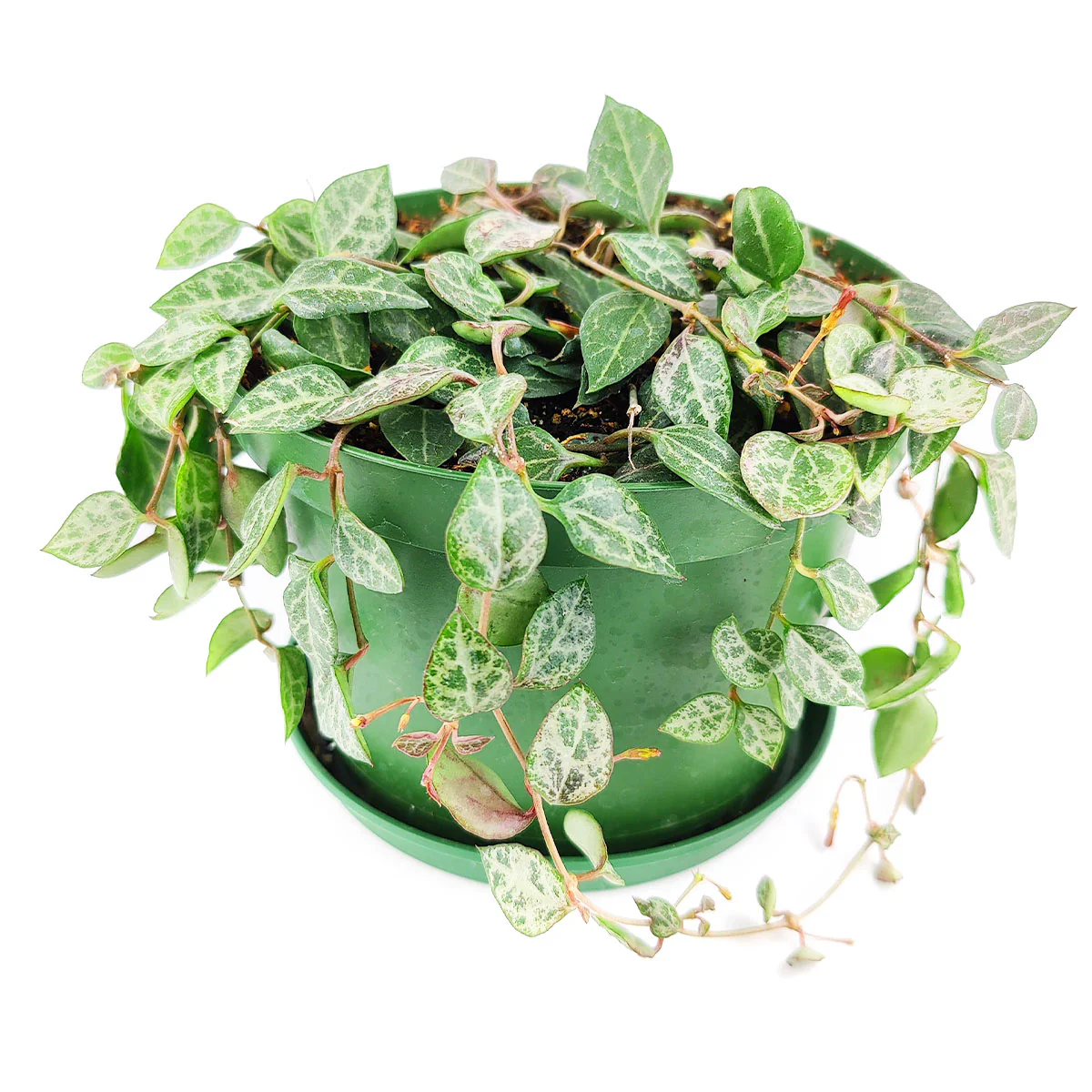
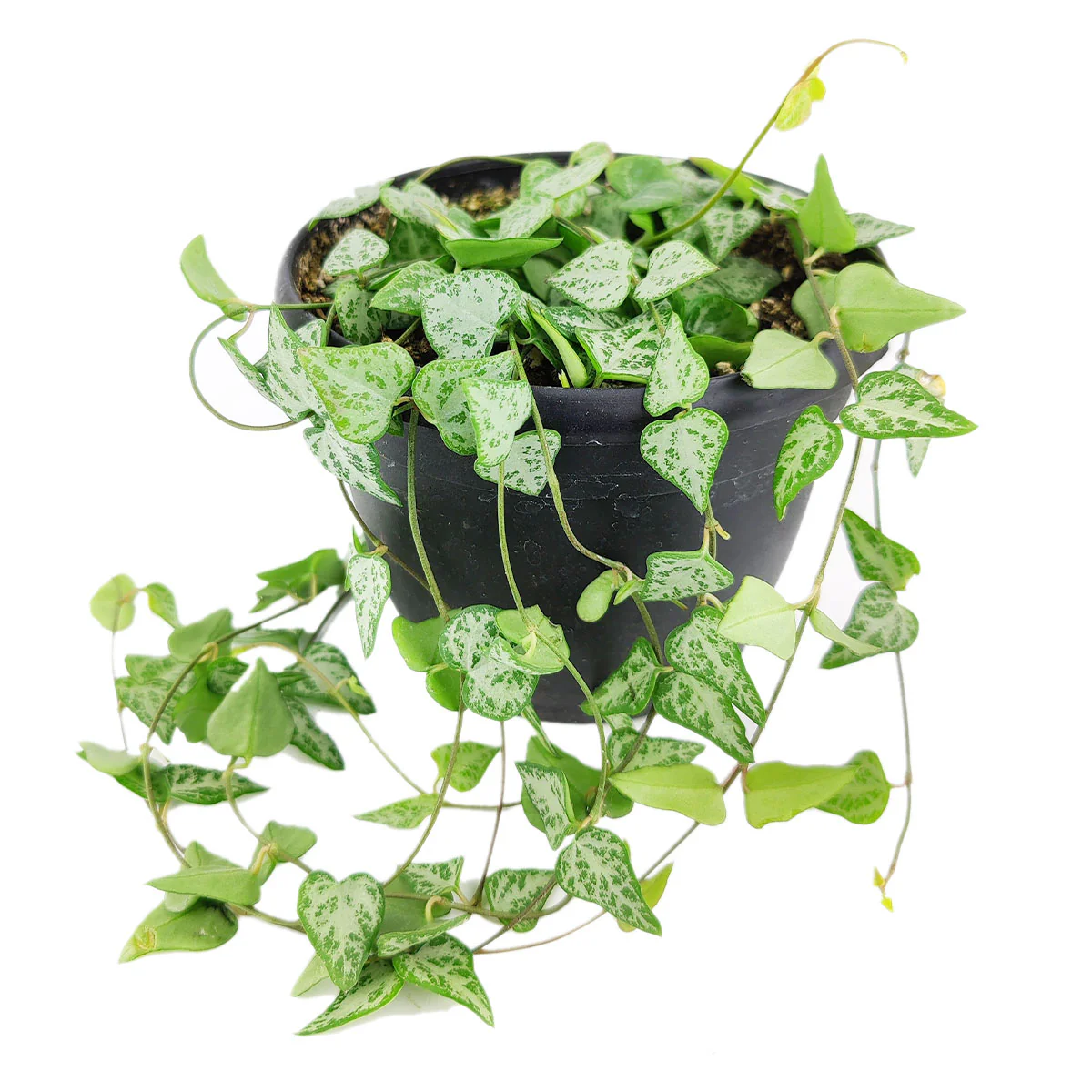
![]() Hoya Lisa (Hoya australis 'Lisa') is a rare variegated wax plant in the Apocynaceae family, beloved by collectors for its striking foliage and easygoing nature. Native to Australia and parts of Southeast Asia, it grows naturally in warm, humid forests where it climbs and trails through the canopy.
Hoya Lisa (Hoya australis 'Lisa') is a rare variegated wax plant in the Apocynaceae family, beloved by collectors for its striking foliage and easygoing nature. Native to Australia and parts of Southeast Asia, it grows naturally in warm, humid forests where it climbs and trails through the canopy.
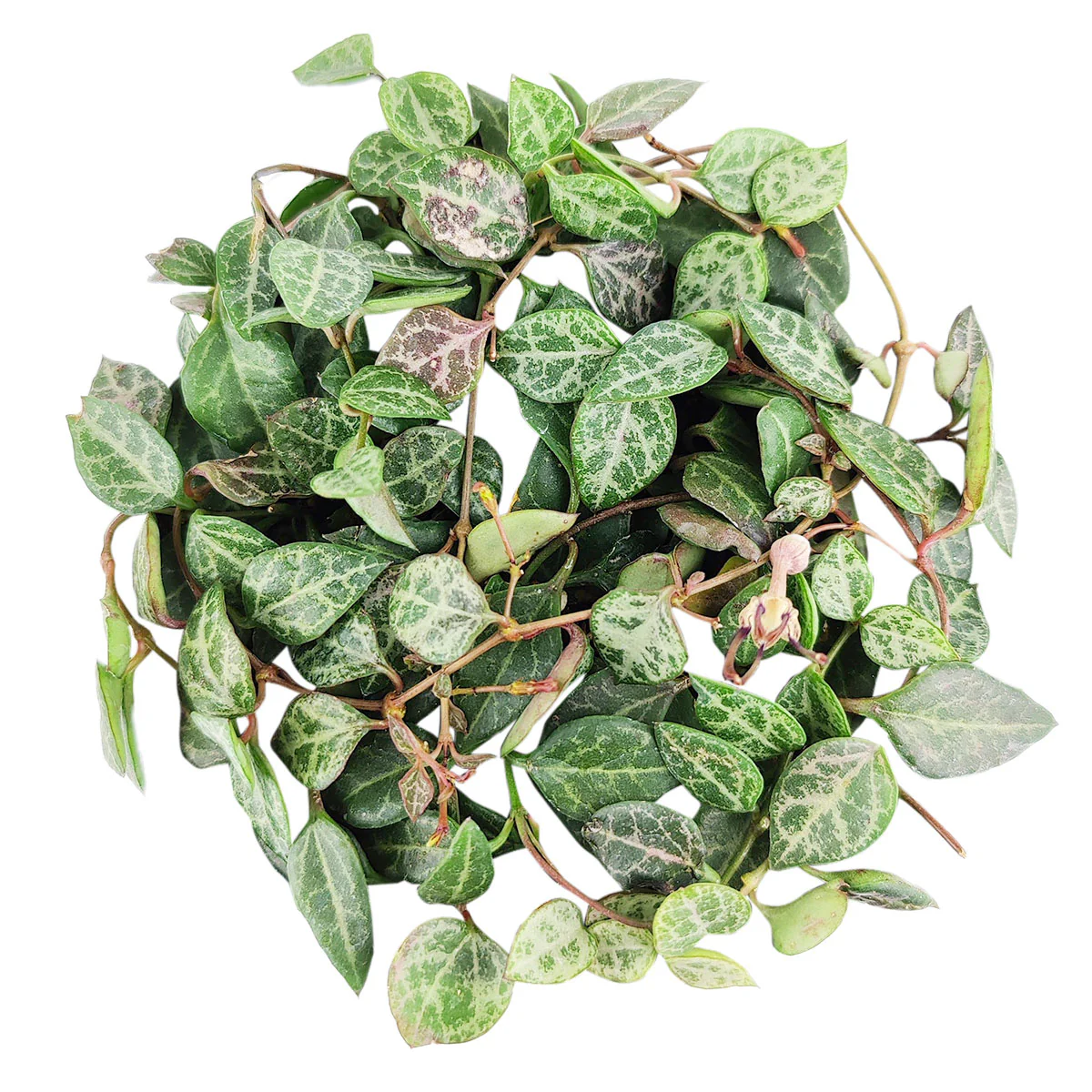
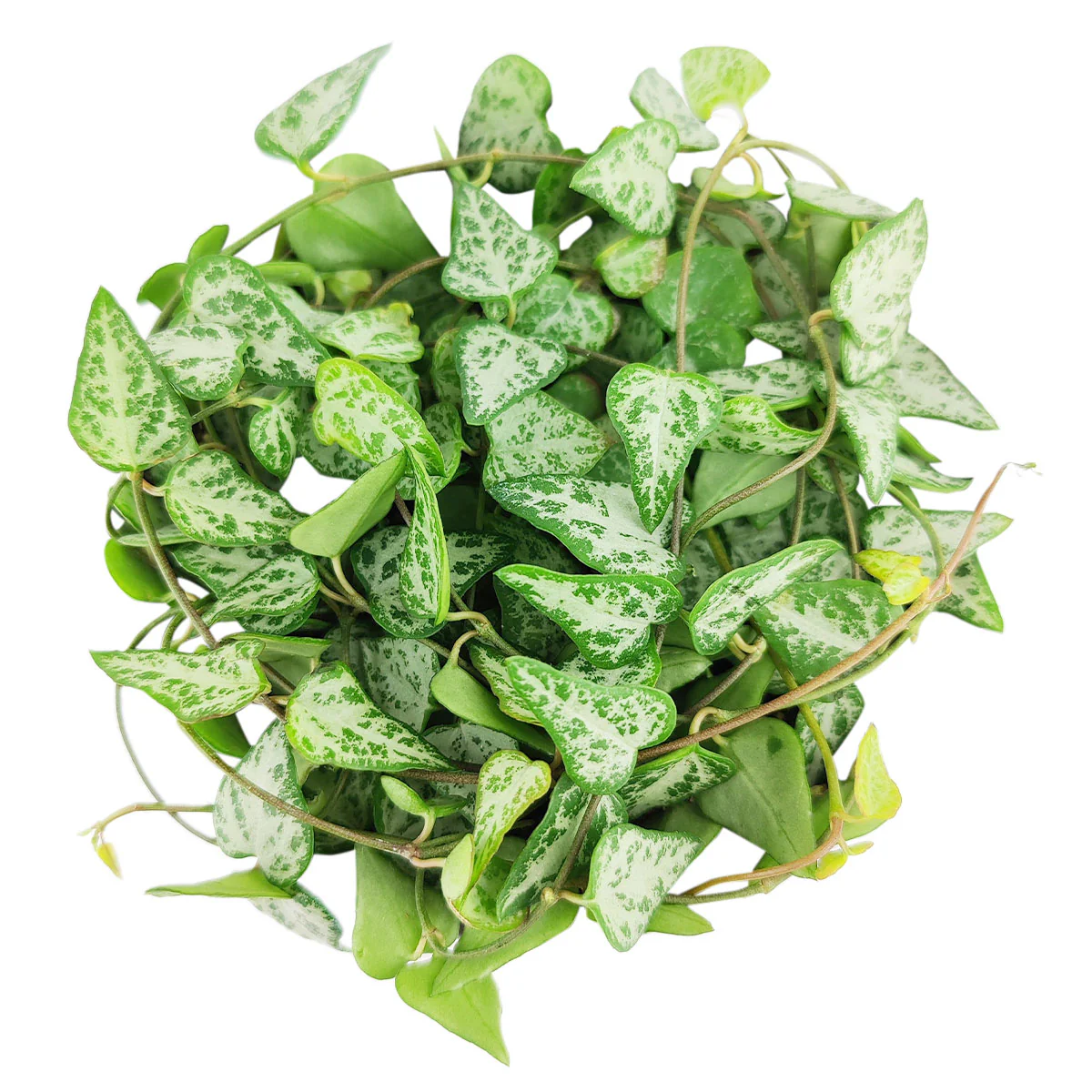
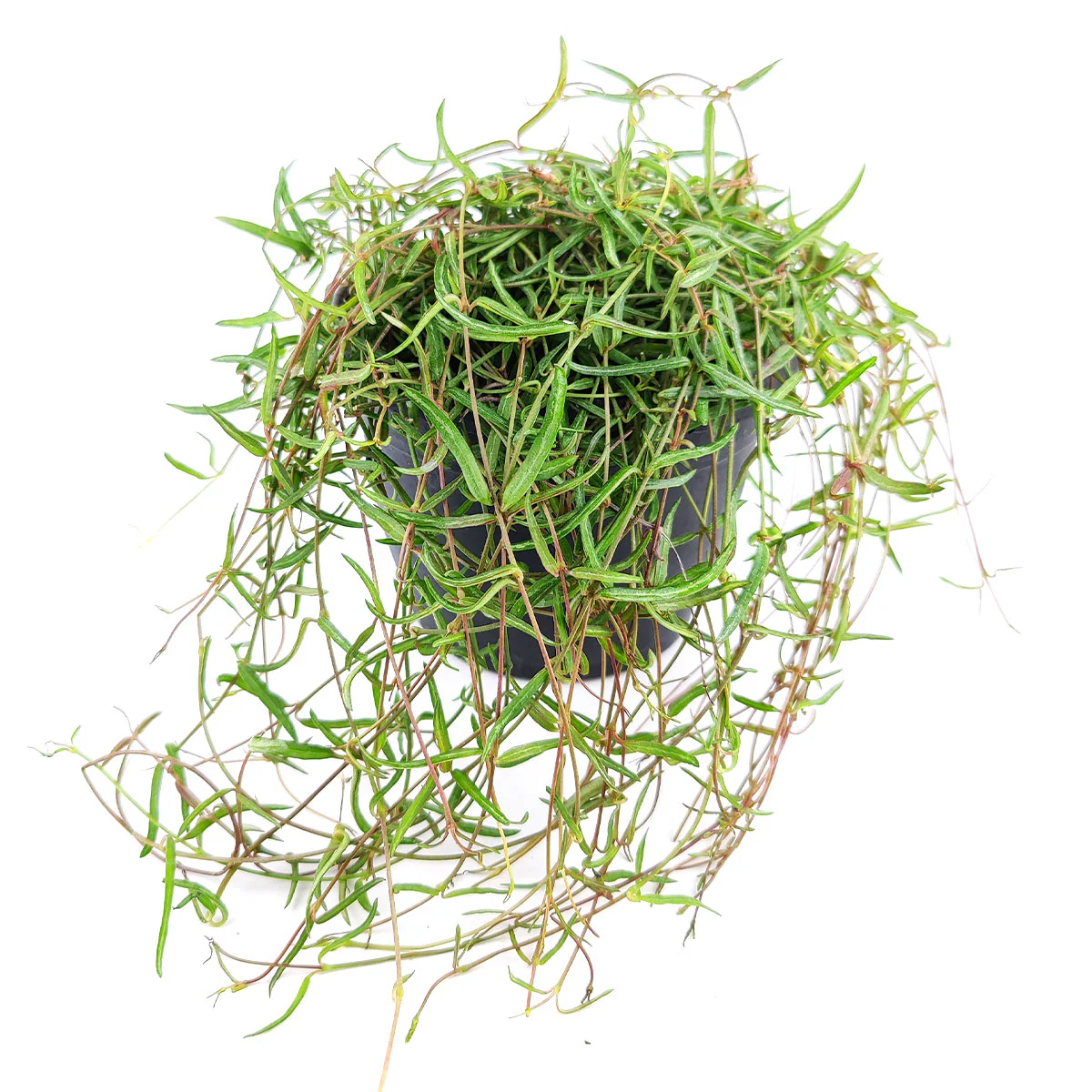
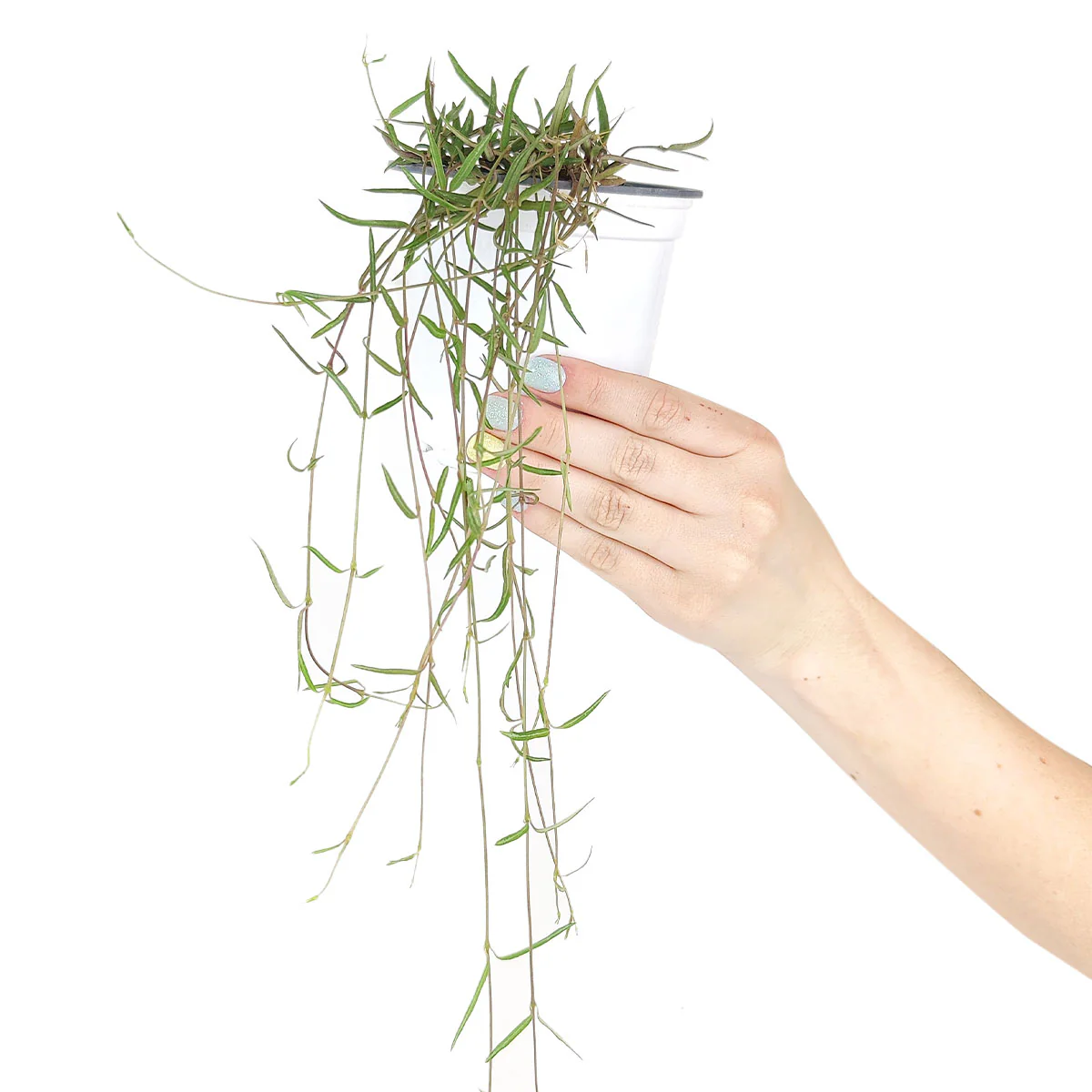
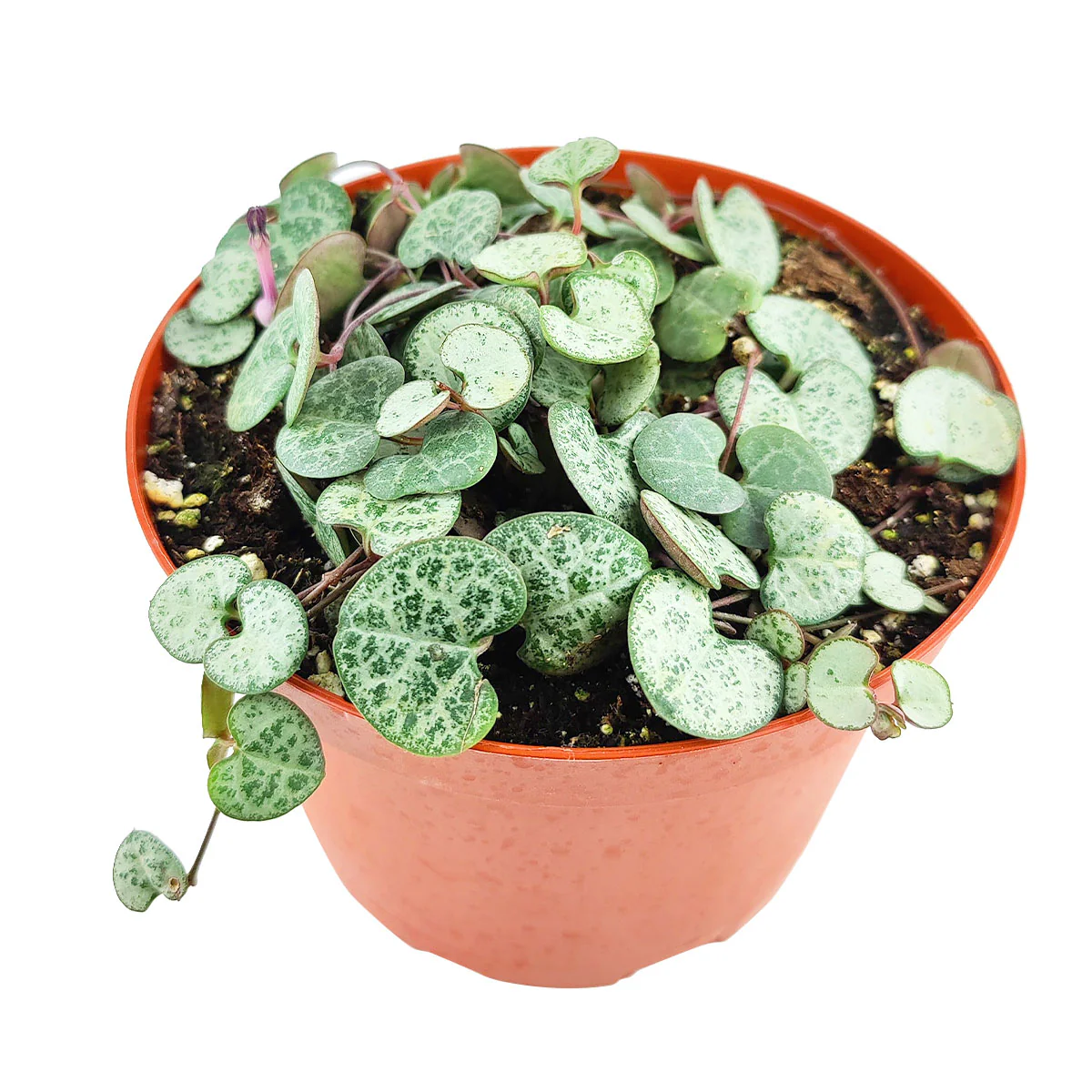
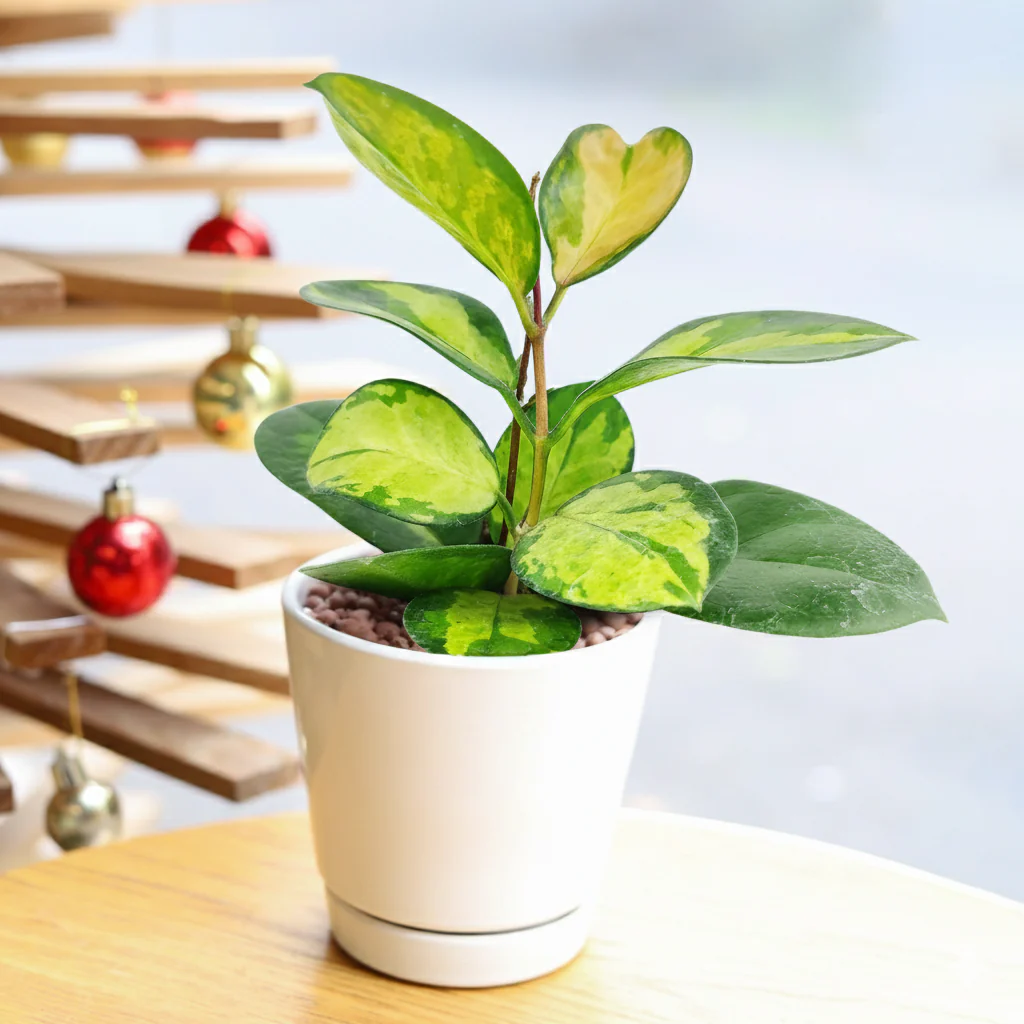
 Hoya Lisa is instantly recognizable by its thick, waxy leaves splashed with creamy yellow and green variegation, sometimes flushed with pink when the plant is happy and bright-lit. The vines trail beautifully and can reach several feet long, making this rare variegated hoya one of the most visually rewarding trailing indoor plants you can own.
 Hoya Lisa can produce clusters of small, star-shaped white flowers with a sweet, honey-like fragrance, typically encouraged by a slight drop in nighttime temperatures. Blooms tend to appear on mature plants and reward patience, but even without flowers, Hoya Lisa is a showstopper. Keep in mind that this plant is sensitive to being moved, so once it settles into a happy spot, let it stay there to encourage blooming.
 Hoya Lisa is a genuinely rare houseplant that earns its place in any collection, whether displayed in a hanging basket, trailing from a high shelf, or perched in a bright kitchen window where ambient moisture keeps it content. It is a pet friendly houseplant, though the sap can cause mild skin or paw irritation on contact, so keep it on a high shelf out of reach of toddlers and curious pets. One of its coolest perks: Hoya Lisa releases oxygen at night, making it a lovely bedroom companion, and it is tough enough to survive a 10-day trip without a sitter. It even tells you when it needs water by gently wilting, so there is no guesswork involved.
-
 Hoya Lisa thrives in bright indirect light and can adapt to medium light or grow well under office LEDs, but avoid south-facing windows where direct sun scorches the leaves.
 Water Hoya Lisa thoroughly every 10 to 14 days in summer and every 3 to 4 weeks in winter, always letting the soil dry out between waterings.
 Hoya Lisa does best in a well-draining mix of perlite, orchid bark, and standard potting soil to prevent root rot.
 Hoya Lisa prefers temperatures between 60 and 85°F (15 to 29°C) and should be kept away from cold drafts, air conditioning vents, and heating units.
![]() Hoya Lisa is a moderate grower that benefits from a balanced liquid fertilizer applied monthly during the spring and summer growing season.
Hoya Lisa is a moderate grower that benefits from a balanced liquid fertilizer applied monthly during the spring and summer growing season.
 Hoya Lisa is best suited to USDA Hardiness Zones 10 to 12, where temperatures stay reliably above 35°F (2°C) year-round. Outdoors, it thrives in warm, frost-free states including Florida, Hawaii, southern California, and coastal areas of Texas, Arizona, Louisiana, and Mississippi. Gardeners in Georgia, South Carolina, Alabama, Nevada, and along the Oregon coast in Zone 9 can also grow Hoya Lisa outside in sheltered spots, bringing it indoors before any threat of frost.
-
Q: Is Hoya Lisa pet friendly?
A: Yes, Hoya Lisa is a pet friendly houseplant. However, the sap can cause mild skin or paw irritation, so keep it out of reach as a precaution.
Q: How often should I water Hoya Lisa?
A: Water Hoya Lisa every 10 to 14 days during warm months and cut back to every 3 to 4 weeks in winter. It will gently wilt to signal when it is thirsty.
Q: How much light does Hoya Lisa need?
A: Hoya Lisa thrives in bright indirect light and tolerates medium light or office LED conditions well. Avoid placing it in a south-facing window where intense sun can scorch the leaves.
Q: How do I encourage Hoya Lisa to bloom?
A: A slight drop in nighttime temperatures and leaving Hoya Lisa undisturbed in one spot tends to trigger blooming on mature plants. Avoid moving the plant once it is settled, as it is sensitive to location changes.
Q: Can Hoya Lisa go outside in summer?
A: Yes, Hoya Lisa loves a shady outdoor spot in summer, but it needs cover from rain and protection from strong sun. Bring it back indoors before temperatures drop in autumn.
Q: How fast does Hoya Lisa grow and how big does it get?
A: Hoya Lisa is a moderate grower with trailing vines that can reach several feet long over time. A hanging hook or high shelf lets it trail freely and show off its rare variegated foliage beautifully.


Product Information
Product Information
Shipping & Returns
Shipping & Returns
Description
- Description
- Hoya Lisa Care Guide
- FAQ/Common Issues
-
![]() Hoya Lisa (Hoya australis 'Lisa') is a rare variegated wax plant in the Apocynaceae family, beloved by collectors for its striking foliage and easygoing nature. Native to Australia and parts of Southeast Asia, it grows naturally in warm, humid forests where it climbs and trails through the canopy.
Hoya Lisa (Hoya australis 'Lisa') is a rare variegated wax plant in the Apocynaceae family, beloved by collectors for its striking foliage and easygoing nature. Native to Australia and parts of Southeast Asia, it grows naturally in warm, humid forests where it climbs and trails through the canopy.
Hoya Lisa is instantly recognizable by its thick, waxy leaves splashed with creamy yellow and green variegation, sometimes flushed with pink when the plant is happy and bright-lit. The vines trail beautifully and can reach several feet long, making this rare variegated hoya one of the most visually rewarding trailing indoor plants you can own.
Hoya Lisa can produce clusters of small, star-shaped white flowers with a sweet, honey-like fragrance, typically encouraged by a slight drop in nighttime temperatures. Blooms tend to appear on mature plants and reward patience, but even without flowers, Hoya Lisa is a showstopper. Keep in mind that this plant is sensitive to being moved, so once it settles into a happy spot, let it stay there to encourage blooming.
Hoya Lisa is a genuinely rare houseplant that earns its place in any collection, whether displayed in a hanging basket, trailing from a high shelf, or perched in a bright kitchen window where ambient moisture keeps it content. It is a pet friendly houseplant, though the sap can cause mild skin or paw irritation on contact, so keep it on a high shelf out of reach of toddlers and curious pets. One of its coolest perks: Hoya Lisa releases oxygen at night, making it a lovely bedroom companion, and it is tough enough to survive a 10-day trip without a sitter. It even tells you when it needs water by gently wilting, so there is no guesswork involved.
-
Hoya Lisa thrives in bright indirect light and can adapt to medium light or grow well under office LEDs, but avoid south-facing windows where direct sun scorches the leaves.
Water Hoya Lisa thoroughly every 10 to 14 days in summer and every 3 to 4 weeks in winter, always letting the soil dry out between waterings.
Hoya Lisa does best in a well-draining mix of perlite, orchid bark, and standard potting soil to prevent root rot.
Hoya Lisa prefers temperatures between 60 and 85°F (15 to 29°C) and should be kept away from cold drafts, air conditioning vents, and heating units.
![]() Hoya Lisa is a moderate grower that benefits from a balanced liquid fertilizer applied monthly during the spring and summer growing season.
Hoya Lisa is a moderate grower that benefits from a balanced liquid fertilizer applied monthly during the spring and summer growing season.
Hoya Lisa is best suited to USDA Hardiness Zones 10 to 12, where temperatures stay reliably above 35°F (2°C) year-round. Outdoors, it thrives in warm, frost-free states including Florida, Hawaii, southern California, and coastal areas of Texas, Arizona, Louisiana, and Mississippi. Gardeners in Georgia, South Carolina, Alabama, Nevada, and along the Oregon coast in Zone 9 can also grow Hoya Lisa outside in sheltered spots, bringing it indoors before any threat of frost.
-
Q: Is Hoya Lisa pet friendly?
A: Yes, Hoya Lisa is a pet friendly houseplant. However, the sap can cause mild skin or paw irritation, so keep it out of reach as a precaution.
Q: How often should I water Hoya Lisa?
A: Water Hoya Lisa every 10 to 14 days during warm months and cut back to every 3 to 4 weeks in winter. It will gently wilt to signal when it is thirsty.
Q: How much light does Hoya Lisa need?
A: Hoya Lisa thrives in bright indirect light and tolerates medium light or office LED conditions well. Avoid placing it in a south-facing window where intense sun can scorch the leaves.
Q: How do I encourage Hoya Lisa to bloom?
A: A slight drop in nighttime temperatures and leaving Hoya Lisa undisturbed in one spot tends to trigger blooming on mature plants. Avoid moving the plant once it is settled, as it is sensitive to location changes.
Q: Can Hoya Lisa go outside in summer?
A: Yes, Hoya Lisa loves a shady outdoor spot in summer, but it needs cover from rain and protection from strong sun. Bring it back indoors before temperatures drop in autumn.
Q: How fast does Hoya Lisa grow and how big does it get?
A: Hoya Lisa is a moderate grower with trailing vines that can reach several feet long over time. A hanging hook or high shelf lets it trail freely and show off its rare variegated foliage beautifully.