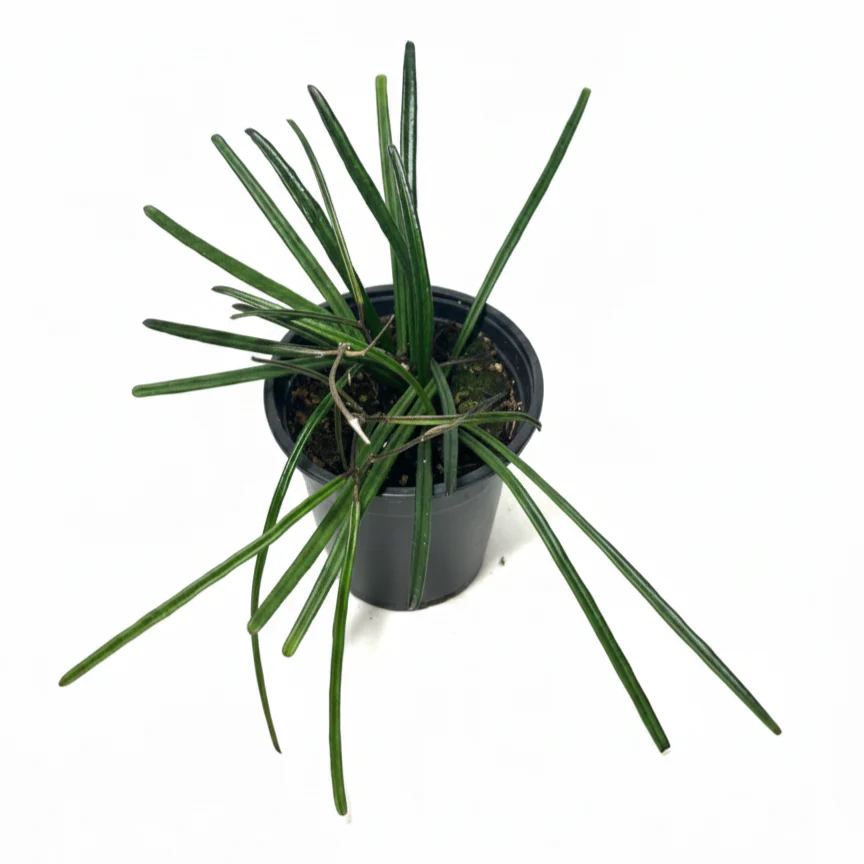
Hoya Insularis
- Description
- Hoya Insularis Care Guide
- FAQ/Common Issues
-
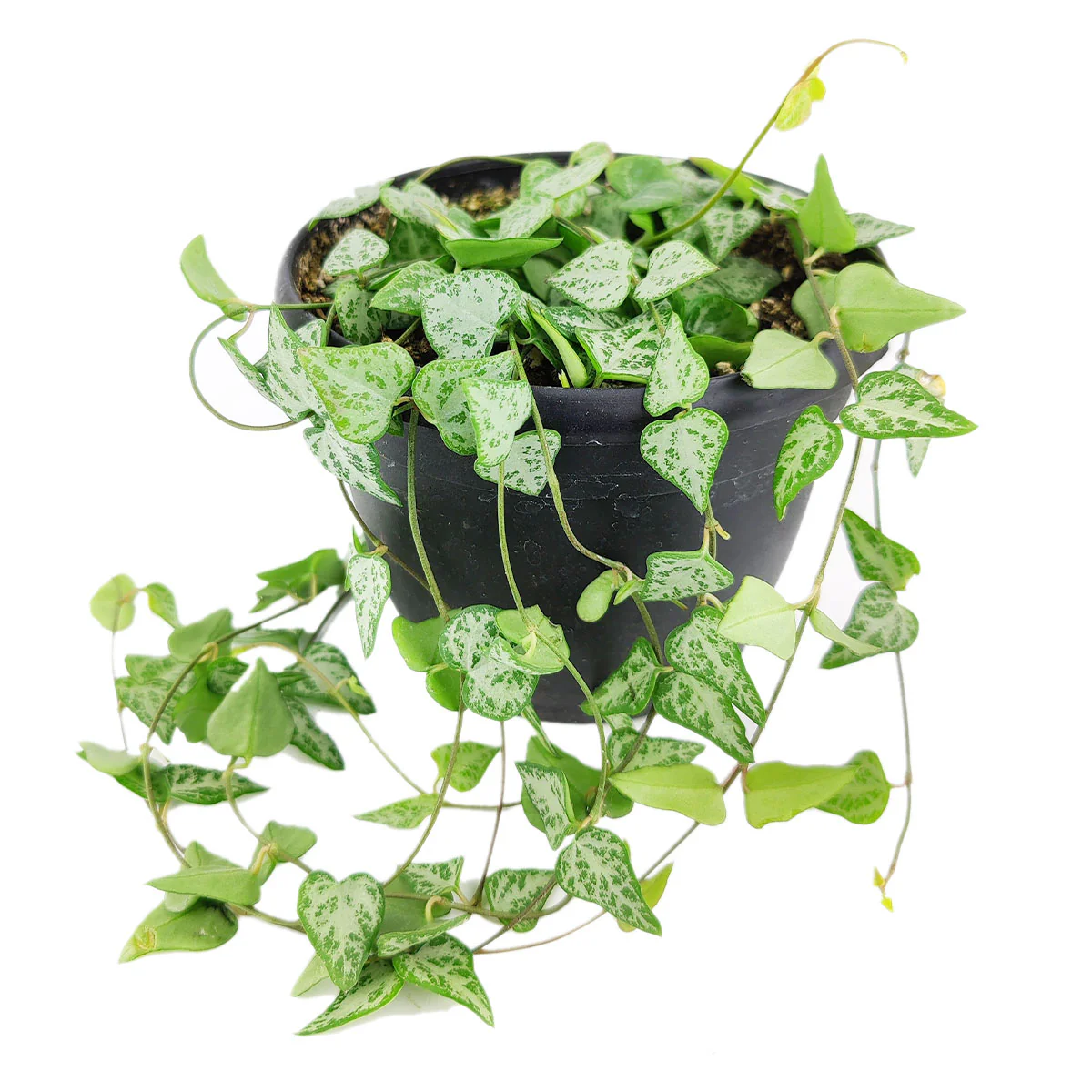
![]() Hoya Insularis (Hoya insularis) is a rare epiphytic wax plant native to the islands of Southeast Asia, where it clings to trees in warm, humid tropical forests. Part of the beloved Apocynaceae family, this trailing hoya vine is a genuine collector find that is increasingly sought after in the rare hoya community.
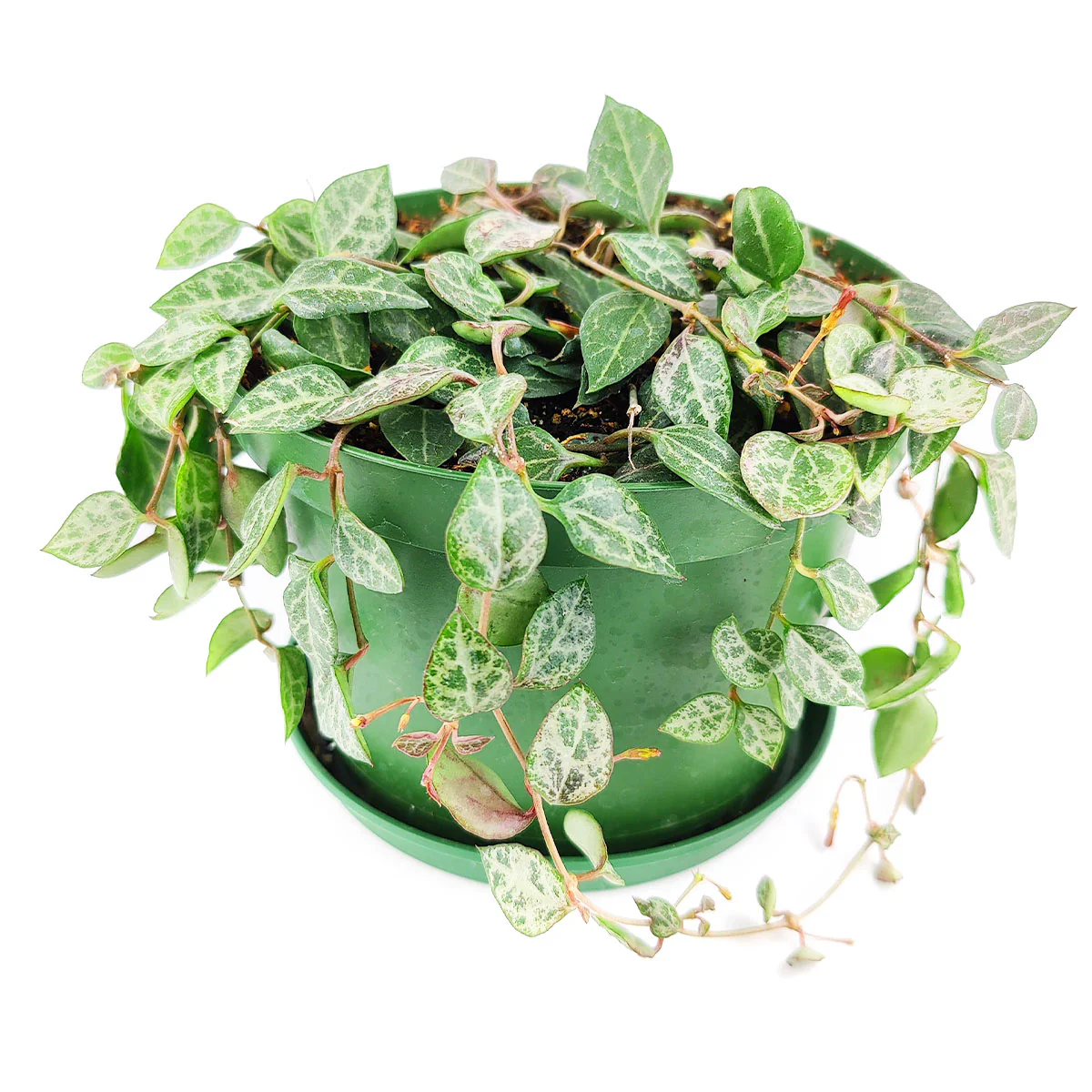
Hoya Insularis (Hoya insularis) is a rare epiphytic wax plant native to the islands of Southeast Asia, where it clings to trees in warm, humid tropical forests. Part of the beloved Apocynaceae family, this trailing hoya vine is a genuine collector find that is increasingly sought after in the rare hoya community.
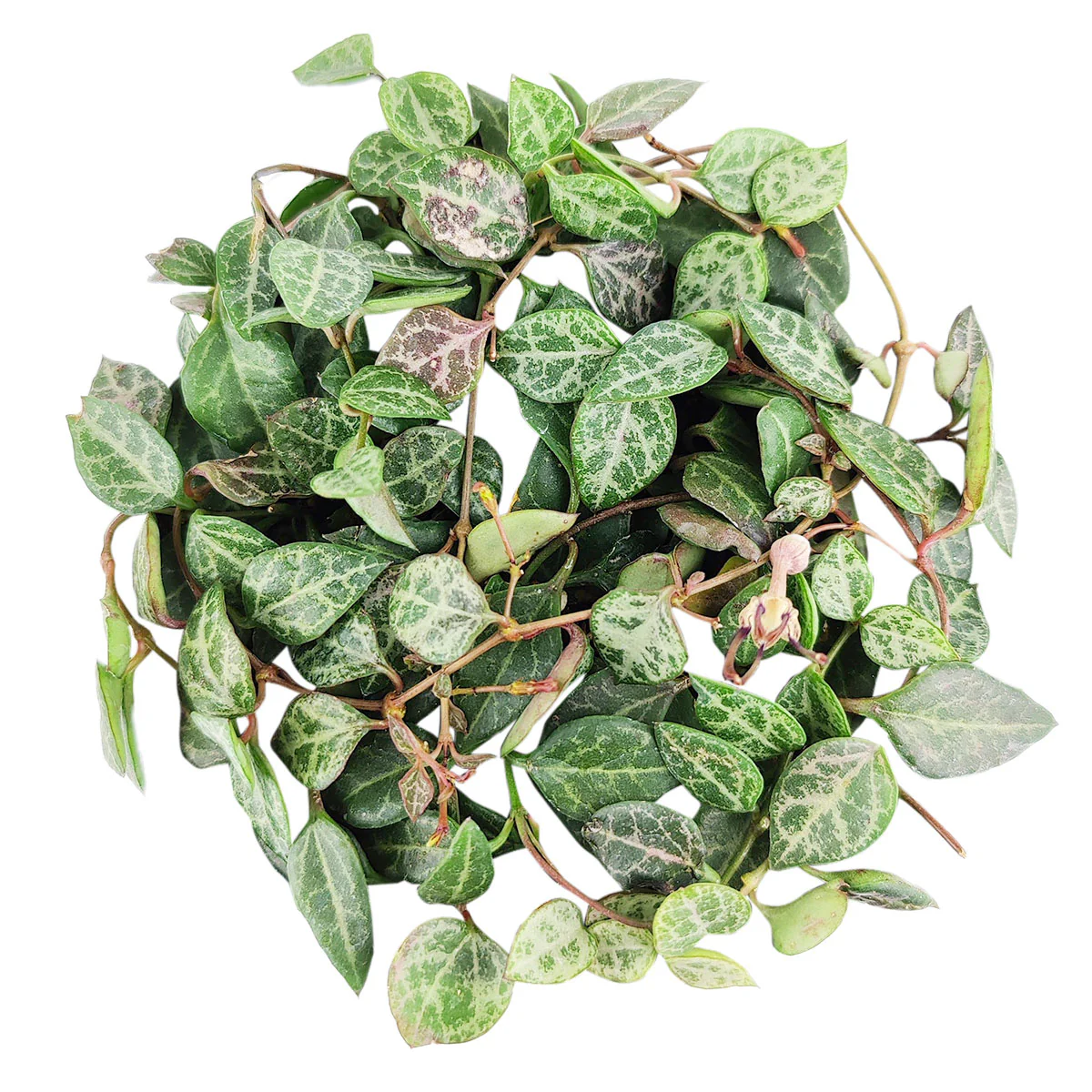
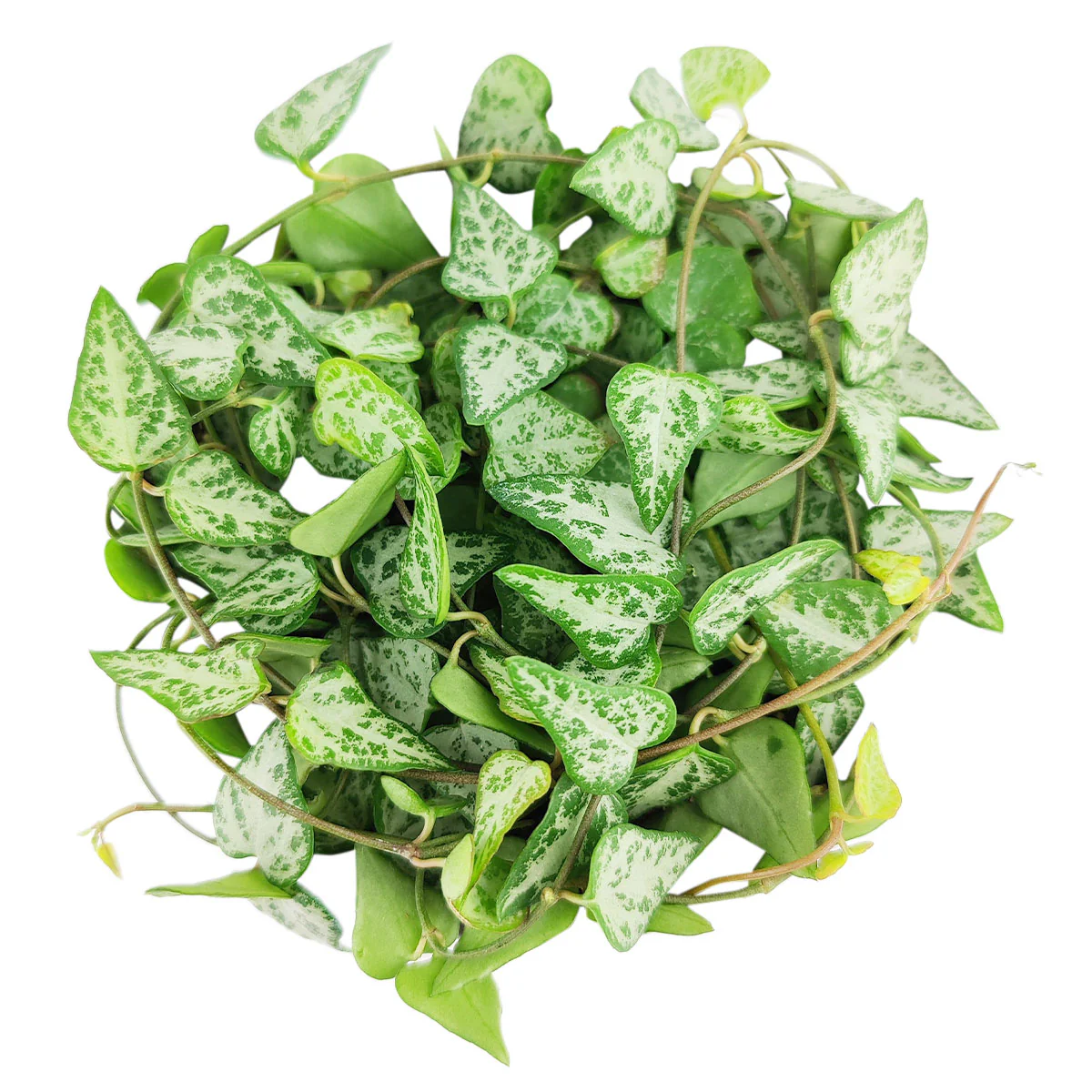
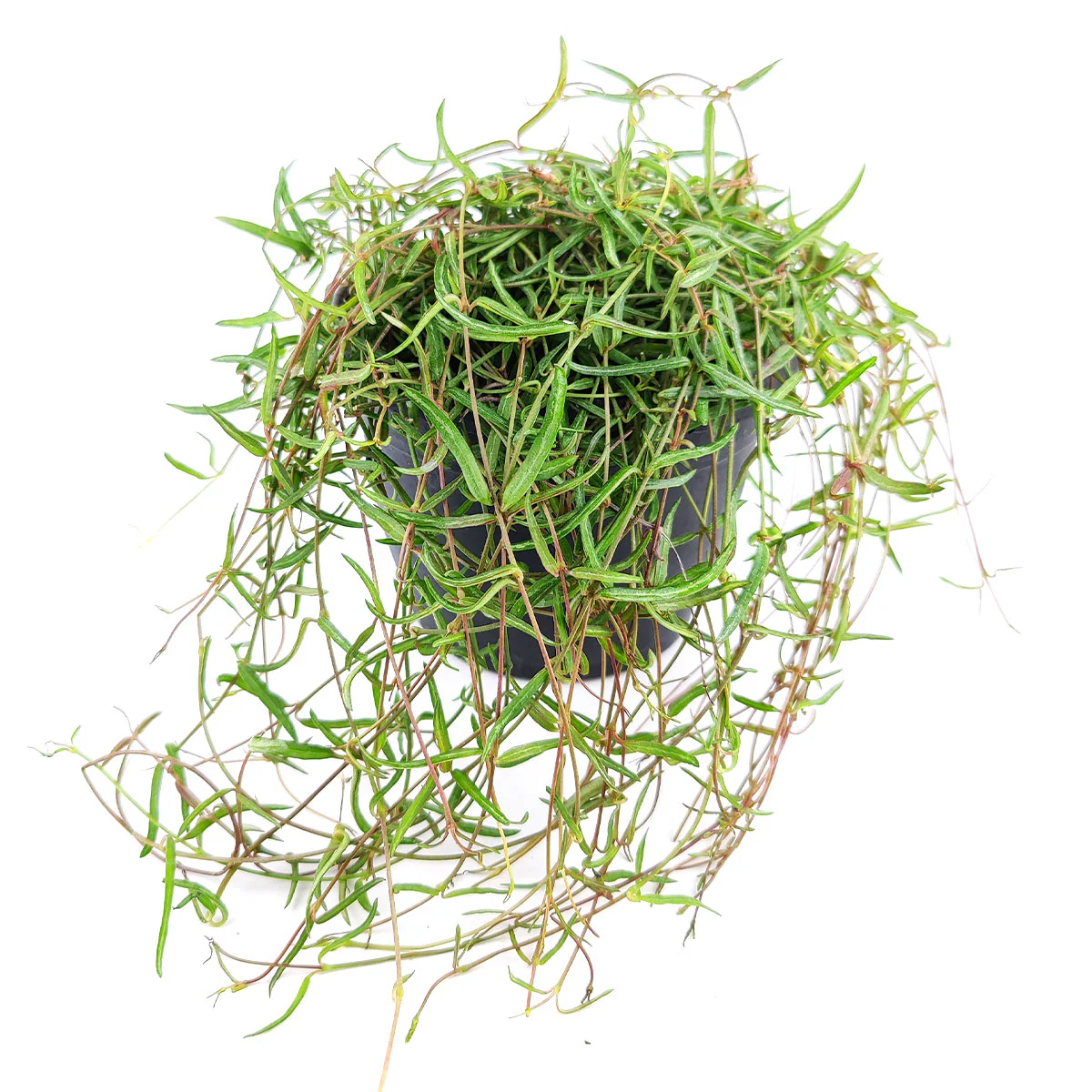
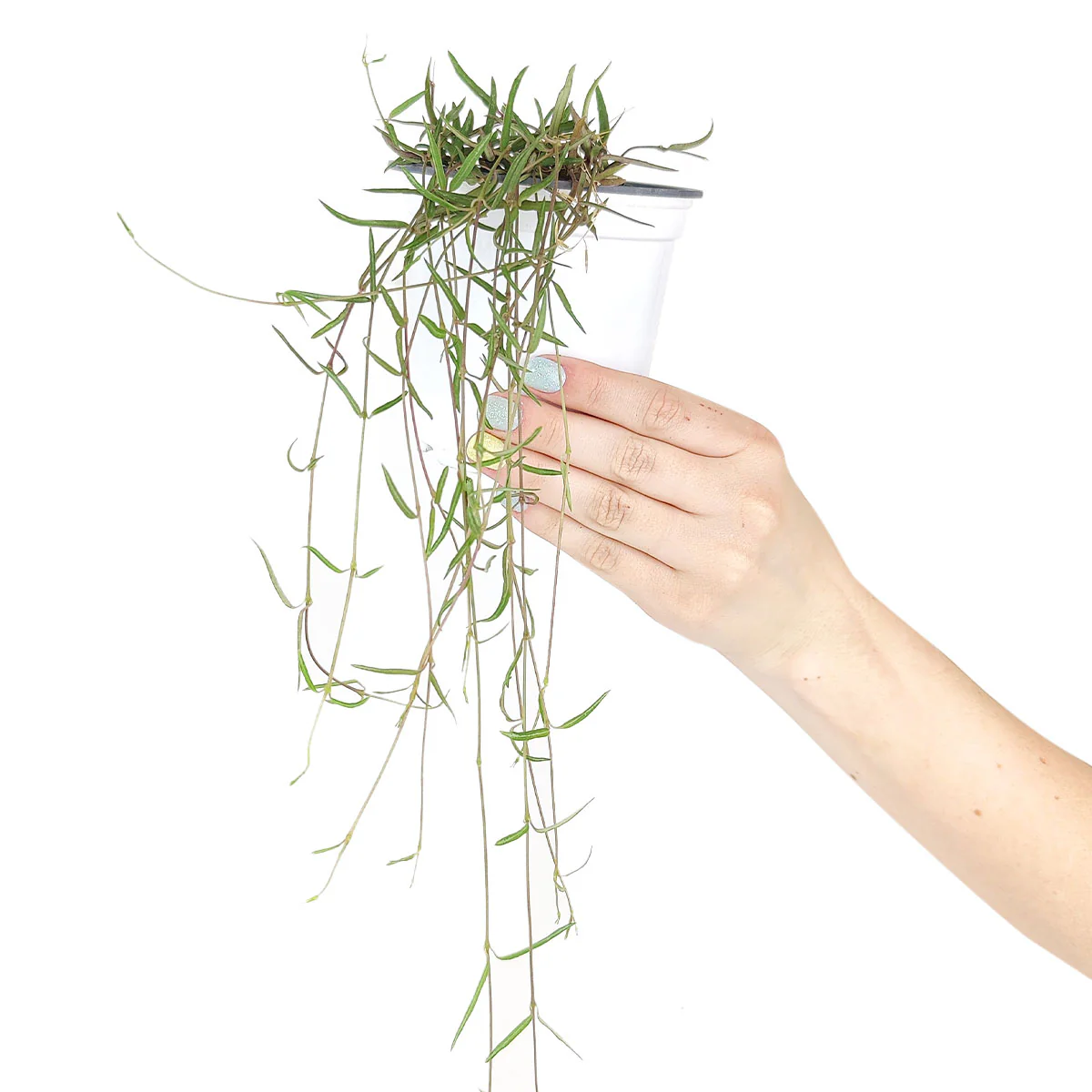
 Hoya Insularis produces thick, waxy leaves with a rich green finish and a slightly succulent texture that stores moisture beautifully. The vines trail and cascade in a way that makes this porcelain flower a showstopper in a hanging basket, with each stem developing a rhythmic, lush look as the plant matures.
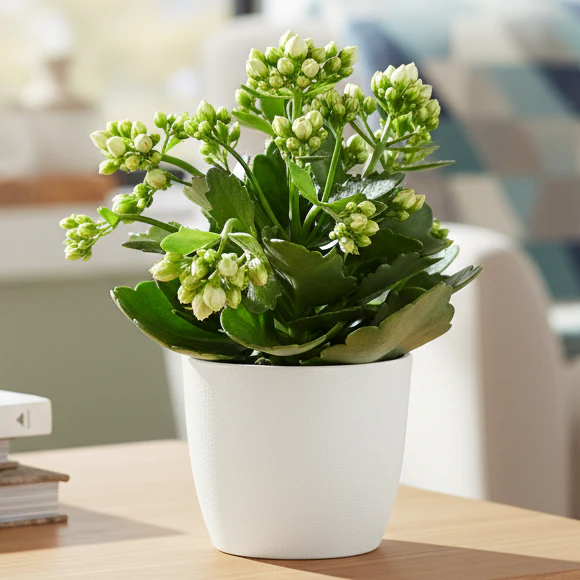
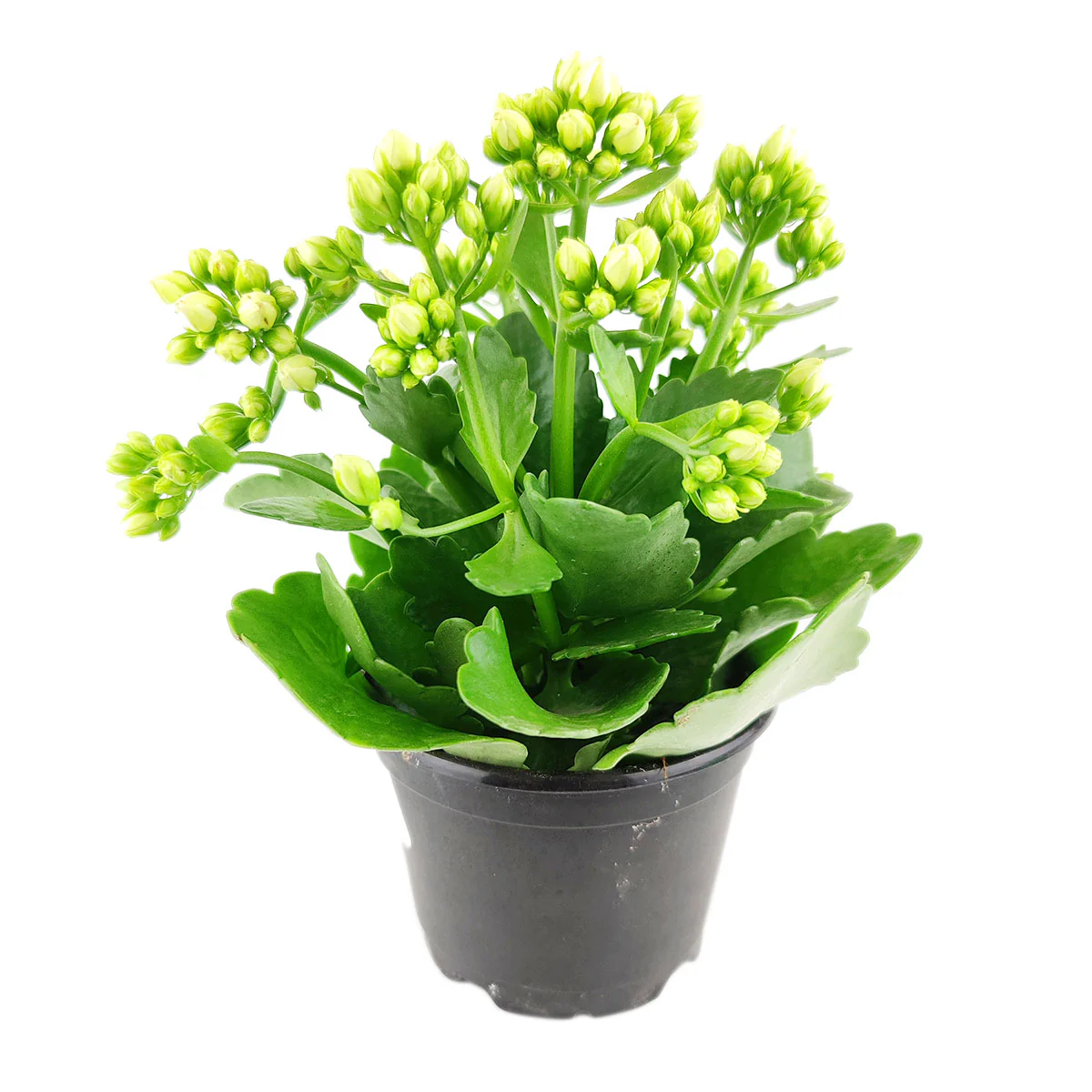
 Hoya Insularis produces clusters of small, star-shaped flowers typical of the wax plant genus, with a delicate, sweet fragrance that rewards patient growers. A night temperature drop tends to encourage blooming, so moving Hoya Insularis to a slightly cooler room in the evening during the growing season can make a real difference.
 Hoya Insularis is a rare collector hoya that thrives hanging near a kitchen window where ambient moisture keeps it happy and its trailing vines can drape freely. This plant is pet friendly, making it a worry-free choice for households with curious cats or dogs. It handles a 10-day trip without a sitter, communicates thirst through gentle wilting, and appreciates a stable spot since it is sensitive to being moved. Keep it away from AC vents and heater drafts, shelter it from rain, and rotate the pot regularly so every side gets even light and balanced growth.
-
 Hoya Insularis thrives in bright indirect light and can even grow under quality office LED grow lights if natural light is limited.
 Water Hoya Insularis thoroughly every 10 to 14 days in summer, allowing the soil to dry out between waterings, and reduce to once every 3 weeks in winter.
 Hoya Insularis performs best in a chunky, fast-draining mix of orchid bark, perlite, and a small amount of quality potting soil to mimic its epiphytic roots.
 Hoya Insularis prefers temperatures between 60 and 85°F (15 to 29°C) and should be protected from anything below 50°F (10°C), as it has no frost tolerance.
![]() Hoya Insularis is a moderate grower that benefits from a balanced liquid fertilizer diluted to half strength, applied monthly during spring and summer.
Hoya Insularis is a moderate grower that benefits from a balanced liquid fertilizer diluted to half strength, applied monthly during spring and summer.
 Hoya Insularis is best suited to USDA Hardiness Zones 10 to 12, where temperatures rarely dip below 30 to 35°F (around -1 to 2°C), though it is safest kept indoors anywhere frost occurs. In the continental United States, outdoor year-round growing is most reliable in southern Florida, Hawaii, and the warmest pockets of Southern California and South Texas. Gardeners in Arizona, Nevada, coastal Louisiana, Mississippi, Alabama, Georgia, and South Carolina can also grow Hoya Insularis outdoors during warmer months, bringing it inside before any cold snaps arrive.
-
Q: How often should I water Hoya Insularis?
A: Water Hoya Insularis every 10 to 14 days in the growing season, letting the soil dry out between waterings. It will show you when it is thirsty by lightly wilting.
Q: Is Hoya Insularis pet friendly?
A: Yes, this plant is pet friendly and safe to keep around cats and dogs. It is one of the reasons Hoya Insularis is such a popular choice for pet-owning plant lovers.
Q: How do I get Hoya Insularis to bloom?
A: Hoya Insularis responds well to a slight drop in nighttime temperature during the growing season, which can trigger bud formation. Keep it in bright indirect light and avoid moving it once buds appear.
Q: Why is Hoya Insularis considered rare?
A: Hoya Insularis is a rare collector hoya with limited availability compared to common wax plant varieties, making it a prized addition to any serious hoya collection.
Q: Can Hoya Insularis be propagated easily?
A: Yes, Hoya Insularis propagates well from stem cuttings placed in water or a moist, well-draining medium during the warm growing season. Make sure each cutting has at least one node for the best success rate.
Q: Does Hoya Insularis need high humidity?
A: Hoya Insularis does best with humidity levels of 50 to 70 percent, making a kitchen or bathroom window an ideal spot. Avoid placing it near air conditioning vents or heaters, which dry the air and stress the plant.


Original: $34.50
-70%$34.50
$10.35Product Information
Product Information
Shipping & Returns
Shipping & Returns
Description
- Description
- Hoya Insularis Care Guide
- FAQ/Common Issues
-
![]() Hoya Insularis (Hoya insularis) is a rare epiphytic wax plant native to the islands of Southeast Asia, where it clings to trees in warm, humid tropical forests. Part of the beloved Apocynaceae family, this trailing hoya vine is a genuine collector find that is increasingly sought after in the rare hoya community.
Hoya Insularis (Hoya insularis) is a rare epiphytic wax plant native to the islands of Southeast Asia, where it clings to trees in warm, humid tropical forests. Part of the beloved Apocynaceae family, this trailing hoya vine is a genuine collector find that is increasingly sought after in the rare hoya community.
Hoya Insularis produces thick, waxy leaves with a rich green finish and a slightly succulent texture that stores moisture beautifully. The vines trail and cascade in a way that makes this porcelain flower a showstopper in a hanging basket, with each stem developing a rhythmic, lush look as the plant matures.
Hoya Insularis produces clusters of small, star-shaped flowers typical of the wax plant genus, with a delicate, sweet fragrance that rewards patient growers. A night temperature drop tends to encourage blooming, so moving Hoya Insularis to a slightly cooler room in the evening during the growing season can make a real difference.
Hoya Insularis is a rare collector hoya that thrives hanging near a kitchen window where ambient moisture keeps it happy and its trailing vines can drape freely. This plant is pet friendly, making it a worry-free choice for households with curious cats or dogs. It handles a 10-day trip without a sitter, communicates thirst through gentle wilting, and appreciates a stable spot since it is sensitive to being moved. Keep it away from AC vents and heater drafts, shelter it from rain, and rotate the pot regularly so every side gets even light and balanced growth.
-
Hoya Insularis thrives in bright indirect light and can even grow under quality office LED grow lights if natural light is limited.
Water Hoya Insularis thoroughly every 10 to 14 days in summer, allowing the soil to dry out between waterings, and reduce to once every 3 weeks in winter.
Hoya Insularis performs best in a chunky, fast-draining mix of orchid bark, perlite, and a small amount of quality potting soil to mimic its epiphytic roots.
Hoya Insularis prefers temperatures between 60 and 85°F (15 to 29°C) and should be protected from anything below 50°F (10°C), as it has no frost tolerance.
![]() Hoya Insularis is a moderate grower that benefits from a balanced liquid fertilizer diluted to half strength, applied monthly during spring and summer.
Hoya Insularis is a moderate grower that benefits from a balanced liquid fertilizer diluted to half strength, applied monthly during spring and summer.
Hoya Insularis is best suited to USDA Hardiness Zones 10 to 12, where temperatures rarely dip below 30 to 35°F (around -1 to 2°C), though it is safest kept indoors anywhere frost occurs. In the continental United States, outdoor year-round growing is most reliable in southern Florida, Hawaii, and the warmest pockets of Southern California and South Texas. Gardeners in Arizona, Nevada, coastal Louisiana, Mississippi, Alabama, Georgia, and South Carolina can also grow Hoya Insularis outdoors during warmer months, bringing it inside before any cold snaps arrive.
-
Q: How often should I water Hoya Insularis?
A: Water Hoya Insularis every 10 to 14 days in the growing season, letting the soil dry out between waterings. It will show you when it is thirsty by lightly wilting.
Q: Is Hoya Insularis pet friendly?
A: Yes, this plant is pet friendly and safe to keep around cats and dogs. It is one of the reasons Hoya Insularis is such a popular choice for pet-owning plant lovers.
Q: How do I get Hoya Insularis to bloom?
A: Hoya Insularis responds well to a slight drop in nighttime temperature during the growing season, which can trigger bud formation. Keep it in bright indirect light and avoid moving it once buds appear.
Q: Why is Hoya Insularis considered rare?
A: Hoya Insularis is a rare collector hoya with limited availability compared to common wax plant varieties, making it a prized addition to any serious hoya collection.
Q: Can Hoya Insularis be propagated easily?
A: Yes, Hoya Insularis propagates well from stem cuttings placed in water or a moist, well-draining medium during the warm growing season. Make sure each cutting has at least one node for the best success rate.
Q: Does Hoya Insularis need high humidity?
A: Hoya Insularis does best with humidity levels of 50 to 70 percent, making a kitchen or bathroom window an ideal spot. Avoid placing it near air conditioning vents or heaters, which dry the air and stress the plant.