Hoya 'Crassipetiolata'
- Description
- Hoya 'Crassipetiolata' Care Guide
- FAQ/Common Issues
-
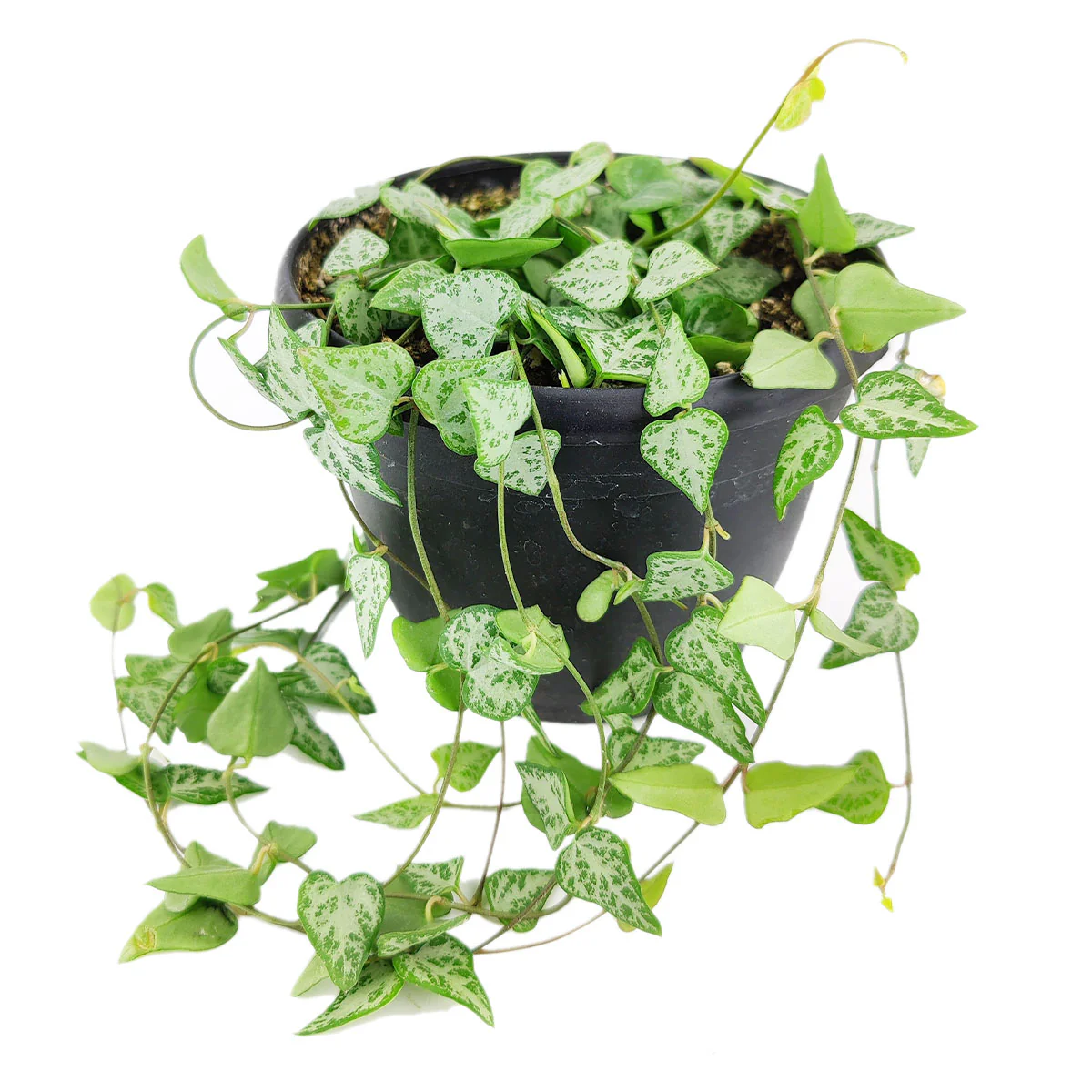
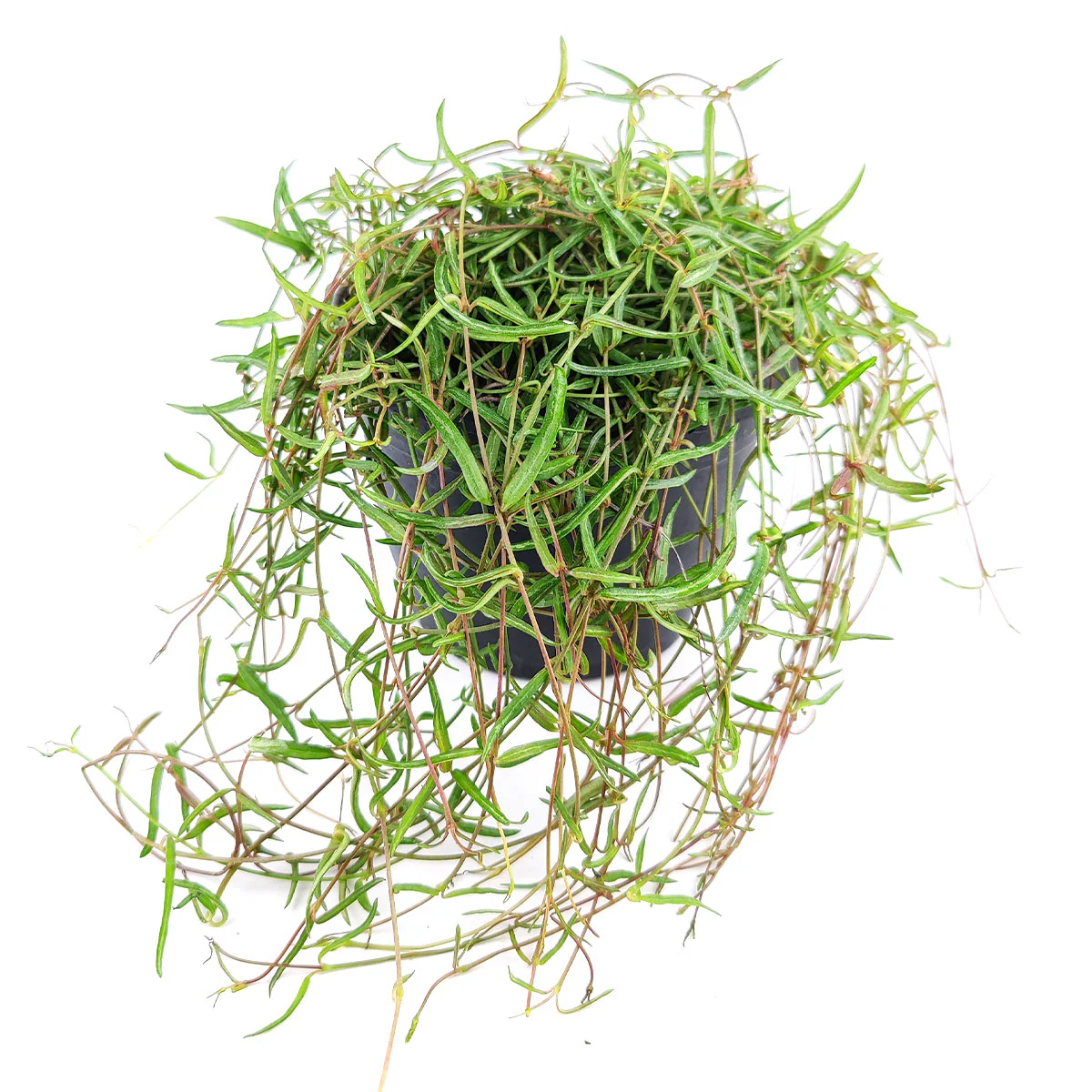
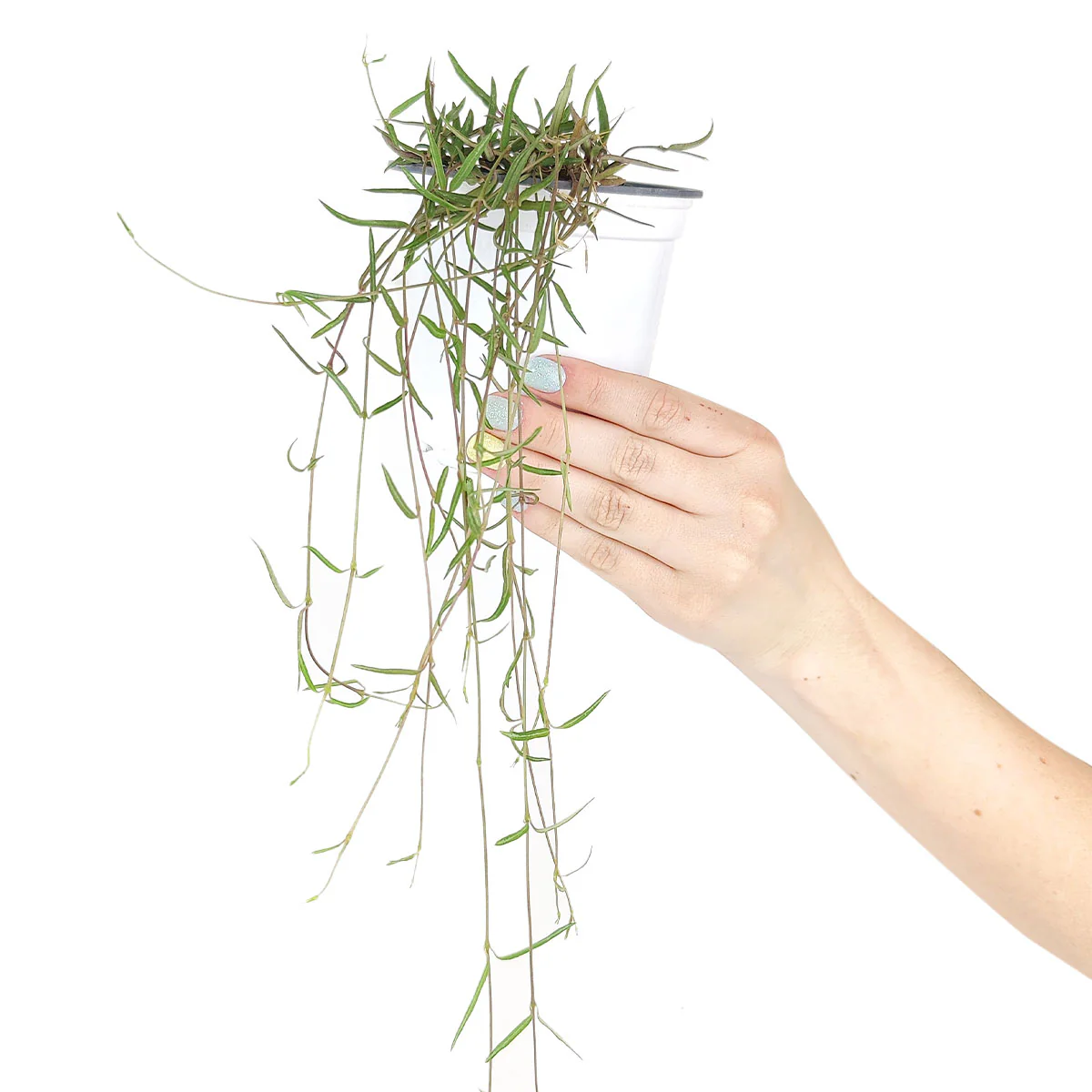
![]() Hoya 'Crassipetiolata' (Hoya crassipetiolata) is a rare tropical wax plant from the family Apocynaceae, native to the Philippines where it grows as an epiphyte in warm, humid forest environments. This collector-favorite trailing plant has been quietly winning hearts in the rare plant community, and it is easy to see why once you meet it in person.
Hoya 'Crassipetiolata' (Hoya crassipetiolata) is a rare tropical wax plant from the family Apocynaceae, native to the Philippines where it grows as an epiphyte in warm, humid forest environments. This collector-favorite trailing plant has been quietly winning hearts in the rare plant community, and it is easy to see why once you meet it in person.
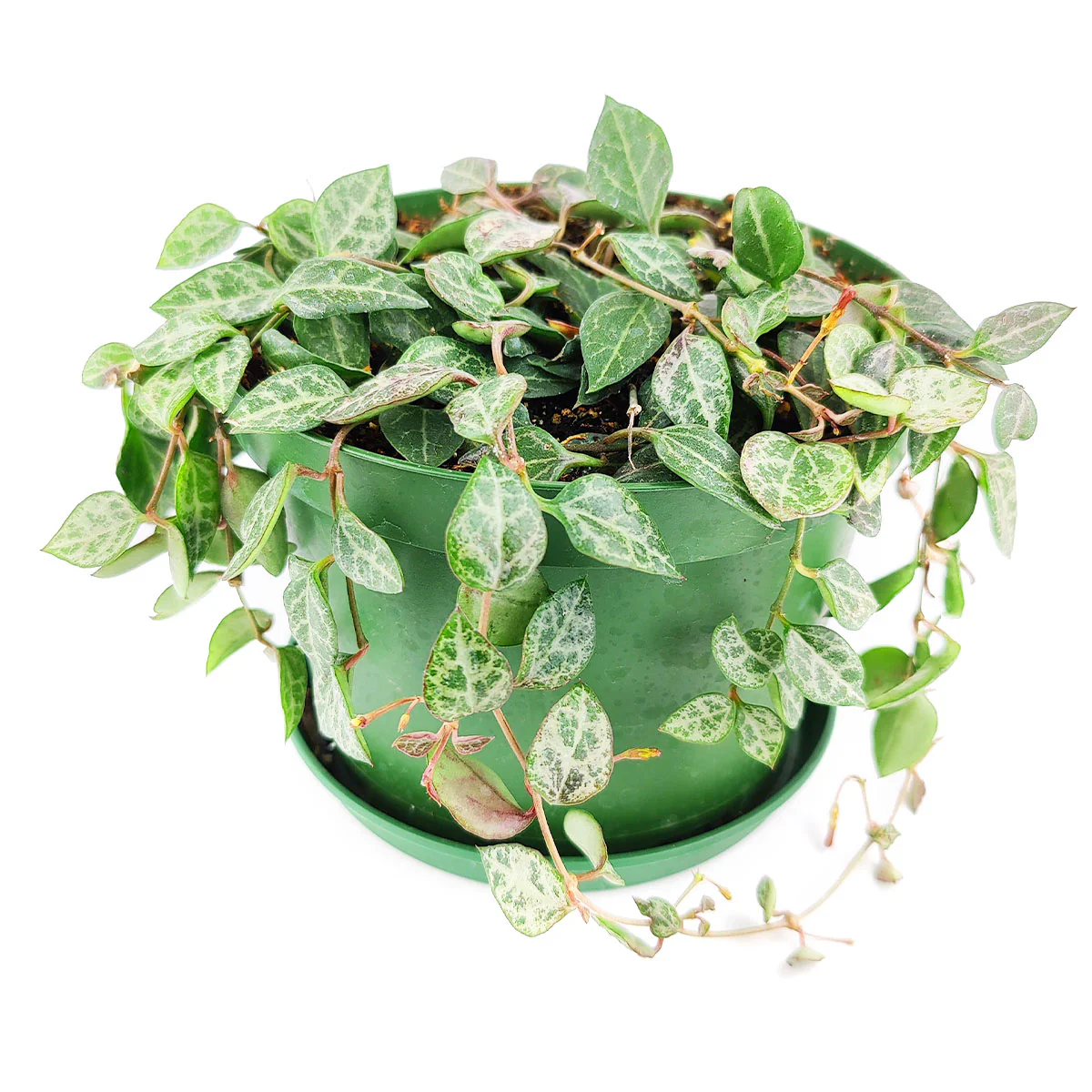
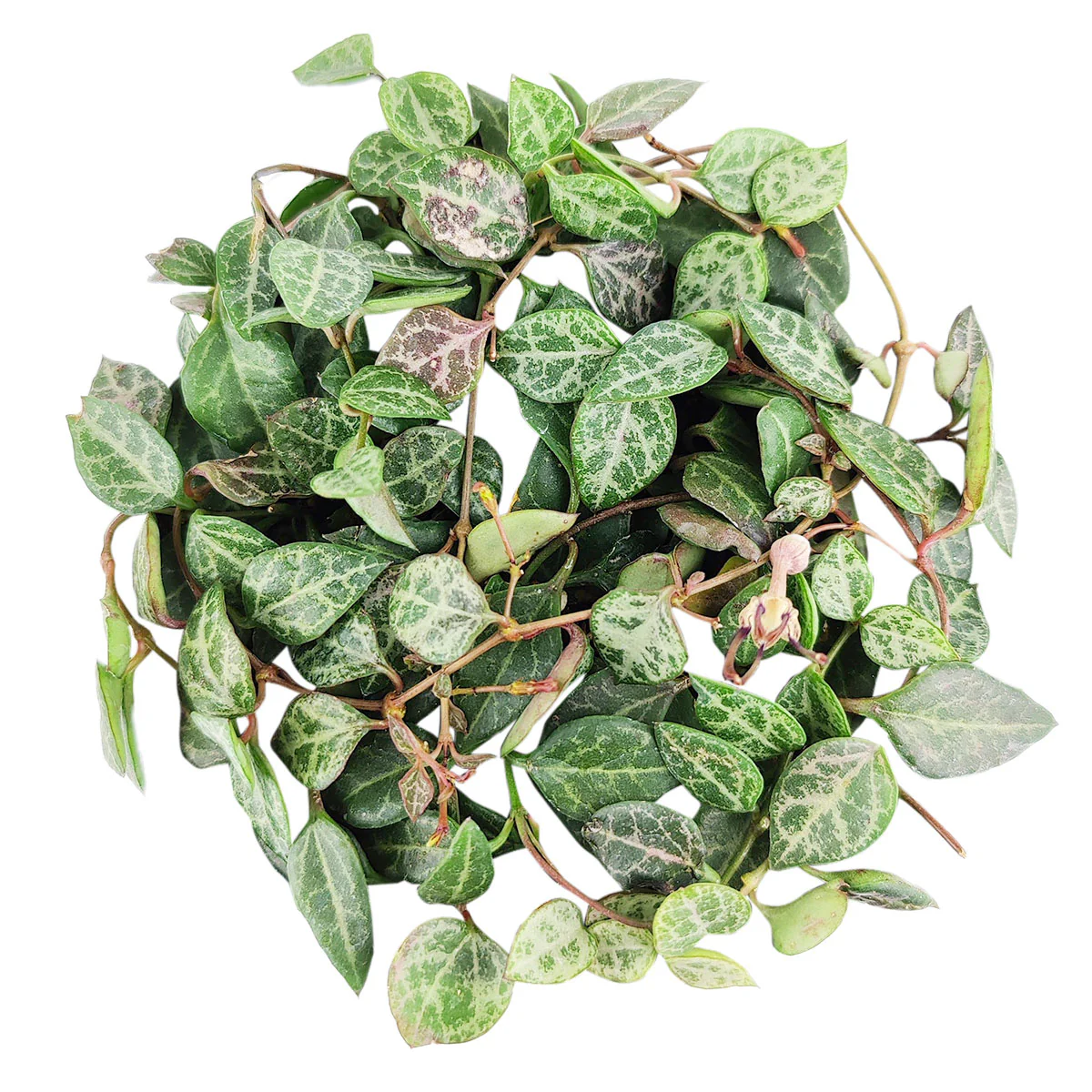
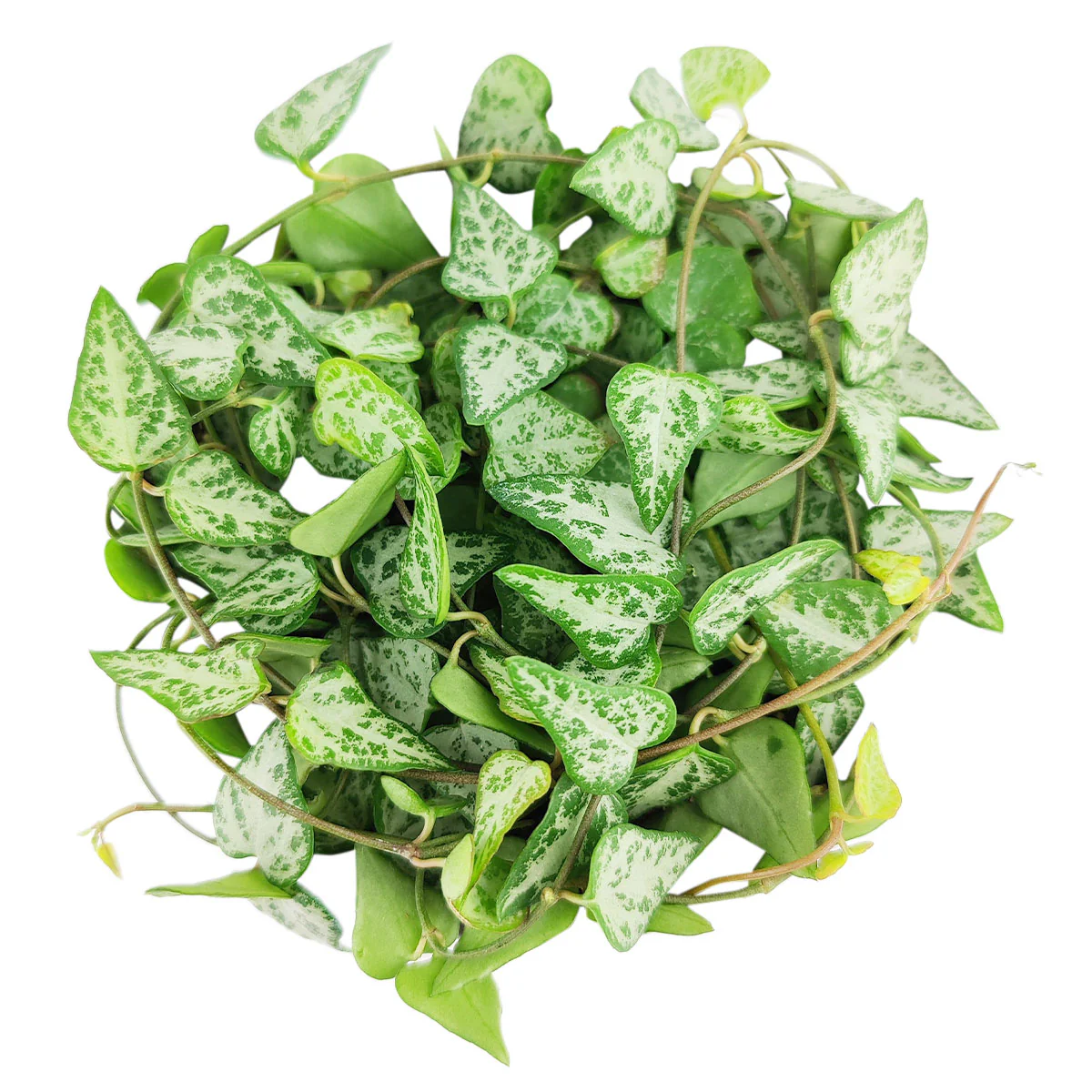
 Hoya 'Crassipetiolata' produces thick, waxy, deep green leaves with a slightly quilted or puckered texture that catches the light beautifully. The foliage is notably fleshy and robust, with a compact, rounded leaf shape that gives the vine a tidy, jewel-like appearance as it trails. Its lush, cascading growth form lends it a naturally bohemian look that suits hanging baskets, macrame hangers, and shelving displays equally well.
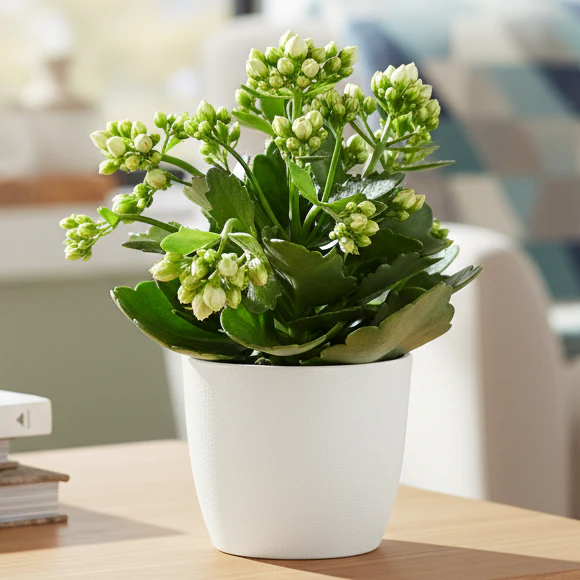
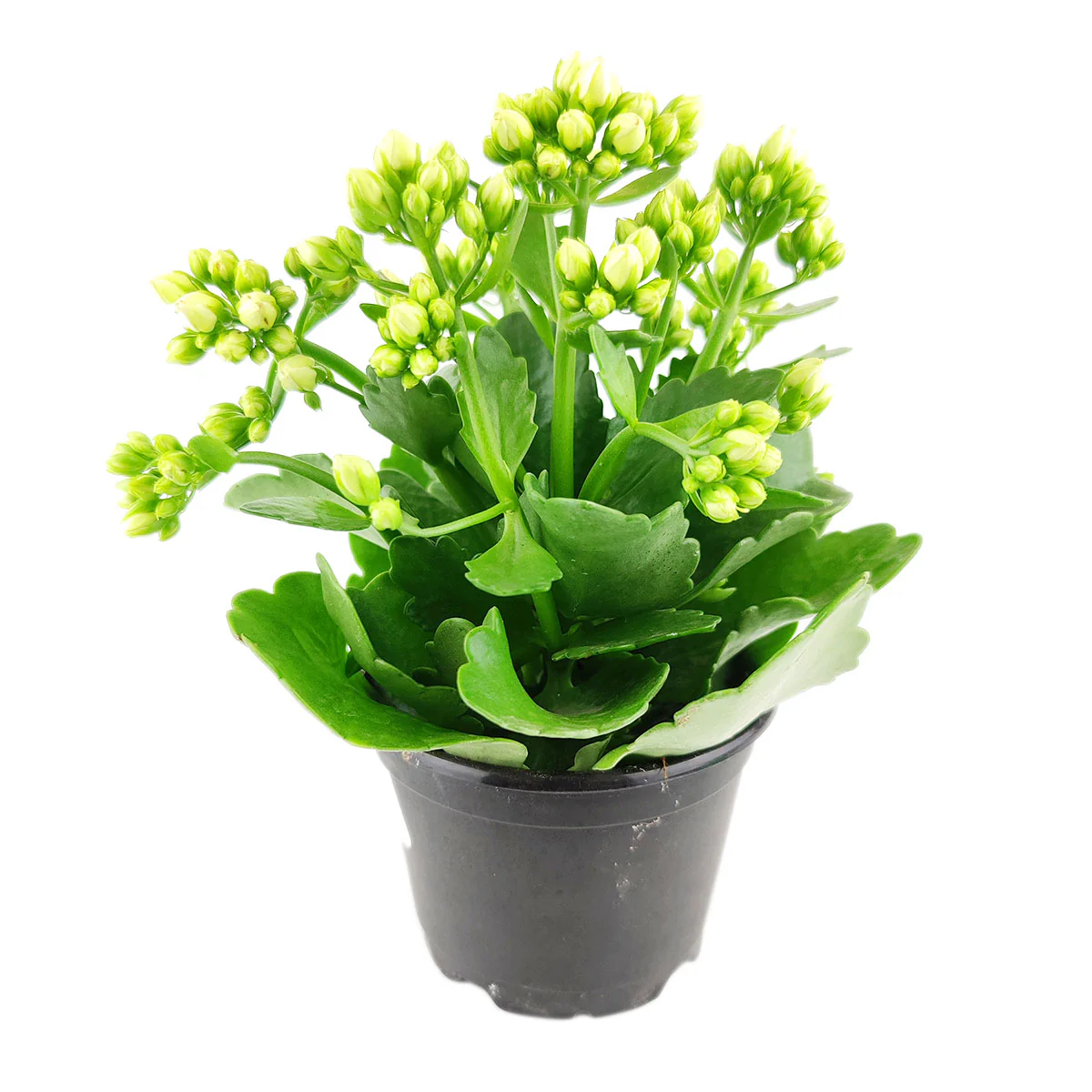
 Hoya 'Crassipetiolata' produces clusters of small, star-shaped flowers in the classic hoya umbel form, typically creamy to pinkish-white with a sweet, subtle fragrance. Blooms appear most reliably when the plant experiences a slight drop in nighttime temperatures, which signals the seasonal shift that triggers flowering. Keeping Hoya 'Crassipetiolata' slightly root-bound and allowing vines to mature undisturbed gives you the best shot at seeing those gorgeous blooms appear.
 Hoya 'Crassipetiolata' is a rare collector find that genuinely purifies indoor air, filtering formaldehyde and other household toxins while releasing oxygen. It is also completely pet-friendly, so you can display it confidently on a hanging hook or high shelf without worry. This plant thrives near kitchen or bathroom moisture, loves the humidity those spaces naturally provide, and can even spend summer outdoors on a sheltered patio as long as it is protected from heavy rain and kept away from cold windows, doors, or air conditioning vents, especially during the winter months. If you are heading out of town, Hoya 'Crassipetiolata' handles up to a 10-day trip alone without drama, and it will politely wilt to let you know when it is ready for a drink.
-
 Hoya 'Crassipetiolata' thrives in bright indirect light and will scorch in a south-facing window with intense direct sun.
 Water Hoya 'Crassipetiolata' every 7-10 days in spring and summer, allowing the top inch of soil to dry between waterings.
 Hoya 'Crassipetiolata' prefers a well-draining mix of perlite, orchid bark, and potting soil to prevent root rot.
 Hoya 'Crassipetiolata' prefers temperatures between 60-85°F (15-29°C) and should never be exposed to frost or temps below 50°F (10°C).
![]() Hoya 'Crassipetiolata' is a moderate slow grower; feed monthly in spring and summer with a balanced liquid fertilizer diluted to half strength.
Hoya 'Crassipetiolata' is a moderate slow grower; feed monthly in spring and summer with a balanced liquid fertilizer diluted to half strength.
 Hoya 'Crassipetiolata' is hardy in USDA Zones 10-11, where temperatures rarely dip below 30-35°F (-1 to 2°C), and it thrives year-round outdoors in warm, frost-free regions. In the United States, suitable outdoor climates include southern Florida, Hawaii, coastal and southern California, southern Texas, and parts of Arizona, making these the ideal spots for growing Hoya 'Crassipetiolata' in the ground or in sheltered patio containers. Gardeners across Louisiana, coastal Georgia, South Carolina, southern Mississippi, and Alabama can also grow it outdoors with protection during any brief cold snaps.
-
Q: Is Hoya 'Crassipetiolata' pet-friendly?
A: Yes, this plant is pet friendly and is considered non-toxic to cats and dogs, making it a safe choice for pet households.
Q: How often should I water Hoya 'Crassipetiolata'?
A: Water Hoya 'Crassipetiolata' every 7-10 days during the growing season, letting the top inch of soil dry out first. In winter, reduce watering to every 2-3 weeks.
Q: Why are the leaves on my Hoya 'Crassipetiolata' turning yellow?
A: Yellow leaves on Hoya 'Crassipetiolata' are most commonly caused by overwatering, poor drainage, or low humidity. Check that the soil is not staying soggy and that the plant is not sitting near an AC or heating vent.
Q: How do I propagate Hoya 'Crassipetiolata'?
A: Propagate Hoya 'Crassipetiolata' by taking a stem cutting with at least one node and one or two leaves, then rooting it in moist sphagnum moss or water in a warm, humid spot. Roots typically appear within 3-6 weeks.
Q: Is Hoya 'Crassipetiolata' a rare plant?
A: Yes, Hoya 'Crassipetiolata' is considered a rare collector find and is not commonly stocked in mainstream garden centers. It is a highly sought-after trailing wax plant among hoya enthusiasts.
Q: Can I grow Hoya 'Crassipetiolata' outside in summer?
A: Hoya 'Crassipetiolata' can move outdoors for summer in a sheltered, shaded spot, but it must be protected from direct rain, harsh sun, and any sudden temperature drops below 50°F (10°C).


Original: $37.00
-70%$37.00
$11.10Product Information
Product Information
Shipping & Returns
Shipping & Returns
Description
- Description
- Hoya 'Crassipetiolata' Care Guide
- FAQ/Common Issues
-
![]() Hoya 'Crassipetiolata' (Hoya crassipetiolata) is a rare tropical wax plant from the family Apocynaceae, native to the Philippines where it grows as an epiphyte in warm, humid forest environments. This collector-favorite trailing plant has been quietly winning hearts in the rare plant community, and it is easy to see why once you meet it in person.
Hoya 'Crassipetiolata' (Hoya crassipetiolata) is a rare tropical wax plant from the family Apocynaceae, native to the Philippines where it grows as an epiphyte in warm, humid forest environments. This collector-favorite trailing plant has been quietly winning hearts in the rare plant community, and it is easy to see why once you meet it in person.
Hoya 'Crassipetiolata' produces thick, waxy, deep green leaves with a slightly quilted or puckered texture that catches the light beautifully. The foliage is notably fleshy and robust, with a compact, rounded leaf shape that gives the vine a tidy, jewel-like appearance as it trails. Its lush, cascading growth form lends it a naturally bohemian look that suits hanging baskets, macrame hangers, and shelving displays equally well.
Hoya 'Crassipetiolata' produces clusters of small, star-shaped flowers in the classic hoya umbel form, typically creamy to pinkish-white with a sweet, subtle fragrance. Blooms appear most reliably when the plant experiences a slight drop in nighttime temperatures, which signals the seasonal shift that triggers flowering. Keeping Hoya 'Crassipetiolata' slightly root-bound and allowing vines to mature undisturbed gives you the best shot at seeing those gorgeous blooms appear.
Hoya 'Crassipetiolata' is a rare collector find that genuinely purifies indoor air, filtering formaldehyde and other household toxins while releasing oxygen. It is also completely pet-friendly, so you can display it confidently on a hanging hook or high shelf without worry. This plant thrives near kitchen or bathroom moisture, loves the humidity those spaces naturally provide, and can even spend summer outdoors on a sheltered patio as long as it is protected from heavy rain and kept away from cold windows, doors, or air conditioning vents, especially during the winter months. If you are heading out of town, Hoya 'Crassipetiolata' handles up to a 10-day trip alone without drama, and it will politely wilt to let you know when it is ready for a drink.
-
Hoya 'Crassipetiolata' thrives in bright indirect light and will scorch in a south-facing window with intense direct sun.
Water Hoya 'Crassipetiolata' every 7-10 days in spring and summer, allowing the top inch of soil to dry between waterings.
Hoya 'Crassipetiolata' prefers a well-draining mix of perlite, orchid bark, and potting soil to prevent root rot.
Hoya 'Crassipetiolata' prefers temperatures between 60-85°F (15-29°C) and should never be exposed to frost or temps below 50°F (10°C).
![]() Hoya 'Crassipetiolata' is a moderate slow grower; feed monthly in spring and summer with a balanced liquid fertilizer diluted to half strength.
Hoya 'Crassipetiolata' is a moderate slow grower; feed monthly in spring and summer with a balanced liquid fertilizer diluted to half strength.
Hoya 'Crassipetiolata' is hardy in USDA Zones 10-11, where temperatures rarely dip below 30-35°F (-1 to 2°C), and it thrives year-round outdoors in warm, frost-free regions. In the United States, suitable outdoor climates include southern Florida, Hawaii, coastal and southern California, southern Texas, and parts of Arizona, making these the ideal spots for growing Hoya 'Crassipetiolata' in the ground or in sheltered patio containers. Gardeners across Louisiana, coastal Georgia, South Carolina, southern Mississippi, and Alabama can also grow it outdoors with protection during any brief cold snaps.
-
Q: Is Hoya 'Crassipetiolata' pet-friendly?
A: Yes, this plant is pet friendly and is considered non-toxic to cats and dogs, making it a safe choice for pet households.
Q: How often should I water Hoya 'Crassipetiolata'?
A: Water Hoya 'Crassipetiolata' every 7-10 days during the growing season, letting the top inch of soil dry out first. In winter, reduce watering to every 2-3 weeks.
Q: Why are the leaves on my Hoya 'Crassipetiolata' turning yellow?
A: Yellow leaves on Hoya 'Crassipetiolata' are most commonly caused by overwatering, poor drainage, or low humidity. Check that the soil is not staying soggy and that the plant is not sitting near an AC or heating vent.
Q: How do I propagate Hoya 'Crassipetiolata'?
A: Propagate Hoya 'Crassipetiolata' by taking a stem cutting with at least one node and one or two leaves, then rooting it in moist sphagnum moss or water in a warm, humid spot. Roots typically appear within 3-6 weeks.
Q: Is Hoya 'Crassipetiolata' a rare plant?
A: Yes, Hoya 'Crassipetiolata' is considered a rare collector find and is not commonly stocked in mainstream garden centers. It is a highly sought-after trailing wax plant among hoya enthusiasts.
Q: Can I grow Hoya 'Crassipetiolata' outside in summer?
A: Hoya 'Crassipetiolata' can move outdoors for summer in a sheltered, shaded spot, but it must be protected from direct rain, harsh sun, and any sudden temperature drops below 50°F (10°C).