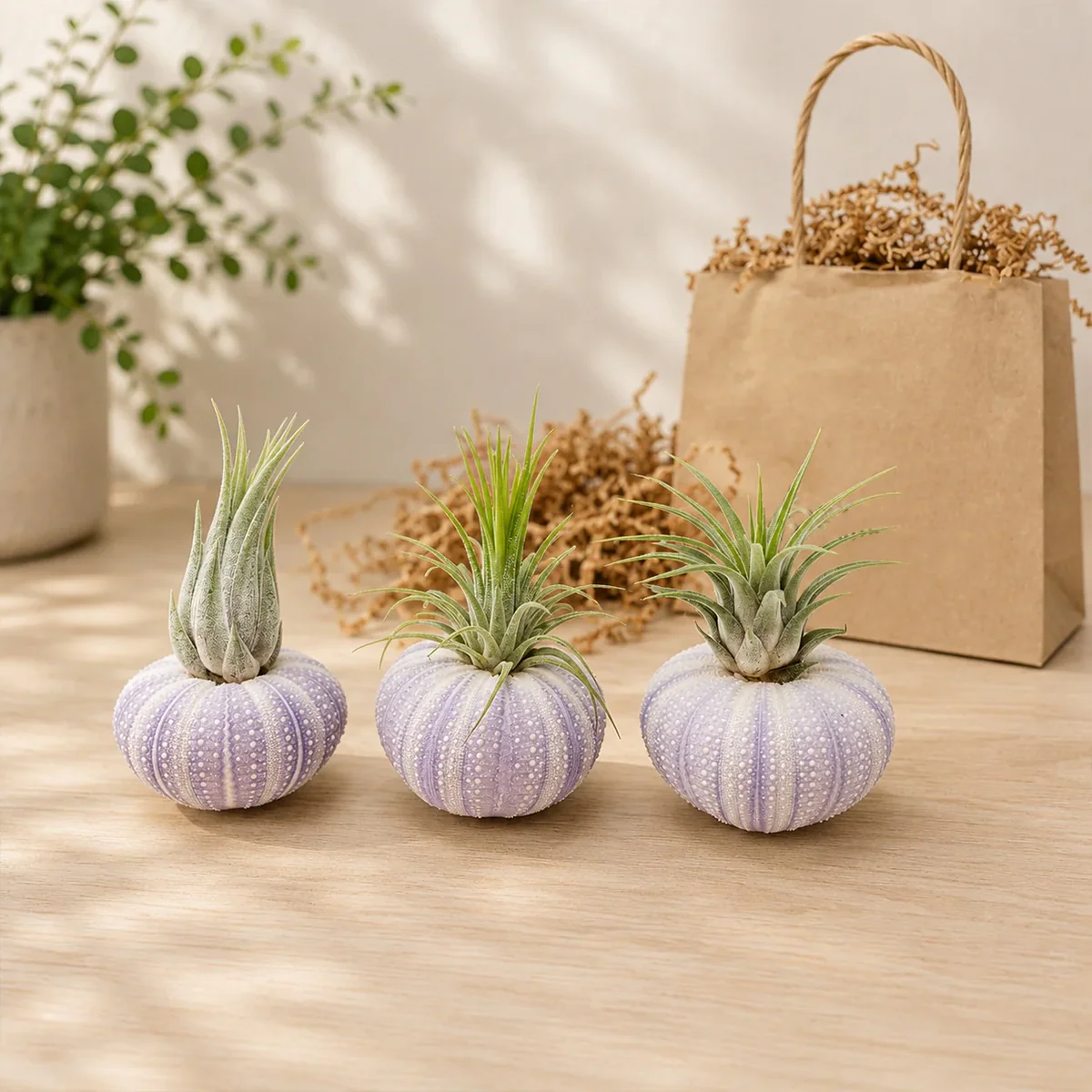
Gift Wrapped Set of 3 Purple Urchins with Tillandsia Air Plants
- Description
- Light/Soil/Water
- Hardiness
-
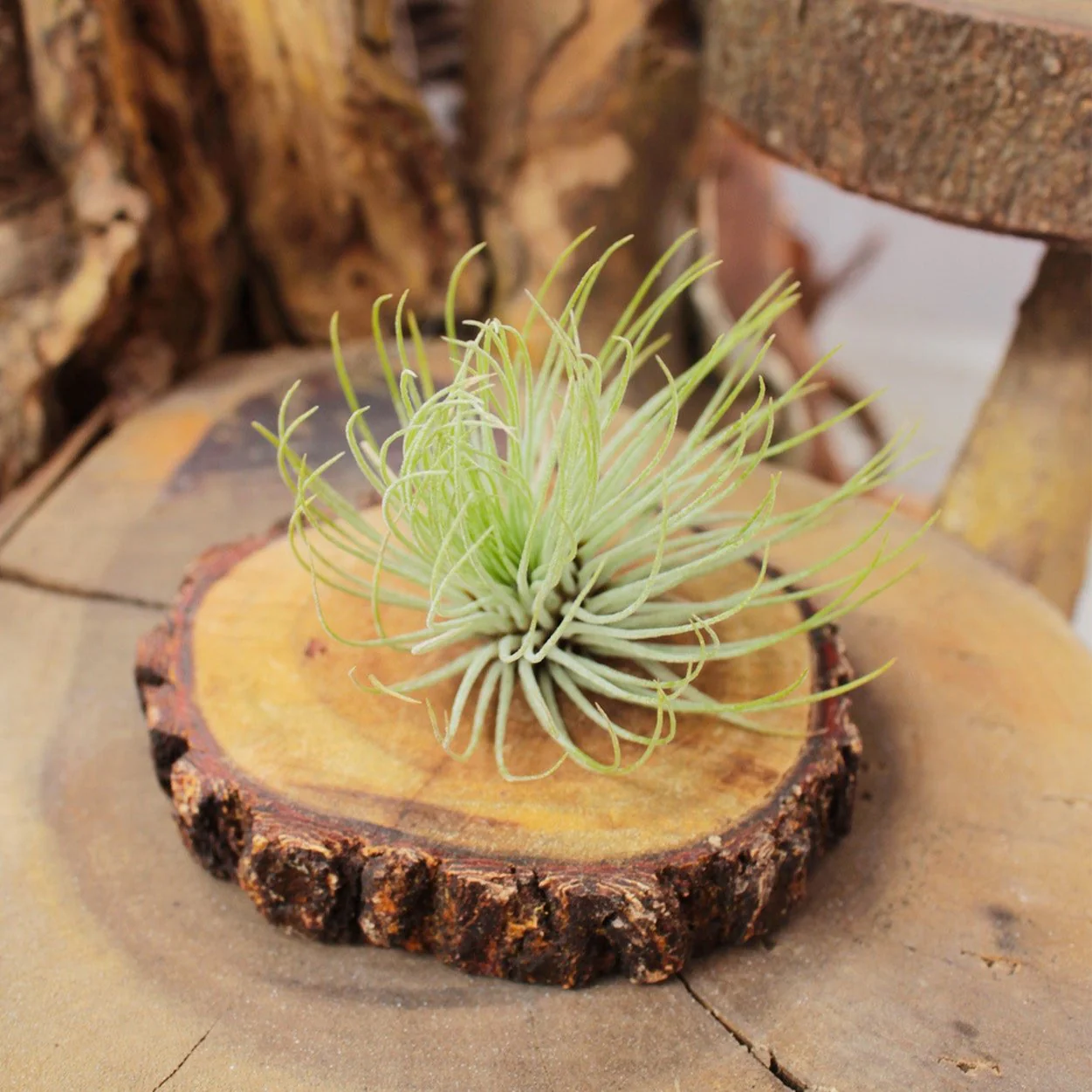
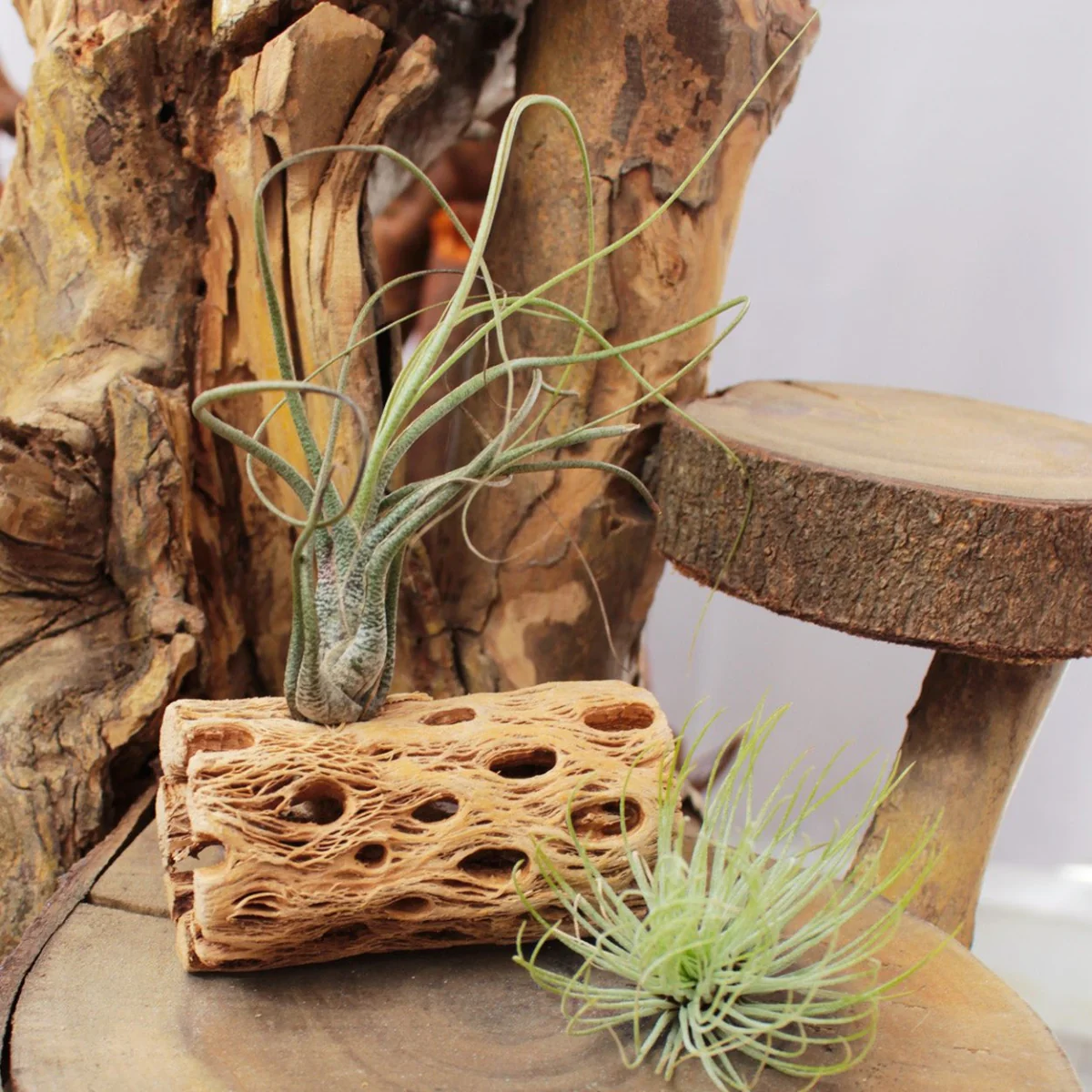
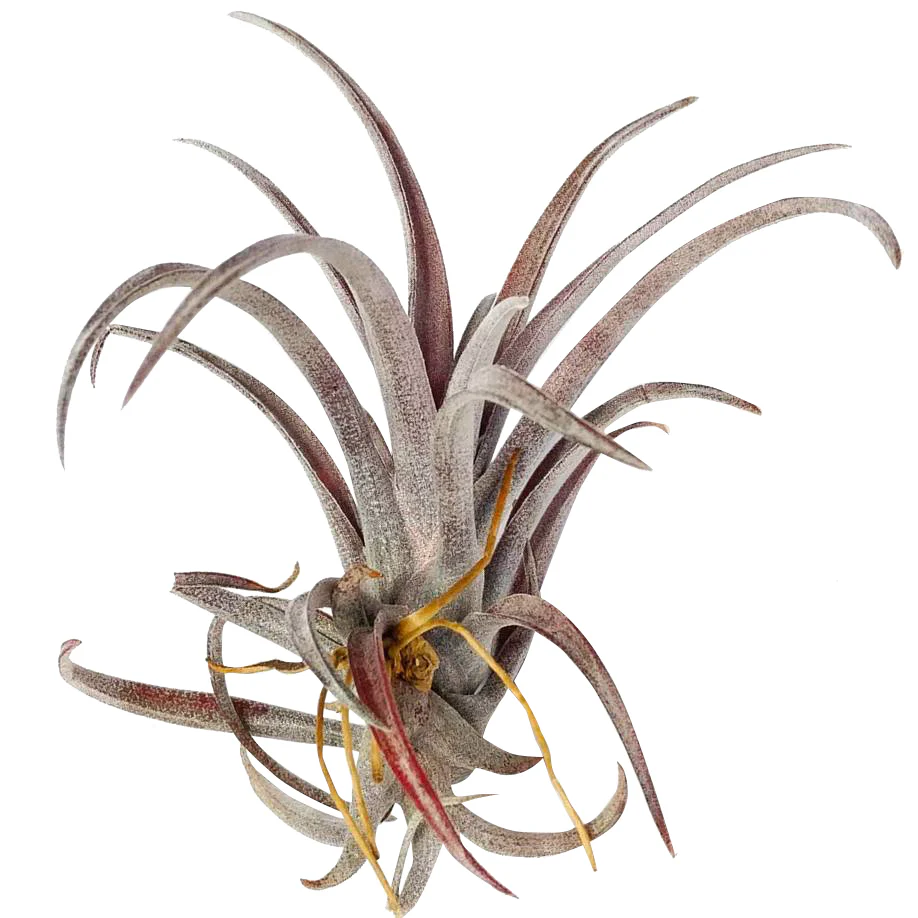
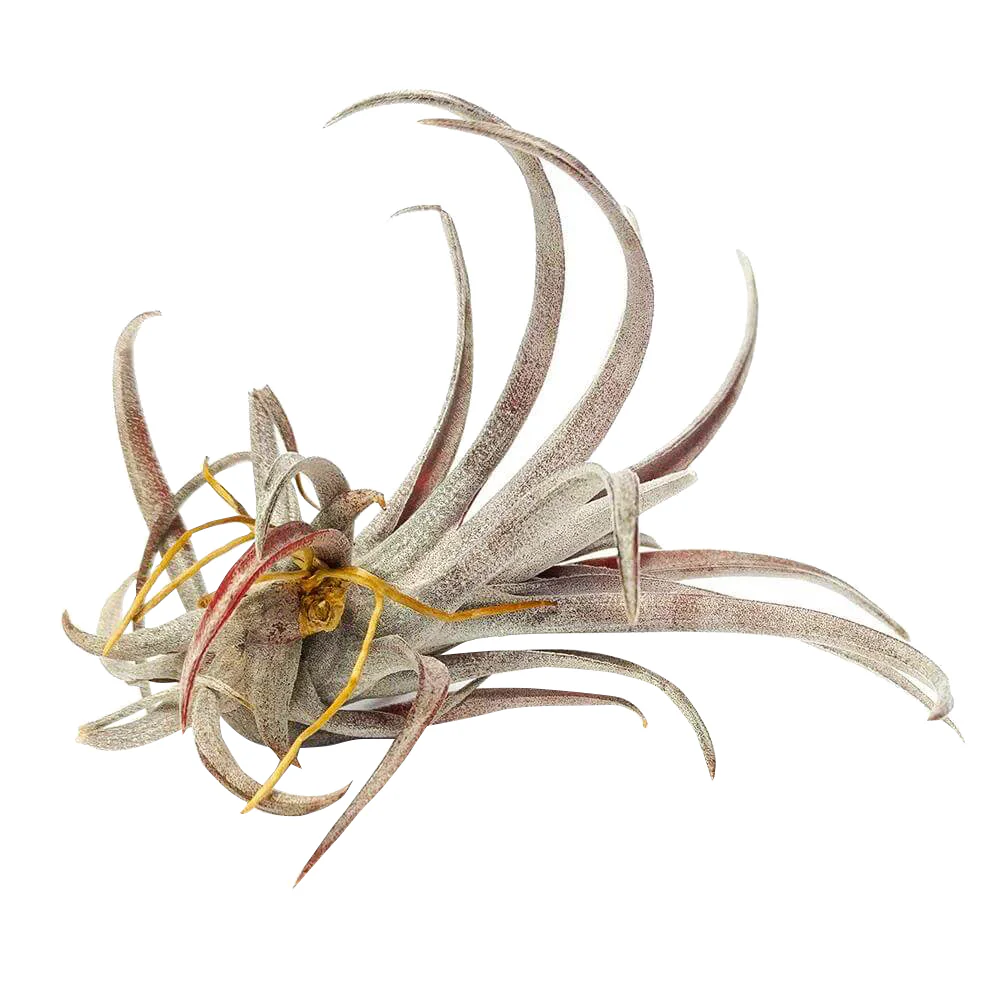
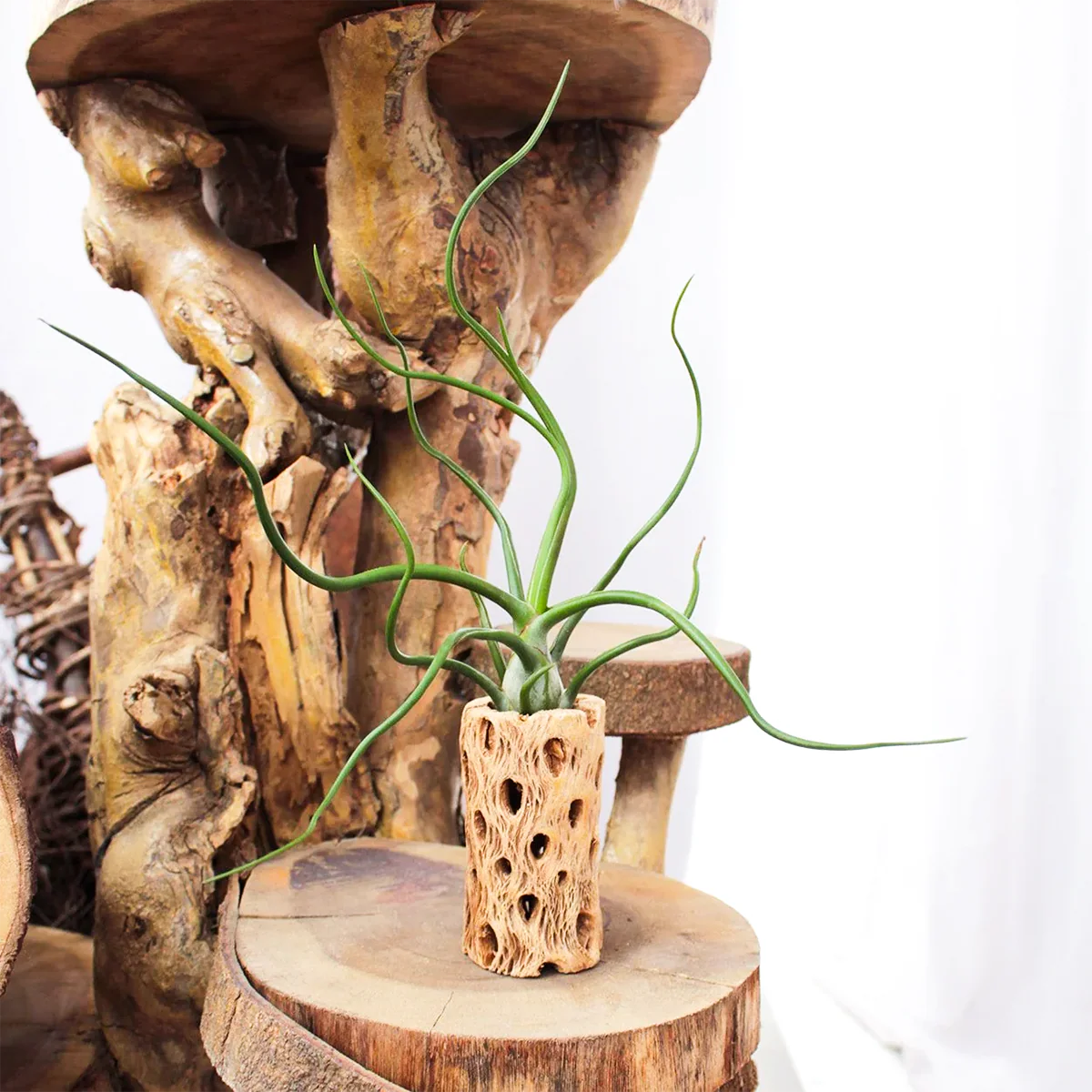
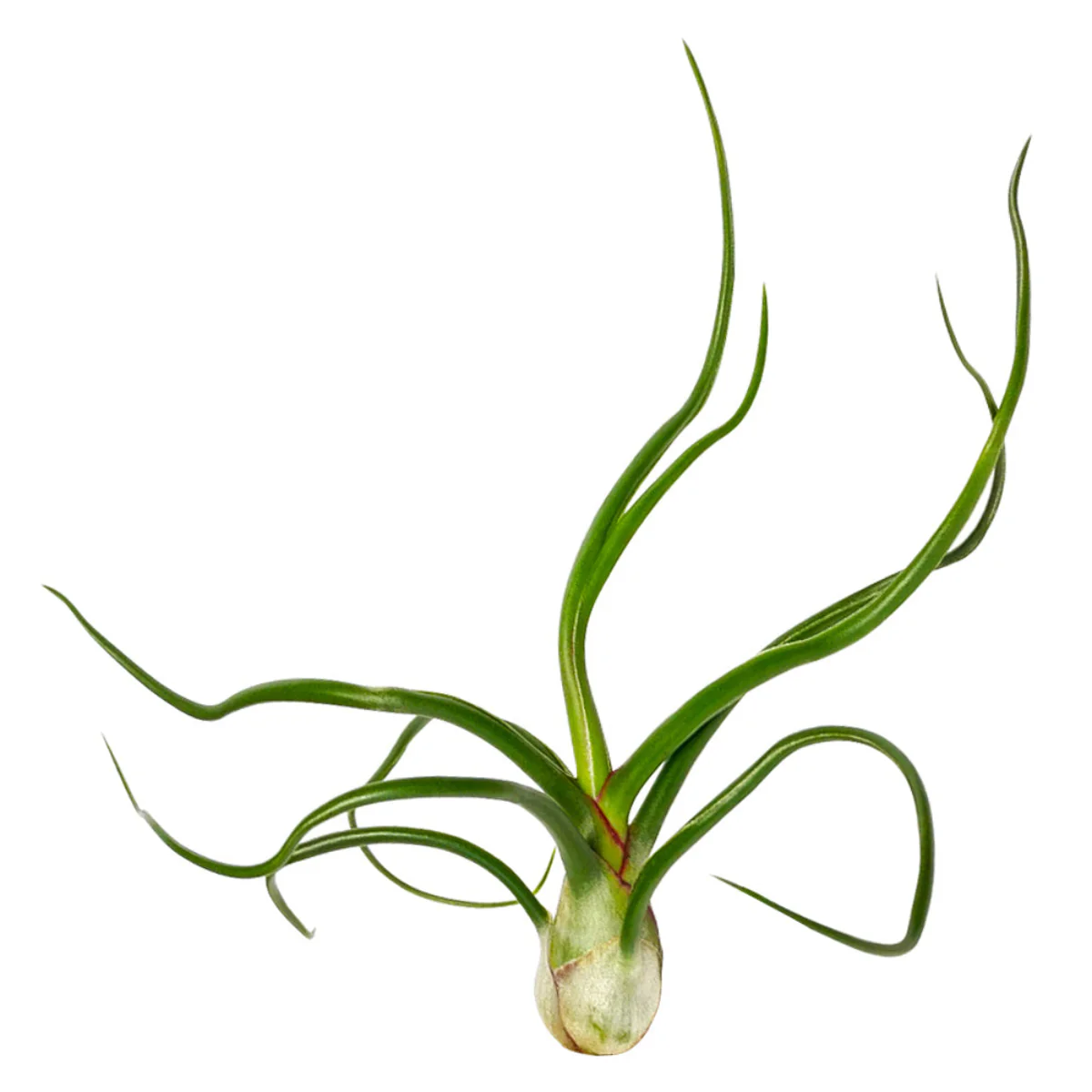
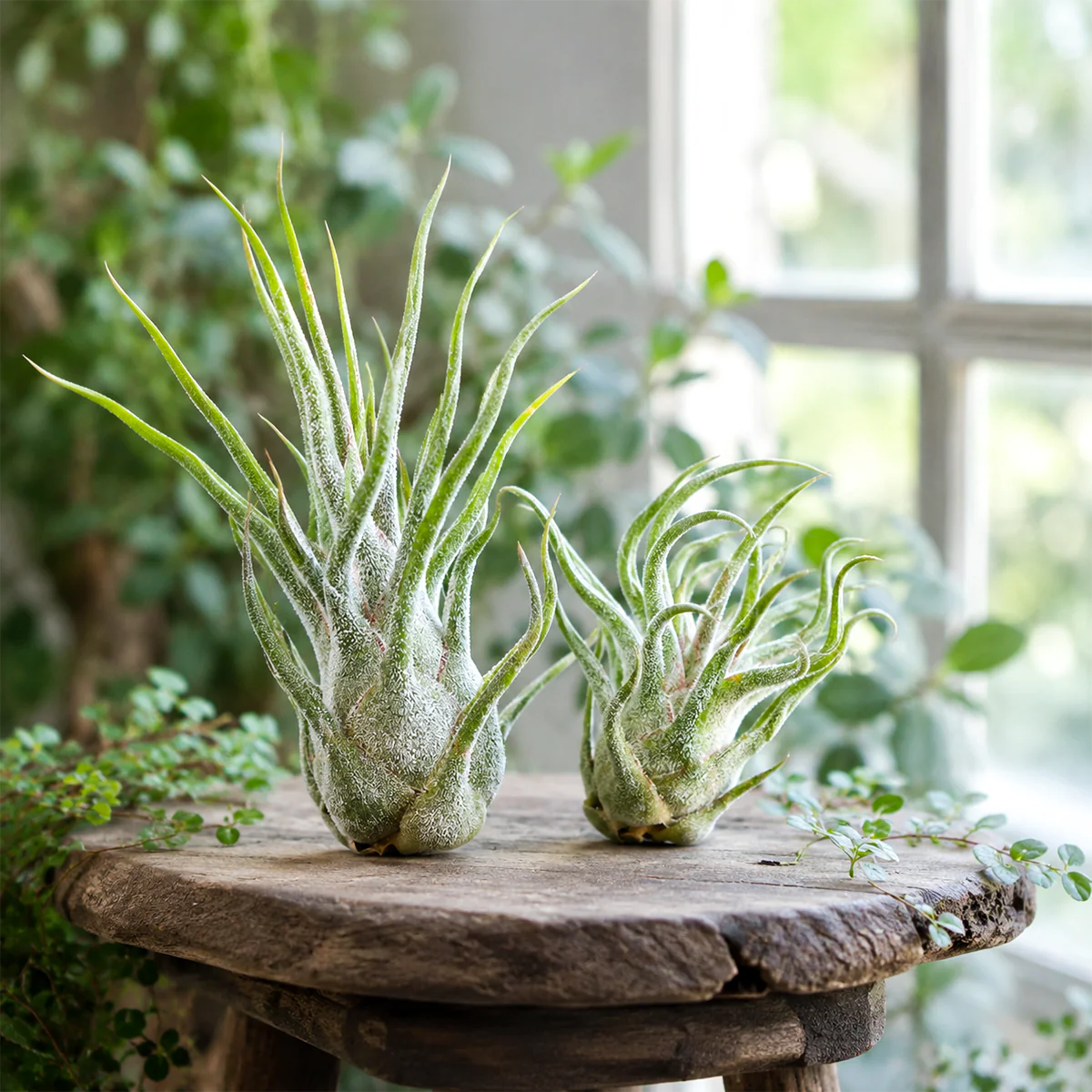
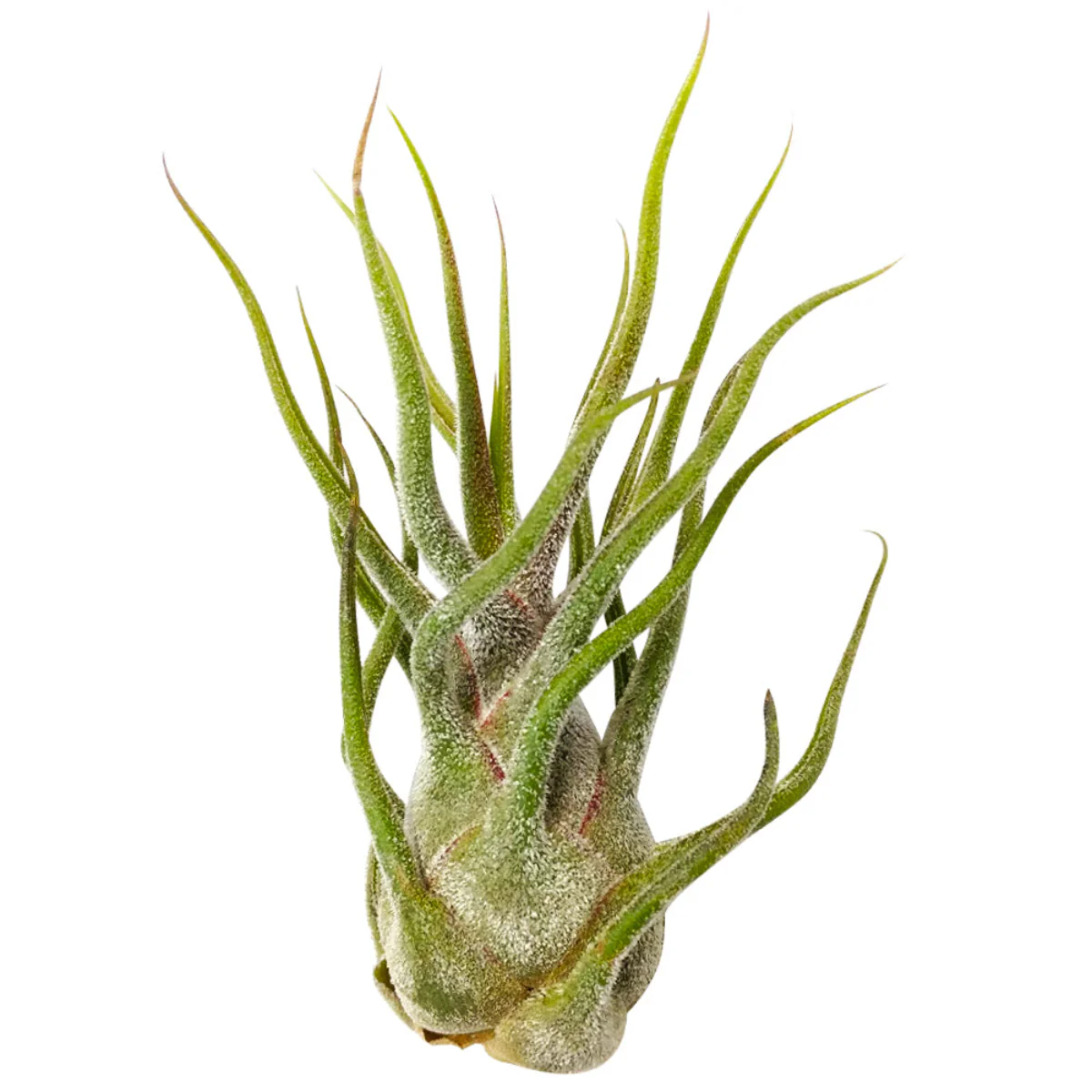
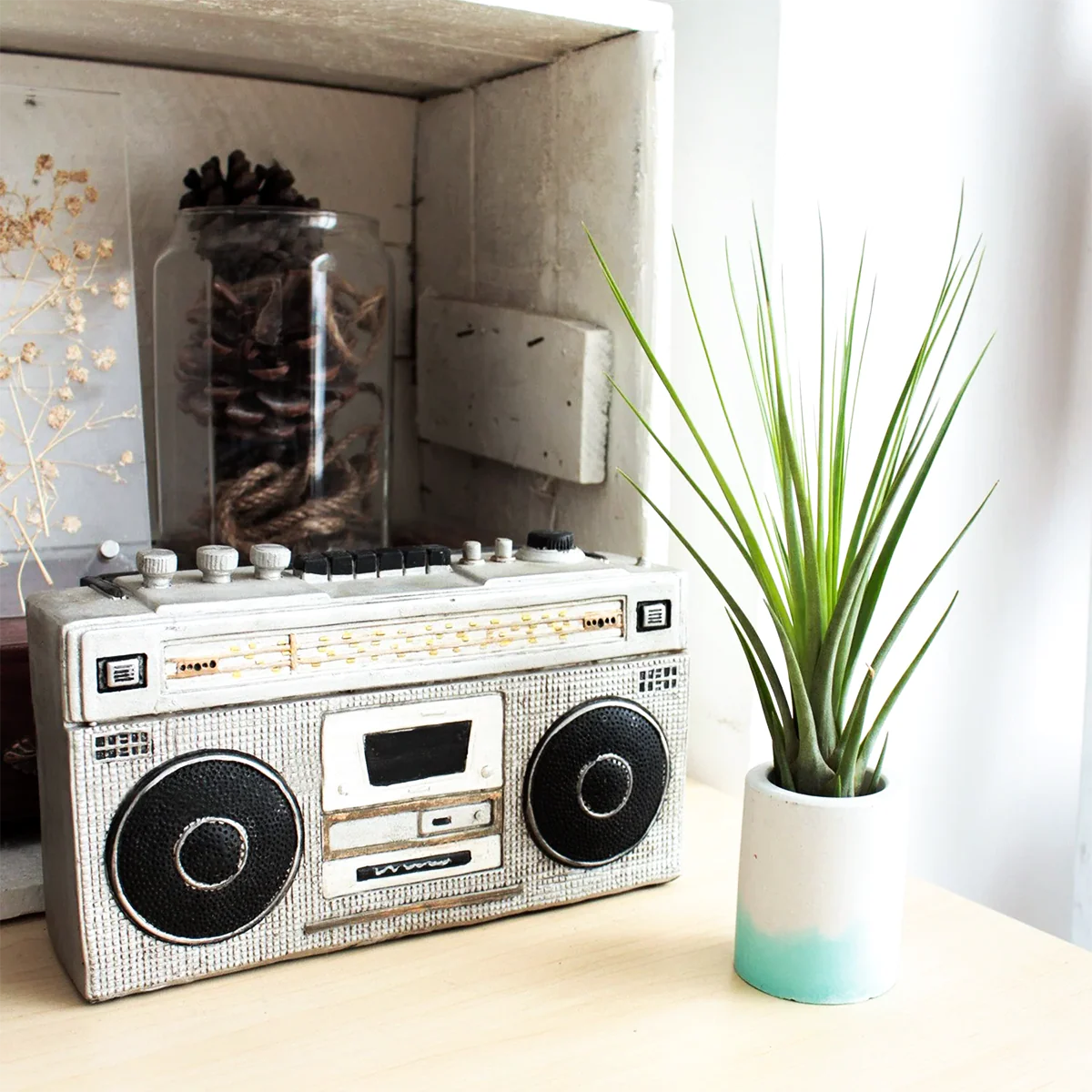
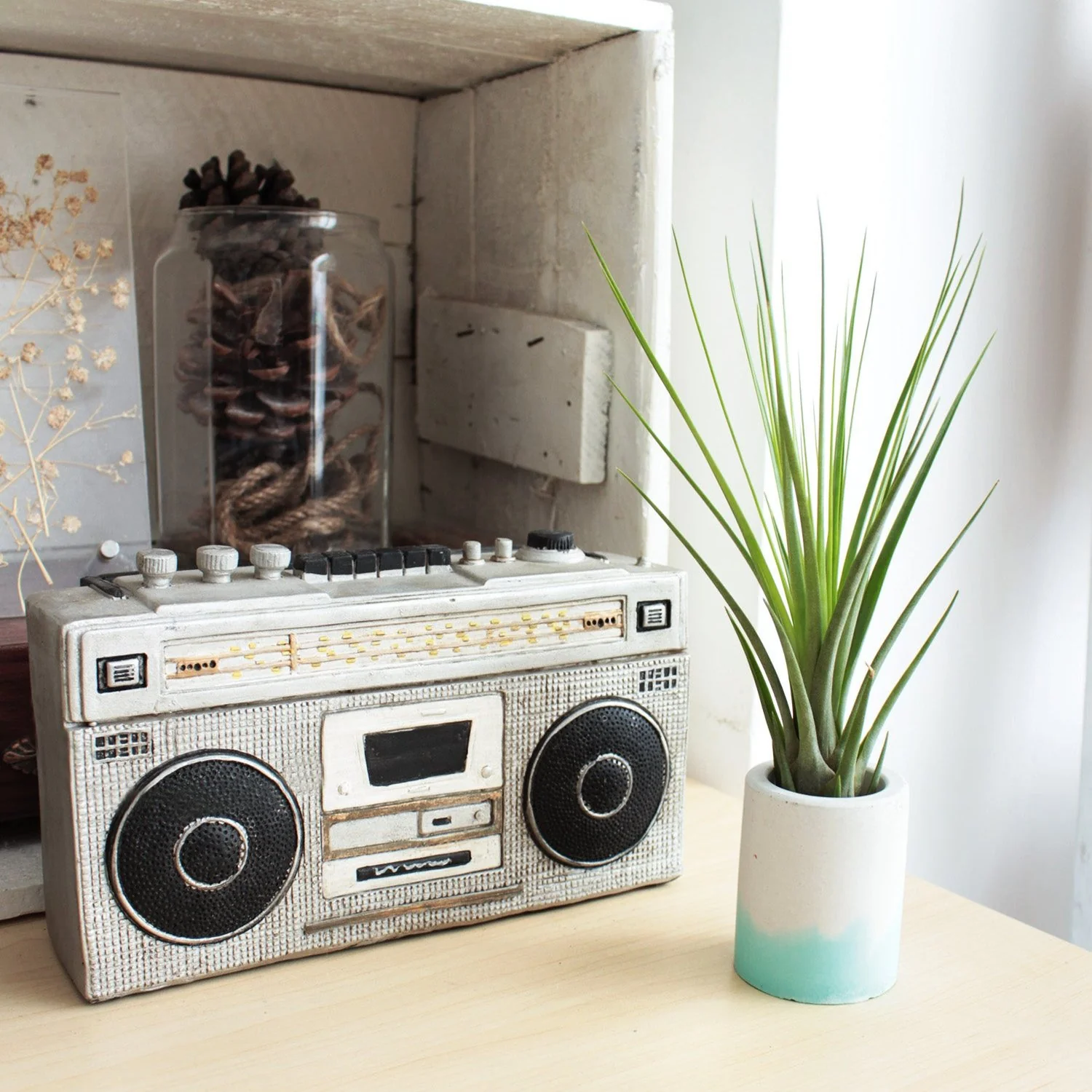
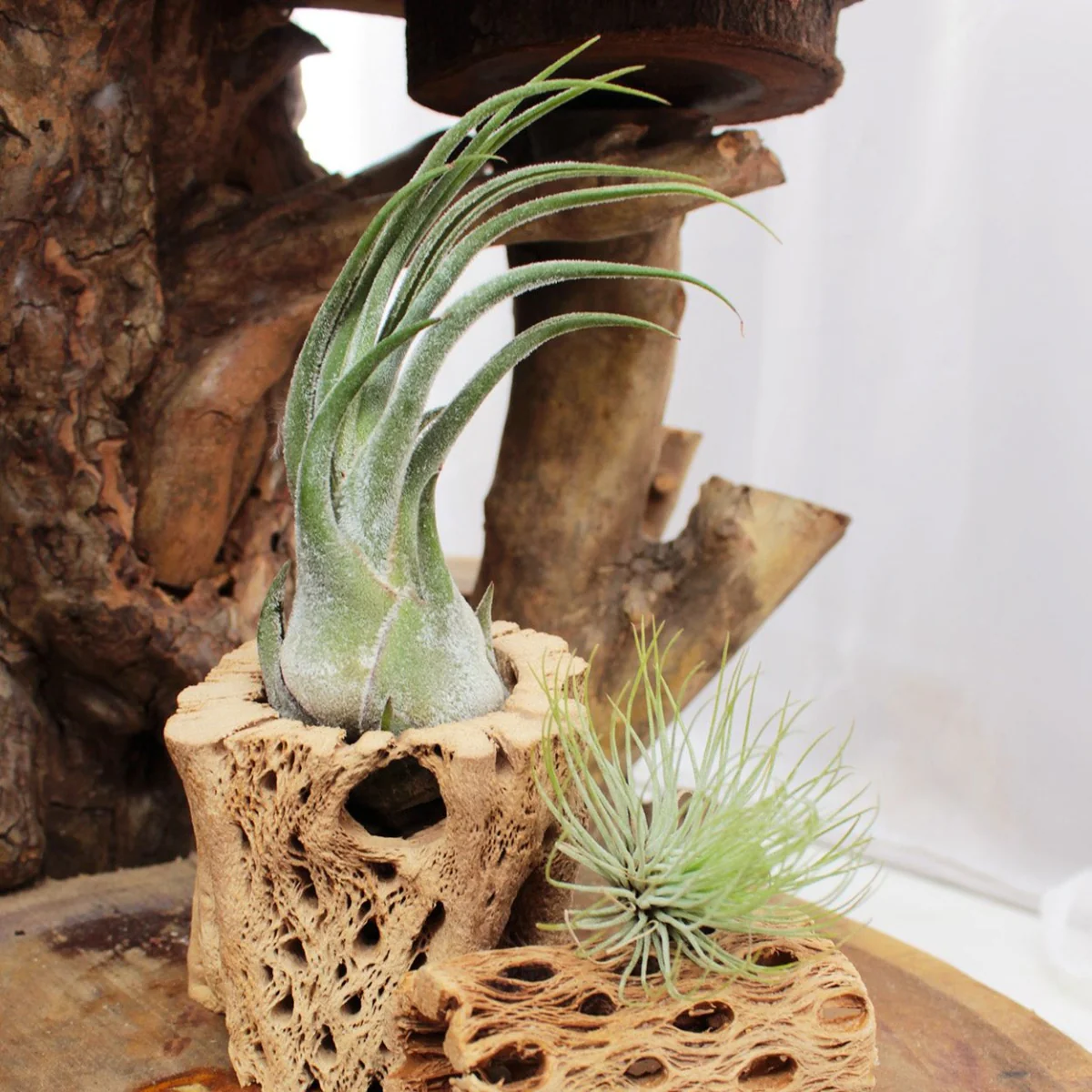
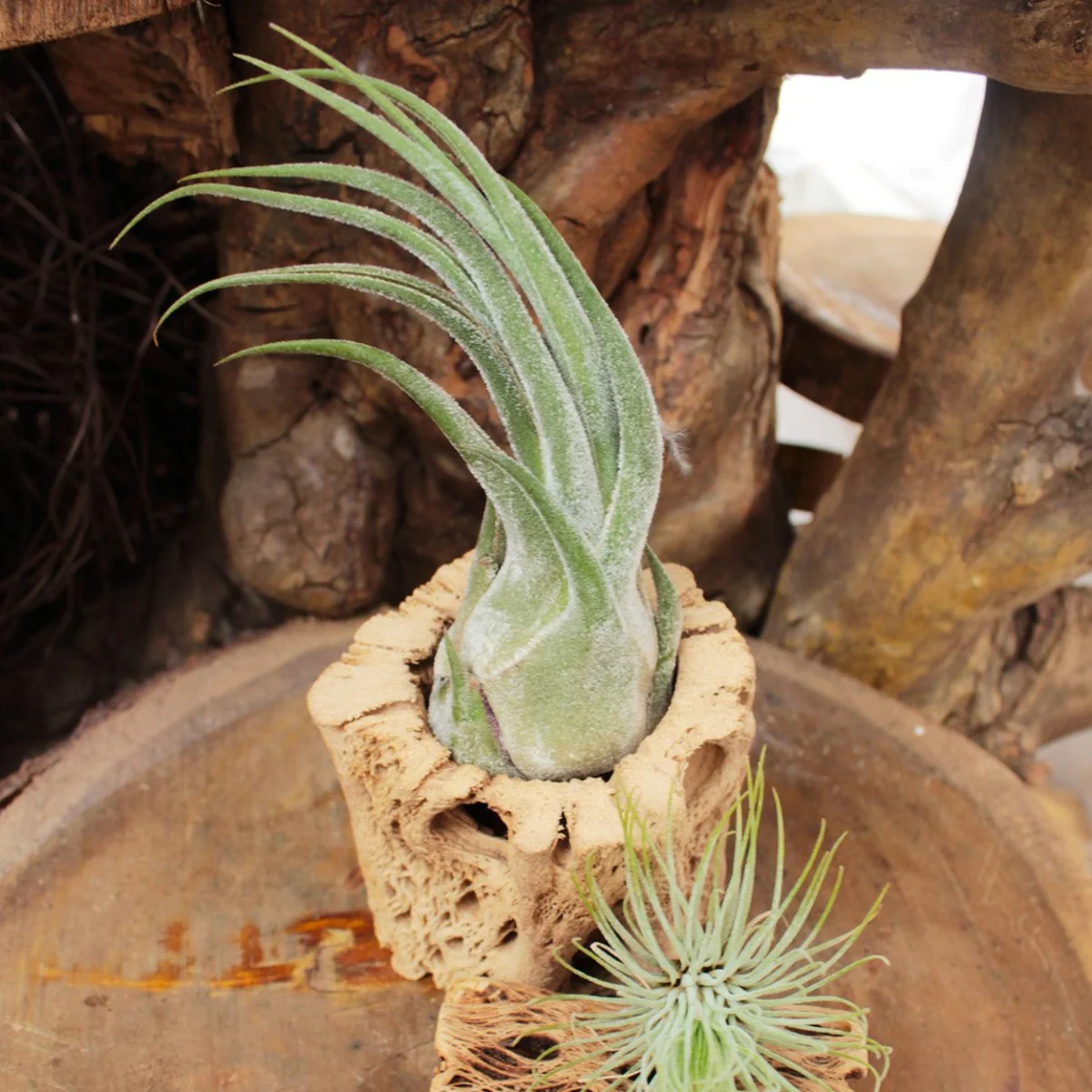
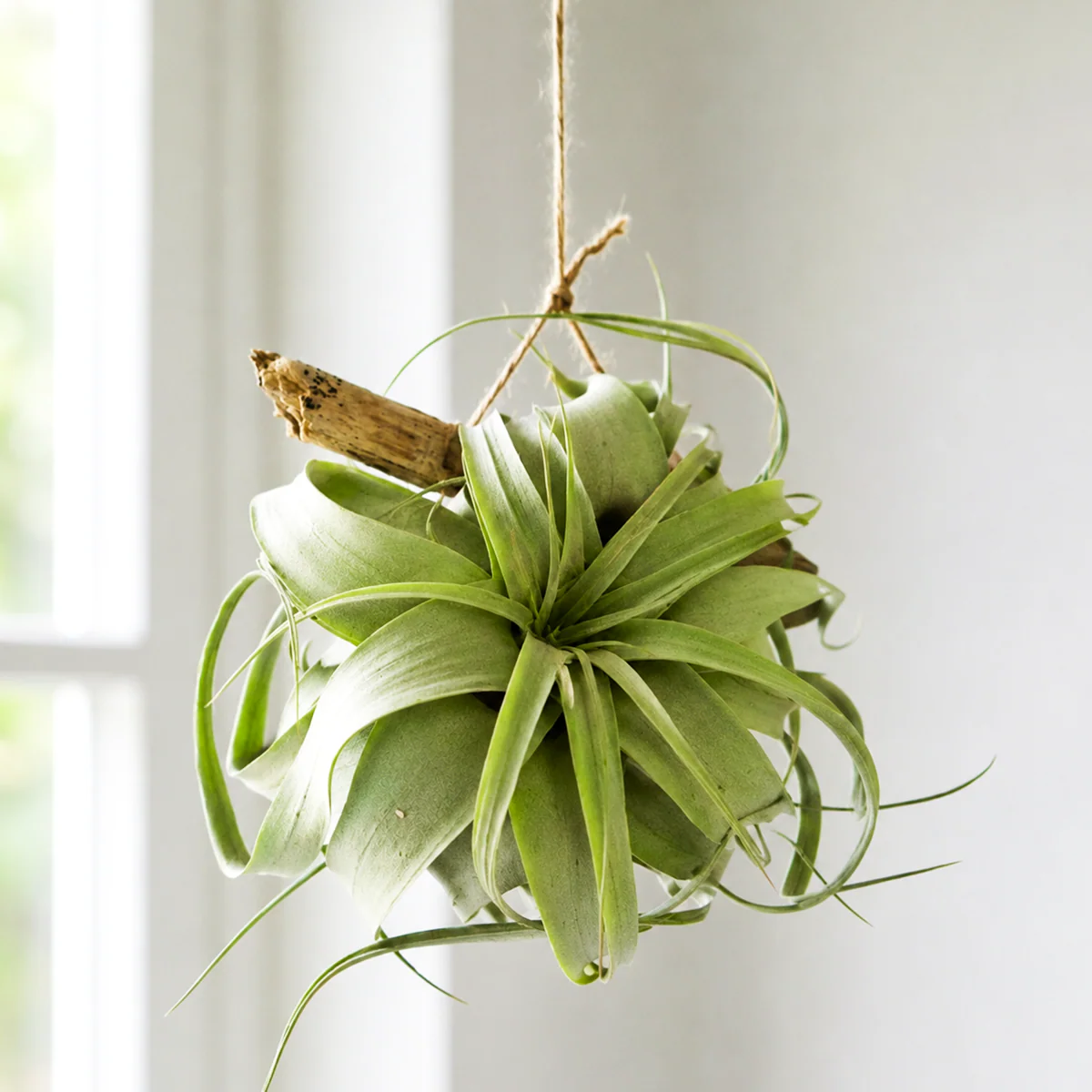
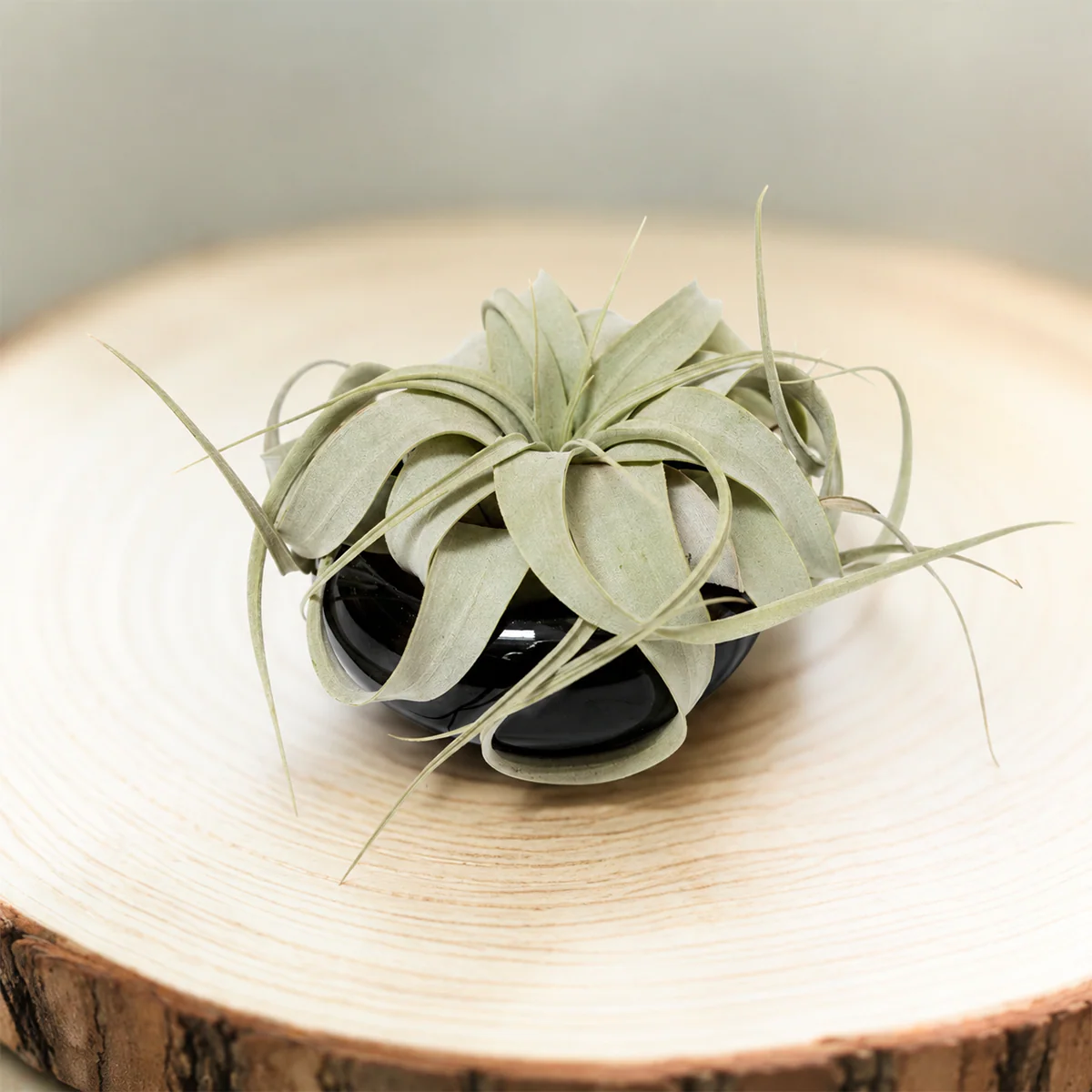
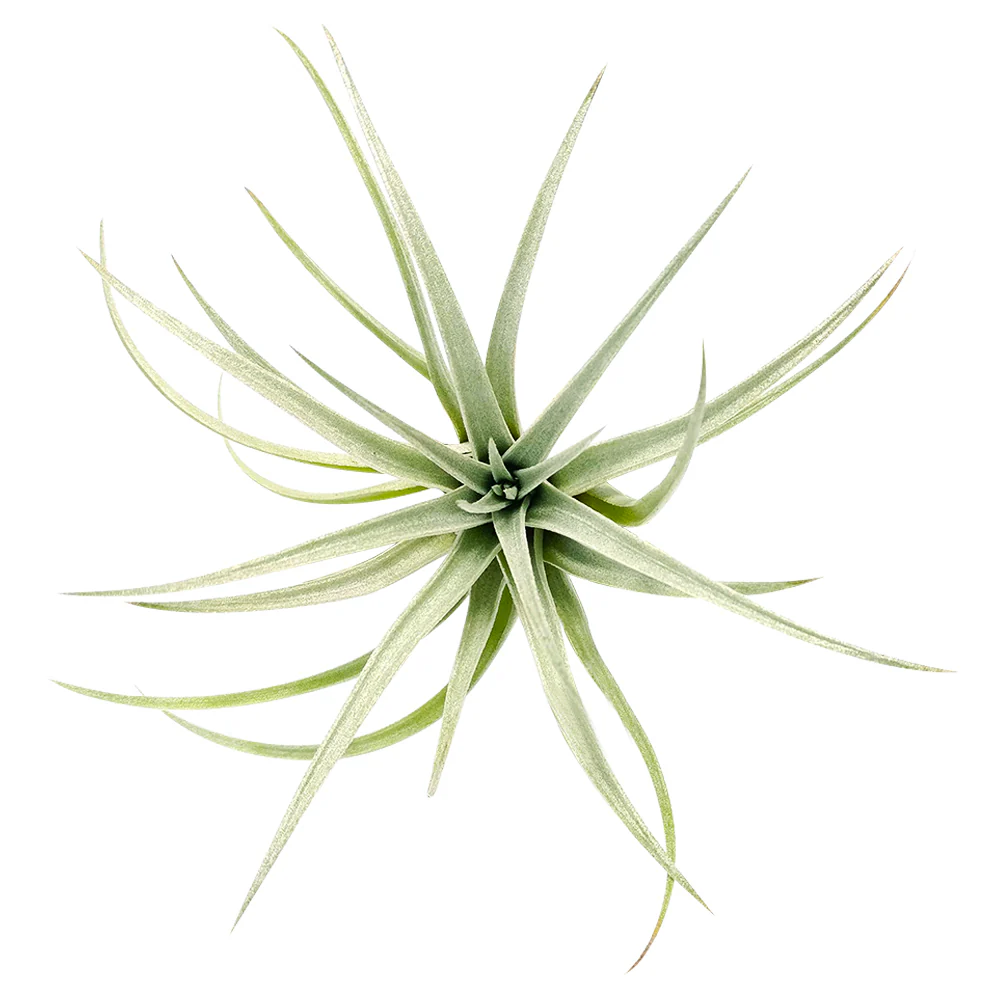
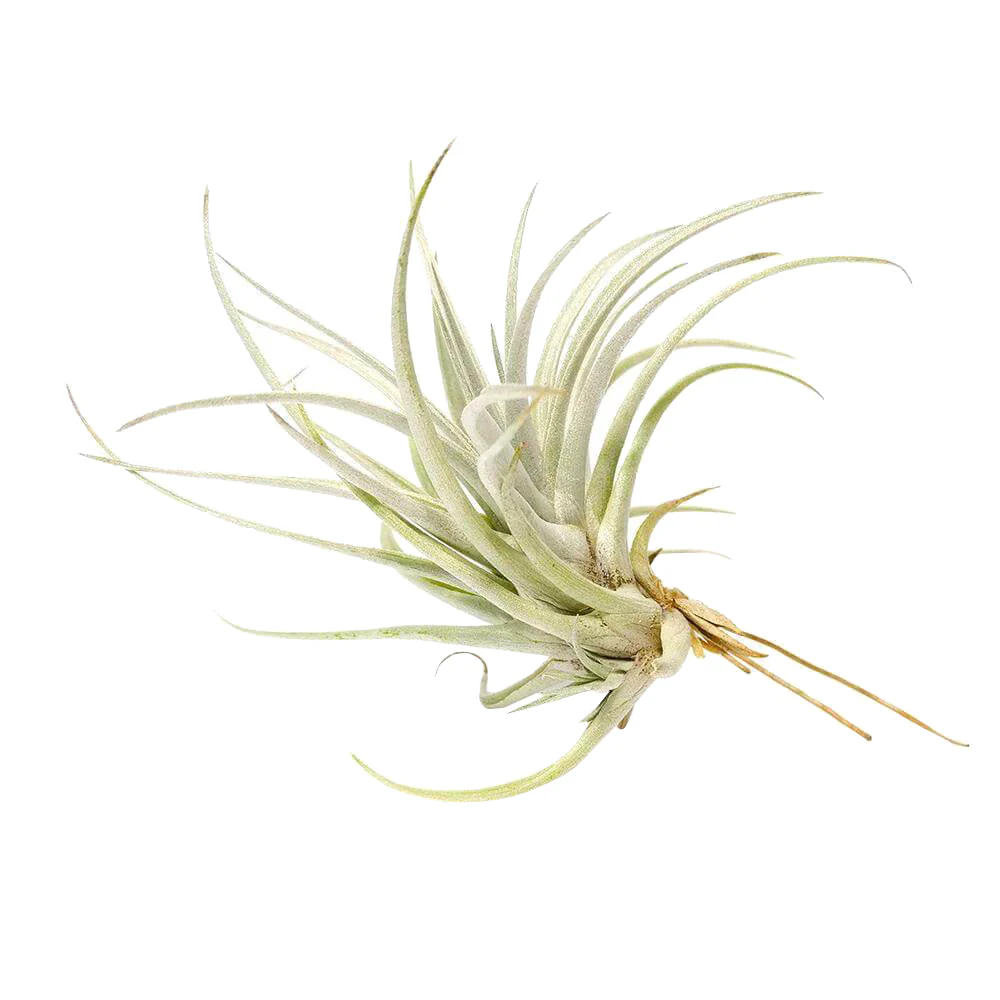
![]() This gift-wrapped set pairs three Purple Urchin sea urchin shells with live Tillandsia air plants, also known as air plants or epiphytes. Tillandsias belong to the genus Tillandsia in the Bromeliaceae family and are native to the forests, mountains, and deserts of Central and South America. The combination of natural sea urchin shells and living plants makes this set a one-of-a-kind decorative gift that arrives ready to display.
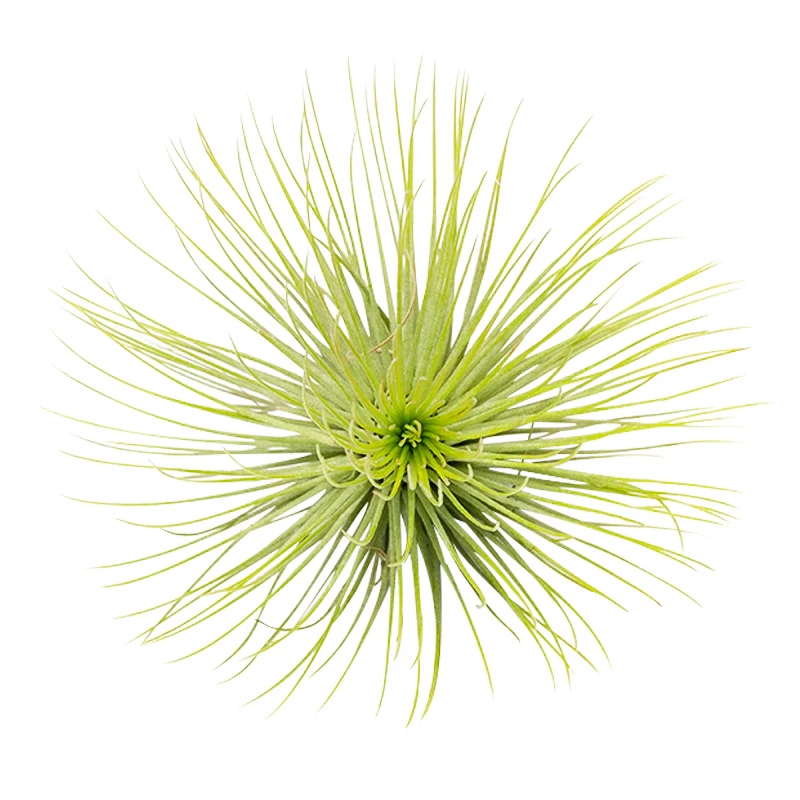
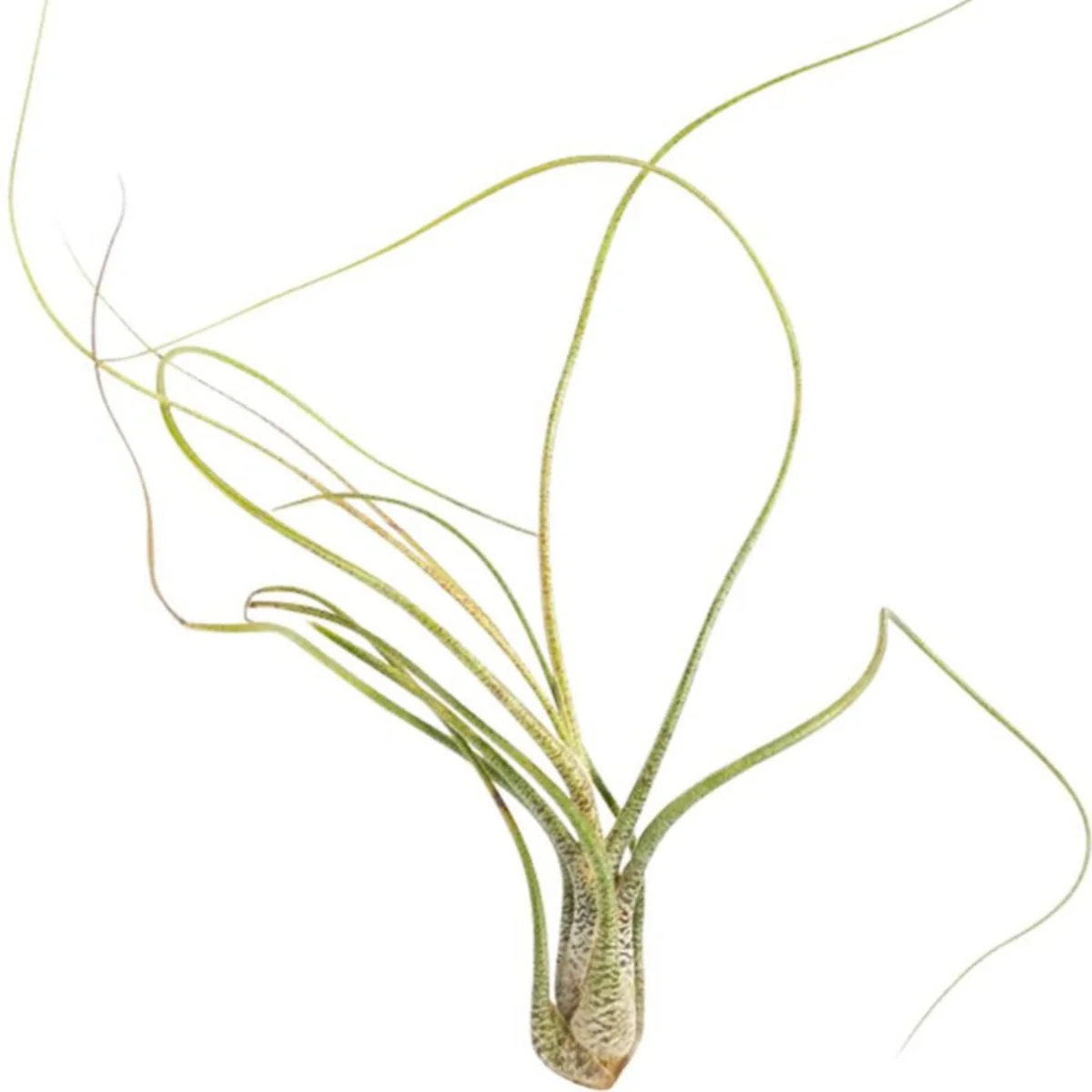
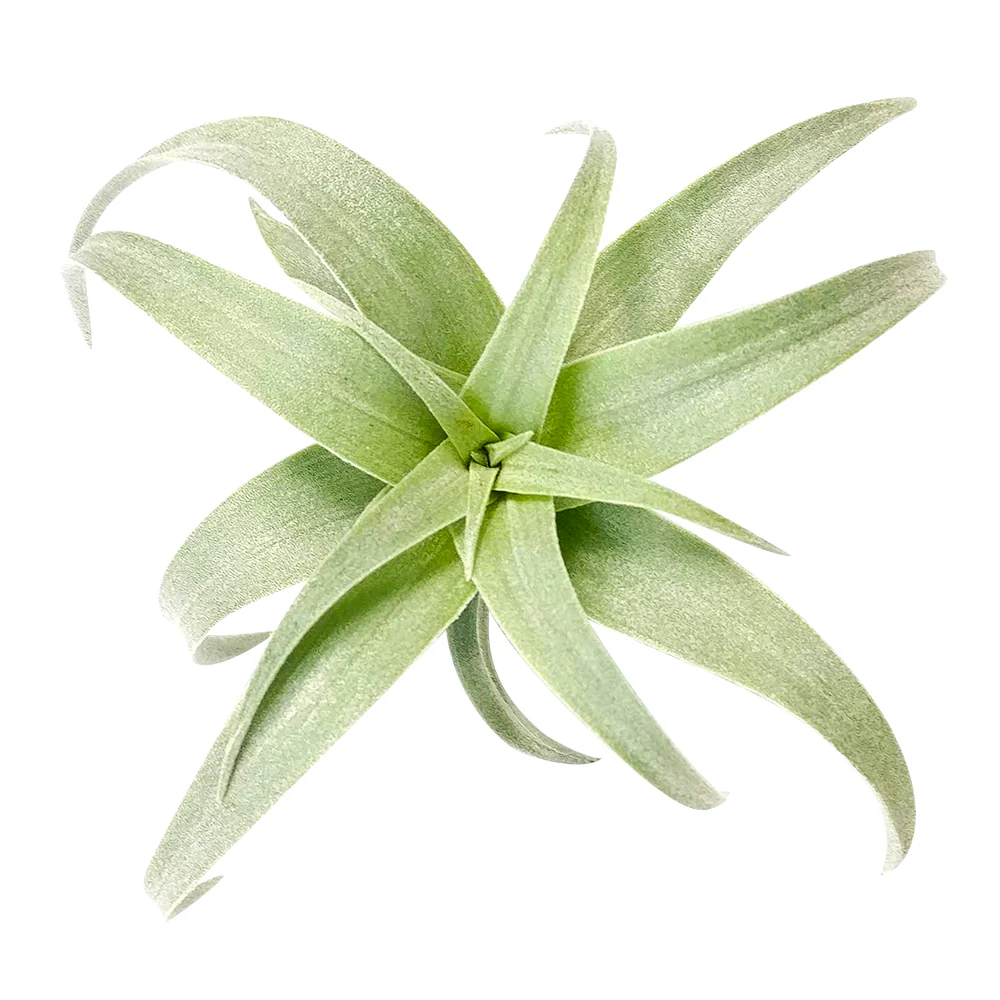
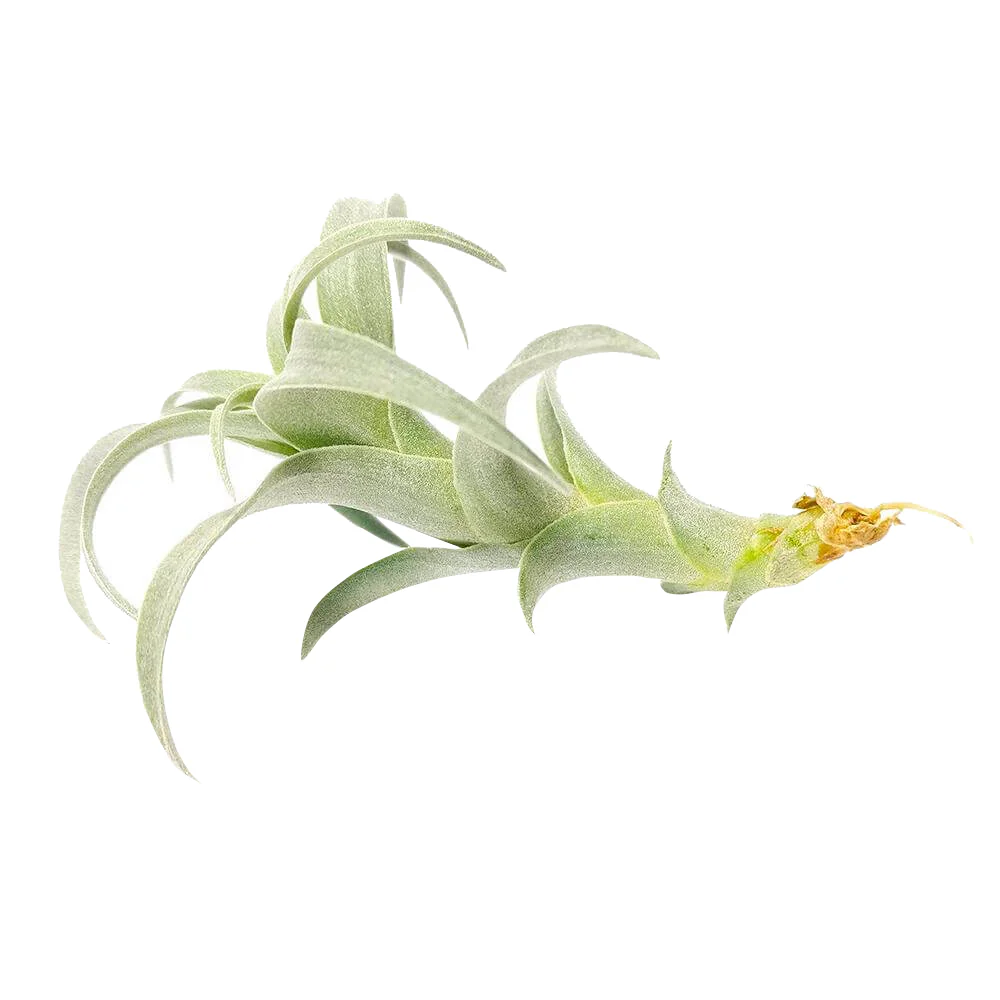
This gift-wrapped set pairs three Purple Urchin sea urchin shells with live Tillandsia air plants, also known as air plants or epiphytes. Tillandsias belong to the genus Tillandsia in the Bromeliaceae family and are native to the forests, mountains, and deserts of Central and South America. The combination of natural sea urchin shells and living plants makes this set a one-of-a-kind decorative gift that arrives ready to display.![]() The Purple Urchin shells are compact, rounded, and feature a naturally textured surface with a soft violet-to-deep-purple hue. The Tillandsia plants nestle inside each shell, displaying silvery-green rosettes of narrow, arching leaves. Air plants absorb nutrients and moisture through their leaves rather than roots, so no soil is needed, making the shells both a functional and beautiful holder. The set arrives gift-wrapped, making it an elegant ready-to-give present.
The Purple Urchin shells are compact, rounded, and feature a naturally textured surface with a soft violet-to-deep-purple hue. The Tillandsia plants nestle inside each shell, displaying silvery-green rosettes of narrow, arching leaves. Air plants absorb nutrients and moisture through their leaves rather than roots, so no soil is needed, making the shells both a functional and beautiful holder. The set arrives gift-wrapped, making it an elegant ready-to-give present.![]() This set is a charming addition to windowsills, shelves, desks, and bathroom counters. Because air plants require no soil and minimal care, they suit busy households and first-time plant owners beautifully. This plant is pet friendly, making it a worry-free choice for homes with cats and dogs. Keep the set out of reach of young children to protect the delicate shells and plants.
This set is a charming addition to windowsills, shelves, desks, and bathroom counters. Because air plants require no soil and minimal care, they suit busy households and first-time plant owners beautifully. This plant is pet friendly, making it a worry-free choice for homes with cats and dogs. Keep the set out of reach of young children to protect the delicate shells and plants. -
![]() Tillandsia air plants thrive in bright, indirect light. Place them near a south- or east-facing window where they receive several hours of filtered sunlight daily. Avoid prolonged exposure to harsh direct afternoon sun, which can scorch the leaves. Fluorescent or grow lights work well in low-light rooms, provided the plants receive 10 to 12 hours of artificial light per day.
Tillandsia air plants thrive in bright, indirect light. Place them near a south- or east-facing window where they receive several hours of filtered sunlight daily. Avoid prolonged exposure to harsh direct afternoon sun, which can scorch the leaves. Fluorescent or grow lights work well in low-light rooms, provided the plants receive 10 to 12 hours of artificial light per day.![]() Water air plants by misting them two to three times per week or by submerging them in room-temperature water for 20 to 30 minutes every one to two weeks. After soaking, shake off excess water and allow the plants to dry completely within four hours before placing them back in the shells. Good air circulation is key. Avoid letting water pool at the base of the leaves, as standing moisture can cause rot.
Water air plants by misting them two to three times per week or by submerging them in room-temperature water for 20 to 30 minutes every one to two weeks. After soaking, shake off excess water and allow the plants to dry completely within four hours before placing them back in the shells. Good air circulation is key. Avoid letting water pool at the base of the leaves, as standing moisture can cause rot.![]() Tillandsias are true epiphytes and require no soil at all. The Purple Urchin shell acts purely as a decorative vessel. Because there is no potting mix involved, there is no risk of overwatering through soil saturation, simplifying care considerably for beginners and experienced growers alike.
Tillandsias are true epiphytes and require no soil at all. The Purple Urchin shell acts purely as a decorative vessel. Because there is no potting mix involved, there is no risk of overwatering through soil saturation, simplifying care considerably for beginners and experienced growers alike.![]() Tillandsias prefer temperatures between 50°F and 90°F (10°C to 32°C) and do well in the typical range of most indoor environments. They appreciate moderate humidity and benefit from occasional misting in drier climates or heated homes during winter. Keep them away from cold drafts, air conditioning vents, and heating units, which can dry out the leaves quickly.
Tillandsias prefer temperatures between 50°F and 90°F (10°C to 32°C) and do well in the typical range of most indoor environments. They appreciate moderate humidity and benefit from occasional misting in drier climates or heated homes during winter. Keep them away from cold drafts, air conditioning vents, and heating units, which can dry out the leaves quickly.![]() Feed air plants once a month using a bromeliad or Tillandsia-specific liquid fertilizer diluted to one-quarter strength. Apply during the soaking or misting routine. Regular feeding encourages healthy growth and can promote blooming. Avoid over-fertilizing, as excessive nutrients can harm these delicate plants rather than help them.
Feed air plants once a month using a bromeliad or Tillandsia-specific liquid fertilizer diluted to one-quarter strength. Apply during the soaking or misting routine. Regular feeding encourages healthy growth and can promote blooming. Avoid over-fertilizing, as excessive nutrients can harm these delicate plants rather than help them. -
![]()
USDA Hardiness Zones 9-11 | Minimum temperature: 25°F (-4°C)
Tillandsia air plants can be displayed outdoors year-round in Zones 9 through 11 in sheltered spots with bright filtered light. In cooler zones, bring them indoors before temperatures drop below 50°F (10°C) to prevent cold stress. These plants are best treated as indoor houseplants in most of the United States, where frost or freezing temperatures are possible during winter months.
 This gift-wrapped set pairs three Purple Urchin sea urchin shells with live Tillandsia air plants, also known as air plants or epiphytes. Tillandsias belong to the genus Tillandsia in the Bromeliaceae family and are native to the forests, mountains, and deserts of Central and South America. The combination of natural sea urchin shells and living plants makes this set a one-of-a-kind decorative gift that arrives ready to display.
 The Purple Urchin shells are compact, rounded, and feature a naturally textured surface with a soft violet-to-deep-purple hue. The Tillandsia plants nestle inside each shell, displaying silvery-green rosettes of narrow, arching leaves. Air plants absorb nutrients and moisture through their leaves rather than roots, so no soil is needed, making the shells both a functional and beautiful holder. The set arrives gift-wrapped, making it an elegant ready-to-give present.
 This set is a charming addition to windowsills, shelves, desks, and bathroom counters. Because air plants require no soil and minimal care, they suit busy households and first-time plant owners beautifully. This plant is pet friendly, making it a worry-free choice for homes with cats and dogs. Keep the set out of reach of young children to protect the delicate shells and plants.
 Tillandsia air plants thrive in bright, indirect light. Place them near a south- or east-facing window where they receive several hours of filtered sunlight daily. Avoid prolonged exposure to harsh direct afternoon sun, which can scorch the leaves. Fluorescent or grow lights work well in low-light rooms, provided the plants receive 10 to 12 hours of artificial light per day.
 Water air plants by misting them two to three times per week or by submerging them in room-temperature water for 20 to 30 minutes every one to two weeks. After soaking, shake off excess water and allow the plants to dry completely within four hours before placing them back in the shells. Good air circulation is key. Avoid letting water pool at the base of the leaves, as standing moisture can cause rot.
 Tillandsias prefer temperatures between 50°F and 90°F (10°C to 32°C) and do well in the typical range of most indoor environments. They appreciate moderate humidity and benefit from occasional misting in drier climates or heated homes during winter. Keep them away from cold drafts, air conditioning vents, and heating units, which can dry out the leaves quickly.
 Feed air plants once a month using a bromeliad or Tillandsia-specific liquid fertilizer diluted to one-quarter strength. Apply during the soaking or misting routine. Regular feeding encourages healthy growth and can promote blooming. Avoid over-fertilizing, as excessive nutrients can harm these delicate plants rather than help them.
Product Information
Product Information
Shipping & Returns
Shipping & Returns
Description
- Description
- Light/Soil/Water
- Hardiness
-
![]() This gift-wrapped set pairs three Purple Urchin sea urchin shells with live Tillandsia air plants, also known as air plants or epiphytes. Tillandsias belong to the genus Tillandsia in the Bromeliaceae family and are native to the forests, mountains, and deserts of Central and South America. The combination of natural sea urchin shells and living plants makes this set a one-of-a-kind decorative gift that arrives ready to display.
This gift-wrapped set pairs three Purple Urchin sea urchin shells with live Tillandsia air plants, also known as air plants or epiphytes. Tillandsias belong to the genus Tillandsia in the Bromeliaceae family and are native to the forests, mountains, and deserts of Central and South America. The combination of natural sea urchin shells and living plants makes this set a one-of-a-kind decorative gift that arrives ready to display.![]() The Purple Urchin shells are compact, rounded, and feature a naturally textured surface with a soft violet-to-deep-purple hue. The Tillandsia plants nestle inside each shell, displaying silvery-green rosettes of narrow, arching leaves. Air plants absorb nutrients and moisture through their leaves rather than roots, so no soil is needed, making the shells both a functional and beautiful holder. The set arrives gift-wrapped, making it an elegant ready-to-give present.
The Purple Urchin shells are compact, rounded, and feature a naturally textured surface with a soft violet-to-deep-purple hue. The Tillandsia plants nestle inside each shell, displaying silvery-green rosettes of narrow, arching leaves. Air plants absorb nutrients and moisture through their leaves rather than roots, so no soil is needed, making the shells both a functional and beautiful holder. The set arrives gift-wrapped, making it an elegant ready-to-give present.![]() This set is a charming addition to windowsills, shelves, desks, and bathroom counters. Because air plants require no soil and minimal care, they suit busy households and first-time plant owners beautifully. This plant is pet friendly, making it a worry-free choice for homes with cats and dogs. Keep the set out of reach of young children to protect the delicate shells and plants.
This set is a charming addition to windowsills, shelves, desks, and bathroom counters. Because air plants require no soil and minimal care, they suit busy households and first-time plant owners beautifully. This plant is pet friendly, making it a worry-free choice for homes with cats and dogs. Keep the set out of reach of young children to protect the delicate shells and plants. -
![]() Tillandsia air plants thrive in bright, indirect light. Place them near a south- or east-facing window where they receive several hours of filtered sunlight daily. Avoid prolonged exposure to harsh direct afternoon sun, which can scorch the leaves. Fluorescent or grow lights work well in low-light rooms, provided the plants receive 10 to 12 hours of artificial light per day.
Tillandsia air plants thrive in bright, indirect light. Place them near a south- or east-facing window where they receive several hours of filtered sunlight daily. Avoid prolonged exposure to harsh direct afternoon sun, which can scorch the leaves. Fluorescent or grow lights work well in low-light rooms, provided the plants receive 10 to 12 hours of artificial light per day.![]() Water air plants by misting them two to three times per week or by submerging them in room-temperature water for 20 to 30 minutes every one to two weeks. After soaking, shake off excess water and allow the plants to dry completely within four hours before placing them back in the shells. Good air circulation is key. Avoid letting water pool at the base of the leaves, as standing moisture can cause rot.
Water air plants by misting them two to three times per week or by submerging them in room-temperature water for 20 to 30 minutes every one to two weeks. After soaking, shake off excess water and allow the plants to dry completely within four hours before placing them back in the shells. Good air circulation is key. Avoid letting water pool at the base of the leaves, as standing moisture can cause rot.![]() Tillandsias are true epiphytes and require no soil at all. The Purple Urchin shell acts purely as a decorative vessel. Because there is no potting mix involved, there is no risk of overwatering through soil saturation, simplifying care considerably for beginners and experienced growers alike.
Tillandsias are true epiphytes and require no soil at all. The Purple Urchin shell acts purely as a decorative vessel. Because there is no potting mix involved, there is no risk of overwatering through soil saturation, simplifying care considerably for beginners and experienced growers alike.![]() Tillandsias prefer temperatures between 50°F and 90°F (10°C to 32°C) and do well in the typical range of most indoor environments. They appreciate moderate humidity and benefit from occasional misting in drier climates or heated homes during winter. Keep them away from cold drafts, air conditioning vents, and heating units, which can dry out the leaves quickly.
Tillandsias prefer temperatures between 50°F and 90°F (10°C to 32°C) and do well in the typical range of most indoor environments. They appreciate moderate humidity and benefit from occasional misting in drier climates or heated homes during winter. Keep them away from cold drafts, air conditioning vents, and heating units, which can dry out the leaves quickly.![]() Feed air plants once a month using a bromeliad or Tillandsia-specific liquid fertilizer diluted to one-quarter strength. Apply during the soaking or misting routine. Regular feeding encourages healthy growth and can promote blooming. Avoid over-fertilizing, as excessive nutrients can harm these delicate plants rather than help them.
Feed air plants once a month using a bromeliad or Tillandsia-specific liquid fertilizer diluted to one-quarter strength. Apply during the soaking or misting routine. Regular feeding encourages healthy growth and can promote blooming. Avoid over-fertilizing, as excessive nutrients can harm these delicate plants rather than help them. -
![]()
USDA Hardiness Zones 9-11 | Minimum temperature: 25°F (-4°C)
Tillandsia air plants can be displayed outdoors year-round in Zones 9 through 11 in sheltered spots with bright filtered light. In cooler zones, bring them indoors before temperatures drop below 50°F (10°C) to prevent cold stress. These plants are best treated as indoor houseplants in most of the United States, where frost or freezing temperatures are possible during winter months.