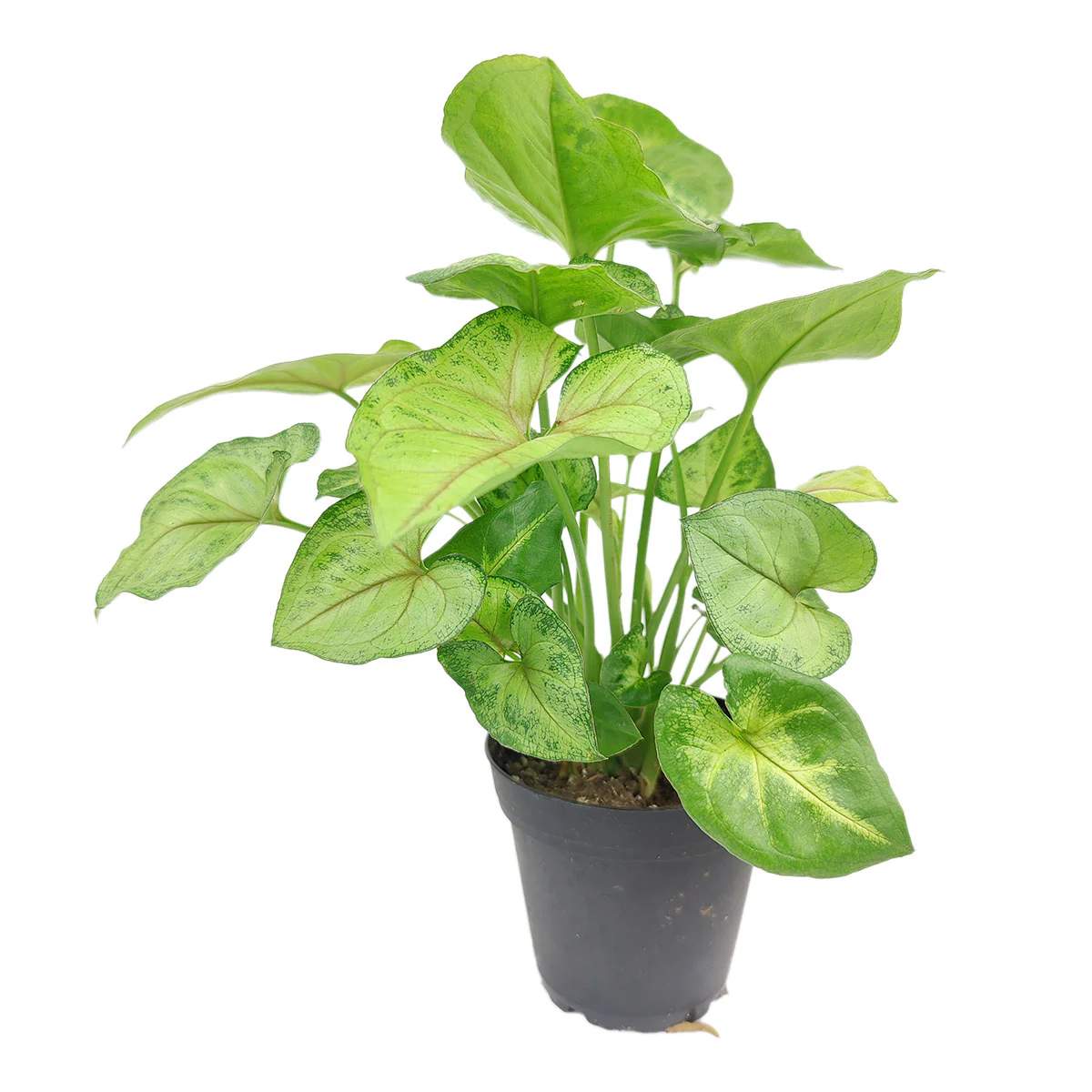
Ficus Elastica 'Tineke'
- Description
- Ficus Elastica 'Tineke' Care Guide
- FAQ/Common Issues
-
![]() Ficus Elastica 'Tineke' is a variegated cultivar of the classic rubber tree, belonging to the Moraceae family and native to the tropical rainforests of South and Southeast Asia, from India through Indonesia. As a rubber plant indoor staple, it has earned its place as one of the most beloved easy care houseplants for good reason, bringing bold personality to any bright room.
Ficus Elastica 'Tineke' is a variegated cultivar of the classic rubber tree, belonging to the Moraceae family and native to the tropical rainforests of South and Southeast Asia, from India through Indonesia. As a rubber plant indoor staple, it has earned its place as one of the most beloved easy care houseplants for good reason, bringing bold personality to any bright room.
 What makes Ficus Elastica 'Tineke' truly stunning is its large, glossy leaves that display a tricolor patchwork of forest green, creamy white, and soft pink blush tones, with each leaf emerging uniquely patterned. This variegated rubber tree grows upright with a strong central stem, giving it that architectural, statement floor plant silhouette that looks equally at home in a boho corner or a clean, modern interior.
 Ficus Elastica 'Tineke' rarely flowers indoors, so its real showstopper is the foliage itself, which holds seasonal appeal year-round and has been a treasured heirloom houseplant passed through generations of plant lovers. As an air purifying houseplant, it actively filters formaldehyde and other indoor toxins, quietly improving your home's air quality while looking spectacular doing it.
 Ficus Elastica 'Tineke' is a bright indirect light plant that does beautifully near an east or west-facing window, displayed in a decorative basket or as a floor plant once it reaches a mature height. It can spend summer outdoors in a sheltered, shaded spot and is a genuine collector find, sitting somewhere between a widely loved classic and a vivid, sought-after statement piece. Keep it away from curious cats, dogs, and small children, as the sap can cause skin and paw irritation and the plant should not be nibbled or eaten.
-
 Ficus Elastica 'Tineke' thrives in bright indirect light and scorches easily if placed directly in a south-facing window.
 Water Ficus Elastica 'Tineke' every 7-10 days in summer and reduce to every 2-3 weeks in winter, letting the top inch of soil dry between waterings.
 Ficus Elastica 'Tineke' prefers a well-draining mix of potting soil, perlite, and a little bark to prevent root rot.
 Ficus Elastica 'Tineke' prefers temperatures between 60-85°F (15-29°C) and should never be exposed to frost or prolonged cold below 50°F (10°C).
![]() Ficus Elastica 'Tineke' is a moderate grower that benefits from a balanced liquid fertilizer monthly during spring and summer to support its upright growth.
Ficus Elastica 'Tineke' is a moderate grower that benefits from a balanced liquid fertilizer monthly during spring and summer to support its upright growth.
 Ficus Elastica 'Tineke' is hardy in USDA Zones 10-12, tolerating minimum temperatures of around 30-35°F (-1 to 2°C) only briefly before sustaining damage, making true outdoor year-round growing best suited to Hawaii, South Florida, coastal and southern California, and the warmest pockets of southern Texas and Arizona. Gardeners across Louisiana, Mississippi, Alabama, Georgia, and South Carolina in Zone 9 can enjoy Ficus Elastica 'Tineke' outdoors in warm months with winter protection, while growers in Nevada, Oregon, and the broader Southeast will find it happiest as an indoor statement plant brought outside for summer.
-
Q: How much light does Ficus Elastica 'Tineke' need?
A: Ficus Elastica 'Tineke' does best in bright indirect light, such as near an east or west-facing window. Avoid direct south-facing sun, which scorches the variegated leaves.
Q: How often should I water Ficus Elastica 'Tineke'?
A: Water Ficus Elastica 'Tineke' roughly every 7-10 days in the growing season and cut back in winter. It will show you when it's thirsty through slightly wilting leaves.
Q: Is Ficus Elastica 'Tineke' safe around pets and children?
A: Ficus Elastica 'Tineke' should be kept well out of reach of cats, dogs, and small children, as the sap can irritate skin and paws and the plant should not be chewed or eaten. A high shelf or a room pets and toddlers don't access is the safest placement.
Q: How do I propagate Ficus Elastica 'Tineke'?
A: Ficus Elastica 'Tineke' is most reliably propagated by stem cuttings taken just below a node, allowed to dry briefly before placing in water or moist soil. Wear gloves when cutting, as the milky sap can irritate bare skin.
Q: Why are the leaves on my Ficus Elastica 'Tineke' turning yellow?
A: Yellow leaves on Ficus Elastica 'Tineke' are most often caused by overwatering, sudden temperature changes, or exposure to cold drafts from AC or heating vents. The plant is also sensitive to being moved, so a position change can trigger some leaf drop while it adjusts.
Q: Can Ficus Elastica 'Tineke' go outside in summer?
A: Yes, Ficus Elastica 'Tineke' loves a warm, shaded outdoor spot in summer and will reward you with faster growth. Bring it back indoors before nighttime temperatures dip below 55°F (13°C) and note that it prefers a consistent spot, so minimize moves once settled.


Original: $15.75
-70%$15.75
$4.72Product Information
Product Information
Shipping & Returns
Shipping & Returns
Description
- Description
- Ficus Elastica 'Tineke' Care Guide
- FAQ/Common Issues
-
![]() Ficus Elastica 'Tineke' is a variegated cultivar of the classic rubber tree, belonging to the Moraceae family and native to the tropical rainforests of South and Southeast Asia, from India through Indonesia. As a rubber plant indoor staple, it has earned its place as one of the most beloved easy care houseplants for good reason, bringing bold personality to any bright room.
Ficus Elastica 'Tineke' is a variegated cultivar of the classic rubber tree, belonging to the Moraceae family and native to the tropical rainforests of South and Southeast Asia, from India through Indonesia. As a rubber plant indoor staple, it has earned its place as one of the most beloved easy care houseplants for good reason, bringing bold personality to any bright room.
What makes Ficus Elastica 'Tineke' truly stunning is its large, glossy leaves that display a tricolor patchwork of forest green, creamy white, and soft pink blush tones, with each leaf emerging uniquely patterned. This variegated rubber tree grows upright with a strong central stem, giving it that architectural, statement floor plant silhouette that looks equally at home in a boho corner or a clean, modern interior.
Ficus Elastica 'Tineke' rarely flowers indoors, so its real showstopper is the foliage itself, which holds seasonal appeal year-round and has been a treasured heirloom houseplant passed through generations of plant lovers. As an air purifying houseplant, it actively filters formaldehyde and other indoor toxins, quietly improving your home's air quality while looking spectacular doing it.
Ficus Elastica 'Tineke' is a bright indirect light plant that does beautifully near an east or west-facing window, displayed in a decorative basket or as a floor plant once it reaches a mature height. It can spend summer outdoors in a sheltered, shaded spot and is a genuine collector find, sitting somewhere between a widely loved classic and a vivid, sought-after statement piece. Keep it away from curious cats, dogs, and small children, as the sap can cause skin and paw irritation and the plant should not be nibbled or eaten.
-
Ficus Elastica 'Tineke' thrives in bright indirect light and scorches easily if placed directly in a south-facing window.
Water Ficus Elastica 'Tineke' every 7-10 days in summer and reduce to every 2-3 weeks in winter, letting the top inch of soil dry between waterings.
Ficus Elastica 'Tineke' prefers a well-draining mix of potting soil, perlite, and a little bark to prevent root rot.
Ficus Elastica 'Tineke' prefers temperatures between 60-85°F (15-29°C) and should never be exposed to frost or prolonged cold below 50°F (10°C).
![]() Ficus Elastica 'Tineke' is a moderate grower that benefits from a balanced liquid fertilizer monthly during spring and summer to support its upright growth.
Ficus Elastica 'Tineke' is a moderate grower that benefits from a balanced liquid fertilizer monthly during spring and summer to support its upright growth.
Ficus Elastica 'Tineke' is hardy in USDA Zones 10-12, tolerating minimum temperatures of around 30-35°F (-1 to 2°C) only briefly before sustaining damage, making true outdoor year-round growing best suited to Hawaii, South Florida, coastal and southern California, and the warmest pockets of southern Texas and Arizona. Gardeners across Louisiana, Mississippi, Alabama, Georgia, and South Carolina in Zone 9 can enjoy Ficus Elastica 'Tineke' outdoors in warm months with winter protection, while growers in Nevada, Oregon, and the broader Southeast will find it happiest as an indoor statement plant brought outside for summer.
-
Q: How much light does Ficus Elastica 'Tineke' need?
A: Ficus Elastica 'Tineke' does best in bright indirect light, such as near an east or west-facing window. Avoid direct south-facing sun, which scorches the variegated leaves.
Q: How often should I water Ficus Elastica 'Tineke'?
A: Water Ficus Elastica 'Tineke' roughly every 7-10 days in the growing season and cut back in winter. It will show you when it's thirsty through slightly wilting leaves.
Q: Is Ficus Elastica 'Tineke' safe around pets and children?
A: Ficus Elastica 'Tineke' should be kept well out of reach of cats, dogs, and small children, as the sap can irritate skin and paws and the plant should not be chewed or eaten. A high shelf or a room pets and toddlers don't access is the safest placement.
Q: How do I propagate Ficus Elastica 'Tineke'?
A: Ficus Elastica 'Tineke' is most reliably propagated by stem cuttings taken just below a node, allowed to dry briefly before placing in water or moist soil. Wear gloves when cutting, as the milky sap can irritate bare skin.
Q: Why are the leaves on my Ficus Elastica 'Tineke' turning yellow?
A: Yellow leaves on Ficus Elastica 'Tineke' are most often caused by overwatering, sudden temperature changes, or exposure to cold drafts from AC or heating vents. The plant is also sensitive to being moved, so a position change can trigger some leaf drop while it adjusts.
Q: Can Ficus Elastica 'Tineke' go outside in summer?
A: Yes, Ficus Elastica 'Tineke' loves a warm, shaded outdoor spot in summer and will reward you with faster growth. Bring it back indoors before nighttime temperatures dip below 55°F (13°C) and note that it prefers a consistent spot, so minimize moves once settled.