Crown of Thorns
- Description
- Light/Soil/Water
- Hardiness
-
![]() Crown of Thorns is the common name for Euphorbia milii, a spiny succulent shrub native to Madagascar. It has been cultivated for centuries and carries a rich history, with some legends linking it to the biblical crown worn by Jesus, which is how it earned its striking name. It is also sometimes called Christ Plant or Christ Thorn.
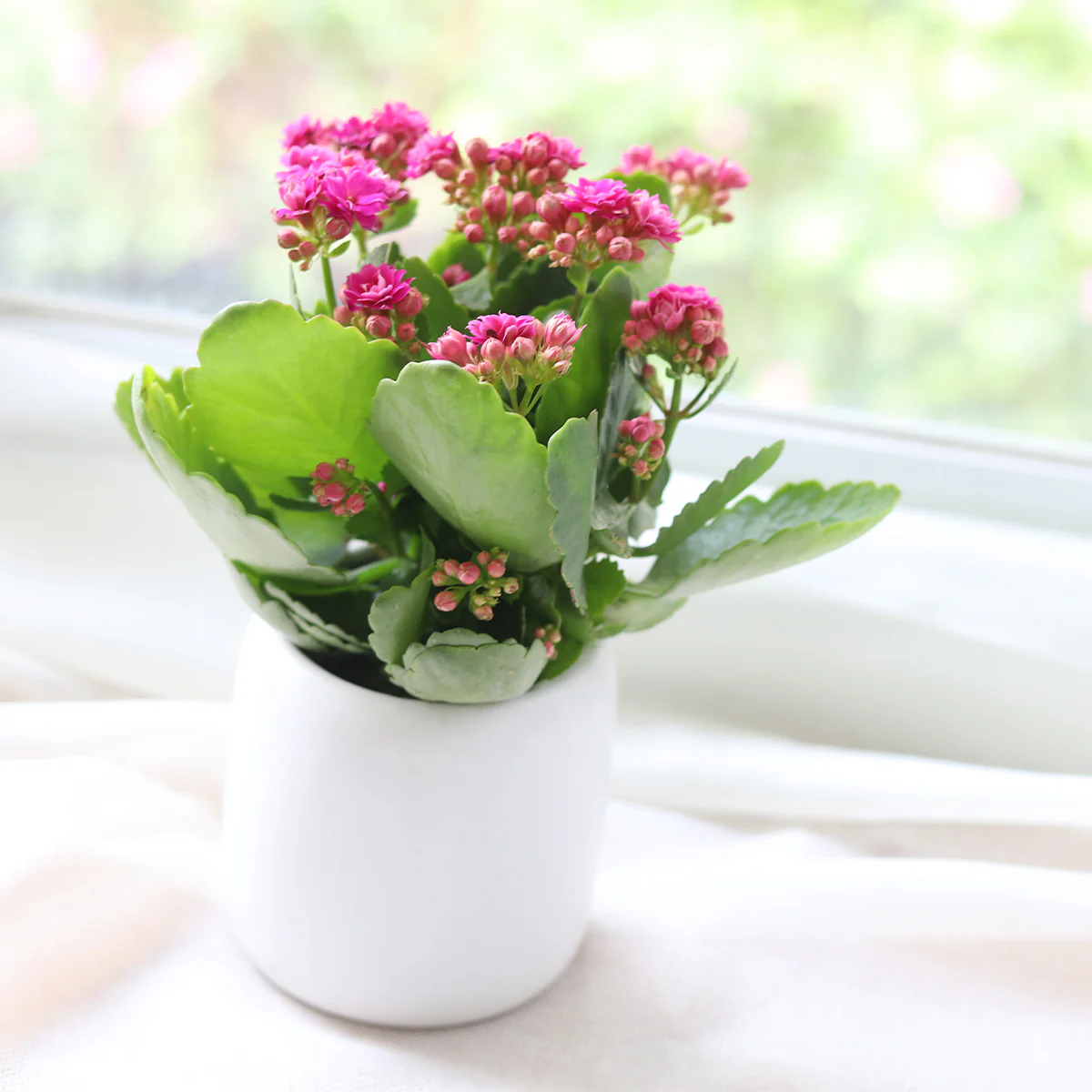
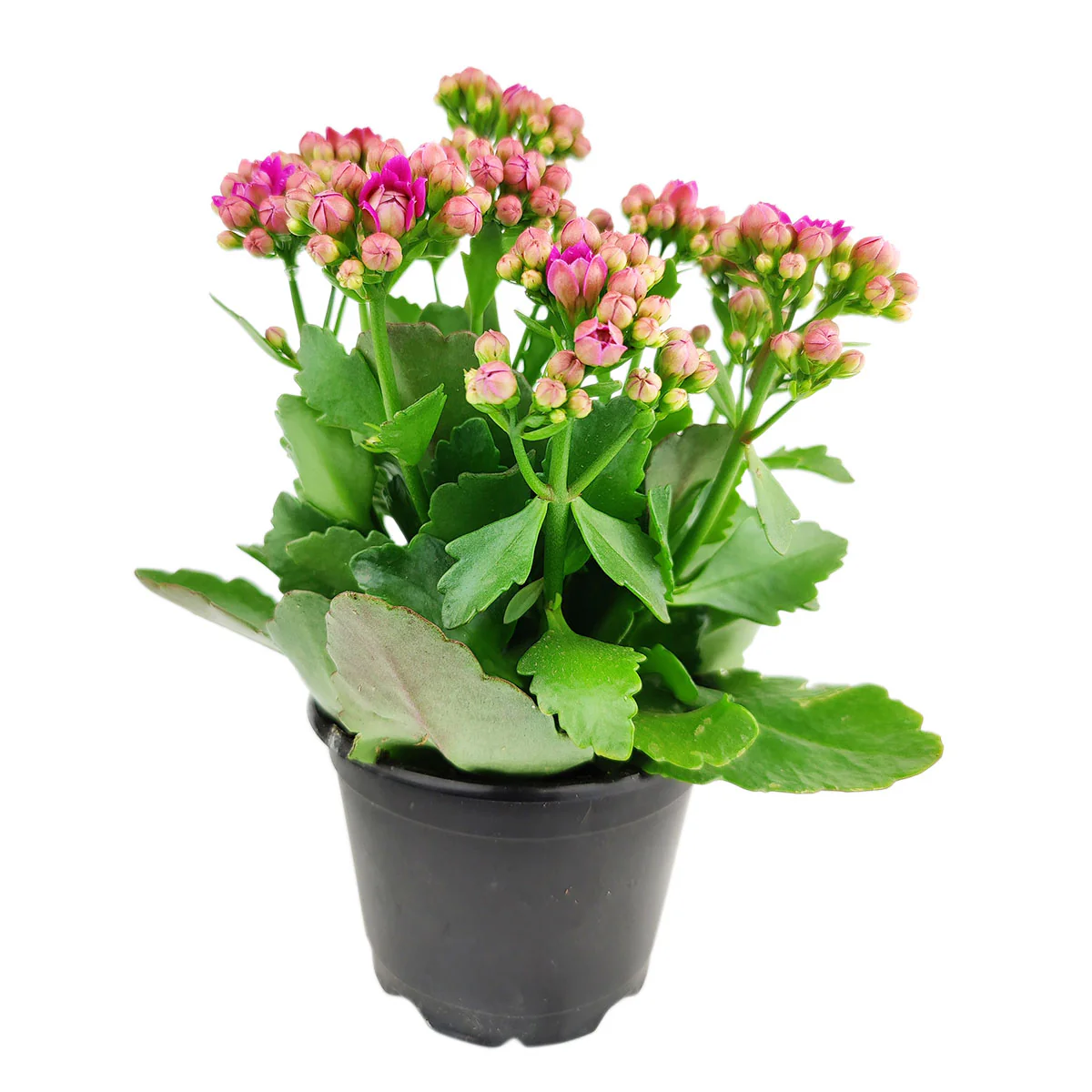
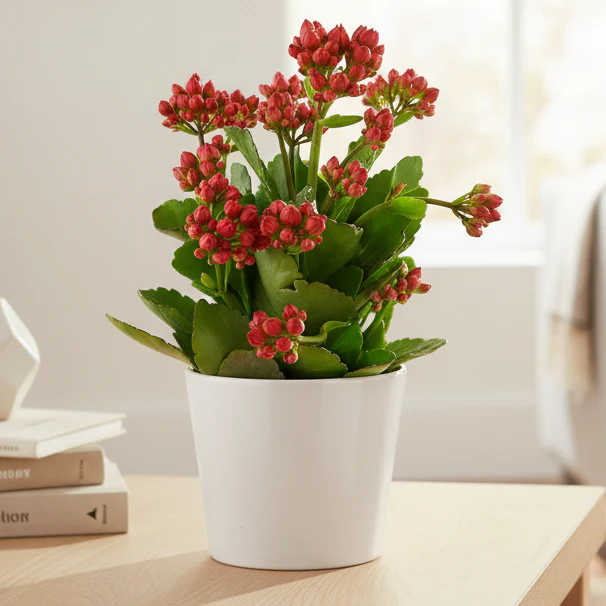
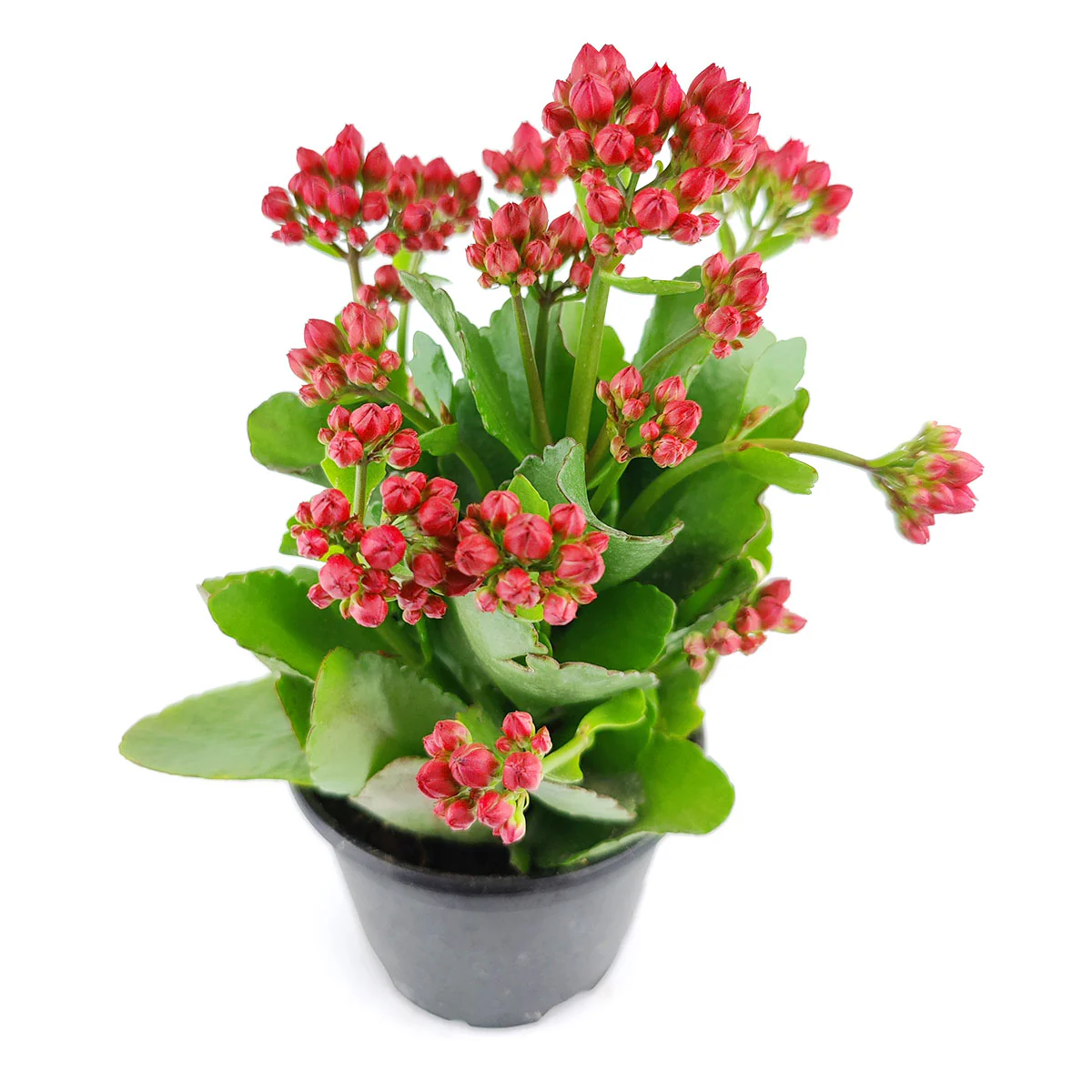
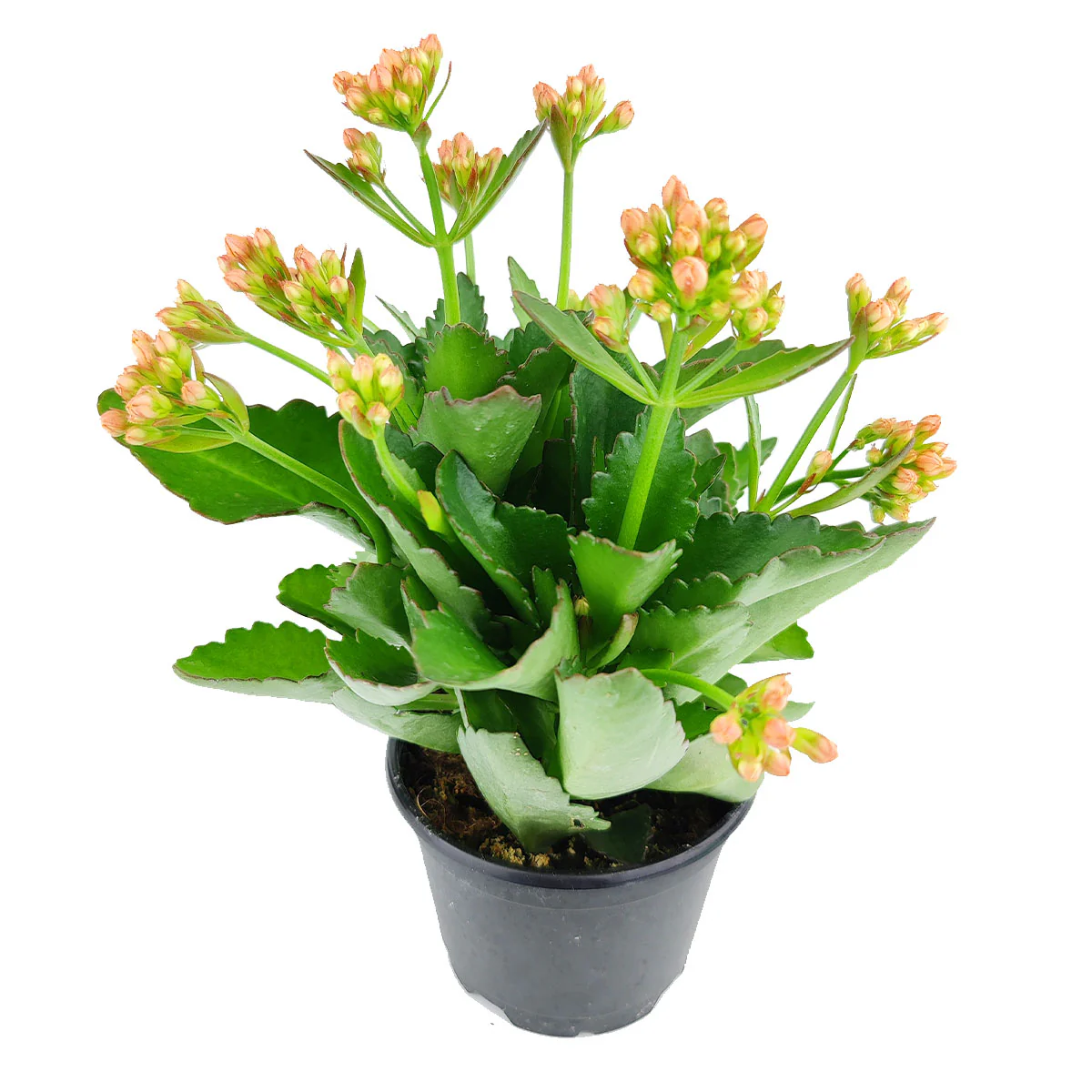
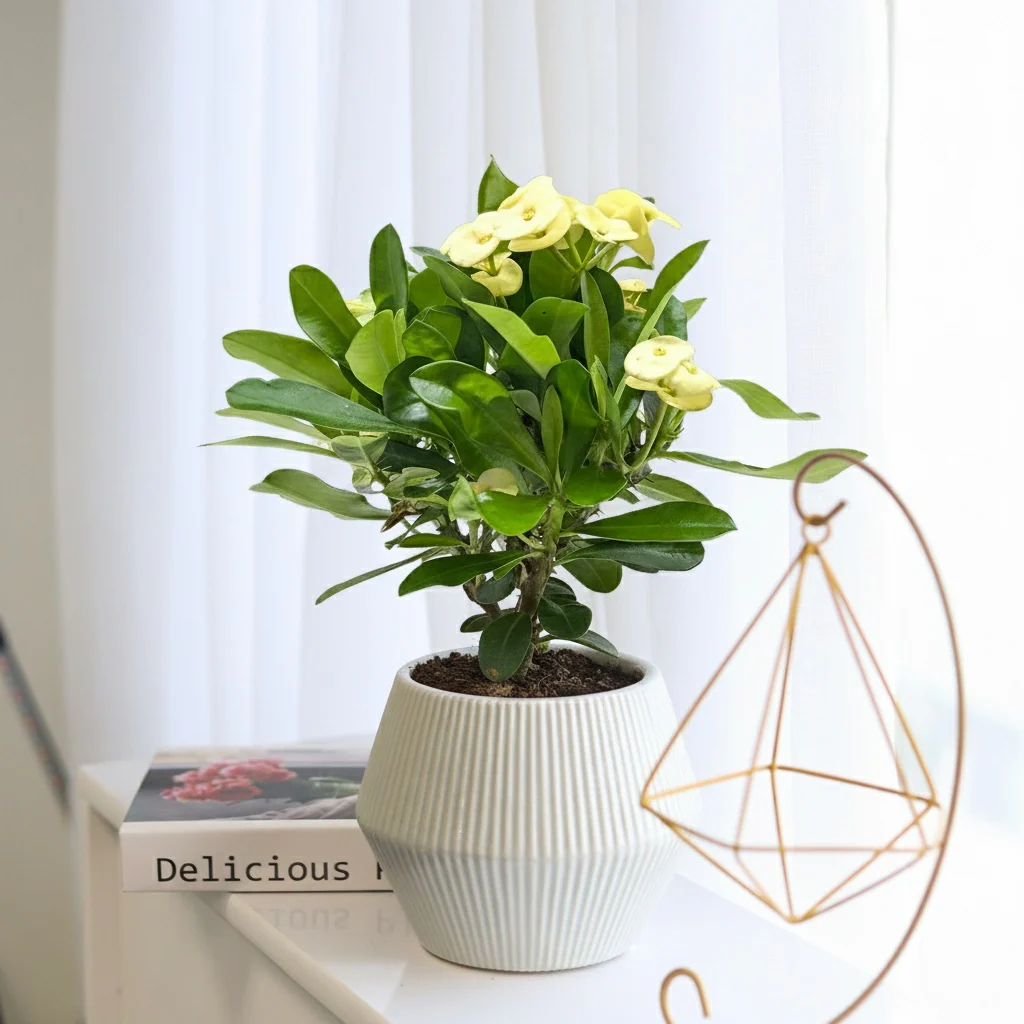
Crown of Thorns is the common name for Euphorbia milii, a spiny succulent shrub native to Madagascar. It has been cultivated for centuries and carries a rich history, with some legends linking it to the biblical crown worn by Jesus, which is how it earned its striking name. It is also sometimes called Christ Plant or Christ Thorn. ![]() This plant features thick, grey, thorny stems lined with bright green oval leaves and clusters of tiny flowers surrounded by showy bracts in red, pink, yellow, or white. It grows in a bushy, upright habit and can reach 1 to 3 feet tall indoors. Its sculptural stems and vivid color make it an eye-catching centerpiece, and it looks especially striking in a terracotta or ceramic pot that complements its warm tones.
This plant features thick, grey, thorny stems lined with bright green oval leaves and clusters of tiny flowers surrounded by showy bracts in red, pink, yellow, or white. It grows in a bushy, upright habit and can reach 1 to 3 feet tall indoors. Its sculptural stems and vivid color make it an eye-catching centerpiece, and it looks especially striking in a terracotta or ceramic pot that complements its warm tones. ![]() Crown of Thorns thrives on a sunny windowsill and provides nearly year-round color indoors, making it a rewarding choice for plant lovers who want continuous blooms with minimal effort. Its sap can cause skin irritation, so wearing gloves when handling is recommended. It is best placed away from curious cats and dogs, and kept out of reach of young children.
Crown of Thorns thrives on a sunny windowsill and provides nearly year-round color indoors, making it a rewarding choice for plant lovers who want continuous blooms with minimal effort. Its sap can cause skin irritation, so wearing gloves when handling is recommended. It is best placed away from curious cats and dogs, and kept out of reach of young children. -
![]() Crown of Thorns needs at least 3 to 4 hours of direct sunlight daily to bloom well. A south- or west-facing window is ideal indoors. The more bright light it receives, the more abundantly it will flower. In low light, blooming slows significantly and stems may become leggy.
Crown of Thorns needs at least 3 to 4 hours of direct sunlight daily to bloom well. A south- or west-facing window is ideal indoors. The more bright light it receives, the more abundantly it will flower. In low light, blooming slows significantly and stems may become leggy. ![]() Water deeply but infrequently, allowing the soil to dry out completely between waterings. During the active growing season in spring and summer, water every 1 to 2 weeks. In winter, reduce watering further as the plant's growth slows. Overwatering is the most common cause of root rot and decline in this plant, so always err on the dry side.
Water deeply but infrequently, allowing the soil to dry out completely between waterings. During the active growing season in spring and summer, water every 1 to 2 weeks. In winter, reduce watering further as the plant's growth slows. Overwatering is the most common cause of root rot and decline in this plant, so always err on the dry side. ![]() Use a fast-draining cactus or succulent mix to prevent moisture from sitting around the roots. You can improve drainage further by mixing in perlite or coarse sand at a ratio of about 1 part amendment to 2 parts potting mix. A container with drainage holes is essential to keep roots healthy.
Use a fast-draining cactus or succulent mix to prevent moisture from sitting around the roots. You can improve drainage further by mixing in perlite or coarse sand at a ratio of about 1 part amendment to 2 parts potting mix. A container with drainage holes is essential to keep roots healthy. ![]() Crown of Thorns prefers warm temperatures between 65 and 90 degrees Fahrenheit and handles typical indoor conditions well. It does not tolerate frost and should be brought indoors before temperatures drop below 50 degrees Fahrenheit. Keep it away from cold drafts, air conditioning vents, and sudden temperature swings, which can cause leaf drop.
Crown of Thorns prefers warm temperatures between 65 and 90 degrees Fahrenheit and handles typical indoor conditions well. It does not tolerate frost and should be brought indoors before temperatures drop below 50 degrees Fahrenheit. Keep it away from cold drafts, air conditioning vents, and sudden temperature swings, which can cause leaf drop. ![]() Feed Crown of Thorns with a balanced, water-soluble fertilizer diluted to half strength once a month during spring and summer. A formula with equal nitrogen, phosphorus, and potassium, such as a 10-10-10, supports healthy growth and blooming. Skip fertilizing in fall and winter when the plant is resting.
Feed Crown of Thorns with a balanced, water-soluble fertilizer diluted to half strength once a month during spring and summer. A formula with equal nitrogen, phosphorus, and potassium, such as a 10-10-10, supports healthy growth and blooming. Skip fertilizing in fall and winter when the plant is resting. -
![]()
USDA Hardiness Zones 9-11 | Minimum temperature: 25°F (-4°C)
Crown of Thorns can be grown outdoors year-round in Zones 9 through 11, where winters remain mild and frost is rare. In cooler zones, it is best grown in a container so it can be moved indoors before the first frost. Even in warm climates, protect this plant from any unexpected cold snaps, as prolonged exposure to temperatures below 50°F can cause stress and leaf loss.
 Crown of Thorns is the common name for Euphorbia milii, a spiny succulent shrub native to Madagascar. It has been cultivated for centuries and carries a rich history, with some legends linking it to the biblical crown worn by Jesus, which is how it earned its striking name. It is also sometimes called Christ Plant or Christ Thorn.
  This plant features thick, grey, thorny stems lined with bright green oval leaves and clusters of tiny flowers surrounded by showy bracts in red, pink, yellow, or white. It grows in a bushy, upright habit and can reach 1 to 3 feet tall indoors. Its sculptural stems and vivid color make it an eye-catching centerpiece, and it looks especially striking in a terracotta or ceramic pot that complements its warm tones.
  Crown of Thorns thrives on a sunny windowsill and provides nearly year-round color indoors, making it a rewarding choice for plant lovers who want continuous blooms with minimal effort. Its sap can cause skin irritation, so wearing gloves when handling is recommended. It is best placed away from curious cats and dogs, and kept out of reach of young children.
 Crown of Thorns needs at least 3 to 4 hours of direct sunlight daily to bloom well. A south- or west-facing window is ideal indoors. The more bright light it receives, the more abundantly it will flower. In low light, blooming slows significantly and stems may become leggy.
  Water deeply but infrequently, allowing the soil to dry out completely between waterings. During the active growing season in spring and summer, water every 1 to 2 weeks. In winter, reduce watering further as the plant's growth slows. Overwatering is the most common cause of root rot and decline in this plant, so always err on the dry side.
  Crown of Thorns prefers warm temperatures between 65 and 90 degrees Fahrenheit and handles typical indoor conditions well. It does not tolerate frost and should be brought indoors before temperatures drop below 50 degrees Fahrenheit. Keep it away from cold drafts, air conditioning vents, and sudden temperature swings, which can cause leaf drop.
  Feed Crown of Thorns with a balanced, water-soluble fertilizer diluted to half strength once a month during spring and summer. A formula with equal nitrogen, phosphorus, and potassium, such as a 10-10-10, supports healthy growth and blooming. Skip fertilizing in fall and winter when the plant is resting.
Original: $19.25
-70%$19.25
$5.77Product Information
Product Information
Shipping & Returns
Shipping & Returns
Description
- Description
- Light/Soil/Water
- Hardiness
-
![]() Crown of Thorns is the common name for Euphorbia milii, a spiny succulent shrub native to Madagascar. It has been cultivated for centuries and carries a rich history, with some legends linking it to the biblical crown worn by Jesus, which is how it earned its striking name. It is also sometimes called Christ Plant or Christ Thorn.
Crown of Thorns is the common name for Euphorbia milii, a spiny succulent shrub native to Madagascar. It has been cultivated for centuries and carries a rich history, with some legends linking it to the biblical crown worn by Jesus, which is how it earned its striking name. It is also sometimes called Christ Plant or Christ Thorn. ![]() This plant features thick, grey, thorny stems lined with bright green oval leaves and clusters of tiny flowers surrounded by showy bracts in red, pink, yellow, or white. It grows in a bushy, upright habit and can reach 1 to 3 feet tall indoors. Its sculptural stems and vivid color make it an eye-catching centerpiece, and it looks especially striking in a terracotta or ceramic pot that complements its warm tones.
This plant features thick, grey, thorny stems lined with bright green oval leaves and clusters of tiny flowers surrounded by showy bracts in red, pink, yellow, or white. It grows in a bushy, upright habit and can reach 1 to 3 feet tall indoors. Its sculptural stems and vivid color make it an eye-catching centerpiece, and it looks especially striking in a terracotta or ceramic pot that complements its warm tones. ![]() Crown of Thorns thrives on a sunny windowsill and provides nearly year-round color indoors, making it a rewarding choice for plant lovers who want continuous blooms with minimal effort. Its sap can cause skin irritation, so wearing gloves when handling is recommended. It is best placed away from curious cats and dogs, and kept out of reach of young children.
Crown of Thorns thrives on a sunny windowsill and provides nearly year-round color indoors, making it a rewarding choice for plant lovers who want continuous blooms with minimal effort. Its sap can cause skin irritation, so wearing gloves when handling is recommended. It is best placed away from curious cats and dogs, and kept out of reach of young children. -
![]() Crown of Thorns needs at least 3 to 4 hours of direct sunlight daily to bloom well. A south- or west-facing window is ideal indoors. The more bright light it receives, the more abundantly it will flower. In low light, blooming slows significantly and stems may become leggy.
Crown of Thorns needs at least 3 to 4 hours of direct sunlight daily to bloom well. A south- or west-facing window is ideal indoors. The more bright light it receives, the more abundantly it will flower. In low light, blooming slows significantly and stems may become leggy. ![]() Water deeply but infrequently, allowing the soil to dry out completely between waterings. During the active growing season in spring and summer, water every 1 to 2 weeks. In winter, reduce watering further as the plant's growth slows. Overwatering is the most common cause of root rot and decline in this plant, so always err on the dry side.
Water deeply but infrequently, allowing the soil to dry out completely between waterings. During the active growing season in spring and summer, water every 1 to 2 weeks. In winter, reduce watering further as the plant's growth slows. Overwatering is the most common cause of root rot and decline in this plant, so always err on the dry side. ![]() Use a fast-draining cactus or succulent mix to prevent moisture from sitting around the roots. You can improve drainage further by mixing in perlite or coarse sand at a ratio of about 1 part amendment to 2 parts potting mix. A container with drainage holes is essential to keep roots healthy.
Use a fast-draining cactus or succulent mix to prevent moisture from sitting around the roots. You can improve drainage further by mixing in perlite or coarse sand at a ratio of about 1 part amendment to 2 parts potting mix. A container with drainage holes is essential to keep roots healthy. ![]() Crown of Thorns prefers warm temperatures between 65 and 90 degrees Fahrenheit and handles typical indoor conditions well. It does not tolerate frost and should be brought indoors before temperatures drop below 50 degrees Fahrenheit. Keep it away from cold drafts, air conditioning vents, and sudden temperature swings, which can cause leaf drop.
Crown of Thorns prefers warm temperatures between 65 and 90 degrees Fahrenheit and handles typical indoor conditions well. It does not tolerate frost and should be brought indoors before temperatures drop below 50 degrees Fahrenheit. Keep it away from cold drafts, air conditioning vents, and sudden temperature swings, which can cause leaf drop. ![]() Feed Crown of Thorns with a balanced, water-soluble fertilizer diluted to half strength once a month during spring and summer. A formula with equal nitrogen, phosphorus, and potassium, such as a 10-10-10, supports healthy growth and blooming. Skip fertilizing in fall and winter when the plant is resting.
Feed Crown of Thorns with a balanced, water-soluble fertilizer diluted to half strength once a month during spring and summer. A formula with equal nitrogen, phosphorus, and potassium, such as a 10-10-10, supports healthy growth and blooming. Skip fertilizing in fall and winter when the plant is resting. -
![]()
USDA Hardiness Zones 9-11 | Minimum temperature: 25°F (-4°C)
Crown of Thorns can be grown outdoors year-round in Zones 9 through 11, where winters remain mild and frost is rare. In cooler zones, it is best grown in a container so it can be moved indoors before the first frost. Even in warm climates, protect this plant from any unexpected cold snaps, as prolonged exposure to temperatures below 50°F can cause stress and leaf loss.