Crassula Cotyledonis
- Description
- Crassula Cotyledonis Care Guide
- FAQ/Common Issues
-
![]() Crassula Cotyledonis is a rare, low-maintenance succulent native to the rocky, arid regions of South Africa, where it thrives in dry conditions with minimal rainfall. A true gem of the Crassula genus, this grey green rosette succulent has earned a devoted following among collectors who appreciate both its sculptural form and its easygoing nature.
Crassula Cotyledonis is a rare, low-maintenance succulent native to the rocky, arid regions of South Africa, where it thrives in dry conditions with minimal rainfall. A true gem of the Crassula genus, this grey green rosette succulent has earned a devoted following among collectors who appreciate both its sculptural form and its easygoing nature.
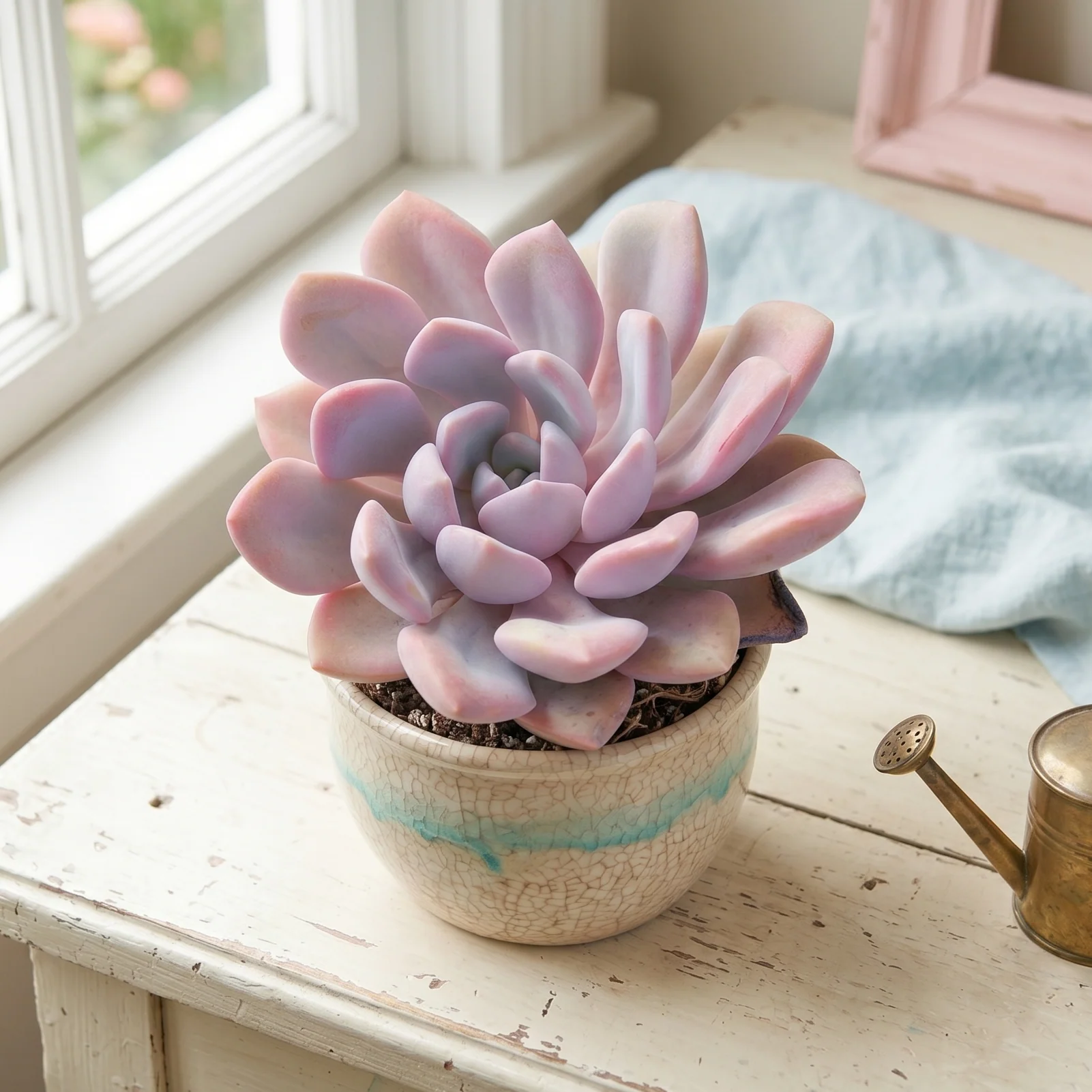
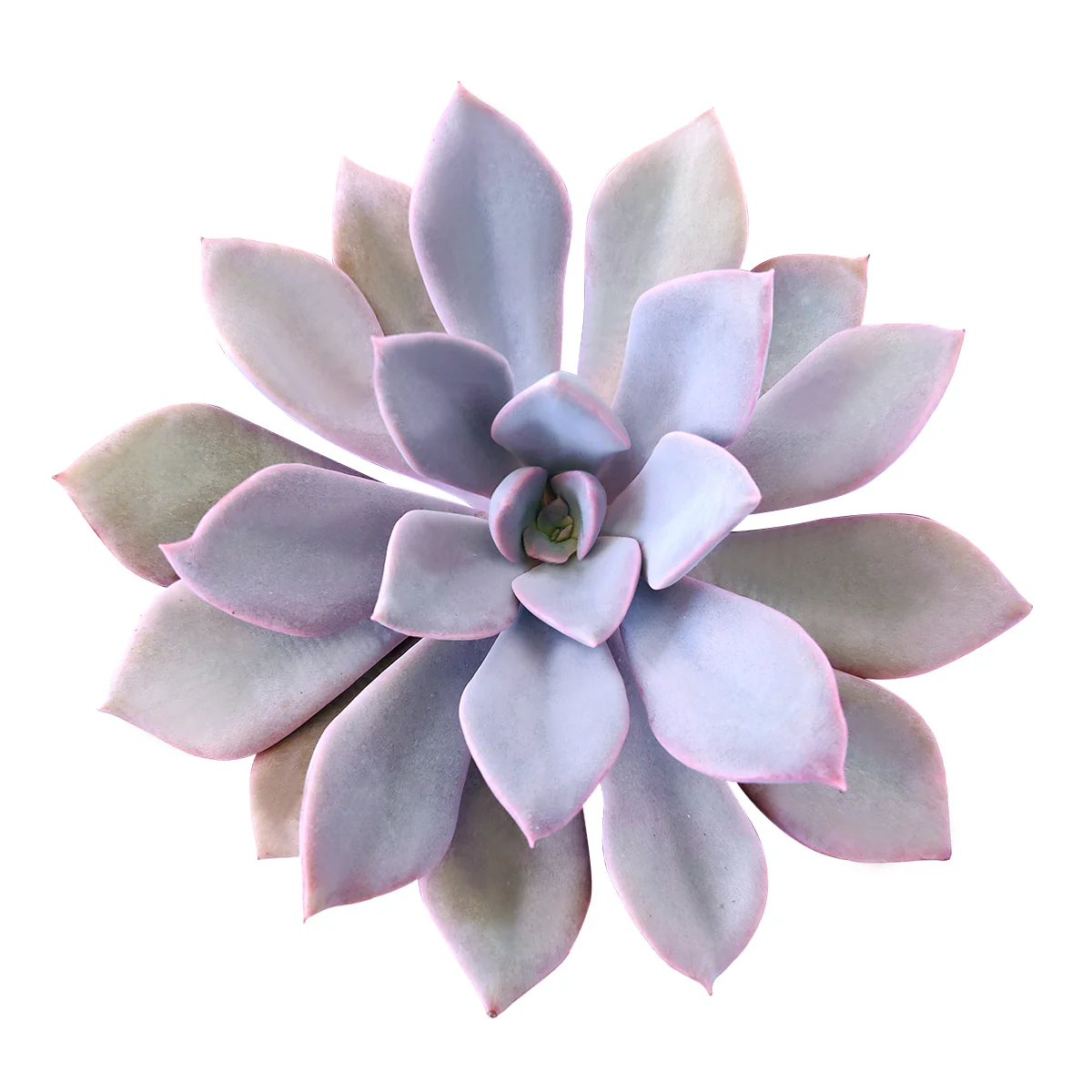
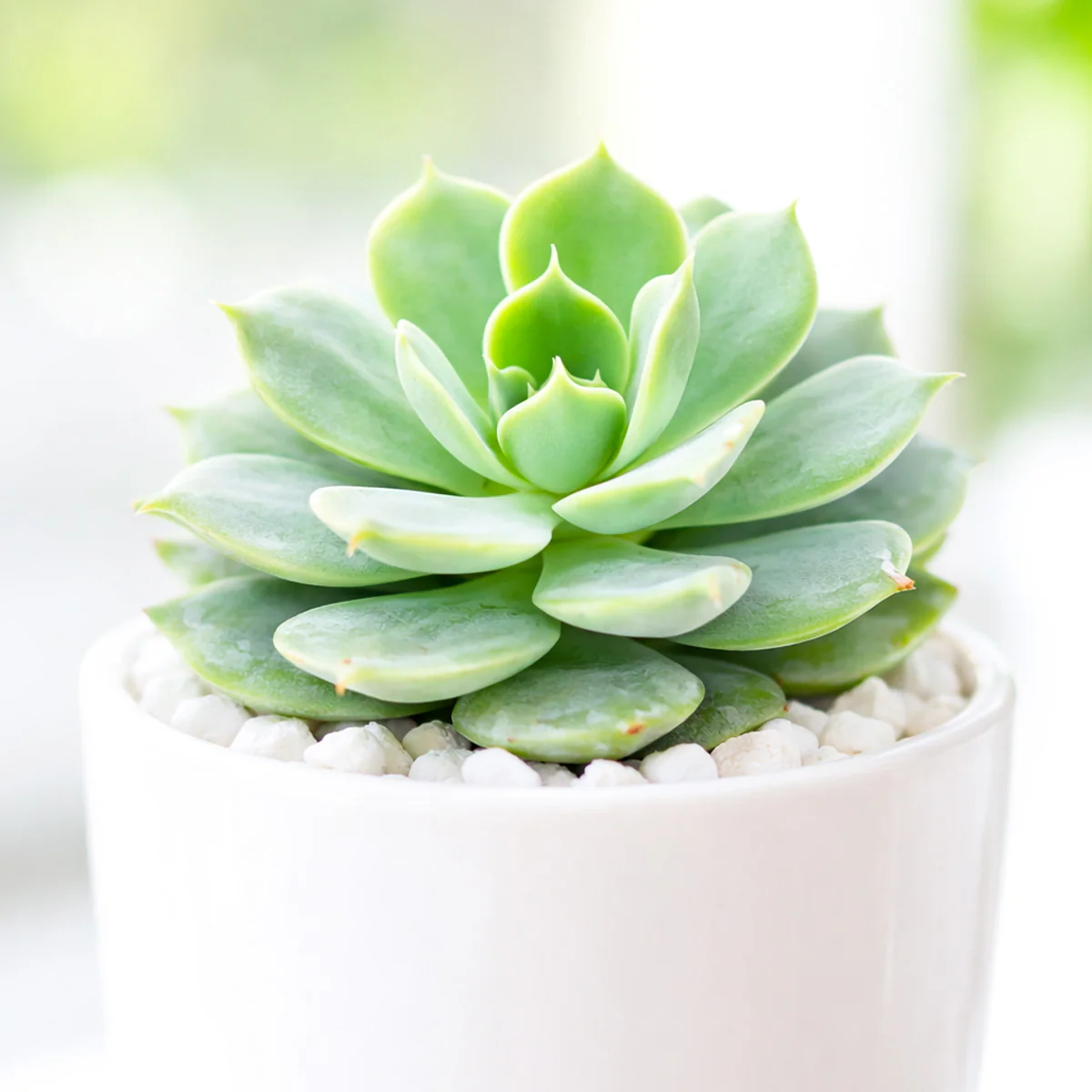
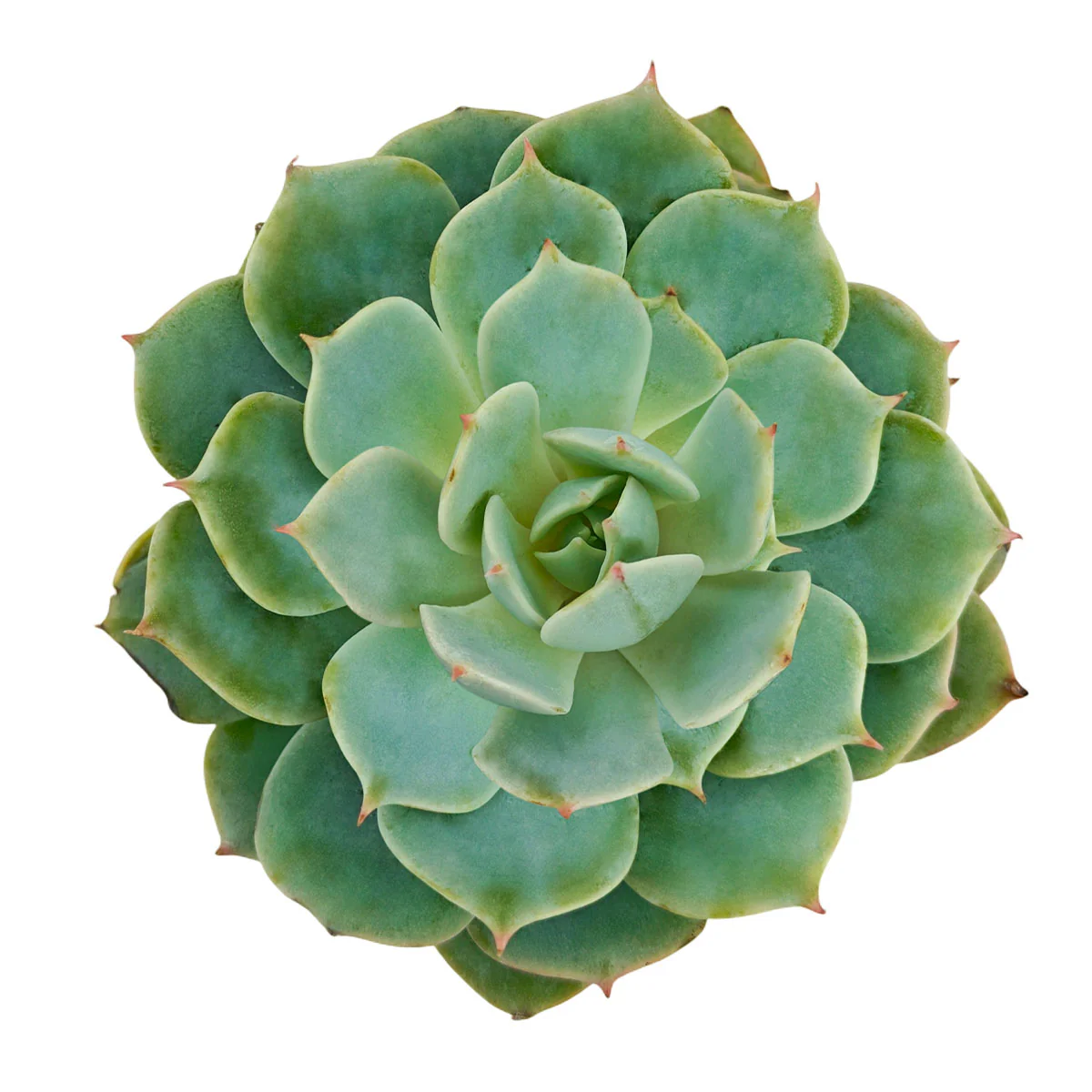
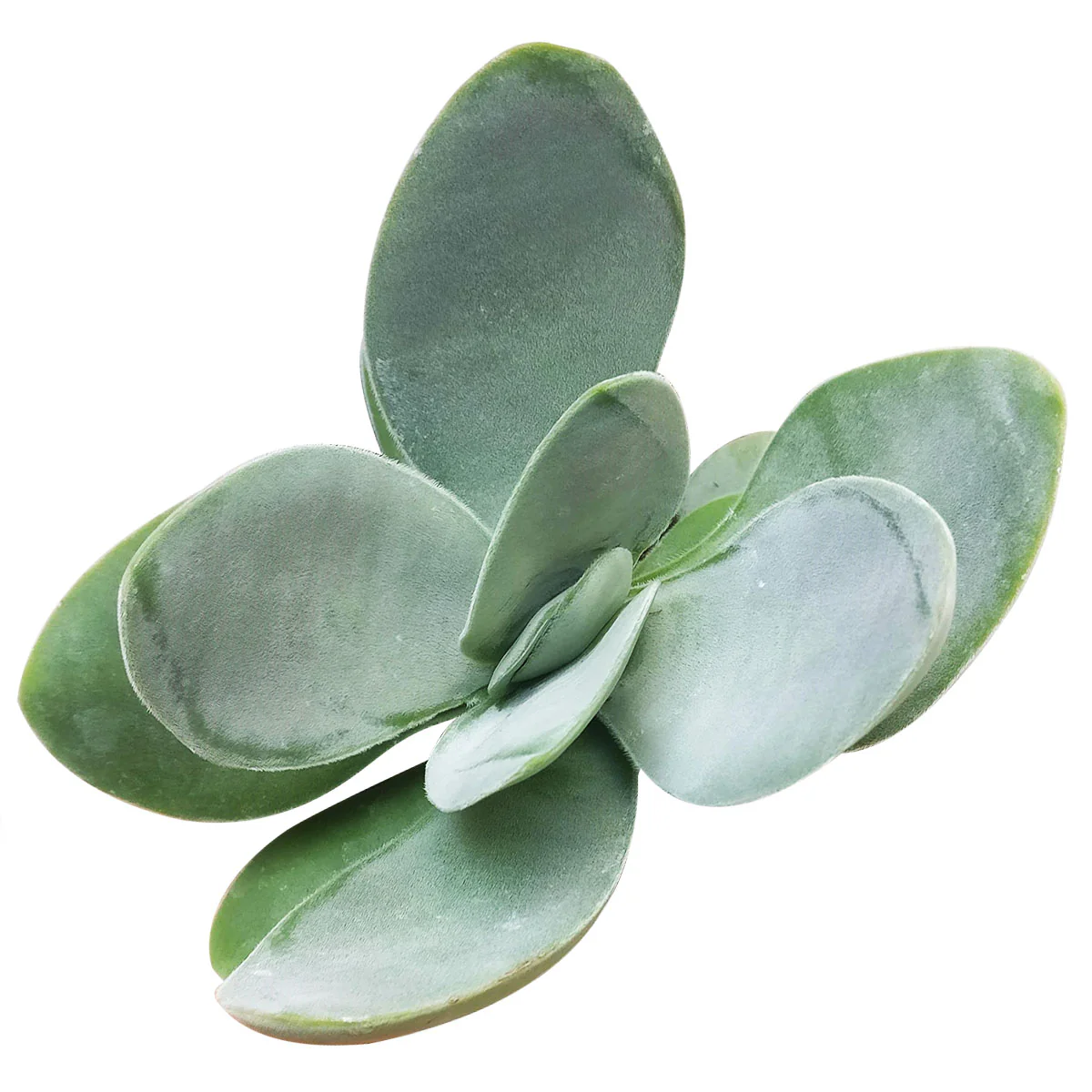
 Crassula Cotyledonis produces fleshy, paddle-shaped leaves in soft gray-green tones, arranged in a compact rosette that clusters and builds upright over time. The leaves have a slightly powdery or matte texture that catches light beautifully, and the clustering habit means a single plant gradually fills its pot with layered, geometric rosettes that look almost architectural.
 Crassula Cotyledonis is notably responsive to a nighttime temperature drop, which encourages it to push into bloom when conditions are right. Beyond flowering, this fat stonecrop succulent earns its keep through sheer visual texture and year-round structure that keeps it interesting across every season.
 Crassula Cotyledonis is a great candidate for a bright windowsill, a sunny patio in summer, or a curated shelf of drought-tolerant succulents. It can move outside for the warmer months but appreciates cover from rain to prevent overwatering at the roots. Because cats and dogs shouldn't be left to nibble or eat the plant, and it's best placed away from small children, a high shelf does double duty as a display spot and a safe one.
-
 Crassula Cotyledonis thrives in bright indirect light, partial sun, or full sun, but may scorch in intense south-facing windows without some afternoon shade.
 Water Crassula Cotyledonis thoroughly every 10-14 days in summer, reducing to once every 3-4 weeks in winter when growth slows.
 Crassula Cotyledonis performs best in a gritty, well-draining cactus and succulent mix amended with perlite or coarse sand.
 Crassula Cotyledonis prefers temperatures between 60-85°F (15-29°C) and should be brought indoors before temperatures drop near freezing.
![]() Crassula Cotyledonis is a slow to moderate grower that benefits from a diluted balanced fertilizer once a month during the active spring and summer season.
Crassula Cotyledonis is a slow to moderate grower that benefits from a diluted balanced fertilizer once a month during the active spring and summer season.
 Crassula Cotyledonis is best suited to USDA Hardiness Zones 9-11, tolerating brief dips no lower than around 25-30°F (-4 to -1°C) before needing protection. Outdoors year-round, Crassula Cotyledonis does well across warm-climate states including California, Arizona, Texas, Florida, Hawaii, Nevada, New Mexico, and Louisiana. It also thrives along the milder coastal and southern stretches of Georgia, South Carolina, Alabama, Mississippi, and coastal Oregon where hard freezes are rare.
-
Q: How often should I water Crassula Cotyledonis?
A: Water Crassula Cotyledonis every 10-14 days in warm months and scale back to every 3-4 weeks in winter. Always let the soil dry out completely between waterings to prevent root rot.
Q: What kind of light does Crassula Cotyledonis need?
A: Crassula Cotyledonis grows best in bright indirect light to partial or full sun, making a sunny windowsill or outdoor patio an ideal spot. Rotate the plant periodically for even, balanced growth.
Q: Is Crassula Cotyledonis safe for pets?
A: Cats and dogs shouldn't be left to nibble or eat Crassula Cotyledonis, so it's best kept on a high shelf well out of their reach. The same goes for toddlers and small children.
Q: Can Crassula Cotyledonis go outside in summer?
A: Yes, Crassula Cotyledonis loves spending the warmer months outdoors in a bright, sheltered spot. Just make sure it has cover from heavy rain and bring it back inside before temperatures drop in autumn.
Q: How do I propagate Crassula Cotyledonis?
A: Crassula Cotyledonis propagates readily from stem or leaf cuttings allowed to callous for a day or two before being placed on dry, well-draining succulent mix. New growth typically appears within a few weeks.
Q: Why is Crassula Cotyledonis considered rare?
A: Crassula Cotyledonis is a rare paddle succulent that isn't widely stocked in mainstream garden centers, making it a sought-after find for serious collectors. Its distinctive grey-green rosette form and easy care profile make it especially rewarding to track down.


Original: $7.69
-70%$7.69
$2.31Product Information
Product Information
Shipping & Returns
Shipping & Returns
Description
- Description
- Crassula Cotyledonis Care Guide
- FAQ/Common Issues
-
![]() Crassula Cotyledonis is a rare, low-maintenance succulent native to the rocky, arid regions of South Africa, where it thrives in dry conditions with minimal rainfall. A true gem of the Crassula genus, this grey green rosette succulent has earned a devoted following among collectors who appreciate both its sculptural form and its easygoing nature.
Crassula Cotyledonis is a rare, low-maintenance succulent native to the rocky, arid regions of South Africa, where it thrives in dry conditions with minimal rainfall. A true gem of the Crassula genus, this grey green rosette succulent has earned a devoted following among collectors who appreciate both its sculptural form and its easygoing nature.
Crassula Cotyledonis produces fleshy, paddle-shaped leaves in soft gray-green tones, arranged in a compact rosette that clusters and builds upright over time. The leaves have a slightly powdery or matte texture that catches light beautifully, and the clustering habit means a single plant gradually fills its pot with layered, geometric rosettes that look almost architectural.
Crassula Cotyledonis is notably responsive to a nighttime temperature drop, which encourages it to push into bloom when conditions are right. Beyond flowering, this fat stonecrop succulent earns its keep through sheer visual texture and year-round structure that keeps it interesting across every season.
Crassula Cotyledonis is a great candidate for a bright windowsill, a sunny patio in summer, or a curated shelf of drought-tolerant succulents. It can move outside for the warmer months but appreciates cover from rain to prevent overwatering at the roots. Because cats and dogs shouldn't be left to nibble or eat the plant, and it's best placed away from small children, a high shelf does double duty as a display spot and a safe one.
-
Crassula Cotyledonis thrives in bright indirect light, partial sun, or full sun, but may scorch in intense south-facing windows without some afternoon shade.
Water Crassula Cotyledonis thoroughly every 10-14 days in summer, reducing to once every 3-4 weeks in winter when growth slows.
Crassula Cotyledonis performs best in a gritty, well-draining cactus and succulent mix amended with perlite or coarse sand.
Crassula Cotyledonis prefers temperatures between 60-85°F (15-29°C) and should be brought indoors before temperatures drop near freezing.
![]() Crassula Cotyledonis is a slow to moderate grower that benefits from a diluted balanced fertilizer once a month during the active spring and summer season.
Crassula Cotyledonis is a slow to moderate grower that benefits from a diluted balanced fertilizer once a month during the active spring and summer season.
Crassula Cotyledonis is best suited to USDA Hardiness Zones 9-11, tolerating brief dips no lower than around 25-30°F (-4 to -1°C) before needing protection. Outdoors year-round, Crassula Cotyledonis does well across warm-climate states including California, Arizona, Texas, Florida, Hawaii, Nevada, New Mexico, and Louisiana. It also thrives along the milder coastal and southern stretches of Georgia, South Carolina, Alabama, Mississippi, and coastal Oregon where hard freezes are rare.
-
Q: How often should I water Crassula Cotyledonis?
A: Water Crassula Cotyledonis every 10-14 days in warm months and scale back to every 3-4 weeks in winter. Always let the soil dry out completely between waterings to prevent root rot.
Q: What kind of light does Crassula Cotyledonis need?
A: Crassula Cotyledonis grows best in bright indirect light to partial or full sun, making a sunny windowsill or outdoor patio an ideal spot. Rotate the plant periodically for even, balanced growth.
Q: Is Crassula Cotyledonis safe for pets?
A: Cats and dogs shouldn't be left to nibble or eat Crassula Cotyledonis, so it's best kept on a high shelf well out of their reach. The same goes for toddlers and small children.
Q: Can Crassula Cotyledonis go outside in summer?
A: Yes, Crassula Cotyledonis loves spending the warmer months outdoors in a bright, sheltered spot. Just make sure it has cover from heavy rain and bring it back inside before temperatures drop in autumn.
Q: How do I propagate Crassula Cotyledonis?
A: Crassula Cotyledonis propagates readily from stem or leaf cuttings allowed to callous for a day or two before being placed on dry, well-draining succulent mix. New growth typically appears within a few weeks.
Q: Why is Crassula Cotyledonis considered rare?
A: Crassula Cotyledonis is a rare paddle succulent that isn't widely stocked in mainstream garden centers, making it a sought-after find for serious collectors. Its distinctive grey-green rosette form and easy care profile make it especially rewarding to track down.