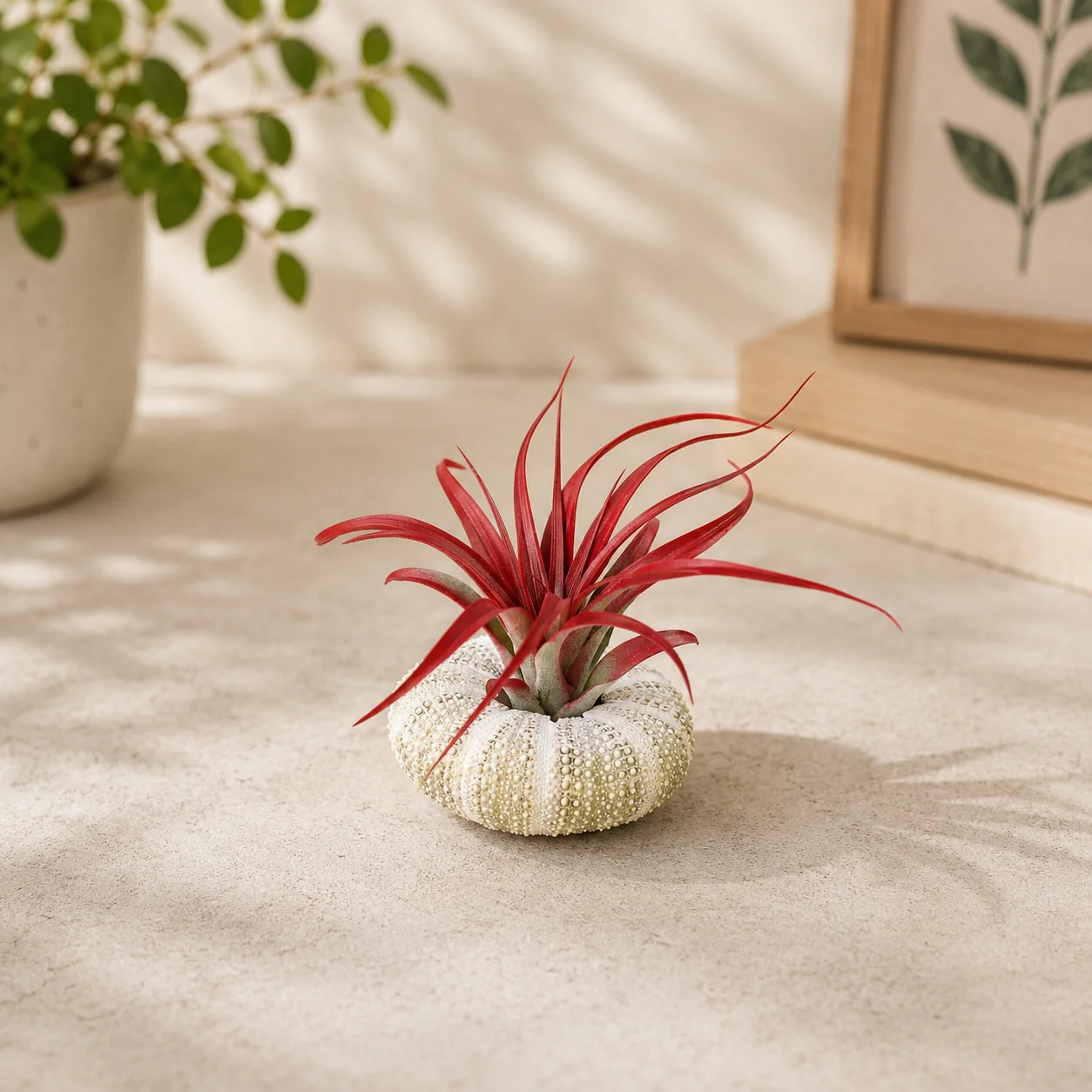
Alfonso Urchin with Tillandsia Air Plant
- Description
- Light/Soil/Water
- Hardiness
-
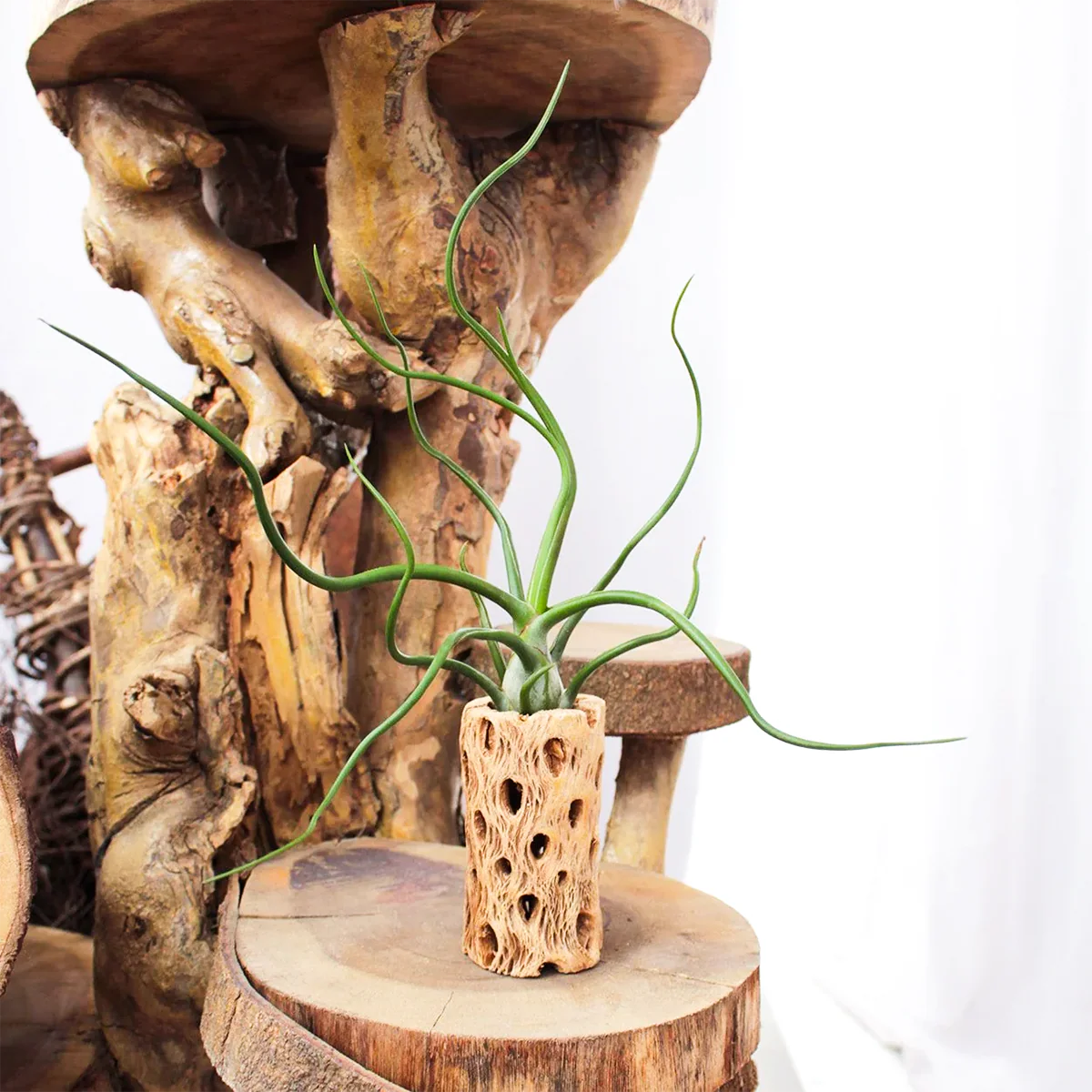
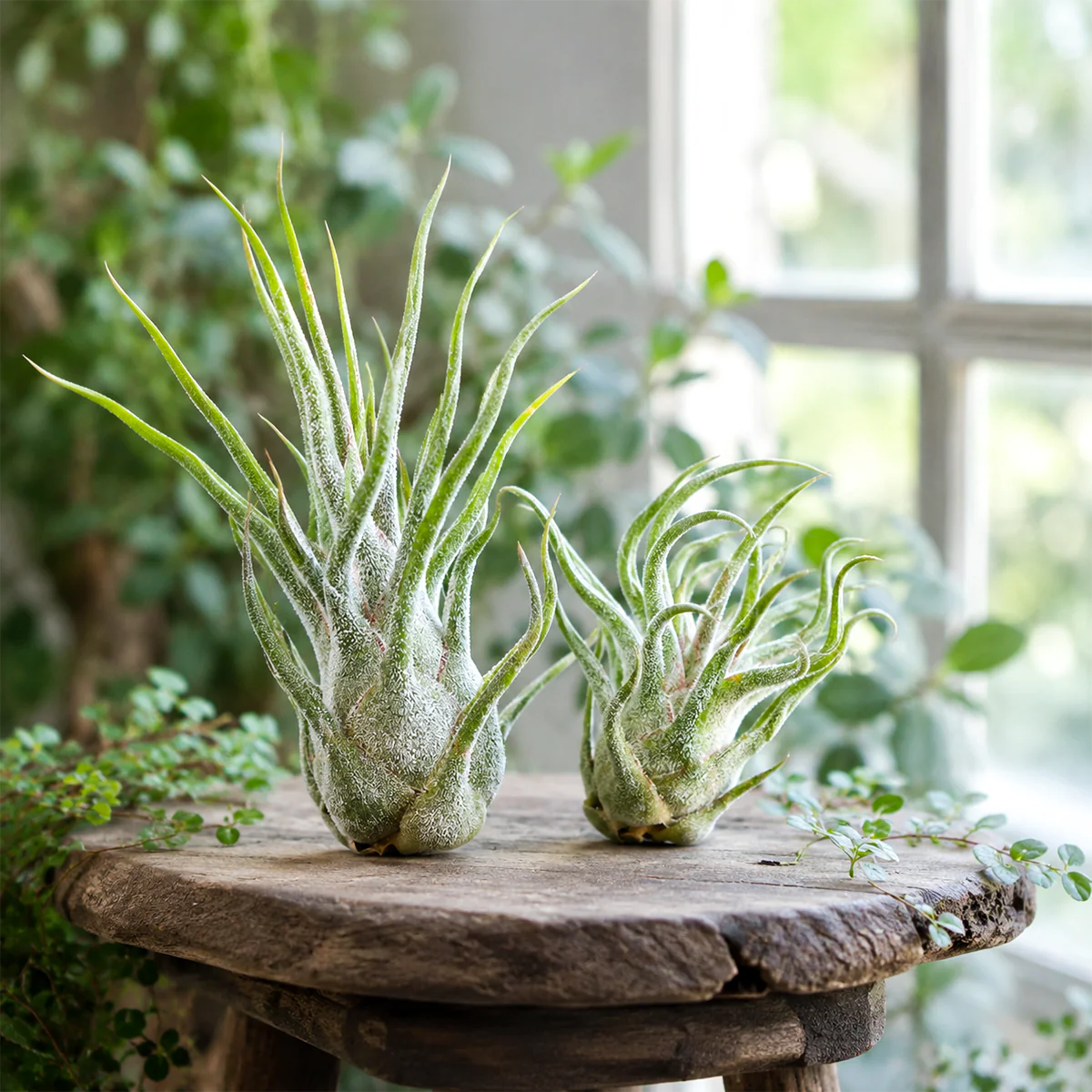
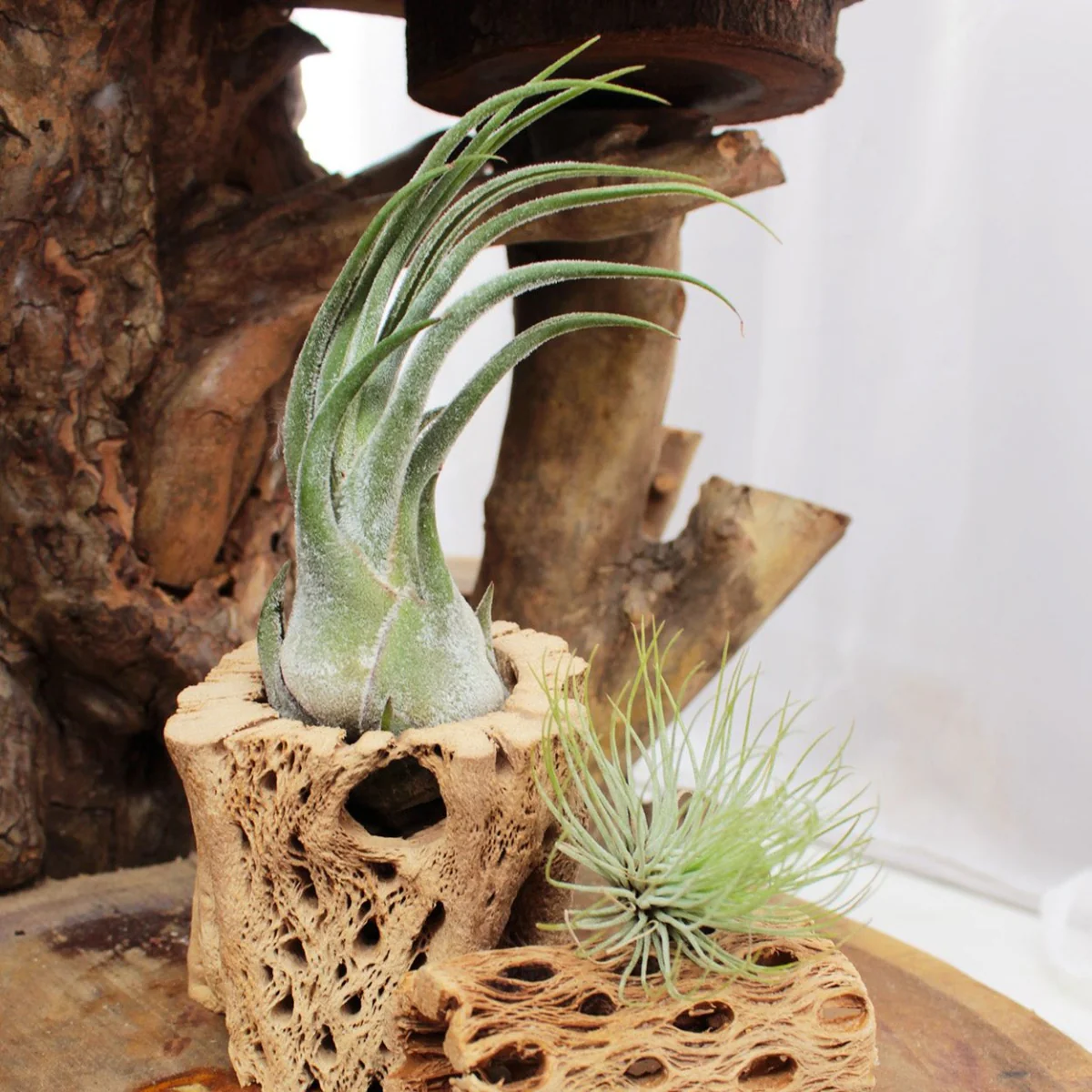
![]() The Alfonso Urchin with Tillandsia Air Plant is a charming pairing that combines a naturally dried sea urchin shell with a living Tillandsia, commonly known as an air plant. Tillandsia is a genus in the Bromeliaceae family, native to the forests, mountains, and deserts of Central and South America. This display-ready combination is popular for its effortless, soil-free lifestyle and its distinctive coastal aesthetic that suits a wide range of interior styles.
The Alfonso Urchin with Tillandsia Air Plant is a charming pairing that combines a naturally dried sea urchin shell with a living Tillandsia, commonly known as an air plant. Tillandsia is a genus in the Bromeliaceae family, native to the forests, mountains, and deserts of Central and South America. This display-ready combination is popular for its effortless, soil-free lifestyle and its distinctive coastal aesthetic that suits a wide range of interior styles.
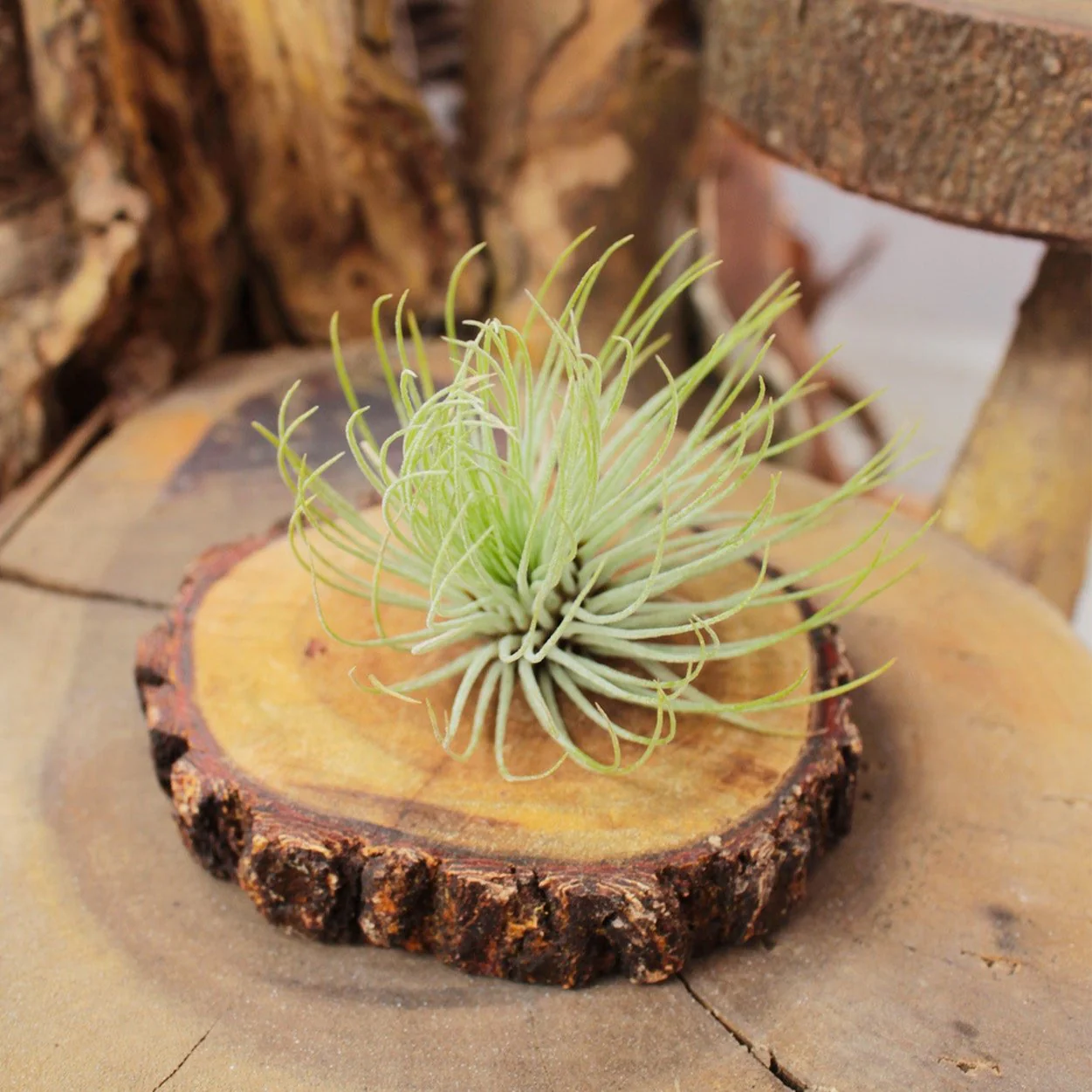
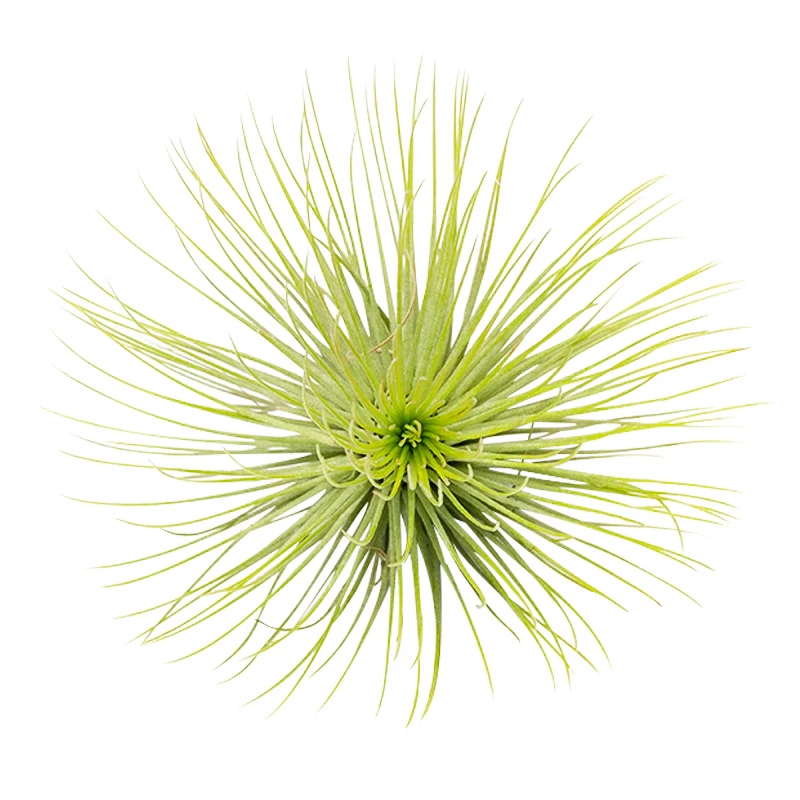
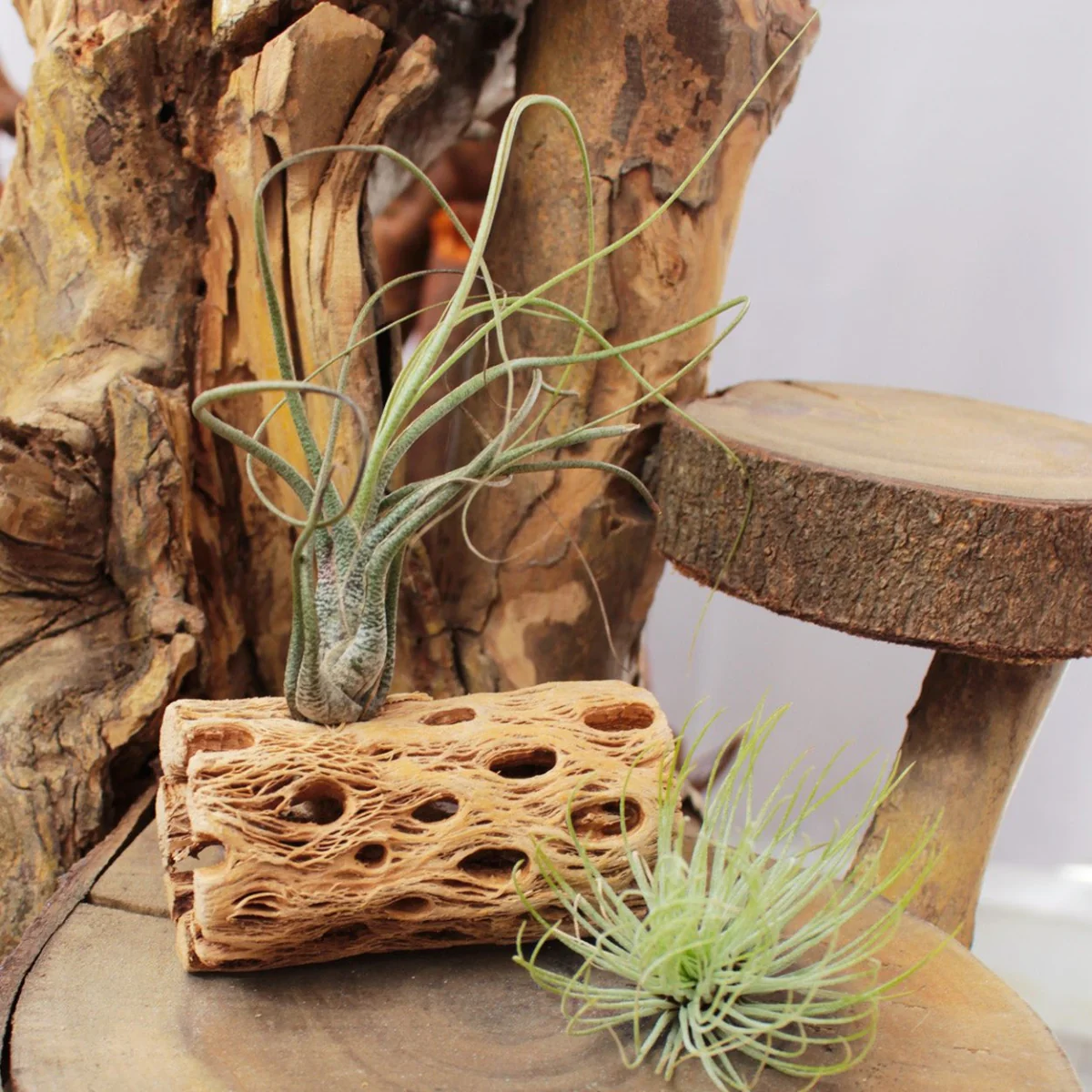
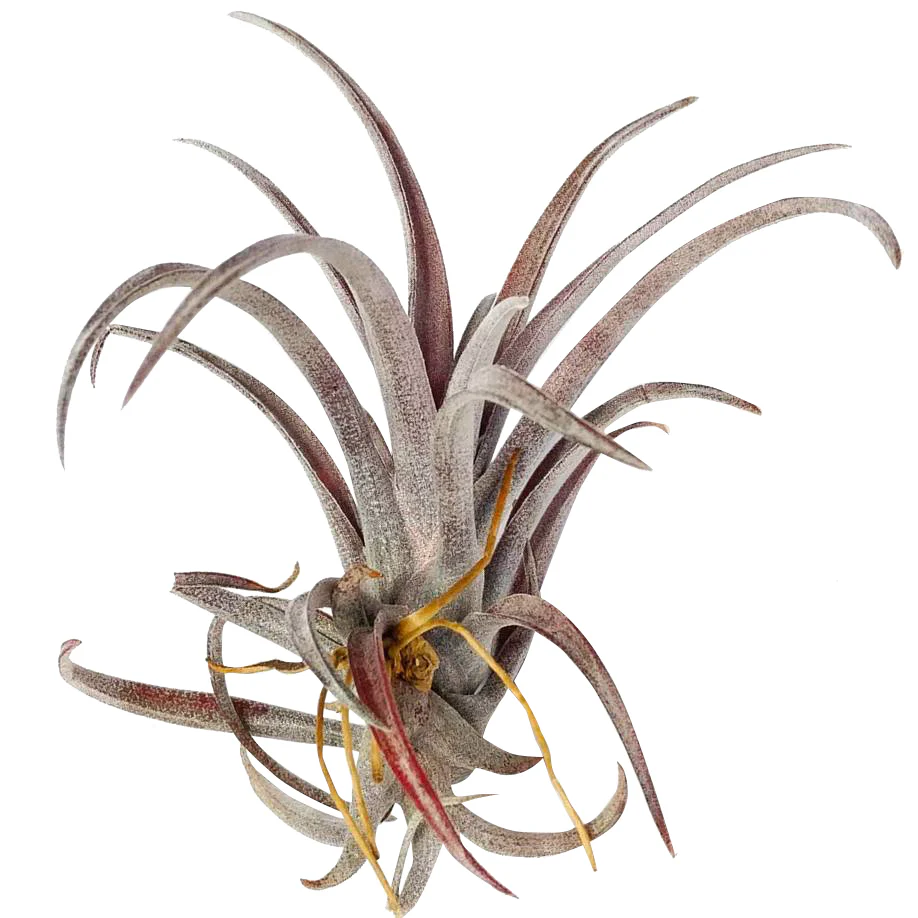
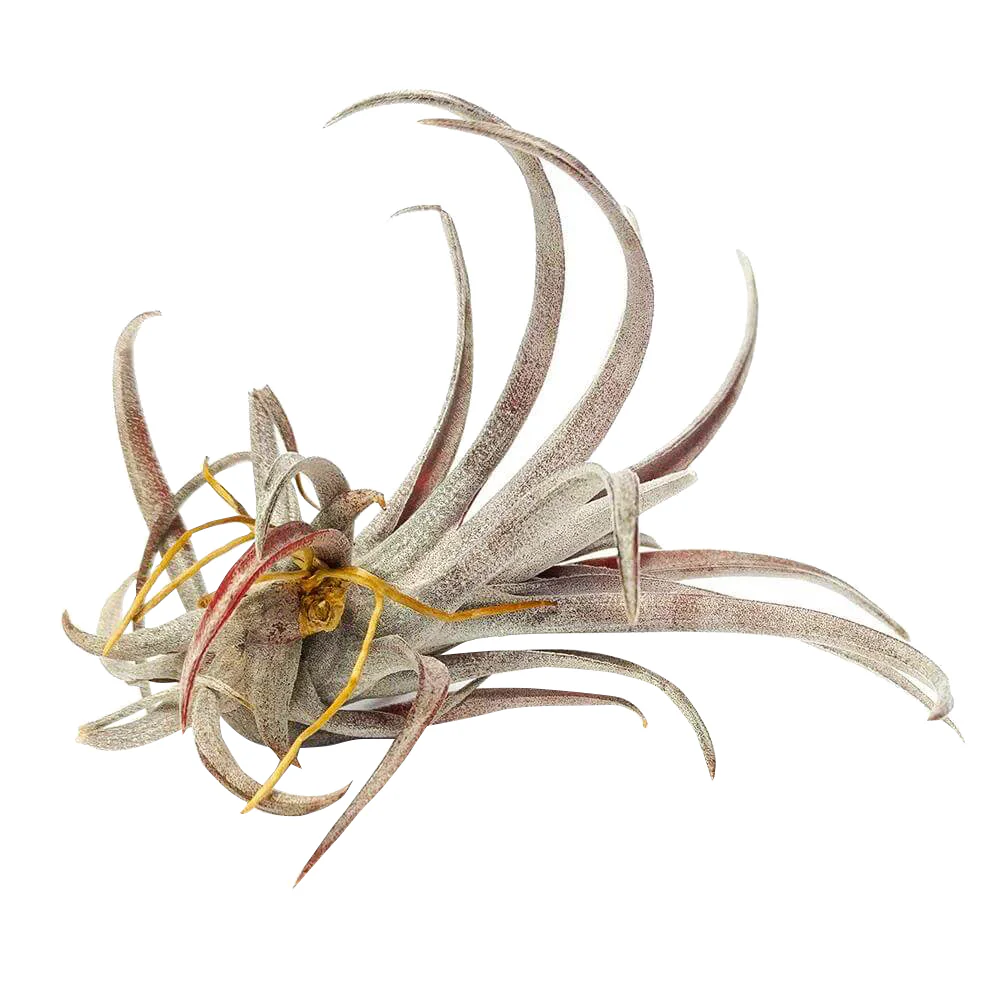
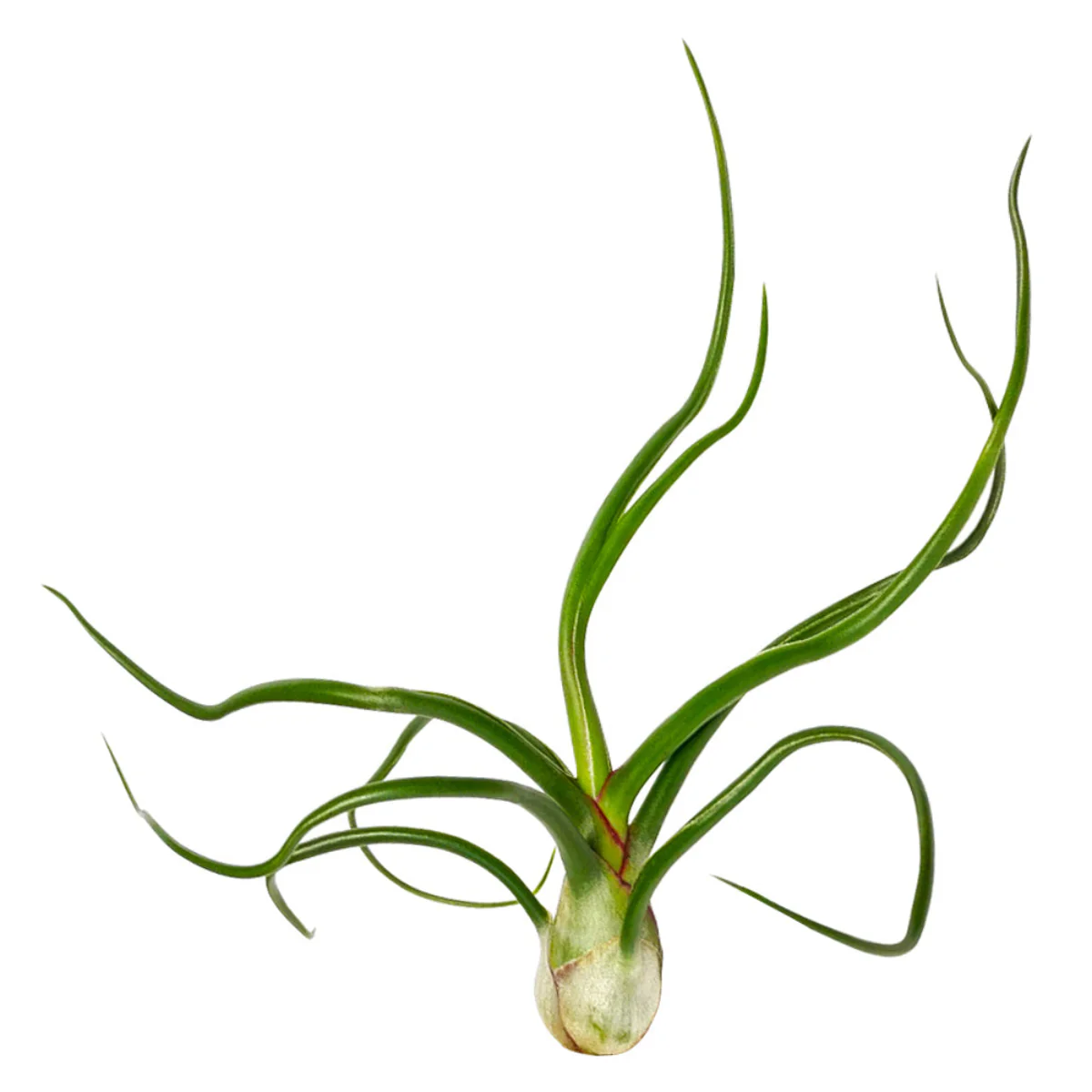
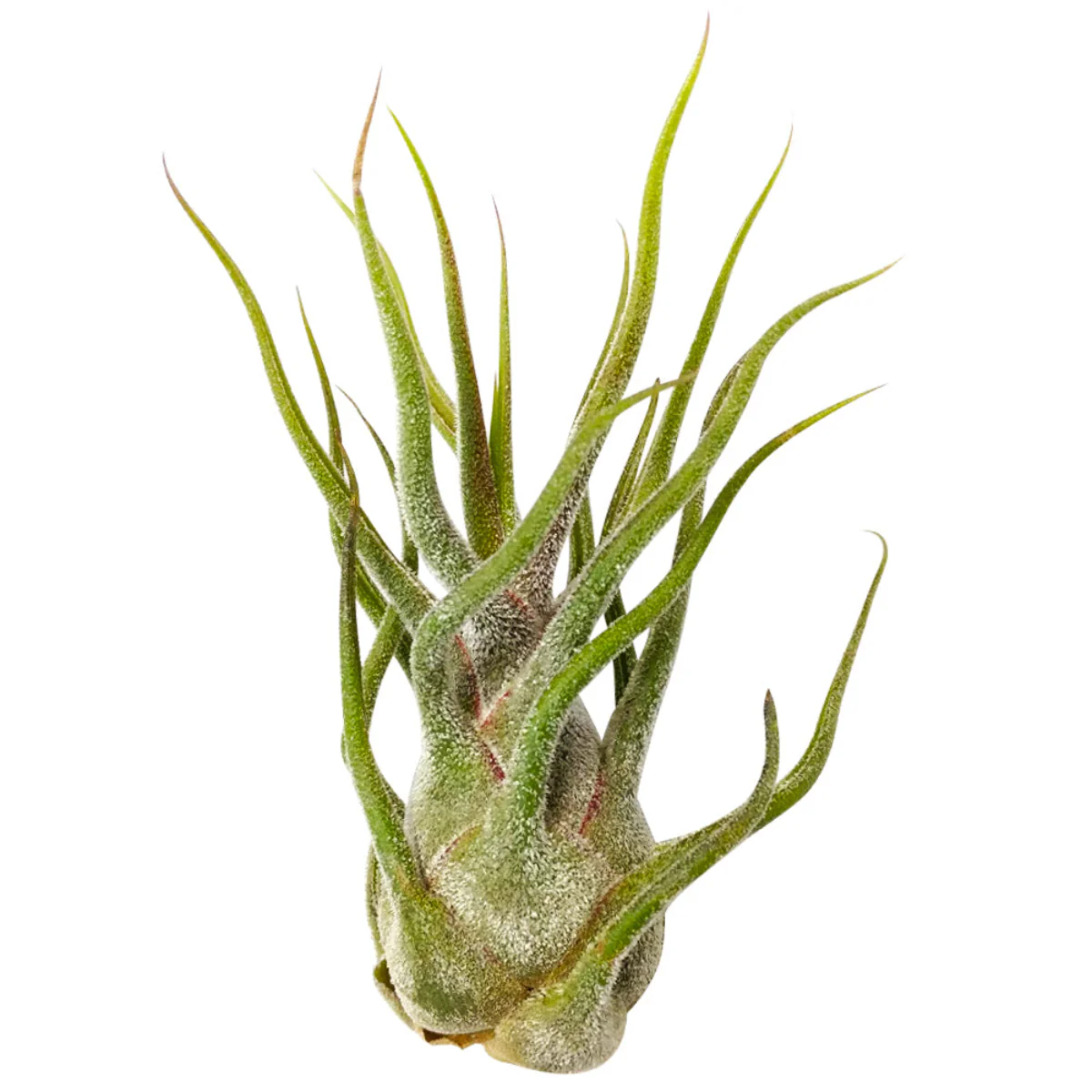
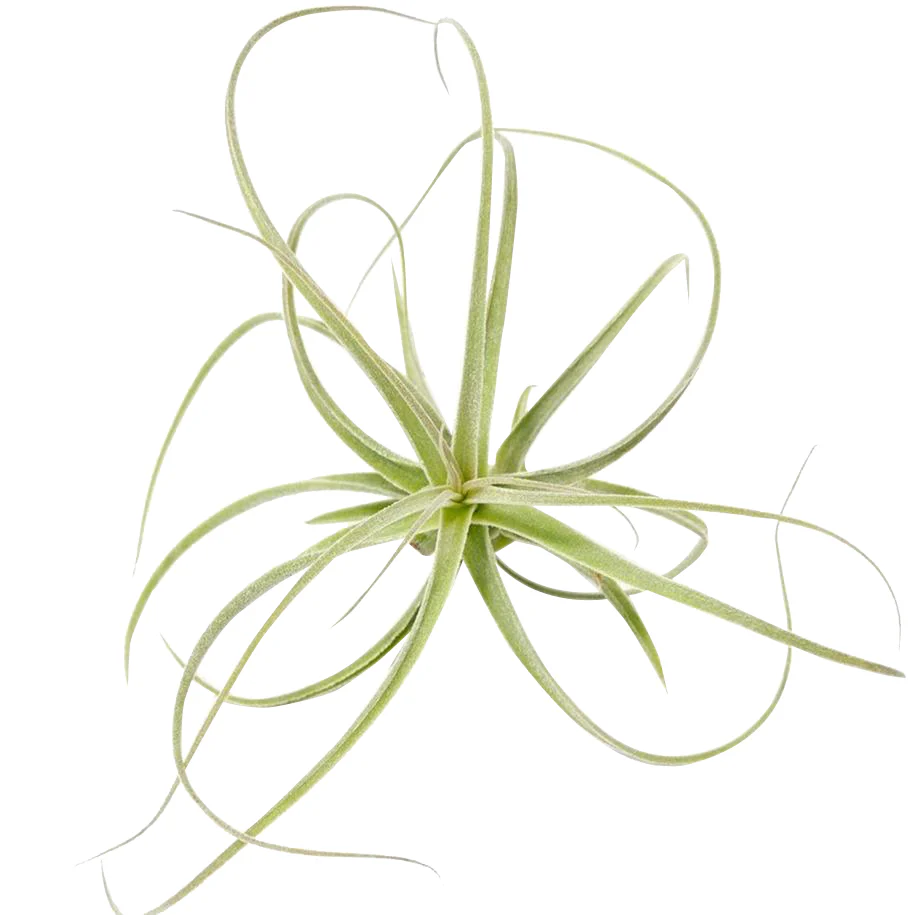
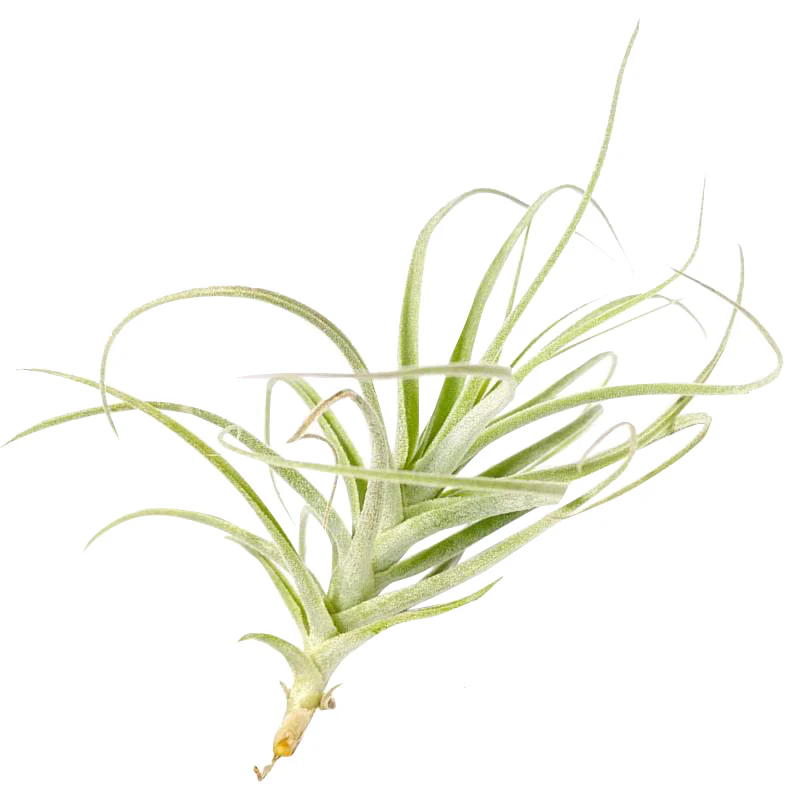
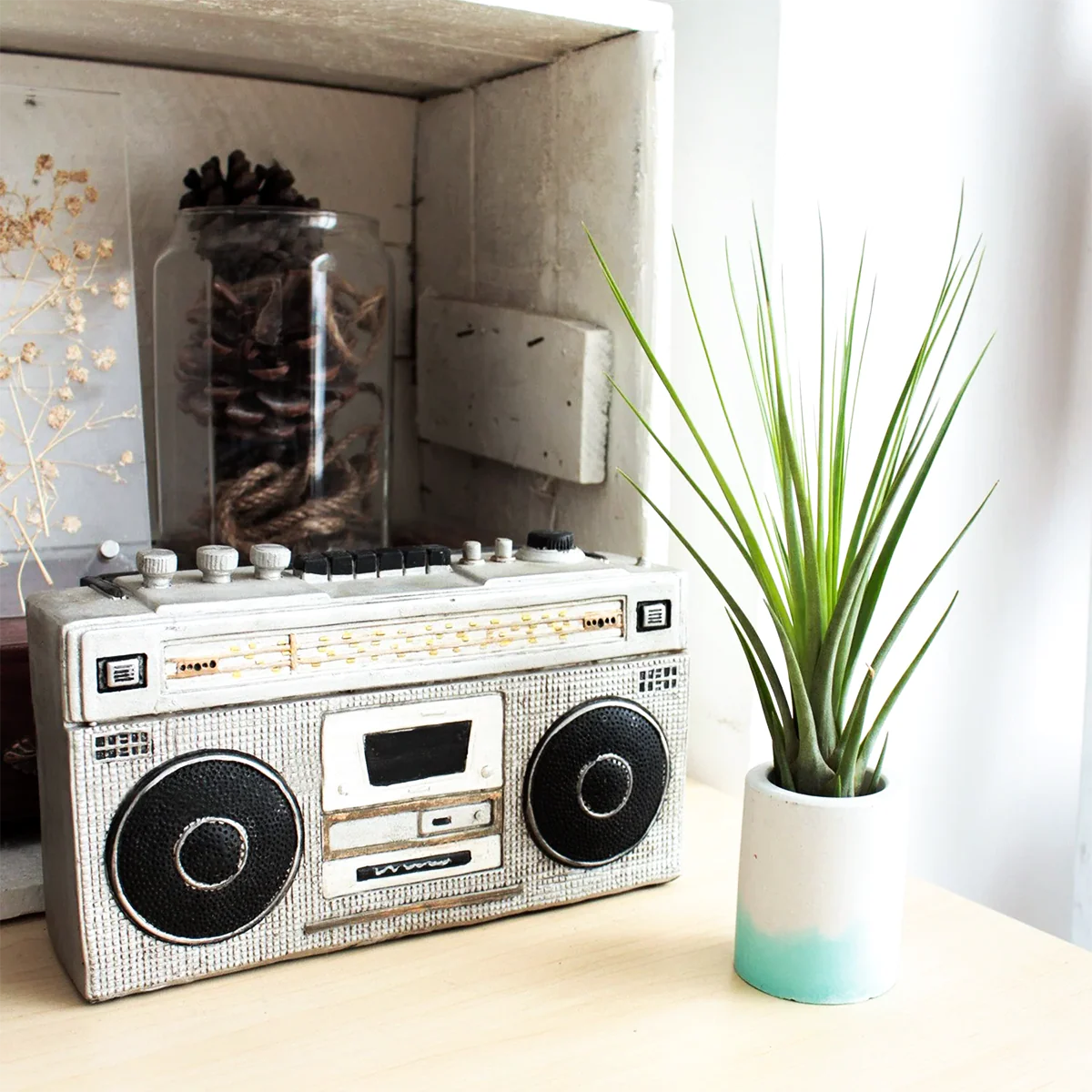
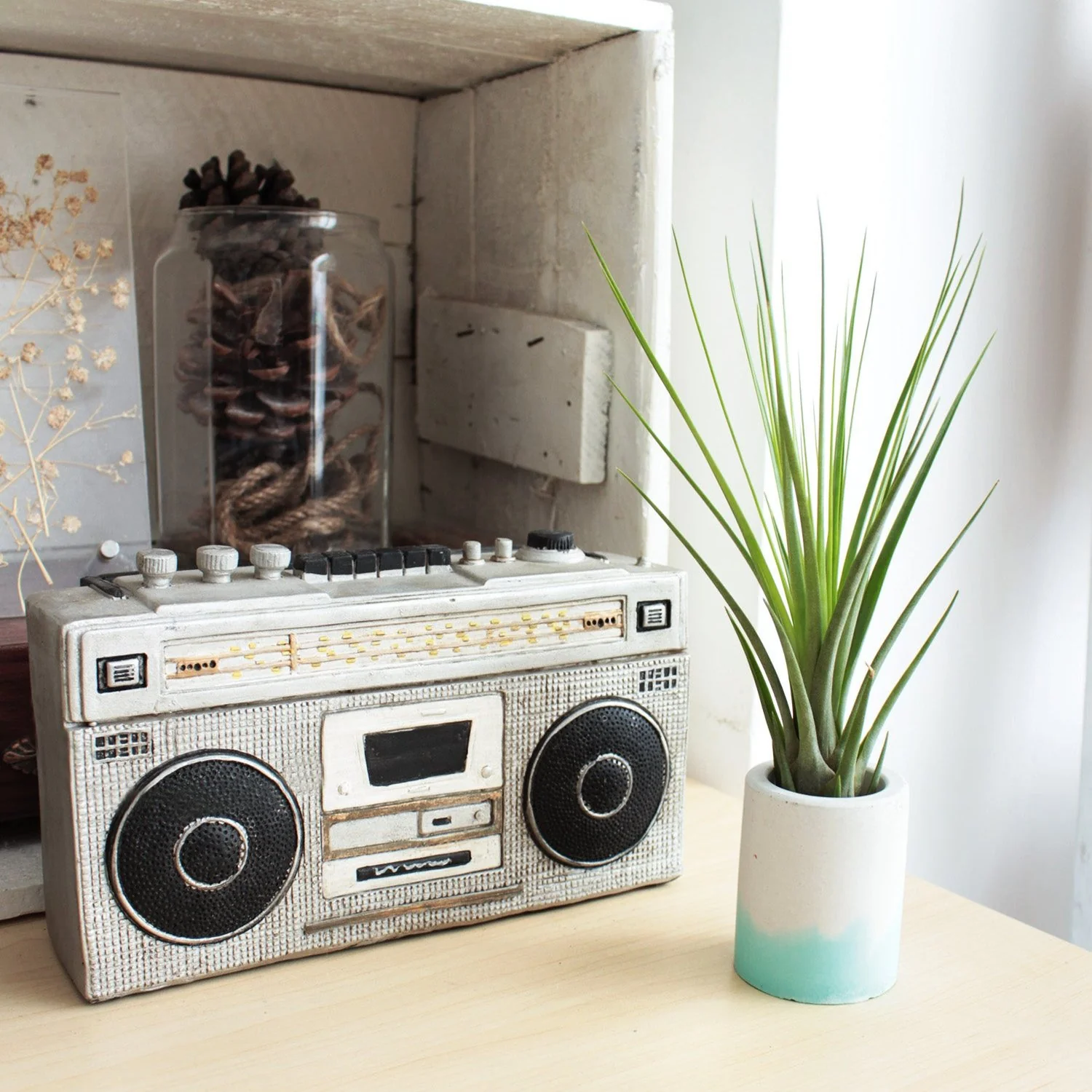
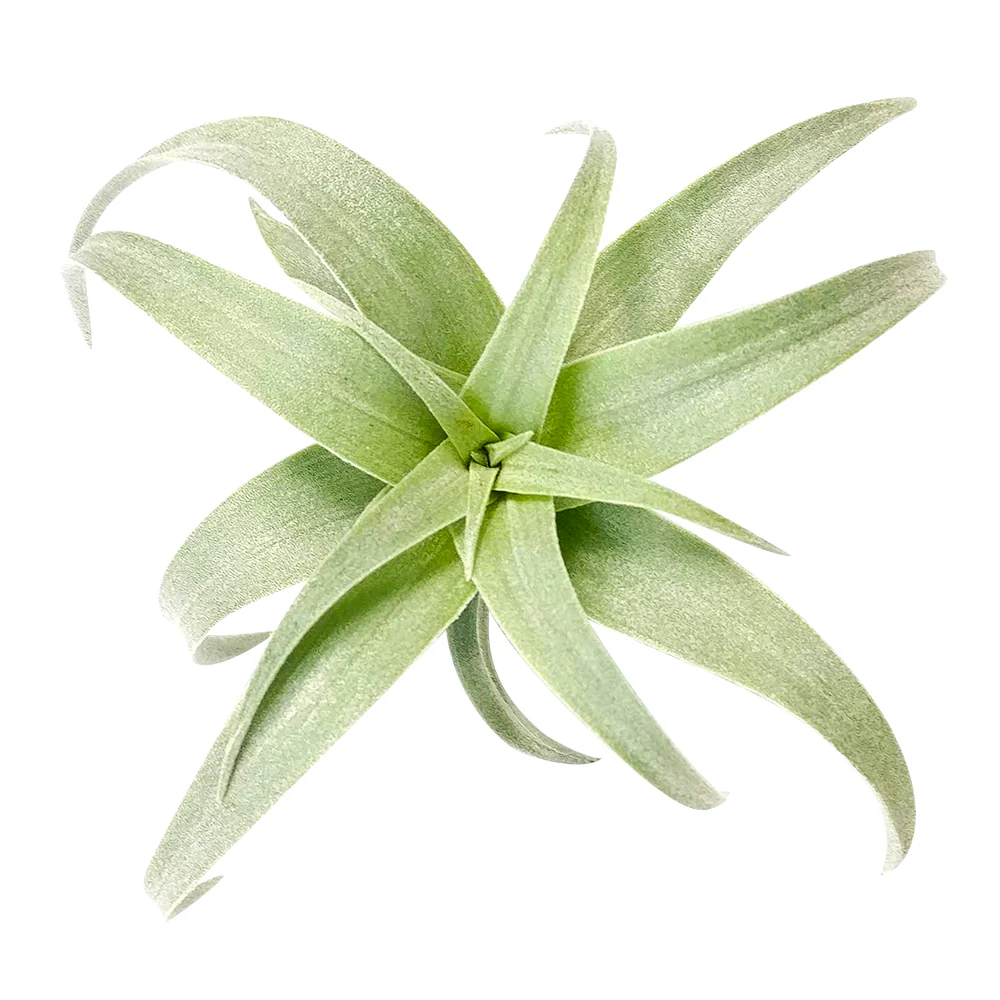
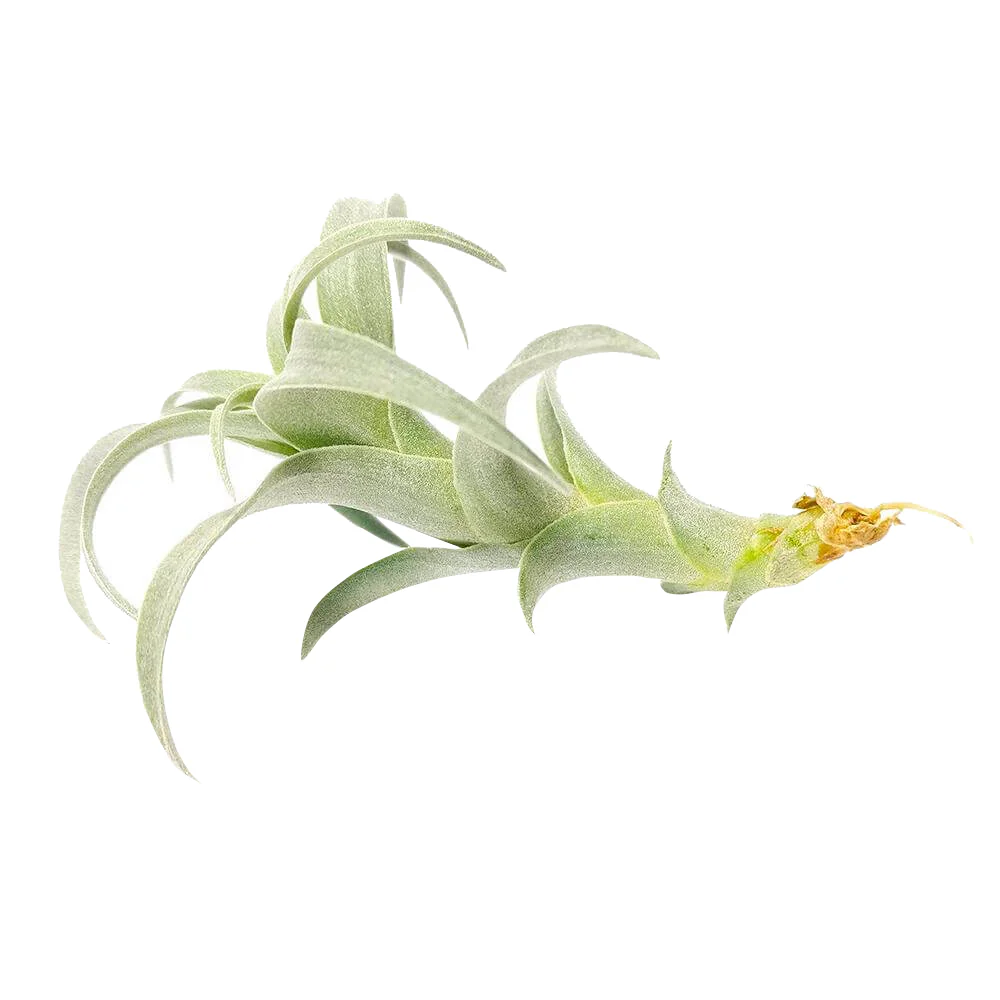
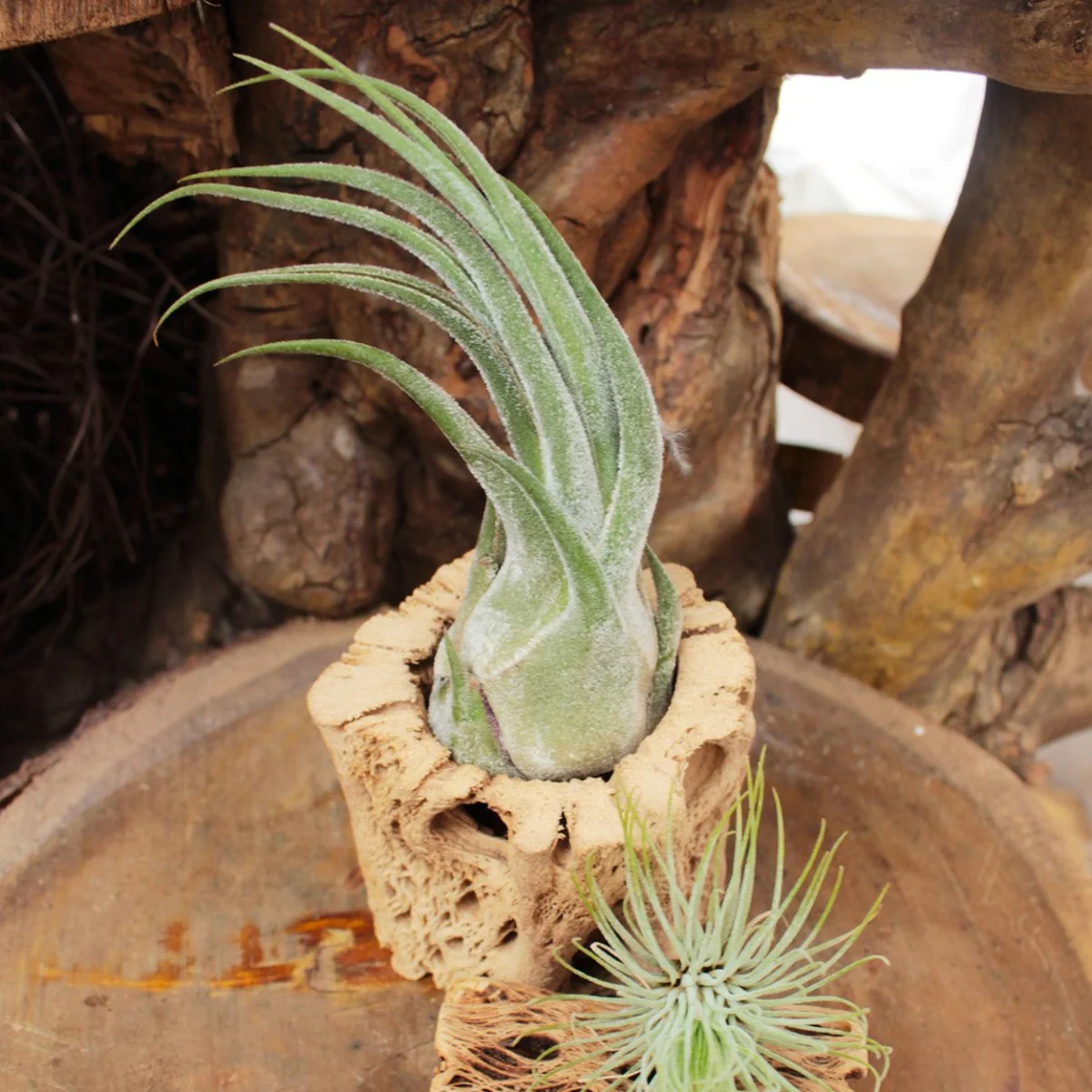
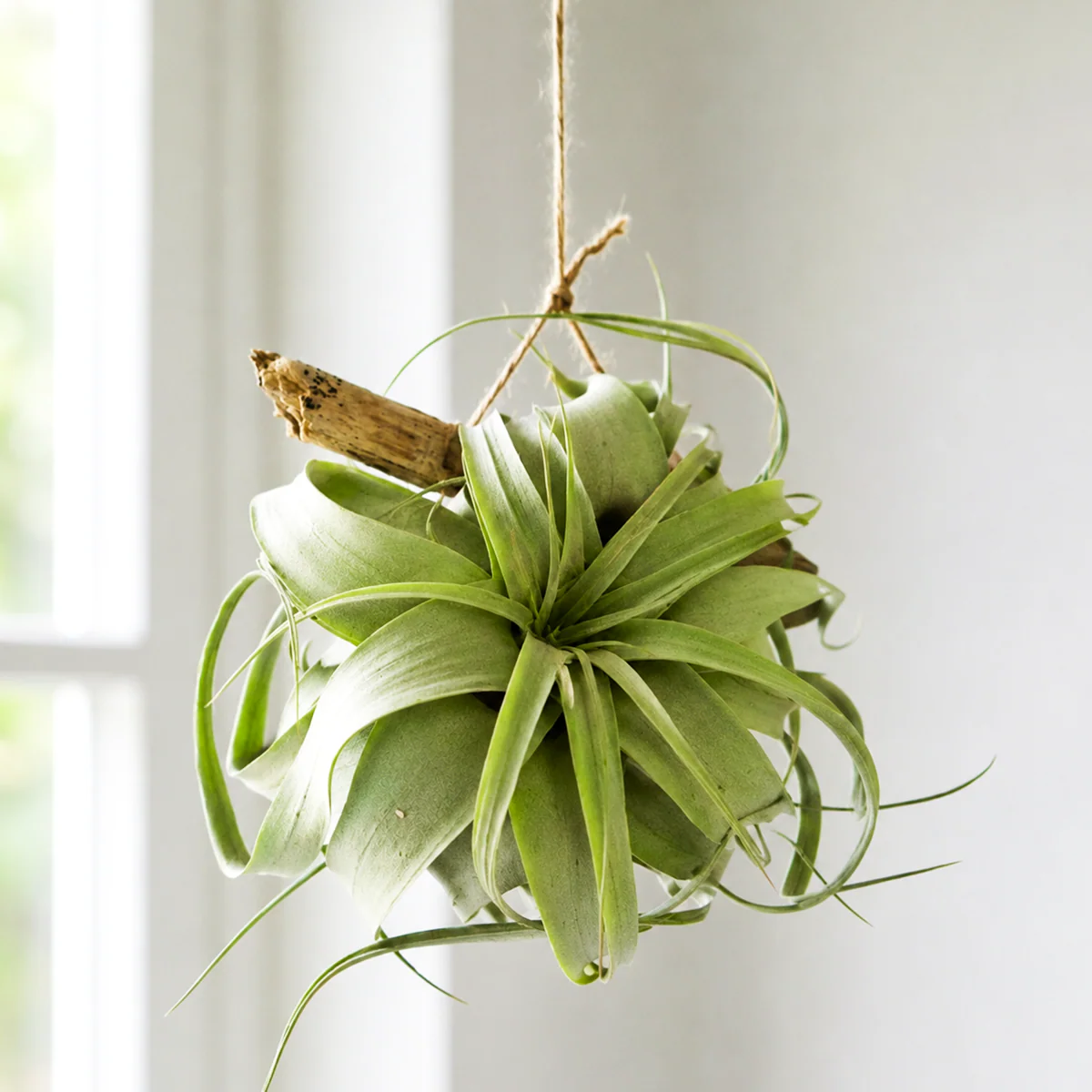
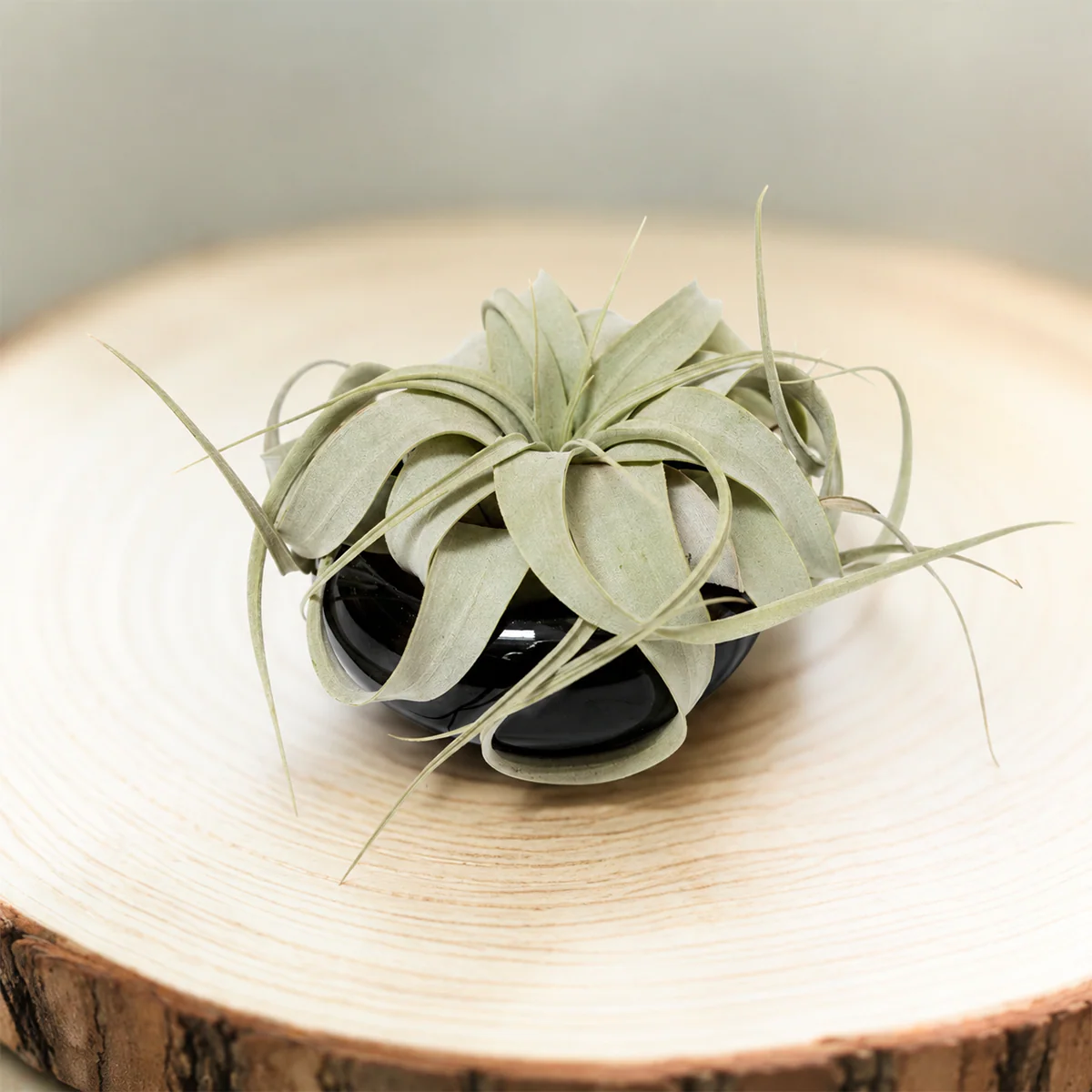
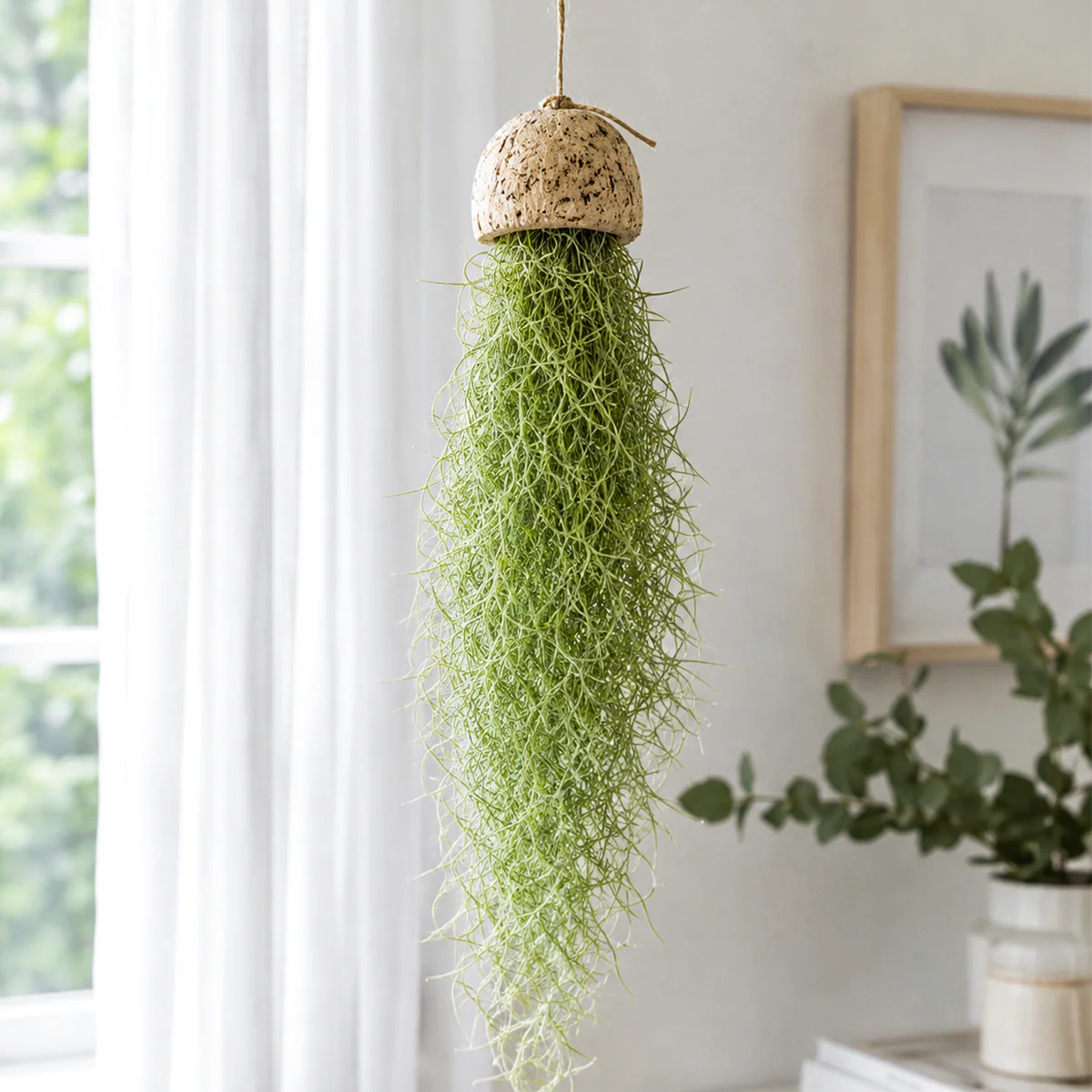
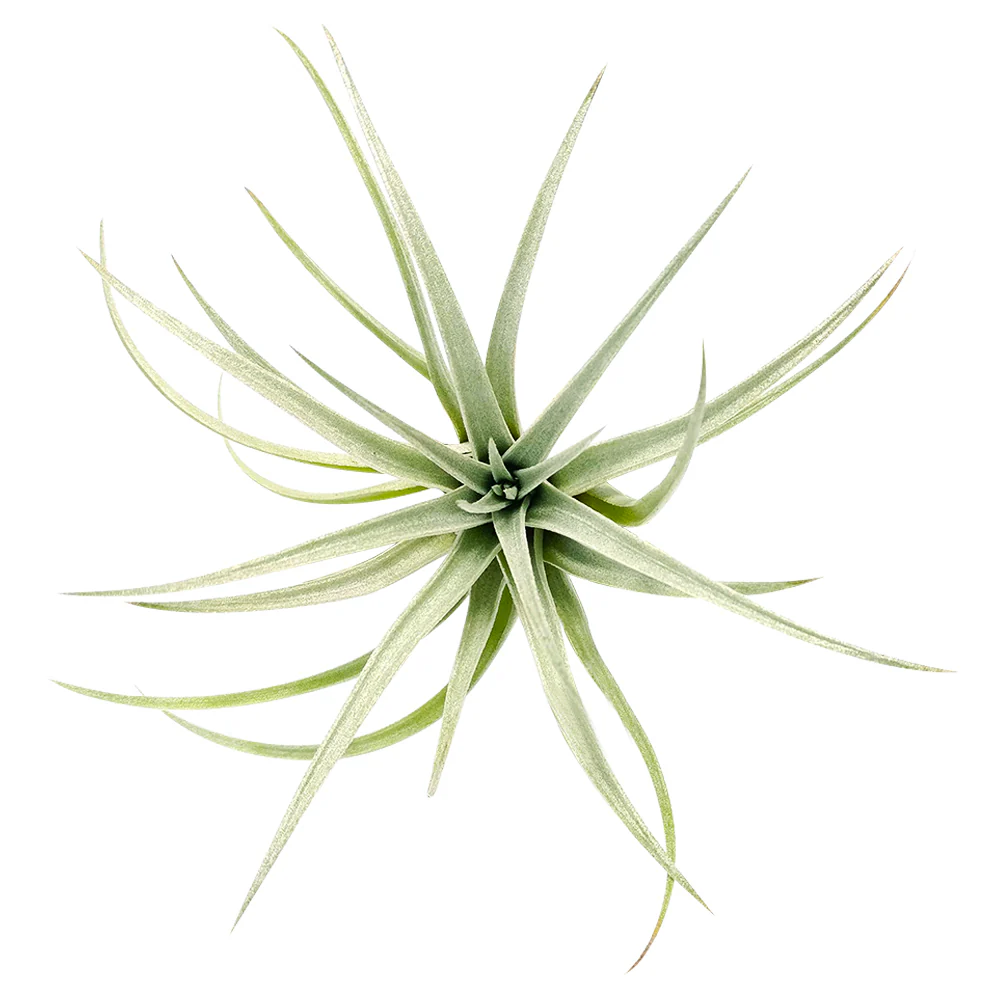
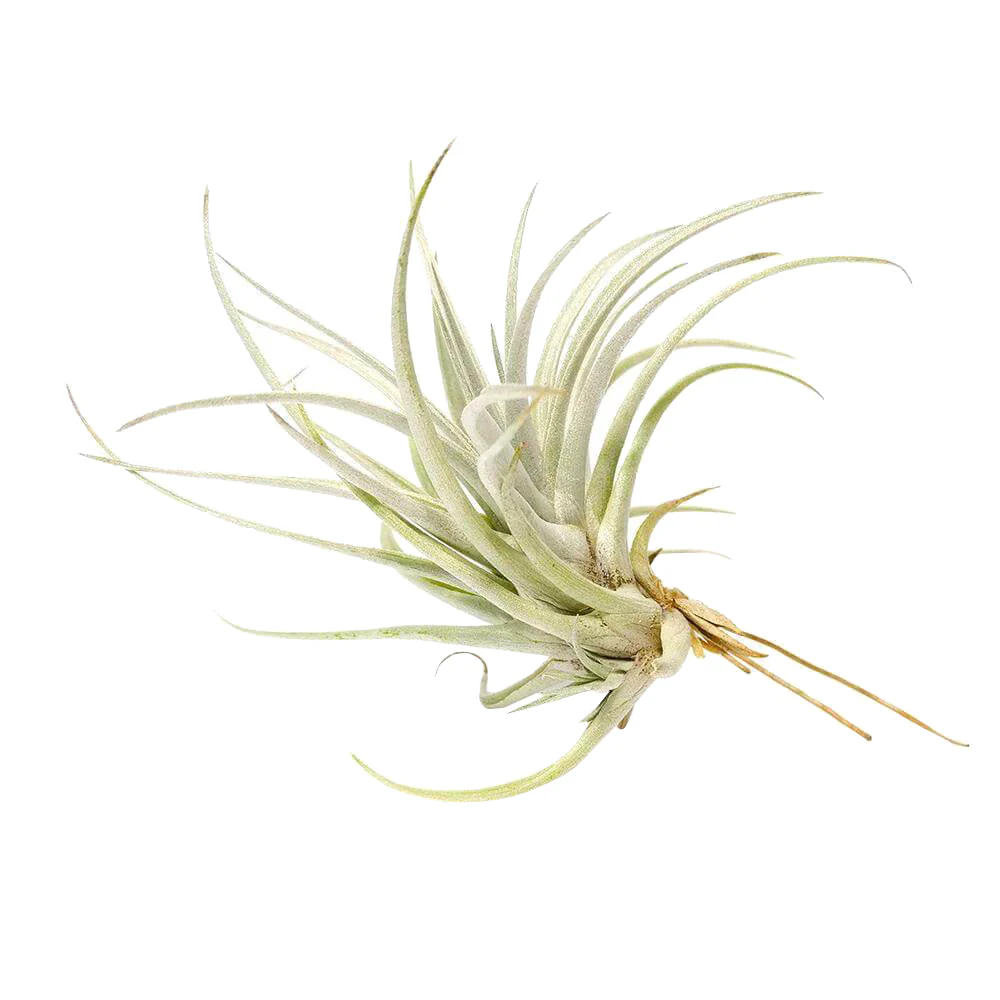
![]() The Alfonso Urchin shell is a small, rounded, cream-to-tan natural vessel covered in a delicate geometric texture, making it a beautiful organic planter. The Tillandsia nestled inside features narrow, arching silvery-green leaves that radiate outward in a graceful rosette form. The soft, scale-like trichomes on the leaves give them a slightly fuzzy, silvery sheen. The compact size of the overall arrangement makes it ideal for displaying on bookshelves, windowsills, tabletops, or grouped with other natural decorative objects.
The Alfonso Urchin shell is a small, rounded, cream-to-tan natural vessel covered in a delicate geometric texture, making it a beautiful organic planter. The Tillandsia nestled inside features narrow, arching silvery-green leaves that radiate outward in a graceful rosette form. The soft, scale-like trichomes on the leaves give them a slightly fuzzy, silvery sheen. The compact size of the overall arrangement makes it ideal for displaying on bookshelves, windowsills, tabletops, or grouped with other natural decorative objects.
![]() This arrangement brings a relaxed, nature-inspired touch to any room and requires no soil, no pot, and very little upkeep, making it a wonderful choice for busy plant lovers or beginners. It works beautifully as a desk accent, bathroom decoration, or a gift. Tillandsia air plants are pet friendly, so you can place this piece anywhere in your home with confidence. Keep it out of reach of young children to protect the delicate urchin shell from accidental damage.
This arrangement brings a relaxed, nature-inspired touch to any room and requires no soil, no pot, and very little upkeep, making it a wonderful choice for busy plant lovers or beginners. It works beautifully as a desk accent, bathroom decoration, or a gift. Tillandsia air plants are pet friendly, so you can place this piece anywhere in your home with confidence. Keep it out of reach of young children to protect the delicate urchin shell from accidental damage. -
![]() Tillandsia air plants thrive in bright, indirect light. Place the arrangement near a window that receives several hours of filtered sunlight each day, such as an east or west-facing windowsill. Avoid prolonged exposure to harsh, direct afternoon sun, which can scorch the delicate leaves and dry the plant out too quickly.
Tillandsia air plants thrive in bright, indirect light. Place the arrangement near a window that receives several hours of filtered sunlight each day, such as an east or west-facing windowsill. Avoid prolonged exposure to harsh, direct afternoon sun, which can scorch the delicate leaves and dry the plant out too quickly.
![]() Mist the air plant two to three times per week, or remove it from the urchin shell and soak it in room-temperature water for 20 to 30 minutes every one to two weeks. After soaking, gently shake off excess water and allow the plant to dry completely before returning it to the shell. Never let water pool inside the urchin, as prolonged moisture can cause rot at the base of the plant.
Mist the air plant two to three times per week, or remove it from the urchin shell and soak it in room-temperature water for 20 to 30 minutes every one to two weeks. After soaking, gently shake off excess water and allow the plant to dry completely before returning it to the shell. Never let water pool inside the urchin, as prolonged moisture can cause rot at the base of the plant.
![]() No soil is needed for Tillandsia. The plant absorbs water and nutrients entirely through its leaves using specialized cells called trichomes. The Alfonso Urchin shell acts purely as a decorative vessel. If you choose to fertilize, use a bromeliad or air plant fertilizer diluted to one-quarter strength and apply it during misting or soaking once a month.
No soil is needed for Tillandsia. The plant absorbs water and nutrients entirely through its leaves using specialized cells called trichomes. The Alfonso Urchin shell acts purely as a decorative vessel. If you choose to fertilize, use a bromeliad or air plant fertilizer diluted to one-quarter strength and apply it during misting or soaking once a month.
![]() Tillandsia air plants prefer temperatures between 50 and 90 degrees Fahrenheit (10 to 32 degrees Celsius). They do well in typical indoor conditions and appreciate moderate to good air circulation. Avoid placing the arrangement near air conditioning vents, heating units, or cold drafts, as extreme temperature fluctuations can stress the plant.
Tillandsia air plants prefer temperatures between 50 and 90 degrees Fahrenheit (10 to 32 degrees Celsius). They do well in typical indoor conditions and appreciate moderate to good air circulation. Avoid placing the arrangement near air conditioning vents, heating units, or cold drafts, as extreme temperature fluctuations can stress the plant.
![]() Feed your Tillandsia once a month using a bromeliad or air plant liquid fertilizer diluted to one-quarter of the recommended strength. Apply it during your regular misting or soaking routine. Fertilizing is optional but encourages healthy growth and can promote blooming over time. Avoid over-fertilizing, as too much nutrient concentration can damage the delicate leaves.
Feed your Tillandsia once a month using a bromeliad or air plant liquid fertilizer diluted to one-quarter of the recommended strength. Apply it during your regular misting or soaking routine. Fertilizing is optional but encourages healthy growth and can promote blooming over time. Avoid over-fertilizing, as too much nutrient concentration can damage the delicate leaves.
-
![]()
USDA Hardiness Zones 9-11 | Minimum temperature: 25°F (-4°C)
The Tillandsia air plant can be displayed outdoors year-round in warm, frost-free climates within Zones 9 to 11. In cooler regions, bring the arrangement indoors before temperatures drop below 50°F (10°C) to protect the plant from cold stress. The Alfonso Urchin shell is best kept indoors or in a sheltered outdoor spot to preserve its natural texture and appearance.
 The Alfonso Urchin with Tillandsia Air Plant is a charming pairing that combines a naturally dried sea urchin shell with a living Tillandsia, commonly known as an air plant. Tillandsia is a genus in the Bromeliaceae family, native to the forests, mountains, and deserts of Central and South America. This display-ready combination is popular for its effortless, soil-free lifestyle and its distinctive coastal aesthetic that suits a wide range of interior styles.
 The Alfonso Urchin shell is a small, rounded, cream-to-tan natural vessel covered in a delicate geometric texture, making it a beautiful organic planter. The Tillandsia nestled inside features narrow, arching silvery-green leaves that radiate outward in a graceful rosette form. The soft, scale-like trichomes on the leaves give them a slightly fuzzy, silvery sheen. The compact size of the overall arrangement makes it ideal for displaying on bookshelves, windowsills, tabletops, or grouped with other natural decorative objects.
 This arrangement brings a relaxed, nature-inspired touch to any room and requires no soil, no pot, and very little upkeep, making it a wonderful choice for busy plant lovers or beginners. It works beautifully as a desk accent, bathroom decoration, or a gift. Tillandsia air plants are pet friendly, so you can place this piece anywhere in your home with confidence. Keep it out of reach of young children to protect the delicate urchin shell from accidental damage.
  Tillandsia air plants thrive in bright, indirect light. Place the arrangement near a window that receives several hours of filtered sunlight each day, such as an east or west-facing windowsill. Avoid prolonged exposure to harsh, direct afternoon sun, which can scorch the delicate leaves and dry the plant out too quickly.
 Mist the air plant two to three times per week, or remove it from the urchin shell and soak it in room-temperature water for 20 to 30 minutes every one to two weeks. After soaking, gently shake off excess water and allow the plant to dry completely before returning it to the shell. Never let water pool inside the urchin, as prolonged moisture can cause rot at the base of the plant.
 Tillandsia air plants prefer temperatures between 50 and 90 degrees Fahrenheit (10 to 32 degrees Celsius). They do well in typical indoor conditions and appreciate moderate to good air circulation. Avoid placing the arrangement near air conditioning vents, heating units, or cold drafts, as extreme temperature fluctuations can stress the plant.
 Feed your Tillandsia once a month using a bromeliad or air plant liquid fertilizer diluted to one-quarter of the recommended strength. Apply it during your regular misting or soaking routine. Fertilizing is optional but encourages healthy growth and can promote blooming over time. Avoid over-fertilizing, as too much nutrient concentration can damage the delicate leaves.

Product Information
Product Information
Shipping & Returns
Shipping & Returns
Description
- Description
- Light/Soil/Water
- Hardiness
-
![]() The Alfonso Urchin with Tillandsia Air Plant is a charming pairing that combines a naturally dried sea urchin shell with a living Tillandsia, commonly known as an air plant. Tillandsia is a genus in the Bromeliaceae family, native to the forests, mountains, and deserts of Central and South America. This display-ready combination is popular for its effortless, soil-free lifestyle and its distinctive coastal aesthetic that suits a wide range of interior styles.
The Alfonso Urchin with Tillandsia Air Plant is a charming pairing that combines a naturally dried sea urchin shell with a living Tillandsia, commonly known as an air plant. Tillandsia is a genus in the Bromeliaceae family, native to the forests, mountains, and deserts of Central and South America. This display-ready combination is popular for its effortless, soil-free lifestyle and its distinctive coastal aesthetic that suits a wide range of interior styles.
![]() The Alfonso Urchin shell is a small, rounded, cream-to-tan natural vessel covered in a delicate geometric texture, making it a beautiful organic planter. The Tillandsia nestled inside features narrow, arching silvery-green leaves that radiate outward in a graceful rosette form. The soft, scale-like trichomes on the leaves give them a slightly fuzzy, silvery sheen. The compact size of the overall arrangement makes it ideal for displaying on bookshelves, windowsills, tabletops, or grouped with other natural decorative objects.
The Alfonso Urchin shell is a small, rounded, cream-to-tan natural vessel covered in a delicate geometric texture, making it a beautiful organic planter. The Tillandsia nestled inside features narrow, arching silvery-green leaves that radiate outward in a graceful rosette form. The soft, scale-like trichomes on the leaves give them a slightly fuzzy, silvery sheen. The compact size of the overall arrangement makes it ideal for displaying on bookshelves, windowsills, tabletops, or grouped with other natural decorative objects.
![]() This arrangement brings a relaxed, nature-inspired touch to any room and requires no soil, no pot, and very little upkeep, making it a wonderful choice for busy plant lovers or beginners. It works beautifully as a desk accent, bathroom decoration, or a gift. Tillandsia air plants are pet friendly, so you can place this piece anywhere in your home with confidence. Keep it out of reach of young children to protect the delicate urchin shell from accidental damage.
This arrangement brings a relaxed, nature-inspired touch to any room and requires no soil, no pot, and very little upkeep, making it a wonderful choice for busy plant lovers or beginners. It works beautifully as a desk accent, bathroom decoration, or a gift. Tillandsia air plants are pet friendly, so you can place this piece anywhere in your home with confidence. Keep it out of reach of young children to protect the delicate urchin shell from accidental damage. -
![]() Tillandsia air plants thrive in bright, indirect light. Place the arrangement near a window that receives several hours of filtered sunlight each day, such as an east or west-facing windowsill. Avoid prolonged exposure to harsh, direct afternoon sun, which can scorch the delicate leaves and dry the plant out too quickly.
Tillandsia air plants thrive in bright, indirect light. Place the arrangement near a window that receives several hours of filtered sunlight each day, such as an east or west-facing windowsill. Avoid prolonged exposure to harsh, direct afternoon sun, which can scorch the delicate leaves and dry the plant out too quickly.
![]() Mist the air plant two to three times per week, or remove it from the urchin shell and soak it in room-temperature water for 20 to 30 minutes every one to two weeks. After soaking, gently shake off excess water and allow the plant to dry completely before returning it to the shell. Never let water pool inside the urchin, as prolonged moisture can cause rot at the base of the plant.
Mist the air plant two to three times per week, or remove it from the urchin shell and soak it in room-temperature water for 20 to 30 minutes every one to two weeks. After soaking, gently shake off excess water and allow the plant to dry completely before returning it to the shell. Never let water pool inside the urchin, as prolonged moisture can cause rot at the base of the plant.
![]() No soil is needed for Tillandsia. The plant absorbs water and nutrients entirely through its leaves using specialized cells called trichomes. The Alfonso Urchin shell acts purely as a decorative vessel. If you choose to fertilize, use a bromeliad or air plant fertilizer diluted to one-quarter strength and apply it during misting or soaking once a month.
No soil is needed for Tillandsia. The plant absorbs water and nutrients entirely through its leaves using specialized cells called trichomes. The Alfonso Urchin shell acts purely as a decorative vessel. If you choose to fertilize, use a bromeliad or air plant fertilizer diluted to one-quarter strength and apply it during misting or soaking once a month.
![]() Tillandsia air plants prefer temperatures between 50 and 90 degrees Fahrenheit (10 to 32 degrees Celsius). They do well in typical indoor conditions and appreciate moderate to good air circulation. Avoid placing the arrangement near air conditioning vents, heating units, or cold drafts, as extreme temperature fluctuations can stress the plant.
Tillandsia air plants prefer temperatures between 50 and 90 degrees Fahrenheit (10 to 32 degrees Celsius). They do well in typical indoor conditions and appreciate moderate to good air circulation. Avoid placing the arrangement near air conditioning vents, heating units, or cold drafts, as extreme temperature fluctuations can stress the plant.
![]() Feed your Tillandsia once a month using a bromeliad or air plant liquid fertilizer diluted to one-quarter of the recommended strength. Apply it during your regular misting or soaking routine. Fertilizing is optional but encourages healthy growth and can promote blooming over time. Avoid over-fertilizing, as too much nutrient concentration can damage the delicate leaves.
Feed your Tillandsia once a month using a bromeliad or air plant liquid fertilizer diluted to one-quarter of the recommended strength. Apply it during your regular misting or soaking routine. Fertilizing is optional but encourages healthy growth and can promote blooming over time. Avoid over-fertilizing, as too much nutrient concentration can damage the delicate leaves.
-
![]()
USDA Hardiness Zones 9-11 | Minimum temperature: 25°F (-4°C)
The Tillandsia air plant can be displayed outdoors year-round in warm, frost-free climates within Zones 9 to 11. In cooler regions, bring the arrangement indoors before temperatures drop below 50°F (10°C) to protect the plant from cold stress. The Alfonso Urchin shell is best kept indoors or in a sheltered outdoor spot to preserve its natural texture and appearance.